
8 April 2025
Venturing beyond the calm, glassy waters where most paddleboarders begin their journey opens up a whole new world of excitement and challenge. Mastering rough water paddleboarding requires specific skills, knowledge, and equipment—but the rewards are substantial.
This comprehensive guide will take you through everything you need to know to safely and confidently tackle choppy conditions on your SUP.
Table of contents
1. What is “rough water” paddle boarding?
Defining chop, swell, and current
Rough water paddleboarding encompasses a variety of challenging water conditions that go beyond the flat, calm surfaces ideal for beginners. Understanding these different conditions is essential before attempting to paddle in them.
Wind chop refers to the small, irregular waves created by wind blowing across the water’s surface. These choppy conditions can appear suddenly and vary in intensity depending on wind strength.
Unlike the rhythmic nature of ocean swell, wind chop is often unpredictable and can come from multiple directions, making balance particularly challenging.
Ocean swell consists of larger, more organised waves that have travelled from distant storms or weather systems. These rolling waves typically follow a more consistent pattern than chop, allowing paddlers to anticipate and adjust to their movement.
Swell can range from gentle undulations to substantial waves, especially near coastlines.
Currents represent the horizontal movement of water, whether in rivers, tidal areas, or around coastal features. They can significantly affect your paddling trajectory and require specific techniques to navigate safely.
In the UK, tidal currents can be particularly notable. They result in strong flows that demand respect and skill to manage as a paddler.
Setting realistic expectations and embracing the challenge
Approaching rough water paddleboarding requires a mindset adjustment from flat water paddling. Progress will likely be slower, falls more frequent, and energy expenditure higher—all of which is perfectly normal.
Your first sessions in choppy conditions might involve more time kneeling than standing, and distances covered will likely be shorter than on calm days. This isn’t a reflection of regression in skill but rather an adaptation to more demanding conditions.
You’ll need to accept that rough water paddling has a steeper learning curve. Each successful outing builds valuable experience that compounds over time. The paddler who can maintain composure and adapt to changing conditions will find tremendous satisfaction in mastering these skills.
2. Why take your SUP skills to choppier waters?
The thrill of dynamic conditions
There’s an undeniable excitement that comes with successfully navigating your board through challenging conditions. The dynamic nature of rough water creates a constantly changing environment that engages both mind and body in a way that flat water paddling rarely does.
This heightened engagement transforms paddleboarding from a leisurely activity into an exhilarating adventure. Each successful run through choppy sections or well-timed paddle stroke to counter a current provides a sense of accomplishment that many paddlers find addictive.
For those who enjoy the mental aspects of outdoor sports, rough water paddling offers constant problem-solving opportunities. Reading water patterns, anticipating changes, and making split-second adjustments creates a flow state that many find deeply rewarding.
Improving fitness and balance
Paddling in rough conditions significantly intensifies the physical demands of SUP. Your core muscles work overtime to maintain stability, while your legs constantly make micro-adjustments to keep you balanced. This full-body engagement creates an exceptional workout that builds functional strength applicable to many other activities.
The increased resistance of paddling against wind, waves, or currents also elevates the cardiovascular component of your workout. Many paddlers find they can achieve a high-intensity training effect in less time when conditions are challenging.
Opening up new paddling locations and adventures
Perhaps the most compelling reason to develop rough water skills is the expanded range of paddling opportunities it creates. The UK coastline offers countless stunning locations that are only accessible to those comfortable in more challenging conditions.
Coastal exploration becomes possible along stretches where perfectly calm days are rare. The ability to handle moderate chop opens up adventures around headlands, to offshore islands, or through scenic passages that would otherwise remain off-limits.
3. Is advanced paddle boarding right for you?
Mastering the basics first
Before venturing into rough water, ensure you’ve thoroughly mastered fundamental paddleboarding skills in calm conditions. You should be comfortable with:
-
efficient forward paddling
-
maintaining a straight course without constant side-switching, and
-
performing controlled turns using both sweep strokes and step-back techniques.
Balance fundamentals must be second nature, including:
-
comfortable stance adjustments
-
walking on your board from tail to nose, and
-
the ability to paddle in various positions, i.e., standard stance, surf stance and kneeling.
You should also be proficient at remounting your board quickly after falling, even when wearing a wetsuit.
Safety awareness is a must—you need to understand how to use your SUP leash properly, recognise changing weather conditions, and have practised self-rescue techniques in controlled environments.
Familiarity with the “rules of the road” for water navigation and appropriate communication with other water users is also essential.
Physical fitness considerations for more demanding paddling
Rough water paddleboarding places significantly higher demands on your body than flat water paddling. Core strength is particularly important, as your midsection will be constantly engaged to maintain stability. Regular core-focused exercises off the water can help prepare you for these demands.
Upper body endurance becomes crucial when paddling against wind or currents. The ability to maintain proper technique through extended periods of resistance is essential for both safety and enjoyment. Building shoulder, back, and arm strength through progressive paddling sessions or complementary training helps develop this capacity.
Cardiovascular fitness provides the foundation for all extended paddling activities. In rough conditions, your heart rate will elevate more quickly and stay higher throughout your session. Having a solid aerobic base allows you to maintain clear thinking and proper technique even when physically challenged.
The importance of confidence and caution
The psychological aspect of rough water paddling is just as important as physical preparation. A positive, confident approach helps you react appropriately to challenges rather than freezing or panicking. This confidence can only be built gradually, through progressive exposure to increasingly difficult conditions.
However, overestimating your abilities in challenging conditions can lead to dangerous situations. Respect for the water and awareness of your current skill limitations are signs of maturity, not weakness. The best rough water paddlers know when to push their limits and when to pull back.
4. Rough water SUP safety
Understanding the conditions
Before heading out, check detailed weather forecasts. For UK paddleboarders, the Met Office marine forecasts and Inshore Waters forecast provide vital information about wind direction, strength, and potential changes.
Wind awareness is essential in the UK, where conditions can change rapidly. Offshore winds (blowing from land to sea) are especially dangerous as they can quickly push paddleboarders away from shore.
Tidal knowledge is important for coastal paddling. Understanding how tides affect currents, particularly around headlands, estuaries, and narrow passages, can prevent paddlers from being caught in dangerous flows.
Teaming up and sharing plans
A buddy can assist if you encounter difficulties, help assess changing conditions from a different perspective, and provide moral support when challenges arise. Choose partners with similar or greater experience levels for rough water sessions.
When paddling solo is unavoidable, always inform a reliable person about:
-
your intended route
-
expected duration, and
-
anticipated return time.
Include information about your equipment, what you’re wearing, and predetermined check-in times.
Essential safety gear
SUP leashes
Selecting a SUP leash which matches the conditions you’ll be paddling in is important preparation. Coiled leashes are a common choice in choppy conditions without significant swell, as the design keeps the leash out of the water and reduces drag. For rough coastal waters with waves, a straight leash – often favoured for SUP surfing – can also work well.
Quick-release belts are essential when paddling in tidal estuaries or rivers, where a risk of tangling or entrapment exist. They allow for immediate detachment in emergency situations, preventing dangerous dragging scenarios.
Two Bare Feet SUP leash options
Our Deluxe Coiled Swivel Leash is specifically designed to enhance safety and performance in choppy paddleboarding conditions. The coiled design keeps the leash compact and elevated above the water, significantly reducing drag when navigating through wind chop or small waves.
The leash features swivel fixings that prevent it from knotting or twisting during the frequent directional changes often required in rough water paddling. This is particularly valuable when you’re constantly adjusting your position or recovering from falls in choppy conditions, ensuring the leash remains functional when you need it most.
For paddlers venturing into flowing waters like tidal estuaries or rivers, Two Bare Feet offers a SUP Leash and Quick Release Waist Belt Package. This essential safety system addresses one of the most serious hazards in rough water paddleboarding – the risk of leash entrapment in strong currents or underwater obstacles.
The Quick Release Waist Belt attaches to your regular ankle leash via a handle on the rear of the belt. The front clasp features an easily accessible pull-cord that’s always within reach, allowing for immediate detachment from your board in emergency situations.
Personal Flotation Devices (PFDs)
For rough water paddleboarding, wearing a properly fitted PFD is a key consideration. Buoyancy aids offer freedom of movement while providing essential flotation. These typically have less buoyancy than full life jackets but allow the range of motion needed for effective paddling.
In particularly challenging conditions or cold water, consider a higher-buoyancy PFD or life jacket. The extra flotation provides additional safety if you become separated from your board or fatigued.
Always ensure your PFD meets current safety standards and is appropriate for your weight.
Communication devices
At a minimum, carry a mobile phone in a high-quality waterproof case, preferably worn on your person rather than stored on the board. Pre-program emergency contacts and download offline maps of your paddling area.
For coastal paddling in the UK, a waterproof VHF radio provides direct communication with the Coastguard and other vessels. Understanding basic radio protocols and keeping the device accessible but secure is important.
Consider supplementary signalling devices such as a whistle, a waterproof torch, or emergency strobe for low-light conditions.
SUP self-rescue techniques for rough water
Mastering board remounting is essential. A common method, known as the “straddle” technique involves approaching your board from the side, placing your hands at the centre line, and using a scissor kick to slide your body across the board before rotating to a seated or kneeling position.
Prone paddling (lying on your stomach) provides a stable alternative when conditions exceed your abilities. Practise transitioning quickly from standing to kneeling to prone positions as conditions dictate. Being adaptable will allow you to progress toward safety rather than becoming stranded.

Two Bare Feet Entradia (Allround XS) 8'6" x 34" x 4.75" Inflatable Juniors SUP Deluxe Fibreglass Hybrid Pack (Blue)
In Stock SKU:ENTRADIA-AXS-DF-BLUE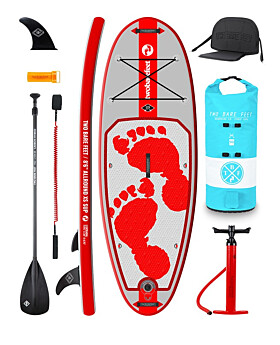
Two Bare Feet Entradia (Allround XS) 8'6" x 34" x 4.75" Inflatable Juniors SUP Deluxe Carbon Hybrid Pack (Red)
In Stock SKU:ENTRADIA-AXS-DC-RED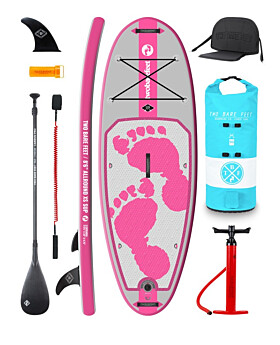
Two Bare Feet Entradia (Allround XS) 8'6" x 34" x 4.75" Inflatable Juniors SUP Ultimate Pack (Pink)
In Stock SKU:ENTRADIA-AXS-U-PINK5. Choosing the right board and equipment
Stability vs. manoeuvrability in rough water
When choosing an inflatable SUP for coastal paddling, higher-quality boards with advanced construction methods offer significant advantages in rough conditions.
Premium inflatable SUPs feature double-walled fusion (DWF) technology, which reinforces the board’s exterior skin for increased durability and performance in harsh environments.
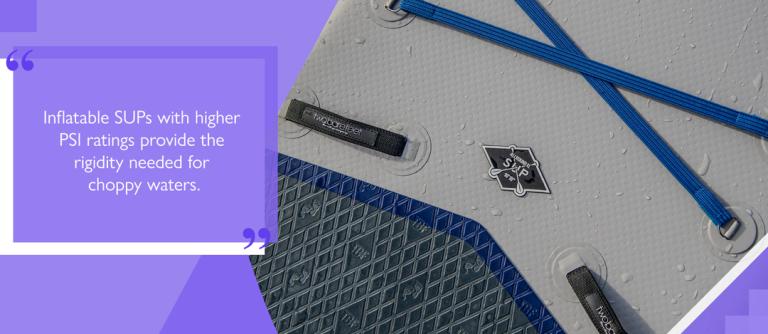
Inflatable SUPs with higher PSI ratings (15-20 PSI) provide the rigidity needed for choppy waters. This firmness translates to better tracking and stability when navigating through wind chop or small waves.
The inherent shock absorption of quality inflatables makes them excellent choices for rough water paddling. The slight flex helps absorb the impact of choppy conditions, reducing fatigue and making longer sessions more comfortable.
Considering board shape and volume
Board volume directly affects buoyancy and stability—crucial factors in rough water. Higher volume boards provide more stability and can better handle the additional weight of safety gear or supplies for longer expeditions.
Nose shape also impacts rough water performance. Pointed or displacement hulls cut through chop more efficiently, while rounded noses provide stability and manoeuvrability. For coastal paddling, touring SUPs with their elongated design promote better balance and straight-line tracking, which can be especially reassuring to paddlers in choppy conditions.
Two Bare Feet’s inflatable SUP range
Our selection of inflatable SUPs are designed to handle challenging water conditions. Premium models feature Fusion DWF (Double Wall Fusion) construction that adds rigidity for performance in choppy waters. This advanced construction process uses extra PVC laminate layers that are heat-fused together, eliminating glue and reducing the risk of delamination and punctures—essential qualities when navigating rough conditions.
For paddlers seeking maximum stability in choppy waters, the Entradia 10’10” x 34″ x 6″ Allround XL provides exceptional performance. This board’s 6″ thickness significantly increases overall volume and buoyancy, allowing it to support more weight while maintaining stability in challenging conditions. At 34″ wide, it offers an incredibly stable platform—ideal for beginners venturing into slightly choppy waters or those prioritising stability over speed.
For more experienced paddlers looking to tackle rougher conditions, the Sport Air models (available in 10’6″ x 33″ x 4.75″ and 10’10” x 33″ x 6″) feature a slightly narrower profile that enhances speed and agility while still providing sufficient stability. This design allows you to cut through chop more efficiently while maintaining responsive control—a critical factor when navigating dynamic water conditions.
Those looking to cover longer distances in varying water conditions will appreciate the Entradia 11’6″ x 34″ x 6″ touring model. Its extended length improves tracking and straight-line efficiency, while the 6″ thickness and 34″ width maintain the stability needed when encountering unexpected chop or swell during longer journeys.
All our boards feature handles at the nose, centre, and tail, providing crucial grip points for self-rescue manoeuvres in rough water. The 5mm EVA deck pad offers comfortable standing while providing essential grip when the board surface becomes wet from spray or waves.
The fin configuration on Two Bare Feet boards is particularly valuable in varying water conditions. Models feature a combination of fixed side fins with a larger removable centre fin. For rougher waters with more chop, using all three fins provides maximum tracking stability.
Our inflatable SUPs are designed to be inflated to 18 PSI—the highest air pressure rating used by iSUP manufacturers. This high-pressure rating ensures exceptional rigidity, which is crucial for maintaining performance in less predictable conditions.
-

Two Bare Feet 3 Piece Full Carbon Fibre Pro SUP Paddle
£119.99 -

Two Bare Feet 3 Piece Carbon Hybrid SUP Paddle
£79.99 -

Two Bare Feet 3 Piece Fibreglass Hybrid SUP Paddle (Red)
£39.99 -
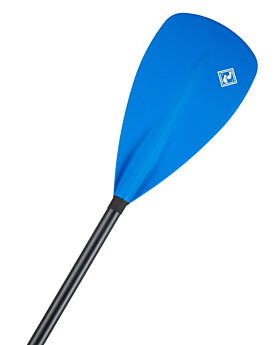
Two Bare Feet 3 Piece Fibreglass Hybrid SUP Paddle (Blue)
£39.99 -
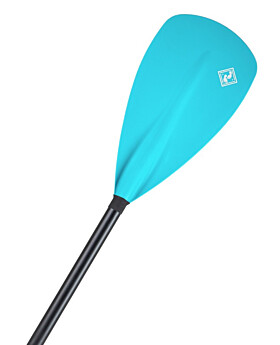
Two Bare Feet 3 Piece Fibreglass Hybrid SUP Paddle (Aqua)
£39.99 -
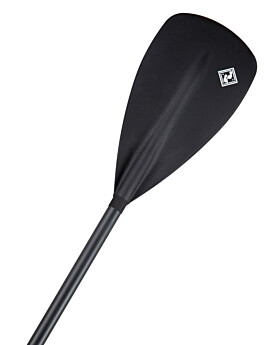
Two Bare Feet 3 Piece Fibreglass Hybrid SUP Paddle (Black)
£39.99 -

Two Bare Feet Bamboo Carbon Pro 3-Piece SUP Paddle
£144.99 -
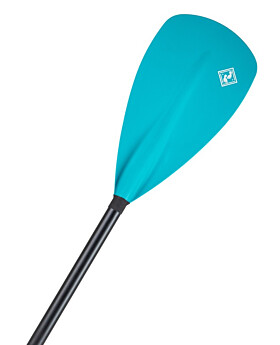
Two Bare Feet 3 Piece Fibreglass Hybrid SUP Paddle (Teal)
£39.99 -

Two Bare Feet Fibreglass Hybrid SUP to Kayak Paddle Conversion - Additional Blade Only (Blue)
£24.99 -
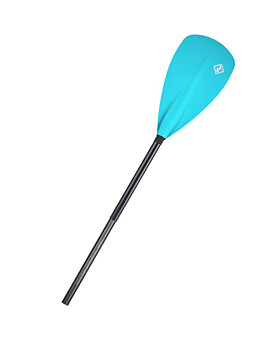
Two Bare Feet Fibreglass SUP to Kayak Double Ended Paddle Extension - Additional Blade Only (Aqua)
£24.99 -

Two Bare Feet Fibreglass SUP to Kayak Double Ended Paddle Extension - Additional Blade Only (Red)
£24.99 -

Two Bare Feet Fibreglass SUP to Kayak Double Ended Paddle Extension - Additional Blade Only (Teal)
£24.99 -

Two Bare Feet Fibreglass SUP to Kayak Double Ended Paddle Extension - Additional Blade Only (Black)
£24.99 -
 £24.99
 -

Two Bare Feet 3 Piece Fibreglass Hybrid SUP Paddle & Bag Package (Black)
£54.99 -

Two Bare Feet 3 Piece Fibreglass Hybrid SUP Paddle & Bag Package (Blue)
£54.99 -

Two Bare Feet 3 Piece Fibreglass Hybrid SUP Paddle & Bag Package (Aqua)
£54.99 -

Two Bare Feet 3 Piece Fibreglass Hybrid SUP Paddle & Bag Package (Teal)
£54.99 -

Two Bare Feet 3 Piece Fibreglass Hybrid SUP Paddle & Bag Package (Red)
£54.99 -
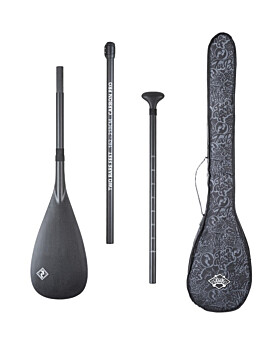
Two Bare Feet 3 Piece Carbon Pro SUP Paddle & Bag Package (Black)
£134.99 -
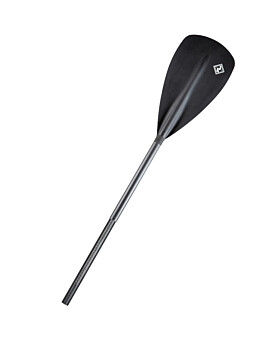
Two Bare Feet Carbon Hybrid SUP to Kayak Paddle Conversion - Additional Blade Only
£29.99 -
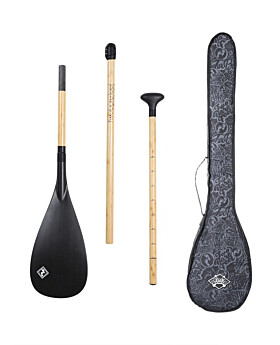
Two Bare Feet 3 Piece Bamboo Carbon Pro SUP Paddle & Bag Package (Black)
£159.99
Selecting an efficient SUP paddle
Paddle weight becomes increasingly important in rough conditions where you’ll be making more frequent and powerful strokes.
Lighter paddles reduce fatigue during extended sessions, allowing you to maintain proper technique even when tired. Carbon fibre or carbon-composite paddles offer the best strength-to-weight ratio for serious rough water paddlers.
Blade size and shape should match both your physical capabilities and the conditions you’ll face. Larger blades provide more power but require more strength to use effectively. In choppy conditions, a medium-sized blade often offers the best balance between power and control, allowing for quick, responsive strokes when needed.
Adjustable SUP paddles provide valuable versatility for rough water paddling. Being able to lengthen your paddle for flatwater sections or shorten it when conditions demand a lower stance gives you adaptability in changing environments.
Two Bare Feet SUP paddles
We offer a versatile range of SUP paddles designed to meet the needs of paddlers tackling challenging conditions. The lineup includes aluminium, fibreglass hybrid, carbon hybrid, and full carbon fibre paddles, each offering features suited to different skill levels and water environments.
Lightweight and durable options
For paddlers seeking an affordable yet reliable option, the Standard 3-Piece Aluminium SUP Paddle provides excellent all-round performance. Its adjustable design ensures suitability for riders of all sizes, while the durable aluminium shaft and polypropylene blade offer robustness in rough waters. Although slightly heavier than other models, it remains a dependable choice for general use.
The Fibreglass Hybrid SUP Paddle bridges the gap between aluminium and carbon models. With a fibreglass shaft that reduces weight by over 200 grams compared to aluminium, it offers improved efficiency for longer sessions. Its polypropylene blade ensures durability while maintaining an accessible price point—ideal for paddlers progressing to rougher conditions.
For those prioritising lightweight performance, the Carbon Hybrid SUP Paddle features a 100% carbon fibre shaft combined with a durable polypropylene blade. This paddle is significantly lighter than aluminium models, reducing fatigue during extended paddling in challenging waters.
High-performance carbon fibre SUP paddles
The Carbon Pro SUP Paddle is the ultimate choice for serious paddlers. Constructed entirely from carbon fibre, it delivers exceptional strength-to-weight performance, making it perfect for touring or racing in rough conditions. Its lightweight design minimises fatigue while maintaining excellent power transfer with every stroke.
All Two Bare Feet paddles are available in adjustable two- or three-piece designs, ensuring easy transport and storage—essential for accessing remote paddling locations.
-
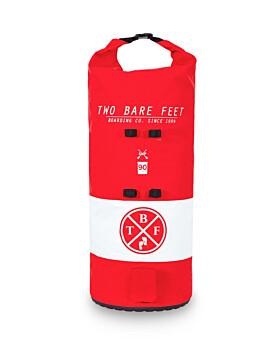
Two Bare Feet 90 Litre Waterproof Dry Bag / SUP Carry Bag (Red)
£29.99 -
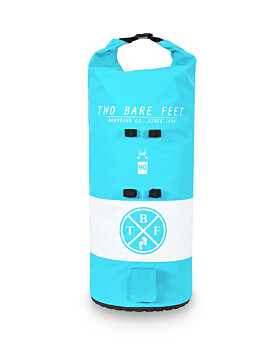
Two Bare Feet 90 Litre Waterproof Dry Bag / SUP Carry Bag (Aqua)
£29.99 -
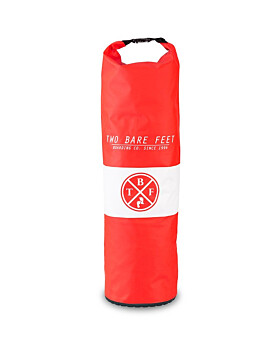
Two Bare Feet 30 Litre Waterproof Dry Bag / Inflatable Bodyboard Carry Bag (Red)
Special Price £17.99 Regular Price £34.99 -
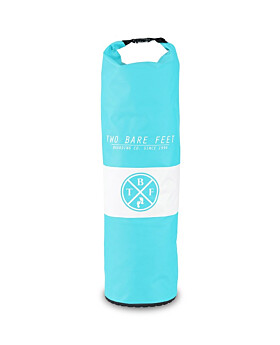
Two Bare Feet 30 Litre Waterproof Dry Bag / Inflatable Bodyboard Carry Bag (Aqua)
Special Price £17.99 Regular Price £34.99 -
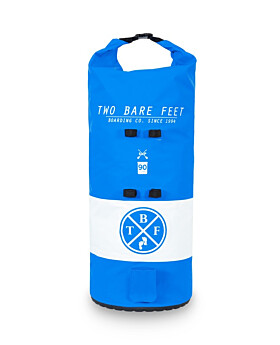
Two Bare Feet 90 Litre Waterproof Dry Bag / SUP Carry Bag (Blue)
£29.99 -
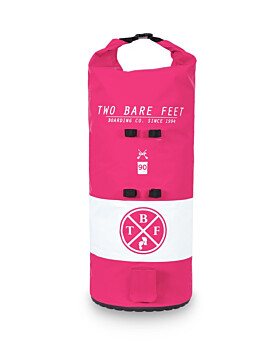
Two Bare Feet 90 Litre Waterproof Dry Bag / SUP Carry Bag (Pink)
£29.99 -
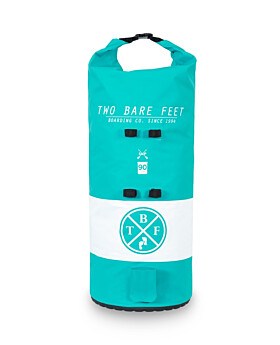
Two Bare Feet 90 Litre Waterproof Dry Bag / SUP Carry Bag (Teal)
£29.99 -
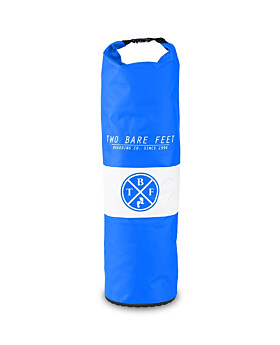
Two Bare Feet 30 Litre Waterproof Dry Bag / Inflatable Bodyboard Carry Bag (Blue)
Special Price £17.99 Regular Price £34.99 -
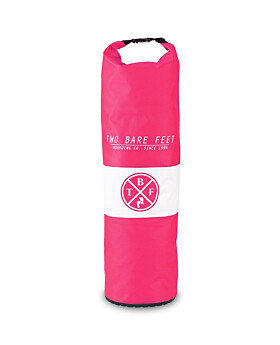
Two Bare Feet 30 Litre Waterproof Dry Bag / Inflatable Bodyboard Carry Bag (Pink)
Special Price £17.99 Regular Price £34.99 -
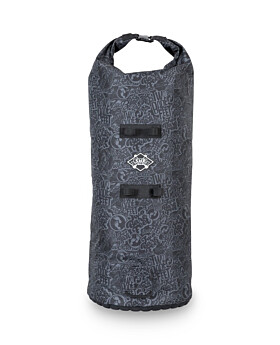
Two Bare Feet Classic Pattern 90 Litre Protective Paddleboard Travel Bag (Black / Grey)
£29.99 -
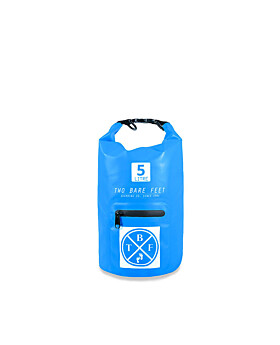
5 Litre Waterproof Dry Bag / Carry Bag (Blue)
£9.99 -
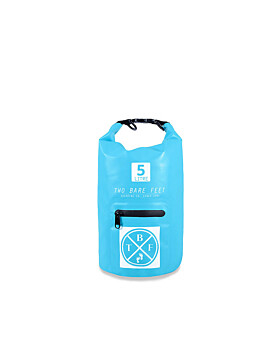
5 Litre Waterproof Dry Bag / Carry Bag (Aqua)
£9.99 -
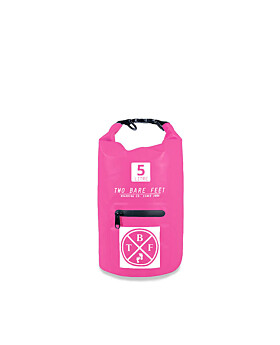
5 Litre Waterproof Dry Bag / Carry Bag (Pink)
£9.99 -
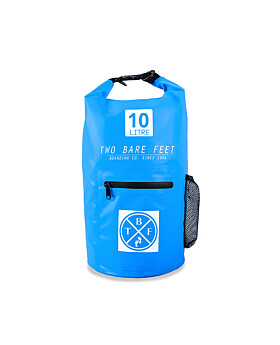
10 Litre Waterproof Dry Bag / Carry Bag (Blue)
£12.99 -
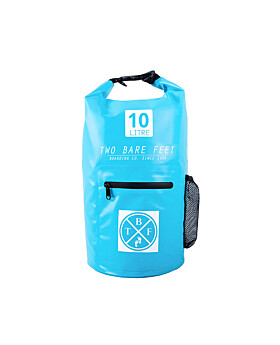
10 Litre Waterproof Dry Bag / Carry Bag (Aqua)
£12.99 -
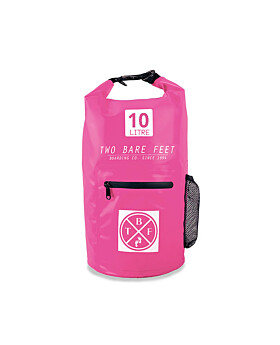
10 Litre Waterproof Dry Bag / Carry Bag (Pink)
£12.99 -
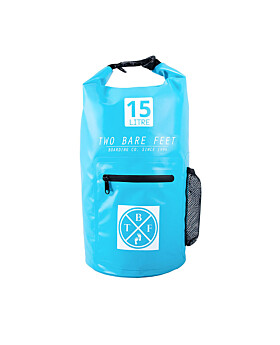
15 Litre Waterproof Dry Bag / Carry Bag (Aqua)
£14.99 -
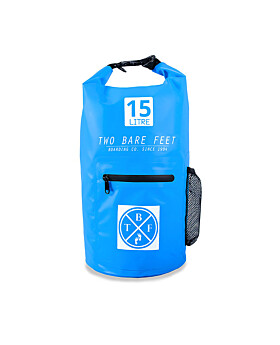
15 Litre Waterproof Dry Bag / Carry Bag (Blue)
£14.99 -
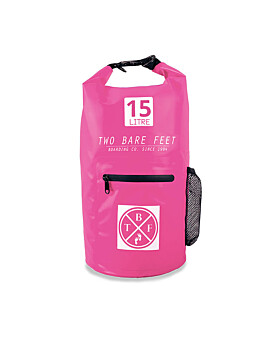
15 Litre Waterproof Dry Bag / Carry Bag (Pink)
£14.99 -
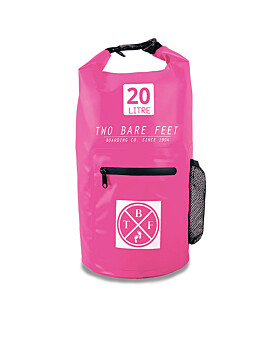
20 Litre Waterproof Dry Bag / Carry Bag (Pink)
£16.99 -
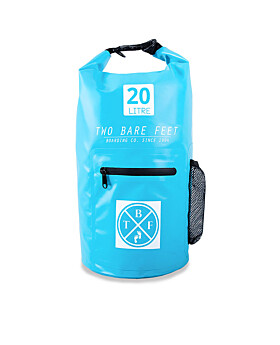
20 Litre Waterproof Dry Bag / Carry Bag (Aqua)
£16.99 -
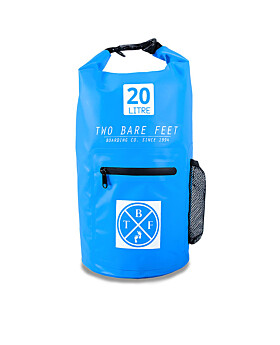
20 Litre Waterproof Dry Bag / Carry Bag (Blue)
£16.99
Essential storage
A waterproof deck bag secured under the board’s bungee cords provides accessible storage for essentials like snacks, first aid supplies, or extra layers—items you might need quickly in changing conditions.
Two Bare Feet offers a range of waterproof dry bags specifically designed for paddleboarding in challenging conditions.
Our 30-litre Waterproof Dry Bag is perfect for day trips, providing ample space for essential items while remaining compact enough to secure firmly under your board’s bungee cords. Made from heavy-duty reinforced PVC, these bags are fully waterproof and incredibly durable—crucial when waves are washing over your deck in choppy waters.
For paddlers venturing into rougher conditions where more safety equipment or clothing layers are necessary, the 90-litre Waterproof Dry Bag/SUP Carry Bag offers substantial capacity while maintaining complete waterproofing. Its roll-top closure with heavy-duty buckle fastening ensures contents stay dry even during unexpected immersions.
In addition, we now also stock a selection of smaller dry bags designed specifically for carrying personal belongings. Available in 5L, 10L, 15L, and 20L variants, and in three vibrant colourways, they’re perfect for safely stowing away small but essential items like phones or radios, or smaller volumes of supplies for short excursions.
All options feature wipe-clean exteriors, making them easy to maintain after exposure to salt water or sand. The 90-litre version includes twin padded shoulder straps and a waist fastener, allowing comfortable transport of your gear to and from remote launching spots—particularly valuable when seeking out sheltered bays or protected coastal routes during windy conditions.
The importance of the right wetsuit
Wetsuit thickness for UK waters and conditions
Understanding wetsuit thickness measurements helps make informed choices. The notation system (e.g., 4/3mm) indicates varying thickness—the first number represents the torso thickness, while subsequent numbers indicate limb thickness.
For summer paddling (July-September) when water temperatures reach 15°C-20°C, a 3/2mm full wetsuit provides adequate protection while maintaining flexibility. During shoulder seasons, increasing to a 4/3mm thickness offers additional warmth without significantly restricting movement.
Winter paddling in the UK demands serious thermal protection. Water temperatures below 10°C require wetsuits of 5mm thickness or greater, potentially with thermal linings for extended sessions. The increased neoprene thickness around the core area protects vital organs while slightly thinner material at the joints allows necessary flexibility for paddling motions.
Two Bare Feet wetsuits for all conditions
Two Bare Feet offers a comprehensive range of wetsuits specifically designed to meet the diverse needs of paddleboarders tackling rough waters in the UK’s variable climate.
Summer paddling solutions
As far as summer wetsuit options go, Two Bare Feet’s 3/2mm Thunderclap Pro full wetsuit provides the perfect balance of warmth and flexibility. The super-stretch neoprene allows unrestricted movement during paddling strokes while maintaining adequate insulation for comfort in British waters.
For paddlers seeking maximum freedom on warmer days, the 2.5mm Thunderclap shorty wetsuit offers core warmth while allowing greater mobility in the limbs—ideal for those transitioning into rough water paddling where quick balance adjustments are essential.
Shoulder season protection
During spring and autumn, our two-piece wetsuit series offers an adaptable approach which allows paddleboarders to quickly adjust their insulation levels when conditions change rapidly in rough waters.
For those preferring a one-piece solution, the Thunderclap Pro 4/3mm wetsuit provides excellent all-round protection without sacrificing the flexibility needed for maintaining balance and executing powerful strokes in challenging conditions.
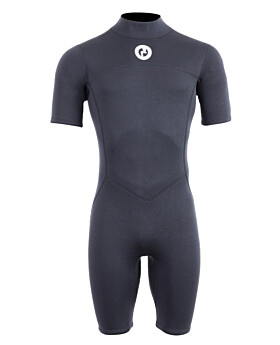
Two Bare Feet Thunderclap 2.5mm Mens Shorty Wetsuit (Black)
In Stock SKU:TBF-THCS-BLK-M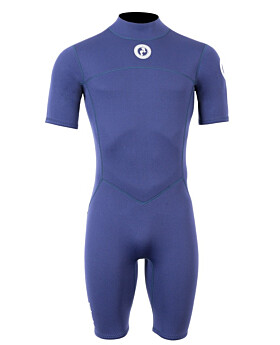
Two Bare Feet Thunderclap 2.5mm Mens Shorty Wetsuit (Navy)
In Stock SKU:TBF-THCS-NVY-M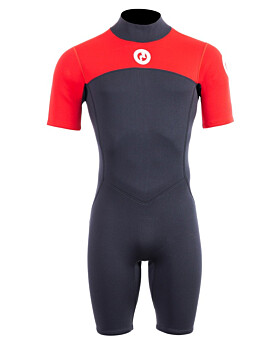
Two Bare Feet Thunderclap 2.5mm Mens Shorty Wetsuit (Red / Black)
In Stock SKU:TBF-THCS-RED-M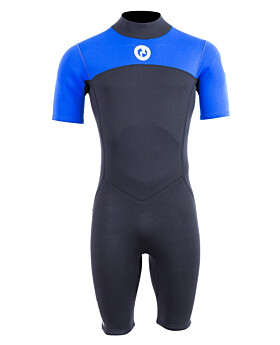
Two Bare Feet Thunderclap 2.5mm Mens Shorty Wetsuit (Blue / Black)
In Stock SKU:TBF-THCS-BLU-M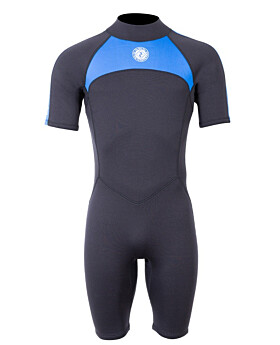
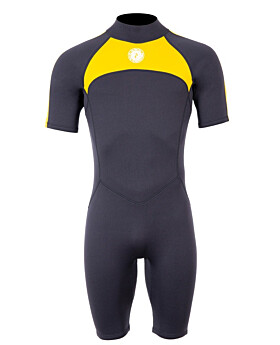
Two Bare Feet Flare 2.5mm Mens Superstretch Shorty Wetsuit (Yellow)
In Stock SKU:TBF-FLR-S-YLW

Two Bare Feet Thunderclap Pro 3/2mm Mens Wetsuit (Black/Delta Grey)
In Stock SKU:TBF-THCPRO-BLKGRY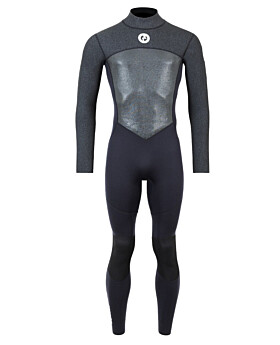
Two Bare Feet Thunderclap Pro 3/2mm Mens Wetsuit (Black/Dark Grey)
In Stock SKU:TBF-THCPRO-BLKDRKGRYWinter performance
When facing the harshest UK winter conditions, a winter wetsuit like the Thunderclap Pro 5/4mm Winter Wetsuit becomes essential for safe paddling. With 5mm thick neoprene around the torso and 4mm in the limbs, this wetsuit incorporates advanced thermal lining technology to maintain core body temperature during extended sessions in rough, cold waters.
The increased thickness around the chest and back provides vital organ protection against cold water splashes and falls, while slightly thinner material at the joints ensures paddlers can still execute the quick movements necessary for navigating choppy waters.
All Two Bare Feet wetsuits incorporate key features beneficial for rough water paddleboarders:
-
Flatlock seams to minimise chafing during extended sessions
-
Reinforced knee pads for durability when kneeling in choppy conditions
-
Adjustable collars and cuffs to prevent water flushing when repeatedly falling and remounting
-
Strategic panel placement to enhance flexibility in key paddling motion areas
Layering under a wetsuit
Rash vests
A thermal rash vest worn under a wetsuit adds significant insulation without bulk. As a specialised base layer, it can trap additional warmth and provide protection against chafing during the extended paddling sessions typical of rough water adventures.
Two Bare Feet rash vests for rough water paddleboarding
Two Bare Feet offers specialised rash vests that enhance both comfort and performance during challenging paddleboarding sessions.
The Unisex Thermal Long Sleeve Rash Vest provides exceptional warmth retention with its fleece-lined interior, crucial when repeatedly exposed to cold water during falls in choppy conditions. The long sleeves offer additional protection against wind chill that can quickly sap energy during extended sessions.
For paddlers preferring more upper body flexibility, the Adults Thermal Short Sleeve Rash Vest balances warmth with freedom of motion—particularly beneficial when executing powerful strokes needed to cut through choppy waters or maintain position against currents.
For milder conditions where thermal protection isn’t necessary but chafing prevention remains important, Two Bare Feet’s standard Adults Long Sleeve Rash Vest offers excellent protection. Made from quality Lycra for supreme fit and comfort, these non-thermal options provide UV protection while creating a smooth interface between your skin and wetsuit during repetitive paddling motions.
The Adults Short Sleeve Rash Vest offers the same quality construction with reduced coverage, perfect for paddlers who want maximum arm mobility while still protecting the torso from chafing during challenging water conditions.
Both options feature high-quality Lycra construction, ensuring a snug fit that prevents chafing during repetitive paddling motions while allowing full range of movement for constant stance adjustments on an unstable board.
All Two Bare Feet thermal rash vests offer excellent UV protection. Their versatility extends beyond use as a base layer—in milder conditions, they can be worn alone with board shorts, providing just enough insulation without a full wetsuit, allowing adaptability for varying conditions during a single outing.
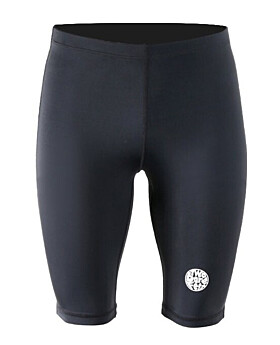
Two Bare Feet Mens Lycra Swimming Shorts (Black)
In Stock SKU:TBFSWMS-BLK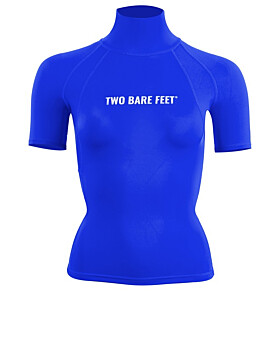
Two Bare Feet Unisex Short Sleeve Rash Vest (Blue)
In Stock SKU:WRASHSSBLUE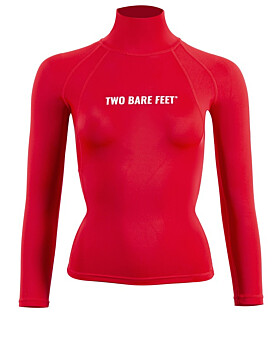
Two Bare Feet Unisex Long Sleeve Rash Vest (Red)
In Stock SKU:WRASHLSRED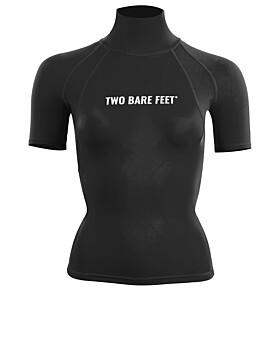
Two Bare Feet Unisex Short Sleeve Rash Vest (Black)
In Stock SKU:UNIRASHSSBLK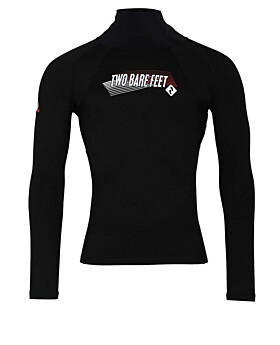
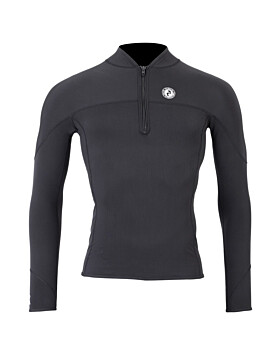
Two Bare Feet Mens Thermal Quarter Zip Watersports Fleece
In Stock SKU:WT-TB-1702-BLK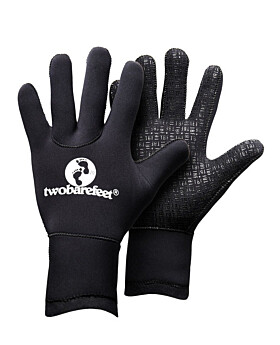
Two Bare Feet Adults 2.5mm Superstretch Neoprene Gloves
In Stock SKU:2.5MM-SSGLOVES
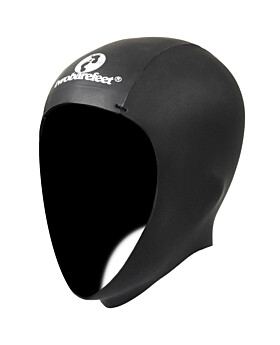
Two Bare Feet 3mm Glideskin Neoprene Chinstrap Watersports Hood
In Stock SKU:CSHOOD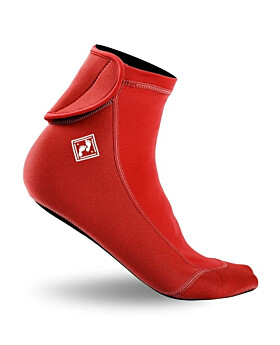
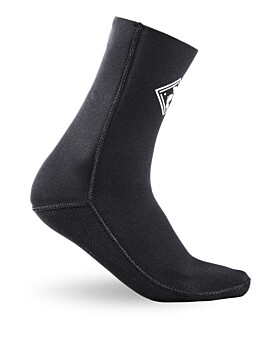
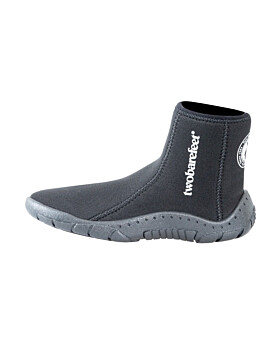
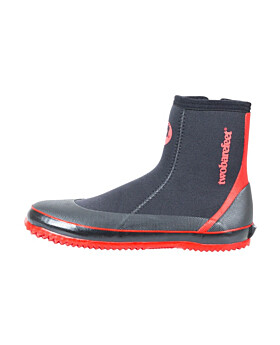
Two Bare Feet 5mm Neoprene Zipped Wetsuit Boots (Red)
In Stock SKU:5MMZIPBOOT-RED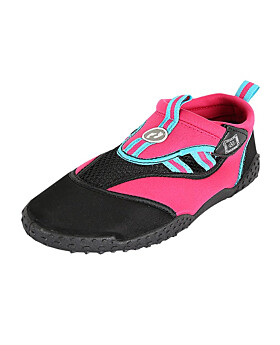
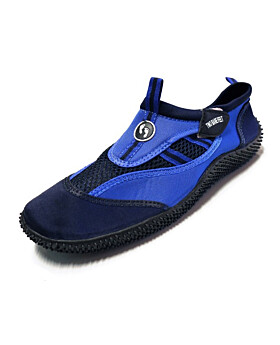
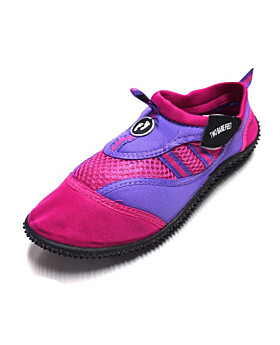
Two Bare Feet Cliff Jump Adults Aqua Shoes (Pink / Aqua)
In Stock SKU:AQACRASPAQA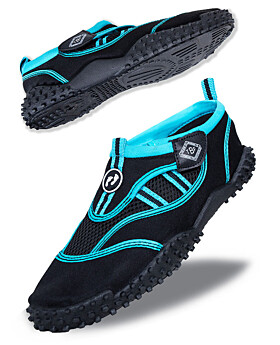

Two Bare Feet Cliff Jump Adults Aqua Shoes (Blue / Yellow)
In Stock SKU:AQAC-BLUYLW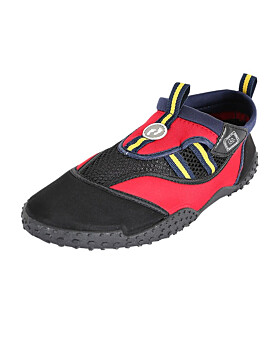
Two Bare Feet Cliff Jump Adults Aqua Shoes (Red / Yellow)
In Stock SKU:AQACRED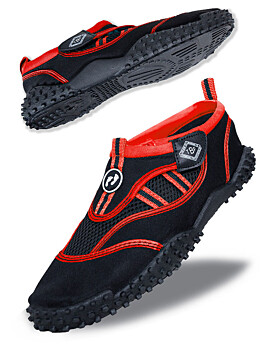
Wetsuit hoods, boots and gloves
Neoprene hoods prevent heat loss through the head and protect ears from cold wind and water—particularly important for preventing surfer’s ear during frequent falls in rough conditions.
Wetsuit boots with substantial grip improve stability on your board in choppy conditions while protecting feet from cold. The additional traction is particularly valuable when your board surface becomes wet and slippery.
Similarly, neoprene gloves maintain dexterity for paddle control while preventing the hand numbness that can compromise safety in cold conditions.
Wetsuit accessories for rough water paddleboarding
Two Bare Feet offers essential wetsuit accessories specifically designed to enhance your rough water paddleboarding experience while providing crucial protection from the elements. Below is a selection of our most popular items.
Wetsuit hoods for complete head protection
Two Bare Feet’s 5mm Neoprene Diving/Surf Hood provides ideal protection with substantial insulation and flat lock stitch technology for comfort during extended paddling sessions. The extended neck covering creates a seamless connection with your wetsuit collar, eliminating gaps where cold water might enter during falls.
For extremely cold or rough waters, the 7mm Wetsuit Diving Hood delivers exceptional thermal protection with its thicker neoprene construction and extra-long extended neck collar, critical for preventing rapid heat loss during repeated immersions.
The 3mm Glideskin Neoprene Chinstrap Watersports Hood offers enhanced mobility with its cut-off neck collar design, making it perfect for the dynamic movements required when navigating through chop and swell.
Wetsuit boots for enhanced stability
Two Bare Feet’s 5mm Neoprene Diving Boots feature a tough rubber outsole with solid zig-zag patterned tread for exceptional grip on wet paddleboard surfaces, while the rubber heel and toe wrap offers maximum protection during unexpected falls.
For winter paddleboarding in challenging conditions, the 7mm Surf Wetsuit Boots deliver unbeatable warmth while maintaining the board feel crucial for stability. Their lighter weight sole allows for nimble movements when adjusting your stance in choppy conditions.
The 5mm Neoprene Zipped Wetsuit Boots feature a convenient YKK side zip entry system with internal garter flap, making them exceptionally easy to don and remove, even with cold hands after a challenging session.
Wetsuit gloves for paddle control
Two Bare Feet’s 3mm Neoprene Wetsuit Gloves feature a honeycomb pattern palm grip for exceptional traction on wet paddle shafts, ensuring control even when your hands are cold and wet.
For the perfect balance between warmth and dexterity, the 2.5mm Superstretch Neoprene Gloves offer a snug fit while allowing full finger mobility for precise paddle control, with cinched glideskin-lined wrist openings that prevent flushing during falls.
In particularly cold conditions, the 5mm Neoprene Gloves provide maximum thermal protection without sacrificing grip, allowing you to maintain feeling in your fingers even during extended sessions in frigid waters.
6. Essential rough water paddle techniques
Stance adjustments for stability
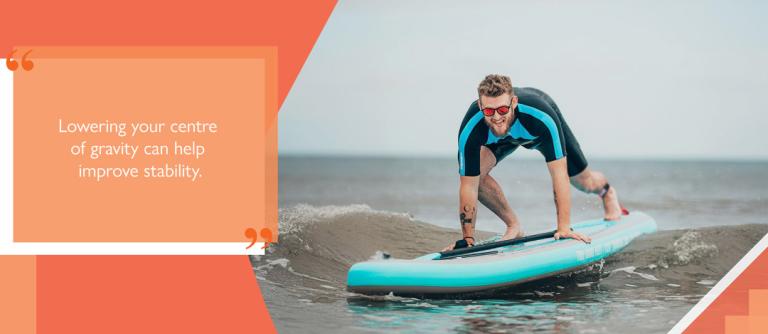
Learning to improve SUP stability in waves begins with lowering your centre of gravity. Bending your knees more deeply than you would on flat water creates a more stable platform and allows you to absorb the motion of choppy water rather than fighting against it.
Foot placement on your board is also critical. Moving slightly back from your normal position helps keep the nose from pearling (diving under water) when paddling through chop. Finding this sweet spot—far enough back for control but not so far that the board becomes sluggish—takes practice but dramatically improves rough water handling.
Adopting a staggered or surf stance positions your feet slightly wider than shoulder-width apart with one foot slightly behind the other. This offset position improves lateral stability when waves or chop hit from the side. Practise transitioning between parallel and staggered stances until the movement becomes fluid and instinctive.
Paddle strokes for power and control
Advanced paddle strokes for rough sea conditions focus on maintaining stability while generating forward momentum.
The low brace stroke serves as both propulsion and stabilisation—by keeping the paddle blade just below the water’s surface on the power phase, you create a support point that prevents tipping while still moving forward.
When facing larger chop head-on, the “punch” stroke becomes invaluable. This involves a more vertical paddle entry and powerful pull, timed to coincide with the approach of a wave. The forceful stroke helps lift the board over the chop rather than ploughing through it, maintaining momentum and stability.
Paddle board techniques for choppy water must include defensive strokes for unexpected balance challenges. The slap brace—quickly slapping the paddle flat against the water surface—provides instant stability when a sudden wave or gust threatens your balance.
Turning techniques in dynamic water
Executing effective turns in rough water requires adapting flat-water techniques to changing conditions.
The sweep stroke remains fundamental but must be performed with more power and commitment in chop. Extend your reach forward and make a wide, powerful arc, using your core muscles rather than just arms to generate the turning force.
For tighter turns in choppy conditions, the step-back pivot turn offers precise control. By stepping back to lift the nose and pivoting on the tail, you can make sharp directional changes even in disturbed water. This technique requires solid balance but provides manoeuvrability that standard sweep turns cannot match.
The braced turn combines forward momentum with a support brace on the inside of the turn. By maintaining the paddle blade in contact with the water throughout the turning motion, you create continuous stability during what would otherwise be a vulnerable manoeuvre. This technique is particularly valuable when turning in unpredictable chop.
7. Navigating different types of rough water
Handling wind chop and crosswinds
Wind chop presents one of the most common rough water challenges. When facing directly into the chop, maintain a slightly wider stance than normal and focus on powerful, deliberate forward strokes timed to punch through the peaks of approaching waves. This paddle board technique for choppy water helps maintain momentum and prevents the nose from being pushed off course.
Crosswinds require constant correction to maintain course. The windward side of your board will tend to lift, while the leeward side dips into the water. Counter this by shifting slightly more weight to your windward foot and using a J-stroke on the downwind side to maintain direction without constantly switching sides. This reduces fatigue during longer crosswind sections.
For particularly strong gusts, temporarily dropping to a kneeling position significantly lowers your centre of gravity and reduces wind resistance. Many experienced paddlers keep one knee down and one foot up in challenging crosswind conditions, providing a good balance between stability and the ability to generate power through strokes.
Paddling through ocean swell
Paddleboarding in swell, as opposed to chop, requires different approaches. When paddling upwind into swell, timing is crucial. Accelerate slightly as you approach each wave, using a powerful stroke just before the crest to maintain momentum. This helps prevent the nose from pearling (diving under) as you descend the back of the wave.
Downwind paddling in swell offers the thrilling possibility of “catching” waves for increased speed and efficiency. As a swell approaches from behind, increase your paddle rate to match its speed. Once the wave begins to carry you, move slightly forward on your board to prevent the tail from being pushed around, and use small corrective strokes to maintain direction.
Crossing swell at an angle presents unique challenges. Approach at roughly 45 degrees rather than perpendicular to minimize the rocking motion. Maintain consistent forward momentum with steady strokes, as stopping often leads to instability when waves hit from the side. Your stance should favour the upwave side slightly to counterbalance the lifting force of each passing swell.
Understanding and managing currents
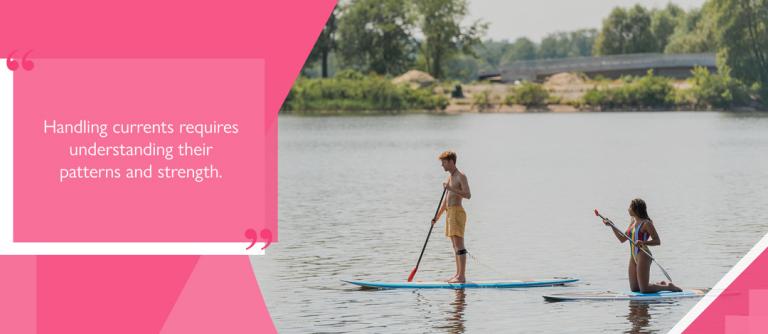
Handling currents when paddleboarding requires understanding their patterns and strength. In the UK, tidal currents can be particularly powerful, with some areas experiencing flows of several knots. Always research local tide times and plan your paddle to work with, rather than against, these natural forces whenever possible.
When crossing currents, use the “ferry glide” technique—point your board slightly upstream while paddling across the current. This angled approach prevents being swept downstream while still making progress across the flow. The stronger the current, the more upstream you’ll need to angle your board.
Tidal estuaries present unique challenges where fresh and salt water meet. These areas often create confused water patterns and can change rapidly as the tide shifts. Look for “tide lines” where different water masses meet—these boundaries often indicate current strength and direction changes that require adjustment in your paddling approach.
8. Building confidence and skill
Practise rough water stability and paddle skills
Structured practice drills accelerate your rough water paddling development. Start in calm conditions by deliberately creating instability—practice paddling with your feet closer together, standing on one foot briefly, or making quick direction changes.
Advanced paddle strokes for rough sea conditions require regular practice to become instinctive. Dedicate time to mastering the low brace (slapping the paddle flat on the water’s surface for immediate stability) and high brace (using the power face of the paddle with arms raised for stronger support). These defensive strokes become crucial safety tools when unexpected waves or gusts threaten your balance.
Create simulated rough water by practising in the wake of boats (with permission and at a safe distance) or in light wind chop. These controlled environments allow you to develop specific skills like bracing, cross-bow turns, and sweep strokes with immediate feedback but lower consequences than truly challenging conditions.
Collaborate with others in organised groups
Formal instruction can accelerate your rough water paddling progression. British Canoeing offers SUP-specific qualifications that include rough water skills, providing structured learning pathways appropriate for UK conditions.
Joining guided trips led by experienced instructors provides valuable exposure to new conditions with the safety net of professional supervision. Many coastal areas in the UK have local operators offering progressive experiences—starting in protected waters and gradually introducing more challenging conditions as skills develop.
Paddling groups also offer safety and learning opportunities. Regular sessions with more experienced rough water paddlers allow you to observe and absorb techniques through practical application.
9. Take your paddleboarding to the next level with Two Bare Feet
The journey from calm water paddling to confidently navigating rough conditions represents one of the most rewarding progressions in the sport of SUP. With the right approach—focusing on safety, building skills progressively, choosing appropriate equipment, and respecting the power of the water—paddleboarders can safely expand their horizons to embrace the dynamic challenges that rough water presents.
Two Bare Feet’s comprehensive range of inflatable paddleboards, SUP paddles, wetsuits, and safety equipment provides everything needed for this journey. From stable, durable inflatable SUPs designed to handle choppy conditions to wetsuits engineered for the UK’s variable climate, our products support paddlers at every stage of development.
Remember that rough water paddleboarding is not about conquering nature but working in harmony with it. The paddler who approaches challenging conditions with respect, preparation, and appropriate caution will find not just safety but genuine joy on the water.