13 May 2024
The thrill of immersing yourself in the natural world is unparalleled. For those seeking a deeper connection with nature while pushing their physical and mental limits, wild swimming offers a unique and exhilarating experience.
What is wild swimming?
In this beginner’s guide, we’ll cover everything you need to know to take the plunge, enjoy the profound benefits, stay safe, and find the right gear to enhance your wild swimming journey.
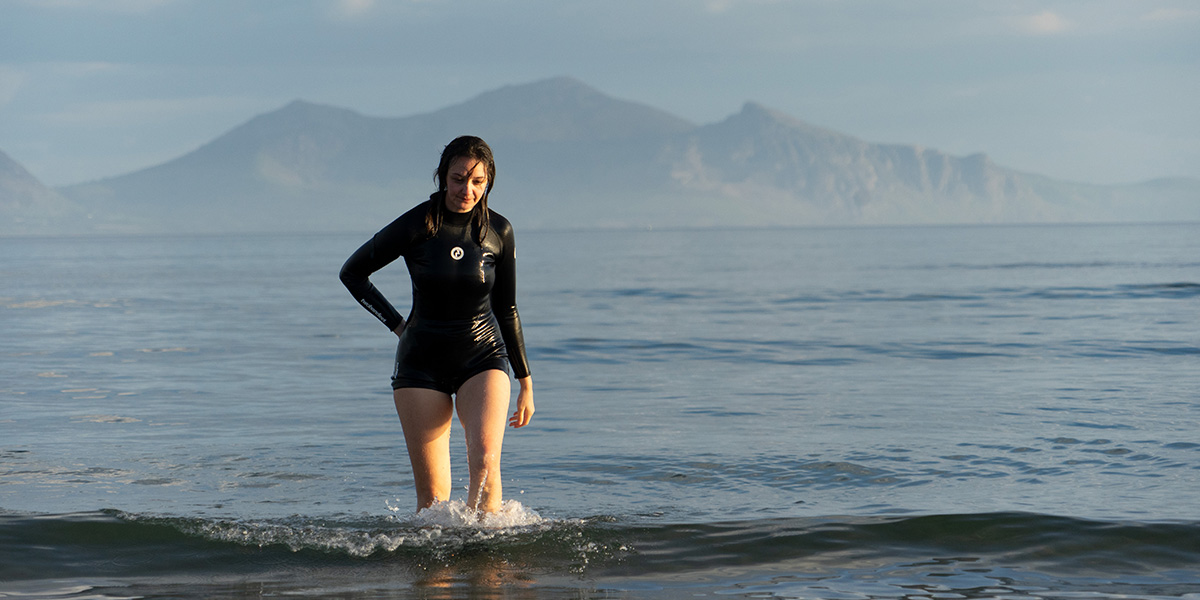
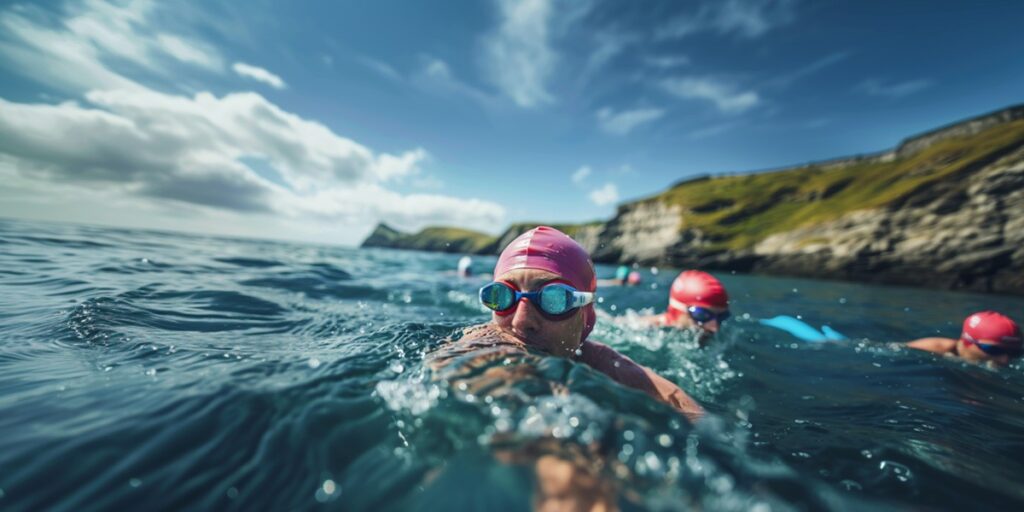
Wild swimming, also known as outdoor swimming, describes swimming in any natural body of water, such as lakes, rivers, waterfalls, or the ocean.
The unique characteristics of these environments – whether it’s the stillness of a lake, the gentle current of a river, the power of crashing waves, or the refreshing plunge of a waterfall – offer diverse and exciting experiences for wild swimmers.
The benefits of wild swimming
Wild swimming offers an array of physical and mental health benefits. Here are just a few:
Improved circulation and recovery: Cold water exposure enhances blood circulation, potentially reducing inflammation and aiding muscle recovery, especially after an intense workout.
Immune system support: Studies suggest wild swimming may stimulate the immune system, offering resilience against illness.
Focus and mental clarity: The invigorating sensation of cold water can increase alertness and focus, leaving you feeling revitalized and mentally sharp.
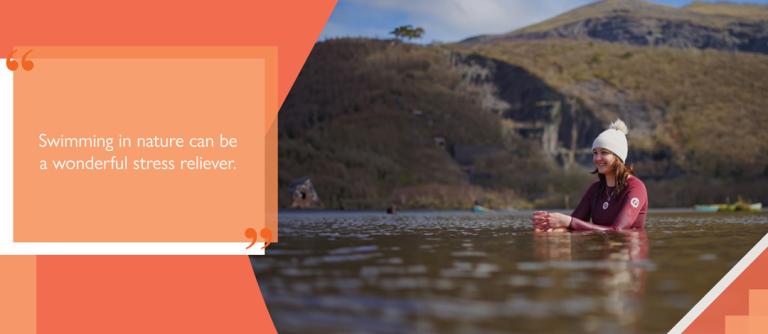
Stress relief and mood boost: The combination of cold-water exposure and the challenge of wild swimming can lead to the release of mood-boosting hormones, helping to alleviate stress and enhance feelings of well-being.
Sense of community: Many wild swimmers find a strong sense of community, camaraderie, and support within local swimming groups, fostering positive social connections.
What do I need for wild swimming?
Having the right gear makes all the difference to your beginner wild swimming experience. Here are the essentials.
Wetsuit
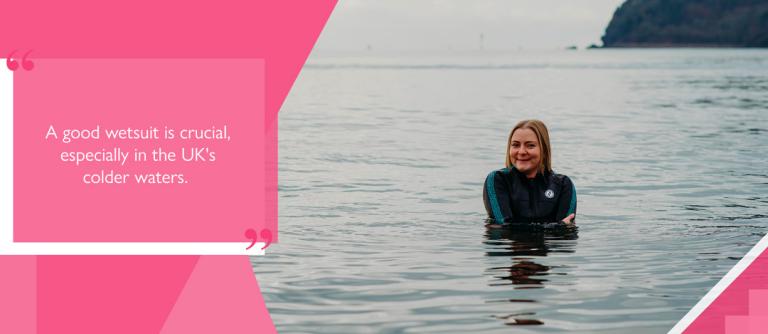
A good wetsuit is crucial for warmth and insulation, especially in the UK’s colder waters. The thickness of your wetsuit will depend on the water temperature you plan to swim in and your personal preference.
Two Bare Feet offers a range of high-quality wetsuits to suit every need and budget, ensuring that wild swimmers can enjoy the therapeutic and invigorating benefits of cold-water immersion safely and comfortably.
Our wetsuits are designed with varying thicknesses to accommodate different water temperatures and personal preferences, ranging typically from 2.5mm for milder conditions to 5mm for the coldest waters encountered in the UK.
Each wetsuit in our collection is crafted from premium neoprene, known for its excellent thermal insulation properties. This helps retain body heat, protecting swimmers from hypothermia and cold-water shock during extended periods in chilly waters.
The snug fit of our wetsuits also minimizes water entry, enhancing the body’s ability to warm the thin layer of water trapped against the skin, which acts as an additional insulative layer.
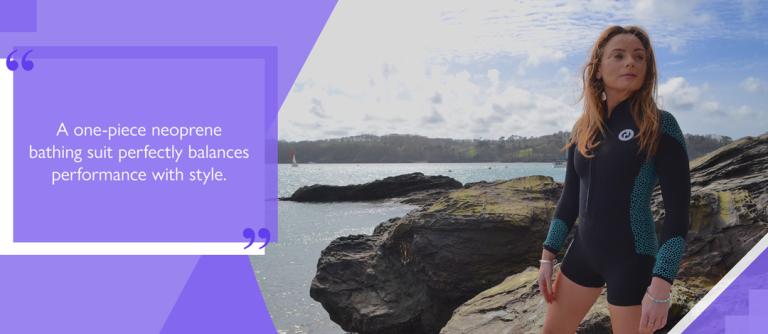
One-piece neoprene bathing suit
Two Bare Feet’s stylish and comfortable short-cut neoprene bathing suit designs are superb for ladies looking for the best of both worlds: performance and style.
The CR superstretch neoprene and flat-lock stitching offer flexibility and durability, while the easy-entry back-zip design makes getting in and out of the suit a breeze.
Available in three different 2mm-thick designs, they offer a choice of flattering and appealing shorty wetsuit styles. All feature an easy-entry back-zip design, sealed hems, and flat-lock stitching to ensure a comfortable and streamlined fit.
As an alternative to a full wetsuit, the presence of a micro-fleece wicking lining in the one-piece suit will help to ensure you stay warm and protected, without restricting movement.
Rash vest
In warmer weather, a rash vest provides a lightweight layer of protection against the initial chill, sunburn, and potential abrasions. They are quick-drying and perfect for those acclimatizing to open water swimming or for use under a wetsuit for added warmth.
Two Bare Feet offers a selection of standard and thermal rash vests for those seeking to swim in open waters. They’re designed with functionality and protection in mind, making them ideal for wild swimming during warmer seasons or as an extra layer beneath a wetsuit.
Our standard rash vests are made from high-quality, stretchable fabrics that allow for full range of motion while swimming. They provide excellent protection against the sun with UPF (Ultraviolet Protection Factor) ratings to reduce exposure to harmful UV rays.
The material is also quick-drying and helps to protect the skin from abrasions and rashes caused by contact with the water or seabed.
For cooler conditions or for swimmers who require additional warmth, our thermal rash vests offer an enhanced level of insulation. Constructed with thicker materials and featuring fleece linings, these vests maintain core body warmth without compromising mobility.
Weatherproof changing robe
A must-have for privacy and warmth after your swim. The spacious design of Two Bare Feet’s weatherproof changing robes makes getting into dry clothes easy, even in public locations.
Two Bare Feet’s weatherproof changing robes come with an insulating sherpa fleece lining and water-resistant outer layer to keep you warm and dry, immediately following a swim. Features such as large hoods and deep external pockets enhance the functionality, allowing you to keep your head warm and personal items secure.
In addition, we also offer packable weatherproof robes that can be folded away into a bag, and poncho-style towelling changing robes which, while not weatherproof, are the perfect lighter choice for summer or milder conditions.
Wetsuit accessories
Especially for winter swimming, accessories like gloves, aqua shoes and socks greatly enhance comfort and prolong your time in the water.
At Two Bare Feet we carry a range of wetsuit additions to protect your extremities in the cold.
Our wetsuit gloves are made from high-quality neoprene, providing excellent thermal insulation to keep your hands warm in icy waters.
The gloves feature a textured grip surface on the palms and fingers, enhancing your hold and control, whether you’re adjusting clothing or navigating slippery surfaces. Flexible and durable, they don’t compromise mobility or comfort, allowing for a natural feel.
For foot protection, our aqua shoes and socks are ideal. Aqua shoes come equipped with tough yet flexible soles that guard against sharp objects and rough terrain, making them perfect for entering and exiting water with rocky or uneven bottoms. They’re quick-drying, lightweight, and provide thermal protection against cold water temperatures.
Similarly, our aqua socks offer a form-fitting option, conforming closely to the feet. They provide excellent insulation and are made from materials that resist water absorption, keeping your feet warmer and more comfortable during prolonged swims. The high-cut design ensures ample coverage, further protecting against the cold.
Changing mat and weatherproof bag
Complete your kit with a changing mat from Two Bare Feet to keep your feet dry while changing, and a weatherproof bag to protect your valuables while you swim.
Our changing mats provide a clean, non-slip surface to stand on when changing in and out of wet gear. With an upper that uses the same absorbent fleece as our changing robes, they protect feet from cold, damp, or rough surfaces, making the changing process more comfortable and hygienic.
Compact and easy to roll up, our changing mats are also highly portable. They can be easily stored in a bag, ready to be used whenever needed.
If you need a spacious bag that can carry your clothing and valuables, while also being impervious to the elements, our weatherproof tote bags are another great option.
These practical holdalls are not only easy to fold and pack away; they also have a convenient full-length zip to securely seal away the contents. This makes it simple to access the bag while also keeping water out.
Taking the plunge for the first time
Before your first wild swim, consider these tips:
Start slow to avoid harm
Ease yourself gradually into cold water to reduce the risk of cold-water shock. This involuntary response to sudden immersion in cold water can cause a sharp gasp of air, rapid breathing, increased heart rate, and even panic.
To help mitigate this, you can prepare your body. Try taking increasingly colder showers at home or spend time wading and splashing in the shallows before taking your first swim.
Start with short swims and gradually increase your duration. Listen to your body and don’t push yourself too far. Even experienced swimmers should be wary of over-exertion in cold water.
Control your breathing
Focus on slow, deep breaths to manage the initial cold shock and maintain calm.
Find a safe spot
Currents, unseen underwater obstacles, variable water depths, and water quality are all potential risks.
Do your research before choosing your swim spot. Choose a well-known wild swimming spot with easy water access and minimal hazards. Sheltered spots with calm water are ideal for beginners.
Bring a buddy
It’s vital to swim with a buddy or within a group, especially as a beginner. They can provide support and assistance if needed. Joining a group that’s familiar with the area can also be a great way to find a safe swimming location.
Post-swim warm-up and wellness
Exiting cold water requires specific attention to stay safe and well:
Warm up quickly
Put on warm, dry clothes right away. This is where having a changing robe can prove to be an excellent solution, for both warmth and privacy. Getting into dry clothing as soon as possible is crucial for preventing hypothermia.
Hydrate and nourish
Drink warm fluids and eat a nourishing snack to restore blood sugar and energy levels. Your body has worked hard to maintain warmth during your swim, and replenishing lost energy is essential.
Mind the afterdrop
Be aware that your body may continue to cool even after you exit the water (afterdrop). If you experience shivering, dizziness, or nausea, seek warmth immediately.
Continuing to enjoy wild swimming year-round
With dedication, wild swimming will become part of your lifestyle rather than a challenge you occasionally confront:
- Build endurance: Gradually increase your swimming duration and frequency as you become more comfortable. Consistency is key in adapting your body to the cold.
- Seek variety: Explore different types of water bodies (rivers, lakes, sea) for new experiences. Each environment offers its unique challenges and rewards.
- Join a club: Find a local wild swimming group to swim with, build social bonds, and access their collective knowledge of safe spots. Swimming with a group offers both safety and a sense of community.
- Adapt your gear: Wild swimming in winter has a different beauty but requires additional safety precautions. Make sure you are well-prepared before attempting it. Investing in the right gear and prioritizing safety are paramount for winter swimming.
Prepare for the wild swimming lifestyle with Two Bare Feet
Ready to take the plunge and embrace the invigorating world of wild swimming? With the right knowledge, gear, and a sense of respect for the open water, you can safely embark on a wild swimming journey that will invigorate both your body and spirit.
For a fantastic selection of essentials, take the plunge and browse Two Bare Feet’s extensive range. From wetsuits and bathing suits, to changing robes and changing mats —your wild swimming adventure starts here!
Need a little extra advice before you begin? Our friendly and knowledgeable team is always on-hand to answer any questions you may have and help you make the right choices.