
30 July 2025
A trip to the coast promises invigorating sea air, the rhythmic sound of waves, and a welcome escape from the everyday. However, the success of any coastal excursion hinges on preparation.
Planning the perfect beach day requires more than just showing up with a towel. The difference between a day of blissful relaxation and one fraught with minor frustrations often lies in the contents of your beach bag. A thoughtfully packed bag is your toolkit for comfort, safety, and enjoyment, ensuring you’re ready for whatever the day may hold.
However, the sheer variety of items that can enhance a beach trip can be overwhelming. From sun protection and hydration to entertainment and safety, remembering every essential can be a challenge.
This guide will help with your planning and packing, covering the core essentials, critical aspects of sun safety and first aid, ideas for fun and games, tips for smart snacking, and highlights those little extras that deliver maximum comfort. It will also touch upon the principles of being a responsible and eco-friendly beachgoer, ensuring our beautiful coastlines remain pristine for generations to come.
Article navigation guide
- The right bag(s) for the job
- Towels – or a smarter alternative
- Your “get home” kit
- Choosing the right swimwear
- Sunscreen
- Protective clothing
- A simple beach first-aid kit
- SPF lip balm
- Protective footwear for rocky shores
- For the wave riders: inflatable bodyboards
- For the builders and diggers: classic sand toys
- For the team players: a beach ball, frisbee, or bat and ball set
- For the explorers: discovering the world beneath the waves
- For quiet moments: a good book, magazine, or e-reader
- Smart beach snacking and hydration
- Little extras that make a big difference
- Adopt an eco-friendly approach to packing
- Embracing the coast with confidence
1. The core essentials
Certain items form the bedrock of any successful beach trip. They form the foundational gear which provides the basic framework for comfort, convenience, and safety. Overlooking any of these can lead to an abrupt end to your day, so it’s wise to pack them first and double-check their presence before you leave.
The right bag(s) for the job
The vessel that carries your essentials is just as important as the items themselves. A single, unsuitable bag can lead to a disorganised, sand-filled mess. The key is to think in terms of a modular system: a primary bag for general items, a cooler for refreshments, and a dedicated dry bag for your most precious belongings.
The main tote or rucksack
Your primary beach bag needs to be a perfect marriage of form and function. The ideal choice is both spacious and lightweight and, like a good weatherproof tote bag, crafted from materials that can withstand the rigours of a coastal environment, such as waterproof or quick-drying canvas, nylon, or mesh.
Look for features that enhance organisation and security; multiple compartments are essential for separating wet from dry and clean from sandy, while a secure zipper closure is your first line of defence against invasive sand. Comfort is also key, so opt for a bag with wide, comfortable straps that won’t dig into your shoulder during the walk from the car park to your chosen spot on the shore.
The cooler bag for food
Keeping food and drinks fresh and cool is not just a matter of preference but also of food safety, especially on a warm day. An insulated cooler bag is an indispensable part of your beach kit. It ensures your water remains refreshingly cold and your sandwiches, fruit, and other perishable snacks stay appetising and safe to eat.
Modern cooler bags are lightweight, efficient, and available in various sizes to suit a solo traveller or a large family. For maximum efficiency, you can supplement the bag’s insulation with frozen water bottles, which serve as ice packs on the way there and a source of chilled water as they melt.
A dry bag for valuables
In an age where our electronics are extensions of ourselves, protecting them from the dual threats of water and sand is paramount. A high-quality dry bag provides a completely waterproof and sand-proof sanctuary for your phone, keys, wallet, and portable charger. This is arguably the ‘best bag for beach valuables’ you can invest in.
Two Bare Feet’s range of versatile dry bags are designed specifically for this purpose. For those looking to protect just their essential electronics, keys, and wallet, the lineup of small dry bags, available in 5L, 10L, 15L, and 20L sizes, offers the perfect solution. Their compact size makes them easy to carry, while the durable, wipe-clean PVC material and reliable roll-top closure with a heavy-duty buckle ensure that not a single grain of sand or drop of water will reach your valuables.
For beach-goers with more to carry, such as towels, a change of clothes, or even a packed lunch, Two Bare Feet offers larger dry bags in 30L and 90L volumes. These more substantial bags are ideal for family outings or for those who participate in watersports, providing ample space for everything from wetsuits and towels to inflatable bodyboards and stand-up paddleboard accessories.
The 30L dry bag is comparable to a standard backpack, making it a versatile choice for a day trip. The largest 90L dry bag is designed to accommodate a deflated iSUP and all its accessories, making it the ultimate gear bag for the serious water sports enthusiast.
Both the 30L and 90L bags feature the same robust, waterproof construction and secure roll-top design as their smaller counterparts, with the addition of comfortable shoulder straps for easy transport of heavier loads.
-
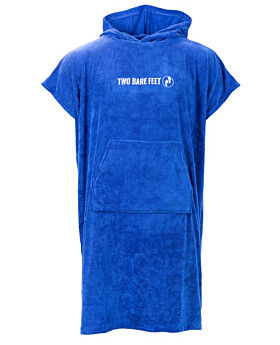
Two Bare Feet Adults Towelling Changing Robe (Blue)
As low as £22.99 Regular Price £29.99 -
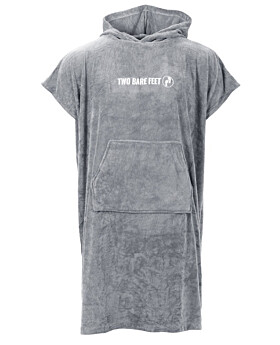
Two Bare Feet Adults Towelling Changing Robe (Grey)
As low as £22.99 Regular Price £29.99 -
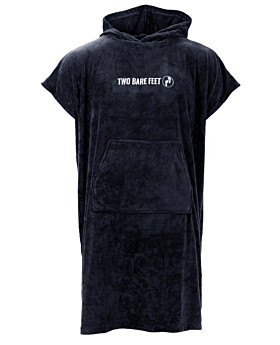
Two Bare Feet Adults Towelling Changing Robe (Black)
As low as £22.99 Regular Price £29.99 -
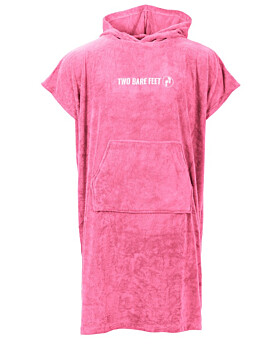
Two Bare Feet Adults Towelling Changing Robe (Hot Pink)
As low as £22.99 Regular Price £29.99 -

Two Bare Feet Adults Towelling Changing Robe (Aqua) -Small
Special Price £22.99 Regular Price £29.99 -

Two Bare Feet Adults Towelling Changing Robe (Aqua) -Medium
Special Price £22.99 Regular Price £29.99 -

Two Bare Feet Adults Towelling Changing Robe (Aqua) -Large
Special Price £22.99 Regular Price £29.99 -
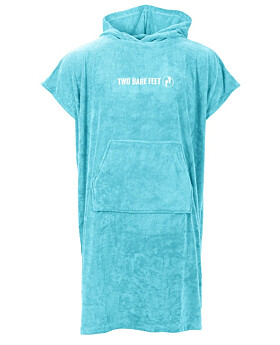
Two Bare Feet Adults Towelling Changing Robe (Aqua)
As low as £22.99 Regular Price £29.99 -
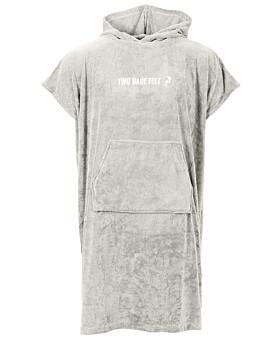
Two Bare Feet Adults Towelling Changing Robe (Stone)
As low as £22.99 Regular Price £29.99 -

Two Bare Feet Adults Towelling Changing Robe (Stone)-Large
Special Price £22.99 Regular Price £29.99 -
Two Bare Feet Adults Towelling Changing Robe (Stone)-Small
Special Price £22.99 Regular Price £29.99 -
Two Bare Feet Adults Towelling Changing Robe (Stone)-Medium
Special Price £22.99 Regular Price £29.99
Towels – or a smarter alternative
The humble towel is a beach day icon, but its traditional form is not without its drawbacks. Bulky cotton towels take up significant bag space and can take a long time to dry. While they have their place, modern alternatives offer enhanced functionality.
The classic beach towel
A large, soft beach towel is perfect for lounging and drying off after a dip. If you are packing for a family, consider taking towels in different colours or patterns to make them easily identifiable, preventing mix-ups. To save precious space in your bag, always roll your towels tightly instead of folding them.
For those looking to maximise space further, a quick-dry microfibre towel is an excellent alternative; they are incredibly compact, highly absorbent, and shed sand with a simple shake, making them ideal for travel.
The changing robe advantage
For the ultimate in beachside convenience, the changing robe has revolutionised the post-swim experience. It addresses the age-old challenge of getting changed discreetly and comfortably on a busy beach. A high-quality changing robe, such as those in the Two Bare Feet changing robe collection, acts as your own private changing room, allowing you to switch out of a wet wetsuit or swimsuit and into dry clothes with ease and dignity.
Two Bare Feet’s range of towelling changing robes are the perfect accessory for a summer beach trip. Made from soft and absorbent towelling fabric, these robes are designed to be thrown on straight out of the water, drying you off quickly and keeping you warm as you change. The roomy design, with wide arm openings and a generous hood, provides ample space to move around and change with complete privacy. They are also incredibly easy to pack and carry, taking up less space in a beach bag than a bulky towel. The towelling robes are available for both adults and kids, in a variety of colours, so the whole family can enjoy the convenience.
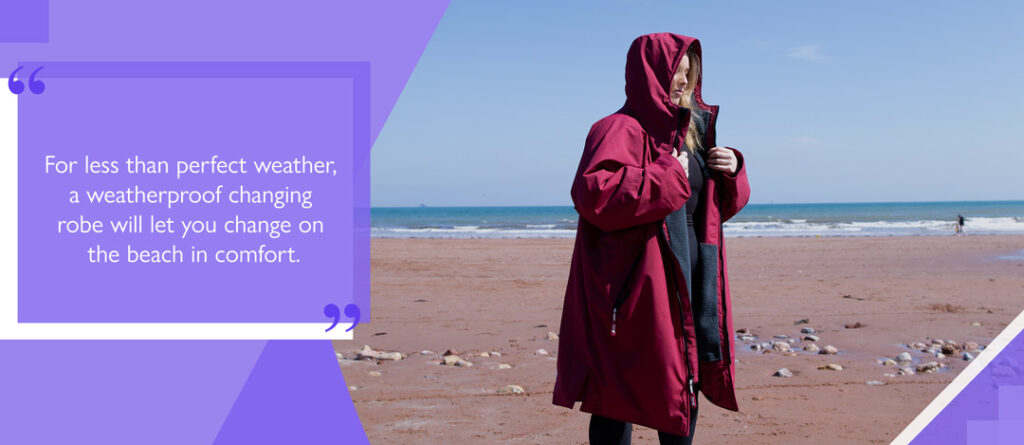
For those who enjoy the beach in less than perfect weather, Two Bare Feet also offers a range of weatherproof changing robes. These feature a weather-resistant outer shell to protect against wind and rain, and a soft fleece lining to wick away moisture and provide extra warmth. While the towelling robes are ideal for sunny days, the weatherproof option ensures you can still enjoy the beach and get changed in comfort, no matter what the British weather throws at you.
Your “get home” kit: phone, keys, and wallet
The combination of water and sand is the nemesis of modern electronics and intricate mechanisms like car keys. A single drop of saltwater can cause irreversible corrosion in charging ports, while fine grains of sand can infiltrate key fobs and phone casings, causing scratches and mechanical failures. The financial and logistical headache of replacing these items makes their protection a top priority.
Using a small dry bag as your dedicated valuables pouch
A compact 5L dry bag from the Two Bare Feet range is the perfect size to serve as a dedicated valuables pouch. It’s large enough to comfortably hold a phone, a set of keys, a wallet, and even a portable power bank, yet small enough to be easily carried or tucked inside your main tote.
By sealing these items away, you create an impenetrable barrier against the elements. You can then place this smaller dry bag inside your main rucksack for an added layer of organisation and security, ensuring your most critical possessions remain clean, dry, and fully functional.
Choosing the right swimwear
Selecting the right swimwear is about preparing for the specific environment you’ll be in. The brisk waters of the Atlantic require a different approach than the balmy seas of the Mediterranean. A smart traveller adapts their packing list to the climate, ensuring they are comfortable and protected whether they’re facing a cool coastal breeze or intense tropical sun. Thinking in layers and considering the activities you have planned are the keys to making the right choice.
Your favourite swimsuit or trunks
Regardless of your destination, the foundation of your beach wardrobe is the swimsuit, bikini, or pair of trunks you feel most comfortable and confident in. This is a personal choice, but for an active beach holiday, consider styles that offer security and freedom of movement. A savvy tip for any trip is to pack at least two options. This allows you to have a dry, comfortable swimsuit to change into while the other one dries, a small luxury that makes a significant difference to your overall comfort throughout the day.
Adapting to the climate
For holidays in warmer climates like Southern Europe, the Caribbean, or Southeast Asia, your primary concerns will be sun protection and breathability. While enjoying the warm water, you’ll be exposed to strong, direct UV rays. For prolonged activities like snorkelling, paddleboarding, or simply playing at the water’s edge, a standard application of sunscreen may not be enough.
This is where a rash vest becomes an essential piece of kit. It provides a reliable, chemical-free barrier against the sun that won’t wash off, protecting your back and shoulders from serious sunburn and allowing you to enjoy the water for longer.
Conversely, for those enjoying the beautiful, bracing waters closer to home in the UK or in similar temperate climates like Northern France or Scandinavia, comfort is often dictated by warmth. To do more than just a quick paddle, layering with neoprene is the answer.
A shorty wetsuit or neoprene jacket top provides the perfect amount of insulation for your core without the bulk of a full winter wetsuit. This extra layer traps a thin film of water that your body warms up, dramatically extending the time you can comfortably swim or engage in water sports, turning a brief, chilly dip into a long and enjoyable session in the sea.
-
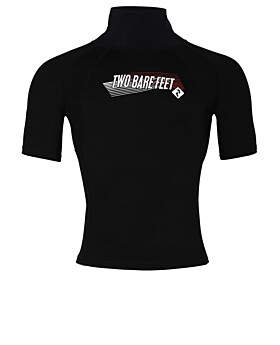
Two Bare Feet Adults Thermal Short Sleeve Rash Vest (Black)
As low as £17.99 Regular Price £21.99 -
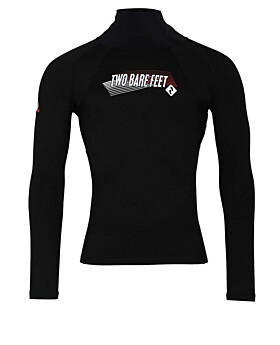
Two Bare Feet Adults Thermal Long Sleeve Rash Vest (Black)
£19.99 -
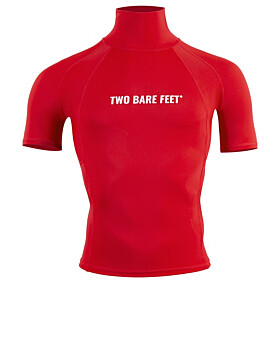
Two Bare Feet Adults Short Sleeve Rash Vest (Red)
As low as £15.99 Regular Price £19.99 -
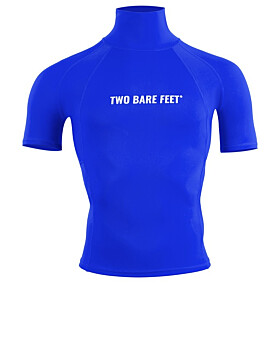
Two Bare Feet Adults Short Sleeve Rash Vest (Blue)
As low as £16.99 Regular Price £19.99 -

Two Bare Feet Adults Long Sleeve Rash Vest (Red)
As low as £17.99 Regular Price £21.99 -
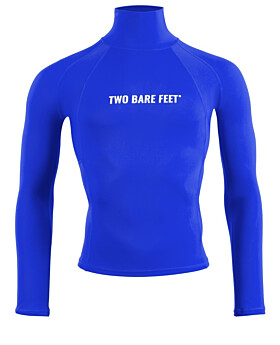
Two Bare Feet Adults Long Sleeve Rash Vest (Blue)
As low as £17.99 Regular Price £21.99 -

Two Bare Feet Junior Thermal Short Sleeve Rash Vest (Black)
As low as £15.99 Regular Price £16.99 -
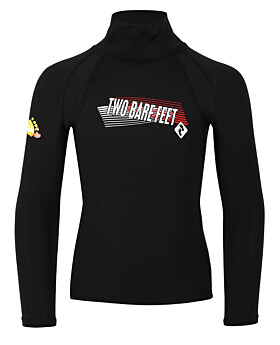
Two Bare Feet Junior Thermal Long Sleeve Rash Vest (Black)
As low as £17.99 Regular Price £18.99 -
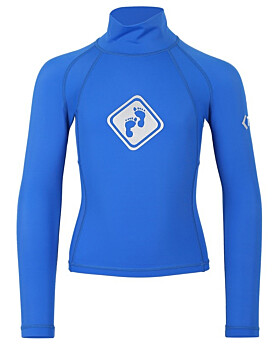
Two Bare Feet Junior "Diamond" Long Sleeve Rash Vest (Blue)
£14.99 -
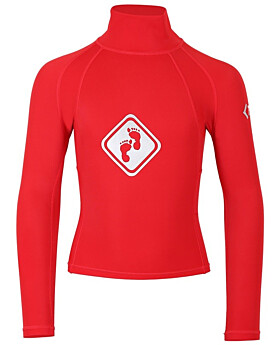
Two Bare Feet Junior "Diamond" Long Sleeve Rash Vest (Red)
£14.99 -
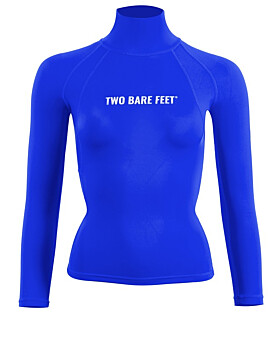
Two Bare Feet Unisex Long Sleeve Rash Vest (Blue)
As low as £17.99 Regular Price £21.99 -
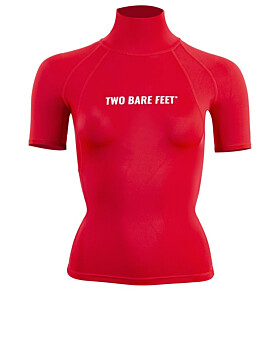
Two Bare Feet Unisex Short Sleeve Rash Vest (Red)
As low as £15.99 Regular Price £19.99 -
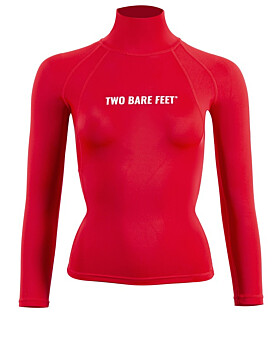
Two Bare Feet Unisex Long Sleeve Rash Vest (Red)
As low as £17.99 Regular Price £21.99 -
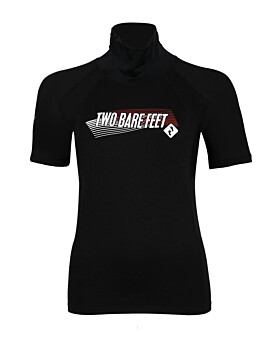
Two Bare Feet Unisex Short Sleeve Thermal Rash Vest (Black)
As low as £17.99 Regular Price £21.99 -
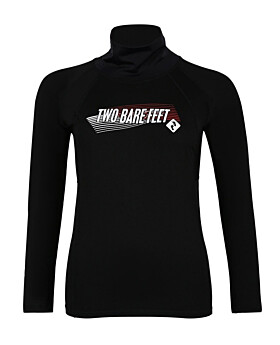
Two Bare Feet Unisex Long Sleeve Thermal Rash Vest (Black)
As low as £19.99 Regular Price £23.99 -
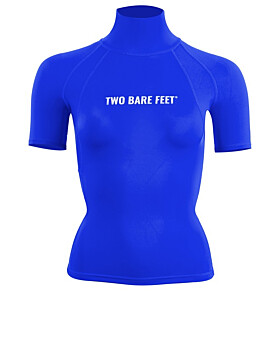
Two Bare Feet Unisex Short Sleeve Rash Vest (Blue)
As low as £15.99 Regular Price £19.99 -
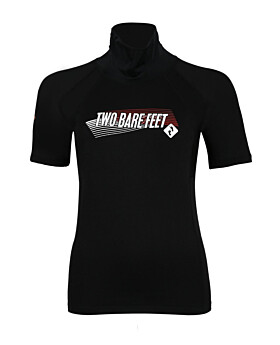
Two Bare Feet Unisex Short Sleeve Thermal Rash Vest (Black)-3XL
Special Price £17.99 Regular Price £21.99 -
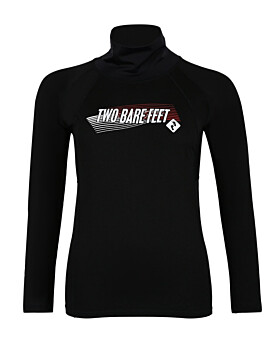
Two Bare Feet Unisex Long Sleeve Thermal Rash Vest (Black)-3XL
Special Price £19.99 Regular Price £23.99 -
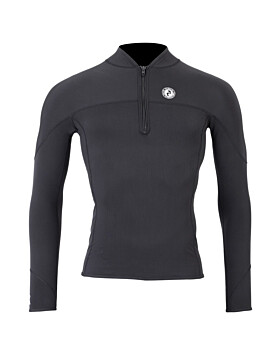
Two Bare Feet Mens Thermal Quarter Zip Watersports Fleece
As low as £24.99 Regular Price £29.99 -
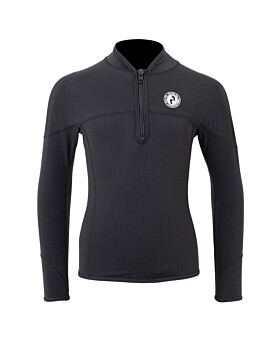
Two Bare Feet Junior Thermal Quarter Zip Watersports Fleece
As low as £19.99 Regular Price £24.99 -
Two Bare Feet Unisex Long Sleeve Thermal Rash Vest (Black)-XS
Special Price £19.99 Regular Price £23.99 -
Two Bare Feet Mens Thermal Quarter Zip Watersports Fleece-Large
£24.99 -
Two Bare Feet Unisex Short Sleeve Thermal Rash Vest (Black)-XS
Special Price £17.99 Regular Price £21.99 -
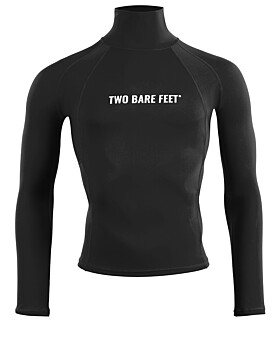
Two Bare Feet Adults Long Sleeve Rash Vest (Black)
As low as £17.99 Regular Price £21.99 -
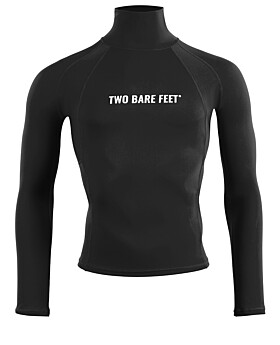
Two Bare Feet Adults Long Sleeve Rash Vest (Black)-Small
Special Price £17.99 Regular Price £21.99 -
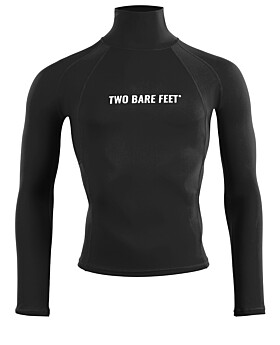
Two Bare Feet Adults Long Sleeve Rash Vest (Black)-Medium
Special Price £17.99 Regular Price £21.99 -
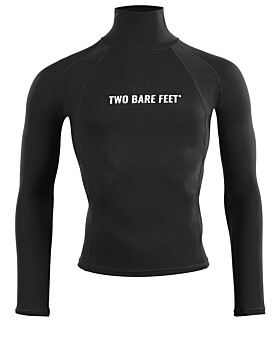
Two Bare Feet Adults Long Sleeve Rash Vest (Black)-Large
Special Price £17.99 Regular Price £21.99 -
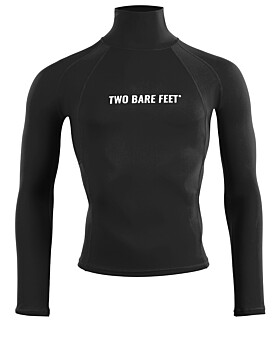
Two Bare Feet Adults Long Sleeve Rash Vest (Black)-XL
Special Price £17.99 Regular Price £21.99 -
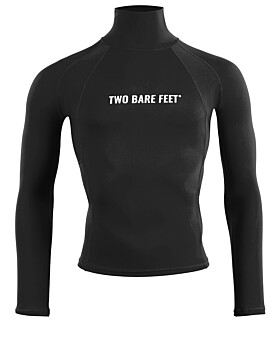
Two Bare Feet Adults Long Sleeve Rash Vest (Black)-2XL
Special Price £17.99 Regular Price £21.99 -
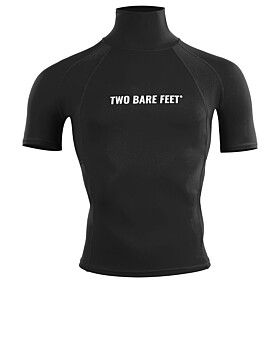
Two Bare Feet Adults Short Sleeve Rash Vest (Black)
As low as £15.99 Regular Price £19.99 -
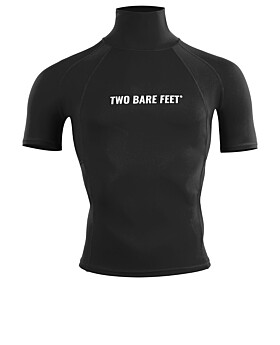
Two Bare Feet Adults Short Sleeve Rash Vest (Black)-Medium
Special Price £15.99 Regular Price £19.99 -
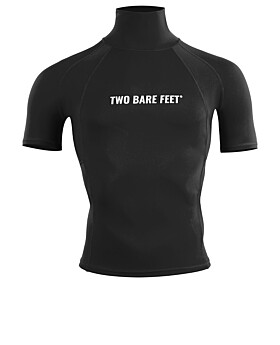
Two Bare Feet Adults Short Sleeve Rash Vest (Black)-Large
Special Price £15.99 Regular Price £19.99 -
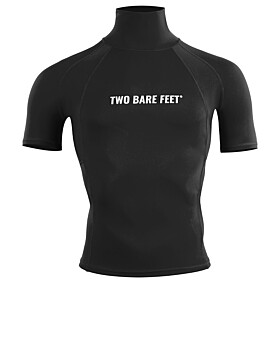
Two Bare Feet Adults Short Sleeve Rash Vest (Black)-XL
Special Price £15.99 Regular Price £19.99 -
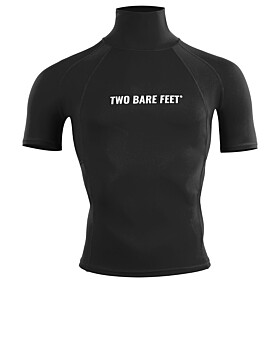
Two Bare Feet Adults Short Sleeve Rash Vest (Black)-2XL
Special Price £15.99 Regular Price £19.99 -
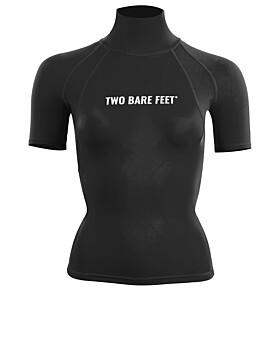
Two Bare Feet Unisex Short Sleeve Rash Vest (Black)
As low as £15.99 Regular Price £19.99 -
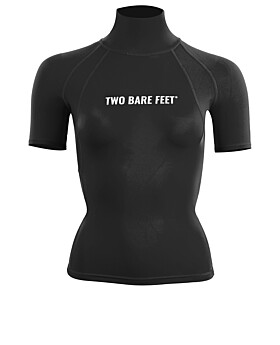
Two Bare Feet Unisex Short Sleeve Rash Vest (Black)-Medium
Special Price £15.99 Regular Price £19.99 -
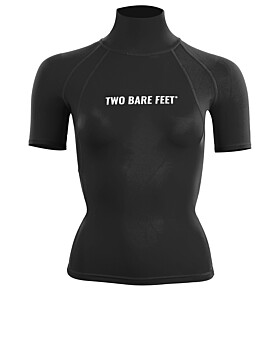
Two Bare Feet Unisex Short Sleeve Rash Vest (Black)-Large
Special Price £15.99 Regular Price £19.99 -
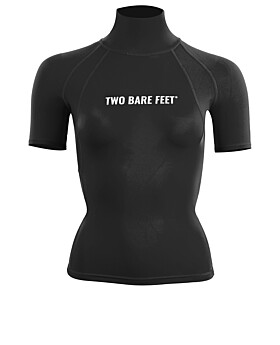
Two Bare Feet Unisex Short Sleeve Rash Vest (Black)-XL
Special Price £15.99 Regular Price £19.99 -
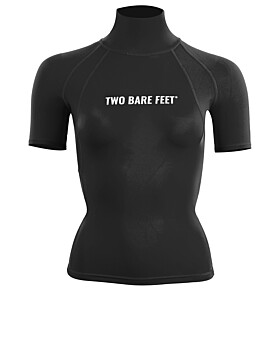
Two Bare Feet Unisex Short Sleeve Rash Vest (Black)-2XL
Special Price £15.99 Regular Price £19.99 -
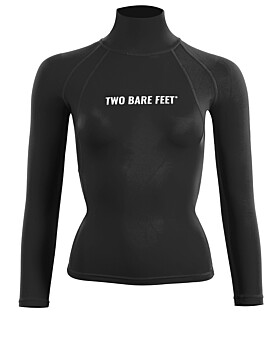
Two Bare Feet Unisex Long Sleeve Rash Vest (Black)
As low as £17.99 Regular Price £21.99 -
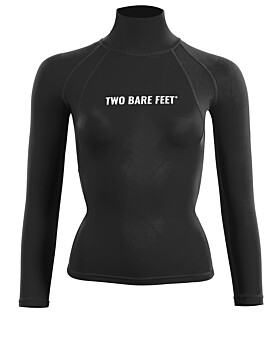
Two Bare Feet Unisex Long Sleeve Rash Vest (Black)-Small
Special Price £17.99 Regular Price £21.99 -
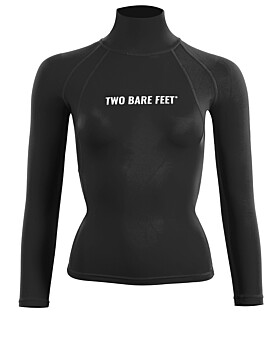
Two Bare Feet Unisex Long Sleeve Rash Vest (Black)-Medium
Special Price £17.99 Regular Price £21.99 -
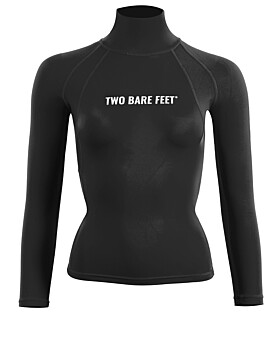
Two Bare Feet Unisex Long Sleeve Rash Vest (Black)-Large
Special Price £17.99 Regular Price £21.99 -
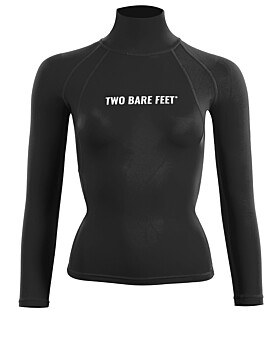
Two Bare Feet Unisex Long Sleeve Rash Vest (Black)-XL
Special Price £17.99 Regular Price £21.99 -
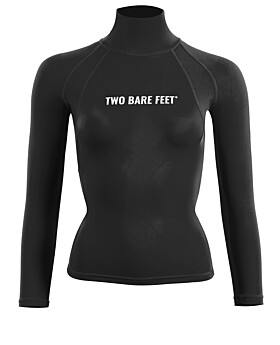
Two Bare Feet Unisex Long Sleeve Rash Vest (Black)-2XL
Special Price £17.99 Regular Price £21.99 -
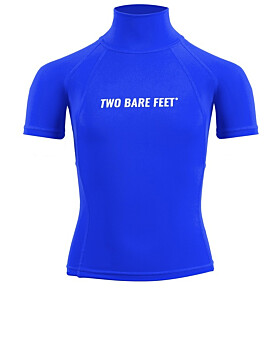
Two Bare Feet Junior "Logo" Short Sleeve Rash Vest (Blue)
As low as £12.99 Regular Price £14.99 -
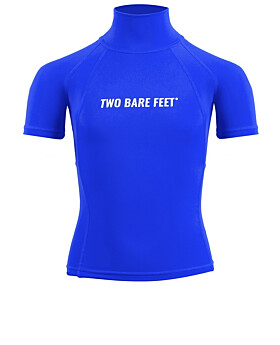
Two Bare Feet Junior "Logo" Short Sleeve Rash Vest (Blue)-2XS
Special Price £12.99 Regular Price £14.99 -
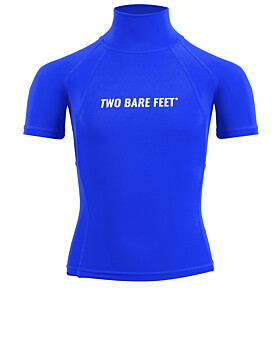
Two Bare Feet Junior "Logo" Short Sleeve Rash Vest (Blue)-XS
Special Price £12.99 Regular Price £14.99 -
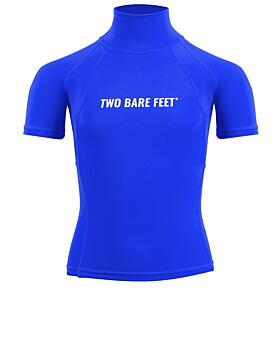
Two Bare Feet Junior "Logo" Short Sleeve Rash Vest (Blue)-S
Special Price £12.99 Regular Price £14.99 -
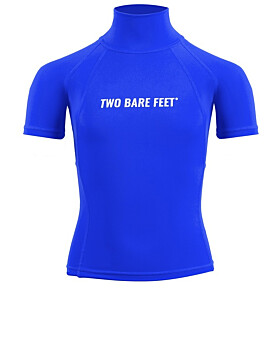
Two Bare Feet Junior "Logo" Short Sleeve Rash Vest (Blue)-M
Special Price £12.99 Regular Price £14.99 -
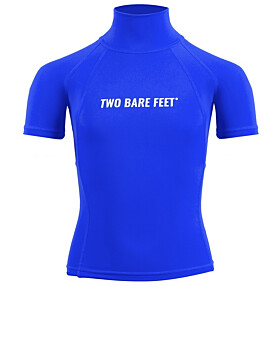
Two Bare Feet Junior "Logo" Short Sleeve Rash Vest (Blue)-L
Special Price £12.99 Regular Price £14.99 -
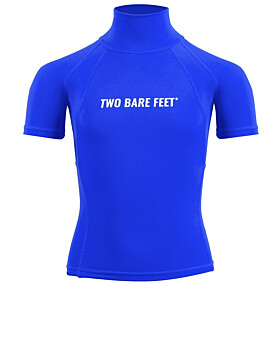
Two Bare Feet Junior "Logo" Short Sleeve Rash Vest (Blue)-XL
Special Price £12.99 Regular Price £14.99 -
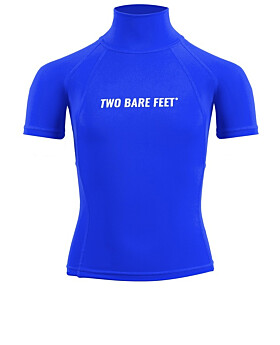
Two Bare Feet Junior "Logo" Short Sleeve Rash Vest (Blue)-2XL
Special Price £12.99 Regular Price £14.99 -
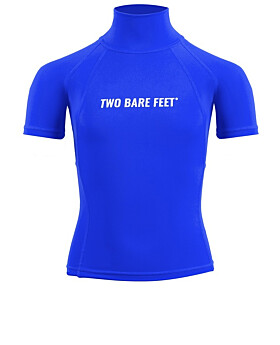
Two Bare Feet Junior "Logo" Short Sleeve Rash Vest (Blue)-3XL
Special Price £12.99 Regular Price £14.99 -
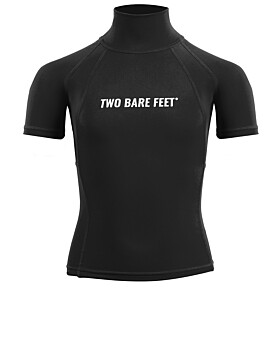
Two Bare Feet Junior "Logo" Short Sleeve Rash Vest (Black)
As low as £12.99 Regular Price £15.99 -
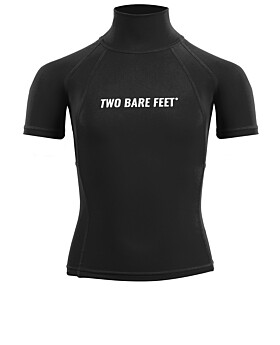
Two Bare Feet Junior "Logo" Short Sleeve Rash Vest (Black)-2XS
Special Price £12.99 Regular Price £15.99 -
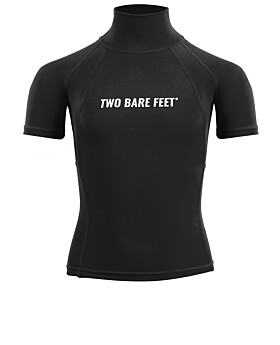
Two Bare Feet Junior "Logo" Short Sleeve Rash Vest (Black)-XS
Special Price £12.99 Regular Price £14.99 -
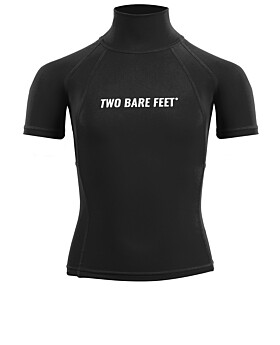
Two Bare Feet Junior "Logo" Short Sleeve Rash Vest (Black)-S
Special Price £12.99 Regular Price £14.99 -
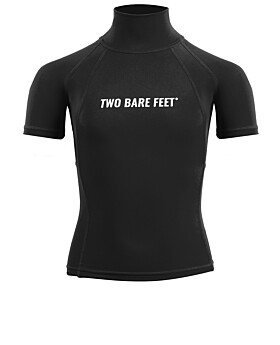
Two Bare Feet Junior "Logo" Short Sleeve Rash Vest (Black)-M
Special Price £12.99 Regular Price £14.99 -
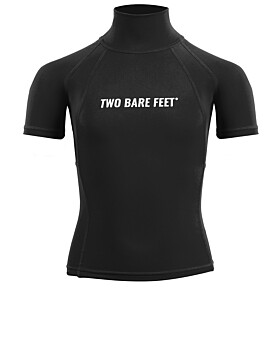
Two Bare Feet Junior "Logo" Short Sleeve Rash Vest (Black)-L
Special Price £12.99 Regular Price £14.99 -
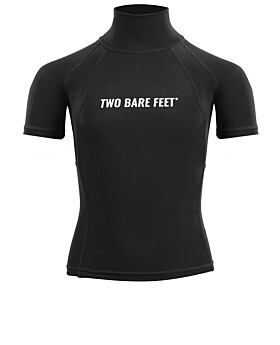
Two Bare Feet Junior "Logo" Short Sleeve Rash Vest (Black)-XL
Special Price £12.99 Regular Price £14.99 -
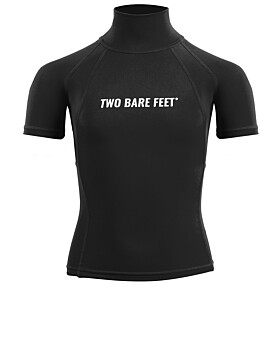
Two Bare Feet Junior "Logo" Short Sleeve Rash Vest (Black)-2XL
Special Price £12.99 Regular Price £14.99 -
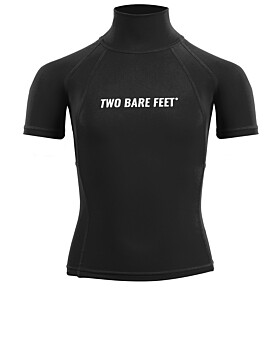
Two Bare Feet Junior "Logo" Short Sleeve Rash Vest (Black)-3XL
Special Price £12.99 Regular Price £14.99 -
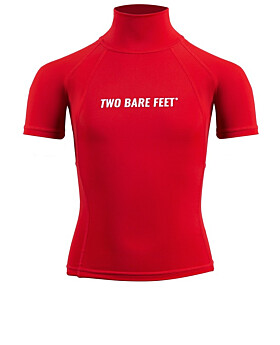
Two Bare Feet Junior "Logo" Short Sleeve Rash Vest (Red)
As low as £12.99 Regular Price £14.99 -
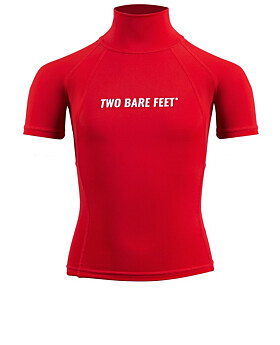
Two Bare Feet Junior "Logo" Short Sleeve Rash Vest (Red)-2XS
Special Price £12.99 Regular Price £14.99 -
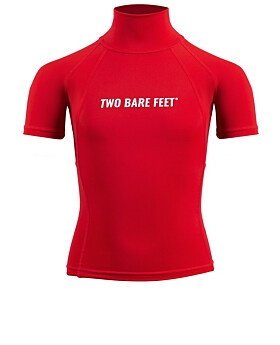
Two Bare Feet Junior "Logo" Short Sleeve Rash Vest (Red)-XS
Special Price £12.99 Regular Price £14.99 -
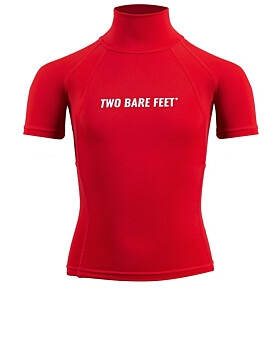
Two Bare Feet Junior "Logo" Short Sleeve Rash Vest (Red)-S
Special Price £12.99 Regular Price £14.99 -
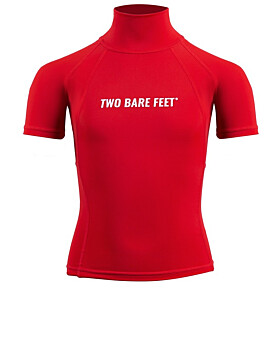
Two Bare Feet Junior "Logo" Short Sleeve Rash Vest (Red)-M
Special Price £12.99 Regular Price £14.99 -
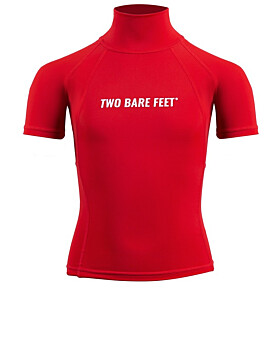
Two Bare Feet Junior "Logo" Short Sleeve Rash Vest (Red)-L
Special Price £12.99 Regular Price £14.99 -
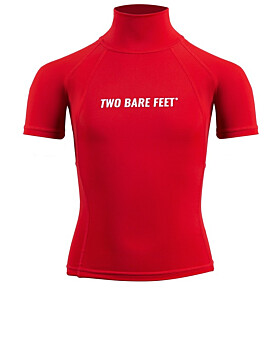
Two Bare Feet Junior "Logo" Short Sleeve Rash Vest (Red)-XL
Special Price £12.99 Regular Price £14.99 -
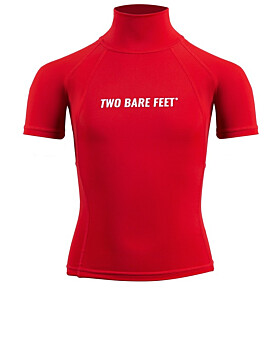
Two Bare Feet Junior "Logo" Short Sleeve Rash Vest (Red)-2XL
Special Price £12.99 Regular Price £14.99 -
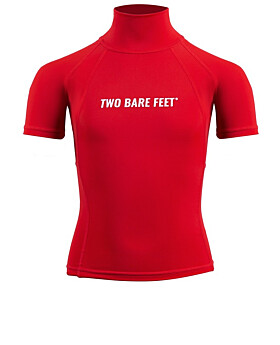
Two Bare Feet Junior "Logo" Short Sleeve Rash Vest (Red)-3XL
Special Price £12.99 Regular Price £14.99 -
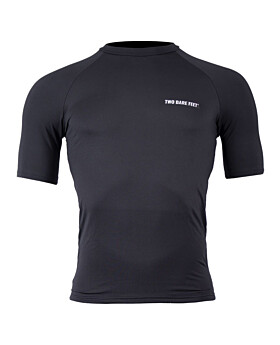
Two Bare Feet Adults Crew Neck Thermal Short Sleeve Rash Vest (Black)-XS
£17.99 -
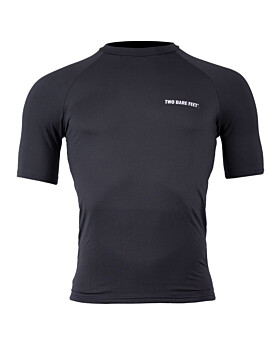
Two Bare Feet Adults Crew Neck Thermal Short Sleeve Rash Vest (Black)-Small
£17.99 -
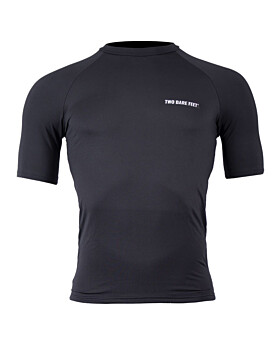
Two Bare Feet Adults Crew Neck Thermal Short Sleeve Rash Vest (Black)-Medium
£17.99 -
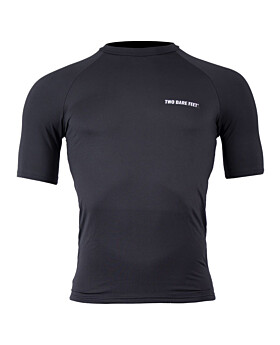
Two Bare Feet Adults Crew Neck Thermal Short Sleeve Rash Vest (Black)-Large
£17.99 -
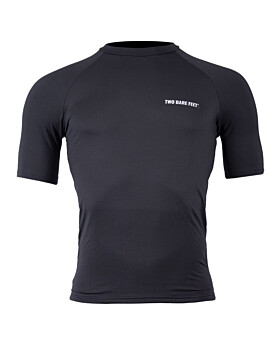
Two Bare Feet Adults Crew Neck Thermal Short Sleeve Rash Vest (Black)-XL
£17.99 -
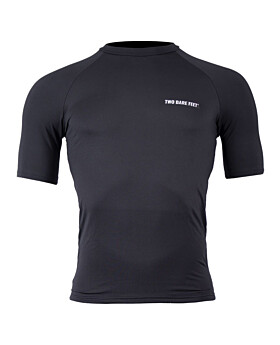
Two Bare Feet Adults Crew Neck Thermal Short Sleeve Rash Vest (Black)-2XL
£17.99 -
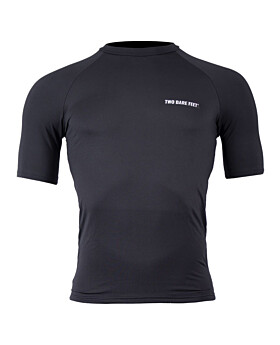
Two Bare Feet Adults Crew Neck Thermal Short Sleeve Rash Vest (Black)-3XL
£17.99 -
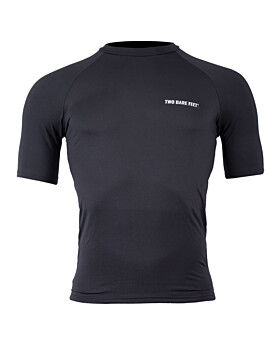
Two Bare Feet Adults Crew Neck Thermal Short Sleeve Rash Vest (Black)
£17.99 -
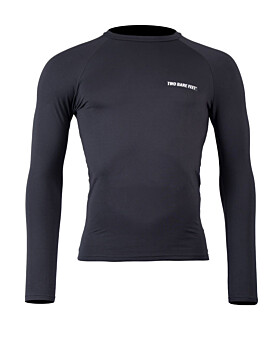
Two Bare Feet Adults Crew Neck Thermal Long Sleeve Rash Vest (Black)-XS
£19.99 -
Two Bare Feet Adults Crew Neck Thermal Long Sleeve Rash Vest (Black)-Small
£19.99 -
Two Bare Feet Adults Crew Neck Thermal Long Sleeve Rash Vest (Black)-Medium
£19.99 -
Two Bare Feet Adults Crew Neck Thermal Long Sleeve Rash Vest (Black)-Large
£19.99 -
Two Bare Feet Adults Crew Neck Thermal Long Sleeve Rash Vest (Black)-XL
£19.99 -
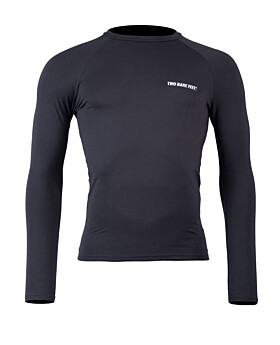
Two Bare Feet Adults Crew Neck Thermal Long Sleeve Rash Vest (Black)-2XL
£19.99 -
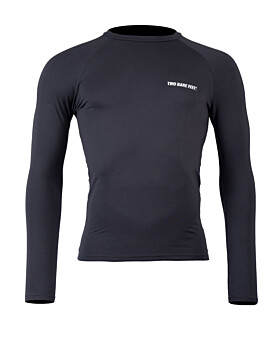
Two Bare Feet Adults Crew Neck Thermal Long Sleeve Rash Vest (Black)
£19.99 -
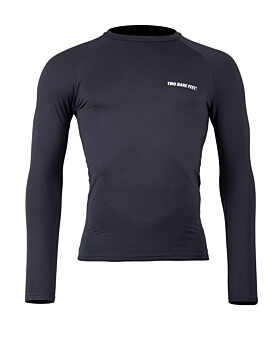
Two Bare Feet Adults Crew Neck Thermal Long Sleeve Rash Vest (Black)-3XL
£19.99 -
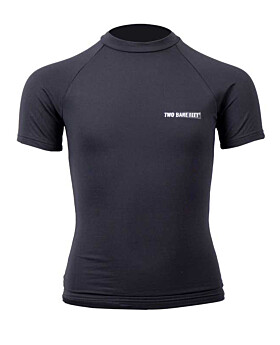
Two Bare Feet Junior Crew Neck Thermal Short Sleeve Rash Vest (Black)-XS
£15.99 -
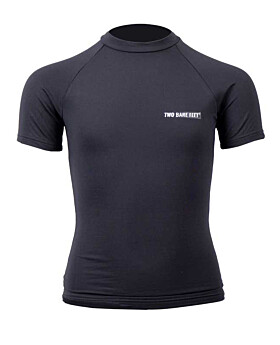
Two Bare Feet Junior Crew Neck Thermal Short Sleeve Rash Vest (Black)-S
£15.99 -
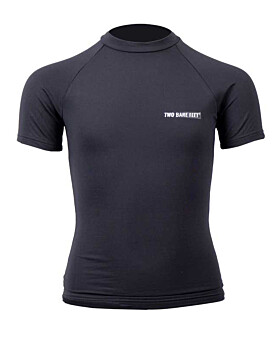
Two Bare Feet Junior Crew Neck Thermal Short Sleeve Rash Vest (Black)-M
£15.99 -
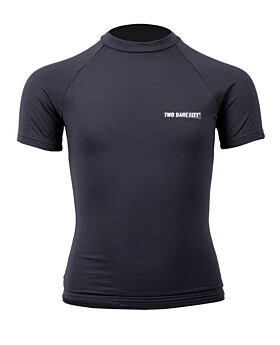
Two Bare Feet Junior Crew Neck Thermal Short Sleeve Rash Vest (Black)-L
£15.99 -
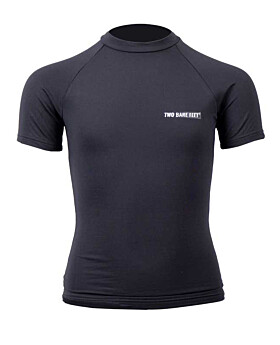
Two Bare Feet Junior Crew Neck Thermal Short Sleeve Rash Vest (Black)-XL
£15.99 -
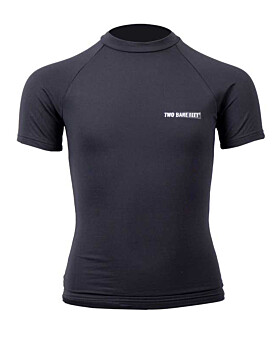
Two Bare Feet Junior Crew Neck Thermal Short Sleeve Rash Vest (Black)-2XL
£15.99 -
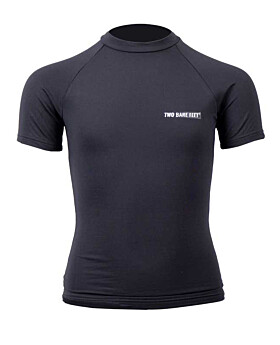
Two Bare Feet Junior Crew Neck Thermal Short Sleeve Rash Vest (Black)-3XL
£15.99 -
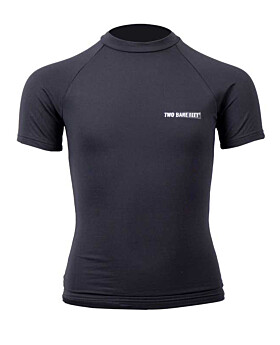
Two Bare Feet Junior Crew Neck Thermal Short Sleeve Rash Vest (Black)
£15.99 -
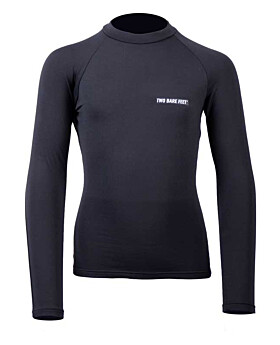
Two Bare Feet Junior Crew Neck Thermal Long Sleeve Rash Vest (Black)-XS
£17.99 -
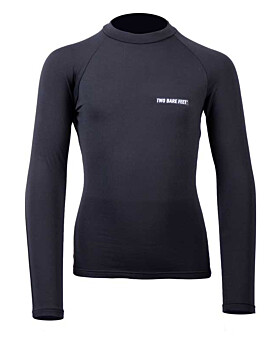
Two Bare Feet Junior Crew Neck Thermal Long Sleeve Rash Vest (Black)-S
£17.99 -
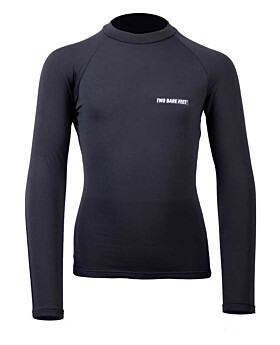
Two Bare Feet Junior Crew Neck Thermal Long Sleeve Rash Vest (Black)-M
£17.99 -
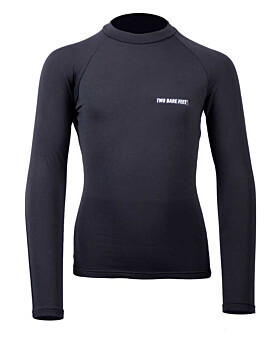
Two Bare Feet Junior Crew Neck Thermal Long Sleeve Rash Vest (Black)-L
£17.99 -
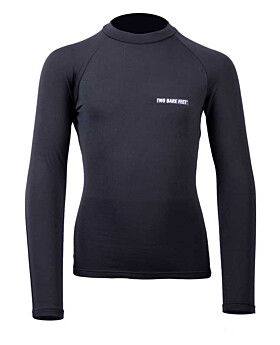
Two Bare Feet Junior Crew Neck Thermal Long Sleeve Rash Vest (Black)-XL
£17.99 -
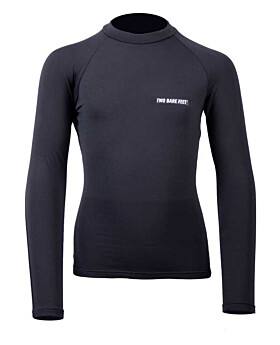
Two Bare Feet Junior Crew Neck Thermal Long Sleeve Rash Vest (Black)-2XL
£17.99 -
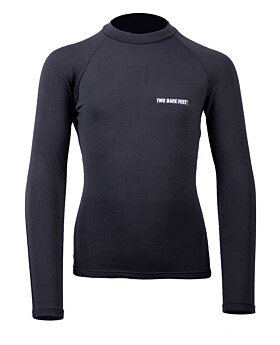
Two Bare Feet Junior Crew Neck Thermal Long Sleeve Rash Vest (Black)-3XL
£17.99 -
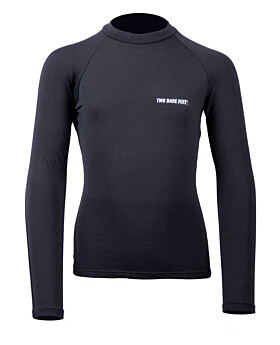
Two Bare Feet Junior Crew Neck Thermal Long Sleeve Rash Vest (Black)
£17.99
Two Bare Feet’s layering options
Two Bare Feet’s comprehensive collection addresses these varied climate challenges with precision-engineered solutions. For those warm-climate adventures, our rash vests are crafted from quality Lycra for supreme fit and comfort, providing UV protection to help protect your skin against harmful sun rays.
Available in both short and long-sleeve options, these versatile pieces can be worn alone on the beach or out on the water to provide extra defence from harmful sun rays – ideal if you forget to top up the sun cream before going surfing.
In addition to a standard Lycra option, we also have a thermal fleece-lined variant. This features quality Lycra outer construction with additional fleece lining for even more warmth in the water. When worn under a wetsuit, rash vests can regulate the body temperature for extended periods in the water, but when the weather is particularly warm, they are a great alternative to a full wetsuit as they still provide protection from sun exposure when worn alone.
For temperate waters where core warmth becomes paramount, Two Bare Feet’s shorty wetsuits, such as our popular Thunderclap 2.5mm range, provide lightweight construction with enough warmth while shorter coverage over your limbs increases upper body mobility. These shorty suits are often favoured by swimmers who head into the water during the summer. They naturally provide less insulation than full suits but are less restricting, making them perfect for demanding water sports such as kayaking or paddleboarding.
Our wetsuit jacket tops represent perhaps the most versatile solution for variable conditions. Two Bare Feet’s Perspective wetsuit jacket, for example, offers a versatile design for watersports through the warmer months. Available in full-zip and half-zip options, they allow the wearer to zip up when things get a little cooler, or open up when the sun’s beating down. A full-zip jacket can be easily removed if you get too hot.
Two-piece wetsuits comprising separate jacket and shorts or pants offer amazing flexibility and comfort, allowing you to mix-and-match to suit current conditions, whether that’s pairing a wetsuit jacket top with shorts for core warmth or long pants for additional leg insulation.
2. Sun safety and first aid
A cloudless sky and a gentle sea breeze can be deceptive. The sun’s ultraviolet (UV) radiation is a powerful force, and the reflective nature of both water and sand can intensify its effects. Prioritising health and safety with dedicated sun protection and a first-aid kit is an essential part of responsible beach planning.
Sunscreen
Sunscreen is your primary defence against sunburn, premature skin ageing, and the more serious risks associated with UV exposure. Always pack it in your bag. Failing to apply and reapply it correctly can turn a pleasant day into a painful ordeal.
Choosing a high SPF (30-50+)
For a day at the beach, a broad-spectrum sunscreen with a Sun Protection Factor (SPF) of 30 or higher is the minimum requirement. Broad-spectrum means it protects against both UVA (ageing) and UVB (burning) rays. An SPF of 30 blocks approximately 97% of UVB rays, while an SPF of 50 blocks about 98%.
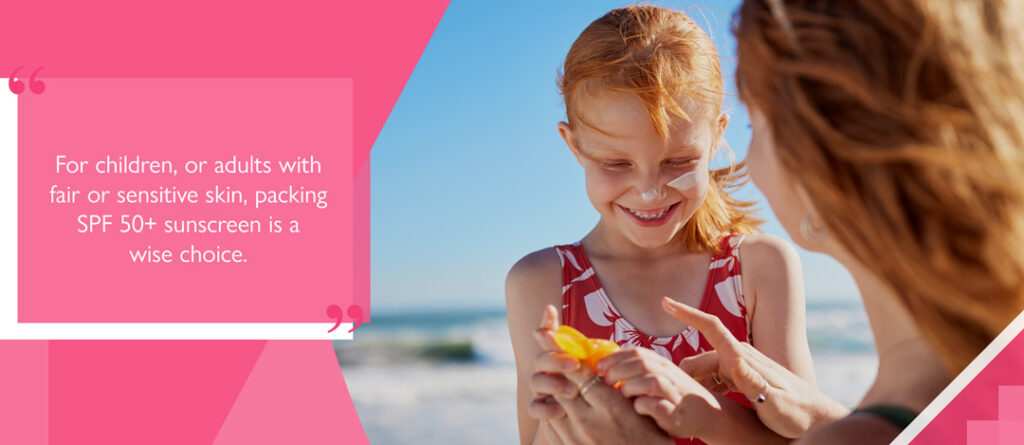
For children, or adults with fair or sensitive skin, opting for SPF 50+ is always the wisest choice. It’s also worth packing a separate, specially formulated sunscreen for the sensitive skin on your face.
Water-resistance and reapplication rules
Even if you don’t plan on swimming, the sea spray and perspiration mean that a water-resistant formula is highly recommended. However, it’s crucial to understand that “water-resistant” does not mean “waterproof.” The label will typically state its effectiveness for either 40 or 80 minutes of swimming or sweating.
The golden rule is to reapply sunscreen liberally at least every two hours, and always immediately after swimming, drying off with a towel, or sweating heavily. Apply it 20-30 minutes before you go into the sun to allow it to bind to your skin effectively.
Reef-safe formulas: protecting your skin and the ocean
Growing awareness of our impact on marine ecosystems has brought the issue of sunscreen ingredients to the forefront. Certain chemical filters, notably oxybenzone and octinoxate, have been shown to contribute to coral bleaching and harm marine life.
When choosing your sunscreen, consider opting for a “reef-safe” or “ocean-friendly” formula. These typically use mineral-based physical blockers like zinc oxide and titanium dioxide, which are considered safer for aquatic environments.
Protective clothing
Sunscreen is effective, but it should be viewed as just one part of a comprehensive sun protection strategy. Physical barriers in the form of protective clothing provide a reliable and consistent shield against harmful UV rays, especially during the peak hours of sun intensity between 11 am and 3 pm.
Wide-brimmed sun hats and UV-protected sunglasses
A wide-brimmed hat is an excellent choice for sun protection as it provides shade for your face, neck, and ears—areas that are highly susceptible to sunburn. A bucket hat offers similar comprehensive coverage.
Your eyes are equally vulnerable, and cumulative UV exposure can lead to serious conditions like cataracts. A pair of quality sunglasses that offer 100% UV protection is essential to shield your eyes from the intense glare off the water and sand. Look for the CE mark in the UK and Europe, which indicates that the sunglasses meet the required safety standards.
UPF-rated rash vests
For those spending extended periods in and out of the water, a UPF-rated rash vest is an outstanding piece of protective gear. UPF (Ultraviolet Protection Factor) is the clothing equivalent of SPF and measures the amount of UV radiation that can penetrate the fabric to reach your skin. A garment with a UPF 50+ rating blocks over 98% of the sun’s rays.
For children, kids’ rash vests are particularly essential. The youngest of beach visitors have more sensitive skin and are often too busy playing to remember to reapply sunscreen. They are also invaluable for anyone enjoying water sports like surfing, bodyboarding, or paddleboarding, as they provide excellent sun protection that won’t wash off, while also preventing chafing from boards or equipment. Lightweight and quick-drying, they are a comfortable and highly effective way to stay sun-safe all day long.
A simple beach first-aid kit
Minor scrapes and stings can happen, and being able to deal with them quickly and effectively prevents them from spoiling the day. You don’t need a paramedic’s bag, but a small, well-stocked first-aid kit is a sensible addition to your beach bag.
Plasters, antiseptic wipes, and sting relief
Your kit should be tailored to the beach environment. Include a variety of waterproof plasters for cuts and scrapes from shells or sharp rocks. Antiseptic wipes are crucial for cleaning wounds to prevent infection.
In UK waters, weaver fish stings are a possibility, and while rare, they are painful. The treatment involves immersing the affected area in hot water, but having some form of sting relief cream or spray can help soothe the discomfort from jellyfish stings or insect bites.
Tweezers for splinters and paracetamol
A pair of tweezers is invaluable for removing splinters from boardwalks or sharp shell fragments from skin. Including a small packet of a simple pain reliever like paracetamol can be a lifesaver for dealing with unexpected headaches or the pain from a minor injury. Also consider packing hand sanitiser for general hygiene before eating or after cleaning up.
SPF lip balm
The skin on our lips is particularly thin and delicate, making it highly prone to sunburn, which can be both painful and damaging. It is a commonly overlooked area when applying sunscreen. Always include a lip balm with an SPF of at least 30 in your beach bag and reapply it frequently throughout the day, especially after eating or drinking.
<INSERT CAROUSEL: aqua shoes>
-
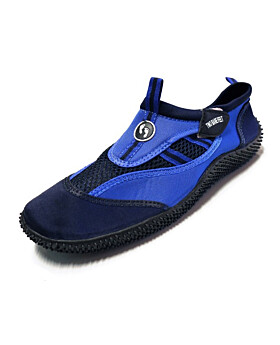
Adults Aqua Shoes (Royal Blue)
As low as £7.99 Regular Price £12.99 -
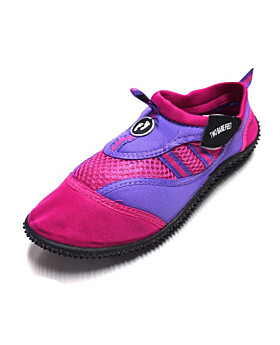
Adults Aqua Shoes (Raspberry/Lilac)
As low as £7.99 Regular Price £12.99 -
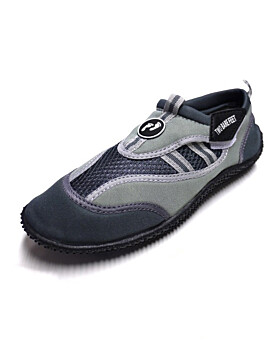
Junior Aqua Shoes (Black/Grey)
As low as £5.99 Regular Price £9.99 -
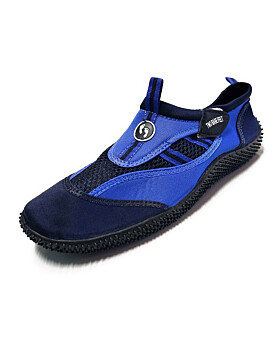
Junior Aqua Shoes (Royal Blue)
As low as £5.99 Regular Price £9.99 -
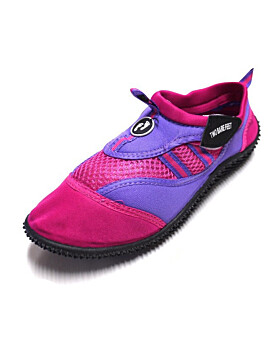
Junior Aqua Shoes (Raspberry/Lilac)
As low as £5.99 Regular Price £9.99 -
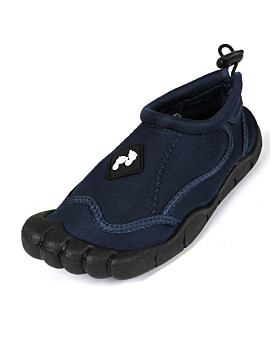
Rubber Toes Junior Aqua Shoes (Navy)
As low as £4.99 Regular Price £9.99 -
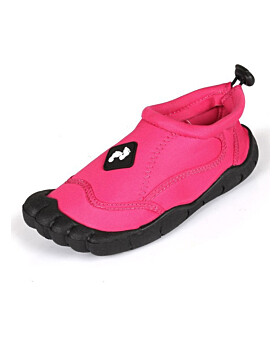
Rubber Toes Junior Aqua Shoes (Raspberry)
As low as £4.99 Regular Price £9.99 -

Two Bare Feet Cliff Jump Adults Aqua Shoes (Blue / Yellow)
As low as £7.99 Regular Price £12.99 -
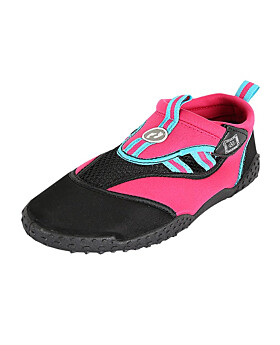
Two Bare Feet Cliff Jump Adults Aqua Shoes (Pink / Aqua)
As low as £7.99 Regular Price £12.99 -
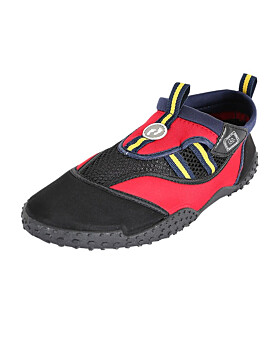
Two Bare Feet Cliff Jump Adults Aqua Shoes (Red / Yellow)
As low as £7.99 Regular Price £12.99 -
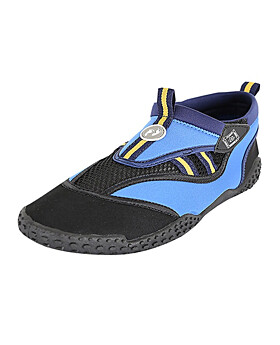
Two Bare Feet Cliff Jump Junior Aqua Shoes (Blue / Yellow)
£5.99 -

Two Bare Feet Cliff Jump Junior Aqua Shoes (Pink / Aqua)
£5.99 -
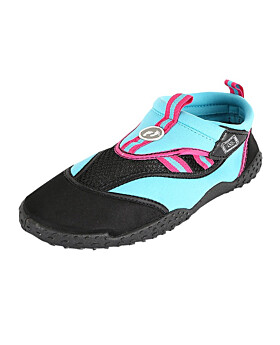
Two Bare Feet Cliff Jump Junior Aqua Shoes (Aqua / Pink)
£5.99 -

Two Bare Feet Cliff Jump Junior Aqua Shoes (Red / Yellow)
£5.99 -
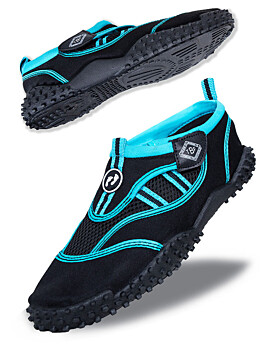
Two Bare Feet Rockpool Junior Aqua Shoes (Aqua)
£5.99 -
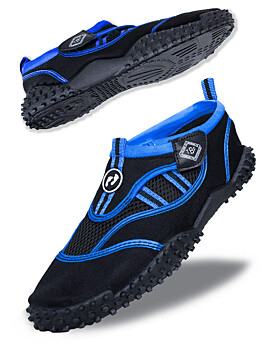
Two Bare Feet Rockpool Junior Aqua Shoes (Blue)
£5.99 -
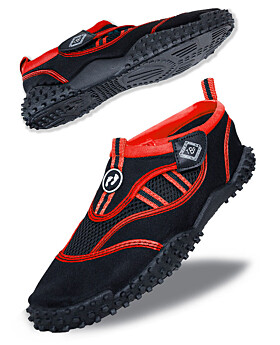
Two Bare Feet Rockpool Junior Aqua Shoes (Red)
£5.99 -
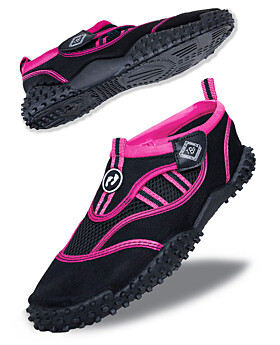
Two Bare Feet Rockpool Junior Aqua Shoes (Pink)
£5.99 -
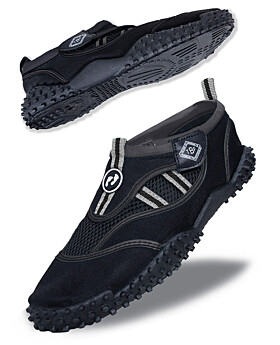
Two Bare Feet Rockpool Junior Aqua Shoes (Black)
£5.99 -
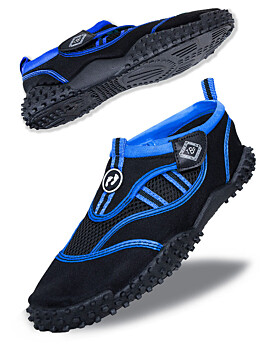
Two Bare Feet Rockpool Adults Aqua Shoes (Blue)
£7.99 -
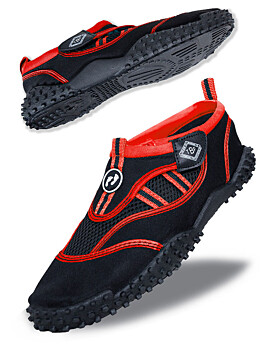
Two Bare Feet Rockpool Adults Aqua Shoes (Red)
£7.99 -
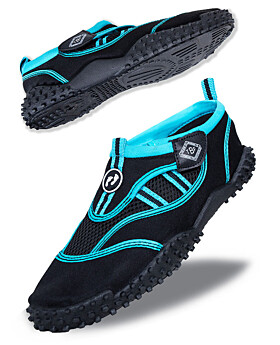
Two Bare Feet Rockpool Adults Aqua Shoes (Aqua)
£7.99 -
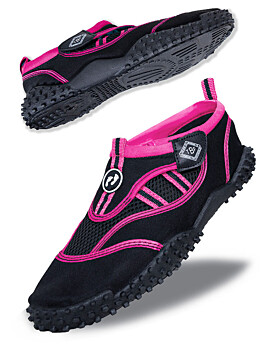
Two Bare Feet Rockpool Adults Aqua Shoes (Pink)
£7.99 -
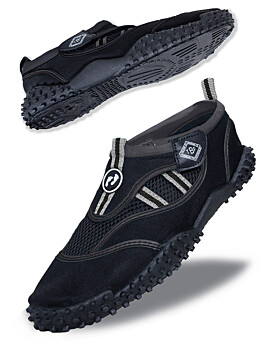
Two Bare Feet Rockpool Adults Aqua Shoes (Black)
£7.99
Protective footwear for rocky shores
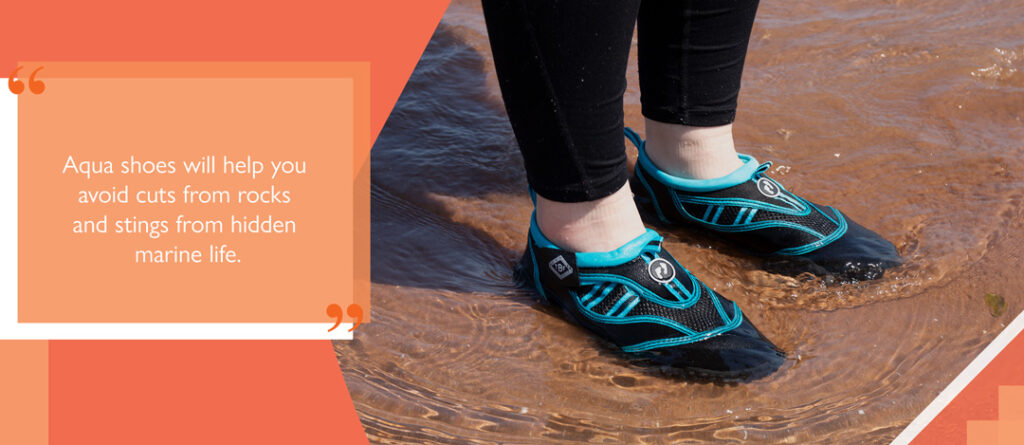
Exploring rock pools or walking across shingle beaches can be tough on bare feet and can lead to cuts and bruises. This is also where the weaver fish often bury themselves in the sand in shallow water. A pair of well-fitting aqua shoes or water shoes provides an excellent solution.
Two Bare Feet’s aqua shoe range offers two core styles—Slip-On and Rockpool—each tailored to keep your feet safe, secure and comfortable when you’re wading, splashing or scrambling among stones and shells.
Versatile designs for every explorer
- Slip-on aqua shoes feature a lightweight polyester upper that stretches to hug your foot, plus a durable rubber outsole with an aggressive, water-friendly tread to guard against sharp pebbles and hidden sea urchin spines. The minimalist, flat profile lets you feel the ground beneath you—ideal for precise footing on uneven shale and barnacle-covered rocks.
- Rockpool aqua shoes blend a soft neoprene membrane with breathable mesh panels, giving both warmth in cooler tidal pools and ventilation to prevent overheating. A pimple-patterned sole injects extra grip on slippery stones, while the adjustable Velcro side panel ensures a snug fit even when you’re leaping from rock to rock.
Engineered protection and performance
Both styles use premium synthetics to protect against the hazards of shoreline exploration. The rubber soles not only shield against jagged shells and shingle but also bite into slick surfaces, reducing the chance of slips on algae-coated rocks. Meanwhile, the soft uppers wrap around your feet, guarding against weever fish spines buried in shallow sand and other underwater debris.
Secure fit and rapid drying
Ourslip-on aqua shoes are a breeze to pull on—even with sandy, wet feet—while the Rockpool’s Velcro adjustment adds fine-tuning for a lock-in feel. Both are engineered from quick-dry fabrics that wick water away, so your feet stay cool and blister-free after hours of tide-pool probing or beachcombing.
3. Keeping everyone entertained
A beach day is a perfect opportunity for play, relaxation, and exploration. Packing a selection of entertainment options ensures there’s something for everyone, whether they are an active adventurer or a peaceful sun-worshipper.
For the wave riders: inflatable bodyboards
The thrill of catching a wave is an experience that appeals to all ages. While traditional foam bodyboards are a classic choice, modern inflatable bodyboards offer a fantastic blend of performance and portability, making them an ideal addition to your beach kit.
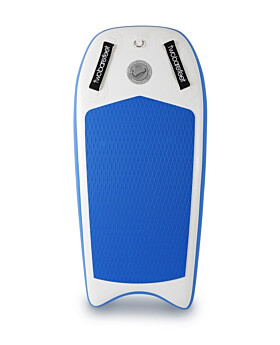
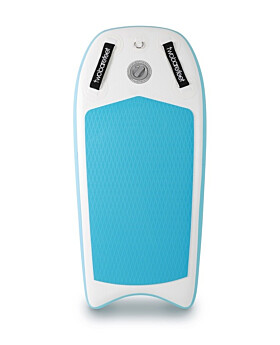
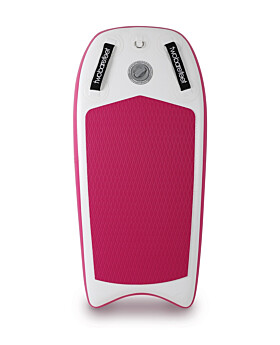
Two Bare Feet’s inflatable bodyboards pack serious performance into a feather‑light, ultra‑portable design:
Rigid drop‑stitch construction
Each board features a high‑pressure, single‑drop‑stitch air chamber that inflates to 10 psi, giving stiffness and stability comparable to a solid foam board—so you get crisp rail‑to‑rail turns and confident pops off the lip without hauling around a rigid slab. When the tide goes out, simply bleed the air, roll it up, and stash it in a backpack or the trunk of your car—no awkward roof racks or wet foam lingering in your garage.
Thoughtful performance details
Crafted from tough, single‑layer reinforced PVC, the deck sports a heat‑moulded diamond‑pattern pad for secure footing, while integrated nose handles let you paddle, duck‑dive, and hang on through whitewater without slipping. The buoyant, stable design is forgiving for beginners finding their balance, yet responsive enough for more adventurous riders chasing punchy shore‑breaks.
Streamlined storage and transport
By rolling down to a compact cylinder, these boards slide easily into backpacks, lockers, and dry bags—ideal for spontaneous surf trips, crowded trains, or saving space at home. And because they soften on impact, inflatable boards are kinder to fellow swimmers and surfers when you inevitably take a tumble.
Don’t forget the leash!
Whether you are using an inflatable or a slick bodyboard, a leash is essential. A leash, which typically attaches to your wrist or bicep and connects to the board, ensures your board doesn’t get swept away by a wave after a wipeout. It prevents your board from being washed down the beach, potentially into other swimmers, and ensures you always have a flotation device close at hand in the water.
-
Two Bare Feet Boarding Co. 44" Inflatable Bodyboard - Board Only (Blue)
Special Price £59.99 Regular Price £99.99 -
Two Bare Feet Boarding Co. 44" Inflatable Bodyboard - Board Only (Aqua)
Special Price £59.99 Regular Price £99.99 -
Two Bare Feet Boarding Co. 44" Inflatable Bodyboard - Board Only (Pink)
Special Price £59.99 Regular Price £99.99 -
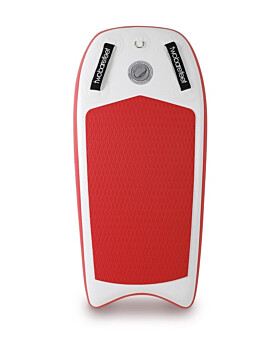
Two Bare Feet Boarding Co. 44" Inflatable Bodyboard - Board Only (Red)
Special Price £59.99 Regular Price £99.99 -
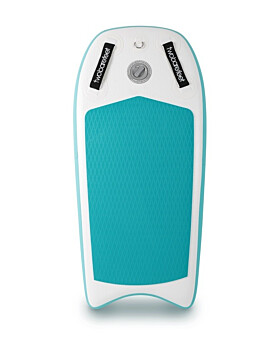
Two Bare Feet Boarding Co. 44" Inflatable Bodyboard - Board Only (Teal)
Special Price £59.99 Regular Price £99.99 -
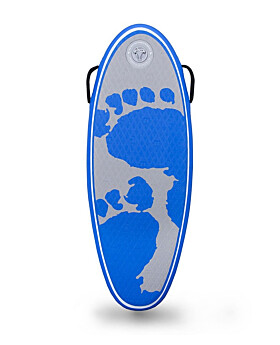
44" Surf Crew Inflatable Bodyboard - Board Only (Blue)
Special Price £59.99 Regular Price £99.99 -
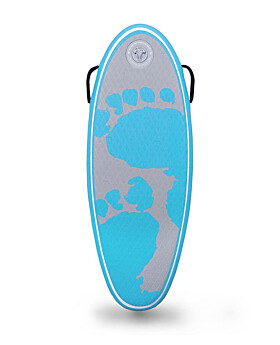
44" Surf Crew Inflatable Bodyboard - Board Only (Aqua)
Special Price £59.99 Regular Price £99.99 -
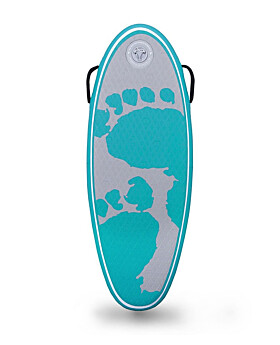
44" Surf Crew Inflatable Bodyboard - Board Only (Teal)
Special Price £59.99 Regular Price £99.99 -
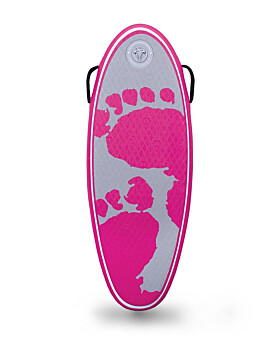
44" Surf Crew Inflatable Bodyboard - Board Only (Pink)
Special Price £59.99 Regular Price £99.99 -
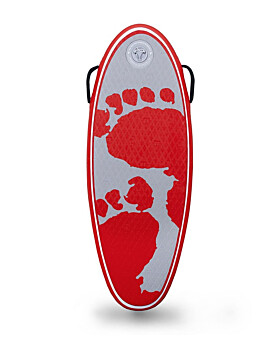
44" Surf Crew Inflatable Bodyboard - Board Only (Red)
Special Price £59.99 Regular Price £99.99
For the builders and diggers: classic sand toys
For many, especially families, a beach trip is incomplete without the construction of a magnificent sandcastle. Packing a set of sand toys is one of the most reliable kids’ beach entertainment ideas. A simple bucket and spade set, along with a few moulds and a watering can, can provide hours of creative fun.
To make packing easier, choose a set that can be nested together or carried in its own mesh bag, which allows the sand to shake out before you pack it away.
For the team players: a beach ball, frisbee, or bat and ball set
The wide-open space of a beach is the perfect arena for some classic games. A lightweight, inflatable beach ball is easy to pack and great for a simple game of catch in or out of the water. A frisbee or a set of beach bats and a ball can also provide endless entertainment and a bit of gentle exercise.
When playing, always be mindful of other beachgoers and ensure you have enough clear space to play safely without disturbing those around you.
For the explorers: discovering the world beneath the waves
Coastlines are often teeming with fascinating marine life, especially in rock pools and clearer, sheltered waters found in coves and bays. A little bit of simple gear can open up a whole new world of underwater exploration for curious minds of all ages.
Packing masks, goggles, and snorkels
A simple pair of swimming goggles is a great starting point, allowing you to comfortably open your eyes underwater to spot crabs and fish in rock pools. For a more immersive experience, a mask and snorkel set is the ultimate tool. A well-fitting mask provides a clear, panoramic view, while the snorkel allows you to breathe comfortably with your face in the water.
Streamlined separates
For snorkellers who already have their fins or want to mix-and-match, Two Bare Feet’s diving separates let you tailor your kit and pack light.
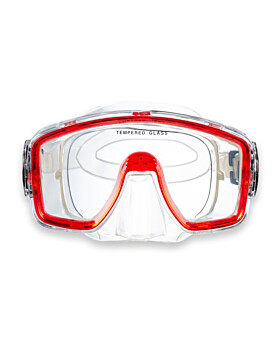
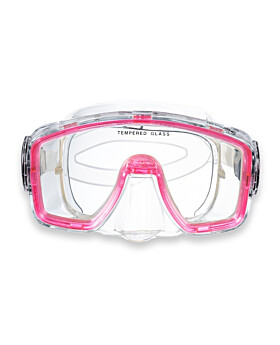
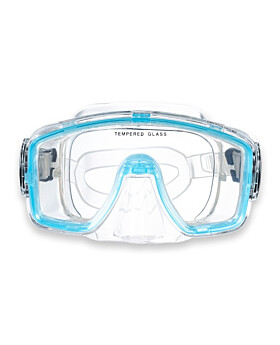
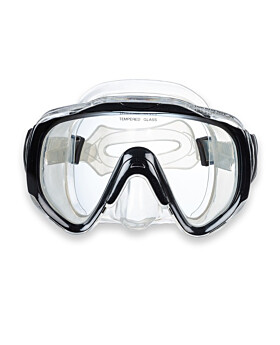
Our silicone-skirt masks feature soft, hypoallergenic skirts that conform closely to your face, creating a watertight seal without pressure points—perfect for extended rock‑pool sessions or shallow-water explorations.
Each mask uses tempered-glass lenses for crystal‑clear, scratch‑resistant views, with an adjustable strap that lays nearly flat once loosened for compact stowage.
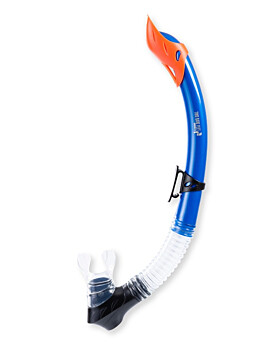
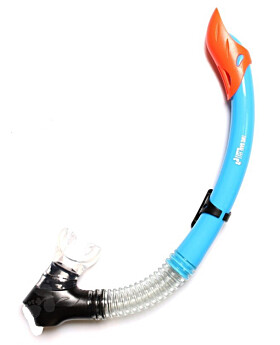
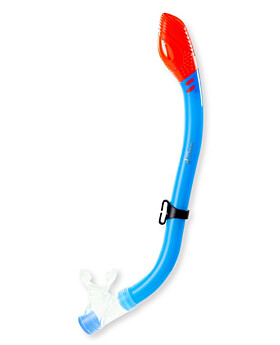
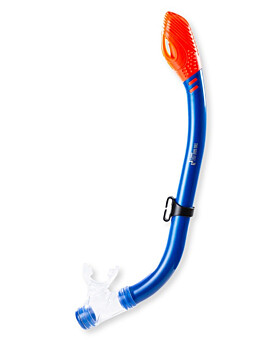
Two Bare Feet snorkels come in both standard and dry-top designs. The basic model sports a splash guard to minimise surface wash-in and a soft silicone mouthpiece that tucks flat against the board of your bag. Upgrading to the dry-top snorkel adds an automatic float valve at the tip, keeping water out when you duck under waves and sealing shut until you resurface—ideal for braver little adventurers or choppy conditions.
-
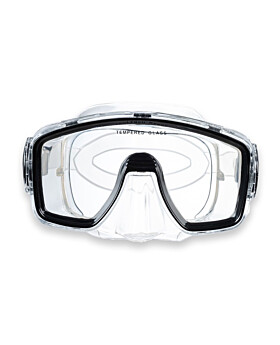
Two Bare Feet Adult Silicone Mask Set 1 (Black)
£12.99 -

Two Bare Feet Adult Silicone Mask Set 1 (Blue)
£12.99 -
Two Bare Feet Adult Silicone Mask Set 1 (Red)
£12.99 -
Two Bare Feet Adult Silicone Mask Set 1 (Pink)
£12.99 -
Two Bare Feet Adult Silicone Mask Set 1 (Aqua)
£12.99 -
Two Bare Feet Adult Silicone Mask Set 2 XL (Black)
£12.99 -
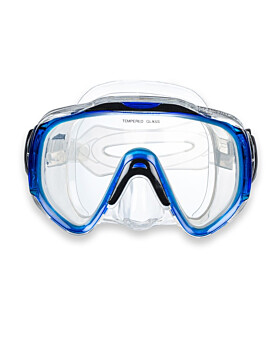
Two Bare Feet Adult Silicone Mask Set 2 XL (Blue)
£12.99 -
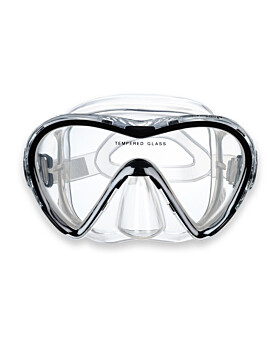
Two Bare Feet Adult Silicone Mask Set 3 (Black)
£12.99 -
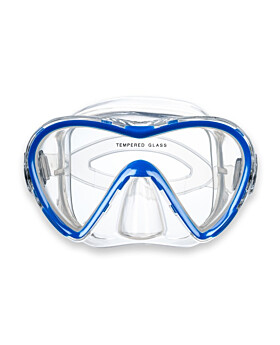
Two Bare Feet Adult Silicone Mask Set 3 (Blue)
£12.99 -
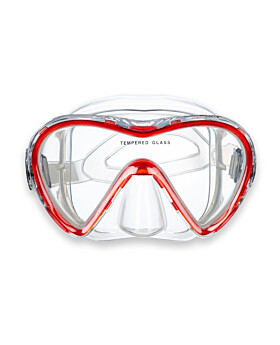
Two Bare Feet Adult Silicone Mask Set 3 (Red)
£12.99 -
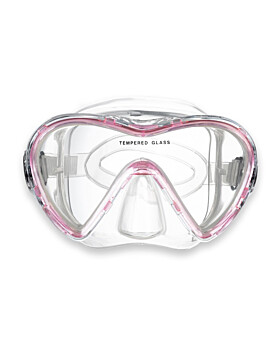
Two Bare Feet Adult Silicone Mask Set 3 (Pink)
£12.99 -
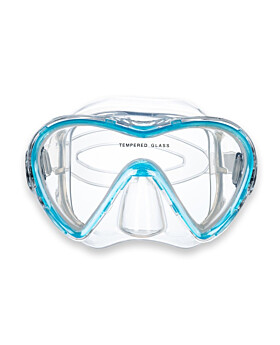
Two Bare Feet Adult Silicone Mask Set 3 (Aqua)
£12.99 -
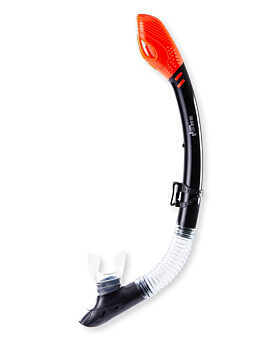
Two Bare Feet Dry Top Silicone Snorkel (Black)
£12.99 -
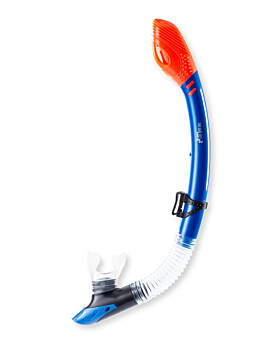
Two Bare Feet Dry Top Silicone Snorkel (Blue)
£12.99 -
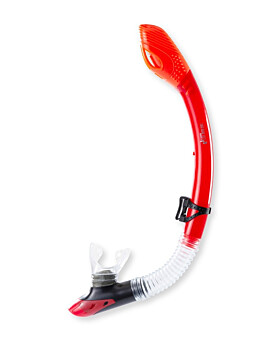
Two Bare Feet Dry Top Silicone Snorkel (Red)
£12.99 -
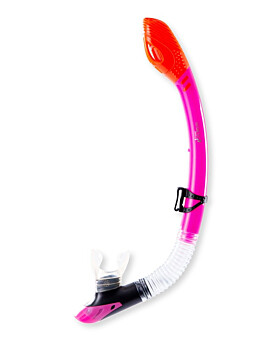
Two Bare Feet Dry Top Silicone Snorkel (Pink)
£12.99 -
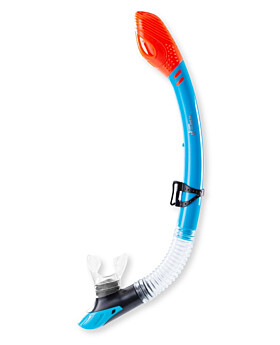
Two Bare Feet Dry Top Silicone Snorkel (Aqua)
£12.99 -
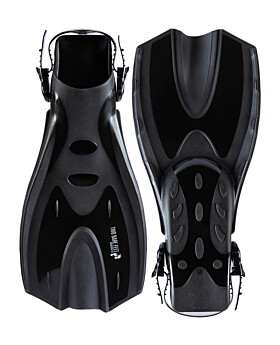
Two Bare Feet Adult Diving Fins (F70 Black)
£17.99 -
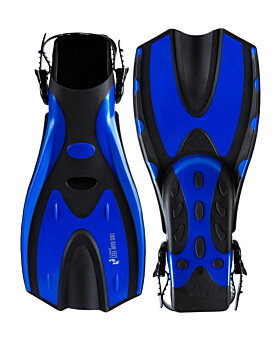
Two Bare Feet Adult Diving Fins (F70 Blue)
£17.99 -
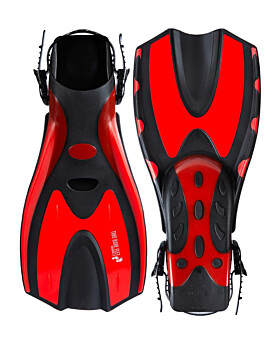
Two Bare Feet Adult Diving Fins (F70 Red)
£17.99 -
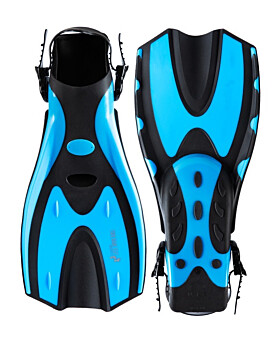
Two Bare Feet Adult Diving Fins (F70 Aqua)
£17.99 -

Two Bare Feet Childrens Diving Fins (F89 Blue)
£17.99 -

Two Bare Feet Childrens Diving Fins (F89 Red)
£17.99 -
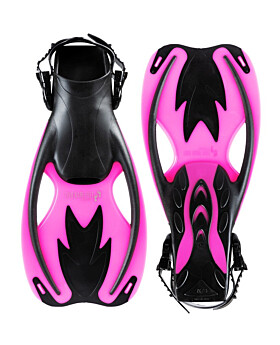
Two Bare Feet Childrens Diving Fins (F89 Pink)
£17.99 -
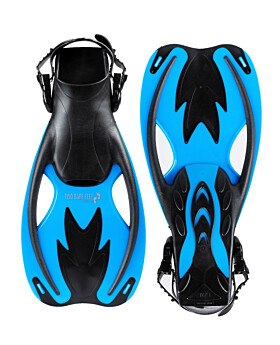
Two Bare Feet Childrens Diving Fins (F89 Aqua)
£17.99 -
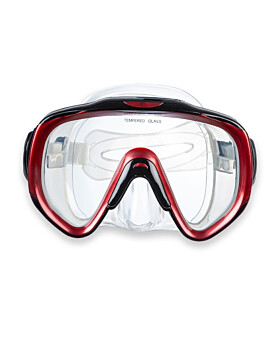
Two Bare Feet Adult Silicone Mask Set 2 XL (Red)
£12.99 -
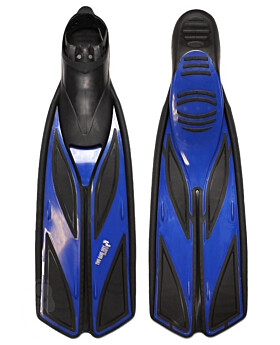
Two Bare Feet Scissor Diving Fins (Blue)
As low as £19.99 -
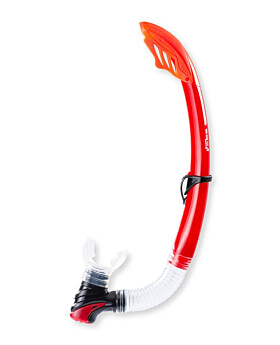
Two Bare Feet Silicone Snorkel (Red)
£7.99 -
Two Bare Feet Junior Silicone Snorkel (Blue)
£5.99 -
Two Bare Feet Junior Silicone Snorkel (Aqua)
£5.99 -
Two Bare Feet Junior Dry Top Silicone Snorkel (Aqua)
£9.99 -
Two Bare Feet Junior Dry Top Silicone Snorkel (Blue)
£9.99 -
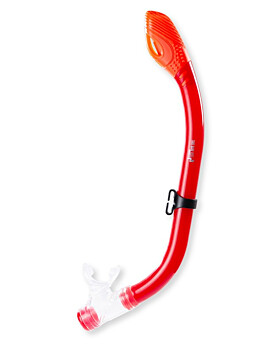
Two Bare Feet Junior Dry Top Silicone Snorkel (Red)
£9.99 -
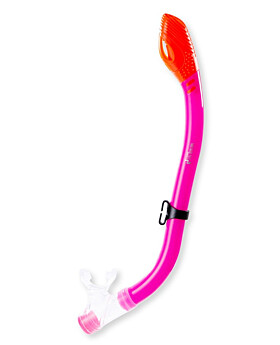
Two Bare Feet Junior Dry Top Silicone Snorkel (Pink)
£9.99 -
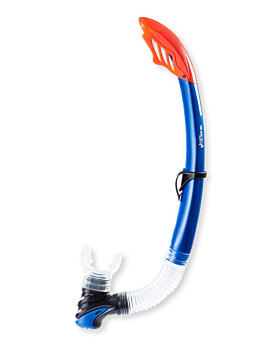
Two Bare Feet Silicone Snorkel (Blue)
£7.99 -
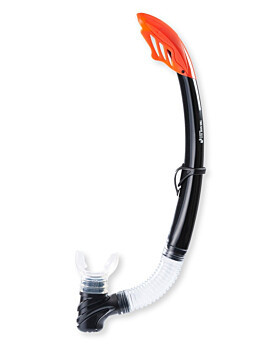
Two Bare Feet Silicone Snorkel (Black)
£7.99 -
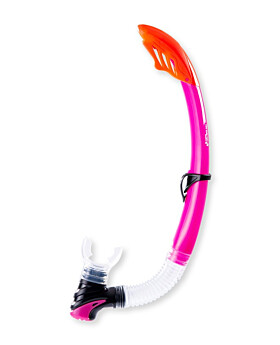
Two Bare Feet Silicone Snorkel (Pink)
£7.99 -
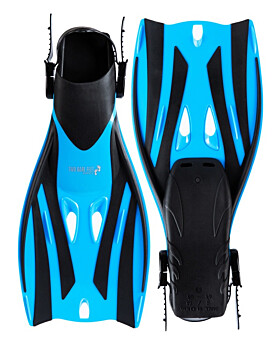
Two Bare Feet Adult Diving Fins (F52 Aqua)
As low as £14.99 -
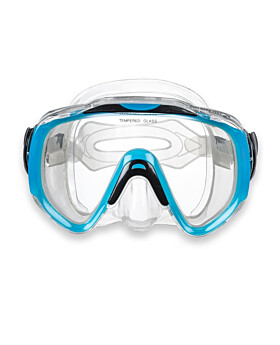
Two Bare Feet Adult Silicone Mask Set 2 XL (Aqua)
£12.99 -
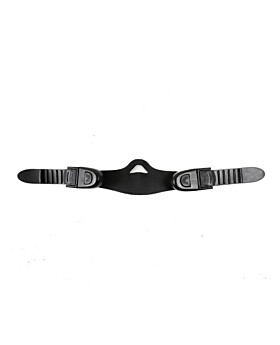
Replacement Fin Straps (One Size)
£7.99 -
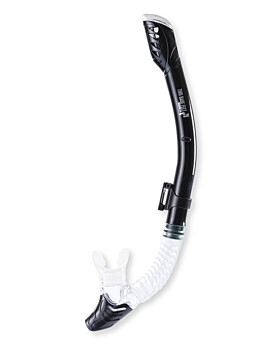
Pro Dive Series Dry Top Silicone Snorkel (Black)
£12.99 -
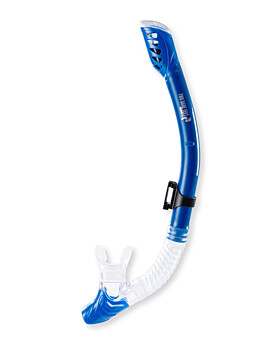
Pro Dive Series Dry Top Silicone Snorkel (Blue)
£12.99 -
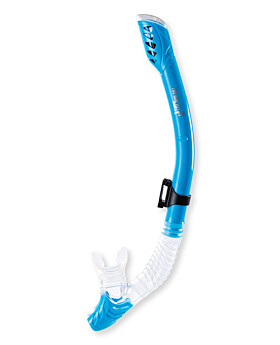
Pro Dive Series Dry Top Silicone Snorkel (Aqua)
£12.99 -
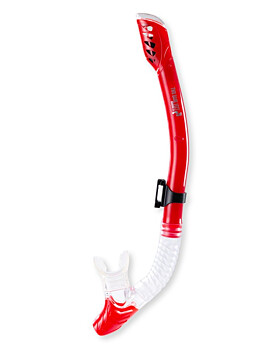
Pro Dive Series Dry Top Silicone Snorkel (Red)
£12.99 -
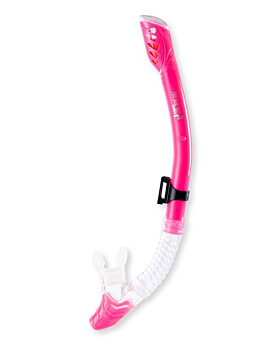
Pro Dive Series Dry Top Silicone Snorkel (Pink)
£12.99 -
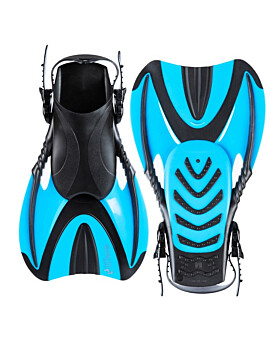
DiveSport Swim Diving Fins (F99 Aqua)
£14.99 -
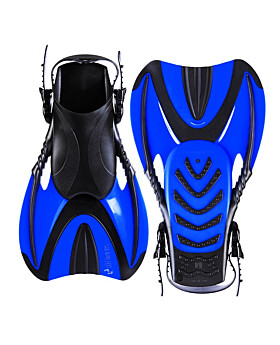
DiveSport Swim Diving Fins (F99 Blue)
£14.99 -
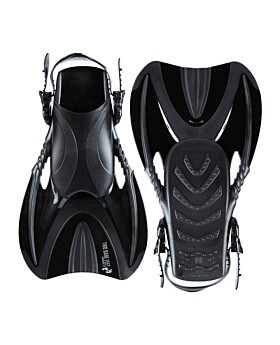
DiveSport Swim Diving Fins (F99 Black)
£14.99 -

DiveSport Swim Diving Fins (F99 Pink)
£14.99 -
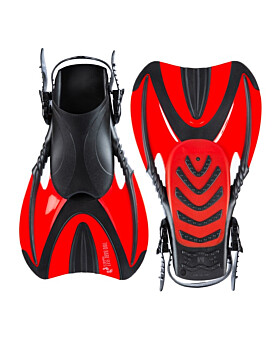
DiveSport Swim Diving Fins (F99 Red)
£14.99 -
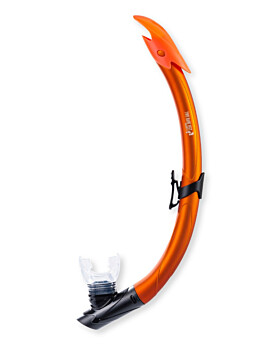
Two Bare Feet X-Dive Silicone Snorkel (Orange/Clear)
£12.99 -
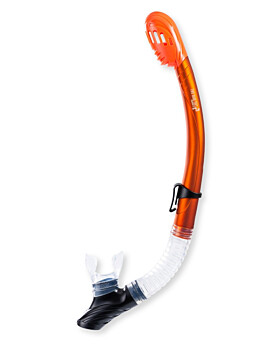
Two Bare Feet DiveSport Dry Top Silicone Snorkel (Orange/Clear)
£12.99 -
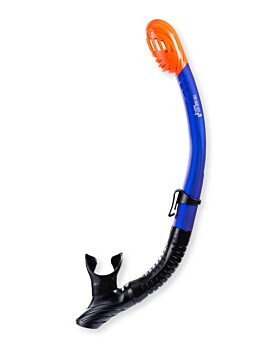
Two Bare Feet DiveSport Dry Top Silicone Snorkel (Blue/Black)
£12.99 -
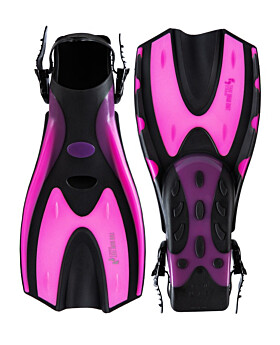
Two Bare Feet Adult Diving Fins (F70 Pink)-Adults S/M
£17.99 -

Two Bare Feet Adult Diving Fins (F70 Pink)
As low as £17.99 -
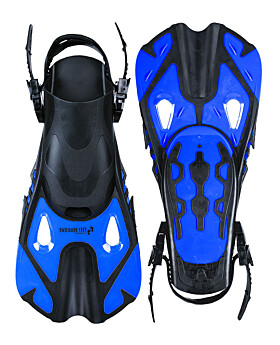
Two Bare Feet Adult Diving Fins (F01 Blue)
£17.99 -
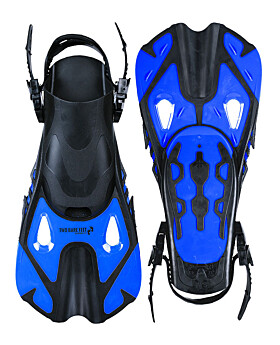
Two Bare Feet Adult Diving Fins (F01 Blue)-Adults S/M
£17.99 -
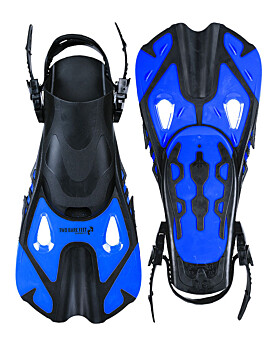
Two Bare Feet Adult Diving Fins (F01 Blue)-Adults L/XL
£17.99 -
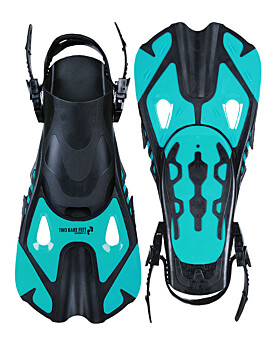
Two Bare Feet Adult Diving Fins (F01 Teal)
£17.99 -
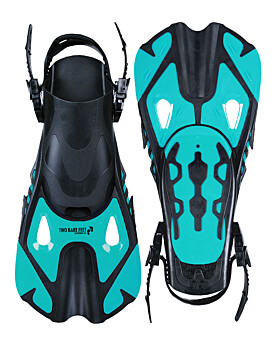
Two Bare Feet Adult Diving Fins (F01 Teal)-Adults S/M
£17.99 -
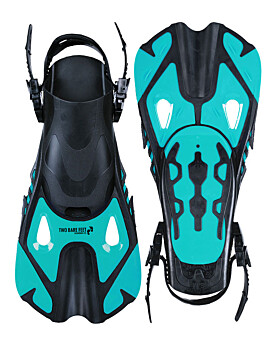
Two Bare Feet Adult Diving Fins (F01 Teal)-Adults L/XL
£17.99 -
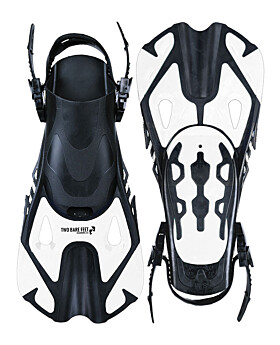
Two Bare Feet Adult Diving Fins (F01 White)
£17.99 -
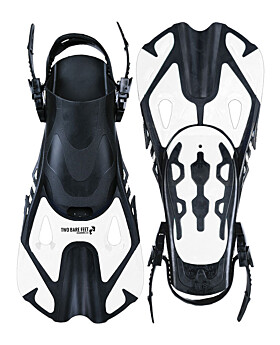
Two Bare Feet Adult Diving Fins (F01 White)-Adults S/M
£17.99 -
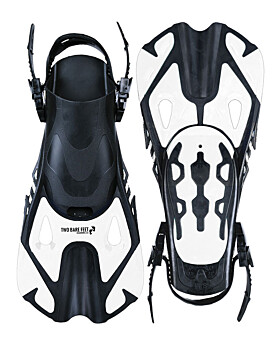
Two Bare Feet Adult Diving Fins (F01 White)-Adults L/XL
£17.99 -
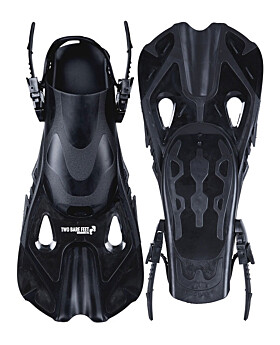
Two Bare Feet Adult Diving Fins (F01 Black)
£17.99 -
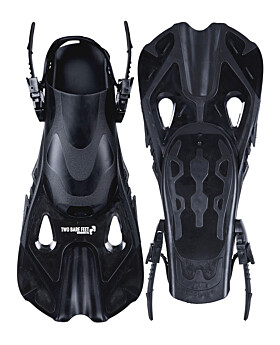
Two Bare Feet Adult Diving Fins (F01 Black)-Adults S/M
£17.99 -
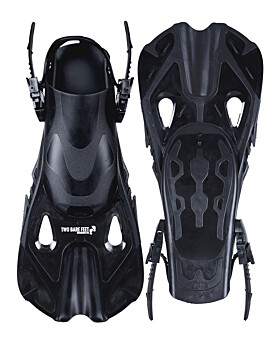
Two Bare Feet Adult Diving Fins (F01 Black)-Adults L/XL
£17.99
All-in-one sets for effortless packing
If you’re starting from scratch or chasing maximum convenience, the 2‑piece Adult Mask & Snorkel Sets pair a choice of mask style (PVC or premium silicone) with a matching snorkel.
For families, the 3‑piece diving sets bundle mask, snorkel and fully adjustable fins. Each component nestles together neatly—fins slip inside the rolled‑up mask strap, the snorkel tucks alongside—creating a compact cylinder that fits in backpacks, family tote bags or under-seat luggage without fuss. Kids’ versions echo the adults’ quality in smaller sizes and fun colour ways, ensuring everyone from toddler to teen can dive straight into the action.
For quiet moments: a good book, magazine, or e-reader
Amidst all the activity, it’s important to make time for relaxation. There are few greater pleasures than settling down on a comfortable blanket and losing yourself in a good story, with the sound of the waves as your soundtrack. Whether you prefer a physical book, a glossy magazine, or a digital e-reader, packing some reading material is a must for those moments of quiet contemplation.
Don’t forget to tuck your book or e-reader inside a dry bag when you’re not using it, to provide complete protection from both sand and water.
4. Smart beach snacking and hydration
A full day of sun, swimming, and playing can be surprisingly taxing on your energy levels. Staying properly hydrated and having a good supply of nutritious snacks is vital to keeping everyone happy, energised, and safe, especially on hot days.
Planning your beachside menu thoughtfully can prevent the need for expensive café trips and ensures you have wholesome options on hand.
Water, water, and more water
Hydration is the most critical element of beach nutrition. The combination of sun exposure and physical activity can lead to dehydration more quickly than you might expect. Relying on thirst alone is not always a good indicator; by the time you feel thirsty, you are often already on the way to being dehydrated.
Using insulated, reusable bottles to keep drinks cold
The best way to ensure a constant supply of fluids is to pack plenty of water in reusable bottles. An insulated bottle is a particularly wise investment for a beach trip. It will keep your water refreshingly cold for hours, even under the sun, making it far more appealing to drink than water that has become lukewarm. This simple upgrade can make a huge difference in encouraging regular sipping throughout the day for the whole family.
Freezing bottles to act as ice packs
Here’s a classic beach hack that serves a dual purpose: the night before your trip, fill a couple of reusable plastic bottles about three-quarters full with water and place them in the freezer. On the day, you can place these frozen bottles inside your cooler bag. They will act as highly effective ice packs, keeping your food cool and safe. As the day progresses, they will slowly melt, providing you with a continuous supply of ice-cold drinking water.
The best no-fuss beach snacks
When it comes to beach food, the key is to choose items that are easy to pack, easy to eat, and won’t create a huge mess. Think handheld, nutrient-dense foods that can withstand a bit of warmth and travel.
Easy-to-eat fruit, granola bars, and wraps
Hardy fruits like apples, oranges, and bananas are excellent choices. Grapes and berries are also great but are best kept in a sturdy container within the cooler bag to prevent them from getting squashed. Granola bars, flapjacks, and nut mixes provide a fantastic, slow-release energy boost.
For something more substantial, pre-made sandwiches or wraps are perfect. Opt for fillings that won’t spoil quickly; hummus, falafel, or chicken salad made with a yogurt-based dressing are better choices than mayonnaise-heavy options.
Avoiding messy or melty foods
Chocolate bars are almost guaranteed to turn into a sticky mess. Similarly, overly crumbly pastries or crisps can be difficult to eat on a windy beach and can contribute to litter. Keeping things simple and contained is the recipe for successful and stress-free beach snacking. Remember to pack reusable utensils if needed to minimise waste.
The importance of a good cooler bag
We touched upon this at the start, but it’s worth repeating here: a quality insulated cooler bag is the heart of your beach food strategy. It’s what allows you to bring healthy, perishable items from home rather than relying on potentially less healthy or more expensive options from beachside vendors.
When packing your cooler, place the frozen bottle “ice packs” at the bottom, then layer your most perishable items, like sandwiches, and finish with less sensitive items like fruit and drinks on top. This keeps everything at a safe temperature for longer.
Bring a rubbish bag and leave no trace
Being a responsible beachgoer means leaving the environment exactly as you found it, or even better. Many beaches, especially more remote ones, have limited bin facilities which can overflow on busy days. By bringing your own bag and committing to packing out everything you packed in—from food wrappers and fruit peels to drink bottles—you play a vital role in protecting our stunning coastlines from litter and pollution.
5. Little extras that make a big difference
There are a host of smaller items that can elevate your comfort and convenience at the beach. These are the things that address the minor irritations of a coastal day out—turning a good day into a great one.
A large beach blanket or mat
A dedicated beach blanket or mat defines your personal space on the sand and provides a relatively sand-free zone for relaxing, eating, and organising your belongings.
Look for a blanket that is large enough for your group, and consider one with a waterproof backing, which will prevent dampness from the sand seeping through. Some modern beach mats are made from materials that allow sand to fall through but not come up, which is a fantastic feature for sandy shores.
Wet wipes and hand sanitiser
A small packet of wet wipes and a bottle of hand sanitiser are invaluable for quick clean-ups. They are perfect for wiping sticky hands after eating, cleaning up small spills, or a quick refresh before heading home. In the absence of nearby facilities, they provide a much-needed sense of cleanliness and hygiene throughout the day.
A hairbrush, hair ties, and talcum powder
The coastal wind can play havoc with long hair, so packing a brush and a few spare hair ties or clips is a simple way to stay comfortable and tangle-free.
In addition, one of the oldest and most effective beach hacks is to pack a small container of baby powder or talcum powder. At the end of the day, before you get back in the car, simply sprinkle the powder over sandy skin. It works by absorbing moisture, allowing the sand to be brushed away effortlessly, leaving your skin clean and smooth. It’s a surprisingly effective trick that helps keep the sand at the beach and out of your car and home.
6. Adopt an eco-friendly approach to packing
Enjoying our magnificent coastlines comes with a shared responsibility to protect them. As visitors, our actions have a direct impact on the health and beauty of these fragile ecosystems. Having an eco-friendly mindset is a vital practice for ensuring these natural treasures can be enjoyed for generations to come.
Pack it in, pack it out
This fundamental principle of responsible outdoor recreation is a simple promise: to leave no trace of your visit.
Always bring a dedicated rubbish bag and ensure every single item you bring with you—food wrappers, bottles, broken toys, fruit peels—is packed up and taken home for proper disposal or recycling. Never assume that a beach bin will have space; on busy days they are often full. Taking your rubbish with you is the only guaranteed way to leave the beach clean.
Opt for reusable containers, cutlery, and bottles
Single-use plastics are a major source of marine pollution. You can help reduce your environmental footprint by making conscious choices when you pack.
- Instead of relying on disposable plastic water bottles, pack a reusable, insulated one.
- Prepare your snacks and sandwiches at home and pack them in reusable containers or beeswax wraps instead of cling film and plastic bags.
- If you need cutlery, bring a reusable set from home rather than flimsy plastic alternatives.
7. Embracing the coast with confidence
The key to unlocking the full, restorative power of a coastal adventure lies in thoughtful preparation. By moving beyond a last-minute grab of a towel and keys to a more considered approach, you equip yourself for a day of seamless enjoyment.
To make your planning even easier, we’ve compiled all these essentials into a simple, printable checklist. Use it to tick off as you pack, ensuring nothing important gets left behind. With the right preparation and the support of high-quality gear tailored for the elements—from a Two Bare Feet changing robe that offers instant warmth to our dry bags that secure your peace of mind—anyone can explore the UK’s incredible coastline with confidence.
Remember to tailor your kit to your destination and your planned activities. Start with the core essentials, layer on your safety and comfort items, and then pack for fun. With checklist in hand, you’ll be able to set the stage for an unforgettable coastal adventure.