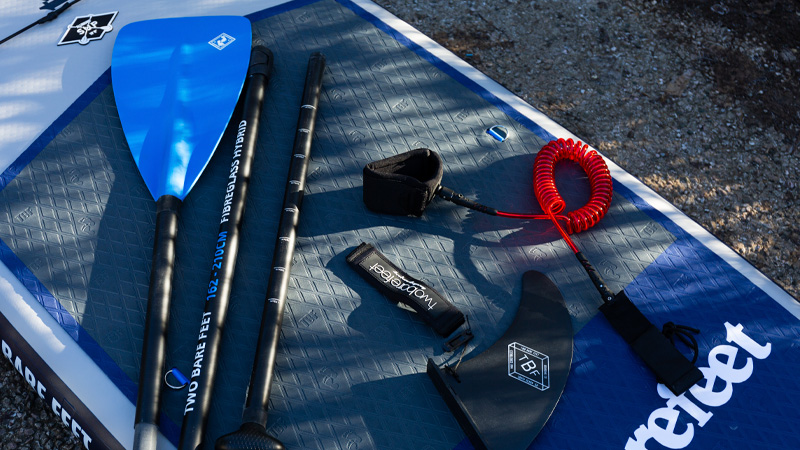

30 May 2025
Introducing children to the joy of surfing creates unforgettable family memories and fosters a deep connection with the ocean. However, the marine environment presents unique challenges that require careful preparation and vigilance.
This comprehensive guide outlines crucial safety measures parents should implement when teaching young children to surf, ensuring their experience is both safe and enjoyable.
Table of contents
1. An introduction to surfing with your kids
The allure of sharing your passion for surfing with your children is undeniable. There’s something magical about witnessing their first successful ride on a wave – the look of pure excitement and accomplishment lighting up their faces. However, the ocean demands respect, and introducing kids to surfing requires a thoughtful, safety-first approach.
Teaching kids surf safety isn’t just about preventing accidents; it’s about instilling confidence, respect for the ocean, and laying the foundation for a lifelong relationship with the water. When children learn to surf with proper safety practices from the beginning, they develop not only better surfing skills but also critical water awareness that serves them throughout life.
The UK coastline offers numerous opportunities for family surfing adventures, from the gentle beach breaks of Cornwall to the sheltered bays of Wales. With proper preparation and the right equipment, these locations can provide the perfect environment for introducing children to the joys of surfing safely.
2. Essential pre-surf preparation
The success of a family surfing session begins long before you reach the beach. Proper preparation not only ensures safety but also maximizes enjoyment for everyone involved.
Checking the surf forecast
When planning to surf with children, understanding the complete forecast is crucial. While adult surfers might focus primarily on wave height, parents introducing kids to surfing need to consider multiple factors that affect safety and enjoyment.
Understanding swell, wind, and tide implications for beginners
Swell period (the time between waves) is often more important than height when surfing with children. Longer period swells (10+ seconds) generally produce more organised, predictable waves that are easier for beginners to handle. Short period swells create choppier, more frequent waves that can quickly overwhelm young surfers.
Wind direction and strength significantly impact wave quality and safety. Offshore winds (blowing from land to sea) create cleaner wave faces ideal for learning, while onshore winds create choppy, disorganised conditions best avoided with children. Even moderate onshore winds can make paddling difficult and waves less predictable for beginners.
Tide levels dramatically affect wave shape and beach safety. Many UK beaches are best for beginners at mid to high tide when waves are gentler and breaking points more predictable. Low tides can expose rocks or create steeper, more powerful shore breaks unsuitable for children.
Reliable resources for UK surf forecasts
Several reliable resources provide detailed UK surf forecasts:
- Surfline offers comprehensive forecasts for UK beaches, including detailed breakdowns of conditions
- The Met Office provides general coastal forecasts including wind and sea conditions
- Local surf school websites often post daily condition assessments specific to their beaches
Check weather forecasts 24-48 hours before your planned session and again on the morning of your surf to account for any changes. Remember that forecasts become more accurate the closer you get to the day.
Assessing your child’s water confidence and swimming ability
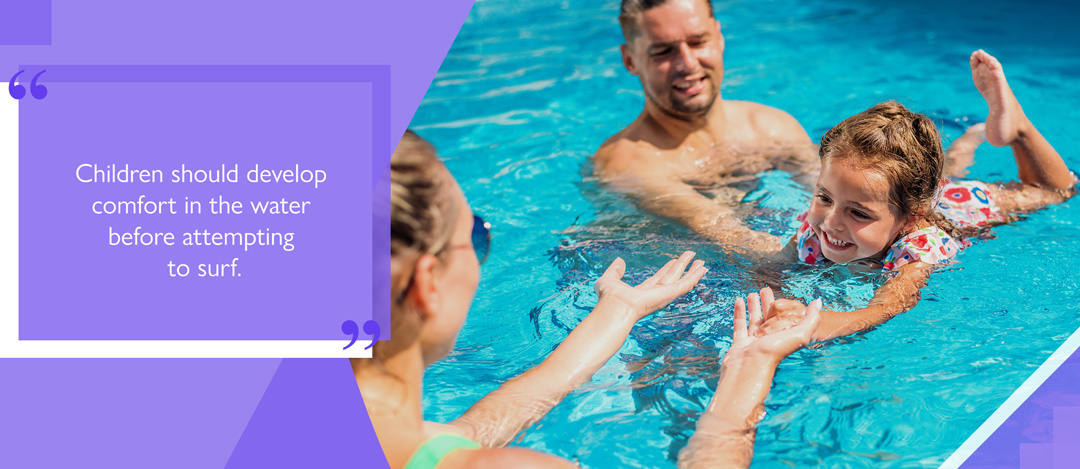
Before introducing your child to surfing, honestly evaluate their water confidence and swimming ability. Children should develop comfort in the water before attempting to surf. Early water experiences such as swimming lessons help build self-confidence that transfers to surfing later on.
At a minimum, children should be able to:
- Swim confidently without flotation devices in a pool setting
- Comfortably submerge their face underwater
- Recover to a standing position after falling in water
- Remain calm if caught underwater momentarily
For very young children or those still developing swimming skills, consider starting with simpler activities that familiarise them with ocean movement, such as bodyboarding, without the added complexity of managing a surfboard.
Focus on fun, not performance
One of the most important preparations is setting appropriate expectations – both for yourself and your child. Children learn at different rates, and forcing progression could create negative associations with surfing.
Focus on creating positive experiences rather than technical achievements. For many children, success might simply mean feeling comfortable lying on the board in shallow water or riding a small wave while sitting down. Celebrate these small victories enthusiastically.
Be prepared to spend most of your time in shallow water, possibly not catching many waves yourself. Your role is primarily as a teacher and safety supervisor rather than a fellow surfer.
Talking about the ocean: potential hazards and basic rules
Before heading to the beach, have an age-appropriate discussion about ocean safety. Even young children can understand basic concepts when explained simply:
- The ocean is powerful and deserves respect
- Always stay close to your parent/guardian in the water
- If you feel scared or tired, it’s important to say so immediately
- Waves can push you underwater, but you’ll always come back up
- Hold your breath if you go underwater, don’t panic
For older children, you can introduce more specific safety concepts like rip currents, the importance of surfing between the flags, and basic surf etiquette. Frame these discussions positively – the goal is awareness, not fear.
Packing the essentials
Beyond surfboards and wetsuits, several items are essential for a safe family surf session:
- First aid kit with waterproof plasters, antiseptic wipes, and pain relievers
- High-SPF, water-resistant sunscreen (minimum SPF 30)
- UV-protective rash guards (even under wetsuits for added protection)
- Plenty of drinking water and nutritious snacks
- Towels and warm, dry clothes for after surfing
- Changing robe for privacy and warmth when changing
- Wetsuit cleaner/freshwater for rinsing equipment
In colder months, add hot drinks in a thermos and extra layers for immediate post-surf warmth. Having these essentials packed and ready ensures you can respond quickly to any situation and maintain comfort throughout the session.
3. Choosing a kid-friendly surf spot
Not all beaches are suitable for young surfers. When selecting a location for introducing children to surfing, safety considerations should outweigh wave quality or convenience.
Why lifeguarded beaches are a must
Always choose a lifeguarded beach when surfing with children. Lifeguards provide an essential safety net, monitoring conditions and responding quickly to emergencies. They also designate safe swimming and surfing zones based on daily assessments of conditions.
Understanding the role of RNLI lifeguards
In the UK, the Royal National Lifeboat Institution (RNLI) provides lifeguard services at over 240 beaches. These highly trained professionals:
- Monitor water conditions throughout the day
- Identify and mark safe swimming and surfing zones
- Respond to emergencies with specialised equipment
- Provide first aid and emergency care
- Offer advice on daily conditions and hazards
Operating hours and flag systems
RNLI lifeguard coverage varies by location and season. Most popular surfing beaches have coverage from May to September, with extended hours during school holidays. Always check the RNLI website for current information about specific beaches.
Understanding the flag system is essential for safe family surfing:
- Red and yellow flags: The area supervised by lifeguards and the only place where swimming and bodyboarding should take place
- Black and white chequered flags: Designated zones for surfboards, stand-up paddleboards, and other non-powered craft – this is where you should surf with your children
- Red flag: Dangerous conditions, do not enter the water
- Orange windsock: Strong winds, particularly dangerous for inflatable toys
Always surf between the black and white chequered flags with your children. This ensures you’re in an area deemed safe for surfing while separated from swimmers to prevent collisions.
Identifying safer wave conditions
For beginning surfers, especially children, the ideal waves are small (1-2 feet), rolling gently rather than breaking powerfully, and breaking over a sandy bottom. These conditions provide the perfect learning environment – challenging enough to be fun but forgiving enough to build confidence.
Look for waves that break gradually rather than all at once. Gradual breaks give beginners more time to get to their feet and maintain balance. Waves that break in very shallow water (shore break) should be avoided as they can cause injuries when falls occur in minimal water depth.
The best learning conditions often occur about 1-2 hours after high tide when the water is still relatively deep but beginning to reveal the sandbanks that shape the waves. This timing varies by beach, so consulting local surf schools or experienced surfers can provide location-specific insights.
Sandy bottoms vs. reefs and rocks
Choose beaches with sandy bottoms for children learning to surf. Sand provides a much more forgiving surface for the inevitable falls and wipeouts that are part of the learning process. Rocky or reef bottoms present significant hazards for beginners, including cuts, scrapes, and more serious injuries.
Even at predominantly sandy beaches, be aware that rocks or small reef sections may be present in certain areas. Thoroughly check the surfing area during low tide before your session to identify any hidden hazards that might be covered at higher water levels.
Spotting potential hazards
Developing the ability to “read” a beach is an essential skill. Take time to observe the water for at least 15-20 minutes before entering, looking for patterns and potential hazards.
How to spot and avoid rip currents
Rip currents represent one of the greatest dangers to beach users, responsible for numerous rescues and drownings each year. Teaching children to identify rip currents is an important safety skill.
Rip currents can often be identified by:
- Channels of churning, choppy water
- Areas where waves aren’t breaking (gaps between breaking waves)
- Discoloured water (often darker due to disturbed sand)
- Debris or foam moving steadily seaward
If caught in a rip current, children should be taught to:
- Stay calm and avoid fighting against the current
- Swim parallel to the shore until free of the current, then angle back to shore
- If unable to swim out, float and signal for help by raising an arm
For young children, the simplest rule is to always stay between the flags and close to a supervising adult.
Shorebreak considerations
Shorebreak occurs when waves break directly onto the beach in very shallow water. This creates a dangerous situation where the full energy of the wave impacts in minimal water depth. Shorebreak conditions are particularly hazardous for children and should be avoided.
Signs of dangerous shorebreak include:
- Waves breaking in very shallow water
- Waves that “dump” rather than spill
- Steep beach faces that drop off quickly
These conditions can cause neck and spinal injuries even in small surf. If you observe significant shorebreak, choose another beach or wait for the tide to change conditions.
Rocks, piers, and groynes
Man-made structures like piers and groynes, as well as natural rock formations, create dangerous surfing zones due to:
- Strong currents that form around these structures
- Impact hazards if pushed into them by waves
- Entrapment risks in submerged areas
Maintain a substantial buffer zone (at least 50 metres) between your surfing area and any fixed structures. This distance provides safety margin for drift and ensures you won’t be pushed into these hazards by waves or currents.
Finding space for safe learning
Crowded lineups present multiple challenges for children learning to surf:
- Increased collision risk with other water users
- Less opportunity to catch waves without interference
- More intimidating environment for beginners
- Harder for parents to maintain close supervision
Seek out less crowded beaches or surf during off-peak times (weekday mornings or evenings outside holiday periods).
Many popular UK surf spots have nearby “sister beaches” that offer similar conditions with fewer crowds. Local knowledge is invaluable here – speaking with surf schools or shops can reveal hidden gems perfect for family sessions.
4. Gearing up for safety and fun
Appropriate equipment forms the foundation of safe surfing experiences for children. The right gear not only enhances safety but also accelerates learning by making the experience more comfortable and enjoyable.
Why soft-top foam surfboards?
Soft-top foam surfboards (often called “foamies”) are the gold standard for children learning to surf. They provide several crucial advantages for young learners:
Buoyancy
The exceptional buoyancy of foam boards makes paddling easier, helping children navigate choppy waters and quickly position themselves for incoming waves. This reduces fatigue and frustration, allowing for longer, more productive sessions.
Stability
The high volume of a soft surfboard makes it a stable platform, which will be forgiving in inconsistent conditions, common at many UK beaches. This stability helps children maintain balance and build confidence as they progress from lying to kneeling to standing.
Safety
Perhaps most importantly, the soft foam deck minimizes injury risk during falls or collisions – particularly valuable in crowded summer lineups. The padded surface significantly reduces the impact when a child falls onto their board or is hit by it after a wipeout.
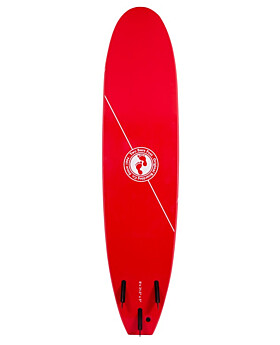
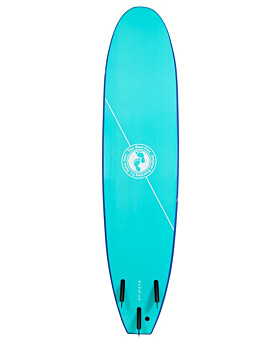
Two Bare Feet’s foam surfboard range
Two Bare Feet offers an excellent foam surfboard selection specifically designed with learners in mind, making them ideal for children taking their first steps into surfing.
Size options to match your child’s needs
Our foam surfboards come in various sizes to accommodate different ages and abilities.
For very young children (4-7 years), a 6ft foam board provides manageable dimensions while still offering sufficient volume for stability. The reduced length makes the board easier for small children to control.
For older children (8-12 years), a 7ft board offers a perfect balance of stability and manoeuvrability. The 7ft model features a 21-inch width and 3-inch thickness with 65 litres of volume, making it an excellent all-rounder.
For teenagers or larger children, the 8ft model provides maximum stability and paddle power, making it easier to catch waves and maintain balance during the critical learning phase.
Child-friendly design features
Every aspect of Two Bare Feet’s foam surfboards has been engineered with safety and learning progression in mind:
- Forgiving construction: All boards feature high-density EPS cores for strength without excess weight
- XPE foam decks: These provide significantly more buoyancy than traditional fiberglass boards, making them easier to paddle and stand on
- Wooden stringers: Running down the centre of the boards, these add crucial strength and durability for repeated use
Safety-first features
Safety is paramount when teaching children to surf, and Two Bare Feet’s designs reflect this priority:
- Soft, textured decks: The XPE foam construction significantly reduces impact during inevitable falls or collisions
- Flexible fins: All models feature flexible fins designed to avoid injuries during wipeouts or collisions
- HDPE slick bottom: This material provides elasticity and helps the board return to its original shape after flexing
Practical learning benefits
Beyond safety, these boards offer practical advantages that enhance the learning experience:
- Three-fin thruster setup: Provides the most functional and manoeuvrable configuration for beginners to develop their skills
- Progressive design: The shape and volume distribution help children transition from paddling to catching waves and eventually standing
Complete packages available
For families looking to get fully equipped, Two Bare Feet offers package deals that include one or two surfboards of your choice (6ft, 7ft, or 8ft) along with a padded travel boardbag. This provides excellent value while ensuring you have the appropriate gear to keep your young surfers safe and progressing.
-
 Special Price £140.00 Regular Price £180.00
 -
 Special Price £160.00 Regular Price £200.00
 -
 Special Price £160.00 Regular Price £200.00
 -
 Special Price £170.00 Regular Price £230.00
 -
 Special Price £170.00 Regular Price £230.00
Surf leashes
A surf leash is a critical safety device that connects the surfer to their board. For children learning to surf, this connection is particularly important for preventing dangerous separation from their flotation device.
Why leashes are important
Surf leash safety for children is paramount for several reasons:
- Prevents the board from becoming a hazard to others if the child falls off
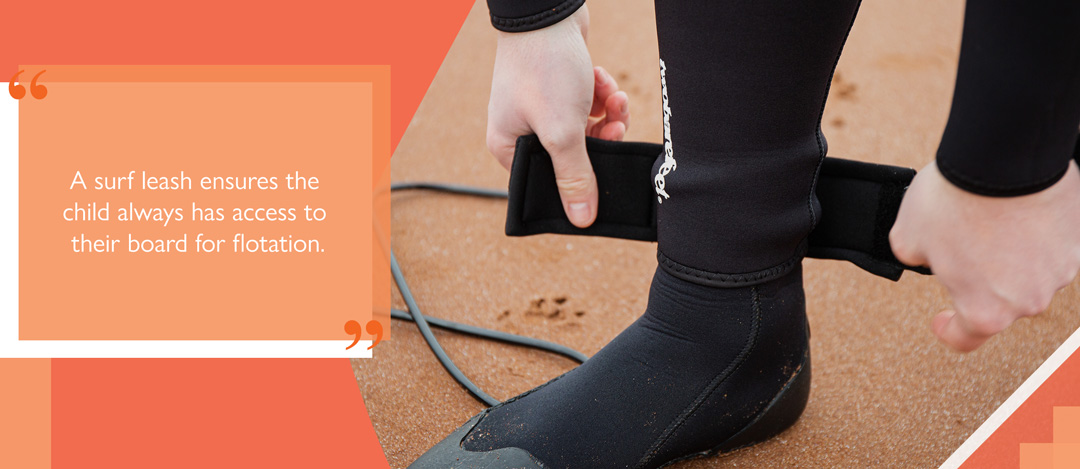
- Ensures the child always has access to their board for flotation
- Reduces the distance a child might need to swim after a wipeout
- Prevents boards from washing to shore or into dangerous areas
Correct attachment and avoiding tangles
Proper leash attachment is essential for safety and functionality:
- The leash should be attached to the child’s ankle (not calf or knee)
- The cuff should be secure but not overly tight
- The rail saver (the thicker portion that attaches to the board) should be properly connected to the leash plug
- The leash should be checked regularly for wear, particularly where it connects to the board
Two Bare Feet surf leashes
Two Bare Feet offers a selection of high-quality surf leashes specifically designed to provide reliable protection for surfers of all ages, including children taking their first steps into the waves.
Options to match your child’s board
Our Deluxe Surf Leash comes in three different lengths, allowing you to choose the perfect match for your child’s surfboard:
- 6ft Deluxe Surf Leash: Ideal for shorter boards, maintaining close control while providing sufficient distance during falls
- 7ft Deluxe Surf Leash: A versatile mid-length option suitable for most standard beginner foam surfboards
- 8ft Deluxe Surf Leash: Perfect for longer boards, ensuring the board stays at a safe distance during wipeouts
The leash should generally match or slightly exceed the length of your child’s surfboard. This ensures enough freedom of movement while preventing excessive slack that could lead to tangling or safety hazards.
Quality features for enhanced safety
Two Bare Feet surf leashes incorporate several safety-focused design elements that make them particularly suitable for children learning to surf:
- Double precision stainless swivels: These high-quality components prevent the leash from twisting and tangling, a common problem that can frustrate young learners and potentially create hazards in the water
- Padded Velcro ankle straps: Providing secure attachment with maximum comfort, these straps ensure the leash stays firmly in place without causing discomfort during extended sessions
- Durable construction: Engineered with high-strength materials, these leashes can withstand the strongest waves and repeated use, making them a reliable safety companion for your child’s surfing journey
The thoughtful design of Two Bare Feet’s surf leashes directly addresses key safety scenarios:
- Prevention of runaway boards: The strong, reliable attachment keeps boards from becoming hazards to others in crowded surf spots, a particular concern during busy summer periods at popular beaches
- Immediate access to flotation: After a fall, children maintain a direct connection to their primary flotation device, significantly enhancing water safety
- Reduced swimming distance: The appropriate length options ensure children won’t have to swim far to retrieve their boards after a wipeout, reducing fatigue and potential panic
- Board protection: Prevents valuable equipment from washing ashore or into dangerous areas like rocks or strong currents
A cautionary note on leash safety
While essential, it’s important to teach children that a leash is not a lifesaving device. The leash connects them to their board, which provides flotation, but it doesn’t guarantee safety in dangerous conditions.
Children should understand that the leash is just one part of a comprehensive approach to water safety that includes swimming ability, being near a responsible and trusted adult, and good decision-making.
The importance of a well-fitting wetsuit
In the UK’s relatively cold waters, a quality wetsuit is essential for comfortable and safe surfing experiences.
Stay warm to stay safe and have more fun
Proper thermal protection allows children to:
- Stay in the water longer without getting cold
- Maintain better physical coordination (cold significantly impairs motor skills)
- Focus on learning rather than discomfort
- Develop positive associations with surfing
Cold water exposure can quickly lead to discomfort, distraction, and potentially dangerous situations like mild hypothermia. A proper wetsuit creates a thin layer of water between the neoprene and the skin, which the body warms to create an insulating barrier.
Understanding wetsuit thickness (summer vs. winter suits)
The level of wetsuit thickness required varies seasonally in UK waters:
For summer surfing (June-September) when water temperatures typically range from 15-18°C, a 3/2mm full wetsuit is ideal for most children. The thicker material (3mm) covers the core while thinner panels (2mm) at the arms and legs allow for better flexibility.
During spring and autumn (April-May and October-November), water temperatures drop to 10-14°C, requiring a 4/3mm wetsuit for adequate warmth. This thicker construction provides essential insulation during these transitional seasons.
Winter surfing (December-March) demands proper cold-water protection, with water temperatures dropping to 8-10°C. During these months, a 5/4mm wetsuit is essential for children, preferably complemented with boots, gloves, and a hood to prevent heat loss through extremities.
Getting the right fit: snug but not restrictive
A properly fitting wetsuit should be snug without restricting movement or breathing. When trying wetsuits on children:
- The suit should feel tight but comfortable when dry (it will loosen slightly in water)
- There should be no significant gaps at the neck, wrists, or ankles where water could flush through
- The child should be able to raise their arms above their head and squat without major restriction
- The suit shouldn’t bunch excessively at joints or create pressure points
-

Two Bare Feet Junior Thermal Short Sleeve Rash Vest (Black)
As low as £15.99 Regular Price £16.99 -
Two Bare Feet Junior Thermal Long Sleeve Rash Vest (Black)
As low as £17.99 Regular Price £18.99 -
Two Bare Feet Glider 2.5mm Full Length Junior Wetsuit (Blue)
£24.99 -
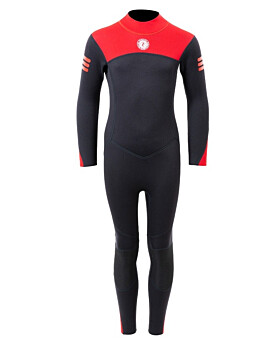
Two Bare Feet Glider 2.5mm Full Length Junior Wetsuit (Red)
£24.99 -
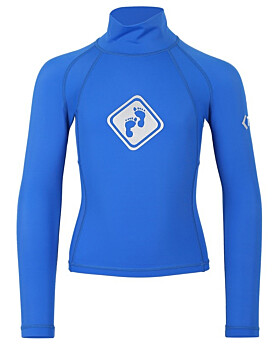
Two Bare Feet Junior "Diamond" Long Sleeve Rash Vest (Blue)
£14.99 -
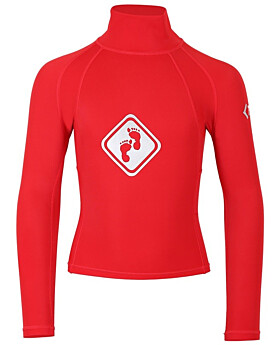
Two Bare Feet Junior "Diamond" Long Sleeve Rash Vest (Red)
£14.99 -
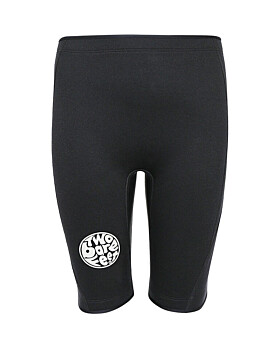
Two Bare Feet Junior Heritage 3mm Wetsuit Shorts (Black)
£19.99 -

Two Bare Feet Thunderclap 5/4mm Junior Winter Wetsuit (Black)
As low as £59.99 Regular Price £79.99 -
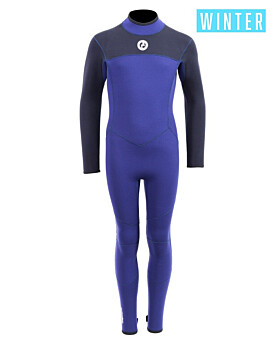
Two Bare Feet Thunderclap 5/4mm Junior Winter Wetsuit (Navy)
As low as £59.99 Regular Price £79.99 -
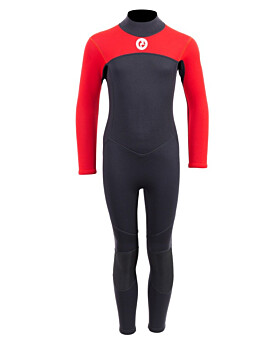
Two Bare Feet Thunderclap 2.5mm Junior Wetsuit (Red / Black)
As low as £24.99 Regular Price £39.99 -

Two Bare Feet Thunderclap 2.5mm Junior Wetsuit (Aqua / Black)
As low as £24.99 Regular Price £39.99 -

Two Bare Feet Thunderclap 2.5mm Junior Wetsuit (Pink / Black)
As low as £24.99 Regular Price £39.99 -
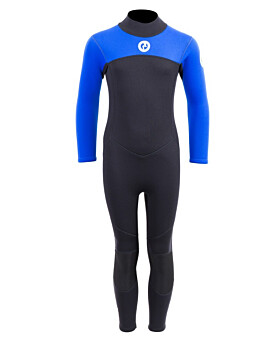
Two Bare Feet Thunderclap 2.5mm Junior Wetsuit (Blue / Black)
As low as £24.99 Regular Price £39.99 -
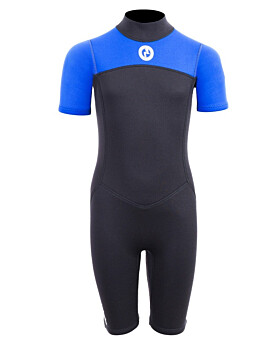
Two Bare Feet Thunderclap 2.5mm Junior Shorty Wetsuit (Blue / Black)
As low as £19.99 Regular Price £39.99 -
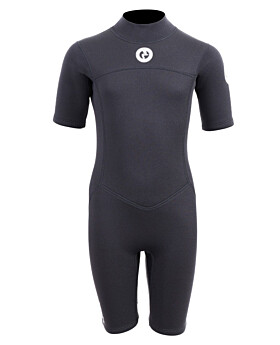
Two Bare Feet Thunderclap 2.5mm Junior Shorty Wetsuit (Black)
As low as £19.99 Regular Price £39.99 -
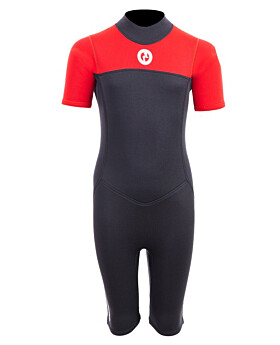
Two Bare Feet Thunderclap 2.5mm Junior Shorty Wetsuit (Red / Black)
As low as £19.99 Regular Price £39.99 -
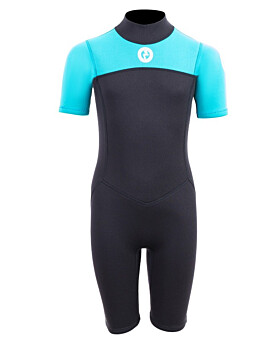
Two Bare Feet Thunderclap 2.5mm Junior Shorty Wetsuit (Aqua / Black)
As low as £19.99 Regular Price £39.99 -

Two Bare Feet Thunderclap 2.5mm Junior Shorty Wetsuit (Pink / Black)
As low as £19.99 Regular Price £39.99 -
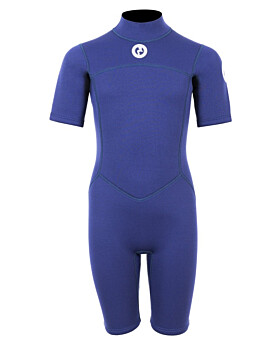
Two Bare Feet Thunderclap 2.5mm Junior Shorty Wetsuit (Navy)
As low as £19.99 Regular Price £39.99 -

Thunderclap 2.5mm Junior Sleeveless Summer Wetsuit (Navy)
As low as £24.99 Regular Price £29.99 -

Thunderclap 2.5mm Junior Sleeveless Summer Wetsuit (Black)
As low as £24.99 Regular Price £29.99 -
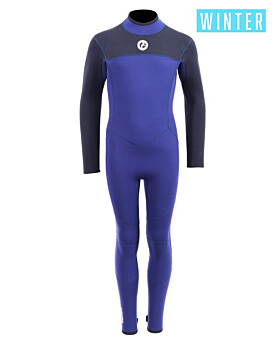
Two Bare Feet Thunderclap 4/3mm Junior Winter Wetsuit (Navy)
As low as £54.99 Regular Price £79.99 -
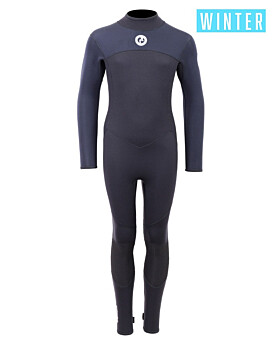
Two Bare Feet Thunderclap 4/3mm Junior Winter Wetsuit (Black)
As low as £54.99 Regular Price £79.99 -
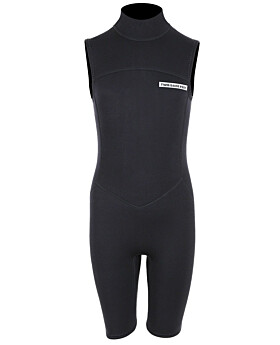
Thunderclap 2.5mm Junior Sleeveless Shorty Wetsuit (Black)
As low as £19.99 Regular Price £29.99 -
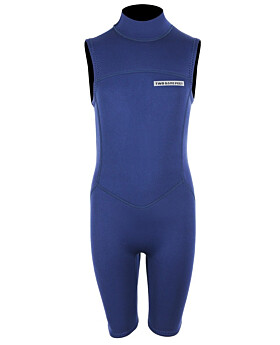
Thunderclap 2.5mm Junior Shorty Sleeveless Wetsuit (Navy)
As low as £19.99 Regular Price £29.99 -

Two Bare Feet Junior Lycra Swimming Shorts (Black)
As low as £14.99 Regular Price £23.99 -
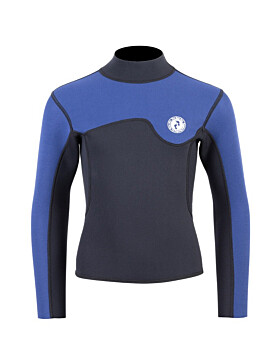
Two Bare Feet Junior Aspect Fleece Lined Zipless Thermal 2.5mm Superstretch Wetsuit Top (Black/Blue)
As low as £29.99 Regular Price £39.99 -
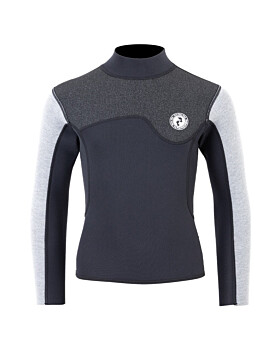 As low as £29.99 Regular Price £39.99
 -
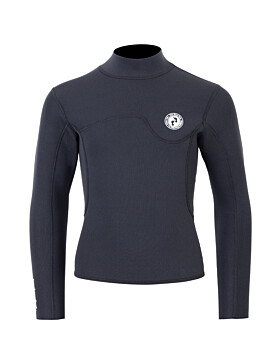
Two Bare Feet Junior Aspect Fleece Lined Zipless Thermal 2.5mm Superstretch Wetsuit Top (Black)
As low as £29.99 Regular Price £39.99 -
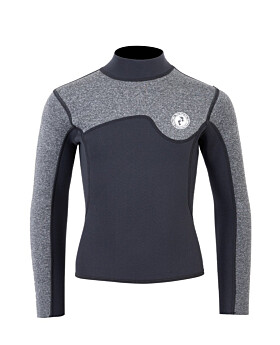
Two Bare Feet Junior Aspect Fleece Lined Zipless Thermal 2.5mm Superstretch Wetsuit Top (Black/Grey)
As low as £29.99 Regular Price £39.99 -
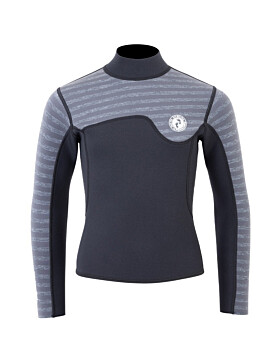 As low as £29.99 Regular Price £39.99
 -
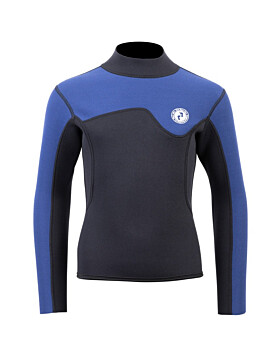
Two Bare Feet Junior Aspect 2.5mm Back Zip Jacket (Black/Blue)
As low as £24.99 Regular Price £34.99 -
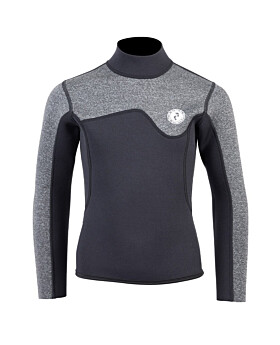
Two Bare Feet Junior Aspect 2.5mm Back Zip Jacket (Black/Grey)
As low as £24.99 Regular Price £34.99 -
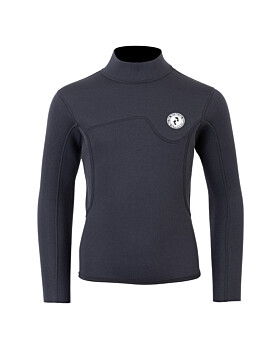
Two Bare Feet Junior Aspect 2.5mm Back Zip Jacket (Black)
As low as £24.99 Regular Price £34.99 -
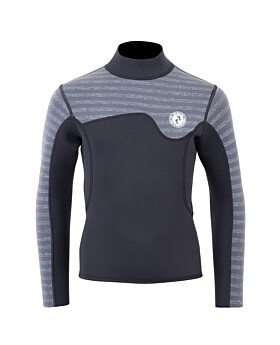
Two Bare Feet Junior Aspect 2.5mm Back Zip Jacket (Black/Grey Stripe)
As low as £24.99 Regular Price £34.99 -
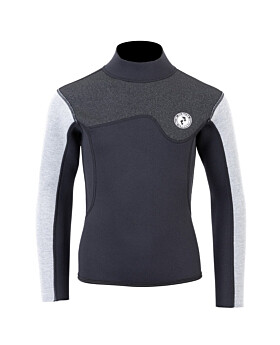
Two Bare Feet Junior Aspect 2.5mm Back Zip Jacket (Black/Grey/Grey)
As low as £24.99 Regular Price £34.99 -

Two Bare Feet Junior Perspective Half Zip 2.5mm Wetsuit Jacket (Black)
As low as £24.99 Regular Price £29.99 -
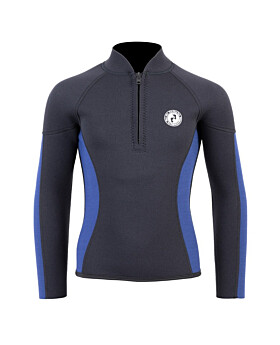
Two Bare Feet Junior Perspective Half Zip 2.5mm Wetsuit Jacket (Black/Blue)
As low as £24.99 Regular Price £29.99 -
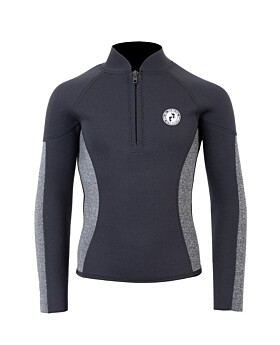
Two Bare Feet Junior Perspective Half Zip 2.5mm Wetsuit Jacket (Black/Grey)
As low as £24.99 Regular Price £29.99 -
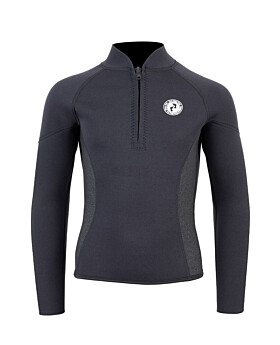
Two Bare Feet Junior Perspective Half Zip 2.5mm Wetsuit Jacket (Black/Grey/Grey)
As low as £24.99 Regular Price £29.99 -
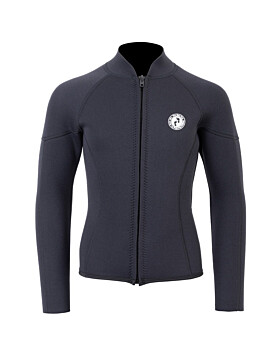
Two Bare Feet Junior Perspective Full Zip 2.5mm Wetsuit Jacket (Black)
As low as £24.99 Regular Price £29.99 -
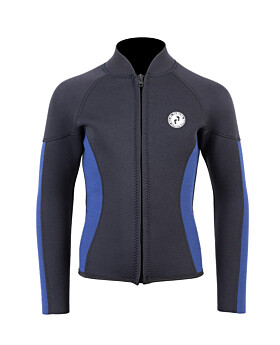
Two Bare Feet Junior Perspective Full Zip 2.5mm Wetsuit Jacket (Black/Blue)
As low as £24.99 Regular Price £29.99 -
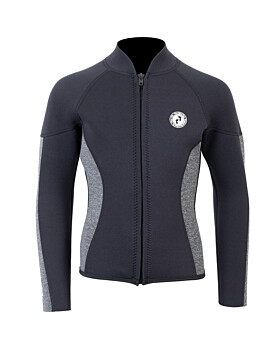
Two Bare Feet Junior Perspective Full Zip 2.5mm Wetsuit Jacket (Black/Grey)
As low as £24.99 Regular Price £29.99 -
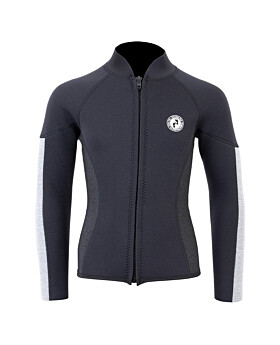
Two Bare Feet Junior Perspective Full Zip 2.5mm Wetsuit Jacket (Black/Grey/Grey)
As low as £24.99 Regular Price £29.99 -
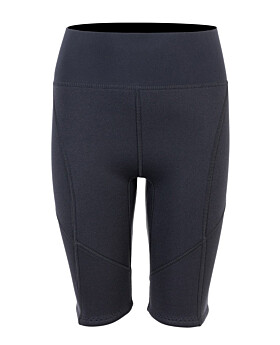
Two Bare Feet Junior Vista 2.5mm Neoprene Wetsuit Shorts (Black)
As low as £19.99 Regular Price £24.99 -
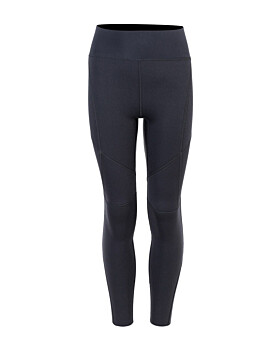
Two Bare Feet Junior Vista 2.5mm Neoprene Wetsuit Pants (Black)
£24.99 -
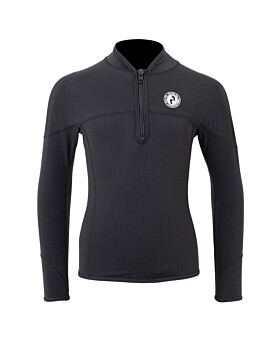
Two Bare Feet Junior Thermal Quarter Zip Watersports Fleece
As low as £19.99 Regular Price £24.99 -
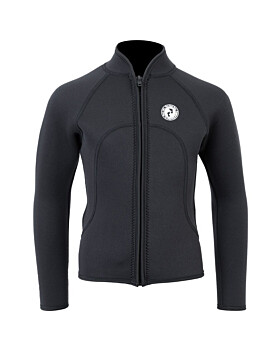
Two Bare Feet Junior Heritage Full Zip 3mm Wetsuit Jacket (Black)
£29.99 -
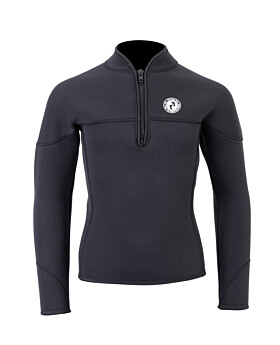
Two Bare Feet Junior Heritage Half Zip 3mm Wetsuit Jacket (Black)
As low as £24.99 Regular Price £29.99 -
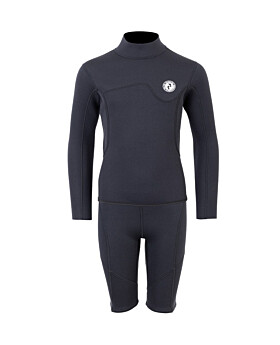
Two Bare Feet Junior Aspect 2.5mm Back Zip Jacket & Shorts Set (Black)
As low as £42.99
-
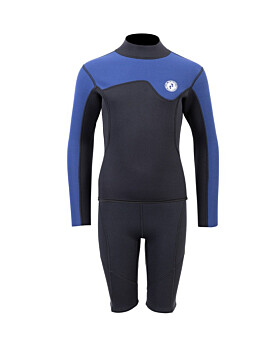
Two Bare Feet Junior Aspect 2.5mm Back Zip Jacket & Shorts Set (Black/Blue)
As low as £42.99
-
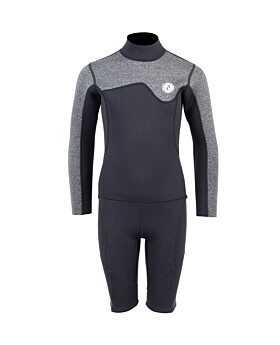
Two Bare Feet Junior Aspect 2.5mm Back Zip Jacket & Shorts Set (Black/Grey)
As low as £42.99
-
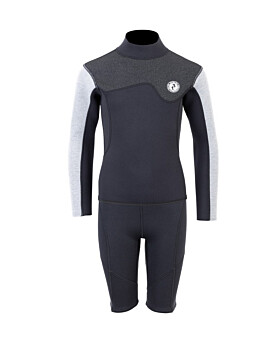
Two Bare Feet Junior Aspect 2.5mm Back Zip Jacket & Shorts Set (Black/Grey/Grey)
As low as £42.99
-
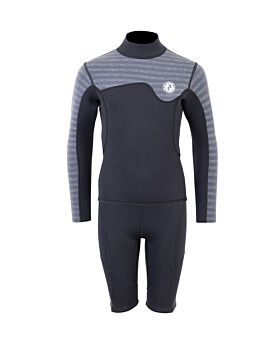
Two Bare Feet Junior Aspect 2.5mm Back Zip Jacket & Shorts Set (Black/Grey Stripes)
As low as £42.99
-

Two Bare Feet Junior Aspect 2.5mm Back Zip Jacket & Pants Set (Black)
As low as £47.99
-

Two Bare Feet Junior Aspect 2.5mm Back Zip Jacket & Pants Set (Black/Grey)
As low as £47.99
-

Two Bare Feet Junior Aspect 2.5mm Back Zip Jacket & Pants Set (Black/Grey/Grey)
As low as £47.99
-
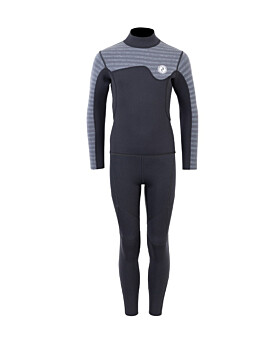
Two Bare Feet Junior Aspect 2.5mm Back Zip Jacket & Pants Set (Black/Grey Stripes)
As low as £47.99
-
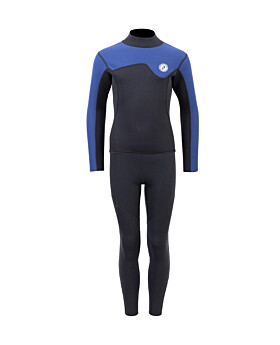
Two Bare Feet Junior Aspect 2.5mm Back Zip Jacket & Pants Set (Black/Blue)
As low as £47.99
-
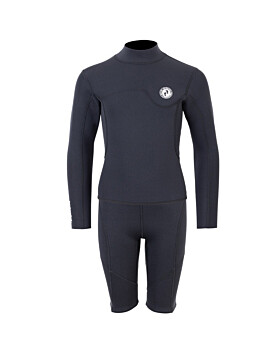 £47.99
 -
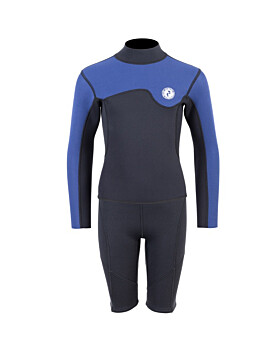 £47.99
 -
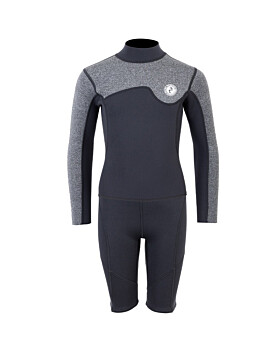 £47.99
 -
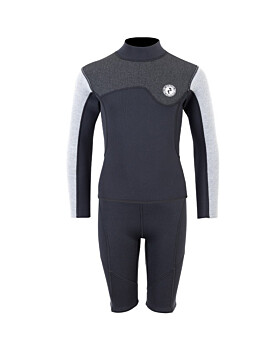 £47.99
 -
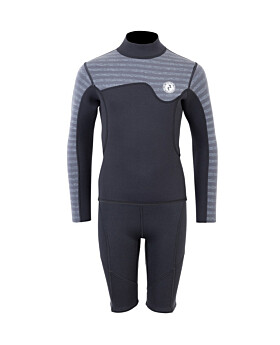 £47.99
 -
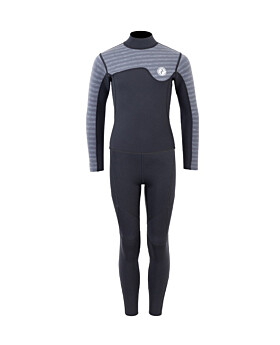
From £52.99
To £62.99
-
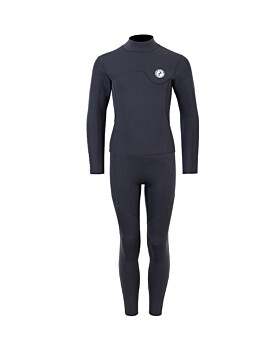
From £52.99
To £62.99
-
From £52.99
To £62.99
-
From £52.99
To £62.99
-
From £52.99
To £62.99
-
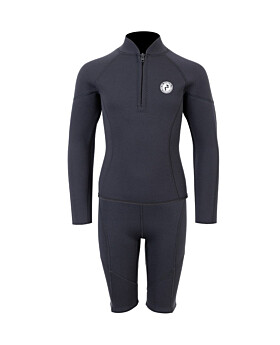
Two Bare Feet Junior Perspective Half Zip 2.5mm Wetsuit Jacket and Shorts Set (Black)
As low as £42.99
-
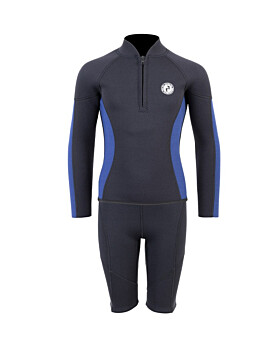
Two Bare Feet Junior Perspective Half Zip 2.5mm Wetsuit Jacket and Shorts Set (Black/Blue)
As low as £42.99
-
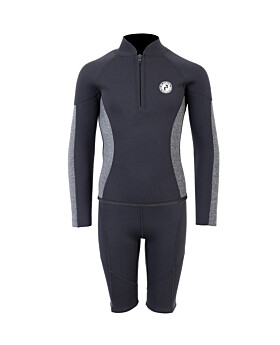
Two Bare Feet Junior Perspective Half Zip 2.5mm Wetsuit Jacket and Shorts Set (Black/Grey)
As low as £42.99
-
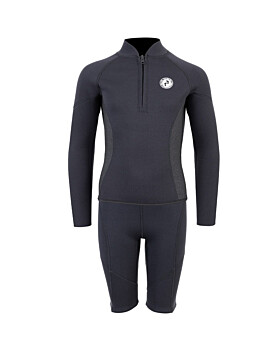
Two Bare Feet Junior Perspective Half Zip 2.5mm Wetsuit Jacket and Shorts Set (Black/Grey/Grey)
As low as £42.99
-
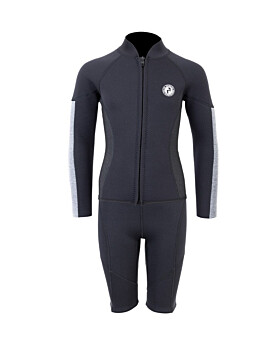
Two Bare Feet Junior Perspective Full Zip 2.5mm Wetsuit Jacket and Shorts Set (Black/Grey/Grey)
As low as £42.99
-
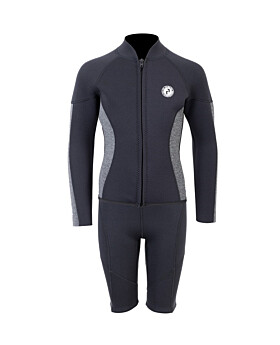
Two Bare Feet Junior Perspective Full Zip 2.5mm Wetsuit Jacket and Shorts Set (Black/Grey)
As low as £42.99
-
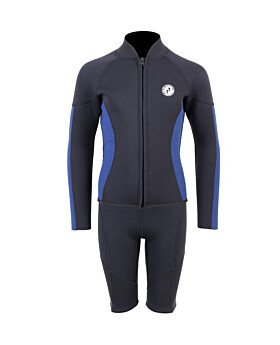
Two Bare Feet Junior Perspective Full Zip 2.5mm Wetsuit Jacket and Shorts Set (Black/Blue)
As low as £42.99
-
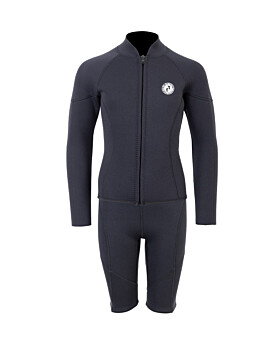
Two Bare Feet Junior Perspective Full Zip 2.5mm Wetsuit Jacket and Shorts Set (Black)
As low as £42.99
-
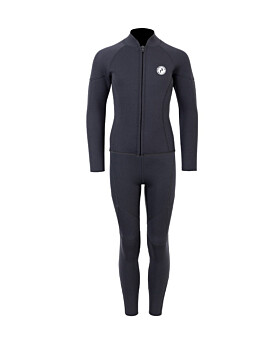
Two Bare Feet Junior Perspective Full Zip 2.5mm Wetsuit Jacket and Pants Set (Black)
As low as £47.99
-
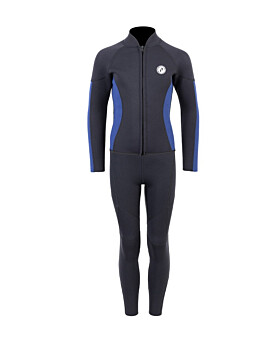
Two Bare Feet Junior Perspective Full Zip 2.5mm Wetsuit Jacket and Pants Set (Black/Blue)
As low as £47.99
-
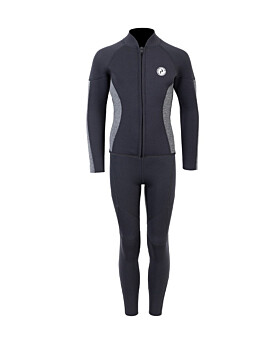
Two Bare Feet Junior Perspective Full Zip 2.5mm Wetsuit Jacket and Pants Set (Black/Grey)
As low as £47.99
-
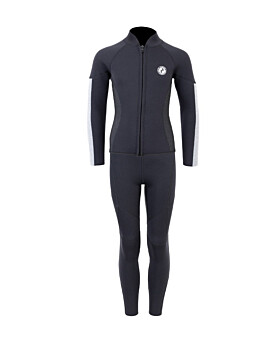
Two Bare Feet Junior Perspective Full Zip 2.5mm Wetsuit Jacket and Pants Set (Black/Grey/Grey)
As low as £47.99
-
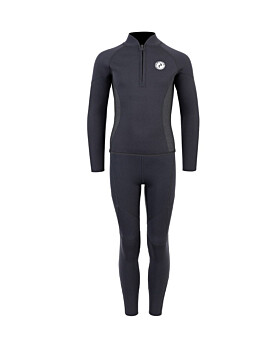
Two Bare Feet Junior Perspective Half Zip 2.5mm Wetsuit Jacket and Pants Set (Black/Grey/Grey)
As low as £47.99
-
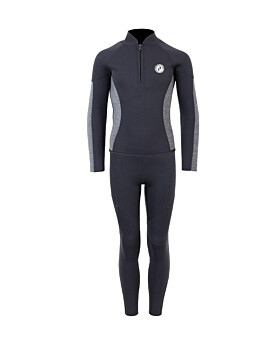
Two Bare Feet Junior Perspective Half Zip 2.5mm Wetsuit Jacket and Pants Set (Black/Grey)
As low as £47.99
-
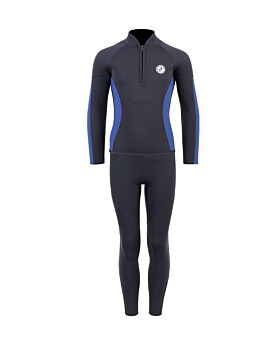
Two Bare Feet Junior Perspective Half Zip 2.5mm Wetsuit Jacket and Pants Set (Black/Blue)
As low as £47.99
-
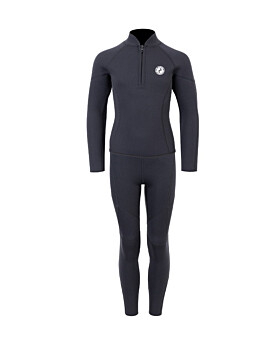
Two Bare Feet Junior Perspective Half Zip 2.5mm Wetsuit Jacket and Pants Set (Black)
As low as £47.99
-
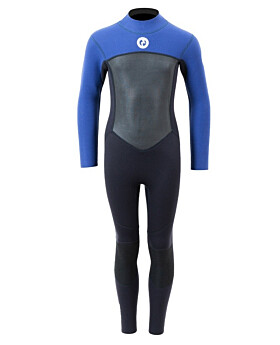
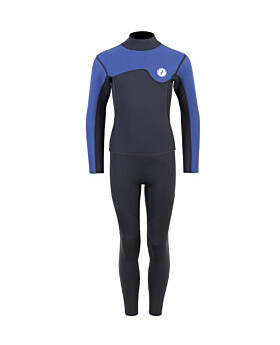
Two Bare Feet Thunderclap Pro 3/2mm Junior Wetsuit (Black / Blue)
£49.99 -

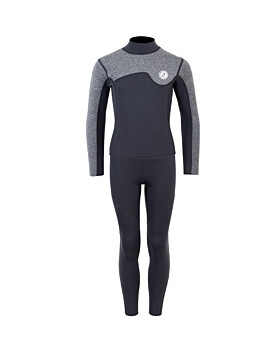
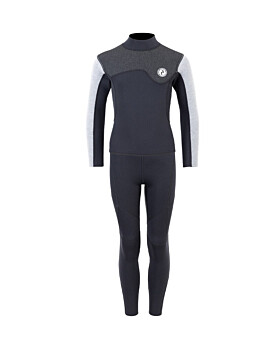
Two Bare Feet Thunderclap Pro 3/2mm Junior Wetsuit (Black / Delta Grey)
£49.99 -
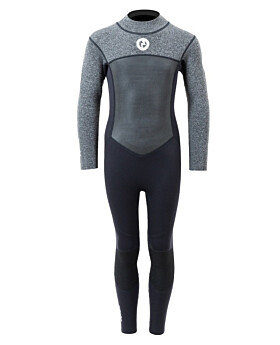
Two Bare Feet Junior Thunderclap Pro 3/2mm Wetsuit (Black / Delta Grey)-XS
£49.99 -
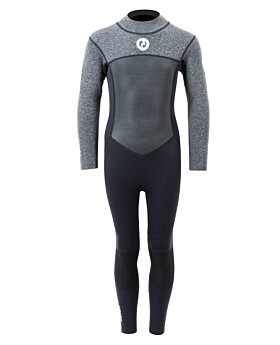
Two Bare Feet Junior Thunderclap Pro 3/2mm Wetsuit (Black / Delta Grey)-S
£49.99 -
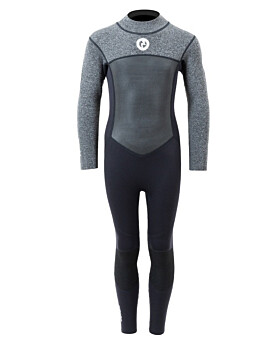
Two Bare Feet Junior Thunderclap Pro 3/2mm Wetsuit (Black / Delta Grey)-M
£49.99 -
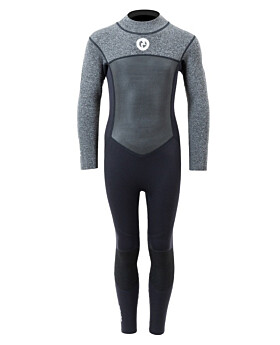
Two Bare Feet Junior Thunderclap Pro 3/2mm Wetsuit (Black / Delta Grey)-XL
£49.99 -
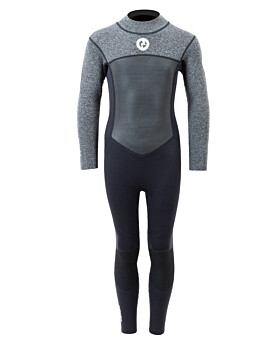
Two Bare Feet Junior Thunderclap Pro 3/2mm Wetsuit (Black / Delta Grey)-L
£49.99 -
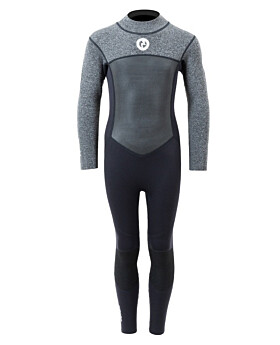
Two Bare Feet Junior Thunderclap Pro 3/2mm Wetsuit (Black / Delta Grey)-2XL
£49.99 -
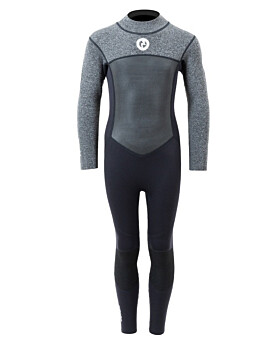
Two Bare Feet Junior Thunderclap Pro 3/2mm Wetsuit (Black / Delta Grey)-3XL
£49.99 -
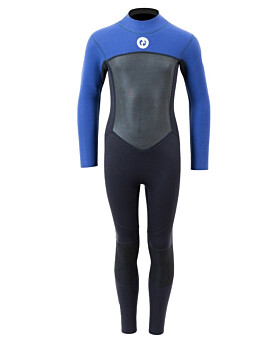
Two Bare Feet Junior Thunderclap Pro 3/2mm Wetsuit (Black / Blue)-XS
£49.99 -
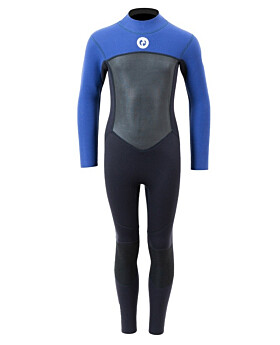
Two Bare Feet Junior Thunderclap Pro 3/2mm Wetsuit (Black / Blue)-S
£49.99 -
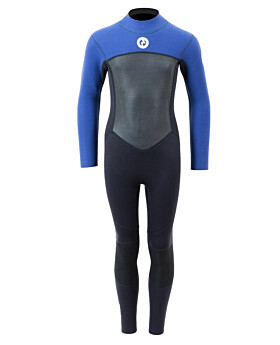
Two Bare Feet Junior Thunderclap Pro 3/2mm Wetsuit (Black / Blue)-M
£49.99 -
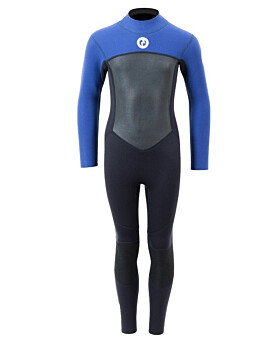
Two Bare Feet Junior Thunderclap Pro 3/2mm Wetsuit (Black / Blue)-L
£49.99 -
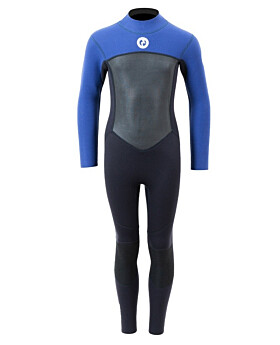
Two Bare Feet Junior Thunderclap Pro 3/2mm Wetsuit (Black / Blue)-XL
£49.99 -
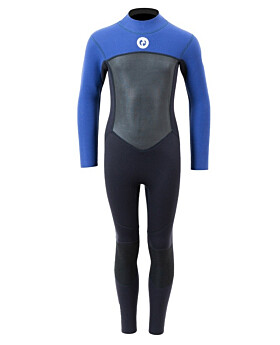
Two Bare Feet Junior Thunderclap Pro 3/2mm Wetsuit (Black / Blue)-2XL
£49.99 -
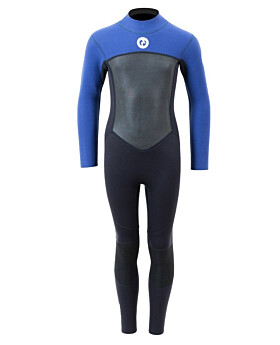
Two Bare Feet Junior Thunderclap Pro 3/2mm Wetsuit (Black / Blue)-3XL
£49.99 -
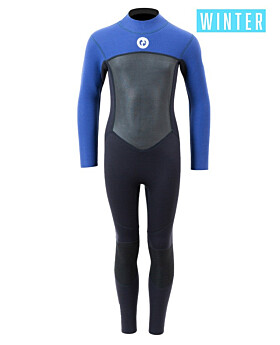
Two Bare Feet Thunderclap Pro 4/3mm Junior Winter Wetsuit (Black / Blue)
As low as £59.99 Regular Price £79.99 -
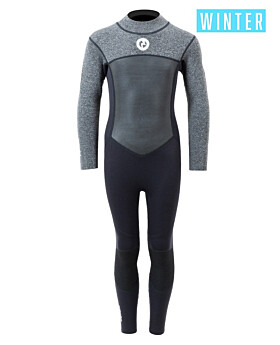
Two Bare Feet Thunderclap Pro 4/3mm Junior Winter Wetsuit (Black / Delta Grey)-M
Special Price £59.99 Regular Price £79.99 -
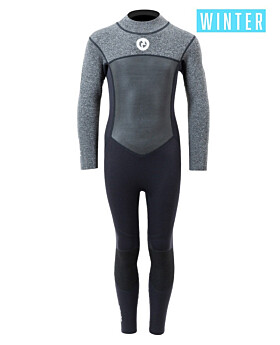
Two Bare Feet Thunderclap Pro 4/3mm Junior Winter Wetsuit (Black / Delta Grey)-L
Special Price £59.99 Regular Price £79.99 -
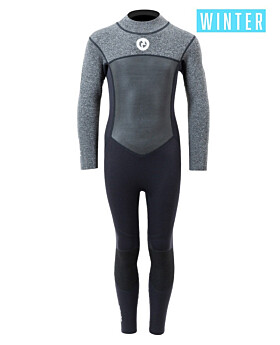
Two Bare Feet Thunderclap Pro 4/3mm Junior Winter Wetsuit (Black / Delta Grey)-XL
Special Price £59.99 Regular Price £79.99 -
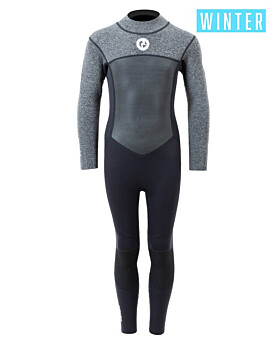
Two Bare Feet Thunderclap Pro 4/3mm Junior Winter Wetsuit (Black / Delta Grey)-2XL
Special Price £59.99 Regular Price £79.99 -
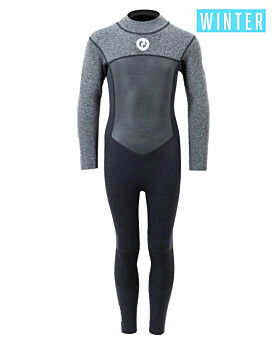
Two Bare Feet Thunderclap Pro 4/3mm Junior Winter Wetsuit (Black / Delta Grey)-3XL
Special Price £59.99 Regular Price £79.99 -

Two Bare Feet Thunderclap Pro 4/3mm Junior Winter Wetsuit (Black / Delta Grey)
As low as £59.99 Regular Price £79.99 -

Two Bare Feet Thunderclap Pro 5/4mm Junior Winter Wetsuit (Black / Delta Grey)
As low as £69.99 Regular Price £89.99 -
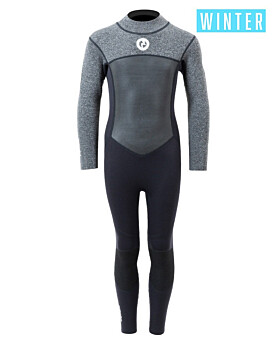
Two Bare Feet Thunderclap Pro 5/4mm Junior Winter Wetsuit (Black / Delta Grey)-M
Special Price £69.99 Regular Price £89.99 -
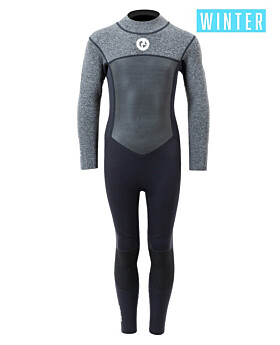
Two Bare Feet Thunderclap Pro 5/4mm Junior Winter Wetsuit (Black / Delta Grey)-L
Special Price £69.99 Regular Price £89.99 -
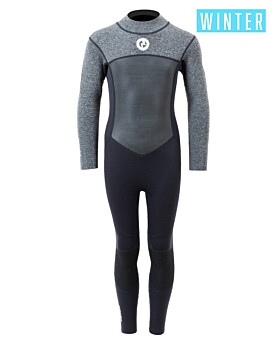
Two Bare Feet Thunderclap Pro 5/4mm Junior Winter Wetsuit (Black / Delta Grey)-XL
Special Price £69.99 Regular Price £89.99 -
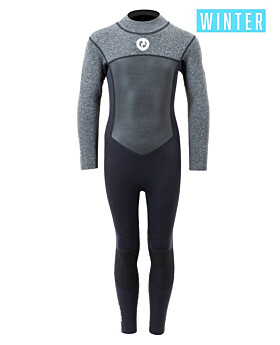
Two Bare Feet Thunderclap Pro 5/4mm Junior Winter Wetsuit (Black / Delta Grey)-2XL
Special Price £69.99 Regular Price £89.99 -
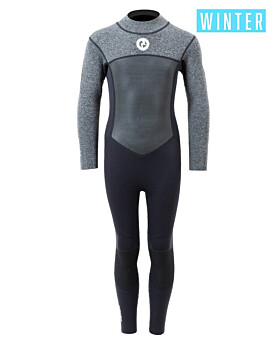
Two Bare Feet Thunderclap Pro 5/4mm Junior Winter Wetsuit (Black / Delta Grey)-3XL
Special Price £69.99 Regular Price £89.99 -
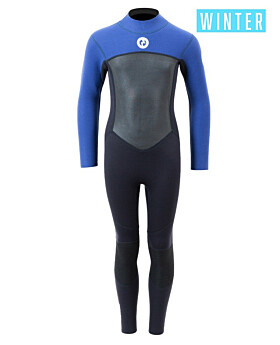
Two Bare Feet Thunderclap Pro 5/4mm Junior Winter Wetsuit (Black / Blue)
As low as £69.99 Regular Price £89.99 -
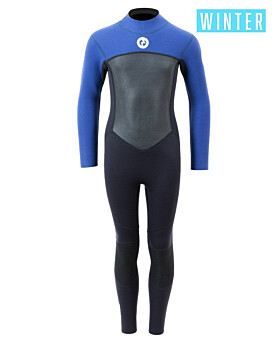
Two Bare Feet Thunderclap Pro 5/4mm Junior Winter Wetsuit (Black / Blue)-L
Special Price £69.99 Regular Price £89.99 -
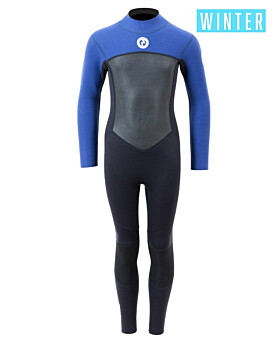
Two Bare Feet Thunderclap Pro 5/4mm Junior Winter Wetsuit (Black / Blue)-XL
Special Price £69.99 Regular Price £89.99 -
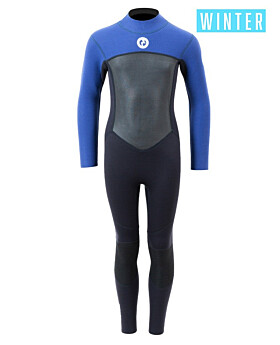
Two Bare Feet Thunderclap Pro 5/4mm Junior Winter Wetsuit (Black / Blue)-2XL
Special Price £69.99 Regular Price £89.99 -
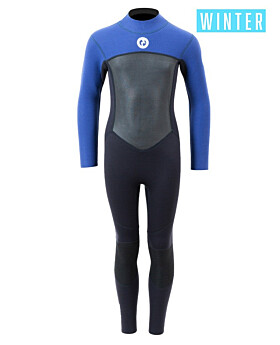
Two Bare Feet Thunderclap Pro 5/4mm Junior Winter Wetsuit (Black / Blue)-3XL
Special Price £69.99 Regular Price £89.99 -
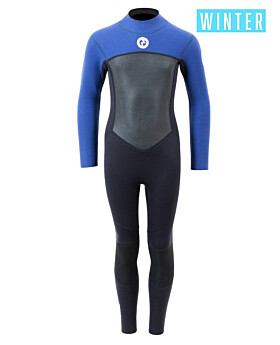
Two Bare Feet Thunderclap Pro 4/3mm Junior Winter Wetsuit (Black / Blue)-L
Special Price £59.99 Regular Price £79.99 -
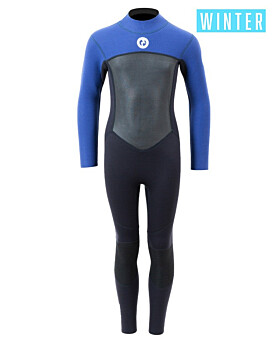
Two Bare Feet Thunderclap Pro 4/3mm Junior Winter Wetsuit (Black / Blue)-XL
Special Price £59.99 Regular Price £79.99 -
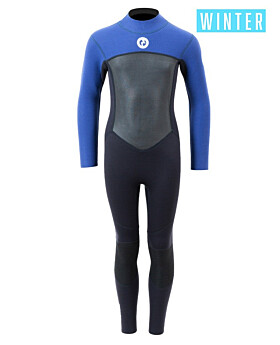
Two Bare Feet Thunderclap Pro 4/3mm Junior Winter Wetsuit (Black / Blue)-2XL
Special Price £59.99 Regular Price £79.99 -
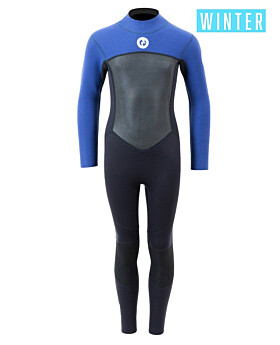
Two Bare Feet Thunderclap Pro 4/3mm Junior Winter Wetsuit (Black / Blue)-3XL
Special Price £59.99 Regular Price £79.99 -
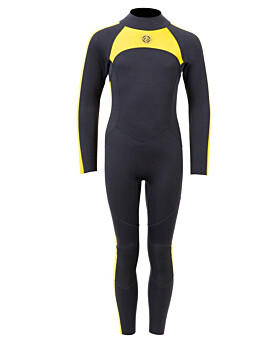
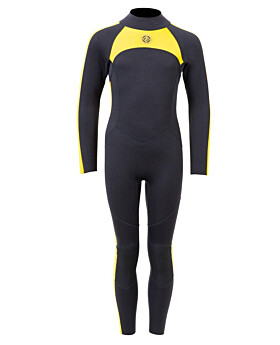
Two Bare Feet Flare 2.5mm Junior Wetsuit (Black/Yellow)-XS
£34.99 -
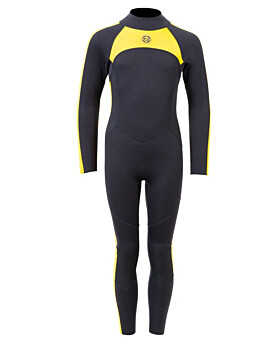
Two Bare Feet Flare 2.5mm Junior Wetsuit (Black/Yellow)-S
£34.99 -
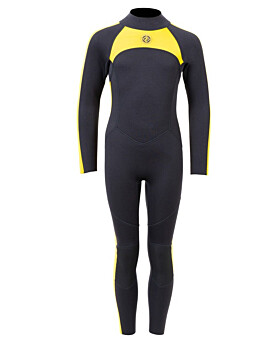
Two Bare Feet Flare 2.5mm Junior Wetsuit (Black/Yellow)-M
£34.99 -
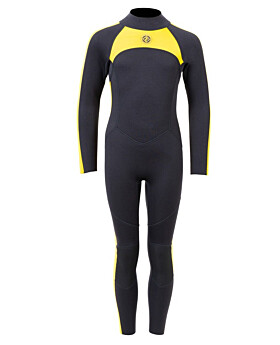
Two Bare Feet Flare 2.5mm Junior Wetsuit (Black/Yellow)-L
£34.99 -
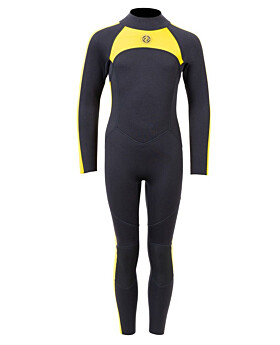
Two Bare Feet Flare 2.5mm Junior Wetsuit (Black/Yellow)-XL
£34.99 -
Two Bare Feet Flare 2.5mm Junior Wetsuit (Black/Yellow)-2XL
£34.99 -
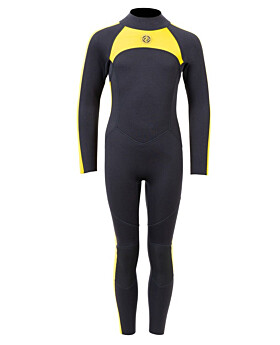
Two Bare Feet Flare 2.5mm Junior Wetsuit (Black/Yellow)-3XL
£34.99 -

Two Bare Feet Flare 2.5mm Junior Superstretch Wetsuit (Yellow)
£34.99 -
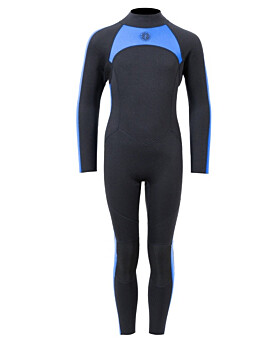
Two Bare Feet Flare 2.5mm Junior Superstretch Wetsuit (Blue)
£34.99 -
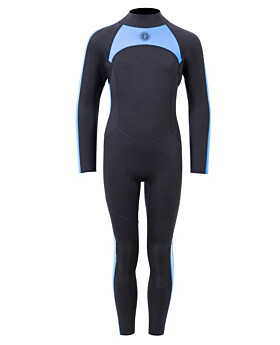
Two Bare Feet Flare 2.5mm Junior Wetsuit (Black/Blue)-XS
£34.99 -
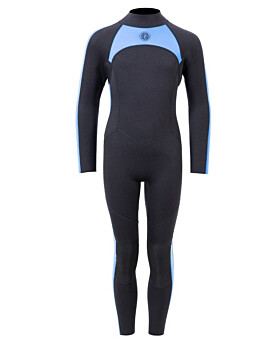
Two Bare Feet Flare 2.5mm Junior Wetsuit (Black/Blue)-S
£34.99 -
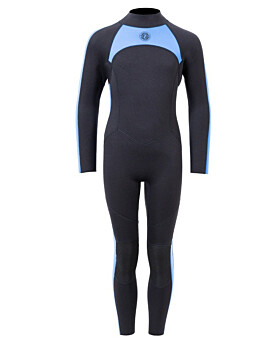
Two Bare Feet Flare 2.5mm Junior Wetsuit (Black/Blue)-M
£34.99 -
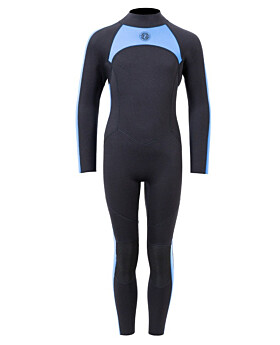
Two Bare Feet Flare 2.5mm Junior Wetsuit (Black/Blue)-L
£34.99 -
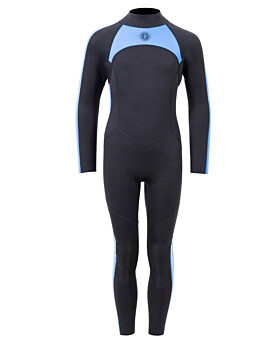
Two Bare Feet Flare 2.5mm Junior Wetsuit (Black/Blue)-XL
£34.99 -
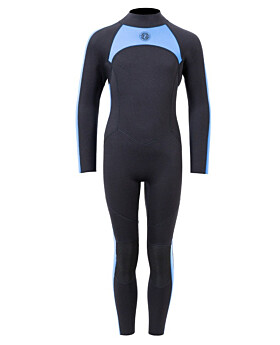
Two Bare Feet Flare 2.5mm Junior Wetsuit (Black/Blue)-2XL
£34.99 -
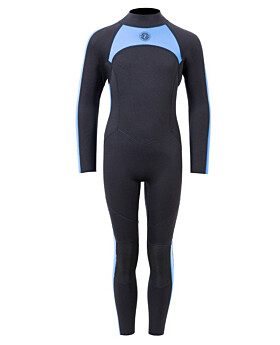
Two Bare Feet Flare 2.5mm Junior Wetsuit (Black/Blue)-3XL
£34.99 -
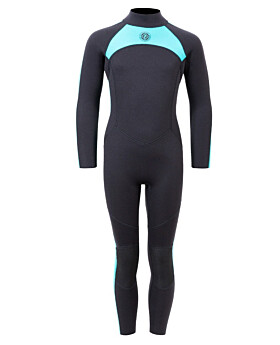
Two Bare Feet Flare 2.5mm Junior Superstretch Wetsuit (Mint)
£34.99 -
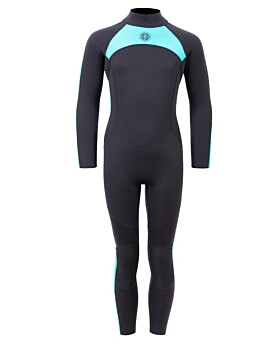
Two Bare Feet Flare 2.5mm Junior Wetsuit (Black/Mint)-XS
£34.99 -
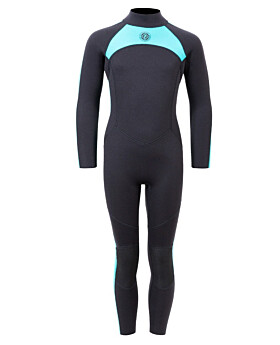
Two Bare Feet Flare 2.5mm Junior Wetsuit (Black/Mint)-S
£34.99 -
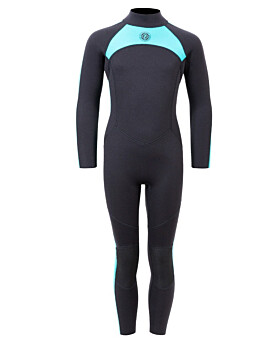
Two Bare Feet Flare 2.5mm Junior Wetsuit (Black/Mint)-M
£34.99 -
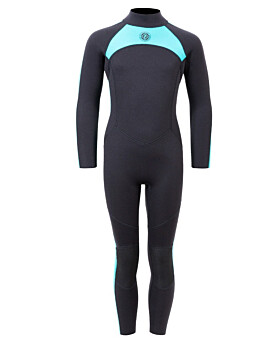
Two Bare Feet Flare 2.5mm Junior Wetsuit (Black/Mint)-L
£34.99 -
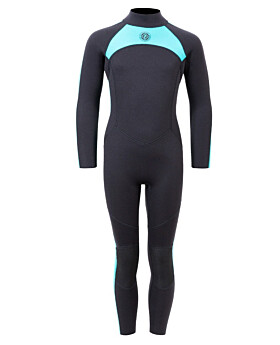
Two Bare Feet Flare 2.5mm Junior Wetsuit (Black/Mint)-XL
£34.99 -
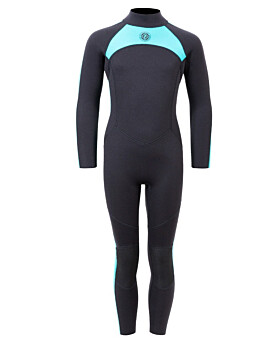
Two Bare Feet Flare 2.5mm Junior Wetsuit (Black/Mint)-2XL
£34.99 -
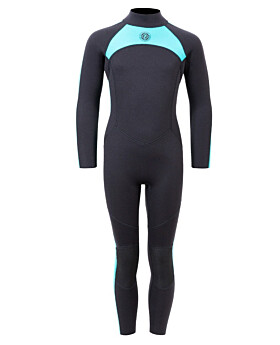
Two Bare Feet Flare 2.5mm Junior Wetsuit (Black/Mint)-3XL
£34.99 -
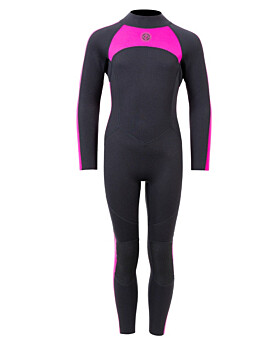
Two Bare Feet Flare 2.5mm Junior Superstretch Wetsuit (Raspberry)
£34.99 -
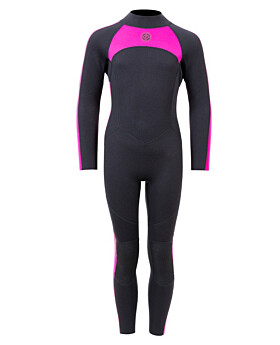
Two Bare Feet Flare 2.5mm Junior Wetsuit (Black/Raspberry)-XS
£29.99 -
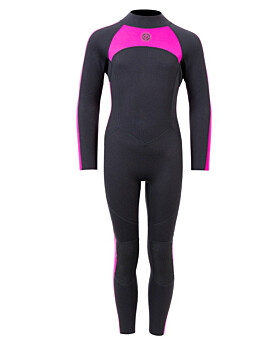
Two Bare Feet Flare 2.5mm Junior Wetsuit (Black/Raspberry)-S
£29.99 -
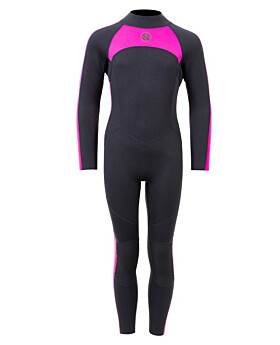
Two Bare Feet Flare 2.5mm Junior Wetsuit (Black/Raspberry)-XL
£29.99 -
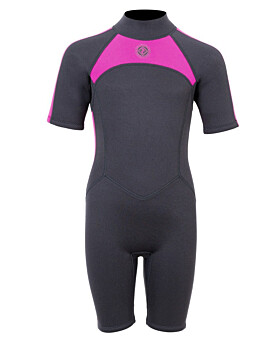
Two Bare Feet Flare 2.5mm Junior Shorty Superstretch Wetsuit (Raspberry)
£29.99 -
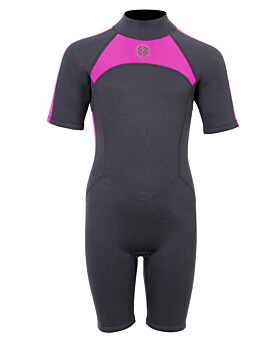
Two Bare Feet Flare 2.5mm Junior Shorty Wetsuit (Black/Raspberry)-XS
£29.99 -
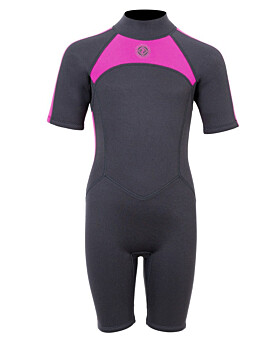
Two Bare Feet Flare 2.5mm Junior Shorty Wetsuit (Black/Raspberry)-S
£29.99 -
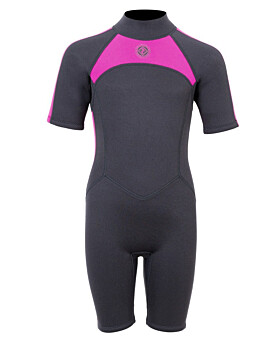
Two Bare Feet Flare 2.5mm Junior Shorty Wetsuit (Black/Raspberry)-M
£29.99 -
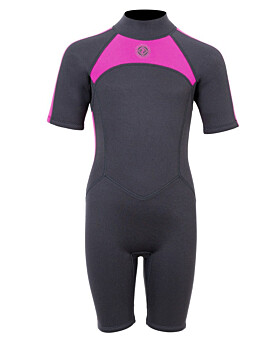
Two Bare Feet Flare 2.5mm Junior Shorty Wetsuit (Black/Raspberry)-L
£29.99 -
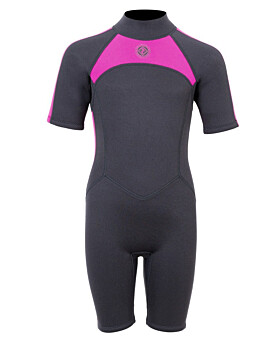
Two Bare Feet Flare 2.5mm Junior Shorty Wetsuit (Black/Raspberry)-XL
£29.99 -
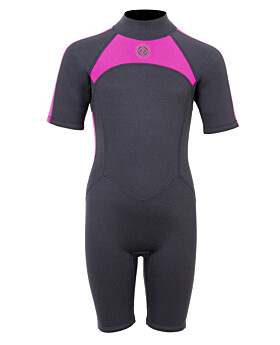
Two Bare Feet Flare 2.5mm Junior Shorty Wetsuit (Black/Raspberry)-2XL
£29.99 -
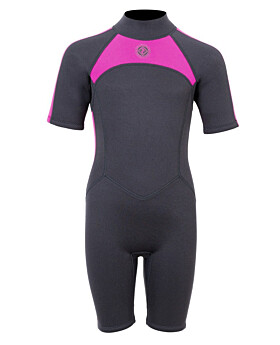
Two Bare Feet Flare 2.5mm Junior Shorty Wetsuit (Black/Raspberry)-3XL
£29.99 -
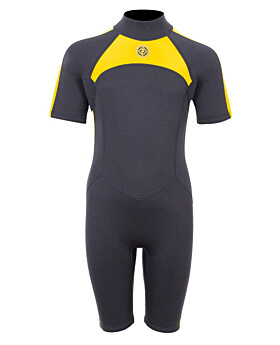
Two Bare Feet Flare 2.5mm Junior Shorty Superstretch Wetsuit (Yellow)
£29.99 -
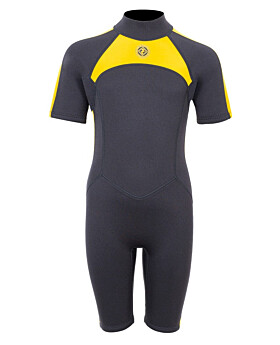
Two Bare Feet Flare 2.5mm Junior Shorty Wetsuit (Black/Yellow)-XS
£29.99 -
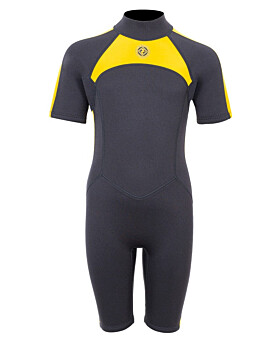
Two Bare Feet Flare 2.5mm Junior Shorty Wetsuit (Black/Yellow)-S
£29.99 -
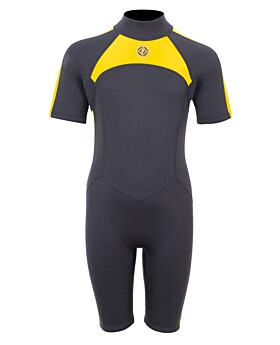
Two Bare Feet Flare 2.5mm Junior Shorty Wetsuit (Black/Yellow)-M
£29.99 -
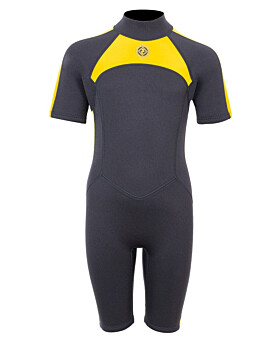
Two Bare Feet Flare 2.5mm Junior Shorty Wetsuit (Black/Yellow)-L
£29.99 -
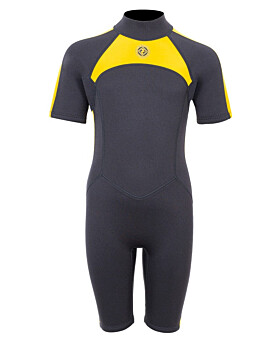
Two Bare Feet Flare 2.5mm Junior Shorty Wetsuit (Black/Yellow)-XL
£29.99 -
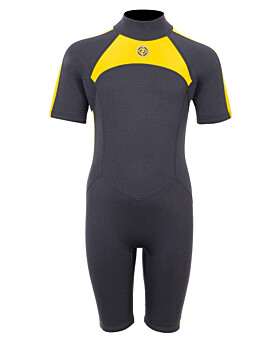
Two Bare Feet Flare 2.5mm Junior Shorty Wetsuit (Black/Yellow)-2XL
£29.99 -
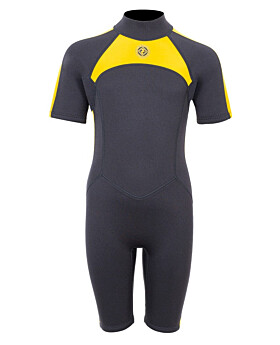
Two Bare Feet Flare 2.5mm Junior Shorty Wetsuit (Black/Yellow)-3XL
£29.99 -
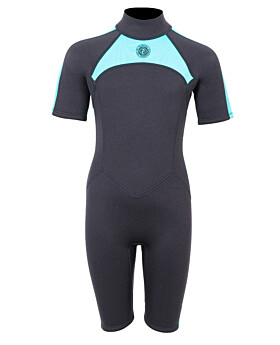
Two Bare Feet Flare 2.5mm Junior Shorty Superstretch Wetsuit (Mint)
£29.99 -
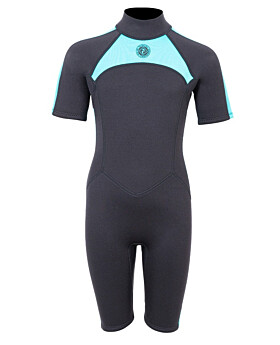
Two Bare Feet Flare 2.5mm Junior Shorty Wetsuit (Black/Mint)-XS
£29.99 -
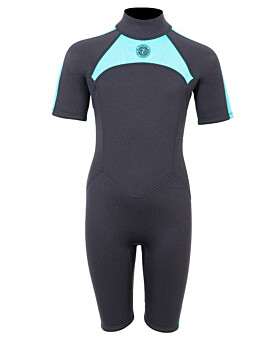
Two Bare Feet Flare 2.5mm Junior Shorty Wetsuit (Black/Mint)-S
£29.99 -
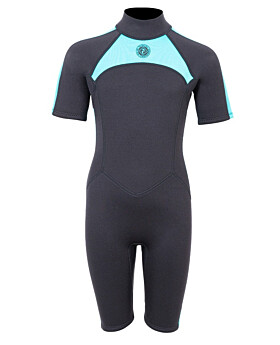
Two Bare Feet Flare 2.5mm Junior Shorty Wetsuit (Black/Mint)-M
£29.99 -
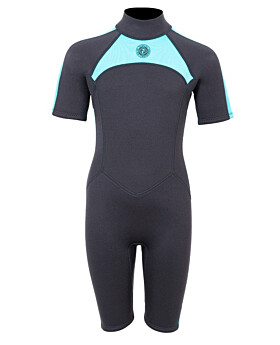
Two Bare Feet Flare 2.5mm Junior Shorty Wetsuit (Black/Mint)-L
£29.99 -
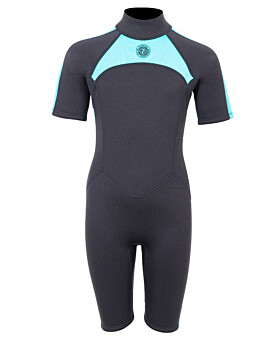
Two Bare Feet Flare 2.5mm Junior Shorty Wetsuit (Black/Mint)-XL
£29.99 -
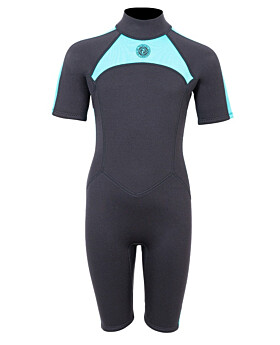
Two Bare Feet Flare 2.5mm Junior Shorty Wetsuit (Black/Mint)-2XL
£29.99 -
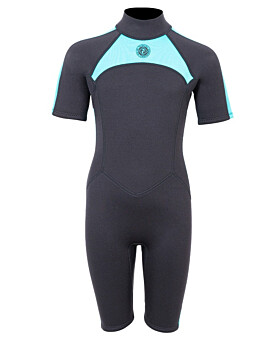
Two Bare Feet Flare 2.5mm Junior Shorty Wetsuit (Black/Mint)-3XL
£29.99 -
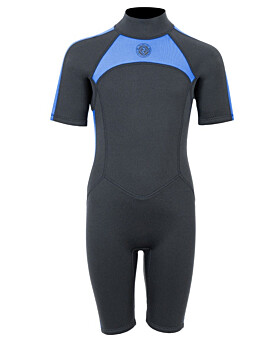
Two Bare Feet Flare 2.5mm Junior Superstretch Shorty Wetsuit (Blue)
£29.99 -
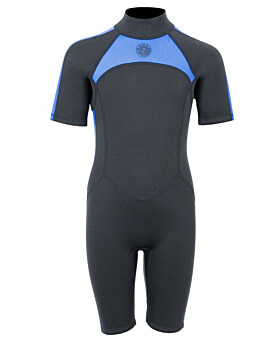
Two Bare Feet Flare 2.5mm Junior Shorty Wetsuit (Black/Blue)-XS
£29.99 -
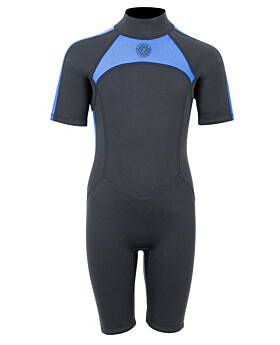
Two Bare Feet Flare 2.5mm Junior Shorty Wetsuit (Black/Blue)-S
£29.99 -
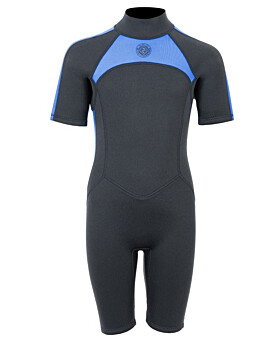
Two Bare Feet Flare 2.5mm Junior Shorty Wetsuit (Black/Blue)-M
£29.99 -
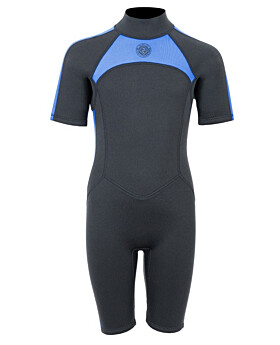
Two Bare Feet Flare 2.5mm Junior Shorty Wetsuit (Black/Blue)-L
£29.99 -
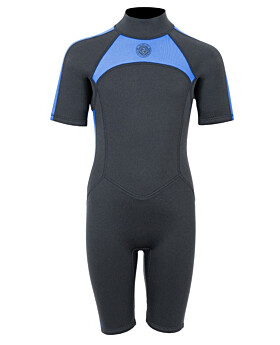
Two Bare Feet Flare 2.5mm Junior Shorty Wetsuit (Black/Blue)-XL
£29.99 -
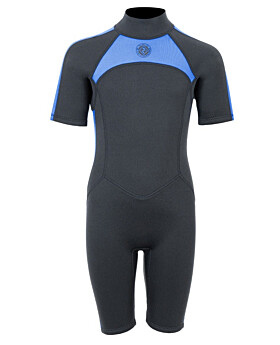
Two Bare Feet Flare 2.5mm Junior Shorty Wetsuit (Black/Blue)-2XL
£29.99 -
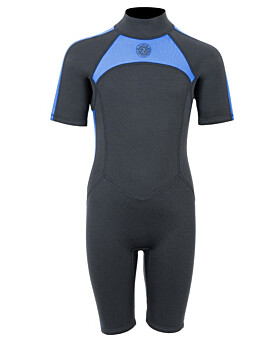
Two Bare Feet Flare 2.5mm Junior Shorty Wetsuit (Black/Blue)-3XL
£29.99 -
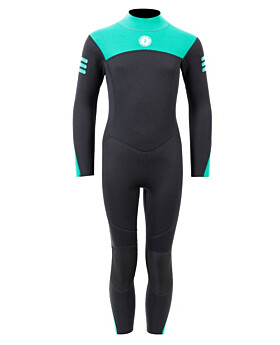
Two Bare Feet Glider 2.5mm Full Length Junior Wetsuit (Teal)
£24.99 -

Two Bare Feet Glider 2.5mm Full Length Junior Wetsuit (Light Blue)
£24.99 -
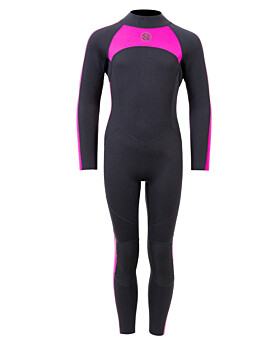
Two Bare Feet Flare 2.5mm Junior Wetsuit (Black/Raspberry)-L
£29.99 -
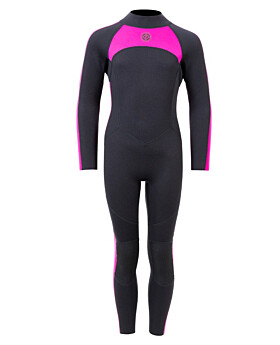
Two Bare Feet Flare 2.5mm Junior Wetsuit (Black/Raspberry)-L
£29.99 -
Two Bare Feet Flare 2.5mm Junior Wetsuit (Black/Raspberry)-XS
£34.99 -
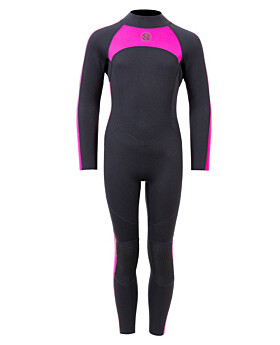
Two Bare Feet Flare 2.5mm Junior Wetsuit (Black/Raspberry)-S
£34.99 -
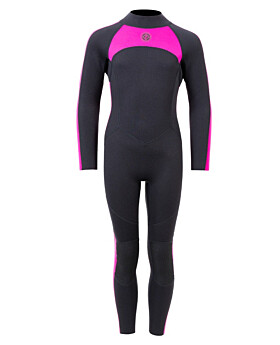
Two Bare Feet Flare 2.5mm Junior Wetsuit (Black/Raspberry)-M
£34.99 -
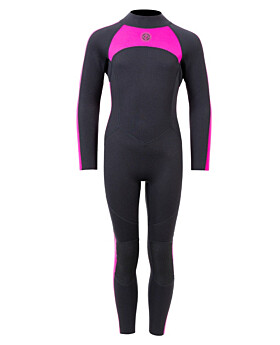
Two Bare Feet Flare 2.5mm Junior Wetsuit (Black/Raspberry)-L
£34.99 -
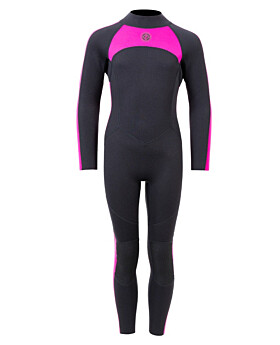
Two Bare Feet Flare 2.5mm Junior Wetsuit (Black/Raspberry)-XL
£34.99 -
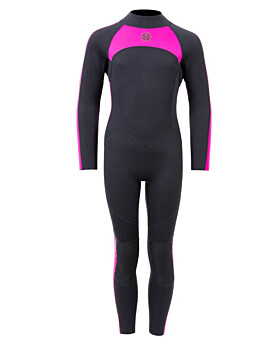
Two Bare Feet Flare 2.5mm Junior Wetsuit (Black/Raspberry)-2XL
£34.99 -
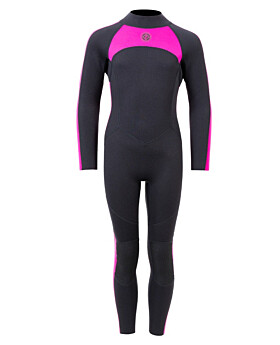
Two Bare Feet Flare 2.5mm Junior Wetsuit (Black/Raspberry)-3XL
£34.99 -
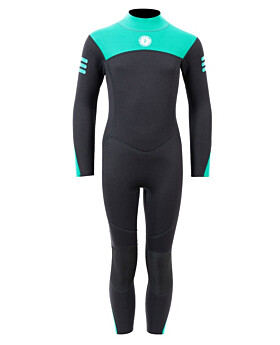
Two Bare Feet Glider 2.5mm Full Length Junior Wetsuit (Teal)-XS
£24.99 -
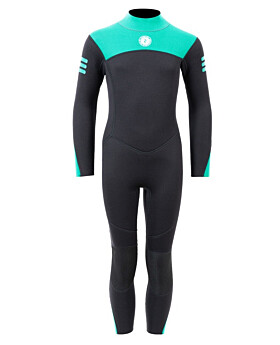
Two Bare Feet Glider 2.5mm Full Length Junior Wetsuit (Teal)-S
£24.99 -
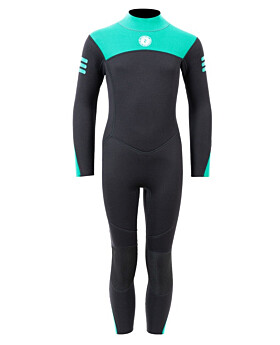
Two Bare Feet Glider 2.5mm Full Length Junior Wetsuit (Teal)-M
£24.99 -
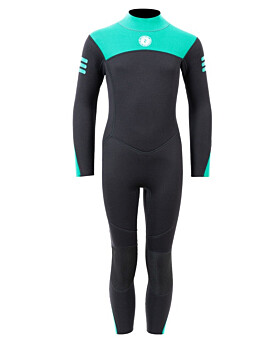
Two Bare Feet Glider 2.5mm Full Length Junior Wetsuit (Teal)-L
£24.99 -
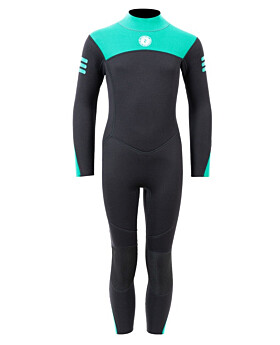
Two Bare Feet Glider 2.5mm Full Length Junior Wetsuit (Teal)-XL
£24.99 -
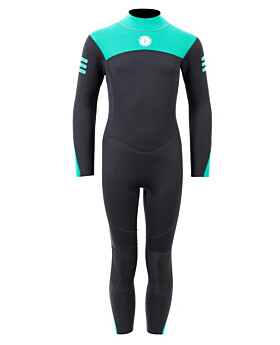
Two Bare Feet Glider 2.5mm Full Length Junior Wetsuit (Teal)-2XL
£24.99 -
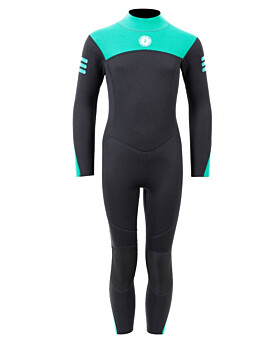
Two Bare Feet Glider 2.5mm Full Length Junior Wetsuit (Teal)-3XL
£24.99 -
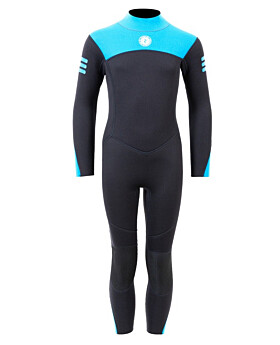
Two Bare Feet Glider 2.5mm Full Length Junior Wetsuit (Light Blue)-XS
£24.99 -
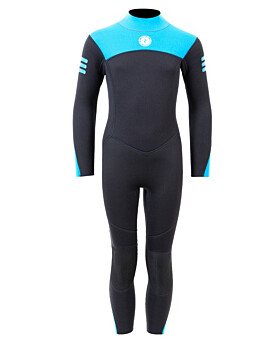
Two Bare Feet Glider 2.5mm Full Length Junior Wetsuit (Light Blue)-S
£24.99 -
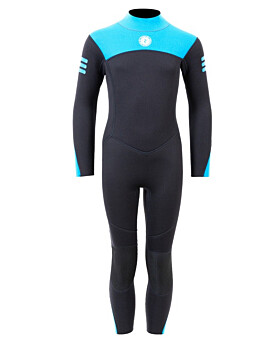
Two Bare Feet Glider 2.5mm Full Length Junior Wetsuit (Light Blue)-M
£24.99 -
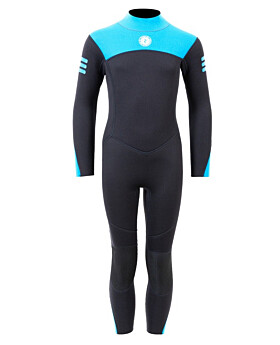
Two Bare Feet Glider 2.5mm Full Length Junior Wetsuit (Light Blue)-L
£24.99 -
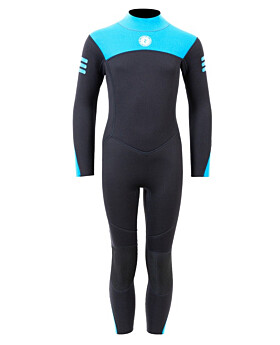
Two Bare Feet Glider 2.5mm Full Length Junior Wetsuit (Light Blue)-XL
£24.99 -
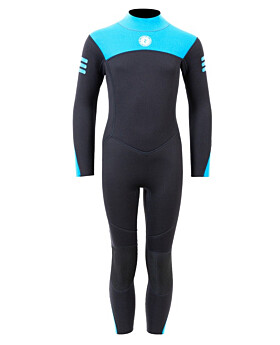
Two Bare Feet Glider 2.5mm Full Length Junior Wetsuit (Light Blue)-2XL
£24.99 -
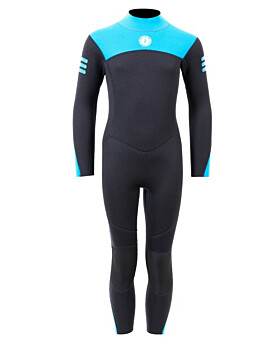
Two Bare Feet Glider 2.5mm Full Length Junior Wetsuit (Light Blue)-3XL
£24.99 -
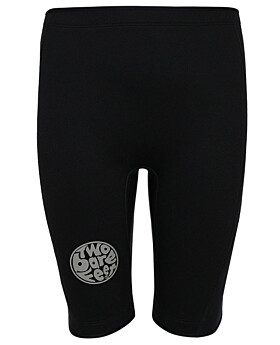
Two Bare Feet Junior Heritage 3mm Wetsuit Shorts (Black)-XL
£19.99 -
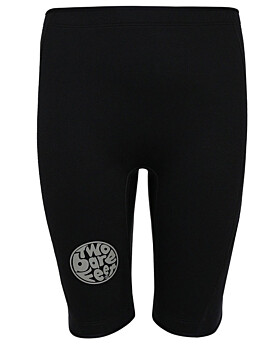
Two Bare Feet Junior Heritage 3mm Wetsuit Shorts (Black)-2XL
£19.99 -
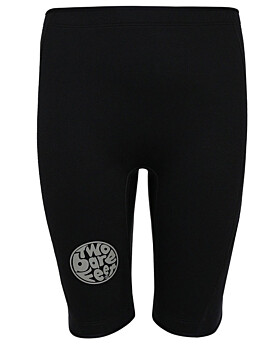
Two Bare Feet Junior Heritage 3mm Wetsuit Shorts (Black)-3XL
£19.99 -
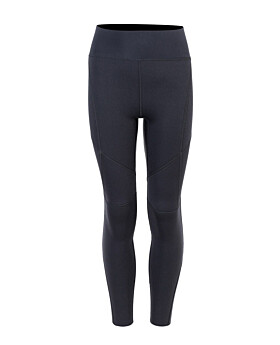 £24.99
 -
 £24.99
 -
 £24.99
 -
 £24.99
 -
 £24.99
 -
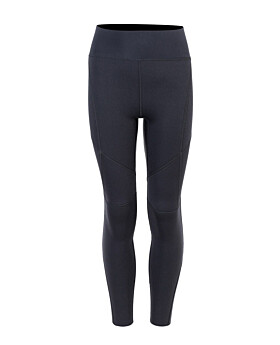
Kids Fleece Lined Pants - Medium
£34.99 -
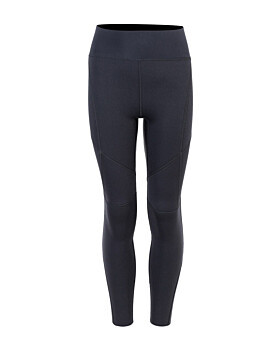
Kids Fleece Lined Pants - Large
£34.99 -
 £34.99
 -
 £34.99
 -
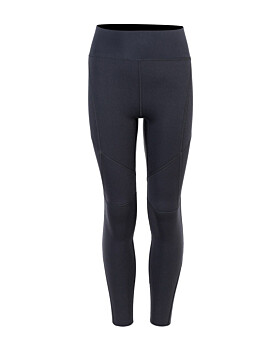 £34.99
 -
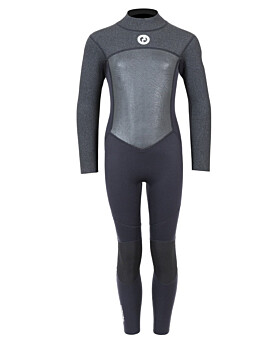
Two Bare Feet Thunderclap Pro 3/2mm Junior Wetsuit (Black / Dark Grey)
£49.99 -
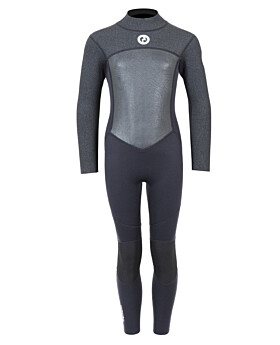
Two Bare Feet Junior Thunderclap Pro 3/2mm Wetsuit (Black / Dark Grey)-XS
£49.99 -
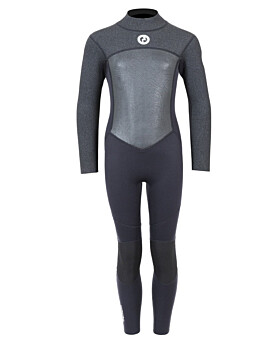
Two Bare Feet Junior Thunderclap Pro 3/2mm Wetsuit (Black / Dark Grey)-S
£49.99 -
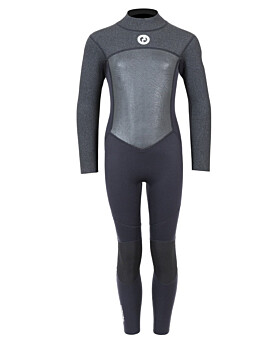
Two Bare Feet Junior Thunderclap Pro 3/2mm Wetsuit (Black / Dark Grey)-M
£49.99 -
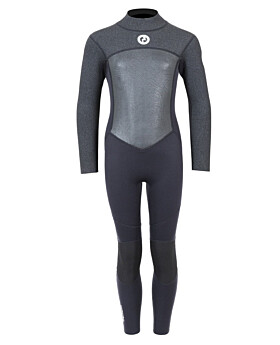
Two Bare Feet Junior Thunderclap Pro 3/2mm Wetsuit (Black / Dark Grey)-L
£49.99 -
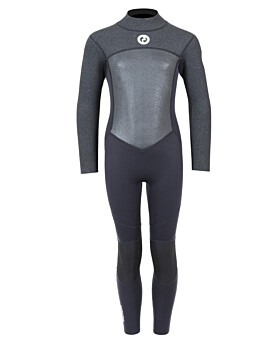
Two Bare Feet Junior Thunderclap Pro 3/2mm Wetsuit (Black / Dark Grey)-XL
£49.99 -
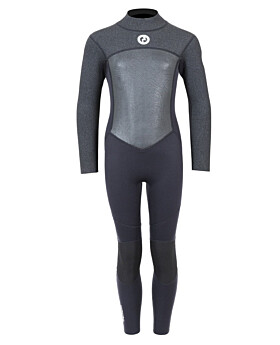
Two Bare Feet Junior Thunderclap Pro 3/2mm Wetsuit (Black / Dark Grey)-2XL
£49.99 -
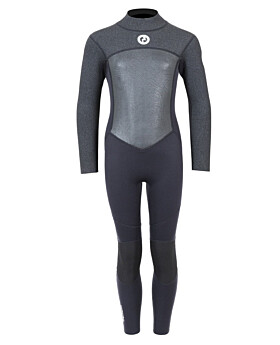
Two Bare Feet Junior Thunderclap Pro 3/2mm Wetsuit (Black / Dark Grey)-3XL
£49.99 -
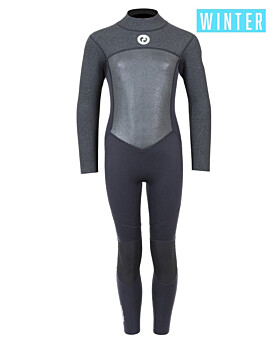
Two Bare Feet Thunderclap Pro 5/4mm Junior Winter Wetsuit (Black / Dark Grey)
As low as £69.99 Regular Price £89.99 -
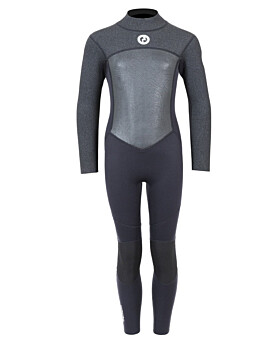
Two Bare Feet Junior Thunderclap Pro 5/4mm Wetsuit (Dark Grey / Black)
£79.99 -
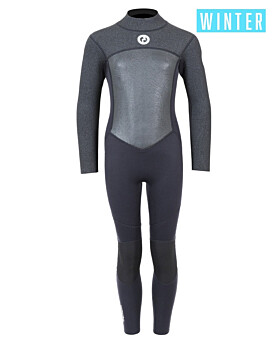
Two Bare Feet Thunderclap Pro 5/4mm Junior Winter Wetsuit (Black / Dark Grey)-3XL
Special Price £69.99 Regular Price £89.99 -
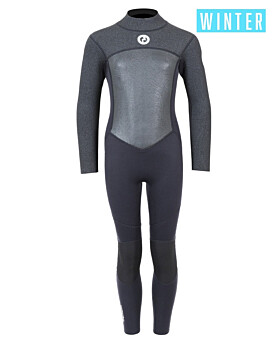
Two Bare Feet Junior Thunderclap Pro 5/4mm Wetsuit (Dark Grey / Black)-M
£79.99 -
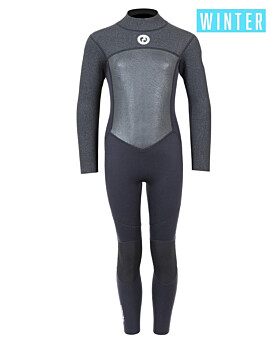
Two Bare Feet Junior Thunderclap Pro 5/4mm Wetsuit (Dark Grey / Black)-L
£79.99 -
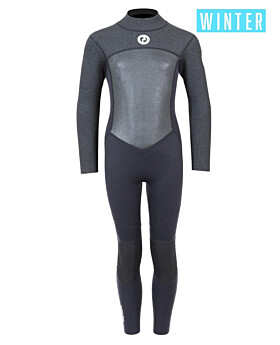
Two Bare Feet Junior Thunderclap Pro 5/4mm Wetsuit (Dark Grey / Black)-XL
£79.99 -
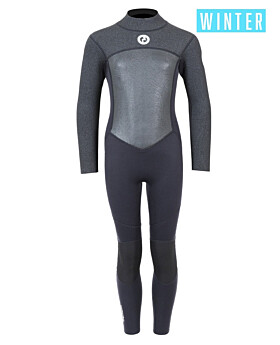
Two Bare Feet Junior Thunderclap Pro 5/4mm Wetsuit (Dark Grey / Black)-2XL
£79.99 -
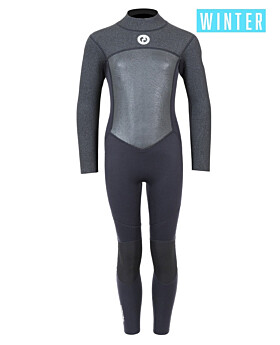
Two Bare Feet Junior Thunderclap Pro 5/4mm Wetsuit (Dark Grey / Black)-3XL
£79.99 -
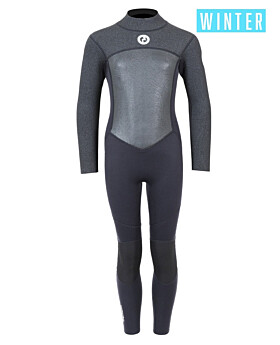
Two Bare Feet Junior Thunderclap Pro 4/3 mm Wetsuit (Grey/Black)
As low as £59.99 Regular Price £79.99 -
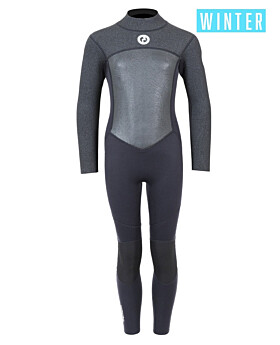
Two Bare Feet Thunderclap Pro 4/3mm Junior Winter Wetsuit (Black / Dark Grey)-M
Special Price £59.99 Regular Price £79.99 -
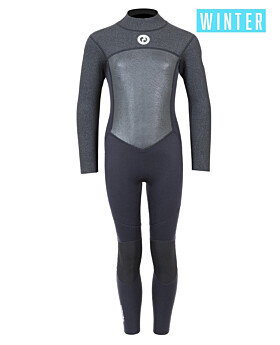
Two Bare Feet Thunderclap Pro 4/3mm Junior Winter Wetsuit (Black / Dark Grey)-L
Special Price £59.99 Regular Price £79.99 -
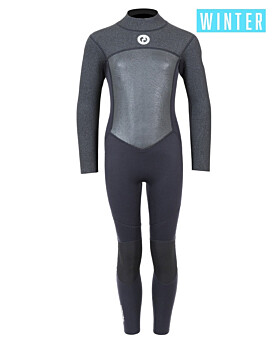
Two Bare Feet Thunderclap Pro 4/3mm Junior Winter Wetsuit (Black / Dark Grey)-XL
Special Price £59.99 Regular Price £79.99 -
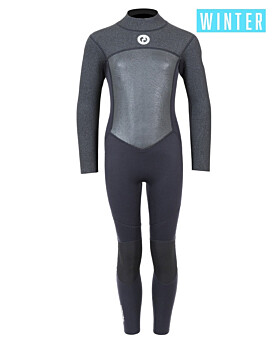
Two Bare Feet Thunderclap Pro 4/3mm Junior Winter Wetsuit (Black / Dark Grey)-2XL
Special Price £59.99 Regular Price £79.99 -
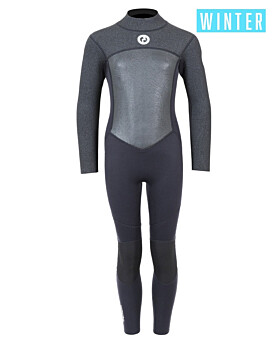
Two Bare Feet Thunderclap Pro 4/3mm Junior Winter Wetsuit (Black / Dark Grey)-3XL
Special Price £59.99 Regular Price £79.99 -
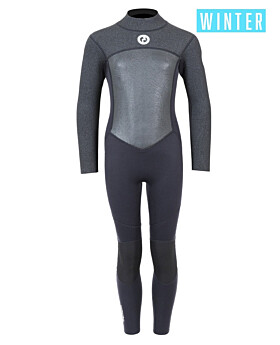
Two Bare Feet Thunderclap Pro 5/4mm Junior Winter Wetsuit (Black / Dark Grey)-M
Special Price £69.99 Regular Price £89.99 -
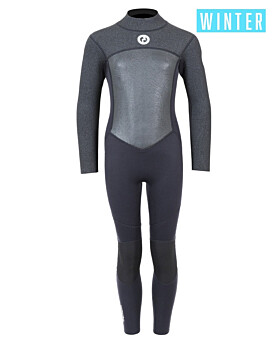
Two Bare Feet Thunderclap Pro 5/4mm Junior Winter Wetsuit (Black / Dark Grey)-L
Special Price £69.99 Regular Price £89.99 -
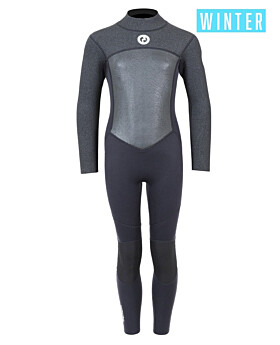
Two Bare Feet Thunderclap Pro 5/4mm Junior Winter Wetsuit (Black / Dark Grey)-XL
Special Price £69.99 Regular Price £89.99 -
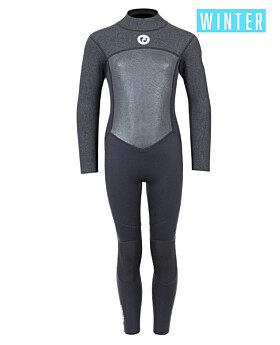
Two Bare Feet Thunderclap Pro 5/4mm Junior Winter Wetsuit (Black / Dark Grey)-2XL
Special Price £69.99 Regular Price £89.99 -
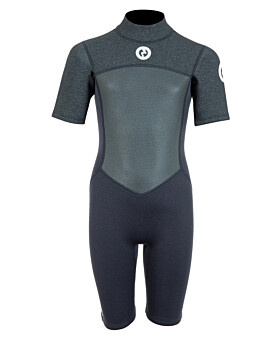
Two Bare Feet Thunderclap Pro 3/2mm Junior Shorty Wetsuit (Black/Dark Grey)
£34.99 -
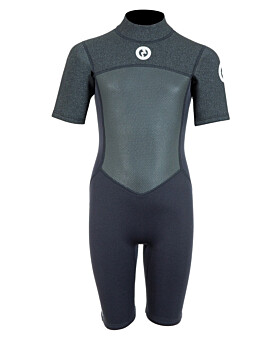
Two Bare Feet Thunderclap Pro 3/2mm Junior Shorty Wetsuit (Black/Dark Grey)-XS
£34.99 -
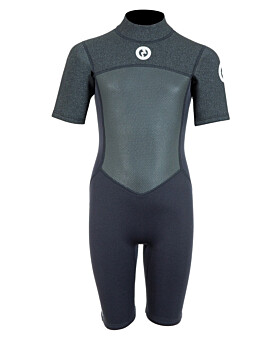
Two Bare Feet Thunderclap Pro 3/2mm Junior Shorty Wetsuit (Black/Dark Grey)-S
£34.99 -
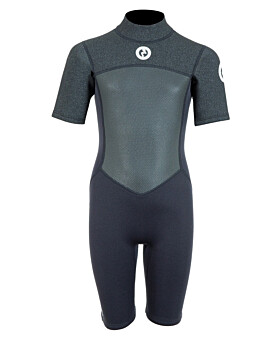
Two Bare Feet Thunderclap Pro 3/2mm Junior Shorty Wetsuit (Black/Dark Grey)-M
£34.99 -
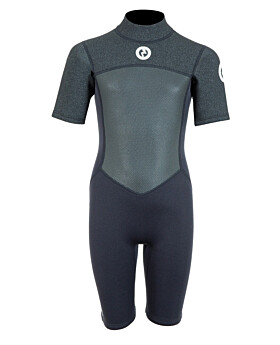
Two Bare Feet Thunderclap Pro 3/2mm Junior Shorty Wetsuit (Black/Dark Grey)-L
£34.99 -
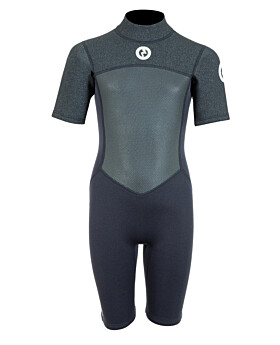
Two Bare Feet Thunderclap Pro 3/2mm Junior Shorty Wetsuit (Black/Dark Grey)-XL
£34.99 -
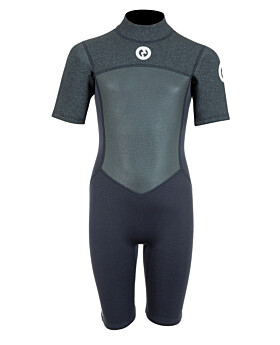
Two Bare Feet Thunderclap Pro 3/2mm Junior Shorty Wetsuit (Black/Dark Grey)-2XL
£34.99 -
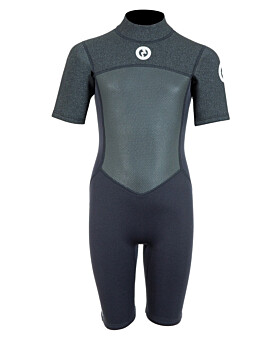
Two Bare Feet Thunderclap Pro 3/2mm Junior Shorty Wetsuit (Black/Dark Grey)-3XL
£34.99 -
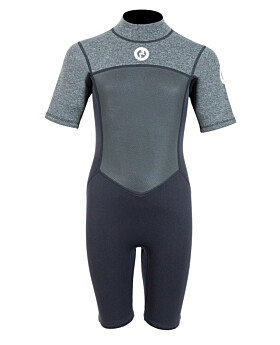
Two Bare Feet Thunderclap Pro 3/2mm Junior Shorty Wetsuit (Black/Delta Grey)
£34.99 -
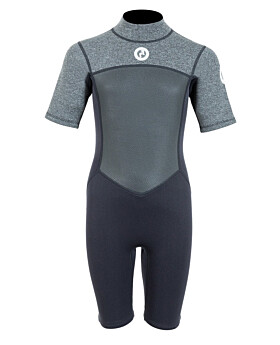
Two Bare Feet Thunderclap Pro 3/2mm Junior Shorty Wetsuit (Black/Delta Grey)-XS
£34.99 -
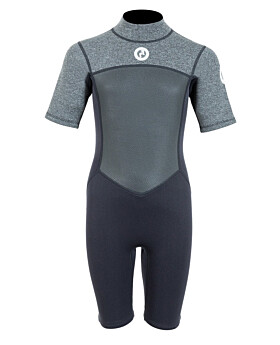
Two Bare Feet Thunderclap Pro 3/2mm Junior Shorty Wetsuit (Black/Delta Grey)-S
£34.99 -
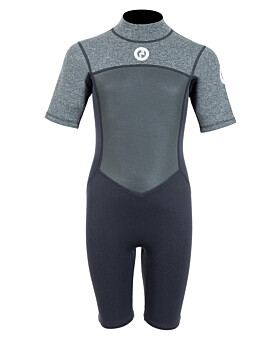
Two Bare Feet Thunderclap Pro 3/2mm Junior Shorty Wetsuit (Black/Delta Grey)-M
£34.99 -
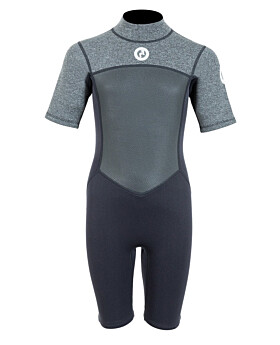
Two Bare Feet Thunderclap Pro 3/2mm Junior Shorty Wetsuit (Black/Delta Grey)-L
£34.99 -
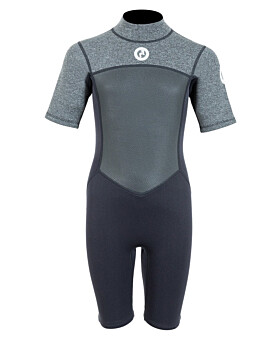
Two Bare Feet Thunderclap Pro 3/2mm Junior Shorty Wetsuit (Black/Delta Grey)-XL
£34.99 -
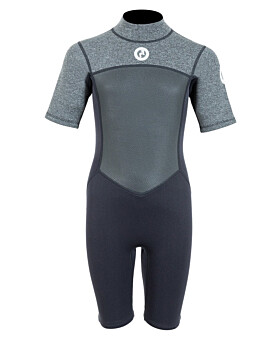
Two Bare Feet Thunderclap Pro 3/2mm Junior Shorty Wetsuit (Black/Delta Grey)-2XL
£34.99 -
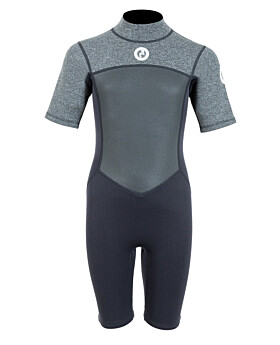
Two Bare Feet Thunderclap Pro 3/2mm Junior Shorty Wetsuit (Black/Delta Grey)-3XL
£34.99 -
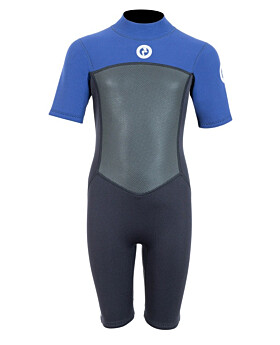
Two Bare Feet Thunderclap Pro 3/2mm Junior Shorty Wetsuit (Black/Blue)
£34.99 -
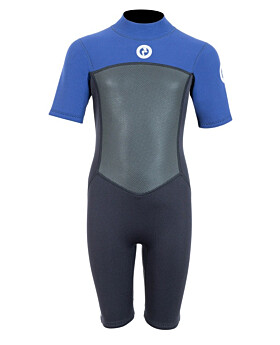
Two Bare Feet Thunderclap Pro 3/2mm Junior Shorty Wetsuit (Black/Blue)-XS
£34.99 -
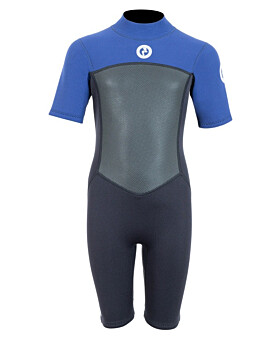
Two Bare Feet Thunderclap Pro 3/2mm Junior Shorty Wetsuit (Black/Blue)-M
£34.99 -
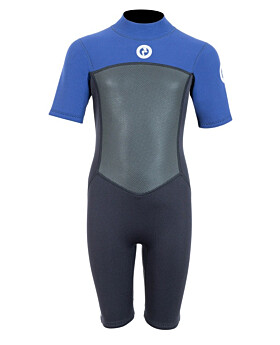
Two Bare Feet Thunderclap Pro 3/2mm Junior Shorty Wetsuit (Black/Blue)-XL
£34.99 -
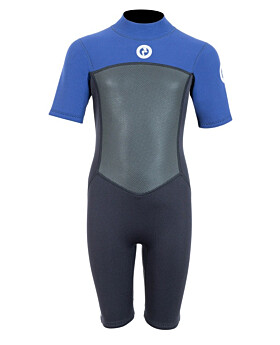
Two Bare Feet Thunderclap Pro 3/2mm Junior Shorty Wetsuit (Black/Blue)-2XL
£34.99 -
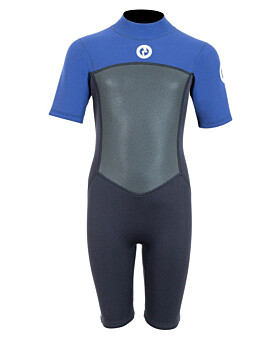
Two Bare Feet Thunderclap Pro 3/2mm Junior Shorty Wetsuit (Black/Blue)-3XL
£34.99 -
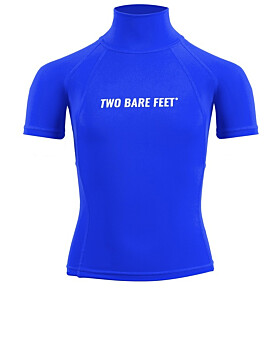
Two Bare Feet Junior "Logo" Short Sleeve Rash Vest (Blue)
As low as £12.99 Regular Price £14.99 -
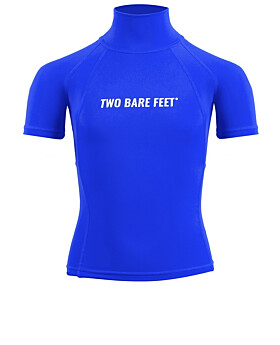
Two Bare Feet Junior "Logo" Short Sleeve Rash Vest (Blue)-2XS
Special Price £12.99 Regular Price £14.99 -
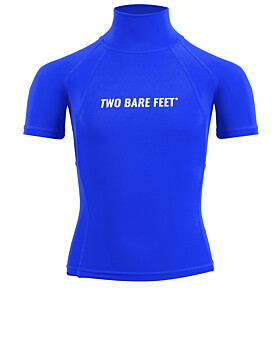
Two Bare Feet Junior "Logo" Short Sleeve Rash Vest (Blue)-XS
Special Price £12.99 Regular Price £14.99 -
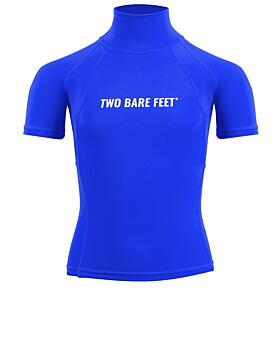
Two Bare Feet Junior "Logo" Short Sleeve Rash Vest (Blue)-S
Special Price £12.99 Regular Price £14.99 -
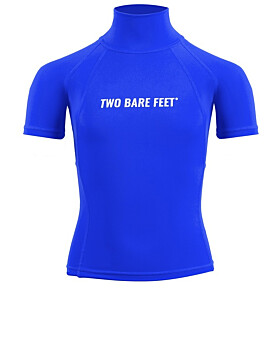
Two Bare Feet Junior "Logo" Short Sleeve Rash Vest (Blue)-M
Special Price £12.99 Regular Price £14.99 -
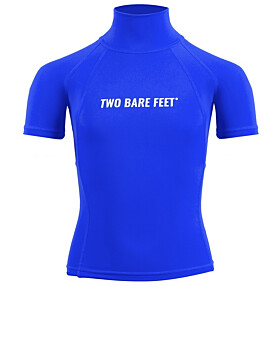
Two Bare Feet Junior "Logo" Short Sleeve Rash Vest (Blue)-L
Special Price £12.99 Regular Price £14.99 -
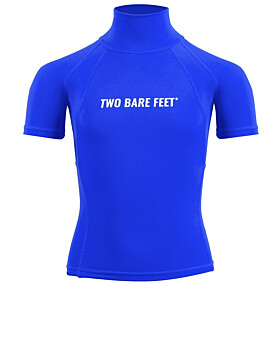
Two Bare Feet Junior "Logo" Short Sleeve Rash Vest (Blue)-XL
Special Price £12.99 Regular Price £14.99 -
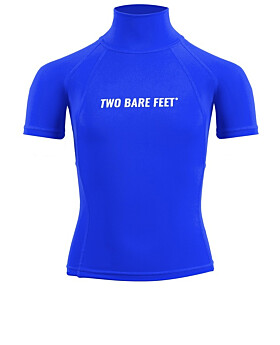
Two Bare Feet Junior "Logo" Short Sleeve Rash Vest (Blue)-2XL
Special Price £12.99 Regular Price £14.99 -
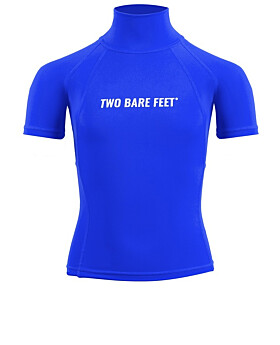
Two Bare Feet Junior "Logo" Short Sleeve Rash Vest (Blue)-3XL
Special Price £12.99 Regular Price £14.99 -
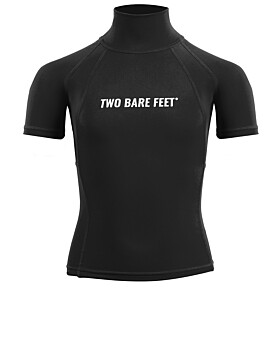
Two Bare Feet Junior "Logo" Short Sleeve Rash Vest (Black)
As low as £12.99 Regular Price £15.99 -
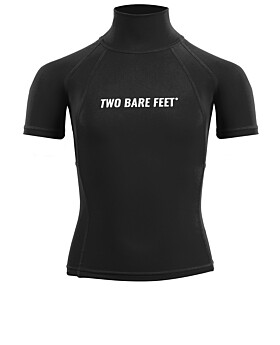
Two Bare Feet Junior "Logo" Short Sleeve Rash Vest (Black)-2XS
Special Price £12.99 Regular Price £15.99 -
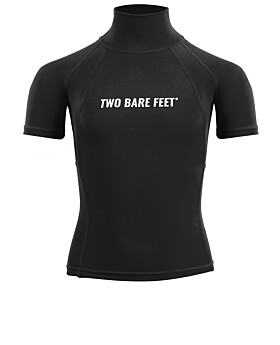
Two Bare Feet Junior "Logo" Short Sleeve Rash Vest (Black)-XS
Special Price £12.99 Regular Price £14.99 -
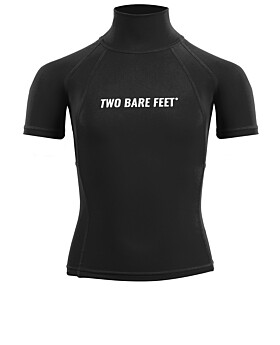
Two Bare Feet Junior "Logo" Short Sleeve Rash Vest (Black)-S
Special Price £12.99 Regular Price £14.99 -
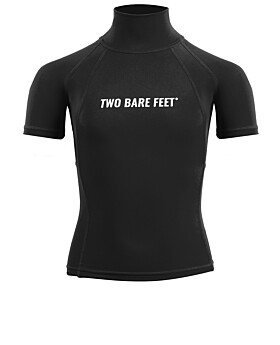
Two Bare Feet Junior "Logo" Short Sleeve Rash Vest (Black)-M
Special Price £12.99 Regular Price £14.99 -
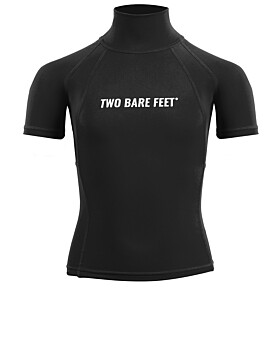
Two Bare Feet Junior "Logo" Short Sleeve Rash Vest (Black)-L
Special Price £12.99 Regular Price £14.99 -
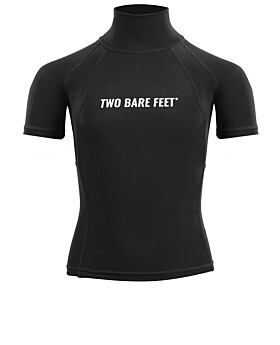
Two Bare Feet Junior "Logo" Short Sleeve Rash Vest (Black)-XL
Special Price £12.99 Regular Price £14.99 -
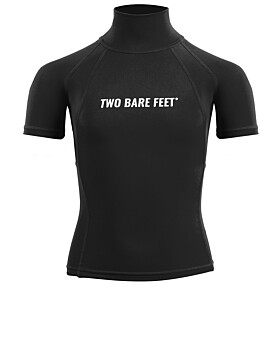
Two Bare Feet Junior "Logo" Short Sleeve Rash Vest (Black)-2XL
Special Price £12.99 Regular Price £14.99 -
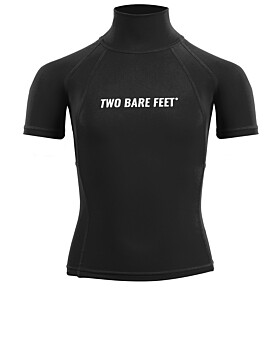
Two Bare Feet Junior "Logo" Short Sleeve Rash Vest (Black)-3XL
Special Price £12.99 Regular Price £14.99 -
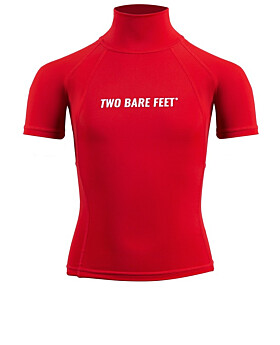
Two Bare Feet Junior "Logo" Short Sleeve Rash Vest (Red)
As low as £12.99 Regular Price £14.99 -
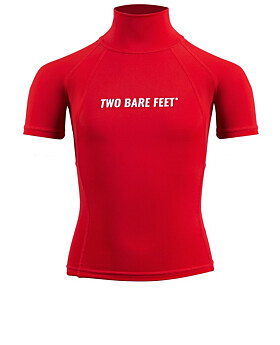
Two Bare Feet Junior "Logo" Short Sleeve Rash Vest (Red)-2XS
Special Price £12.99 Regular Price £14.99 -
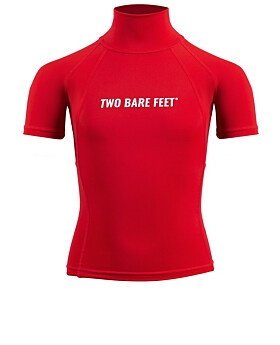
Two Bare Feet Junior "Logo" Short Sleeve Rash Vest (Red)-XS
Special Price £12.99 Regular Price £14.99 -
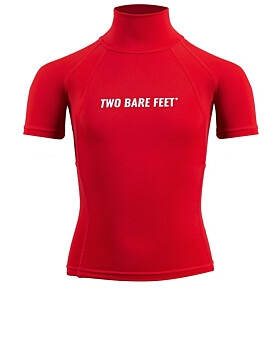
Two Bare Feet Junior "Logo" Short Sleeve Rash Vest (Red)-S
Special Price £12.99 Regular Price £14.99 -
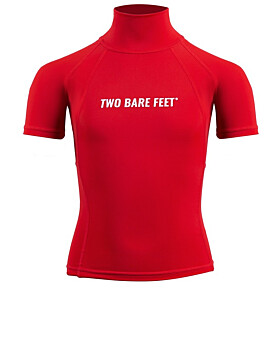
Two Bare Feet Junior "Logo" Short Sleeve Rash Vest (Red)-M
Special Price £12.99 Regular Price £14.99 -
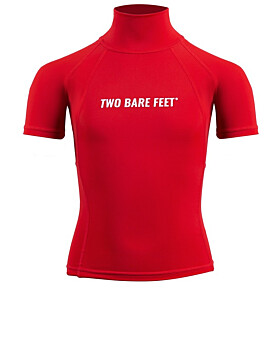
Two Bare Feet Junior "Logo" Short Sleeve Rash Vest (Red)-L
Special Price £12.99 Regular Price £14.99 -
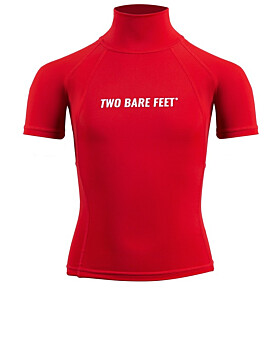
Two Bare Feet Junior "Logo" Short Sleeve Rash Vest (Red)-XL
Special Price £12.99 Regular Price £14.99 -
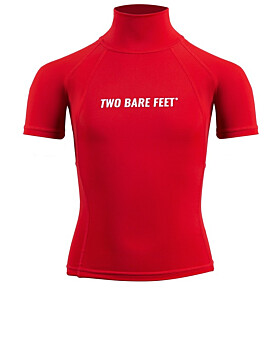
Two Bare Feet Junior "Logo" Short Sleeve Rash Vest (Red)-2XL
Special Price £12.99 Regular Price £14.99 -
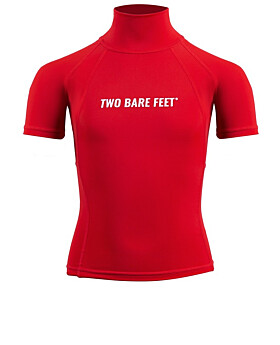
Two Bare Feet Junior "Logo" Short Sleeve Rash Vest (Red)-3XL
Special Price £12.99 Regular Price £14.99 -
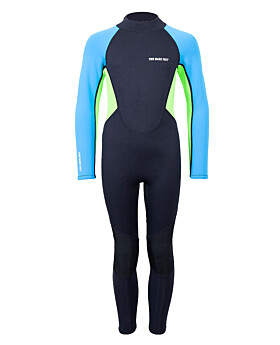
Two Bare Feet Two Tone 2.5mm Full Length Junior Wetsuit (Bright Blue / Lime)-XS
£29.99 -
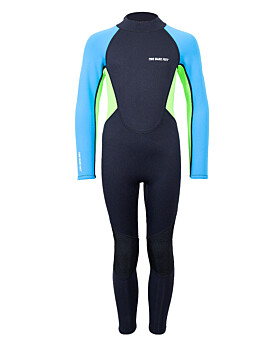
Two Bare Feet Two Tone 2.5mm Full Length Junior Wetsuit (Bright Blue / Lime)-S
£29.99 -
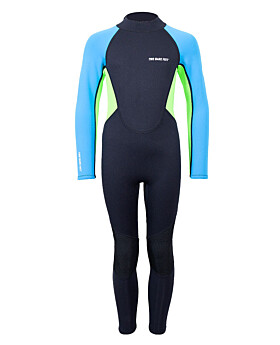
Two Bare Feet Two Tone 2.5mm Full Length Junior Wetsuit (Bright Blue / Lime)-M
£29.99 -
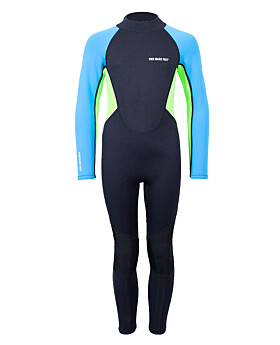
Two Bare Feet Two Tone 2.5mm Full Length Junior Wetsuit (Bright Blue / Lime)-L
£29.99 -
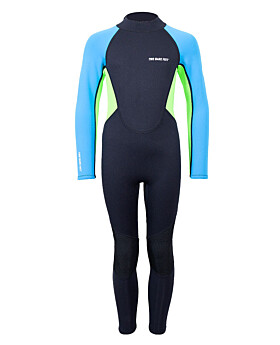
Two Bare Feet Two Tone 2.5mm Full Length Junior Wetsuit (Bright Blue / Lime)-XL
£29.99 -
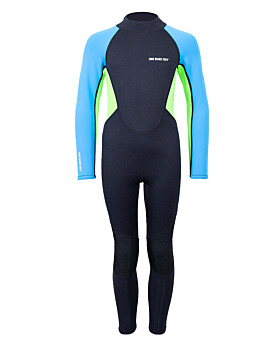
Two Bare Feet Two Tone 2.5mm Full Length Junior Wetsuit (Bright Blue / Lime)-2XL
£29.99 -
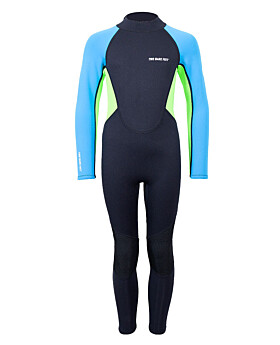
Two Bare Feet Two Tone 2.5mm Full Length Junior Wetsuit (Bright Blue / Lime)-3XL
£29.99 -
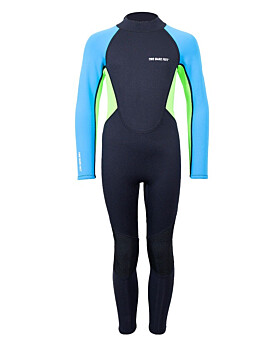
Two Bare Feet Two Tone 2.5mm Full Length Junior Wetsuit (Bright Blue / Lime)
£29.99 -

Two Bare Feet Two Tone 2.5mm Full Length Junior Wetsuit (Cornflower Blue / Raspberry)
£29.99 -
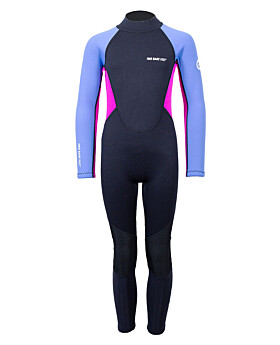
Two Bare Feet Two Tone 2.5mm Full Length Junior Wetsuit (Cornflower Blue / Raspberry)-XS
£29.99 -
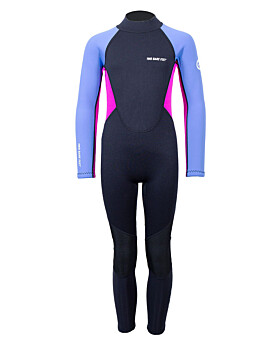
Two Bare Feet Two Tone 2.5mm Full Length Junior Wetsuit (Cornflower Blue / Raspberry)-S
£29.99 -
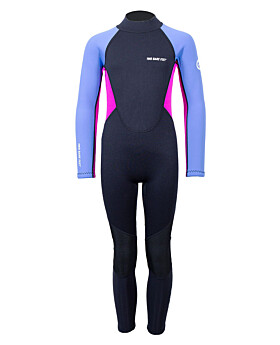
Two Bare Feet Two Tone 2.5mm Full Length Junior Wetsuit (Cornflower Blue / Raspberry)-M
£29.99 -
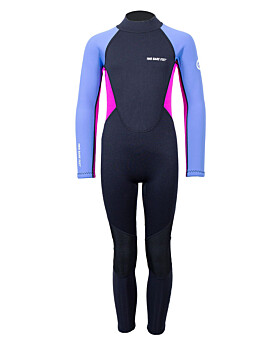
Two Bare Feet Two Tone 2.5mm Full Length Junior Wetsuit (Cornflower Blue / Raspberry)-L
£29.99 -
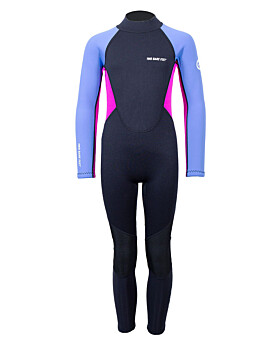
Two Bare Feet Two Tone 2.5mm Full Length Junior Wetsuit (Cornflower Blue / Raspberry)-XL
£29.99 -
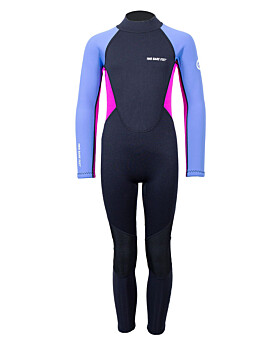
Two Bare Feet Two Tone 2.5mm Full Length Junior Wetsuit (Cornflower Blue / Raspberry)-2XL
£29.99 -
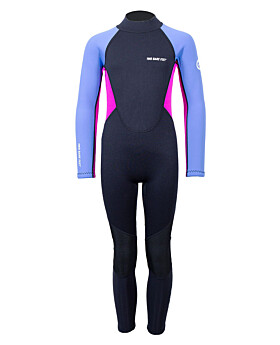
Two Bare Feet Two Tone 2.5mm Full Length Junior Wetsuit (Cornflower Blue / Raspberry)-3XL
£29.99 -
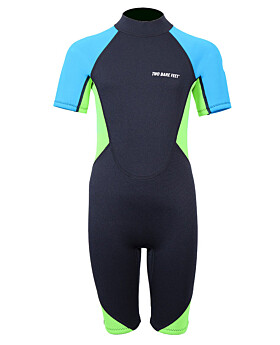
Two Bare Feet Two Tone 2.5mm Shorty Junior Wetsuit (Bright Blue / Lime)
£24.99 -
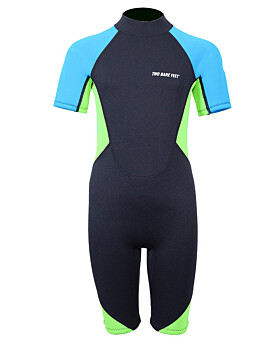
Two Bare Feet Two Tone 2.5mm Shorty Junior Wetsuit (Bright Blue / Lime)-XS
£24.99 -
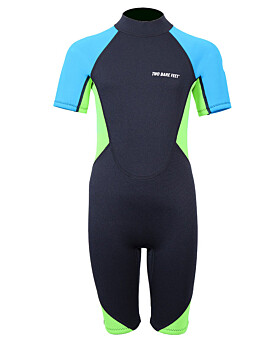
Two Bare Feet Two Tone 2.5mm Shorty Junior Wetsuit (Bright Blue / Lime)-S
£24.99 -
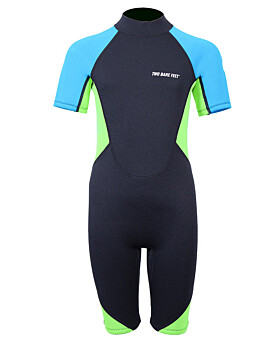
Two Bare Feet Two Tone 2.5mm Shorty Junior Wetsuit (Bright Blue / Lime)-M
£24.99 -
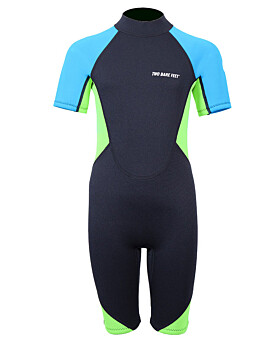
Two Bare Feet Two Tone 2.5mm Shorty Junior Wetsuit (Bright Blue / Lime)-L
£24.99 -
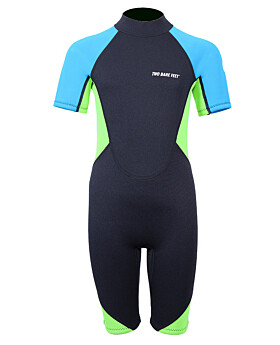
Two Bare Feet Two Tone 2.5mm Shorty Junior Wetsuit (Bright Blue / Lime)-XL
£24.99 -
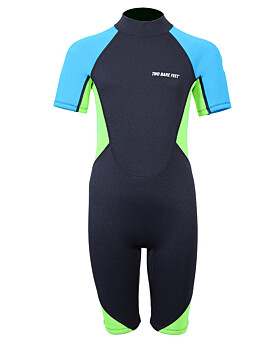
Two Bare Feet Two Tone 2.5mm Shorty Junior Wetsuit (Bright Blue / Lime)-2XL
£24.99 -
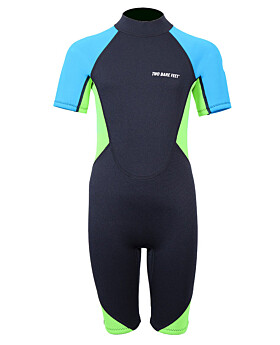
Two Bare Feet Two Tone 2.5mm Shorty Junior Wetsuit (Bright Blue / Lime)-3XL
£24.99 -
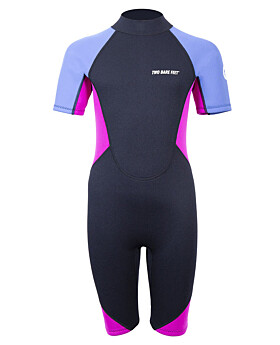
Two Bare Feet Two Tone 2.5mm Shorty Junior Wetsuit (Cornflower Blue / Raspberry)
£24.99 -
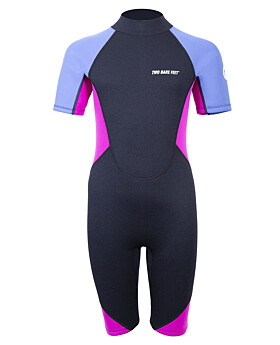
Two Bare Feet Two Tone 2.5mm Shorty Junior Wetsuit (Cornflower Blue / Raspberry)-XS
£24.99 -
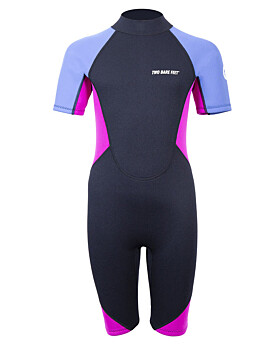
Two Bare Feet Two Tone 2.5mm Shorty Junior Wetsuit (Cornflower Blue / Raspberry)-S
£24.99 -
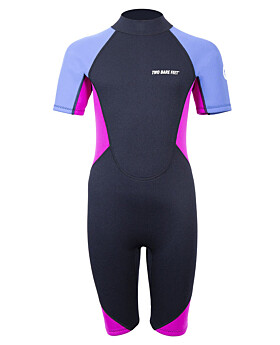
Two Bare Feet Two Tone 2.5mm Shorty Junior Wetsuit (Cornflower Blue / Raspberry)-M
£24.99 -
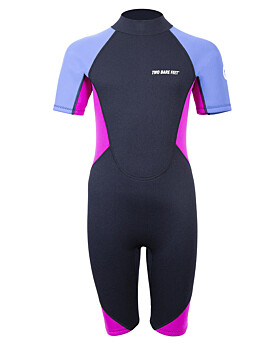
Two Bare Feet Two Tone 2.5mm Shorty Junior Wetsuit (Cornflower Blue / Raspberry)-L
£24.99 -
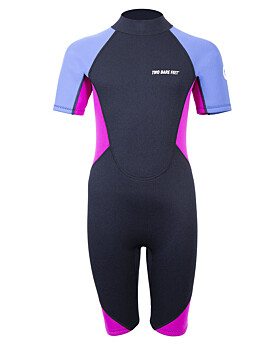
Two Bare Feet Two Tone 2.5mm Shorty Junior Wetsuit (Cornflower Blue / Raspberry)-XL
£24.99 -
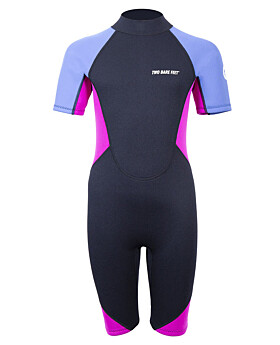
Two Bare Feet Two Tone 2.5mm Shorty Junior Wetsuit (Cornflower Blue / Raspberry)-2XL
£24.99 -
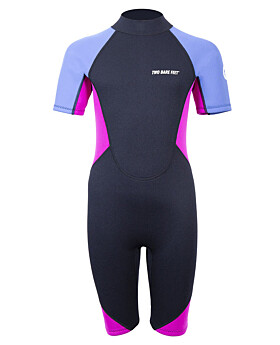
Two Bare Feet Two Tone 2.5mm Shorty Junior Wetsuit (Cornflower Blue / Raspberry)-3XL
£24.99
Two Bare Feet’s kids wetsuit selection
Two Bare Feet offers a comprehensive range of children’s wetsuits designed specifically to meet the varying conditions of UK waters while prioritising comfort, safety, and performance for young surfers.
Year-round options for all conditions
Two Bare Feet provides wetsuit solutions that align perfectly with the seasonal requirements outlined above:
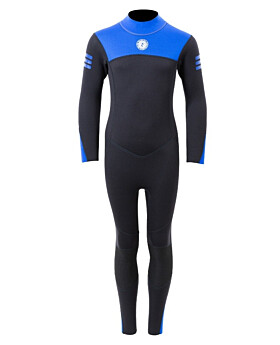
- Summer surfing (15-18°C): The Thunderclap 2.5mm Junior Wetsuit is ideal for warmer conditions, featuring super soft and smooth Superstretch neoprene that’s both comfortable and flexible. With flatlock stitching and sealed cuffs and neck, it prevents uncomfortable flushing while allowing full range of motion.
- Spring/autumn transitional periods (10-14°C): The Thunderclap 4/3mm Junior Winter Wetsuit offers increased core protection with 4mm thickness while maintaining 3mm panels in areas where flexibility is crucial. This balance of warmth and movement is perfect for the UK’s longer shoulder seasons.
- Winter Protection (8-10°C): For the coldest conditions, the Thunderclap 5/4mm Junior Winter Wetsuit provides maximum insulation while still allowing young surfers to move effectively in the water. The 5mm core thickness offers solid protection throughout winter months.
Design features for young surfers
Two Bare Feet’s kids wetsuits incorporate several design elements specifically engineered for children learning to surf:
- Ergonomic panel layout: The strategic placement of neoprene panels, particularly in the Thunderclap series, enhances freedom of movement while maintaining core warmth-essential for developing proper surfing technique.
- Flatlock stitched seams: All junior wetsuits feature flatlock stitching that creates a flat, comfortable join between panels, preventing chafing and irritation during extended surfing sessions.
- Back-zip design: Makes wetsuits easier to get on and off-an important practical consideration for younger children who may need assistance.
Specialised options for different preferences
Beyond the standard full-length options, Two Bare Feet offers specialised variants to accommodate different needs:
- Shorty wetsuits: For children who feel restricted in full-length suits but still need core protection, the Thunderclap 2.5mm Wetsuit provides an excellent compromise. This is particularly useful for warmer days or children who overheat easily while maintaining crucial core warmth.
- Sleeveless options: The Thunderclap 2.5mm Junior Sleeveless Wetsuit offers maximum arm mobility-perfect for developing paddling technique while learning to surf.
Size range and proper fitting
Two Bare Feet’s commitment to quality extends to our sizing approach. Junior wetsuits are available from approximately age 4 to 16 years. Our wetsuit measurement guide can help parents select the proper size for optimal safety and comfort, with measurements for chest and neck-to-crotch distance rather than just age recommendations.
Quality and value
Two Bare Feet wetsuits are constructed with premium materials that ensure durability and performance:
- SCR neoprene: This high-quality material creates a second-skin feel that doesn’t restrict movement, offering excellent insulation while maintaining flexibility– crucial when paddling through choppy waters or executing quick turns.
- Sealed cuffs and neck: Prevents uncomfortable water flushing through the suit, a key factor in maintaining warmth and preventing the coordination.
Rash vests: protection from sun and chafe
Rash vests (or rash guards) serve multiple important functions for young surfers:
- Protection from harmful UV rays, even on cloudy days
- Prevention of wetsuit chafing, particularly around the neck and underarms
- Additional thermal layer in cooler conditions
- Identification – bright colours make children more visible in the water
For maximum sun protection, choose rash vests with good UPF ratings and high necklines. These can be worn under wetsuits for additional warmth and chafe protection or alone on warmer days.
Two Bare Feet’s rash vests for children
Two Bare Feet offers a comprehensive range of high-quality rash vests designed specifically for children learning to surf in UK waters.
Core range options
- Junior “Logo” Short Sleeve Rash Vests: Available in multiple colours, these versatile rash vests provide essential UV protection and chafe prevention while allowing maximum arm mobility for paddling practice
- Junior Thermal Short Sleeve Rash Vest: Features fleece lining for additional warmth during cooler sessions while maintaining freedom of movement
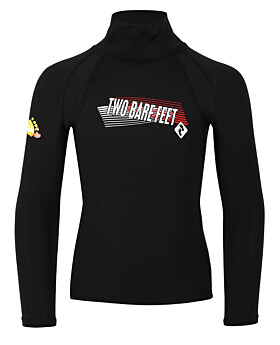
- Junior Thermal Long Sleeve Rash Vest: Offers extended protection with full arm coverage and thermal fleece lining, ideal for spring and autumn surf sessions when water temperatures are variable
- Junior “Diamond” Long Sleeve Rash Vest: Provides maximum coverage for UV protection and wetsuit chafe prevention with stylish design elements
Premium safety features
Every Two Bare Feet junior rash vest incorporates essential safety elements that directly address the concerns highlighted in the introduction:
- UV protection: All rash vests feature UV-protective fabric to shield delicate skin from harmful rays, even on overcast days when UV radiation remains a risk
- Quality Lycra construction: The premium stretchy material ensures a comfortable fit while preventing the chafing and irritation common with wetsuit use, particularly around the neck and underarms where movement is constant
- Strategic design: The high necklines provide extended protection for this vulnerable area, while the close-fitting design prevents uncomfortable bunching under wetsuits
Size and fit guidance
Two Bare Feet’s commitment to safety extends to their comprehensive sizing approach:
- Wide size range: Available from 2XS (20″ chest/51cm) to 3XL (34″ chest/86cm), accommodating children from approximately 2 years old through to teenagers
- Detailed size charts: Each product includes specific chest measurement guidance to ensure proper fit, as too loose or too tight rash vests can cause discomfort or reduce effectiveness
Practical applications for young surfers
Two Bare Feet’s junior rash vests excel in multiple scenarios faced by children learning to surf:
- Layering versatility: Can be worn under wetsuits for additional warmth and chafe protection during cooler months, or alone with swim shorts when temperatures rise
- Visual safety: The bright colour options (particularly the vibrant red and blue versions) enhance visibility in the water, making it easier for instructors and parents to keep track of children
- Temperature regulation: The thermal options with fleece lining help maintain core temperature during longer sessions, preventing the cold fatigue that can impact safety and learning
- All-day protection: Durable construction stands up to the rigors of surf sessions while continuing to provide UV protection during beach breaks and rest periods
High SPF sunscreen, hats, and shade
Sun protection is a critical aspect of surf safety that’s often overlooked. Water reflects and amplifies UV radiation, increasing burn risk even on overcast days. For children surfing, implement a comprehensive sun protection strategy:
- Apply waterproof, high-SPF sunscreen (minimum SPF 30) to all exposed skin
- Reapply sunscreen every two hours or after extended time in the water
- Use zinc-based products for face protection as they’re less likely to run into eyes
- Provide shade breaks during longer sessions
- Have children wear hats during beach time before and after surfing
Sunburn not only causes immediate discomfort but increases long-term skin damage and cancer risk. Making sun protection routine from the earliest surfing experiences establishes habits that protect children throughout their surfing lives.
-
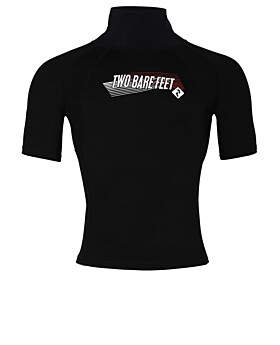
Two Bare Feet Adults Thermal Short Sleeve Rash Vest (Black)
As low as £17.99 Regular Price £21.99 -
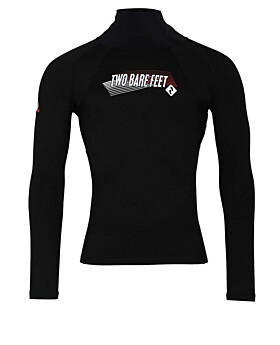
Two Bare Feet Adults Thermal Long Sleeve Rash Vest (Black)
£19.99 -
Two Bare Feet Junior Thermal Short Sleeve Rash Vest (Black)
As low as £15.99 Regular Price £16.99 -
Two Bare Feet Junior Thermal Long Sleeve Rash Vest (Black)
As low as £17.99 Regular Price £18.99 -
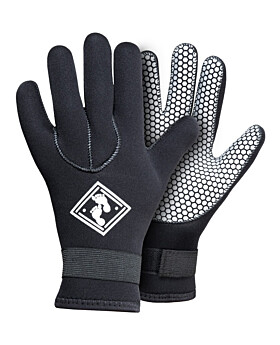
Two Bare Feet Adults 3mm Neoprene Gloves
As low as £14.99 Regular Price £17.99 -
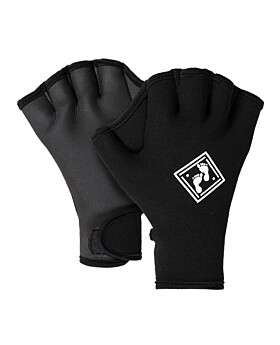
Two Bare Feet Power Swim Training 3mm Webbed Gloves
As low as £5.99 Regular Price £11.99 -
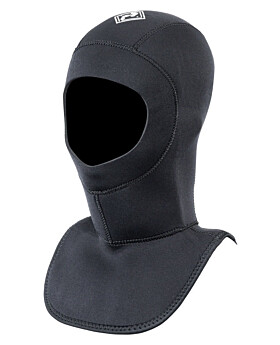
Neoprene 5mm Wetsuit Diving / Surf Hood
As low as £14.99 Regular Price £22.99 -
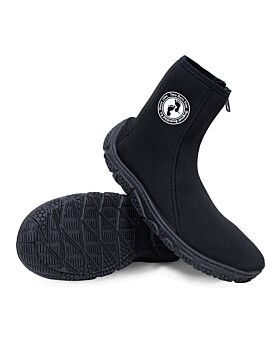
Neoprene Zipped Adults Wetsuit Boots (Black)
£14.99 -
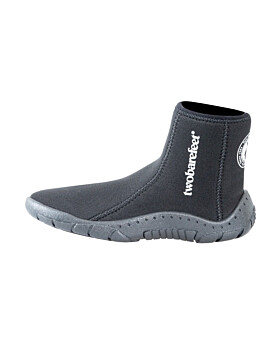
Neoprene Zipped Junior Wetsuit Aqua Boots (Black)
£12.99 -
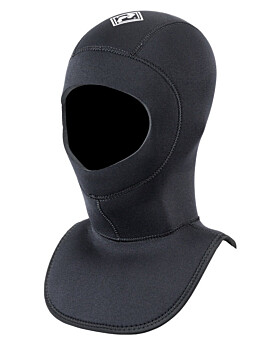
Neoprene 7mm Wetsuit Diving Hood
As low as £15.99 Regular Price £22.99 -
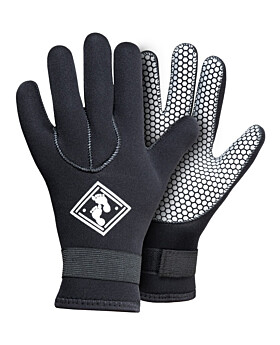
Two Bare Feet Adults 5mm Neoprene Gloves
As low as £15.99 Regular Price £18.99 -
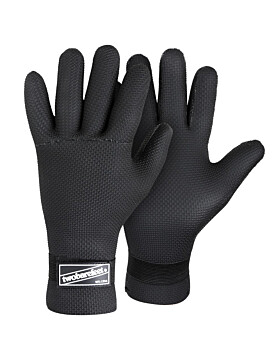
Two Bare Feet Adults 5mm Waffle Mesh Neoprene Gloves
£16.99 -
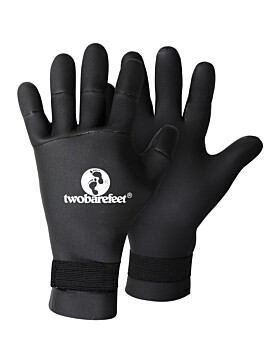
Two Bare Feet Adults 3mm Mesh Neoprene Gloves
£16.99 -
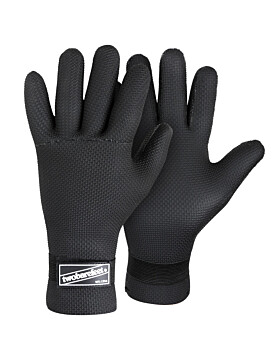
Two Bare Feet Adults 3mm Waffle Mesh Neoprene Gloves
£16.99 -
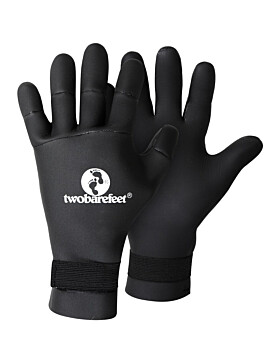
Two Bare Feet Adults 5mm Mesh Neoprene Gloves
£16.99 -
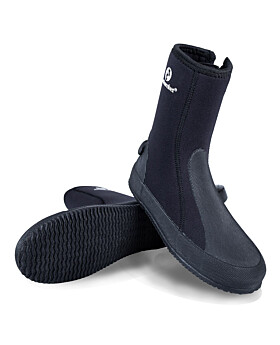
Two Bare Feet 5mm Neoprene Diving Boots (6015)
£29.99 -
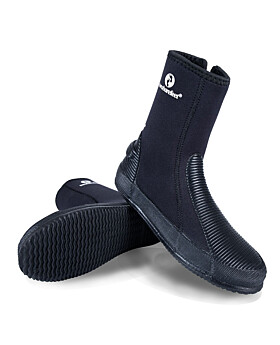
Two Bare Feet 5mm Neoprene Diving Boots (6024)
£29.99 -
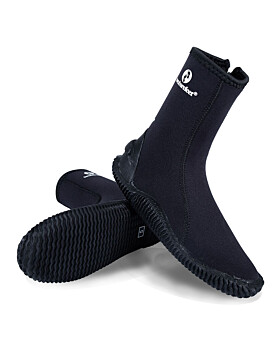
Two Bare Feet 5mm Neoprene Diving / Surf Boots (6025)
As low as £29.99 Regular Price £39.99 -

Two Bare Feet 5mm Neoprene Diving / Surf Boots (001)
£29.99 -
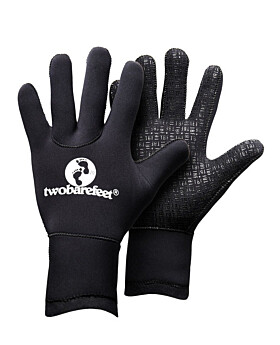
Two Bare Feet Adults 2.5mm Superstretch Neoprene Gloves
As low as £19.99 Regular Price £23.99 -
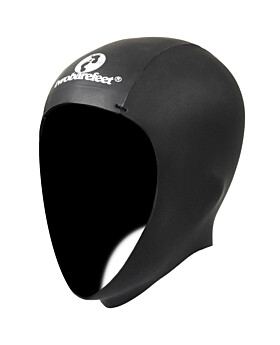
Two Bare Feet 3mm Glideskin Neoprene Chinstrap Watersports Hood
As low as £15.99 Regular Price £19.99 -

Two Bare Feet Adults Thermal Short Sleeve Rash Vest (Black)-3XL
Special Price £17.99 Regular Price £21.99 -
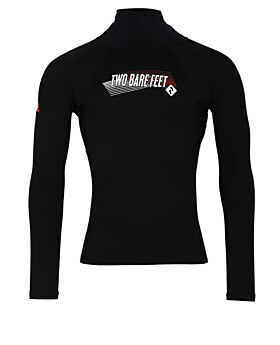
Two Bare Feet Adults Thermal Long Sleeve Rash Vest (Black)-3XL
£19.99 -
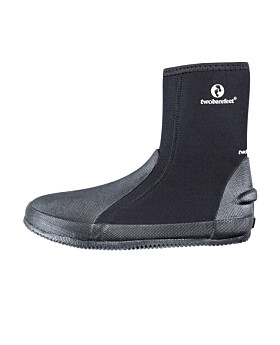
Two Bare Feet 5mm Neoprene Diving Boots (6015)-UK 6
£29.99 -
Two Bare Feet 5mm Neoprene Diving Boots (6024)-UK 6
£29.99 -
Two Bare Feet 5mm Neoprene Diving / Surf Boots (6025)-UK 6
Special Price £29.99 Regular Price £39.99 -
Two Bare Feet 5mm Neoprene Diving / Surf Boots (001)-UK 6
£29.99 -
Two Bare Feet Adults Thermal Long Sleeve Rash Vest (Black)-XS
£19.99 -

Two Bare Feet Junior 2.5mm Superstretch Neoprene Gloves
£15.99 -
Two Bare Feet Junior 2.5mm Superstretch Neoprene Gloves-S
£15.99 -
Two Bare Feet Junior 2.5mm Superstretch Neoprene Gloves-M
£15.99 -
Two Bare Feet Junior 2.5mm Superstretch Neoprene Gloves-L
£15.99 -
Two Bare Feet Junior 2.5mm Superstretch Neoprene Gloves-XL
£15.99 -

Neoprene Zipped Junior Wetsuit Aqua Boots (Black)-C7
£12.99 -

Neoprene Zipped Junior Wetsuit Aqua Boots (Black)-C8
£12.99 -

Neoprene Zipped Junior Wetsuit Aqua Boots (Black)-C9
£12.99 -

Neoprene Zipped Junior Wetsuit Aqua Boots (Black)-C10
£12.99 -

Neoprene Zipped Junior Wetsuit Aqua Boots (Black)-C13
£12.99 -

Neoprene Zipped Junior Wetsuit Aqua Boots (Black)-UK 1
£12.99 -

Neoprene Zipped Junior Wetsuit Aqua Boots (Black)-UK 2
£12.99 -
Neoprene Zipped Junior Wetsuit Aqua Boots (Black)-UK 3
£12.99 -
Two Bare Feet 3mm Glideskin Neoprene Chinstrap Watersports Hood-Large
Special Price £15.99 Regular Price £19.99 -
Two Bare Feet Adults 2.5mm Superstretch Neoprene Gloves-XL
Special Price £19.99 Regular Price £23.99 -
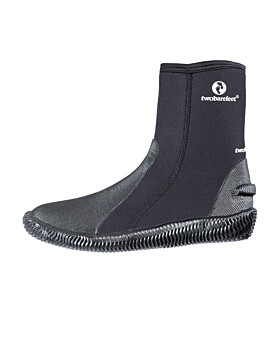
Two Bare Feet 5mm Neoprene Diving / Surf Boots (001)-UK 4
£29.99 -

Two Bare Feet 5mm Neoprene Diving / Surf Boots (001)-UK 5
£29.99 -
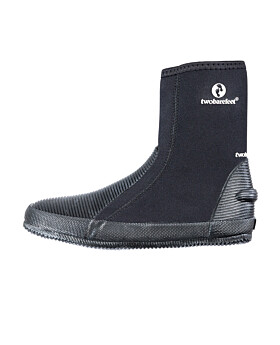
Two Bare Feet 5mm Neoprene Diving Boots (6024)-UK 4
£29.99 -

Two Bare Feet 5mm Neoprene Diving Boots (6024)-UK 5
£29.99 -
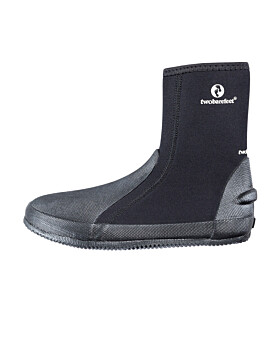
Two Bare Feet 5mm Neoprene Diving Boots (6015)-UK 4
£29.99 -
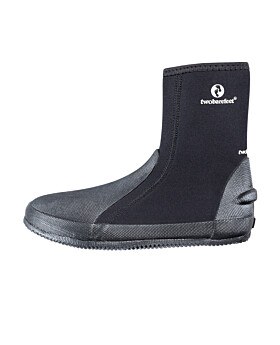
Two Bare Feet 5mm Neoprene Diving Boots (6015)-UK 5
£29.99 -
Two Bare Feet 5mm Neoprene Diving / Surf Boots (6025)-UK 5
Special Price £29.99 Regular Price £39.99 -
Two Bare Feet 5mm Neoprene Diving / Surf Boots (6025)-UK 4
Special Price £29.99 Regular Price £39.99 -
TBF Print Adults 5mm Neoprene Gloves
£16.99 -
TBF Print Adults 5mm Neoprene Gloves-XS
£16.99 -
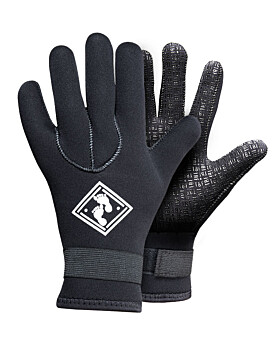
TBF Print Adults 5mm Neoprene Gloves-Small
£16.99 -
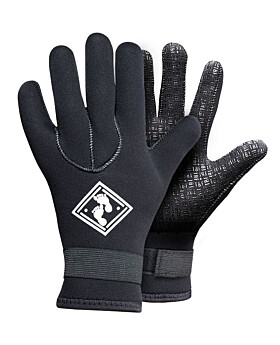
TBF Print Adults 5mm Neoprene Gloves-Medium
£16.99 -
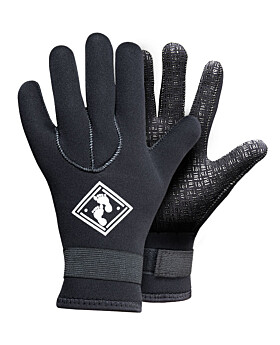
TBF Print Adults 5mm Neoprene Gloves-Large
£16.99 -
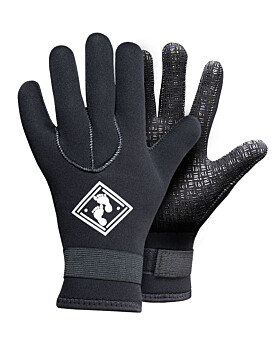
TBF Print Adults 5mm Neoprene Gloves-XL
£16.99 -
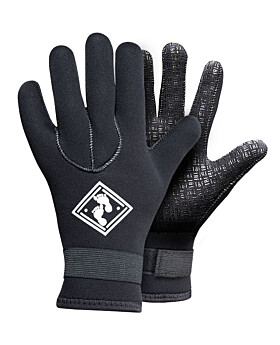
TBF Print Adults 5mm Neoprene Gloves-2XL
£16.99 -
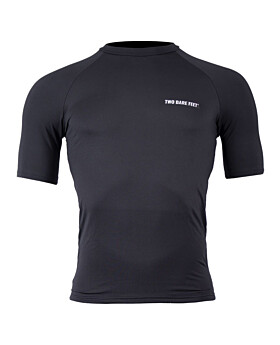
Two Bare Feet Adults Crew Neck Thermal Short Sleeve Rash Vest (Black)-XS
£17.99 -
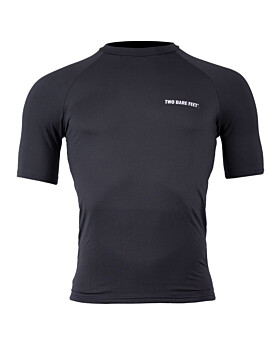
Two Bare Feet Adults Crew Neck Thermal Short Sleeve Rash Vest (Black)-Small
£17.99 -
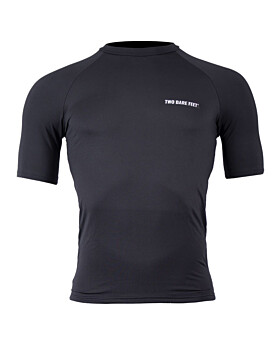
Two Bare Feet Adults Crew Neck Thermal Short Sleeve Rash Vest (Black)-Medium
£17.99 -
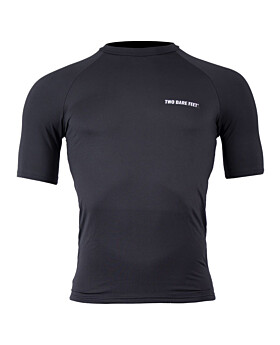
Two Bare Feet Adults Crew Neck Thermal Short Sleeve Rash Vest (Black)-Large
£17.99 -
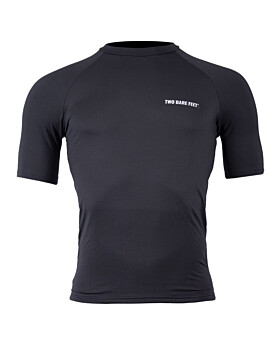
Two Bare Feet Adults Crew Neck Thermal Short Sleeve Rash Vest (Black)-XL
£17.99 -
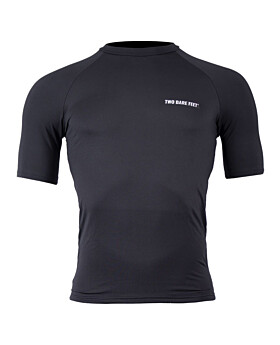
Two Bare Feet Adults Crew Neck Thermal Short Sleeve Rash Vest (Black)-2XL
£17.99 -
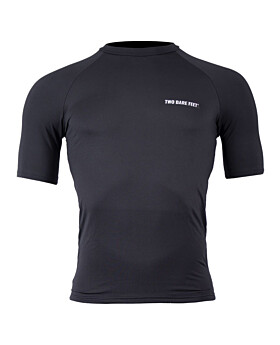
Two Bare Feet Adults Crew Neck Thermal Short Sleeve Rash Vest (Black)-3XL
£17.99 -
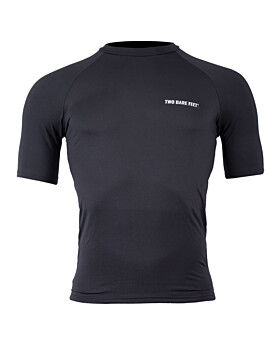
Two Bare Feet Adults Crew Neck Thermal Short Sleeve Rash Vest (Black)
£17.99 -
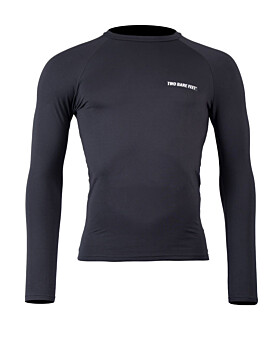
Two Bare Feet Adults Crew Neck Thermal Long Sleeve Rash Vest (Black)-XS
£19.99 -
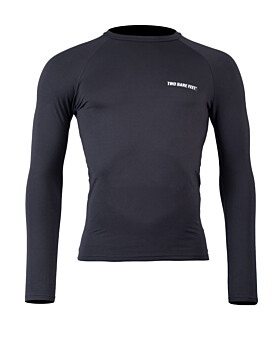
Two Bare Feet Adults Crew Neck Thermal Long Sleeve Rash Vest (Black)-Small
£19.99 -
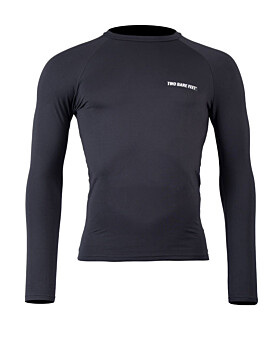
Two Bare Feet Adults Crew Neck Thermal Long Sleeve Rash Vest (Black)-Medium
£19.99 -
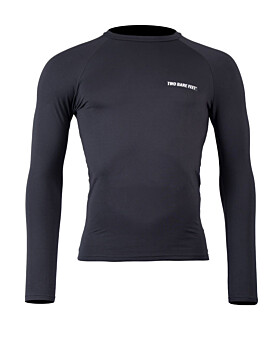
Two Bare Feet Adults Crew Neck Thermal Long Sleeve Rash Vest (Black)-Large
£19.99 -
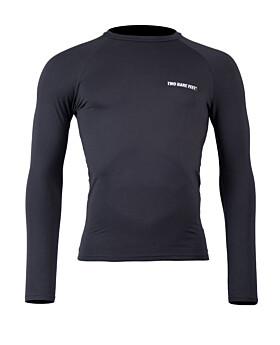
Two Bare Feet Adults Crew Neck Thermal Long Sleeve Rash Vest (Black)-XL
£19.99 -
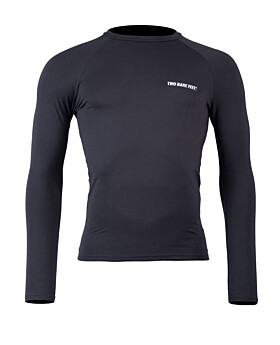
Two Bare Feet Adults Crew Neck Thermal Long Sleeve Rash Vest (Black)-2XL
£19.99 -
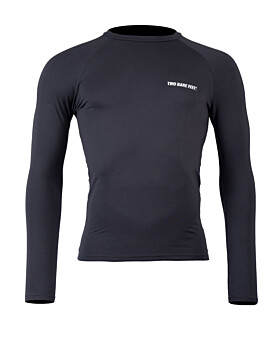
Two Bare Feet Adults Crew Neck Thermal Long Sleeve Rash Vest (Black)
£19.99 -
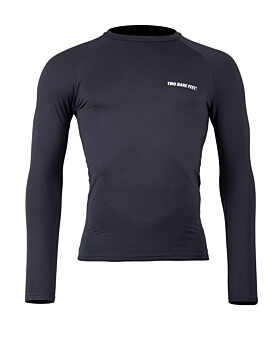
Two Bare Feet Adults Crew Neck Thermal Long Sleeve Rash Vest (Black)-3XL
£19.99
Wetsuit boots, gloves, and hoods for colder water
While a good wetsuit provides essential core warmth, extremities are particularly vulnerable to heat loss in cold water. Two Bare Feet offers a comprehensive selection of children’s wetsuit accessories that can significantly extend comfortable surfing seasons for children.
Junior Neoprene Gloves
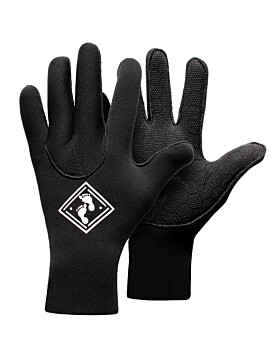
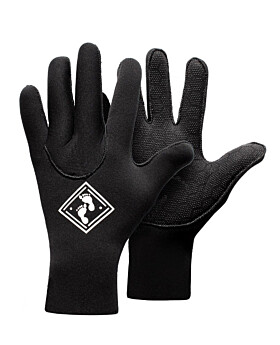
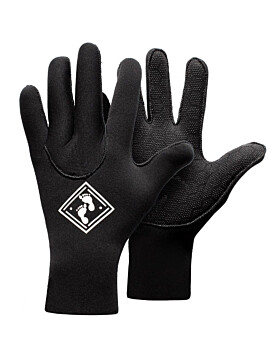
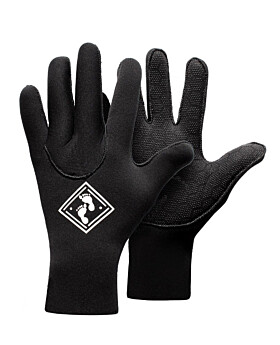
Wetsuit gloves are perfect for keeping sensitive extremities warm. Our Junior 2.5mm Superstretch Neoprene Gloves offer essential protection for small hands in cold water conditions:
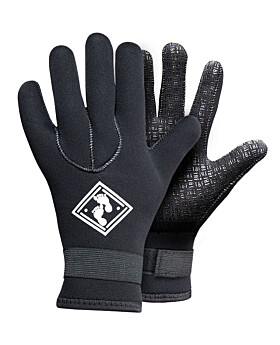
- Superior grip technology: The honeycomb pattern palm grip ensures children can maintain a secure hold on their surfboard even when hands are cold or wet
- Comfort-focused construction: Glued and blind stitched seams prevent water penetration and skin irritation during extended surf sessions
- Flexible design: Made from superstretch neoprene that allows full finger mobility for paddling and pop-ups while maintaining crucial warmth
Available in multiple sizes (S, M, L, XL) our detailed sizing chart also provides guidance based on hand length, width, and wrist circumference to ensure the perfect fit for growing surfers.
Protective footwear options
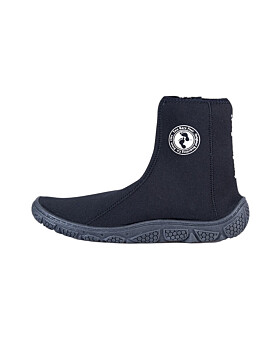
Two Bare Feet offers several wetsuit footwear solutions specifically sized for junior feet:
- Junior Aqua Shoes: Lightweight neoprene swim shoes that provide protection from sharp objects and slippery surfaces while offering good ventilation and comfort
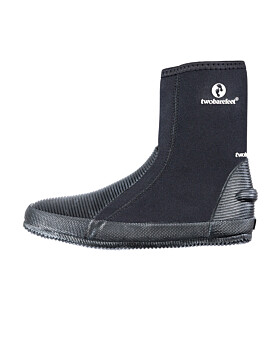
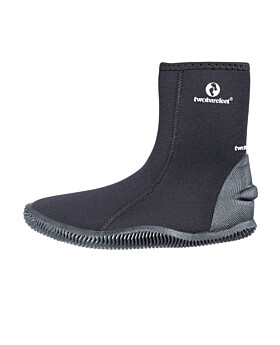
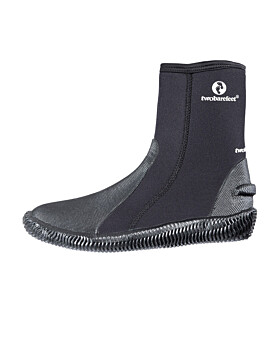
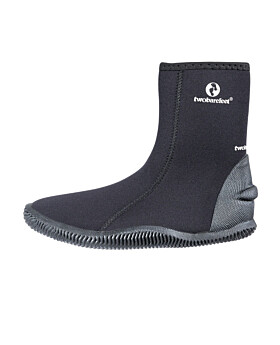
- Junior Neoprene Wetsuit Boots: More substantial protection with flexible 5mm soles that help children feel the board beneath their feet without compromising on grip, while the high ankle design prevents water flushing
These footwear options are particularly important for young surfers navigating rocky beaches or areas with sharp shells, preventing cuts and improving stability both in and out of the water.
Options for older children
Those who have grown to the point of being able to fit into smaller adult sizes will benefit from the full range of Two Bare Feet’s neoprene wetsuit accessories for adults. This includes our neoprene wetsuit hoods that can provide crucial head protection for children surfing in colder conditions:
- Prevention of “Surfer’s Ear”: Hoods protect against a condition called “surfer’s ear,” which causes earache, hearing difficulties, and potentially hearing loss-a particular concern for children whose ear canals are still developing
- Heat retention: With options featuring 5mm neoprene thickness, these hoods prevent significant heat loss through the head-critical for maintaining core temperature in young surfers
Safety and comfort benefits
These specialized accessories directly enhance safety and comfort in several ways:
- Extended water time: By preventing cold extremities, children can remain in the water longer for more productive learning sessions without discomfort
- Maintained coordination: Warm hands and feet ensure better motor skills and coordination, essential for mastering surfing techniques
- Reduced injury risk: Protected feet prevent cuts from underwater hazards, while gloves prevent hand abrasions common during paddling
- Positive experience: Complete thermal protection helps create positive associations with surfing, encouraging continued participation
5. Supervision and safe surfing practices
Once properly equipped and at a suitable location, implementing safe in-water practices becomes the focus. This is where introducing children to surfing safely truly happens – in the dynamic environment of the ocean.
Active, unbroken supervision
The most important safety measure when surfing with children is constant adult supervision. For young children or beginners, this means always staying within arm’s reach – close enough to reach them immediately if needed.
Active supervision means:
- Maintaining constant visual contact with your child
- Staying close enough to intervene quickly if needed
- Being in the water with them, not watching from shore
- Focusing fully on supervision, not on your own surfing
- Limiting the number of children one adult supervises (ideally one-to-one for beginners)
Remember that conditions can change rapidly, and children can tire suddenly. What seems like a safe situation can quickly become challenging, making continuous supervision essential.
Starting in the shallows
Begin in waist-deep water (adult waist height) where both child and parent can stand comfortably. This depth provides enough water for the board to float freely while allowing immediate standing if the child becomes uncomfortable or tired.
The shallows offer several advantages for beginners:
- Easier recovery after falls
- Less intimidating environment
- Simpler wave mechanics with gentler white water
- Easier communication between parent and child
- Quicker access to shore if needed
As confidence and skills develop, you can gradually move to slightly deeper water, but always maintain the ability to quickly reach your child.
Teaching basic board handling
Before entering the water, spend time on the beach teaching fundamental board handling skills. This “dry land” practice builds confidence and muscle memory in a controlled environment.
How to carry the board safely
Teach children to:
- Carry the board at their side, holding the rail (edge) with the board between them and the wind
- Keep the board pointed into the wind to prevent it becoming a sail
- Maintain awareness of others around them while carrying the board
- Never drag the board by the leash or fins
For very young children who cannot carry their board independently, parents should carry it while maintaining hold of the child’s hand.
Paddling position
On the sand, practise the correct paddling position:
- Lying centred on the board with toes near the tail
- Chest lifted slightly, with weight balanced to keep the nose from digging in
- Arms reaching forward for paddling, not out to the sides
- Head up, looking forward in the direction of travel
Practise the paddling motion on sand, emphasising the importance of keeping fingers together and using long, deep strokes rather than short, splashy ones.
How to fall safely
Perhaps the most important safety skill is falling properly. On soft sand, practise:
- Falling to the side rather than forward or backward
- Covering the head with crossed arms for protection
- Falling away from the board when possible
- Staying relaxed rather than stiff during falls
Emphasise that everyone falls – even professional surfers – and that falling safely is an essential skill, not a failure.
Pushing into small white-water waves
For beginners, parents typically play an active role in helping children catch waves. The most effective approach is:
- Position the board perpendicular to incoming white water
- Have the child lie in the correct position, holding the rails
- Hold the board steady as the wave approaches
- Give a gentle push forward as the wave reaches the board, releasing as the board begins to move with the wave
This assistance allows children to experience the joy of riding waves before they develop the strength and timing to catch them independently. As skills develop, gradually reduce assistance until they can paddle for and catch waves themselves.
Managing wipeouts
Wipeouts are an inevitable part of learning to surf. Teaching children how to handle them confidently reduces fear and prevents panic:
- If falling, try to fall flat and away from the board
- Cover your head with your arms as you fall
- Stay relaxed underwater – tension wastes oxygen and energy
- If tumbled by a wave, wait for the turbulence to subside before surfacing
- After surfacing, locate your board and retrieve it promptly
Practise these skills in shallow water first, gradually building confidence for deeper water situations. Emphasise that the leash will keep the board nearby, providing flotation after a fall.
Understanding basic surf etiquette
Even young children can understand basic surf etiquette, which keeps everyone safer in the water:
One person per wave
Teach children that waves are taken one at a time – sharing waves increases collision risk. This fundamental rule helps prevent dangerous situations where boards or surfers might collide.
Don’t ‘drop in’
In simple terms, explain that the person closest to the breaking part of the wave has the right of way. “Dropping in” (taking off on a wave in front of someone already riding it) is dangerous and disrespectful. For children, the simplest rule is: “If someone is already on the wave, wait for the next one.”
Look before you go
Before catching a wave, always look toward shore to ensure the path is clear of swimmers or other surfers. This simple habit prevents many potential collisions and becomes increasingly important as children progress to catching waves independently.
Knowing when to call it a day
Children often don’t recognise their own limits, making it essential for parents to watch for signs of fatigue or cold:
- Shivering or goosebumps
- Blue lips or fingernails
- Decreased coordination or balance
- Reduced enthusiasm or increased frustration
- Slower reaction times
- Complaints of being tired or cold
When these signs appear, it’s time to end the session, regardless of how the waves are breaking. A positive experience cut slightly short is far better than pushing too long and creating negative associations with surfing.
Image: [STOCK] Group surf lesson with an instructor (ideally depicting “family participation” or school-age surfers, if possible)
Caption: “Many surf schools offer family lessons where parents and children learn together”
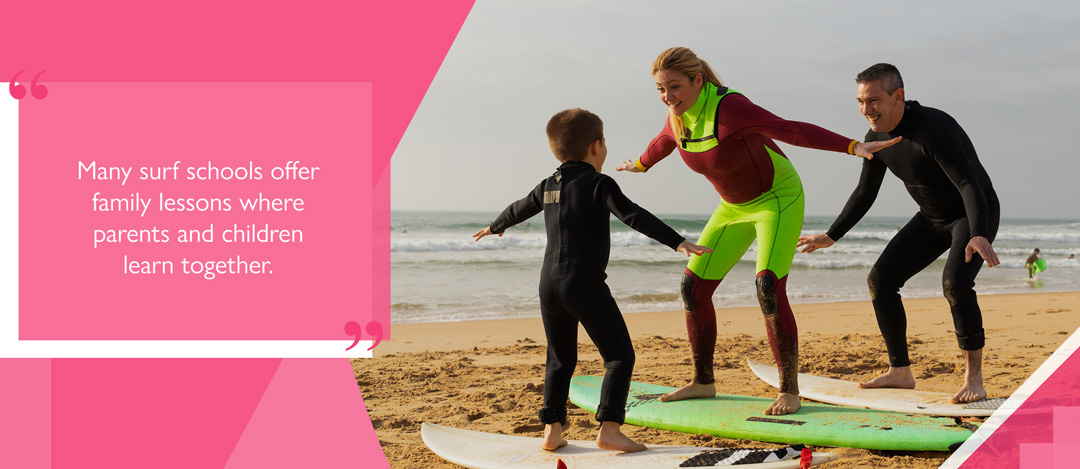
6. Post-surf comfort
The care taken after a surf session significantly impacts both safety and the overall experience. Proper post-surf procedures prevent cold-related issues and help create positive associations with the activity.
The importance of a quick rinse-off
Rinsing with fresh water as soon as possible after surfing serves several important purposes:
- Removes salt, sand, and other irritants from skin
- Begins the warming process
- Cleans equipment, extending its lifespan
- Reduces the risk of ear infections and skin irritation
Many UK beaches have outdoor showers for this purpose. If these aren’t available, bring containers of fresh water specifically for rinsing. Focus particularly on rinsing the face, ears, and any areas where the wetsuit might have chafed.
Getting changed quickly and warmly
The transition from wetsuit to dry clothes can be challenging, particularly in cold or windy conditions. A changing robe solves this problem, providing privacy, warmth, and protection from the elements.
Two Bare Feet’s selection of changing robes
Two Bare Feet offers several changing robes for children designed to make this transition both easier and more pleasant.
Weatherproof changing robes
Our premium Kids Weatherproof Changing Robes provide comprehensive protection from the elements:
- Superior weather protection: Features an 8k water-resistant outer shell made from 100% recycled polyester that shields against rain and wind-chill, perfect for those unpredictable UK coastal weather conditions
- Ultra-soft interior: Lined with luxurious 300GSM Sherpa fleece that not only provides exceptional warmth but also wicks moisture away from the skin, helping children dry off and warm up simultaneously
- Thoughtful design elements: The oversized fit with wide arms allows plenty of room for children to change inside the robe while maintaining privacy, and the large Sherpa-lined hood provides additional warmth for wet hair
- Practical storage: Features fleece-lined zipped pockets both inside and out, perfect for warming hands or storing small items while changing
- Included changing mat: Each robe comes with a complimentary 75cm x 75cm changing mat that keeps feet warm and protects wetsuits from rough surfaces during the changing process
Waterproof hooded sleeveless poncho changing robes
Our newest offering is the Kids Waterproof Hooded Sleeveless Poncho Changing Robe, which provides a perfect solution for post-surf changing:
- Shielded from the elements: Features an 8k waterproof/8k breathability rating outer shell that shields against rain and wind-chill, perfect for the unpredictable UK coastal weather
- Eco-conscious design: Made from 100% recycled polyester with BIONIC-FINISH® ECO water-repellent technology, offering a sustainable choice that benefits both your child and the environment
- Warm, plush inner: Lined with 150GSM sherpa fleece that provides exceptional warmth while effectively wicking away moisture, helping children dry off and warm up simultaneously
- Practical changing design: The poncho-style with elasticated arm openings allows for easy movement during changing while maintaining privacy and warmth
- Handy features: Includes a front pouch pocket for hand warming, plus a large zipped front pocket perfect for securing small valuables
Budget-friendly towelling robes
For warmer days or as a more affordable option, Two Bare Feet offers a Kids Towelling Changing Robe.
A simple pull-over poncho design made from polyester microfibre material, it provides comfort while effectively wicking away water.
The towelling robes include a front pouch pocket and large hood for additional warmth and practicality. The long, loose design provides coverage down to the knees with ample room inside for changing.
Choosing the right size
Two Bare Feet changing robes are designed with a loose, baggy fit to ensure:
- Comfortable changing: Plenty of room to pull arms inside and change out of wetsuits without struggle
- Appropriate coverage: Available in sizes for 6-10 years and 10-14 years, with height being the most important measurement consideration
- Practical length: Designed to be around knee-length, providing adequate coverage while changing on the beach
Hydration and healthy snacks
Surfing is physically demanding, and children may not recognise their need for refuelling. Have water and nutritious snacks ready immediately after the session:
- Water or electrolyte drinks to replace fluids lost through exertion
- Complex carbohydrates to restore energy (whole grain crackers, fruit)
- Some protein to aid muscle recovery (nuts, cheese)
- Warm drinks in cold weather to help raise core temperature
Establishing good post-surf nutrition habits helps maintain energy levels and prevents the fatigue that can lead to decreased attention and increased risk of accidents.
Checking for chills, sunburn, or minor scrapes
After changing, perform a quick health check:
- Feel extremities for coldness that might indicate poor circulation
- Check for signs of sunburn, particularly on the face and shoulders
- Inspect for any cuts, scrapes, or rashes that might need attention
- Ask about any discomfort or pain that might indicate injury
Address any issues promptly – applying sunburn relief, bandaging minor cuts, or providing additional warmth as needed.
7. Building a safety-first surf culture in your family
Creating a family culture that values safety alongside fun establishes patterns that will serve children throughout their surfing lives and beyond.
Demonstrate safe practices yourself
Children learn primarily by observation. When parents consistently demonstrate safe surfing practices, children naturally adopt these behaviours:
- Always wear a leash
- Check conditions before entering the water
- Respect other water users
- Know your limits and surf within them
- Follow beach rules and lifeguard instructions
This modelling extends beyond the water – showing respect for the environment, properly caring for equipment, and maintaining a positive attitude even when conditions aren’t ideal all contribute to a comprehensive safety culture.
Consider professional surf lessons
While parent-child surfing creates wonderful bonding opportunities, professional instruction offers significant benefits:
- Structured progression tailored to the child’s ability
- Techniques taught by experienced educators
- Safety protocols emphasised throughout
- Learning alongside peers can increase motivation
- Parents can focus on enjoyment rather than instruction
Look for surf schools with specific children’s programs and instructors qualified through national governing bodies. Many surf schools offer family lessons where parents and children learn together, combining professional instruction with family bonding.
Never surf alone
The “buddy system” represents one of surfing’s most fundamental safety principles. Teach children from the beginning that surfing is a social activity that should never be done alone:
- Always have at least one other person in the water with you
- Maintain visual contact with your surf partner
- Check in regularly during the session
- Leave the water together when finished
This principle applies to surfers of all ages and abilities. By establishing it early, children develop a lifelong commitment to this essential safety practice.
Respect the ocean, the beach, and other users
Ocean safety for young surfers extends beyond personal protection to encompass respect for the environment and community:
- Leave the beach cleaner than you found it
- Respect wildlife and natural features
- Follow local regulations and customs
- Give space to other water users
- Be courteous in changing areas and on the beach
This broader perspective helps children understand that they’re part of a larger surfing community with shared responsibilities for safety and stewardship.
Turn rule-following into a positive habit
Safety doesn’t have to be presented as a list of restrictions. Creative approaches can make safety engaging and enjoyable:
- Create simple games that reinforce safety concepts
- Establish family surfing rules together, with input from children
- Recognise and celebrate good safety practices
- Share stories that illustrate the importance of safety
- Use positive reinforcement rather than fear to motivate safe behaviour
When safety becomes an integrated, positive aspect of the surfing experience rather than an imposed limitation, children embrace it more readily and maintain these practices as they grow.
8. Fostering a lifelong love for safe surfing
Introducing children to surfing safely creates the foundation for a lifetime of ocean enjoyment. By prioritising safety from the beginning, parents not only protect their children in the moment but equip them with the knowledge, skills, and attitudes that will serve them throughout their surfing journey.
The joy of watching your child catch their first wave, the shared excitement of a great session, and the quiet moments of ocean appreciation create family memories that last a lifetime. These experiences forge connections not just between family members but between children and the natural world – fostering respect, confidence, and wonder that extend far beyond surfing itself.
Remember that progression happens at different rates for every child. Some may take to surfing immediately, while others need more time to build confidence. By maintaining a safety-first approach that emphasises enjoyment over achievement, parents create the space for children to develop at their own pace, forming a healthy relationship with both the sport and the ocean environment.
With the right preparation, equipment, and mindset, family surfing can become one of the most rewarding shared activities, creating stories and experiences that will be treasured for years to come. The ocean offers endless opportunities for growth, challenge, and joy – and teaching children to engage with it safely is one of the greatest gifts parents can provide.
9. Two Bare Feet: your partner out on the waves
Ready to start your family’s surfing journey? Two Bare Feet offers everything you need to introduce your children to surfing safely and enjoyably. From beginner-friendly foam surfboards designed specifically for young learners to high-quality wetsuits that keep kids warm in all waters, our comprehensive range of surfing equipment combines safety, performance, and durability.
Our experienced team understands the unique needs of family surfing and can provide personalised advice on selecting the right gear for your child’s age, size, and ability level. Whether you’re planning your first family surf session or looking to upgrade your children’s equipment as they progress, Two Bare Feet has you covered with quality products designed for the UK’s diverse surfing conditions.