7 January 2026
Open water swimming has undergone a remarkable transformation in recent years. What was once the preserve of triathletes and endurance athletes has become a mainstream pursuit, with lakes, reservoirs, and coastal waters across the United Kingdom now welcoming thousands of new swimmers each season.
The appeal is understandable: the freedom of swimming without lane ropes, the connection with nature, and the unique physical and mental benefits that come from cold water immersion all make a difference. But for those making the transition from the controlled environment of a swimming pool, however, the introduction of a wetsuit can represent a significant adjustment.
A wetsuit fundamentally changes the swimming experience. The added buoyancy, the different sensation against your skin, and the altered body position in the water all require adaptation. Many swimmers find their first few sessions in a wetsuit somewhat disconcerting, even frustrating. The suit can feel restrictive, the water temperature against exposed skin surprisingly cold, and the mechanics of getting in and out of the suit a genuine challenge. However, with the right knowledge and preparation, these early challenges can be overcome.
This guide aims to provide comprehensive tips for anyone planning to go open water swimming, whether you are contemplating your first wild swim in a local lake or preparing for your inaugural triathlon.
Table of contents
1. Understanding how a wetsuit works
2. Finding the perfect wetsuit fit
3. Selecting thickness and cut
4. Putting on a wetsuit with ease
5. How a wetsuit changes your swim
6. Common wetsuit issues (and how to solve them)
7. Layering in colder conditions
8. Post-swim warming and wetsuit care
9. Wetsuit quick reference guides
10. Frequently asked questions
1. Understanding how a wetsuit works
A wetsuit operates by allowing a thin layer of water to enter between your skin and the neoprene material. Your body heat then warms this trapped water, which subsequently acts as an insulating barrier against the colder water surrounding you.
Neoprene, the synthetic rubber material from which wetsuits are constructed, contains thousands of tiny nitrogen gas bubbles trapped within its cellular structure. These bubbles provide insulation by preventing the transfer of heat from your body to the surrounding water. The thicker the neoprene, the more bubbles it contains, and the greater its insulating properties.
The mechanism of heat retention relies entirely on the suit fitting tightly against your body. If the wetsuit is too loose, cold water will continuously flush through the gap between your skin and the neoprene, carrying away the warm water your body has heated and replacing it with fresh cold water. This continuous exchange, known as flushing, dramatically reduces the suit’s effectiveness and can leave you feeling colder than you might without a wetsuit at all.
The buoyancy that neoprene provides comes from those same trapped gas bubbles. Within the context of swimming, this buoyancy is particularly valuable because it lifts your body position in the water, reducing drag and making forward propulsion more efficient. Wetsuits specifically intended for swimming are designed to enhance this buoyancy around the hips and legs, where many swimmers naturally sink, thereby creating a more streamlined body position.
2. Finding the perfect wetsuit fit
A poorly fitting wetsuit will undermine your swimming experience regardless of how much you paid for it or how advanced its construction might be. The challenge for many swimmers lies in accepting that a wetsuit should feel considerably tighter than ordinary clothing, and that this tightness is not merely acceptable but essential.
Dry land vs. in the water
One of the most common mistakes new wetsuit buyers make is judging fit based solely on how the suit feels in the changing room. Standing on dry ground, a properly fitted wetsuit will feel decidedly snug, perhaps even uncomfortably tight around the chest and shoulders. This is entirely normal and should not prompt you to exchange for a larger size.
Neoprene behaves differently when wet. Once you enter the water and the thin layer of water penetrates between your skin and the suit, the material becomes noticeably more supple and the sensation of restriction diminishes significantly. A suit that felt very tight on the poolside will typically feel comfortable and workable once you have been swimming for a few minutes. Experienced wetsuit users often describe this transformation as the suit “loosening up” or “relaxing” in the water.
If you try on a wetsuit and it feels comfortable immediately, without any sensation of tightness or compression, it is almost certainly too large. A loose wetsuit will allow water to flush through continuously, negating its insulating properties. It will also create excess material that can bunch up around your joints, restricting movement and creating drag in the water.
The “good fit” checklist
When assessing wetsuit fit, several key areas require particular attention:
- Wrists and ankles: These should fit snugly against your skin with no visible gaps. These seals are critical for preventing water from continuously entering and exiting the suit. Many of Two Bare Feet’s full and shorty wetsuits feature sealed cuffs specifically designed to minimise water ingress at these points.
- Lower back (lumbar region): There should be no gaping or loose material in this area. A gap at the lower back is one of the most common fit problems and results in a large volume of cold water entering whenever you begin swimming.
- Crotch: The suit should sit flush against your body here. If there is excess material hanging below, the suit is either too long in the torso or has not been pulled up correctly when putting it on.
- Shoulders: You should be able to rotate your arms through a full range of motion without excessive resistance. Perform ten arm rotations while trying on a suit. If you feel significant restriction or pulling, this will become exhausting over a long swim.
- Neck: The seal around your neck should be secure but not choking. Some swim-specific wetsuits have lower, more comfortable necklines than surfing wetsuits, which typically feature higher collars.
Overcoming “wetsuit panic”
The sensation of wearing a tightly fitted wetsuit for the first time can trigger anxiety in some swimmers. The compression around the chest can make breathing feel laboured, and the overall sensation of constriction can provoke a mild panic response. This experience is common enough that overcoming wetsuit panic has become a recognisable phrase within the open water swimming community.
If you experience this sensation, recognise that it is a normal response to an unfamiliar physical circumstance. The compression you feel is not actually restricting your ability to breathe; rather, your breathing muscles simply need to work slightly harder against the resistance of the neoprene. This sensation diminishes rapidly as you become accustomed to the suit.
Practical strategies for managing initial anxiety include:
- spending time wearing your wetsuit on dry land before entering the water,
- practising slow, controlled breathing while wearing the suit, and
- entering the water gradually rather than immediately beginning to swim.
Many swimmers find that wading into chest-deep water and simply standing for a minute or two while adjusting to the sensation before commencing their swim can help.
3. Selecting thickness and cut
Wetsuits come in an array of thicknesses, cuts, and configurations. Understanding what these specifications mean and how they relate to your intended use will help you make informed choices across the swimming season.
Understanding wetsuit thickness (in numbers)
Wetsuit thickness is typically expressed as a pair of numbers separated by a forward slash, such as 3/2mm or 5/4mm. The first number indicates the thickness of neoprene around the torso, where heat retention is most critical. The second number represents the thickness of the material on the limbs, which is typically thinner to allow greater freedom of movement.
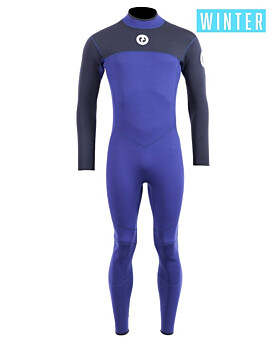
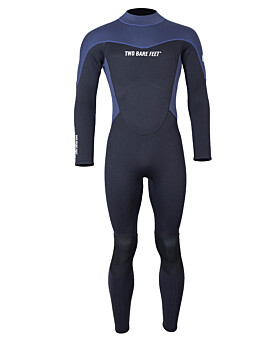
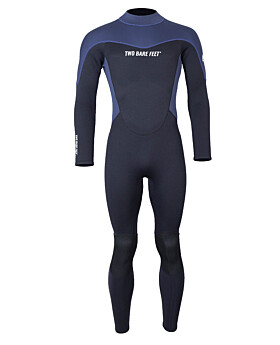
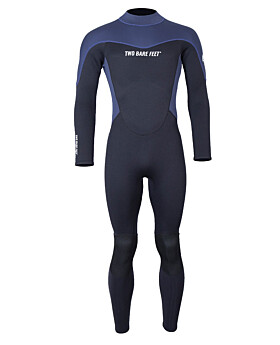
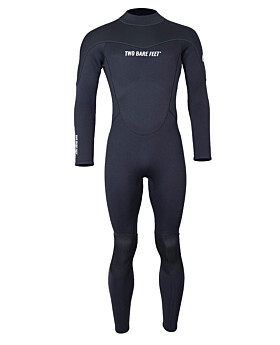
For summer swimming in UK waters, where temperatures typically range from 15°C to 20°C, a suit in the 2.5mm to 3mm range provides adequate warmth while maintaining excellent flexibility. The Two Bare Feet Thunderclap 2.5mm range exemplifies this approach, offering SCR neoprene that balances thermal protection with freedom of movement. These suits work well from late spring through early autumn for swimmers of average cold tolerance.
As water temperatures drop below 14°C, moving into the colder months of spring and autumn, a thicker suit becomes necessary. A 4/3mm configuration offers significantly more insulation while still permitting a reasonably unrestricted swimming stroke. For dedicated winter swimmers facing water temperatures below 10°C, suits of 5/4mm or even thicker become essential, though at this point, neoprene accessories such as gloves, boots, and hoods become equally important.
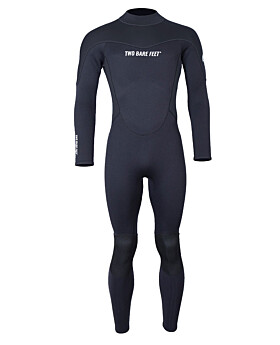
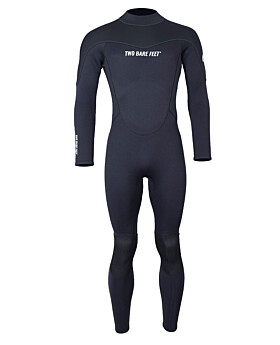
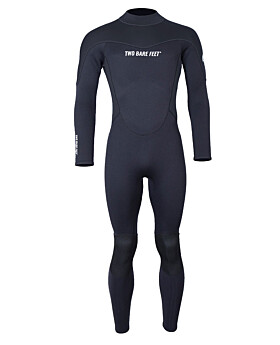
Two Bare Feet Thunderclap 5/4mm Mens Winter Wetsuit (Black)
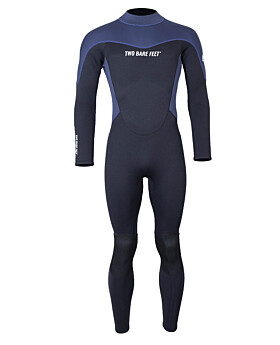
Two Bare Feet Thunderclap 5/4mm Mens Winter Wetsuit (Navy)
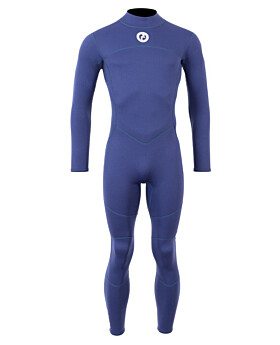
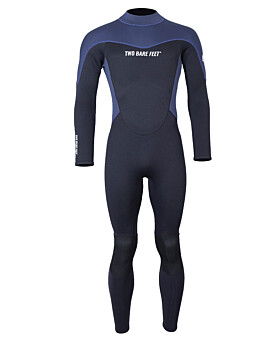
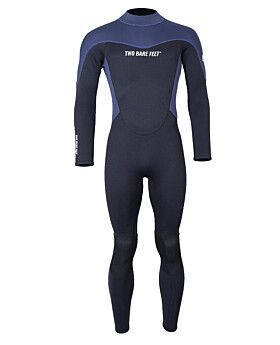
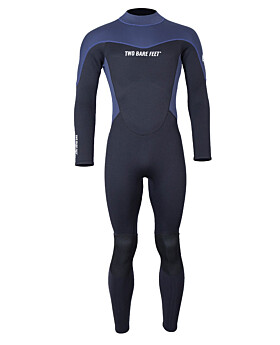
Two Bare Feet Thunderclap 2.5mm Mens Wetsuit (Navy)
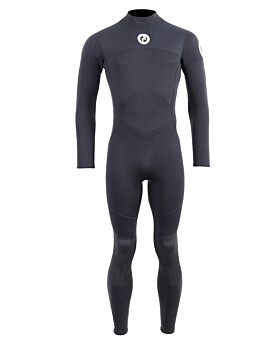
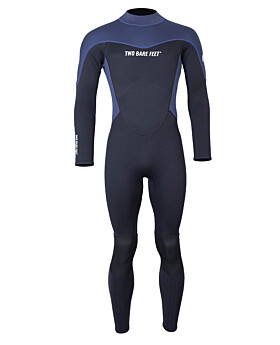
Two Bare Feet Thunderclap 2.5mm Mens Wetsuit (Black)
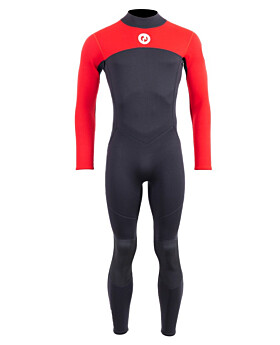
Two Bare Feet Thunderclap 2.5mm Mens Wetsuit (Red / Black)
Two Bare Feet Thunderclap 2.5mm Mens Wetsuit (Blue / Black)
Two Bare Feet Enduro Sleeveless 2.5mm Mens Mesh Surf Suit (Black)
Two Bare Feet Thunderclap 4/3mm Mens Winter Wetsuit (Navy)
Two Bare Feet Thunderclap 4/3mm Mens Winter Wetsuit (Black)
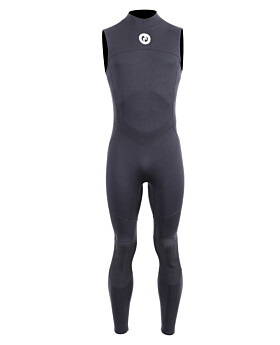
Two Bare Feet Thunderclap 2.5mm Mens Sleeveless Wetsuit (Black)
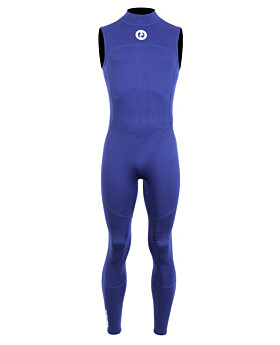
Two Bare Feet Thunderclap 2.5mm Mens Sleeveless Wetsuit (Navy)
Two Bare Feet Thunderclap Pro 3/2mm Mens Wetsuit (Black/Blue)
Two Bare Feet Thunderclap Pro 3/2mm Mens Wetsuit (Black/Delta Grey)
Two Bare Feet Thunderclap Pro 4/3mm Mens Wetsuit (Black/Delta Grey)
Two Bare Feet Thunderclap Pro 4/3mm Mens Wetsuit (Black / Blue)
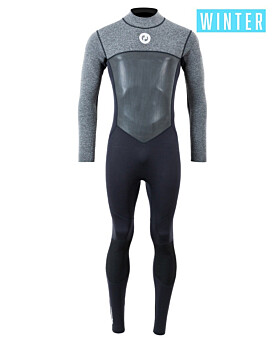
Two Bare Feet Thunderclap Pro 5/4mm Mens Winter Wetsuit (Black / Delta Grey)
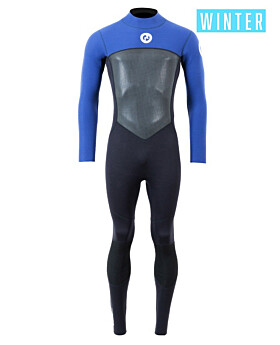
Two Bare Feet Thunderclap Pro 5/4mm Mens Winter Wetsuit (Black / Blue)
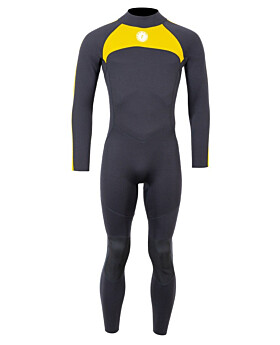
Two Bare Feet Flare 2.5mm Mens Superstretch Full Length Wetsuit (Yellow)
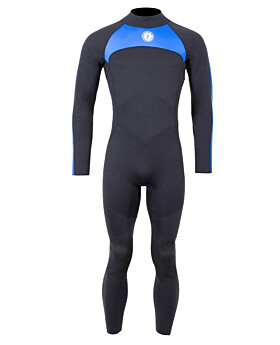
Two Bare Feet Flare 2.5mm Mens Superstretch Full Length Wetsuit (Blue)
Two Bare Feet Thunderclap Pro 3/2mm Mens Wetsuit (Black/Dark Grey)
Two Bare Feet Thunderclap Pro 4/3mm Mens Winter Wetsuit (Black/Dark Grey)
Two Bare Feet Thunderclap Pro 5/4mm Mens Winter Wetsuit (Black/Dark Grey)
Two Bare Feet SupaFlex 3/2mm Mens Wetsuit (Black)
Two Bare Feet SupaFlex 3/2mm Mens Wetsuit (Black)-Small
Two Bare Feet SupaFlex 3/2mm Mens Wetsuit (Black)-Medium
Two Bare Feet SupaFlex 3/2mm Mens Wetsuit (Black)-Large
Two Bare Feet SupaFlex 3/2mm Mens Wetsuit (Black)-XL
Two Bare Feet SupaFlex 3/2mm Mens Wetsuit (Black)-2XL
Two Bare Feet SupaFlex 3/2mm Mens Wetsuit (Navy/Black)
Two Bare Feet SupaFlex 3/2mm Mens Wetsuit (Navy/Black)-Small
Two Bare Feet SupaFlex 3/2mm Mens Wetsuit (Navy/Black)-Medium
Two Bare Feet SupaFlex 3/2mm Mens Wetsuit (Navy/Black)-Large
Two Bare Feet SupaFlex 3/2mm Mens Wetsuit (Navy/Black)-XL
Two Bare Feet SupaFlex 3/2mm Mens Wetsuit (Navy/Black)-2XL
Two Bare Feet SupaFlex 4/3mm Mens Winter Wetsuit (Black)
Two Bare Feet SupaFlex 4/3mm Mens Winter Wetsuit (Black)-Small
Two Bare Feet SupaFlex 4/3mm Mens Winter Wetsuit (Black)-Medium
Two Bare Feet SupaFlex 4/3mm Mens Winter Wetsuit (Black)-Large
Two Bare Feet SupaFlex 4/3mm Mens Winter Wetsuit (Black)-XL
Two Bare Feet SupaFlex 4/3mm Mens Winter Wetsuit (Black)-2XL
Two Bare Feet SupaFlex 4/3mm Mens Winter Wetsuit (Navy/Black)
Two Bare Feet SupaFlex 4/3mm Mens Winter Wetsuit (Navy/Black)-Small
Two Bare Feet SupaFlex 4/3mm Mens Winter Wetsuit (Navy/Black)-Medium
Two Bare Feet SupaFlex 4/3mm Mens Winter Wetsuit (Navy/Black)-Large
Two Bare Feet SupaFlex 4/3mm Mens Winter Wetsuit (Navy/Black)-XL
Two Bare Feet SupaFlex 4/3mm Mens Winter Wetsuit (Navy/Black)-2XL
Two Bare Feet SupaFlex 5/4mm Mens Winter Wetsuit (Black)
Two Bare Feet SupaFlex 5/4mm Mens Winter Wetsuit (Black)-Small
Two Bare Feet SupaFlex 5/4mm Mens Winter Wetsuit (Black)-Medium
Two Bare Feet SupaFlex 5/4mm Mens Winter Wetsuit (Black)-Large
Two Bare Feet SupaFlex 5/4mm Mens Winter Wetsuit (Black)-XL
Two Bare Feet SupaFlex 5/4mm Mens Winter Wetsuit (Black)-2XL
Two Bare Feet SupaFlex 5/4mm Mens Winter Wetsuit (NavyBlack)
Two Bare Feet SupaFlex 5/4mm Mens Winter Wetsuit (NavyBlack)-Small
Two Bare Feet SupaFlex 5/4mm Mens Winter Wetsuit (NavyBlack)-Medium
Two Bare Feet SupaFlex 5/4mm Mens Winter Wetsuit (NavyBlack)-Large
Two Bare Feet SupaFlex 5/4mm Mens Winter Wetsuit (NavyBlack)-XL
Two Bare Feet SupaFlex 5/4mm Mens Winter Wetsuit (NavyBlack)-2XL



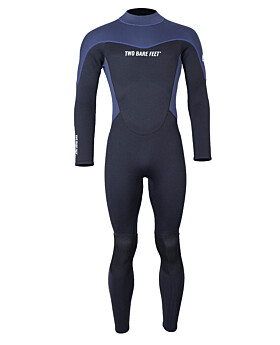
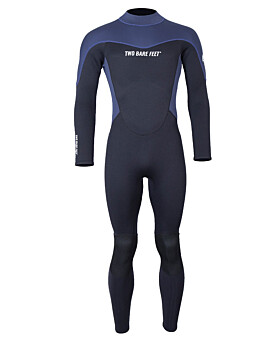
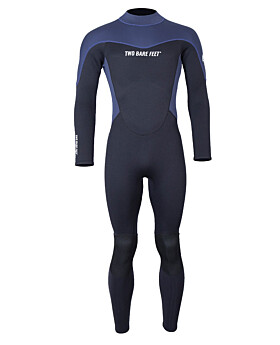
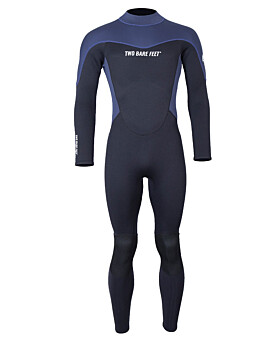




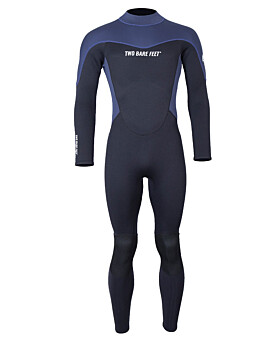
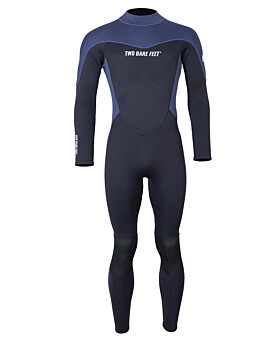
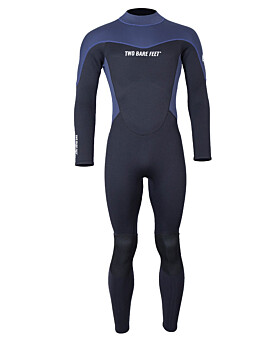
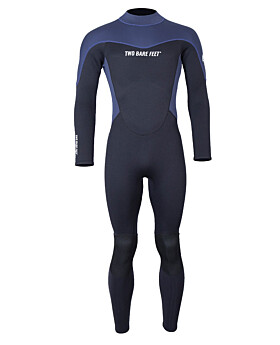
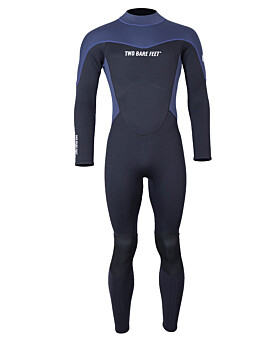
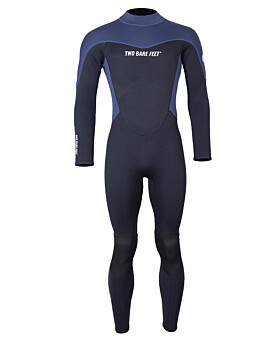
Full suits vs. shorty suits
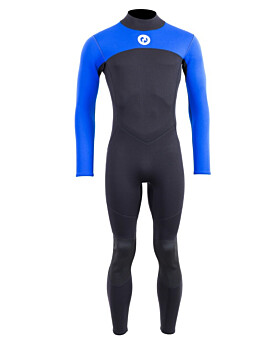
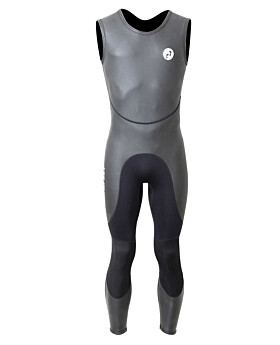
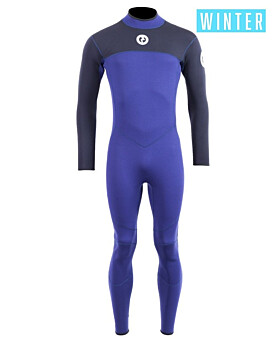
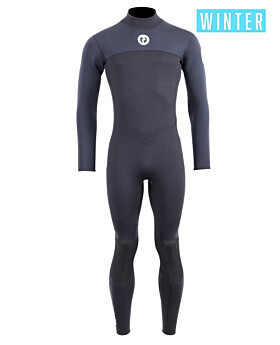
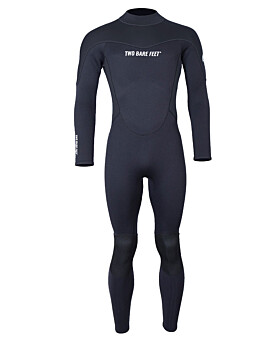
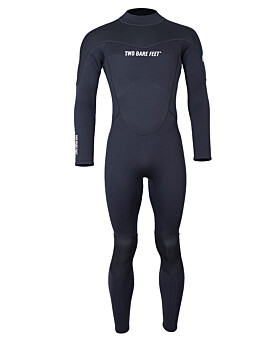
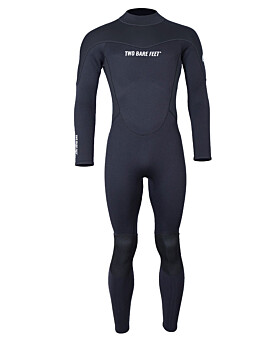
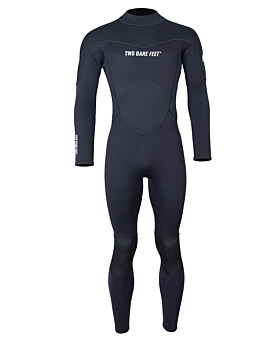
The choice between full-length wetsuits and shorty suits is based on water temperature, activity intensity, and personal preference. Full suits, which cover your arms and legs completely, provide maximum thermal protection and are the standard choice for open water swimming in British conditions throughout most of the year.
Shorty wetsuits, featuring short sleeves and legs that typically end above the elbow and knee respectively, offer greater freedom of movement at the cost of reduced warmth. They excel in warmer conditions, typically when water temperatures exceed 18°C, and are popular for activities where unrestricted arm movement takes priority over thermal protection.
The difference between a swimming wetsuit and a surfing wetsuit becomes relevant here. Surfing wetsuits are designed for extended periods floating or sitting on a board, punctuated by short bursts of paddling and wave riding. Swimming wetsuits, by contrast, must accommodate continuous, repetitive arm rotation for extended periods. This is why swimming wetsuits typically feature thinner, more flexible neoprene around the shoulders and underarms, allowing for a full range of motion without the fatigue that would result from constantly working against resistant material.
Interestingly, Two Bare Feet’s 2mm women’s one-piece wetsuits have developed a dedicated following among open water swimmers who pair them with neoprene gloves and boots for year-round swimming. This combination provides core warmth while leaving the arms and legs free for an unimpeded stroke, with the accessories protecting the extremities where heat loss is most rapid.
The Harmony 2mm Superstretch Neoprene Womens One Piece range exemplifies this approach perfectly. These bathing suit style wetsuits use CR superstretch neoprene that moves with the body during every phase of the stroke, eliminating the restriction that thicker or less flexible suits can create during high-repetition movements. The front zip entry makes the suit quick to get on and off between swims, while the glideskin neck lining sits smooth against the skin to prevent chafing during extended sessions. Inside, a micro-fleece wicking lining draws moisture away from the body and adds a layer of warmth without bulk, and the flatlock stitching with sealed hems reduces water entry at the seams.
-
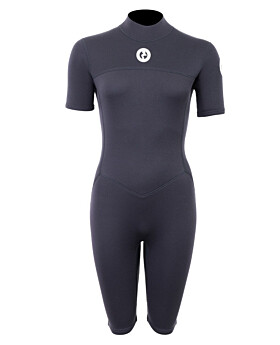
Two Bare Feet Thunderclap 2.5mm Womens Shorty Wetsuit (Black)
As low as £29.99 Regular Price £39.99 -

Two Bare Feet Thunderclap 2.5mm Womens Shorty Wetsuit (Navy)
As low as £29.99 Regular Price £39.99 -

Two Bare Feet Thunderclap 2.5mm Womens Shorty Wetsuit (Aqua)
As low as £29.99 Regular Price £39.99 -
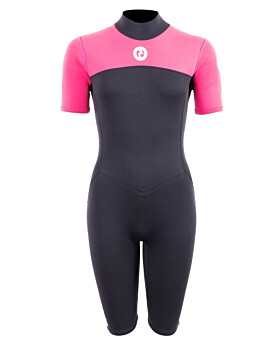
Two Bare Feet Thunderclap 2.5mm Womens Shorty Wetsuit (Pink)
As low as £29.99 Regular Price £39.99
Entry systems: back zip vs. front zip
Wetsuits typically feature one of two zip configurations: back zip or front zip. Each design offers distinct advantages and trade-offs.
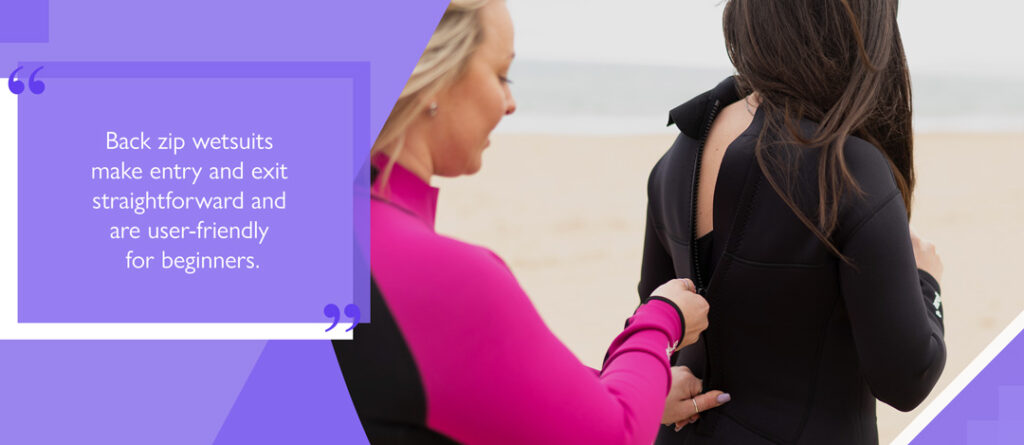
Back zip wetsuits feature a long zip running vertically down the spine, often with a cord or toggle that allows you to reach behind and pull the zip up or down unassisted. This design makes entry and exit straightforward and is generally considered the user-friendly option for beginners. The wide opening created when the zip is fully undone allows you to step into the suit easily. The Thunderclap range from Two Bare Feet utilises this back zip entry with an ergonomic panel layout designed to maximise comfort while maintaining a secure closure.
Front entry systems vary by sport. Vertical front zips, common in diving and recreational swimming, function much like a jacket: you step into the suit, insert your arms, and simply zip up from the waist to the neck. This offers the easiest entry of all styles.
Chest zips (a specific variation popular in surfing) feature a shorter horizontal zip across the upper chest. For these, you step into the suit and pull a neck flap over your head before fastening the zip. This design creates a superior watertight seal and better flexibility across the shoulders, but requires more effort to put on than a vertical zip.
For swimmers who change alone, a vertical front zip or a back zip is typically more practical. The ability to independently zip your suit without contortion is valuable when changing in a car park after a cold swim. For surfers concerned about minimising water flush and maximising flexibility, the horizontal chest zip may offer performance advantages, though for most recreational swimmers, the ease of a standard back or vertical front zip is often preferred.
4. Putting on a wetsuit with ease
The process of donning a wetsuit can be surprisingly exhausting if approached incorrectly. Many swimmers arrive at their swimming location already feeling fatigued simply from the struggle of getting into their suit. With proper technique, however, the process becomes more manageable.
The plastic bag technique
One of the most effective methods for easing wetsuit entry involves nothing more sophisticated than a plastic carrier bag. Place the bag over your foot before inserting it into the wetsuit leg. The slick surface of the plastic allows your foot to slide through the neoprene with minimal friction, gliding past the narrow ankle section that often causes difficulty. Once your foot is through, simply remove the bag and repeat the process with your other foot and, if necessary, your hands when pulling on the sleeves.
This technique is particularly valuable when the suit is slightly damp from previous use, which significantly increases the friction between skin and neoprene. Some swimmers keep a dedicated pair of thin cotton socks specifically for this purpose, finding them easier to manipulate than a plastic bag.
The “inch-by-inch” rule
Perhaps the most common mistake when putting on a wetsuit is failing to pull the material fully up the legs before attempting to bring it over the torso. If you leave excess material bunched around your calves or thighs, this shortage will manifest as tightness and restriction around your shoulders and chest.
Work the suit up your legs gradually, smoothing the neoprene and ensuring it sits flush against your skin at each stage. Pay particular attention to pulling the suit fully into your crotch area; if there is any gap or sagging here, you will lack the material length needed for comfortable shoulder movement. Only once the lower portion of the suit is correctly positioned should you begin working your arms into the sleeves.
When pulling the suit over your torso and into the sleeves, continue using the same incremental approach. Work the neoprene up gradually, smoothing it against your body rather than yanking it aggressively. Aggressive pulling can stretch the seams and eventually damage the suit. Patient, incremental positioning results in a better fit and longer garment life.
Protecting the neoprene
Neoprene, while durable, can be damaged by fingernails during the donning process. The smooth outer skin of quality wetsuits is vulnerable to nicks and tears caused by gripping the material too forcefully with your fingernails. When pulling on your suit, use the pads of your fingers rather than pinching with your nails. Some swimmers find that keeping their fingernails trimmed short during swimming season helps prevent accidental damage.
If you do accidentally damage your wetsuit, small nicks can often be repaired using specialist neoprene glue or wetsuit repair adhesive. Attending to small tears promptly prevents them from expanding into larger problems that might require professional repair or render the suit unwearable.
5. How a wetsuit changes your swim
Swimming in a wetsuit requires certain adjustments to your stroke mechanics. The altered buoyancy and the different body position in the water mean that techniques optimised for pool swimming may not translate directly.
An increase in buoyancy
One of the most significant effects of wearing a wetsuit is the lift it provides to your hips and legs. Many swimmers, particularly those who are less naturally buoyant or who have a strong running background with dense leg muscles, swim in a position where their legs hang relatively low in the water. This creates drag that slows forward progress and requires considerable energy expenditure just to maintain a horizontal position.
A wetsuit essentially eliminates this problem. The buoyancy of the neoprene, particularly around the lower body, lifts your legs toward the surface. This creates what many swimmers describe as a “downhill” sensation, as though you are swimming on a gentle decline. Your body naturally assumes a more streamlined position without conscious effort.
This means you can significantly reduce the intensity of your kick. In pool swimming, a strong flutter kick helps maintain body position and contributes to propulsion. In wetsuit swimming, the suit handles much of the positional work, freeing you to use a gentler two-beat kick primarily for balance and timing rather than lift. This conserves energy in your legs, which for triathletes translates to fresher limbs for the cycling and running that follow.
Stroke rate and reach
The neoprene around your shoulders, however thin, does create some resistance to the rotation required for an efficient front crawl stroke. You may find that the extent of your reach feels slightly reduced, and that rotating from your hips through your shoulders requires marginally more effort than it does in swimwear alone.
Some swim coaches recommend adapting to this by slightly increasing your stroke rate while swimming in a wetsuit. Rather than attempting to fight against the resistance to maintain a long, slow stroke, accepting a somewhat shorter reach and compensating with increased cadence often proves more efficient. The added buoyancy assists with this higher turnover rate by keeping you in a position where less energy is wasted on correcting body position between strokes.
Some swimmers also find that consciously focusing on body roll helps counteract the suit’s tendency to dampen rotation. Exaggerating the hip rotation that initiates each stroke helps maintain an efficient catch and pull even through the slight restriction of the neoprene.
Sighting in a suit
Open water swimming requires regular observation of the destination to maintain direction, and the buoyancy provided by a wetsuit assists with this. The “crocodile eyes” sighting technique, where you lift just your eyes above the water surface to glimpse your target before dropping your head back into swimming position, becomes easier when your body is riding higher in the water.
The increased buoyancy means less effort needed to lift your head, and the momentary disruption to your body position causes less deceleration than it would without a suit. This makes maintaining efficient navigation easier for wetsuit swimmers, particularly over longer distances where consistent sighting could affect overall pace.
6. Common wetsuit issues (and how to solve them)
Even a well-fitted, high-quality wetsuit can cause discomfort if certain preventative measures are not taken. Understanding the common sources of wetsuit-related irritation and how to address them will significantly improve your swimming experience.
Wetsuit chafing
The repetitive motion of turning your head to breathe creates constant friction between your skin and the neoprene collar around the neck. Over the course of a swim lasting thirty minutes or more, this friction can produce painful raw patches that take days to heal.
The solution lies in lubrication. Before putting on your wetsuit, apply a generous amount of anti-chafe balm to your neck, covering the entire area that will contact the suit. Products specifically designed for swimmers or specialist wetsuit lubricants work well and are formulated not to damage neoprene. Avoid petroleum jelly (Vaseline) as a lubricant, as it can degrade the neoprene over time, shortening the life of your suit.
Other high-friction zones that benefit from pre-swim lubrication include the armpits, where your arm rotates against your body during each stroke, and the wrists and ankles, where applying lubricant also assists with post-swim removal of the suit. Some swimmers with particularly sensitive skin find that wearing a rash vest underneath their wetsuit provides an additional layer of protection against chafing.
Preventing the flush
The “flush” refers to the rush of cold water that enters your wetsuit when you first enter the water or during swimming. While some water entry is normal and necessary for the suit to function, excessive flushing significantly reduces warmth and comfort.
Minimising flush begins with correct suit fit, as mentioned earlier. In addition, ensure your zip is fully closed and any Velcro neck closure is properly secured before entering the water. Some swimmers find that entering the water gradually, allowing their body temperature to warm the initial water layer before fully submerging, results in a more comfortable start to their swim than diving straight in.
Your posture upon entry also affects flushing. Entering the water while hunched forward opens the neck seal and allows a large volume of cold water to rush down your back. Standing relatively upright as you wade in keeps the suit sealed more effectively until you are ready to begin swimming.
Releasing trapped air and settling the suit
Despite your best efforts, air bubbles can occasionally become trapped inside your wetsuit during entry. This trapped air can create uncomfortable bulges or make the suit feel loose and buoyant in unexpected places.
To fix this, you can settle the suit once you are in the water. After swimming a few strokes, pause and tread water. Reach up to your neck seal and gently pull it away from your skin for a second. This allows a small amount of water to enter the suit, which displaces the trapped air bubbles and lubricates the neoprene. You will feel the suit slide into place and conform more closely to your body (“shrink-wrap” effect) as the air escapes and is replaced by the thin layer of water necessary for thermal insulation.
7. Layering in colder conditions
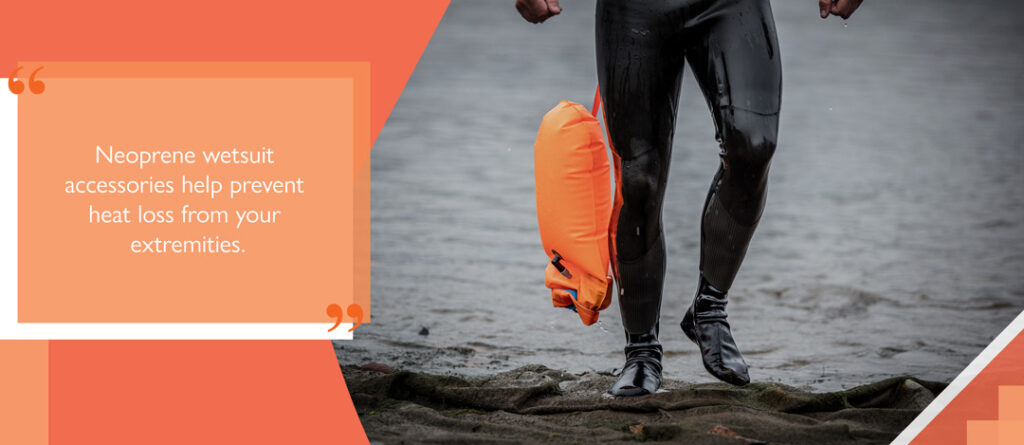
For swimmers wishing to extend their season beyond the warmest summer months, wetsuit accessories become essential complements to the main suit. The extremities lose heat rapidly, and protecting them effectively can make the difference between an enjoyable swim and a miserably cold one.
-
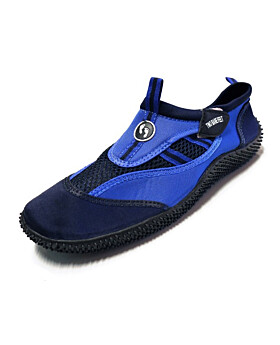
Adults Aqua Shoes (Royal Blue)
As low as £7.99 Regular Price £12.99 -
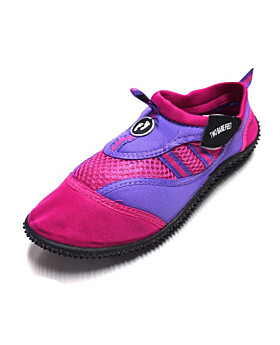
Adults Aqua Shoes (Raspberry/Lilac)
As low as £7.99 Regular Price £12.99 -
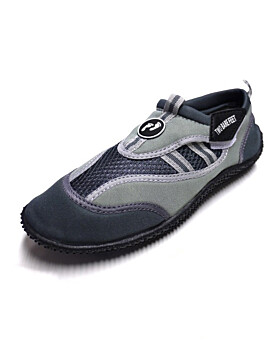
Junior Aqua Shoes (Black/Grey)
As low as £5.99 Regular Price £9.99 -
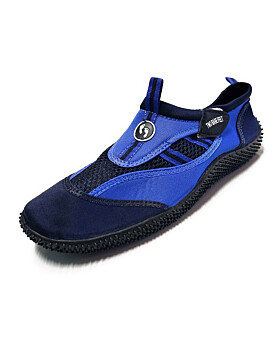
Junior Aqua Shoes (Royal Blue)
As low as £5.99 Regular Price £9.99 -
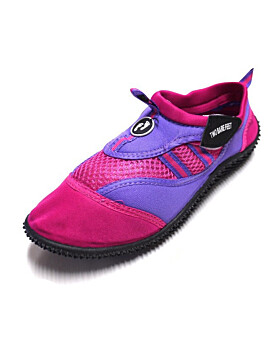
Junior Aqua Shoes (Raspberry/Lilac)
As low as £5.99 Regular Price £9.99 -
 £14.99
 -
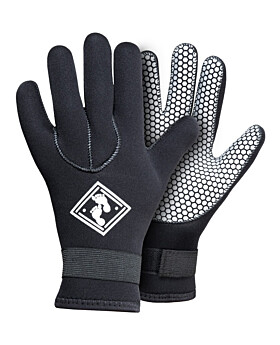
Two Bare Feet Adults 3mm Neoprene Gloves
As low as £14.99 Regular Price £17.99 -
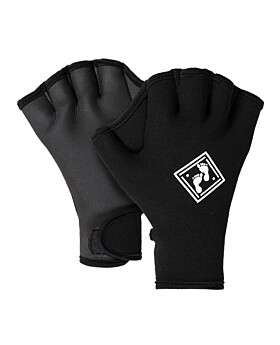
Two Bare Feet Power Swim Training 3mm Webbed Gloves
As low as £5.99 Regular Price £11.99 -
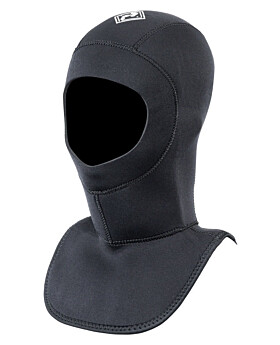
Neoprene 5mm Wetsuit Diving / Surf Hood
As low as £14.99 Regular Price £22.99 -
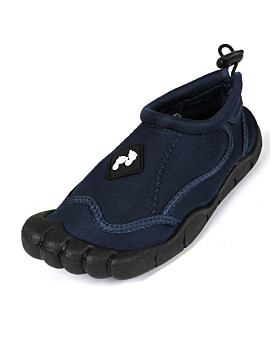
Rubber Toes Junior Aqua Shoes (Navy)
As low as £4.99 Regular Price £9.99 -
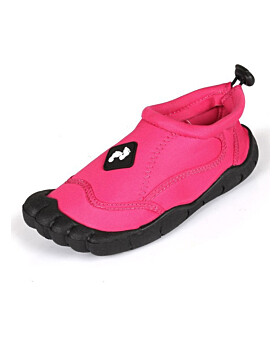
Rubber Toes Junior Aqua Shoes (Raspberry)
As low as £4.99 Regular Price £9.99 -
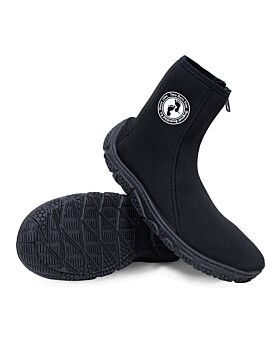
Neoprene Zipped Adults Wetsuit Boots (Black)
£14.99 -
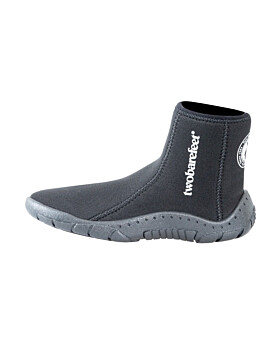
Neoprene Zipped Junior Wetsuit Aqua Boots (Black)
£12.99 -
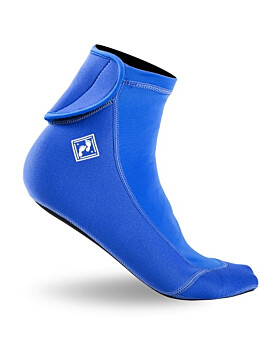
Watersports Comfort Flex Socks (Blue)
£9.99 -
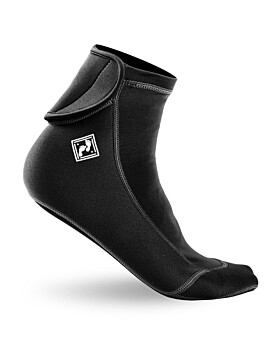
Watersports Comfort Flex Socks (Black)
£9.99 -
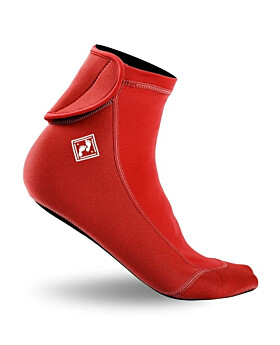
Watersports Comfort Flex Socks (Red)
£9.99 -
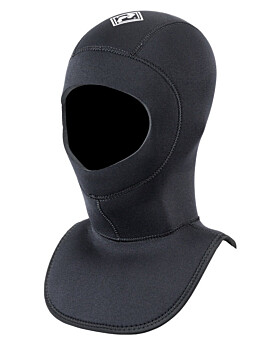
Neoprene 7mm Wetsuit Diving Hood
As low as £15.99 Regular Price £22.99 -

Two Bare Feet Cliff Jump Adults Aqua Shoes (Blue / Yellow)
As low as £7.99 Regular Price £12.99 -
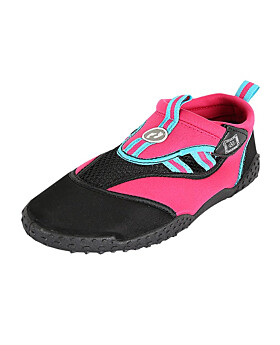
Two Bare Feet Cliff Jump Adults Aqua Shoes (Pink / Aqua)
As low as £7.99 Regular Price £12.99 -
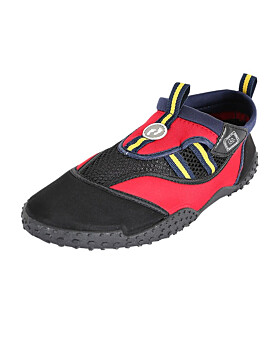
Two Bare Feet Cliff Jump Adults Aqua Shoes (Red / Yellow)
As low as £7.99 Regular Price £12.99 -

Two Bare Feet Adults Cliff Jump Aqua Shoes (Red)
Special Price £7.99 Regular Price £12.99 -
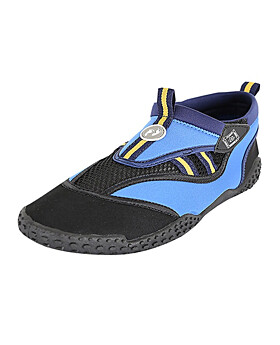
Two Bare Feet Cliff Jump Junior Aqua Shoes (Blue / Yellow)
£5.99 -

Two Bare Feet Cliff Jump Junior Aqua Shoes (Pink / Aqua)
£5.99 -
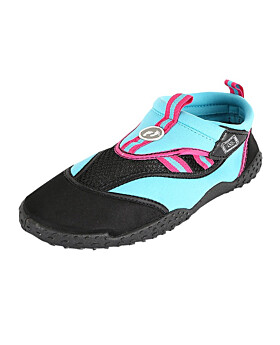
Two Bare Feet Cliff Jump Junior Aqua Shoes (Aqua / Pink)
£5.99 -

Two Bare Feet Cliff Jump Junior Aqua Shoes (Red / Yellow)
£5.99 -
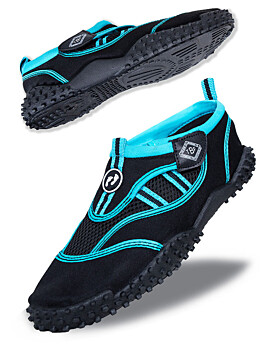
Two Bare Feet Rockpool Junior Aqua Shoes (Aqua)
£5.99 -
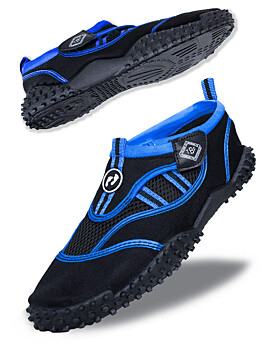
Two Bare Feet Rockpool Junior Aqua Shoes (Blue)
£5.99 -
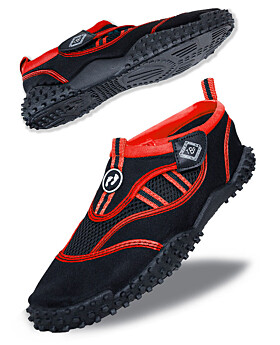
Two Bare Feet Rockpool Junior Aqua Shoes (Red)
£5.99 -
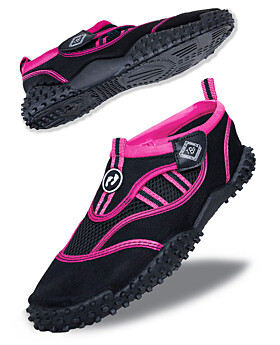
Two Bare Feet Rockpool Junior Aqua Shoes (Pink)
£5.99 -
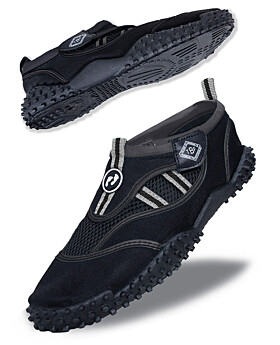
Two Bare Feet Rockpool Junior Aqua Shoes (Black)
£5.99 -
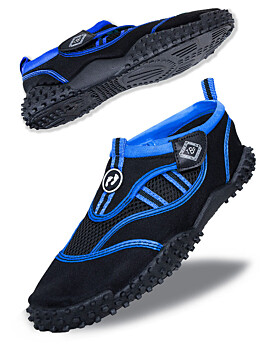
Two Bare Feet Rockpool Adults Aqua Shoes (Blue)
£7.99 -
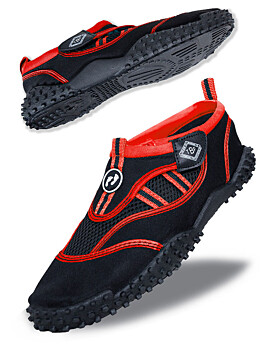
Two Bare Feet Rockpool Adults Aqua Shoes (Red)
£7.99 -
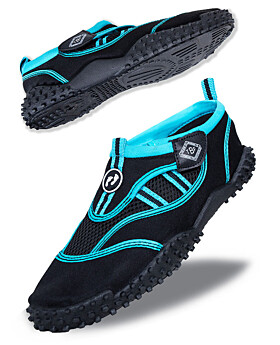
Two Bare Feet Rockpool Adults Aqua Shoes (Aqua)
£7.99 -
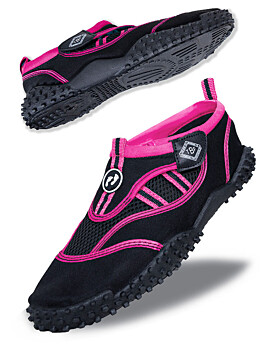
Two Bare Feet Rockpool Adults Aqua Shoes (Pink)
£7.99 -
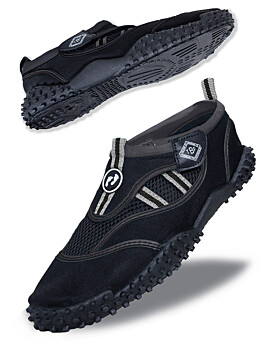
Two Bare Feet Rockpool Adults Aqua Shoes (Black)
£7.99 -
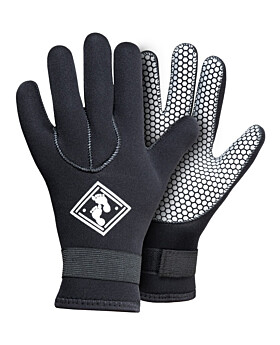
Two Bare Feet Adults 5mm Neoprene Gloves
As low as £15.99 Regular Price £18.99 -
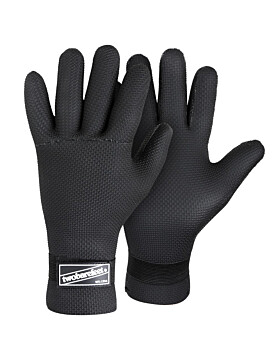
Two Bare Feet Adults 5mm Waffle Mesh Neoprene Gloves
£16.99 -
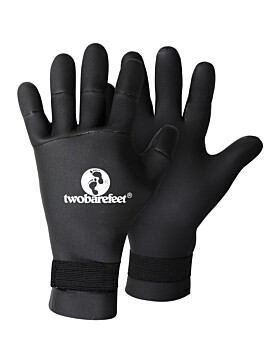
Two Bare Feet Adults 3mm Mesh Neoprene Gloves
£16.99 -
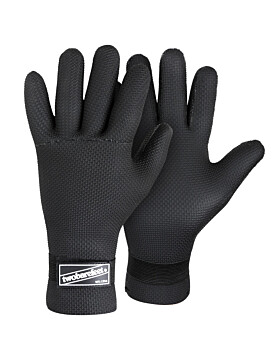
Two Bare Feet Adults 3mm Waffle Mesh Neoprene Gloves
£16.99 -
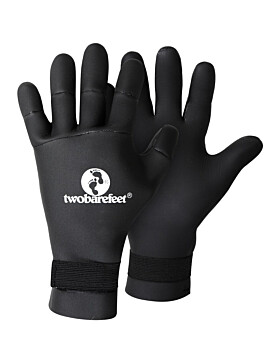
Two Bare Feet Adults 5mm Mesh Neoprene Gloves
£16.99 -
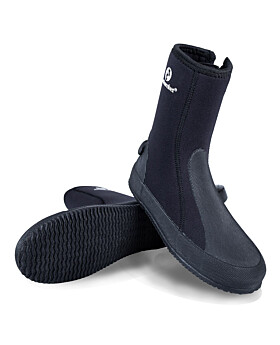
Two Bare Feet 5mm Neoprene Diving Boots (6015)
£29.99 -
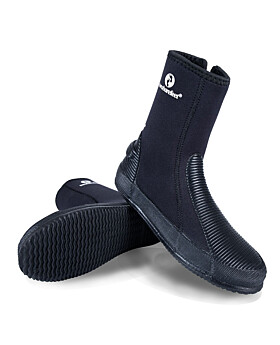
Two Bare Feet 5mm Neoprene Diving Boots (6024)
£29.99 -
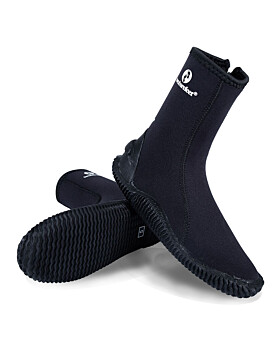
Two Bare Feet 5mm Neoprene Diving / Surf Boots (6025)
As low as £29.99 Regular Price £39.99 -

Two Bare Feet 5mm Neoprene Diving / Surf Boots (001)
£29.99 -
 £15.99
 -
 £15.99
 -
Two Bare Feet Adults 2.5mm Superstretch Neoprene Gloves
As low as £19.99 Regular Price £23.99 -
Two Bare Feet 3mm Glideskin Neoprene Chinstrap Watersports Hood
As low as £15.99 Regular Price £19.99 -

Two Bare Feet Junior 2.5mm Superstretch Neoprene Gloves
£15.99 -

Two Bare Feet 5mm Surf Boots (Black)
£24.99 -
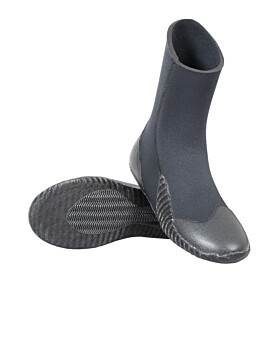
Two Bare Feet 7mm Surf Boots (Black)
£25.99 -
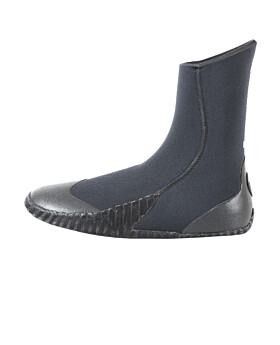
Two Bare Feet 7mm Surf Boots (Black)-UK 2
£25.99 -

Two Bare Feet 7mm Surf Boots (Black)-UK 3
£25.99 -

Two Bare Feet 7mm Surf Boots (Black)-UK 4
£25.99 -

Two Bare Feet 7mm Surf Boots (Black)-UK 5
£25.99 -

Two Bare Feet 7mm Surf Boots (Black)-UK 6
£25.99 -
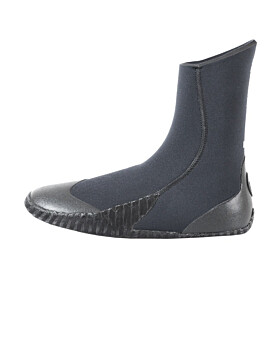
Two Bare Feet 7mm Surf Boots (Black)-UK 7
£25.99 -

Two Bare Feet 7mm Surf Boots (Black)-UK 8
£25.99 -

Two Bare Feet 7mm Surf Boots (Black)-UK 9
£25.99 -

Two Bare Feet 7mm Surf Boots (Black)-UK 10
£25.99 -

Two Bare Feet 7mm Surf Boots (Black)-UK 11
£25.99 -

Two Bare Feet 7mm Surf Boots (Black)-UK 12
£25.99 -

Neoprene Zipped Junior Wetsuit Aqua Boots (Black)-C7
£12.99 -

Neoprene Zipped Junior Wetsuit Aqua Boots (Black)-C8
£12.99 -

Neoprene Zipped Junior Wetsuit Aqua Boots (Black)-C9
£12.99 -

Neoprene Zipped Junior Wetsuit Aqua Boots (Black)-C10
£12.99 -

Neoprene Zipped Junior Wetsuit Aqua Boots (Black)-C13
£12.99 -

Neoprene Zipped Junior Wetsuit Aqua Boots (Black)-UK 1
£12.99 -

Neoprene Zipped Junior Wetsuit Aqua Boots (Black)-UK 2
£12.99 -
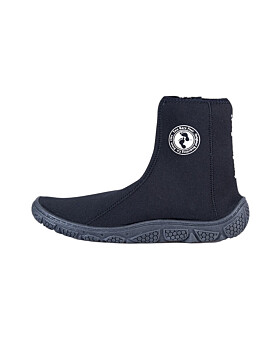
Neoprene Zipped Junior Wetsuit Aqua Boots (Black)-UK 3
£12.99 -
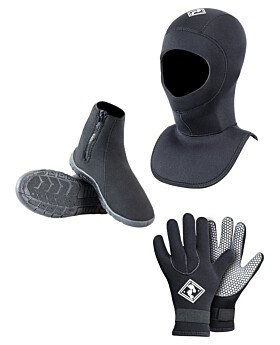
Neoprene Wetsuit Set - Gloves, Boots & Hood Set
From £40.47 Regular Price £55.97
To £42.27 Regular Price £56.97
-
Two Bare Feet 3mm Glideskin Neoprene Chinstrap Watersports Hood-Large
Special Price £15.99 Regular Price £19.99 -
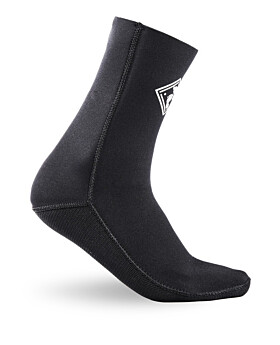
Neoprene 2.5mm Wetsuit Socks-Small
£14.99 -
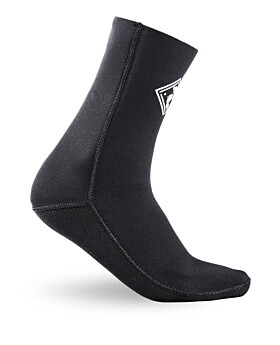
Neoprene 2.5mm Wetsuit Socks-Medium
£14.99 -
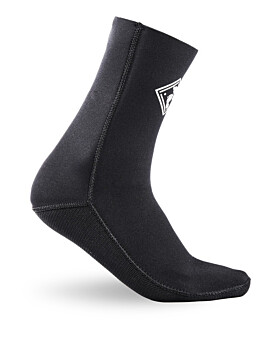
Neoprene 2.5mm Wetsuit Socks-Large
£14.99 -
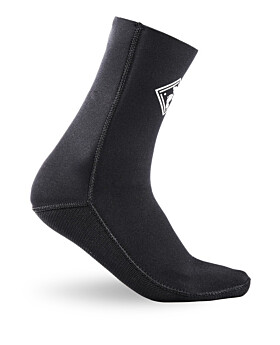
Neoprene 2.5mm Wetsuit Socks-XL
£14.99 -
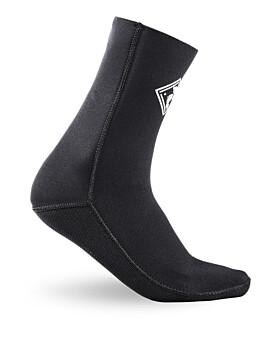
Neoprene 2.5mm Wetsuit Socks-2XL
£14.99 -
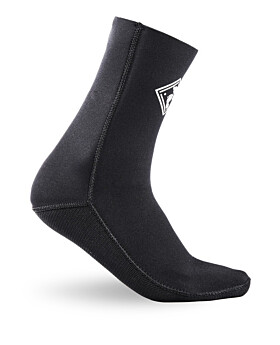
Neoprene 2.5mm Wetsuit Socks-3XL
£14.99 -
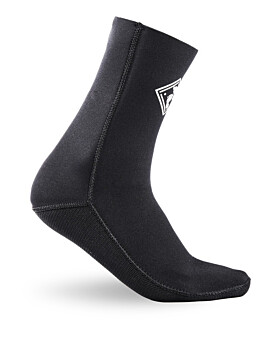
Neoprene 5mm Wetsuit Socks-Small
£15.99 -

Neoprene 5mm Wetsuit Socks-Medium
£15.99 -
Neoprene 5mm Wetsuit Socks-Large
£15.99 -
 £15.99
 -
Neoprene 5mm Wetsuit Socks-2XL
£15.99 -
Neoprene 5mm Wetsuit Socks-3XL
£15.99 -
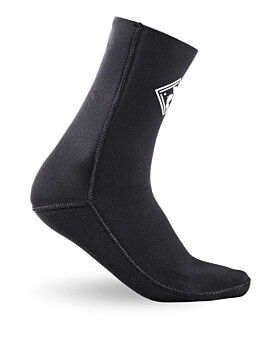
Neoprene 7mm Wetsuit Socks-Small
£15.99 -
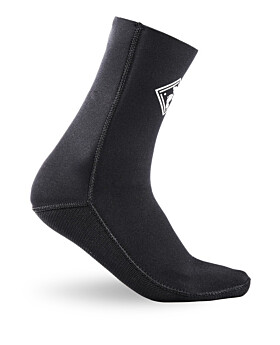
Neoprene 7mm Wetsuit Socks-Medium
£15.99 -
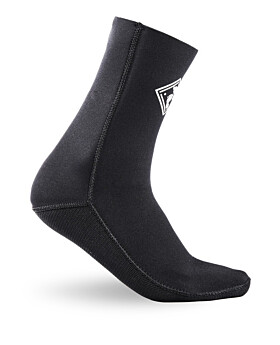
Neoprene 7mm Wetsuit Socks-Large
£15.99 -
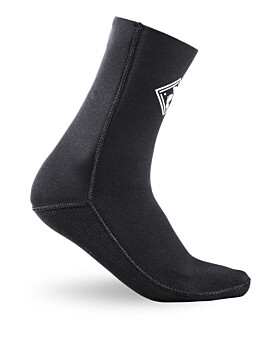 £15.99
 -
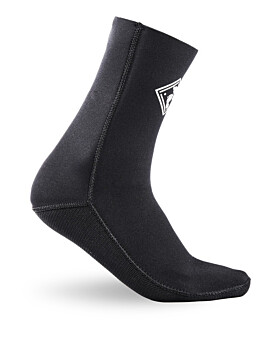
Neoprene 7mm Wetsuit Socks-2XL
£15.99 -
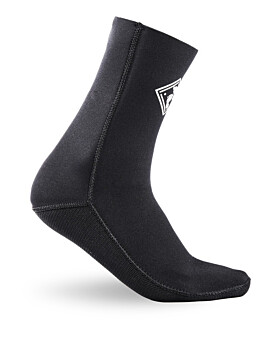
Neoprene 7mm Wetsuit Socks-3XL
£15.99 -
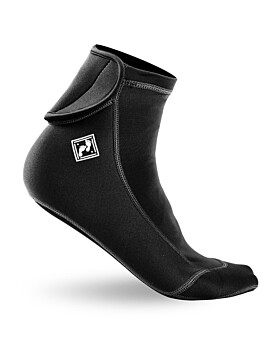
Watersports Comfort Flex Socks (Black)-Small
£9.99 -
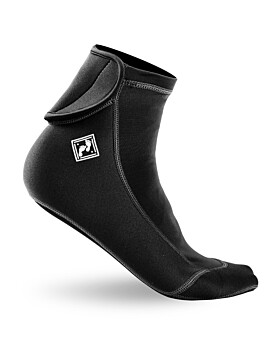
Watersports Comfort Flex Socks (Black)-XL
£9.99 -
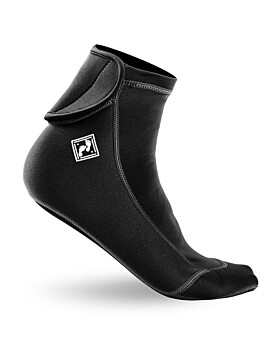
Watersports Comfort Flex Socks (Black)-2XL
£9.99 -
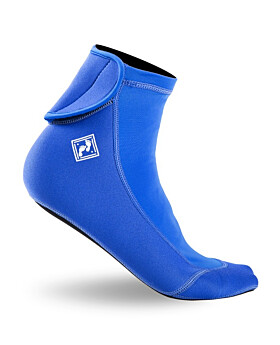
Watersports Comfort Flex Socks (Blue)-Small
£9.99 -

Watersports Comfort Flex Socks (Blue)-Medium
£9.99 -
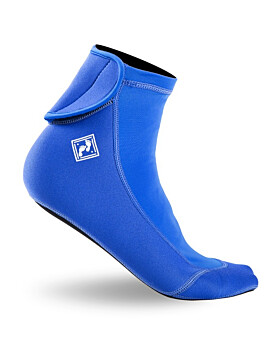
Watersports Comfort Flex Socks (Blue)-Large
£9.99 -
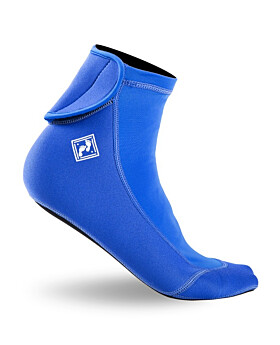
Watersports Comfort Flex Socks (Blue)-XL
£9.99 -
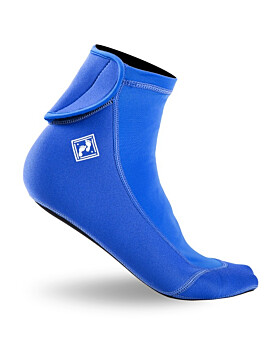
Watersports Comfort Flex Socks (Blue)-2XL
£9.99 -
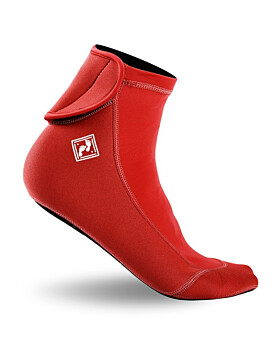
Watersports Comfort Flex Socks (Red)-Small
£9.99 -
Watersports Comfort Flex Socks (Red)-Large
£9.99 -
Watersports Comfort Flex Socks (Red)-XL
£9.99 -
Watersports Comfort Flex Socks (Red)-2XL
£9.99 -
Two Bare Feet Adults 2.5mm Superstretch Neoprene Gloves-XL
Special Price £19.99 Regular Price £23.99 -
Two Bare Feet 5mm Neoprene Diving / Surf Boots (001)-UK 4
£29.99 -

Two Bare Feet 5mm Neoprene Diving / Surf Boots (001)-UK 5
£29.99 -
Two Bare Feet 5mm Neoprene Diving Boots (6024)-UK 4
£29.99 -

Two Bare Feet 5mm Neoprene Diving Boots (6024)-UK 5
£29.99 -
Two Bare Feet 5mm Neoprene Diving Boots (6015)-UK 4
£29.99 -
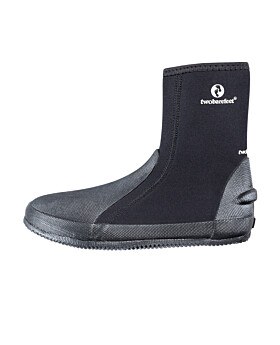
Two Bare Feet 5mm Neoprene Diving Boots (6015)-UK 5
£29.99 -
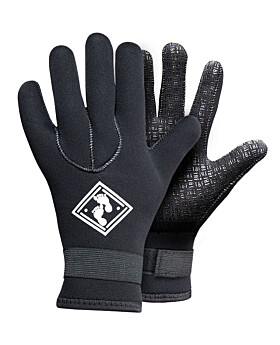
TBF Print Adults 5mm Neoprene Gloves
£16.99 -
TBF Print Adults 5mm Neoprene Gloves-XS
£16.99 -
TBF Print Adults 5mm Neoprene Gloves-Small
£16.99 -
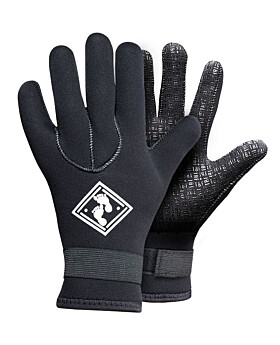
TBF Print Adults 5mm Neoprene Gloves-Medium
£16.99 -
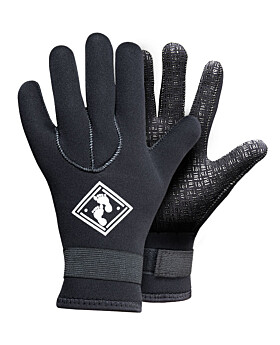
TBF Print Adults 5mm Neoprene Gloves-Large
£16.99 -
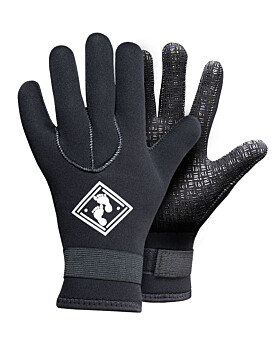
TBF Print Adults 5mm Neoprene Gloves-XL
£16.99 -
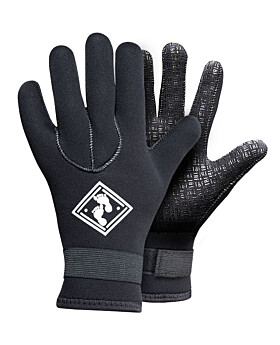
TBF Print Adults 5mm Neoprene Gloves-2XL
£16.99 -
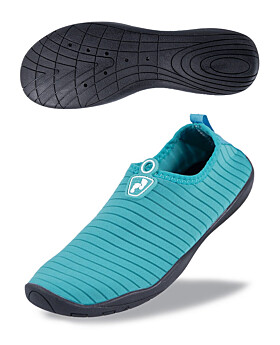
Two Bare Feet Slip On Adults Aqua Shoes (Teal)
£8.99 -
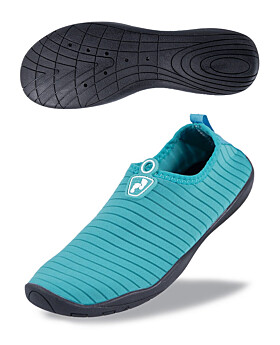
Two Bare Feet Slip On Adults Aqua Shoes (Teal)-UK 4
£8.99 -
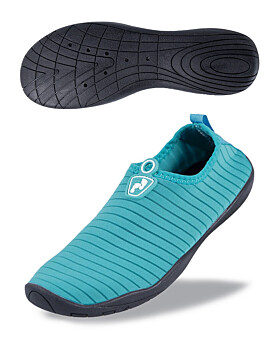
Two Bare Feet Slip On Adults Aqua Shoes (Teal)-UK 5
£8.99 -
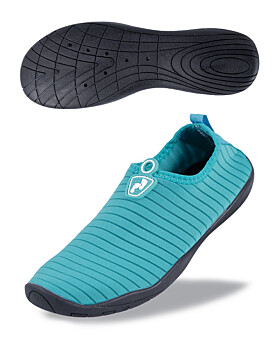
Two Bare Feet Slip On Adults Aqua Shoes (Teal)-UK 6
£8.99 -
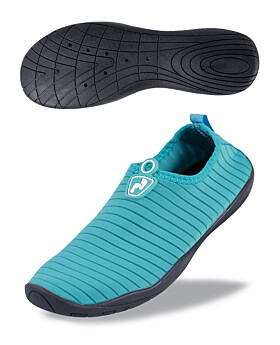
Two Bare Feet Slip On Adults Aqua Shoes (Teal)-UK 7
£8.99 -
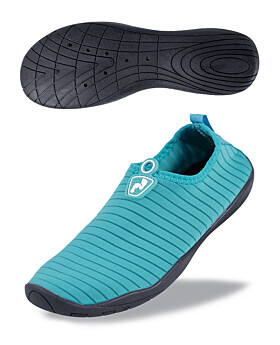
Two Bare Feet Slip On Adults Aqua Shoes (Teal)-UK 8
£8.99 -
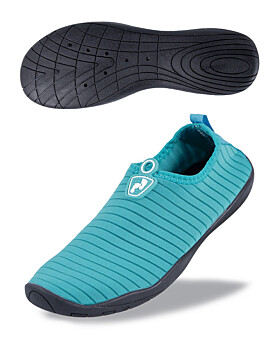
Two Bare Feet Slip On Junior Aqua Shoes (Teal)
£7.99 -
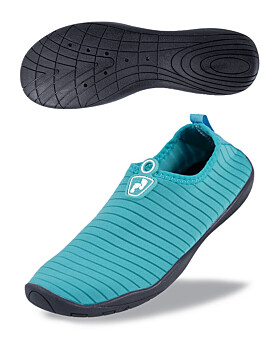
Two Bare Feet Slip On Junior Aqua Shoes (Teal)-C13
£7.99 -
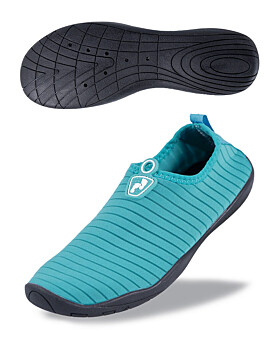
Two Bare Feet Slip On Junior Aqua Shoes (Teal)-UK 1
£7.99 -
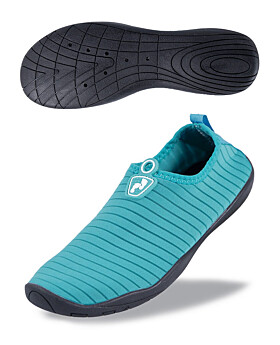
Two Bare Feet Slip On Junior Aqua Shoes (Teal)-UK 2
£7.99 -
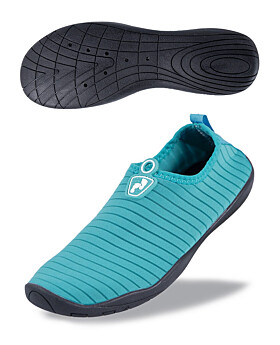
Two Bare Feet Slip On Junior Aqua Shoes (Teal)-UK 3
£7.99 -
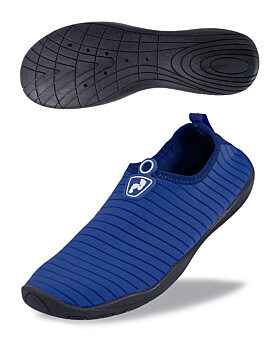
Two Bare Feet Slip On Adults Aqua Shoes (Navy)
£8.99 -
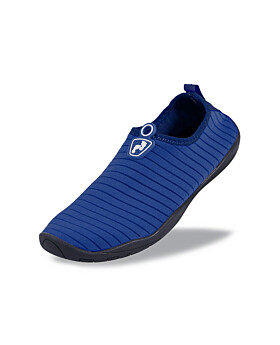
Two Bare Feet Slip On Adults Aqua Shoes (Navy)-UK 4
£8.99 -
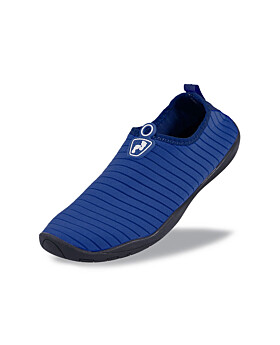
Two Bare Feet Slip On Adults Aqua Shoes (Navy)-UK 5
£8.99 -
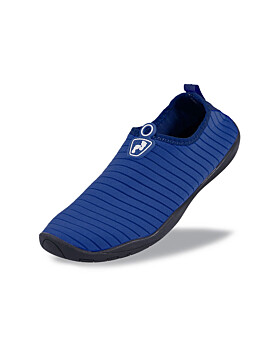
Two Bare Feet Slip On Adults Aqua Shoes (Navy)-UK 6
£8.99 -
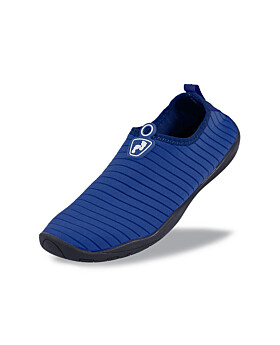
Two Bare Feet Slip On Adults Aqua Shoes (Navy)-UK 7
£8.99 -
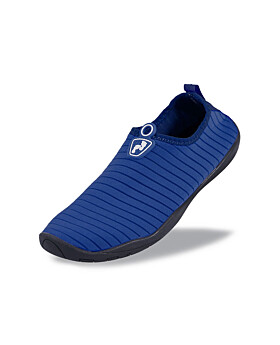
Two Bare Feet Slip On Adults Aqua Shoes (Navy)-UK 8
£8.99 -
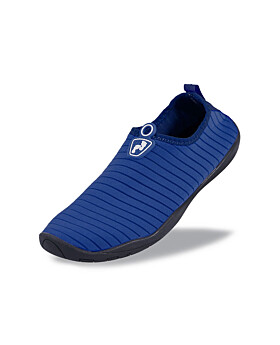
Two Bare Feet Slip On Adults Aqua Shoes (Navy)-UK 9
£8.99 -
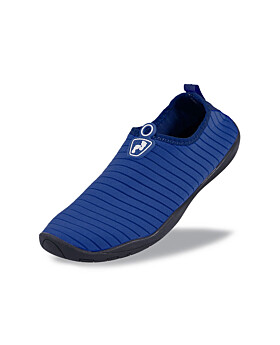
Two Bare Feet Slip On Adults Aqua Shoes (Navy)-UK 10
£8.99 -
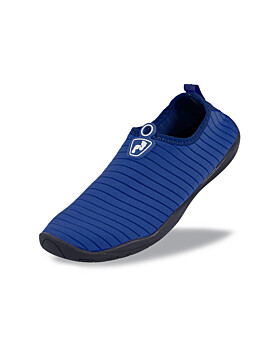
Two Bare Feet Slip On Adults Aqua Shoes (Navy)-UK 11
£8.99 -
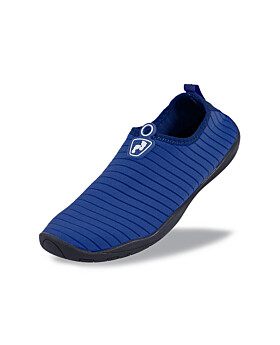
Two Bare Feet Slip On Adults Aqua Shoes (Navy)-UK 12
£8.99 -
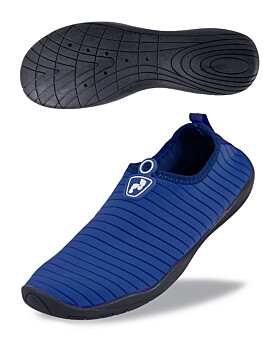
Two Bare Feet Slip On Junior Aqua Shoes (Navy)
£7.99 -
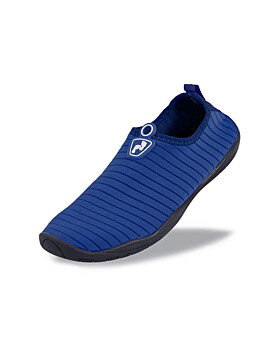
Two Bare Feet Slip On Junior Aqua Shoes (Navy)-C13
£7.99 -
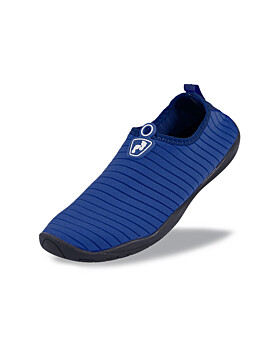
Two Bare Feet Slip On Junior Aqua Shoes (Navy)-UK 1
£7.99 -
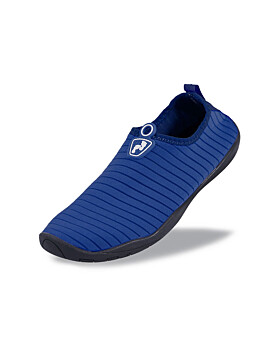
Two Bare Feet Slip On Junior Aqua Shoes (Navy)-UK 2
£7.99 -
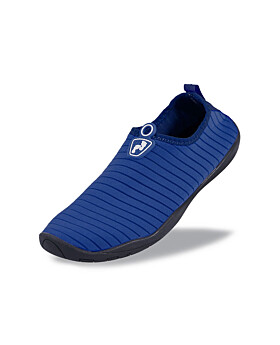
Two Bare Feet Slip On Junior Aqua Shoes (Navy)-UK 3
£7.99 -
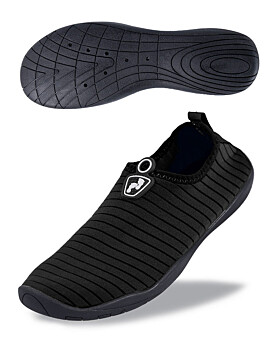
Two Bare Feet Slip On Adults Aqua Shoes (Black)
£8.99 -
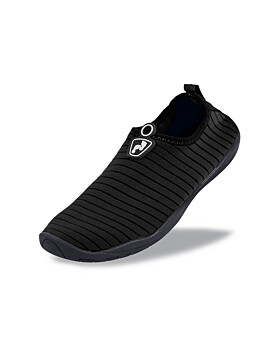
Two Bare Feet Slip On Adults Aqua Shoes (Black)-UK 4
£8.99 -
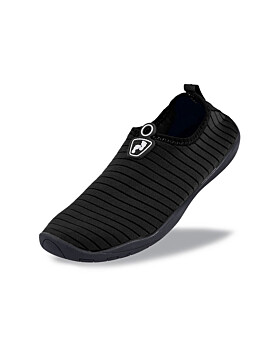
Two Bare Feet Slip On Adults Aqua Shoes (Black)-UK 5
£8.99 -
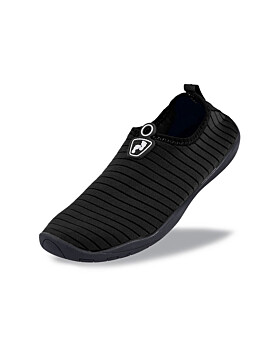
Two Bare Feet Slip On Adults Aqua Shoes (Black)-UK 6
£8.99 -
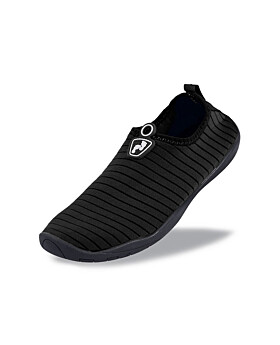
Two Bare Feet Slip On Adults Aqua Shoes (Black)-UK 7
£8.99 -
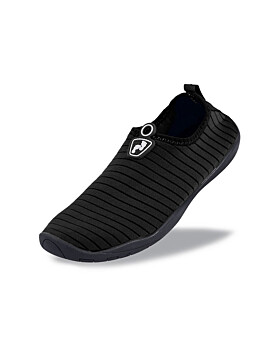
Two Bare Feet Slip On Adults Aqua Shoes (Black)-UK 8
£8.99 -
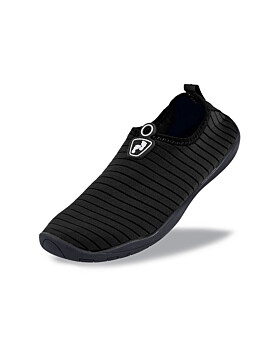
Two Bare Feet Slip On Adults Aqua Shoes (Black)-UK 9
£8.99 -
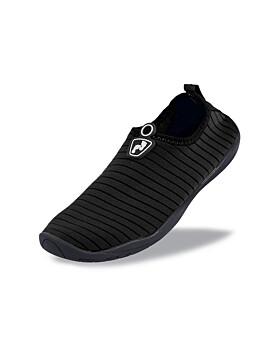
Two Bare Feet Slip On Adults Aqua Shoes (Black)-UK 10
£8.99 -
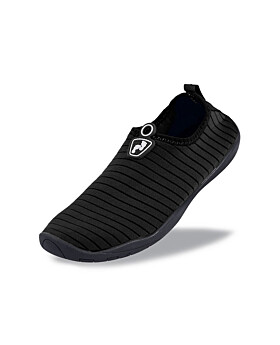
Two Bare Feet Slip On Adults Aqua Shoes (Black)-UK 11
£8.99 -
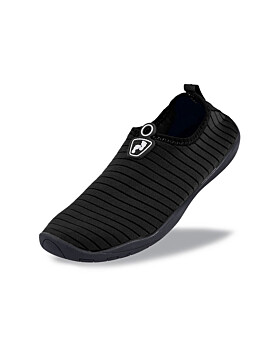
Two Bare Feet Slip On Adults Aqua Shoes (Black)-UK 12
£8.99 -
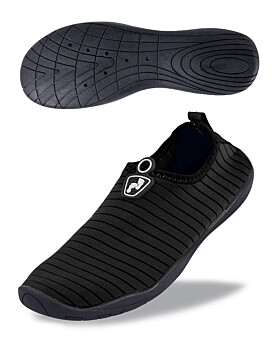
Two Bare Feet Slip On Junior Aqua Shoes (Black)
£7.99 -
Two Bare Feet Slip On Junior Aqua Shoes (Black)-C13
£7.99 -
Two Bare Feet Slip On Junior Aqua Shoes (Black)-UK 1
£7.99 -
Two Bare Feet Slip On Junior Aqua Shoes (Black)-UK 2
£7.99 -
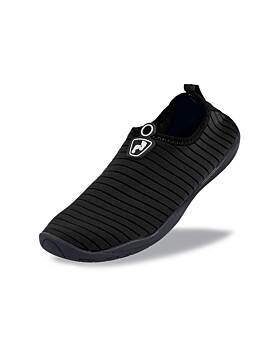
Two Bare Feet Slip On Junior Aqua Shoes (Black)-UK 3
£7.99 -
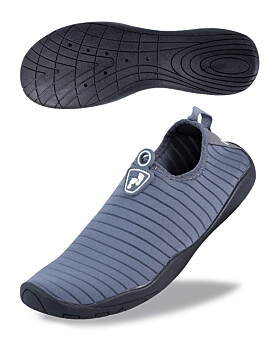
Two Bare Feet Slip On Adults Aqua Shoes (Grey)
£8.99 -
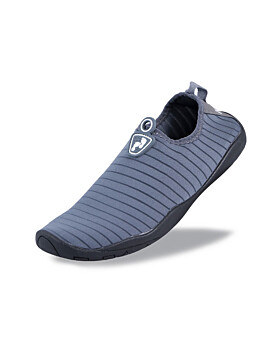
Two Bare Feet Slip On Adults Aqua Shoes (Grey)-UK4
£8.99 -
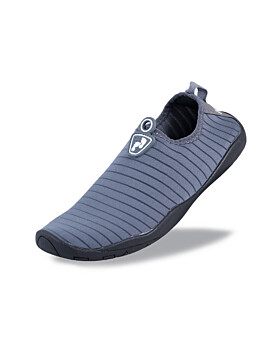
Two Bare Feet Slip On Adults Aqua Shoes (Grey)-UK5
£8.99 -
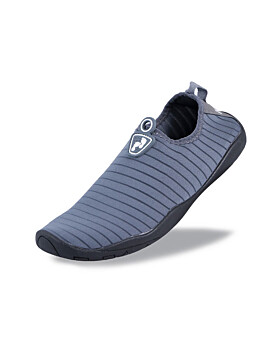
Two Bare Feet Slip On Adults Aqua Shoes (Grey)-UK6
£8.99 -
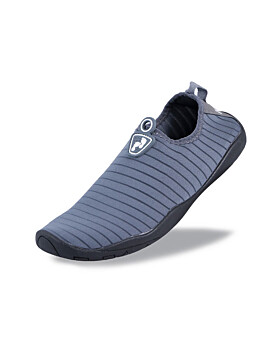
Two Bare Feet Slip On Adults Aqua Shoes (Grey)-UK7
£8.99 -
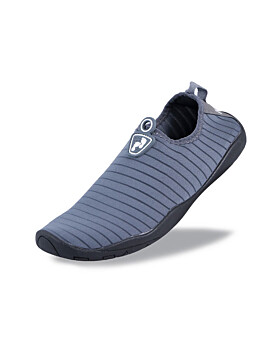
Two Bare Feet Slip On Adults Aqua Shoes (Grey)-UK8
£8.99 -
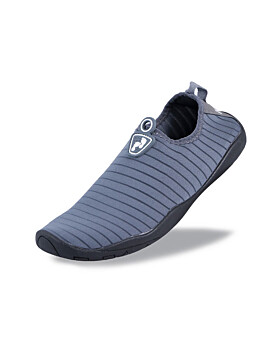
Two Bare Feet Slip On Adults Aqua Shoes (Grey)-UK9
£8.99 -
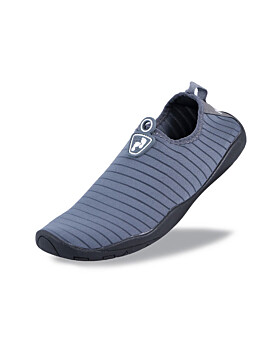
Two Bare Feet Slip On Adults Aqua Shoes (Grey)-UK10
£8.99 -
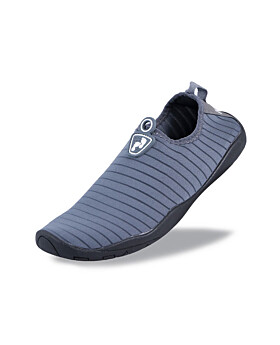
Two Bare Feet Slip On Adults Aqua Shoes (Grey)-UK11
£8.99 -
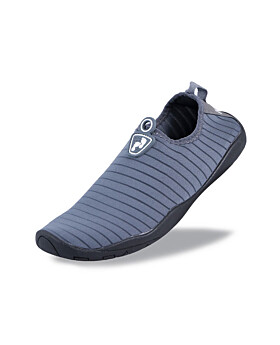
Two Bare Feet Slip On Adults Aqua Shoes (Grey)-UK12
£8.99 -
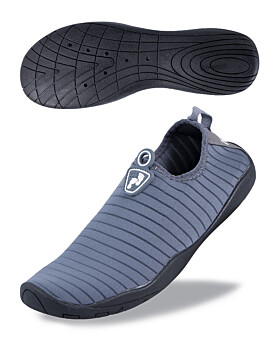
Two Bare Feet Slip On Junior Aqua Shoes (Grey)
£7.99 -
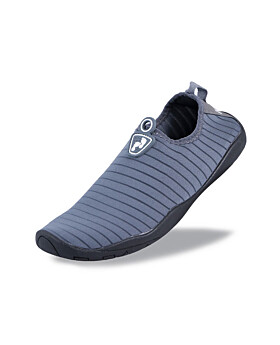
Two Bare Feet Slip On Junior Aqua Shoes (Grey)-C13
£7.99 -
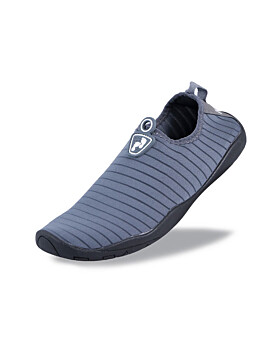
Two Bare Feet Slip On Junior Aqua Shoes (Grey)-UK 1
£7.99 -
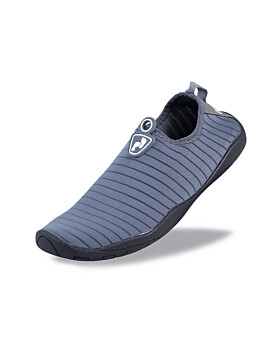
Two Bare Feet Slip On Junior Aqua Shoes (Grey)-UK 2
£7.99 -
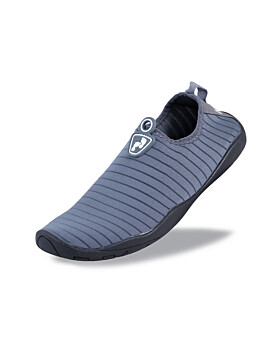
Two Bare Feet Slip On Junior Aqua Shoes (Grey)-UK 3
£7.99
Neoprene accessories: gloves and footwear
Your hands and feet contain dense networks of blood vessels close to the skin surface, making them particularly susceptible to heat loss. Cold hands lose dexterity rapidly, while numb feet can affect your balance when exiting the water.
Gloves for swimmers
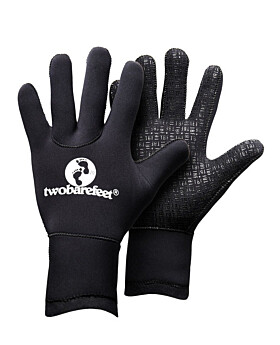
Neoprene gloves provide crucial protection for your hands in colder water. For swimmers, the Two Bare Feet 2.5mm Superstretch Neoprene Gloves are an excellent choice. Unlike stiffer dive gloves, these utilise a high-stretch neoprene that offers a snug, comfortable fit without finger dexterity—essential for adjusting goggles or caps mid-swim.
For those needing extra insulation, standard 3mm Neoprene Gloves are available, featuring a honeycomb grip pattern to help maintain purchase on slippery ladders or rails.
Footwear: socks vs. shoes and boots
Choosing the right footwear depends on your local swim spot and your priorities.
For speed and flexibility (sand/pool entries)
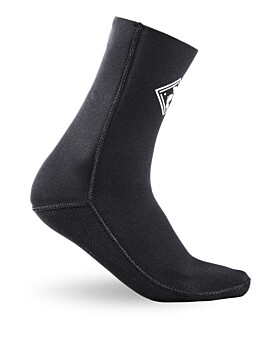
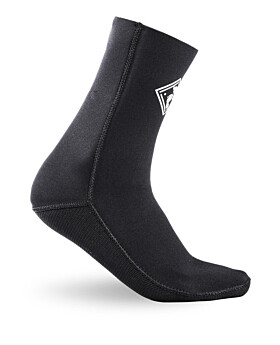
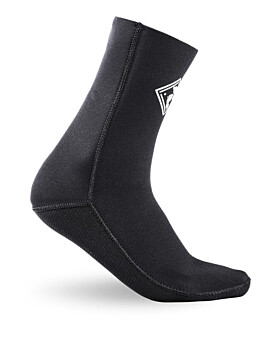
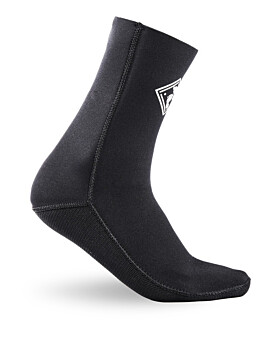
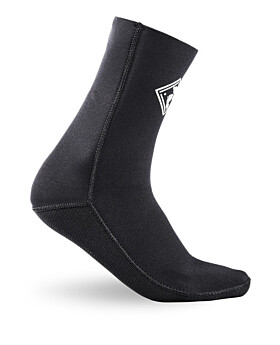
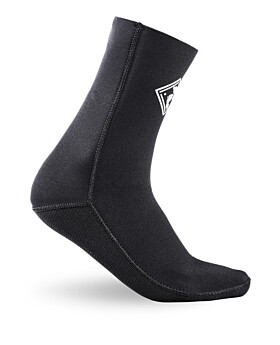
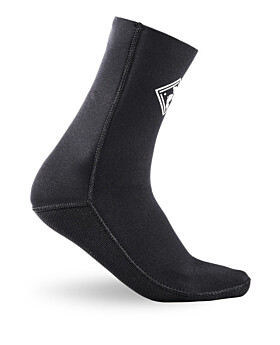
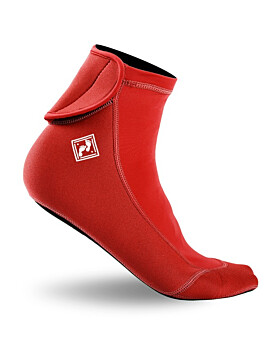
Swimmers looking to minimise drag should opt for neoprene wetsuit socks (available in 2.5mm and 5mm). These soft-soled socks allow you to point your toes fully, maintaining a streamlined kicking motion. They feature a textured sole that provides sufficient grip for slipways, but they feel like a natural extension of your foot in the water.
For protection (rocky/pebble entries)
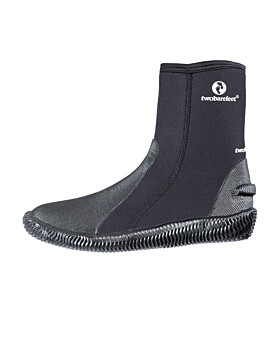
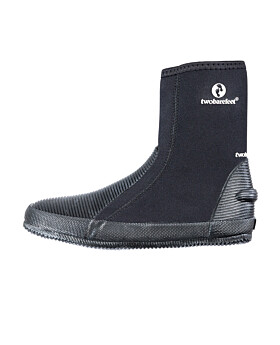
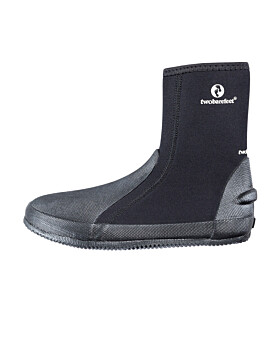
If you swim in areas with sharp rocks, weavers, or uneven riverbeds, protection is often more important than speed. In these cases, aquashoes (such as the Rockpool range) or neoprene wetsuit boots are the safer choice. While the harder rubber soles create slightly more drag than socks, they provide the robust protection and stability needed to enter and exit the water confidently on difficult terrain.
Neoprene hoods
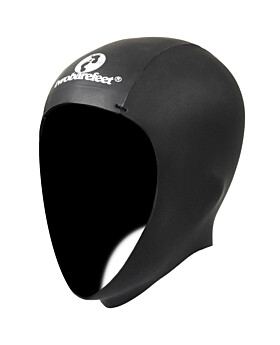
A significant proportion of your body heat escapes through your head. As water temperatures drop below 15°C, a neoprene hood becomes increasingly important for maintaining comfort and safety. Cold water against an unprotected head can cause headaches, dizziness, and in extreme cases, contribute to dangerous cold-water shock.
Hoods are available in various styles, from simple skull caps to full balaclava-style hoods that extend down to cover the neck and provide additional overlap with your wetsuit collar.
The benefits of thermal rash vests
Wearing a thermal rash vest under your wetsuit provides an additional layer of insulation without requiring you to purchase a thicker suit. This approach offers valuable flexibility: you can wear the same wetsuit across a wider range of temperatures by adding or removing the underlayer as conditions demand.
Two Bare Feet’s Thermal Rash Vests feature a fleece lining that traps body heat while wicking moisture away from the skin. The long-sleeve version provides maximum coverage, making it ideal for extending a summer wetsuit into early autumn swimming. The fleece interior creates an additional insulating air layer between your skin and the wetsuit, significantly boosting warmth without adding bulk that would restrict movement.
These thermal rash vests also provide protection against chafing, as the smooth Lycra exterior slides easily against the interior of your wetsuit. Many swimmers who experience persistent neck or armpit chafing find that adding a thermal underlayer solves the problem entirely.
8. Post-swim warming and wetsuit care
What happens after your swim matters for both your own wellbeing and the longevity of your equipment. Proper post-swim practices will keep you safe and comfortable while ensuring your wetsuit serves you well for years to come.
-
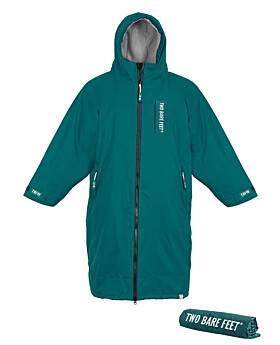
Two Bare Feet Weatherproof Changing Robe with Changing Mat (Sea Green/Grey)
As low as £69.99 Regular Price £139.99 -
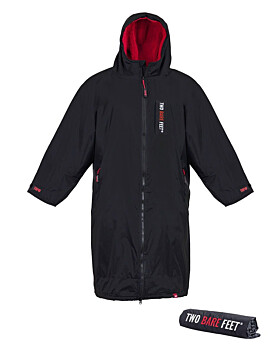
Two Bare Feet Weatherproof Changing Robe with Changing Mat (Black/Red)
As low as £69.99 Regular Price £139.99 -
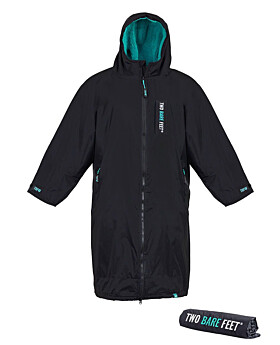
Two Bare Feet Weatherproof Changing Robe with Changing Mat (Black/Teal)
As low as £69.99 Regular Price £139.99 -
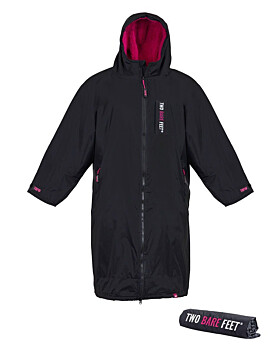
Two Bare Feet Weatherproof Changing Robe with Changing Mat (Black/Raspberry)
As low as £69.99 Regular Price £139.99 -
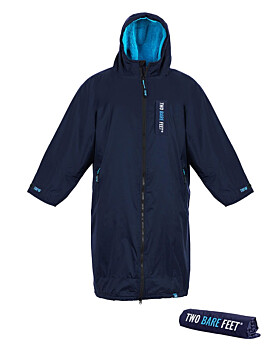
Two Bare Feet Weatherproof Changing Robe with Changing Mat (Marine Blue/Blue)
As low as £69.99 Regular Price £139.99 -
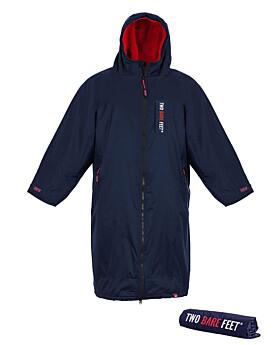
Two Bare Feet Weatherproof Changing Robe with Changing Mat (Marine Blue/Red)
As low as £69.99 Regular Price £139.99 -
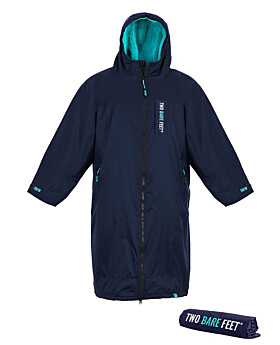
Two Bare Feet Weatherproof Changing Robe with Changing Mat (Marine Blue/Teal)
As low as £69.99 Regular Price £139.99 -
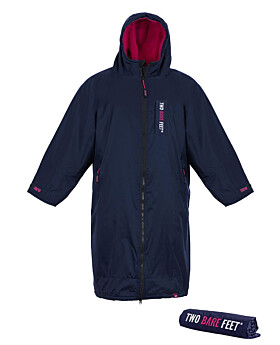
Two Bare Feet Weatherproof Changing Robe with Changing Mat (Marine Blue/Raspberry)
As low as £69.99 Regular Price £139.99 -
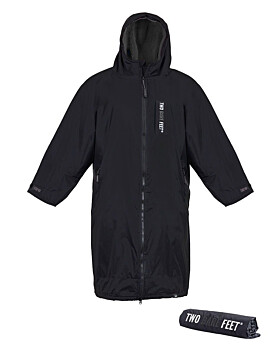
Two Bare Feet Weatherproof Changing Robe with Changing Mat (Black/Charcoal)
As low as £69.99 Regular Price £139.99 -
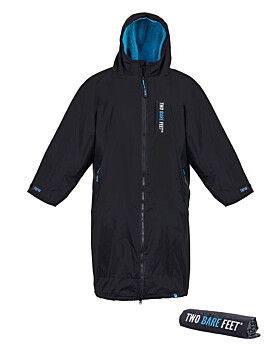
Two Bare Feet Weatherproof Changing Robe with Changing Mat (Black/Blue)
As low as £69.99 Regular Price £139.99 -
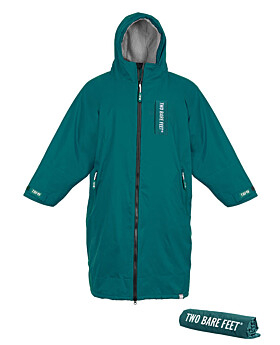
Two Bare Feet Weatherproof Changing Robe with Changing Mat (Sea Green/Grey)-Small
Special Price £69.99 Regular Price £139.99 -
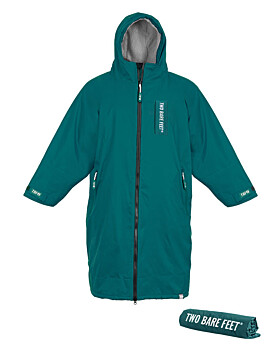
Two Bare Feet Weatherproof Changing Robe with Changing Mat (Sea Green/Grey)-Medium
Special Price £69.99 Regular Price £139.99 -
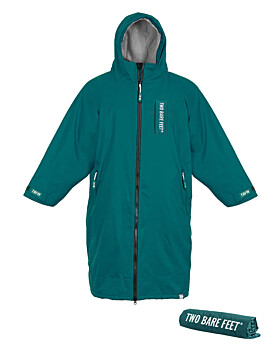
Two Bare Feet Weatherproof Changing Robe with Changing Mat (Sea Green/Grey)-Large
Special Price £69.99 Regular Price £139.99 -
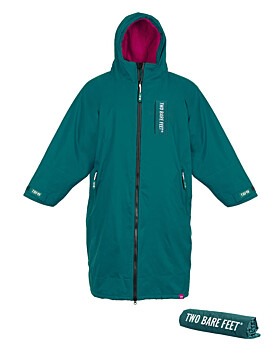
Two Bare Feet Weatherproof Changing Robe with Changing Mat (Sea Green/Raspberry)
As low as £69.99 Regular Price £139.99 -
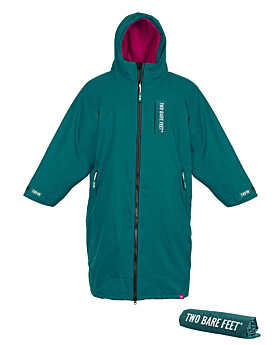
Two Bare Feet Weatherproof Changing Robe with Changing Mat (Sea Green/Raspberry)-Small
Special Price £69.99 Regular Price £139.99 -
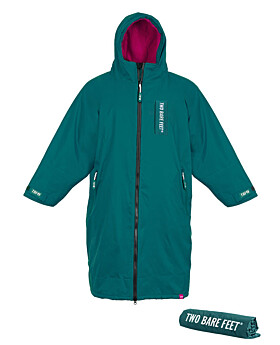
Two Bare Feet Weatherproof Changing Robe with Changing Mat (Sea Green/Raspberry)-Medium
Special Price £69.99 Regular Price £139.99 -
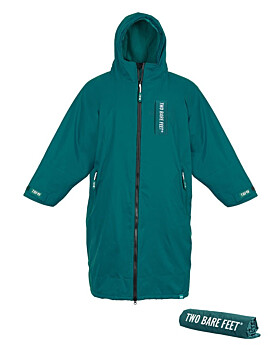
Two Bare Feet Weatherproof Changing Robe with Changing Mat (Sea Green/Sea Green)
As low as £69.99 Regular Price £139.99 -
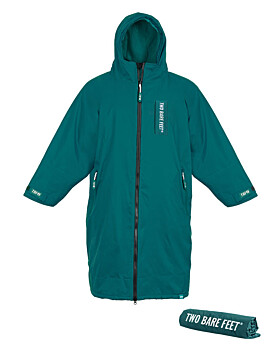
Two Bare Feet Weatherproof Changing Robe with Changing Mat (Sea Green/Sea Green)-Small
Special Price £69.99 Regular Price £139.99 -
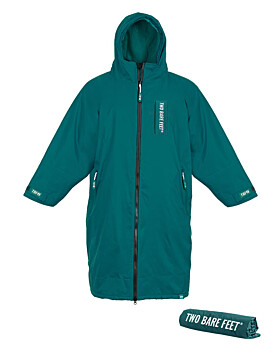
Two Bare Feet Weatherproof Changing Robe with Changing Mat (Sea Green/Sea Green)-Medium
Special Price £69.99 Regular Price £139.99 -
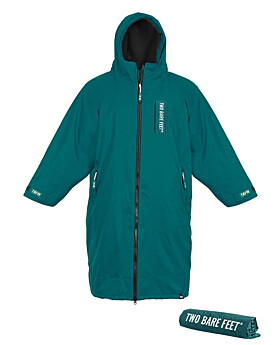
Two Bare Feet Weatherproof Changing Robe with Changing Mat (Sea Green/Black)
As low as £69.99 Regular Price £139.99 -
Two Bare Feet Weatherproof Changing Robe with Changing Mat (Sea Green/Black)-Small
Special Price £69.99 Regular Price £139.99 -
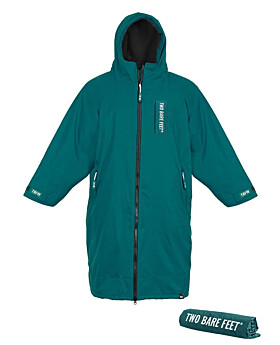
Two Bare Feet Weatherproof Changing Robe with Changing Mat (Sea Green/Black)-Medium
Special Price £69.99 Regular Price £139.99 -
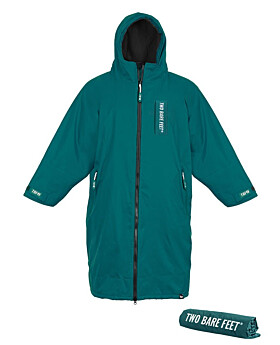
Two Bare Feet Weatherproof Changing Robe with Changing Mat (Sea Green/Black)-Large
Special Price £69.99 Regular Price £139.99 -
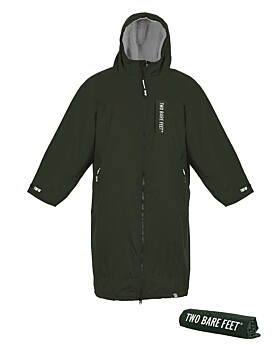
Two Bare Feet Weatherproof Changing Robe with Changing Mat (Khaki/Grey)
As low as £69.99 Regular Price £139.99 -
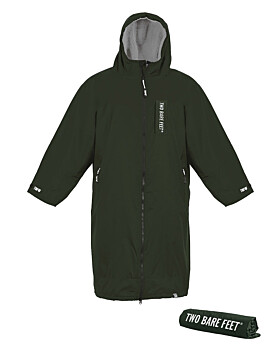
Two Bare Feet Weatherproof Changing Robe with Changing Mat (Khaki/Grey)-Small
Special Price £69.99 Regular Price £139.99 -
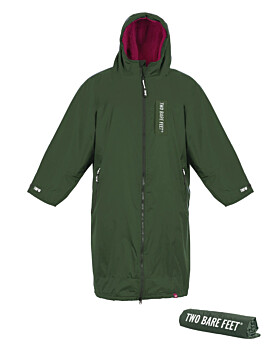
Two Bare Feet Weatherproof Changing Robe with Changing Mat (Forest/Raspberry)
As low as £69.99 Regular Price £139.99 -

Two Bare Feet Weatherproof Changing Robe with Changing Mat (Forest/Raspberry)-Small
Special Price £69.99 Regular Price £139.99 -

Two Bare Feet Weatherproof Changing Robe with Changing Mat (Forest/Raspberry)-Medium
Special Price £69.99 Regular Price £139.99 -

Two Bare Feet Weatherproof Changing Robe with Changing Mat (Forest/Raspberry)-Large
Special Price £69.99 Regular Price £139.99 -
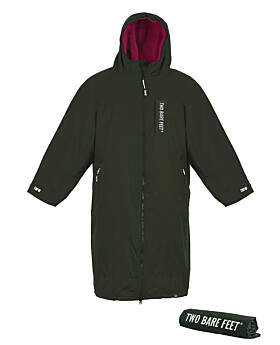
Two Bare Feet Weatherproof Changing Robe with Changing Mat (Khaki/Raspberry)
As low as £69.99 Regular Price £139.99 -

Two Bare Feet Weatherproof Changing Robe with Changing Mat (Khaki/Raspberry)-Small
Special Price £69.99 Regular Price £139.99 -
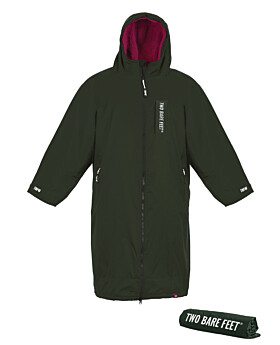
Two Bare Feet Weatherproof Changing Robe with Changing Mat (Khaki/Raspberry)-Medium
Special Price £69.99 Regular Price £139.99 -

Two Bare Feet Weatherproof Changing Robe with Changing Mat (Khaki/Raspberry)-Large
Special Price £69.99 Regular Price £139.99 -
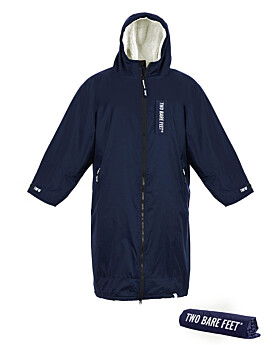
Two Bare Feet Weatherproof Changing Robe with Changing Mat (Marine Blue/Cream)
As low as £69.99 Regular Price £139.99 -
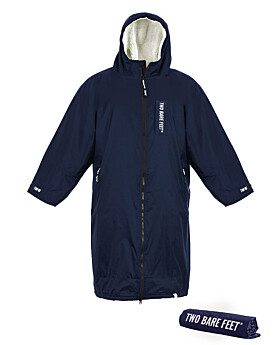
Two Bare Feet Weatherproof Changing Robe with Changing Mat (Marine Blue/Cream)-Small
Special Price £69.99 Regular Price £139.99 -
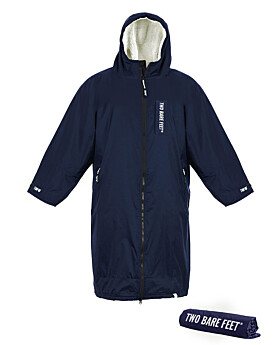
Two Bare Feet Weatherproof Changing Robe with Changing Mat (Marine Blue/Cream)-Medium
Special Price £69.99 Regular Price £139.99 -
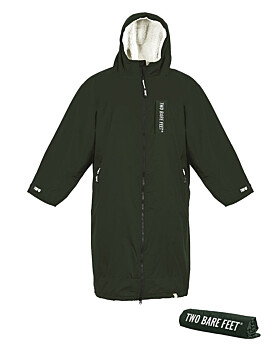
Two Bare Feet Weatherproof Changing Robe with Changing Mat (Khaki/Cream)
As low as £69.99 Regular Price £139.99 -
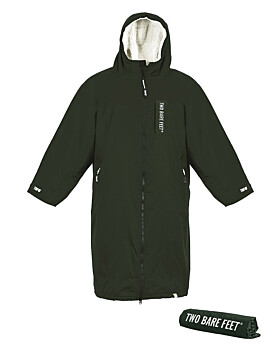
Two Bare Feet Weatherproof Changing Robe with Changing Mat (Khaki/Cream)-Medium
Special Price £69.99 Regular Price £139.99 -
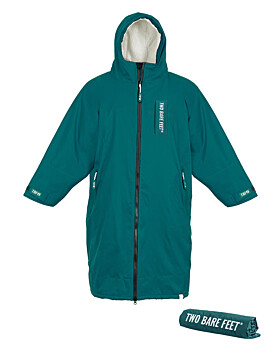
Two Bare Feet Weatherproof Changing Robe with Changing Mat (Sea Green/Cream)
As low as £69.99 Regular Price £139.99 -
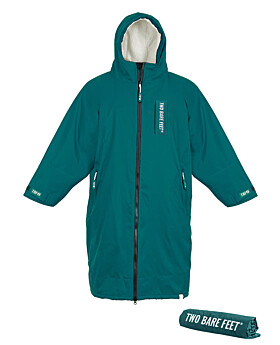
Two Bare Feet Weatherproof Changing Robe with Changing Mat (Sea Green/Cream)-Small
Special Price £69.99 Regular Price £139.99 -
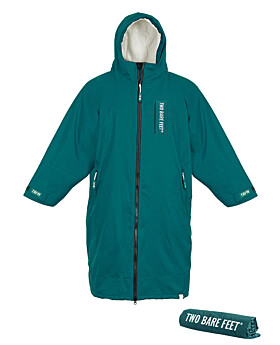
Two Bare Feet Weatherproof Changing Robe with Changing Mat (Sea Green/Cream)-Medium
Special Price £69.99 Regular Price £139.99 -
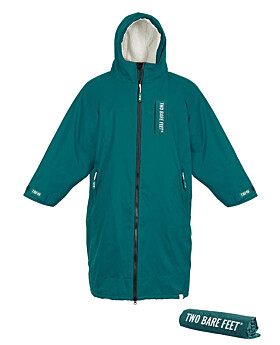
Two Bare Feet Weatherproof Changing Robe with Changing Mat (Sea Green/Cream)-Large
Special Price £69.99 Regular Price £139.99 -
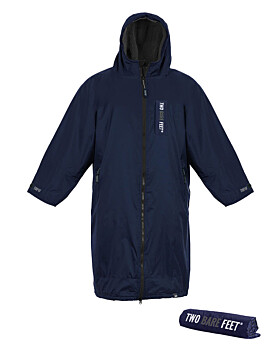
Two Bare Feet Weatherproof Changing Robe with Changing Mat (Marine Blue/Charcoal)-Small
Special Price £69.99 Regular Price £139.99 -
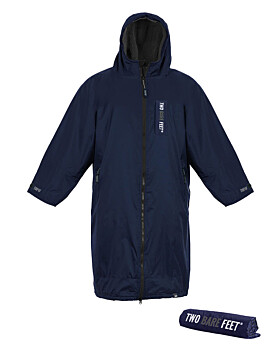
Two Bare Feet Weatherproof Changing Robe with Changing Mat (Marine Blue/Charcoal)-Medium
Special Price £69.99 Regular Price £139.99 -
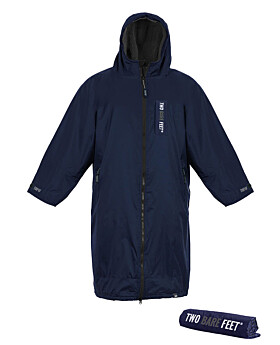
Two Bare Feet Weatherproof Changing Robe with Changing Mat (Marine Blue/Charcoal)-Large
Special Price £69.99 Regular Price £139.99 -
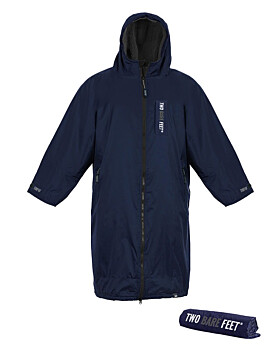
Two Bare Feet Weatherproof Changing Robe with Changing Mat (Marine Blue/Charcoal)
As low as £69.99 Regular Price £139.99
Using a changing robe
The period immediately after exiting cold water represents a critical time for maintaining body temperature. A phenomenon known as “after-drop” causes your core temperature to continue falling for twenty to thirty minutes after you leave the water, as cold blood from your extremities returns to your core. This makes rapid, effective warming essential.
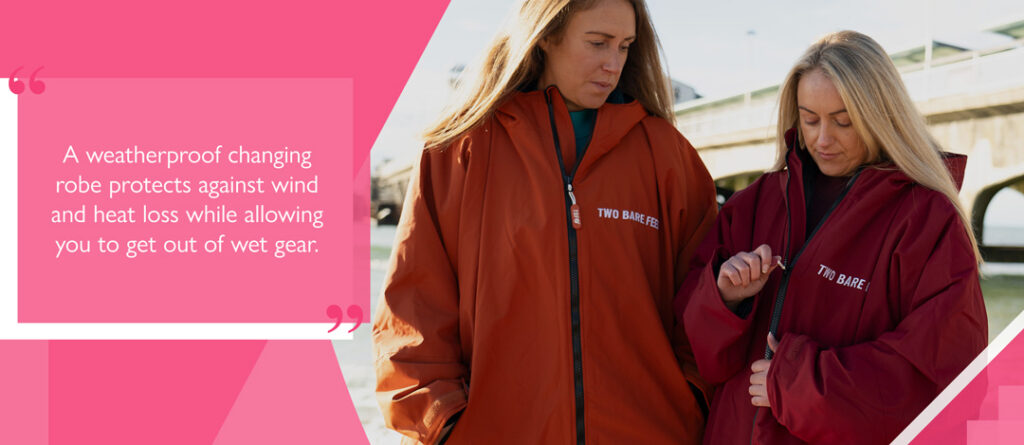
A weatherproof changing robe provides immediate protection against wind and further heat loss while allowing you to change out of your wet gear with modesty and convenience. Two Bare Feet’s Original Adult Weatherproof Changing Robes feature a windproof and 8K water-resistant outer shell paired with a plush sherpa fleece lining that provides immediate warmth. The generous cut allows you to pull your arms inside and change while remaining covered, essential when changing in public spaces like car parks or beaches.
The Original Adult Weatherproof Changing Robe comes complete with a matching changing mat, keeping your feet off cold ground and preventing your wetsuit from dragging across rough surfaces during removal. Multiple pockets provide secure storage for valuables, while the large hood helps dry wet hair and trap body heat.
How to dry a wetsuit indoors
Proper washing and drying significantly extends the life of your wetsuit. After every use, rinse your suit thoroughly with cool fresh water. This removes salt, chlorine, and other contaminants that can degrade the neoprene over time. Salt in particular is damaging, as it crystallises within the material and gradually reduces its flexibility.
When drying your wetsuit, turn it inside out initially. This allows the interior, which takes longest to dry due to its smooth lining, to dry first. It also protects the delicate outer surface from UV damage during the drying process. Once the inside is dry, turn the suit right-side out to complete drying.
Never use a tumble dryer or direct heat source to dry your wetsuit. Heat degrades neoprene rapidly and can cause seams to fail. Hang your suit in a well-ventilated area away from direct sunlight. During winter months when drying indoors becomes necessary, a room with good air circulation works well. Some swimmers use a thick-shouldered wetsuit hanger or drape the suit over a sturdy rail to prevent the shoulders from stretching.
Storage for the off-season
When storing your wetsuit between swimming seasons, the goal is to prevent the neoprene from developing permanent creases or folds that can compromise its insulating properties. Never fold your wetsuit tightly or leave it scrunched in a bag for extended periods.
The ideal storage method involves laying the suit flat or draping it over a wide hanger in a cool, dark location. UV light degrades neoprene over time, so avoid storing your suit in locations where it will be exposed to sunlight. Keep it away from sharp objects that could puncture or tear the material, and ensure it is completely dry before storage to prevent mould or mildew developing.
9. Wetsuit quick reference guides
The “what to wear” temperature table
Selecting appropriate neoprene thickness based on water temperature is crucial for safe and comfortable swimming. The following provides general guidance, though individual cold tolerance varies significantly:
|
Water Temperature |
Recommended Wetsuit |
Accessories |
|
18°C and above |
Shorty or 2-2.5mm full suit |
Optional |
|
15-18°C |
2.5-3mm full suit |
Consider gloves |
|
12-15°C |
3-4mm full suit |
Gloves, consider boots |
|
10-12°C |
4-5mm full suit |
Gloves, boots, hood |
|
Below 10°C |
5mm+ or specialist suit |
All accessories essential |
For comprehensive guidance tailored to UK conditions, consult the full Two Bare Feet Wetsuit Temperature Guide.
Experiencing mid-swim wetsuit trouble?
Common wetsuit-related problems often have straightforward solutions:
|
Problem |
Solution |
|
Feeling choked or restricted breathing |
Pull suit up higher into crotch and armpits to release tension at shoulders |
|
Excessive water entry |
Check wrist and ankle seals; ensure zip fully closed; consider if suit is too large |
|
Neck chafing |
Apply anti-chafe balm before donning; consider wearing a rash vest underneath |
|
Shoulder fatigue during swimming |
Check suit is pulled up correctly; try slightly higher stroke rate; ensure suit has adequate shoulder flexibility |
|
Bulging or loose fit in water |
“Settle” the suit (briefly widen the neck seal) to trap water against skin; suit may be too large |
|
Cold extremities despite wetsuit |
Add neoprene gloves, boots, and hood as appropriate for temperature |
10. Frequently asked questions
Can you swim breaststroke in a wetsuit?
You can swim breaststroke in a wetsuit, though the increased buoyancy may feel unfamiliar initially. The suit lifts your body higher in the water, which can make the leg kick feel different than in a pool. Many swimmers find that the wetsuit makes breaststroke easier by improving their body position. For swimmers who primarily use breaststroke, a wetsuit with good flexibility around the shoulders and underarms will provide the most comfortable experience.
Do wetsuits make you faster?
For most swimmers, yes. The buoyancy effect improves body position, reducing drag and allowing more efficient propulsion. However, the benefit varies based on the swimmer’s baseline technique and natural buoyancy. Swimmers who already have excellent body position may see less improvement than those whose legs tend to sink. The warmth provided by wetsuits also allows muscles to work more efficiently in cold water.
What should you wear under a wetsuit for swimming?
Most swimmers wear a standard swimming costume underneath their wetsuit. For men, swim briefs or jammers work well; for women, a one-piece swimsuit is typical. Some swimmers prefer to wear nothing underneath, finding this more comfortable, while others opt for a rash vest or thermal underlayer for additional warmth or chafe protection. Avoid cotton garments, which absorb water and can cause chafing. Whatever you choose, ensure it is comfortable and allows you to complete your post-swim change with dignity in public spaces.
How long does a wetsuit last?
With proper care, a quality wetsuit can last several years of regular use. The main factors affecting longevity are UV exposure (which degrades neoprene), saltwater damage (particularly if not rinsed after use), and mechanical stress from improper storage or rough handling. Swimmers who use their suits several times weekly during the swimming season might expect three to five years of service, while occasional swimmers may get considerably longer. Signs that a wetsuit needs replacement include permanent loss of flexibility, persistent odour despite washing, and visible degradation of seams or neoprene.
Can I use my surfing wetsuit for swimming?
While technically possible, surfing wetsuits are not optimal for swimming. The primary issue is flexibility around the shoulders. Surfing wetsuits are designed for paddling bursts and sitting on a board, not for sustained arm rotation. Swimming in a surf wetsuit often results in rapid shoulder fatigue due to the thicker material in areas that require flexibility for an efficient swimming stroke. If you plan to swim regularly, investing in a swimming-specific full wetsuit or shorty wetsuit will significantly improve your experience.
11. Embracing the open water
Swimming in a wetsuit opens doors to experiences unavailable to pool-bound swimmers. The freedom of gliding through natural water, surrounded by sky rather than ceiling tiles, offers rewards that extend well beyond physical exercise. With the right equipment and knowledge, the challenges of wetsuit swimming transform from obstacles into mere details to be managed.
Whether you are drawn to the social aspect of group swims, the competitive challenge of triathlon, or simply the peace of a solo dawn swim in a quiet lake, your wetsuit becomes your enabler. It keeps you warm when the water is cold, buoyant when your body might otherwise sink, and protected from the minor abrasions of rocks and vegetation that characterise natural water environments.
Taking your next steps into open water
Two Bare Feet offers a comprehensive wetsuit size guidance and expert advice to help you select the perfect wetsuit for your needs. Our range spans full-length wetsuits in various thicknesses, shorty suits for warmer conditions, and the complete array of accessories needed for year-round swimming. Whether you are purchasing your first wetsuit or upgrading to equipment better suited to your growing experience, our team understands the particular requirements of open water swimmers.
With the right preparation, the right gear, and the growing confidence that comes from experience, cold water transforms from barrier to invitation. Each swim builds familiarity with your equipment and connection with natural water environments. The initial awkwardness of wearing a wetsuit gives way to appreciation for the warmth and buoyancy it provides, and what once seemed like an inconvenient necessity becomes an essential part of your swimming identity.
Explore the Two Bare Feet wetsuit collection to find the suit that will carry you through countless swims, from midsummer lake sessions to bracing autumn sea dips. With quality equipment from a trusted supplier, your open water journey can begin with confidence.