28 February 2022
Make your snowboarding trip as safe and comfortable as possible by ensuring
you have what you need to stay warm and dry.
Check the weather
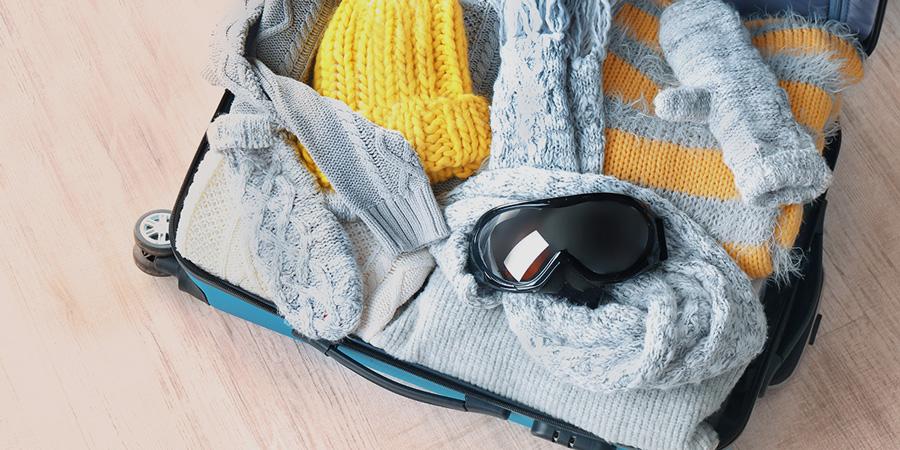
Use weather forecasts to decide whether to bring bulky cold weather gear or layering options. The right level of warmth and waterproofing keeps you dry and comfortable
without overheating.
Harmful UV rays penetrate easier at high altitude. They also reflect off
snow, potentially causing painful skin damage. Bring protection: pack
high-SPF sun cream and lip sunblock. Be sure to reapply throughout the day.
Snowboarding lessons
If you’re a beginner or a seasoned snowboarder wanting to refresh your
skills, practising before your trip frees up time on location.
Basic understanding of slope etiquette, how different run difficulties or
hazards are marked, and how to use a ski lift, will help keep you and
others safe.
Snowboarding equipment
You won’t have much fun without a board. Whether it’s your own or rented,
finding a snowboard you’re comfortable handling is important.
Beginner boards are often more flexible to make manoeuvring easier. A
gentler angle on the edges makes them more forgiving if you are unsure on
your feet.
Board bindings (where your boots attach) can also vary in stiffness and
weight, which has an impact on board control.
Beginners or hobbyists with limited budget or space can rent most necessary
gear onsite. Renting can be more expensive over the long term but gives you
options when starting out.
Safety gear for snowboarding
Snow goggles
will protect your eyes from snow blindness, harmful UV rays and cold weather. Precise lenses with
the right tint for conditions can make hazards easier to perceive, giving
you time to react.
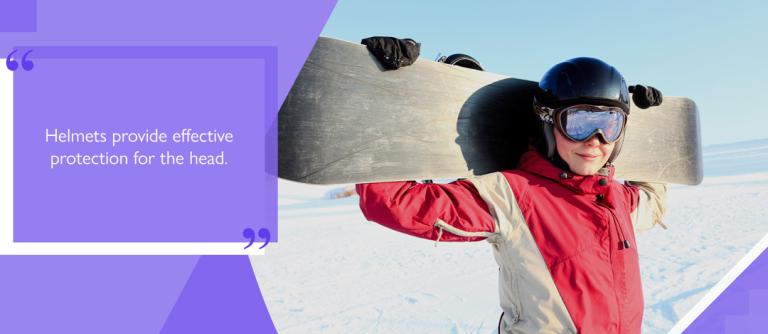
Helmets
also provide effective protection for the head. Many goggles can be clipped
into snowboarding helmets for a secure fit.
Putting your arms out to break your fall is natural, but at high speeds
sprains and breaks can happen. Wrist guards reduce the
chance of this happening.
Snowboarding clothing
The goal is to stay warm, dry and free to move. Layers can be removed or
added as you warm up, or conditions change. Many snowboarders find layering
allows more range of movement than bulkier snow clothes.
Cold weather base layers
Base layers
insulate body heat to keep you warm in cold conditions. Wool and bamboo are most effective at
wicking moisture away from skin. Cotton absorbs moisture,
making insulation ineffective.
Thermal long johns or leggings conserve more body heat on cold days than
waterproof snow trousers alone.
Snowboard jacket
Snow jackets are primarily designed to be breathable and waterproof, in
addition to keeping you warm. You can choose an insulating all-in-one
snow jacket
, or combine a warm mid-layer with a waterproof shell top layer.
Pockets should secure valuables and keep them dry, even in the event of a
tumble. Internal snow skirts prevent snow spraying beneath the jacket as
you descend the slope or fall. Optional safety equipment can also be
attached – from reflective strips to beacons or torches.
Snow pants
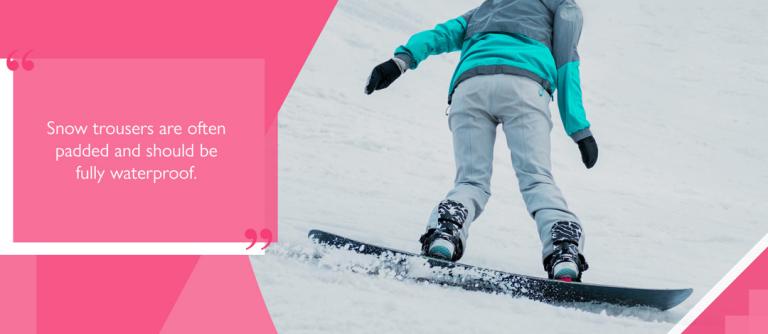
Snowboarders spend a lot of time sat down, especially when learning. This
means
snow trousers
are often padded and should be fully waterproof for maximum comfort.
High waistlines insulate more of your body. When combined with suspenders,
they prevent trousers slipping – even in a harsh landing.
Snow pants should go outside your boots to keep snow out.
Snowboard boots and socks
Unless you are skiing off-piste or expect heavy snowfall, waterproof socks
shouldn’t be necessary. They can leave your feet feeling clammy.
Wool socks effectively wick away moisture and will keep your feet warm.
Snow boots should fit securely into bindings and keep your feet dry. They
must be comfortable enough to wear up and down the mountain, or to trudge
through thick snow drifts without rubbing or blistering.
Warm snowboarding accessories
Gloves designed specifically for snowboarding tend to be more resilient.
Snowboarding gloves keep extremities warm but also cushion against falls
and scrapes.
A neck gaiter or snood is essential for cold snowboarding trips. While
whipping winds as you tear down a run can chill the body, sitting still on
a ski lift can also cool exposed skin rapidly.
When you’re not actively boarding, a woolly beanie and sunglasses will
protect against the cold and bright sunlight if you take a break from your
helmet and goggles. Store sunglasses in a robust case to prevent breakage.
What you should keep on your person while out on the piste
The final items should all fit into a secure pocket: ski and lift passes,
keys for accommodation and any necessary tickets, maps, and payment
methods.
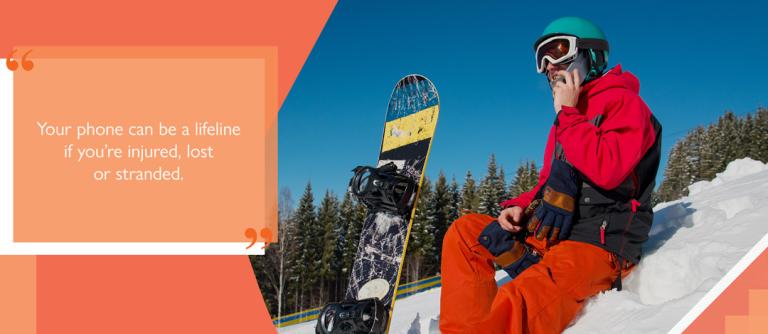
Your phone can be a lifeline if you’re injured, lost, or stranded by poor
weather.
Even if you intend to stay close to a resort, bring a small bottle of water
and some high energy snacks, just in case.
Tick off your checklist and kit yourself out for your next snowboarding
trip with our range of high-quality
snow gear
. Designed to take care of your safety and comfort, you’ll be able to focus
on having fun without compromising on utility or style.