

20 June 2025
Whether you’re sliding into your first-ever wave or you’re a seasoned rider, understanding how to properly care for your bodyboard is fundamental. Proper care and maintenance are essential for extending the lifespan of your board, maintaining its optimal performance, and, most importantly, ensuring your safety in the water.
This comprehensive guide will walk you through everything you need to know, from the moment you unwrap your new bodyboard to its long-term storage in the off-season.
Table of contents
1. The importance of proper bodyboard care
It can be tempting, after an exhilarating session battling the surf, to simply toss your boogieboard in the back of the car and head home. However, taking a few extra minutes for proper care is one of the most important habits you can develop. This small investment of time pays huge dividends in the long run, affecting everything from your board’s lifespan and performance to your safety in the water.
Maximising your board’s lifespan
A bodyboard is a piece of specialised sporting equipment, and like any gear, it is subject to wear and tear. The marine environment, with its corrosive salt, abrasive sand, and powerful UV rays, is particularly harsh, leading to deterioration of the materials.
By looking after your board, you are protecting your purchase and ensuring you get the maximum value and enjoyment from it.
Keeping your ride smooth and responsive
Regular board maintenance ensures your bodyboard retains its original shape, weight, and flex, allowing you to ride with the speed and control the shaper intended.
One of the most common consequences of neglect, particularly exposure to heat, is “reverse rocker”. This is where the board warps, with the nose and tail bending upwards, creating a concave shape along its length.
A board with reverse rocker will constantly try to nose-dive, making it incredibly difficult to catch and ride waves effectively. Furthermore, a waterlogged board becomes heavy and sluggish, losing the buoyancy and responsiveness that are critical for manoeuvrability.
How good care prevents in-water mishaps
Your bodyboard and its accessories are key pieces of safety equipment. The most critical of these is the leash, which keeps you connected to your board should you get knocked off by a wave.
A leash that is not rinsed after use can suffer from corrosion on its metal swivels, while UV damage can make the cord brittle and prone to snapping under pressure. Regularly inspecting your leash for nicks, frays, and signs of wear is a non-negotiable part of a pre-surf check.
Similarly, a board that is structurally compromised through delamination or has a loose leash plug presents a significant safety risk. A well-maintained board is a reliable one, giving you the confidence to push your limits safely.
Keeping your board looking and feeling great
Good care also keeps your board looking its best. After all, the vibrant graphics and smooth, sleek finish of a new board are part of the appeal!
Direct sunlight not only causes structural damage but also fades colours and makes the board look old and tired. Rinsing away salt and sand prevents the build-up of a grimy film and protects the slick from fine scratches.
2. A quick guide to bodyboard anatomy and materials
To understand how to care for your bodyboard, it’s helpful to first understand what it’s made of. The construction and materials of a board dictate its performance characteristics—flex, buoyancy, and weight—but also its vulnerabilities and specific care requirements. From the internal core to the outer skins, each component plays a vital role.
Different core types and their care needs
The core is the heart of your slick bodyboard: the block of foam that provides its shape and buoyancy. The type of foam used has the single biggest impact on how a slick board rides and how it needs to be treated.
EPS (Expanded Polystyrene): lightweight and buoyant
Expanded Polystyrene, or EPS, is a very lightweight and stiff foam core, commonly found in entry-level and intermediate bodyboards. Its primary advantages are its high buoyancy, which makes it easy to catch waves on, and its affordability.
However, EPS is susceptible to heat damage. The structure of the foam contains a lot of air; when this air heats up, it expands rapidly, which can cause the outer layers of the board to bubble or delaminate. Therefore, if you have an EPS core board, it is critical to avoid leaving it in direct sunlight or a hot car. This is the leading cause of EPS core bodyboard heat damage.
PE (Polyethylene): flexible and durable
Polyethylene (PE) was the standard core material for decades and is still prized for its exceptional flexibility and durability. A PE core gives a board a ‘spongy’ feel, allowing it to flex and conform to the shape of a wave, which provides excellent control, especially in colder water where other cores can feel too stiff.
While more resilient to heat than EPS, PE cores can still be damaged by extreme temperatures. They are also heavier than other core types and can absorb some water over time if the outer skin is punctured, a condition often referred to as being ‘waterlogged’.
PP (Polypropylene): stiff, light, and strong
Polypropylene (PP) is a modern, durable core material that is almost as lightweight as EPS. PP cores are known for their stiffness and responsiveness, providing excellent speed and projection on a wave. They are also highly water-resistant and perform exceptionally well in warmer water temperatures.
While they are the most resilient to heat, they are not immune, and the same precautions against direct sun and extreme heat should be taken.
The outer layers of a slick bodyboard: decks, slicks, rails
A slick bodyboard core is wrapped in several layers that provide grip, speed, and control.
- Deck skin: This is the soft foam layer on top of the board where you lie. It’s designed for comfort and grip. Before its first use, this deck often has a slippery manufacturing film that should be washed off with soap and water to ensure good grip from the start.
- The slick bottom: The “slick” is the hard, smooth plastic bottom of the board, designed to minimise friction and maximise speed on the water. Most quality bodyboards, including the Two Bare Feet range, use High-Density Polyethylene (HDPE) for their slicks. This is a durable, slick material that offers excellent performance. The slick is where issues like “bubbles” or delamination are most often seen.
- Rails: These are the edges of your board. The shape of the rails (e.g., a 50/50 or 60/40 rail) affects how the board turns and holds its edge on a wave face. Rails are a high-impact area and should be checked regularly for dings and cuts.
Inflatable bodyboard construction: PVC, drop-stitch, and valves
Inflatable bodyboards offer unparalleled convenience for travel and storage. Rather than a foam core, they are built from layers of durable PVC, often using a ‘drop-stitch’ construction inside. This involves thousands of fine threads connecting the top and bottom surfaces, allowing the board to be inflated to a high pressure while maintaining a rigid, flat shape.
The primary care points for an inflatable board revolve around the valve and the seams. It’s crucial to keep the valve area clean and to check its tightness periodically to prevent leaks. The robust PVC material is tough, but it should still be protected from sharp objects and stored correctly to avoid creasing the material over time.
How material affects durability and care routines
The materials your board is made from directly influence the care it needs. An EPS board requires extreme vigilance against heat, whereas a PP board is more forgiving. A traditional slick board needs checks for dings and delamination, while an inflatable board requires attention to its valve and air pressure.
3. Essential checks before you hit the water
Developing a quick pre-surf ritual is a cornerstone of good board ownership. It takes only a minute or two but can be the difference between a fantastic session and a frustrating or even dangerous one.
Inspecting your bodyboard leash
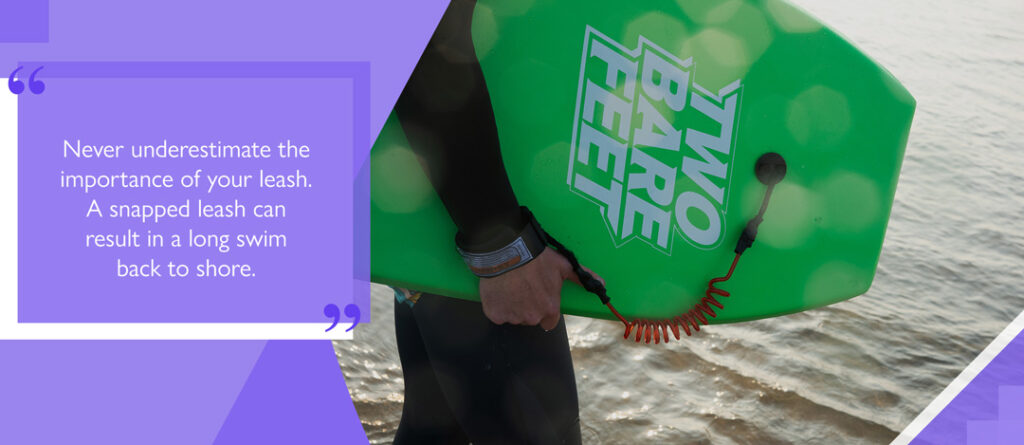
Never underestimate the importance of your leash. It is the only thing connecting you to your board, which acts as a crucial flotation device in the surf. A snapped leash can result in a long swim back to shore and, more importantly, the loss of your board to the waves.
Checking the leash cord for nicks, frays, or UV damage
Run your fingers along the entire length of the urethane leash cord. Feel for any small cuts, nicks, or areas that feel brittle or cracked. These are weak points that can fail under the immense pressure of a powerful wave.
Pay special attention to the points where the cord enters the moulded fittings at each end, as this is a common area for wear. If you find any significant damage, it’s time to replace the leash.
Testing the swivels (ankle/bicep cuff and board plug)
A quality leash has swivels at both the cuff end and the board plug end. These are designed to spin freely, preventing the leash from twisting and tangling around you.
Check that both swivels rotate smoothly. If they are stiff or gritty with sand and salt, they need a thorough cleaning. Corroded swivels are a sign of neglect and a major red flag.
Ensuring a secure leash plug in your slick bodyboard
Grab the leash plug on the deck of your board and give it a gentle tug and twist. It should feel completely solid and should not spin or pull up.
A loose leash plug can be pulled out of the board by a strong wave, resulting in a lost board. If your plug feels loose, it needs to be repaired or resealed before you go out.
When to consider a new leash
Leashes are not designed to last forever. They’re a consumable item that degrades with use and exposure to the elements. If your leash shows any signs of fraying, has stiff or corroded swivels, or the cuff’s Velcro is losing its grip, it’s time for a replacement.
Giving your board the once-over
Next, give your board itself a quick inspection. This helps you catch small problems before they become big ones.
For slick boards: looking for dings, delamination (“bubbles”), or rocker issues
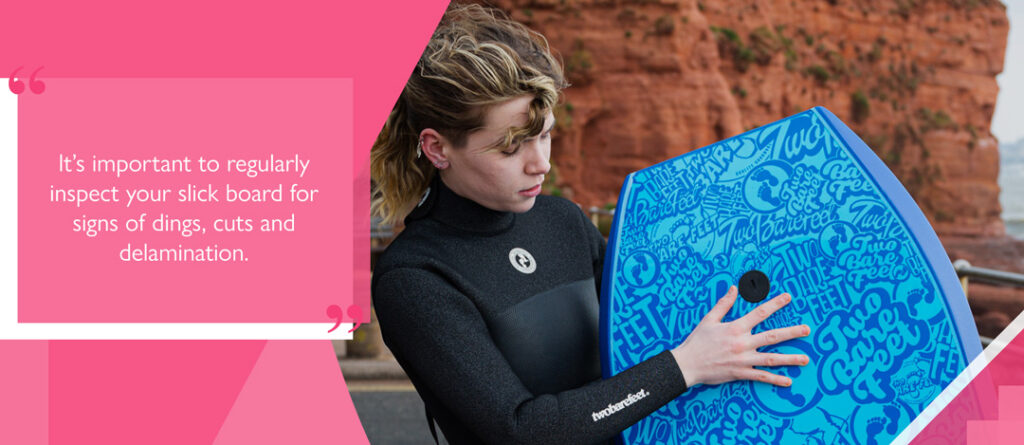
Scan the entire surface of your board. Look along the rails, nose, and tail for any new cuts or dings that could let water into the core.
Check carefully for any signs of delamination—areas where the surface has separated from the foam core, creating “bubbles”. Press gently on these areas; if they feel soft or lift away, they need repair.
Finally, lay the board on a flat surface to check its rocker. It should be flat or have a slight, continuous upward curve towards the nose. Any downward dip or wavy distortion indicates warping, likely from heat damage.
For inflatable boards: checking air pressure and valve security
For an inflatable bodyboard, the main check is air pressure. An under-inflated board will be floppy and unresponsive, while an over-inflated one puts unnecessary stress on the seams.
Use a pump with a pressure gauge to ensure it’s inflated to the manufacturer’s recommended PSI. It is also good practice to quickly check that the inflation valve is screwed in tight, as they can sometimes loosen slightly during transport or storage. A quick spray with soapy water around the valve will reveal any slow leaks if bubbles appear.
Removing old sand or debris
Finally, give your board a quick brush-off. Remove any caked-on sand, particularly from the deck, as this can be abrasive against your skin and wetsuit during your session. A board that is clean before it hits the water is easier to clean afterwards, setting you up for success.
4. The post-surf clean down
What you do in the ten minutes after your surf session is arguably the most critical part of your entire board care routine. The combination of salt and sand is incredibly damaging to your board’s materials over time. Establishing a consistent post-surf clean-down process is the single best thing you can do to ensure your board’s longevity and performance.
Rinse with fresh water immediately
This is the most important rule of bodyboard care: always rinse your board thoroughly with cool, fresh water after every single use. Do not wait until you get home. If possible, use the showers at the beach or bring a large bottle of water with you specifically for this purpose.
Why salt and sand are your board’s enemies
Saltwater is corrosive. When it dries on your board, it leaves behind salt crystals that can slowly degrade the foam and plastic materials. It can also cause corrosion on metal parts, such as the swivels on your leash.
Sand acts as an abrasive. It gets into every nook and cranny, and if left there, it can scratch the slick, wear down the deck skin, and clog up your leash swivel, preventing it from working correctly. To effectively clean your bodyboard of salt and sand, a freshwater rinse is essential.
Thorough rinsing techniques for slick boards
When rinsing, be methodical. Start with the deck and rails, then flip the board over and rinse the slick. Pay special attention to the channels on the slick, as these are prime spots for sand to collect.
Make sure to direct a good stream of water around the leash plug and into the hole where your leash string passes through to flush out any trapped sand and salt.
Rinsing your inflatable bodyboard
The same principle applies to inflatable bodyboards. Rinse the entire surface thoroughly, but give extra attention to the area around the inflation valve. Sand and grit in the valve mechanism can compromise the seal, leading to slow leaks. Ensuring this area is perfectly clean is key to the board’s long-term reliability.
Gentle cleaning for stubborn marks
For the most part, a thorough freshwater rinse is all you need. However, for stubborn marks like tar, sunscreen residue, or wax build-up, you may need to use a gentle cleaner.
What to use
If you need to use a cleaning agent, always opt for a very mild soap, like a simple dish soap, diluted in plenty of fresh water. Apply it with a soft cloth or sponge.
For removing old, dirty wax, there are specialist surf wax removers available, but a simple method is to gently warm the wax with a hairdryer on a low setting and wipe it away with a paper towel.
What to avoid
Never use harsh chemical cleaners, solvents, or petroleum-based products on your bodyboard. These substances can dissolve the foam core and the adhesives that bond the layers together, causing catastrophic and irreparable damage.
Similarly, avoid using abrasive sponges or scrubbers, as these will scratch and damage the deck and slick surfaces. Gentle cleaning is the only safe approach.
Drying your bodyboard
After rinsing, drying your board properly is the final, vital step of the clean-down process. Trapping moisture can lead to mould, mildew, and can degrade the board’s materials over time.
The perils of direct sunlight and extreme heat
Never leave your board to dry in direct sunlight. The sun’s heat causes the air inside the foam core to expand, leading to bubbles and delamination. It also causes the board to warp into a “reverse rocker” shape, ruining its performance. UV rays also degrade the plastics and fade the colours.
Best drying practices
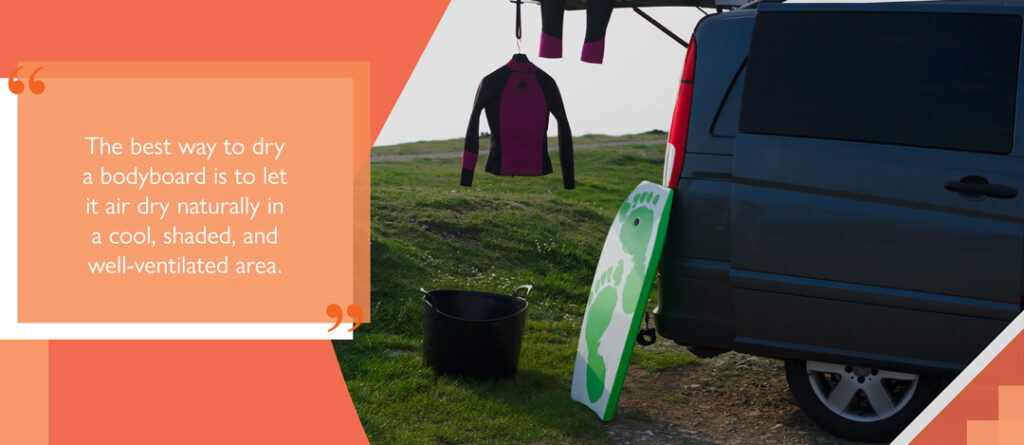
The best way to dry a bodyboard is to let it air dry naturally in a cool, shaded, and well-ventilated area. Stand it on its tail or nose against a wall (many recommend standing it on its nose, as this is often the most reinforced part) so that water can drain away effectively. Leaving it in the shade outdoors on a breezy day or in a garage or utility room is ideal.
Towel drying vs. air drying
You can certainly give your board a gentle wipe-down with a clean, soft towel to remove the bulk of the water, and this is a good practice. However, this should be followed by a period of air-drying to ensure that all residual moisture, especially around the leash plug and rails, has a chance to evaporate completely before you put it into storage.
Ensure your inflatable board is completely dry before deflating/storing
For an inflatable bodyboard, it is essential that the board is 100% dry before you deflate it and roll it up for storage. Rolling up a damp board and putting it in a bag is a recipe for mould and mildew, which can damage the PVC material and create unpleasant odours. Let it air dry fully, paying close attention to the area around the valve.
5. Protecting your bodyboard between adventures
Where and how you store your bodyboard between sessions has a profound impact on its condition and longevity. Proper storage protects your board from the two biggest threats: physical damage (dings and scratches) and environmental degradation (heat and UV rays). There are different considerations for short-term and long-term storage.
Short-term storage (daily or between quick sessions)
This refers to how you store your board for a few hours or a couple of days between trips to the beach. The key principles are keeping it cool and avoiding physical stress.
Cool, shaded, and well-ventilated spots
Find a spot that is out of direct sunlight and away from sources of heat. A garage, a utility room, or a shady spot on a drivewayor in a back garden are all good options.
Never leave it in a car on a warm day, as the interior can heat up like an oven and quickly cause severe, irreversible damage like bubbling and warping. A well-ventilated area is also preferable to help any residual moisture evaporate.
How to position your board
When storing your board, try to lay it flat on its deck (the soft side) or stand it vertically on its nose or tail. Storing it flat on its slick bottom is generally discouraged for long periods as any small debris underneath could cause indentations. Leaning it against a wall on its rail can create a pressure point and potentially cause a dent over time.
Standing it up vertically is often a good, space-efficient option, with many riders preferring to stand it on its nose, which is typically the most robust part of the board.
Long-term storage (off-season or extended breaks)
If you’re packing your board away for the winter or won’t be using it for several weeks or months, a more thorough approach to storage is required. This is particularly important for those considering bodyboard storage for winter.
Ensuring your board is perfectly clean and dry
Before it goes into long-term storage, your board must be impeccably clean and, most importantly, completely dry. Any residual salt will continue to corrode materials, and any trapped moisture can lead to mould, mildew, and delamination.
Give it a final, thorough rinse and let it air dry for at least a day or two in a warm, dry room to be certain all moisture has evaporated.
Ideal temperature and humidity conditions
The ideal storage location is a climate-controlled one. A space with a stable, cool temperature and low humidity is perfect.
Attics and sheds that experience extreme temperature fluctuations (very hot in summer, freezing in winter) are not ideal. A spare room, a cupboard, or a dry basement are much better choices.
Storing slick bodyboards
For long-term storage, laying the board perfectly flat on its deck is the best option to maintain its natural rocker and prevent any warping. If you lack the space, standing it vertically on its nose is the next best choice. Avoid leaving it leaning at an angle for months on end.
Storing inflatable bodyboards
If you don’t plan to use your inflatable board for an extended period, you can fully deflate it and roll it up loosely, ensuring there are no sharp folds or creases, before placing it in its storage bag at room temperature.
Why a quality bodyboard bag is essential
A bodyboard bag is the single best accessory you can buy to safeguard your board during transit and storage.
Protection from dings, scratches, and accidental damage
A padded board bag provides a crucial buffer against the inevitable bumps, scrapes, and dings that happen during transportation. Whether you’re loading it into a car, carrying it down a rocky path to a hidden cove, or checking it onto an airplane, a bag is the first line of defence against physical damage.
Shielding from harmful UV rays
Even short exposure to direct sunlight can be harmful. A quality UV protection bodyboard bag is essential. Many bags have a reflective silver lining on one side, which is designed to be faced outwards to reflect sunlight and keep the board cool, preventing heat damage and the fading of your board’s graphics. This feature alone makes a bag a worthwhile investment.
Making transportation easier and safer
Carrying a slippery, wet bodyboard, along with fins, a towel, and other gear, can be awkward. A good board bag, equipped with padded shoulder straps or backpack-style straps, makes getting your equipment to and from the beach far easier and more comfortable.
Key features of a good bodyboard bag
When choosing a bag, look for key features that enhance protection and convenience. In addition to ample padding, heat-reflective materials, and durable, corrosion-resistant zippers, look for bags with added benefits, e.g. mesh drainage panels to help with ventilation, and external pockets to conveniently store your fins, leash, and wax, which help keep your gear organised.
6. Basic bodyboard repairs you can do
Despite your best efforts, wear and tear is an inevitable part of bodyboarding. Rocks, fins, and heavy impacts can all leave their mark. The good news is that many common issues can be fixed at home with a few simple tools and materials.
Spotting common issues early
The first step in any repair is identifying the problem. Regularly inspecting your board will help you catch these issues before they compromise your board’s integrity.
Minor dings and gouges on slick boards
These are small cuts or indentations, usually on the rails, nose, or tail, caused by impacts with rocks or other boards. If they are deep enough to expose the foam core, they must be sealed to prevent water from getting in.
Delamination (bubbles or lifting slick/deck)
This is when the slick bottom or deck skin separates from the foam core, creating a bubble or a peeling edge. This is often caused by heat damage but can also result from a heavy impact. It is one of the most serious issues, but if caught early, it can often be repaired.
Learning how to prevent bodyboard delamination starts with preventing heat exposure, but quick repairs are the next best thing.
Leash plug problems
A leash plug that spins in its hole or feels loose when you pull on it needs immediate attention. A loose plug can easily be ripped out by a wave, leading to a lost board.
Punctures or leaky valves on inflatable bodyboards
For inflatable boards, the main concern is air loss. This can be caused by a small puncture in the PVC material or a leaky valve that isn’t sealing correctly.
DIY fixes for slick bodyboards
With the right adhesive, you can tackle most minor damage on a traditional foam board. Always ensure the board is completely clean and bone dry before attempting any repair.
Repairing minor dings
For small cuts and gouges that have pierced the outer skin, you’ll need a specialised, flexible, and waterproof adhesive. Clean the damaged area thoroughly, then apply a layer of the sealant, ensuring it fully covers the exposed core. For deeper cuts, you may need to apply it in layers.
Allow it to cure completely as per the manufacturer’s instructions—usually for at least 24 hours—before taking the board back in the water.
Addressing small areas of delamination
To fix bodyboard bubbles on the slick, you’ll need a slightly different approach. You will need a hot melt glue gun or a tube of waterproof adhesive.
First, if there’s a bubble, you’ll need to make a small, neat incision at the base of the bubble to allow the trapped air (and any moisture) to escape and to provide an entry point for the glue.
Make sure the area inside is totally dry; a hairdryer on a low setting can help. Inject a generous amount of adhesive into the void, then use a flat object like a credit card to press the bubble flat, spreading the adhesive evenly underneath. Place a heavy, flat object like a large book on top of the repair and leave it overnight to bond securely.
Patching up your inflatable bodyboard
Repairing a puncture on an inflatable board is very similar to fixing a bicycle inner tube.
Finding the leak
If you suspect a leak but can’t find it, inflate the board and spray it with a mixture of soap and water. Pay close attention to the valve and the seams. The escaping air will create a stream of bubbles, pinpointing the exact location of your leak.
Using an inflatable repair kit
Most inflatable boards come with a dedicated inflatable repair kit. This typically contains PVC patches and a strong adhesive.
Once you’ve found the leak, fully deflate the board and clean the area around the puncture. Apply the adhesive to both the patch and the board, wait a few moments for it to become tacky, then firmly press the patch over the hole. Place a weight on top and allow it to cure for the recommended time before re-inflating.
When is it time to consider a replacement?
While DIY repairs are great for minor issues, some damage is too severe to fix at home. A board that is snapped or creased, heavily waterlogged, or has widespread delamination across more than 30% of its surface is likely beyond economical repair. At this point, it’s time to start thinking about a replacement bodyboard and investing in a new ride that you can care for correctly from day one.
7. Caring for your leash and bag
The accessories that support your bodyboard also need regular care to function correctly and last as long as possible. Your leash and your board bag are your board’s closest companions, and a few simple maintenance steps will ensure they don’t let you down.
Keeping your bodyboard leash in prime condition
Your leash is a critical piece of safety gear, and its failure can have serious consequences. Treating it with the same care as your board is essential.
Rinsing and drying after every use
Just like your board, your leash must be rinsed thoroughly with fresh water after every session. This is vital for washing away corrosive salt and abrasive sand.
Pay particular attention to the swivels. Direct a stream of water into the swivel mechanism to flush out any trapped grit. If you fail to do this, the salt will cause the metal to corrode, seizing the swivel and causing the leash to tangle.
After rinsing, hang the leash up to air dry completely, out of direct sunlight.
Regular inspection for wear
Before each session, give your leash a quick once-over.
- Check the urethane cord for any nicks or cuts.
- Examine the ‘leash string’ that connects the leash to the board plug for any signs of fraying.
- Test the Velcro on the cuff to ensure it still has a strong, secure grip.
- The points where the cord is moulded into the cuff and plug connectors are high-stress areas, so check them carefully for any signs of stretching or tearing.
Storing your leash
When storing your leash, avoid wrapping it tightly around your board or fins. This can create permanent kinks in the cord, which can weaken it and cause it to tangle around you in the water. The best way to store a leash is to hang it loosely from a hook or lay it in a gentle coil inside your board bag.
Maintaining your bodyboard bag
Your board bag is your board’s primary defence against the world. Keeping it in good condition ensures it can do its job properly.
Shaking out sand and debris regularly
After a trip to a sandy beach, your bag will inevitably contain sand. Before you put your clean board back in it, turn the bag inside out and give it a good, vigorous shake to remove all the sand and any other debris. Trapped sand is abrasive and can scratch your board during transit.
Spot cleaning and airing out to prevent mildew
If your bag gets dirty, spot clean it with a damp cloth and mild soap. Most importantly, if the bag gets wet, make sure to air it out completely. Zipping up a damp, salty bag and leaving it in a corner is a surefire way to cultivate mould and mildew, which can damage the fabric and cause the zippers to seize.
After cleaning, hang it up, fully unzipped, to dry.
Checking zips, straps, and seams
Periodically check the key components of your bag. Run the zips back and forth to ensure they are moving freely. A little bit of silicone lubricant can help keep them smooth. Also check the stitching on the shoulder straps and handles to ensure they are secure, especially at the points where they attach to the bag body.
8. Special considerations for different conditions andboard types
While the core principles of bodyboard care are universal, certain situations and board types require a little extra attention and specific knowledge. Adapting your routine to the conditions you face will ensure your gear stays in prime condition no matter where your wave-riding adventures take you.
Hot weather and Intense sun
On hot, sunny days, you need to be extra vigilant. Never leave your board on the beach with the deck facing the sun; the dark colour can absorb heat incredibly quickly. If you must leave it on the sand for a few minutes, flip it over so the slick bottom is facing up, and cover it with a towel or, even better, bury it lightly in the cool sand.
A reflective board bag is your best friend in these conditions, providing essential protection during transport and while you’re taking a break on the shore.
Cold-weather care
While less common for UK bodyboarding, there are some considerations for very cold conditions. Some materials can become slightly more brittle in freezing temperatures, so it’s wise to avoid any hard impacts.
The main consideration is drying. In cold, damp winter air, a board will take much longer to dry. It’s crucial to bring it indoors into a warm, dry room to ensure it dries out completely before being put into long-term storage, preventing any moisture from getting trapped inside.
Travelling with your bodyboard
Taking your board on holiday opens a world of new waves, but it also presents risks. If you’re flying, a durable, well-padded travel board bag is essential to protect it from rough handling by baggage staff. Check with your airline beforehand about their policies and fees for sporting equipment.
When you arrive at your destination, especially if it’s a hot country, all the rules about heat and sun protection become even more critical. Don’t let the holiday excitement make you forget the basics of board care.
Keep inflatable bodyboard valves clean and check seals
For owners of inflatable bodyboards, the valve is the most important mechanical component. A proper inflatable bodyboard valve care routine is simple but vital.
Always make sure the cap is securely fastened when you’re on the water to prevent sand and water from getting inside the mechanism. After rinsing your board, give the valve area an extra flush with fresh water.
Before your first inflation of the season, it’s a good idea to check that the valve body itself is screwed tightly into the board. Some inflatable kits come with a small plastic spanner for this purpose; a gentle clockwise turn to ensure it’s snug is all that’s needed.
9. How Two Bare Feet can help you ride the waves with confidence
Learning how to properly care for your bodyboard is a journey that transforms you from a simple owner into a true custodian of your gear. The principles are simple, but their impact is profound. With the right maintenance routine, your board becomes a trusted partner in your aquatic adventures.
At Two Bare Feet our bodyboarding range is designed from the ground up with durability, performance, and longevity in mind, providing the perfect foundation for your board care routine.
-
 Special Price £28.99 Regular Price £34.99
 -
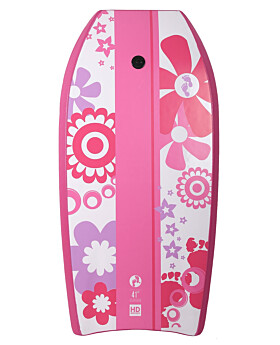
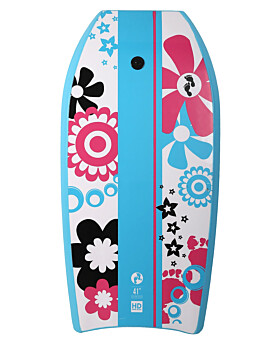
41" Flowers Bodyboard (Raspberry)
Special Price £28.99 Regular Price £34.99 -
 Special Price £27.99 Regular Price £34.99
 -
 Special Price £29.99 Regular Price £39.99
 -
 Special Price £29.99 Regular Price £39.99
 -
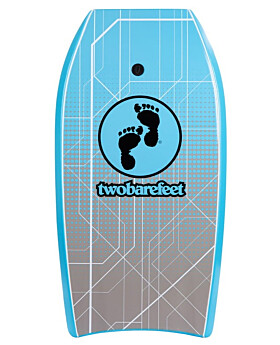 Special Price £29.99 Regular Price £39.99
 -
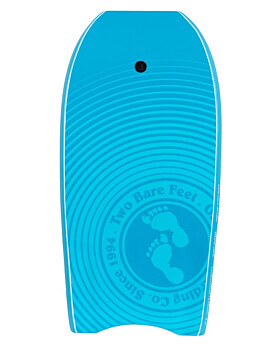 Special Price £29.99 Regular Price £39.99
 -
 Special Price £26.99 Regular Price £34.99
 -
 Special Price £27.99 Regular Price £34.99
 -
 Special Price £28.99 Regular Price £34.99
 -
 Special Price £29.99 Regular Price £39.99
 -
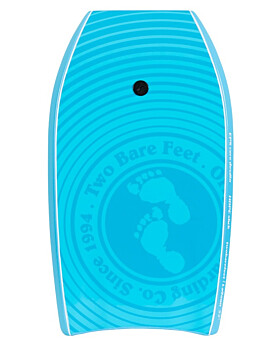 Special Price £26.99 Regular Price £34.99
 -
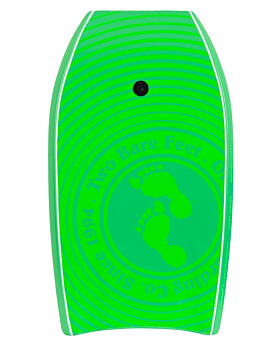 Special Price £26.99 Regular Price £34.99
 -
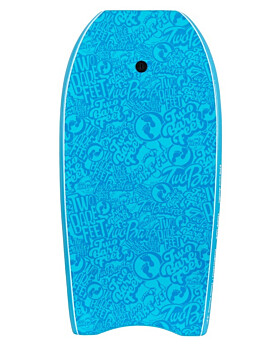
44" Classic Pattern Bodyboard (Aqua)
Special Price £29.99 Regular Price £39.99 -
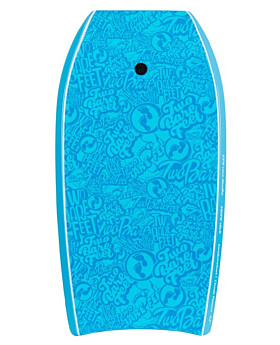
42" Classic Pattern Bodyboard (Aqua)
Special Price £29.99 Regular Price £39.99 -

42" Classic Pattern Bodyboard (Green)
Special Price £29.99 Regular Price £39.99 -
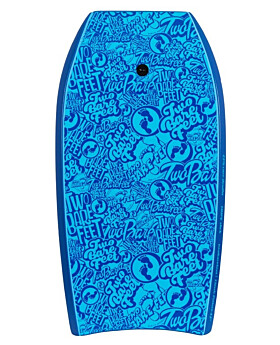
42" Classic Pattern Bodyboard (Blue)
Special Price £29.99 Regular Price £39.99 -
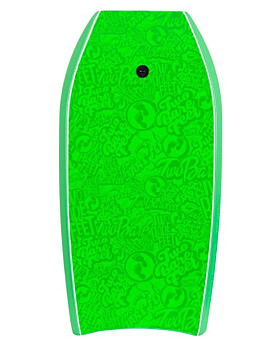
41" Classic Pattern Bodyboard (Green)
Special Price £28.99 Regular Price £34.99 -
33" Classic Pattern Bodyboard (Green)
Special Price £26.99 Regular Price £34.99 -
 Special Price £26.99 Regular Price £34.99
 -
42" Future Print Bodyboard (Aqua)
Special Price £24.99 Regular Price £29.99 -
42" Future Print Bodyboard (Green)
Special Price £24.99 Regular Price £29.99 -
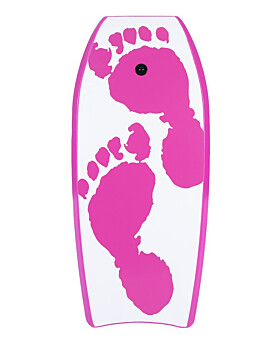
42" Future Print Bodyboard (Raspberry)
Special Price £24.99 Regular Price £29.99
Two Bare Feet slick bodyboards
We understand that a bodyboard needs to withstand the power of the ocean. That’s why our slick bodyboards are constructed using high-quality materials chosen for their resilience.
The EPS core construction forms the foundation of our slick boards, delivering exceptional buoyancy and responsiveness while maintaining the lightweight feel that makes extended sessions comfortable. This closed-cell foam core resists water absorption, which means your board won’t become waterlogged and heavy over time – a crucial factor in maintaining performance and extending the board’s lifespan.
The high-density polyethylene (HDPE) slick bottom is where our boards truly excel in both performance and durability. This smooth, fast surface not only provides the speed and glide you need to catch waves effortlessly, but it’s also incredibly resistant to dings, scratches, and UV damage. The slick bottom’s non-porous nature means it won’t absorb water or harbour bacteria, making maintenance straightforward – a simple rinse with fresh water after each session is often all that’s needed.
Reinforced rails run along the edges of our slick bodyboards, providing structural integrity where it matters most. These reinforced edges resist the wear and tear that comes from regular use, whether you’re carving through waves or navigating rocky shorelines. The rails are designed to maintain their shape and flexibility even after countless sessions, ensuring your board continues to perform as intended.
Our range includes multiple bodyboard size options to accommodate different rider weights and experience levels. From compact 33-inch boards perfect for younger riders and easy transport, to 44-inch boards that provides maximum stability and wave-catching ability for adult riders. Each size maintains the same quality construction and attention to detail that makes proper care and maintenance both effective and rewarding.
-
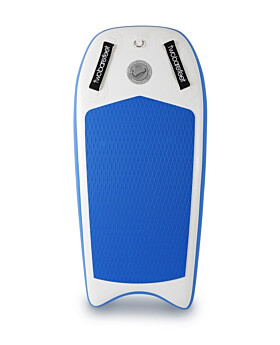
Two Bare Feet Boarding Co. 44" Inflatable Bodyboard - Board Only (Blue)
Special Price £59.99 Regular Price £99.99 -
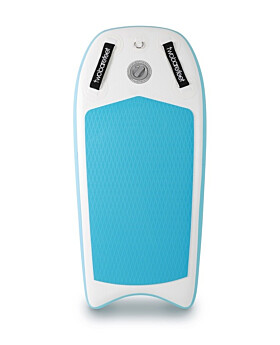
Two Bare Feet Boarding Co. 44" Inflatable Bodyboard - Board Only (Aqua)
Special Price £59.99 Regular Price £99.99 -
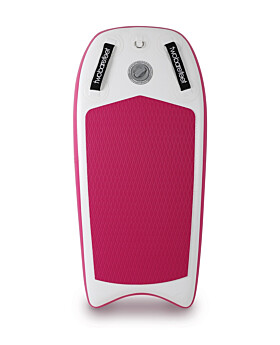
Two Bare Feet Boarding Co. 44" Inflatable Bodyboard - Board Only (Pink)
Special Price £59.99 Regular Price £99.99 -
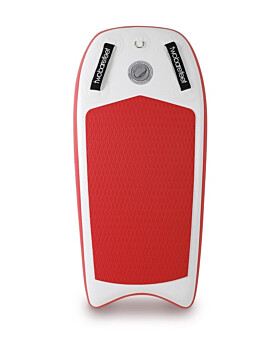
Two Bare Feet Boarding Co. 44" Inflatable Bodyboard - Board Only (Red)
Special Price £59.99 Regular Price £99.99 -
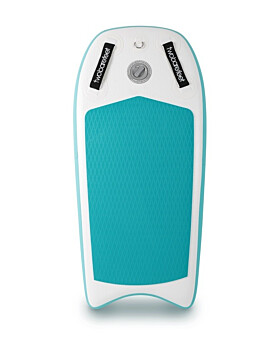
Two Bare Feet Boarding Co. 44" Inflatable Bodyboard - Board Only (Teal)
Special Price £59.99 Regular Price £99.99 -
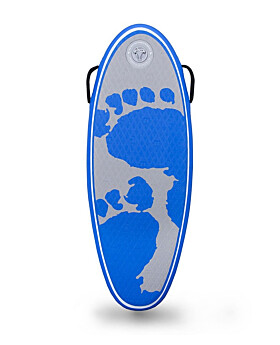
44" Surf Crew Inflatable Bodyboard - Board Only (Blue)
Special Price £59.99 Regular Price £99.99 -
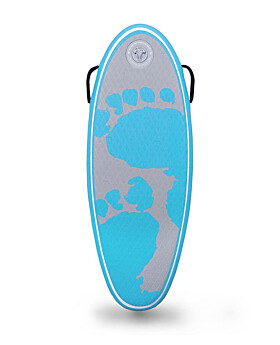
44" Surf Crew Inflatable Bodyboard - Board Only (Aqua)
Special Price £59.99 Regular Price £99.99 -
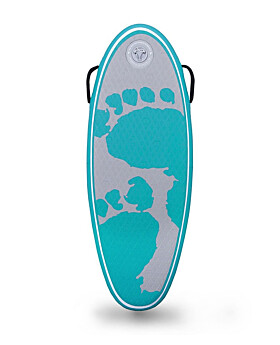
44" Surf Crew Inflatable Bodyboard - Board Only (Teal)
Special Price £59.99 Regular Price £99.99 -
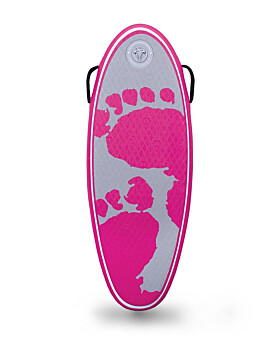
44" Surf Crew Inflatable Bodyboard - Board Only (Pink)
Special Price £59.99 Regular Price £99.99 -
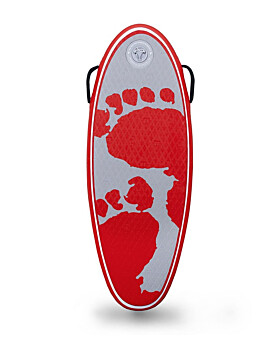
44" Surf Crew Inflatable Bodyboard - Board Only (Red)
Special Price £59.99 Regular Price £99.99
Two Bare Feet inflatable bodyboards
Our inflatable bodyboards bring a new level of convenience without compromising on toughness.
Built with premium drop-stitch construction, these boards can be inflated to an impressive 10 PSI, delivering stability and rigidity that rivals traditional solid boards. This innovative design means you get the performance you need on the waves while enjoying unmatched portability for your adventures.
The complete range for every adventure
Our 44″ inflatable bodyboard collection is available in multiple configurations to suit your needs. Whether you’re looking for a single board to get started, or planning family beach days, we offer everything from individual boards to convenient double packs. Our comprehensive packages include essential accessories like high-pressure pumps with pressure gauges, coiled bodyboard leashes, and waterproof dry bags – everything you need for a complete day on the water.
Built for durability, designed for care
Each board features adiamond pattern deck grip for superior traction and dual front handles for easy carrying and enhanced control. The robust construction means your maintenance routine becomes refreshingly simple. After each session, a quick rinse with fresh water and proper drying before deflation is all that’s needed to keep your board in peak condition.
The beauty of inflatable design extends far beyond storage convenience. When your session ends, simply deflate and roll the board into a fraction of its inflated size – no need for roof racks, dedicated storage spaces, or worrying about dings and scratches during transport. This design philosophy makes caring for your bodyboard as effortless as enjoying it, ensuring that proper maintenance becomes second nature rather than a chore.
Shield your gear with Two Bare Feet bodyboard bags
A Two Bare Feet bodyboard bag is the ultimate accessory for protecting your investment and making your journey to the waves as easy as possible. We believe a board bag is an essential purchase, which is why we’ve designed our range to offer maximum protection.
Comprehensive protection for every need
Our bodyboard bag collection spans single, double, triple, and quad capacity options, ensuring there’s a perfect solution whether you’re a solo rider or planning family beach adventures. The bags are durable enough to protect your board against dings, scratches, and the inevitable knocks that come with transport and storage.
Thoughtful design features
Every Two Bare Feet bodyboard bag incorporates practical elements that make your beach trips effortless. Twin adjustable shoulder straps allow comfortable backpack-style carrying, while a large, padded shoulder sling strap provides an alternative carry option. We’ve equipped each bag with reliable YKK zippers for durability and mesh drainage vents that allow water to escape, preventing trapped moisture that could damage your board over time.
Specialised solutions for different boards
For those with inflatable bodyboards, we offer waterproof dry bags that perfectly accommodate deflated boards alongside your other beach essentials. These feature wipe-clean PVC material, roll-top closure, and heavy-duty buckles to keep water out, making them ideal for any outdoor excursion.
Bundle convenience
We understand that buying your first bodyboard setup should be simple, which is why we offer comprehensive bodyboard and bag bundles. These packages combine our popular boards with perfectly matched bags, taking the guesswork out of compatibility while offering excellent value.
-
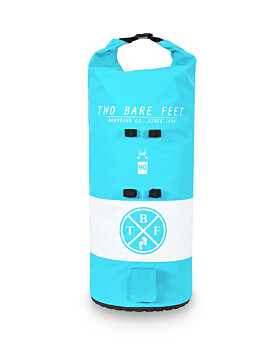
Two Bare Feet 90 Litre Waterproof Dry Bag / SUP Carry Bag (Aqua)
£29.99 -
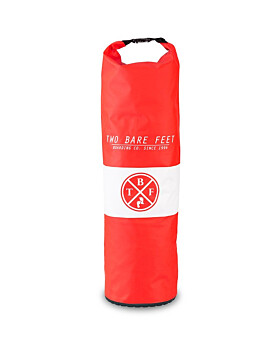
Two Bare Feet 30 Litre Waterproof Dry Bag / Inflatable Bodyboard Carry Bag (Red)
Special Price £17.99 Regular Price £34.99 -
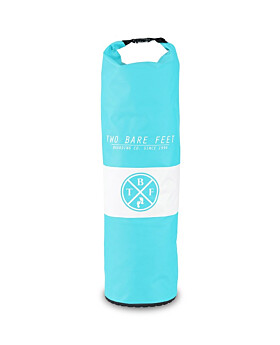
Two Bare Feet 30 Litre Waterproof Dry Bag / Inflatable Bodyboard Carry Bag (Aqua)
Special Price £17.99 Regular Price £34.99 -
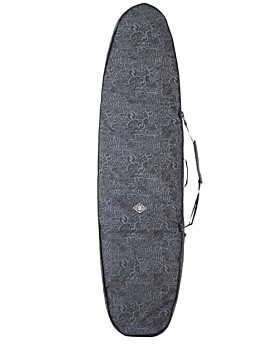
Classic Pattern 7'6" Surfboard Travel Bag (Black / Grey)
Special Price £44.99 Regular Price £64.99 -
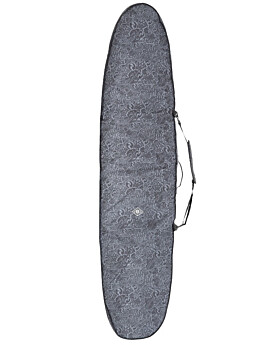
Classic Pattern 8'6" Surfboard Travel Bag (Black / Grey)
Special Price £49.99 Regular Price £64.99 -
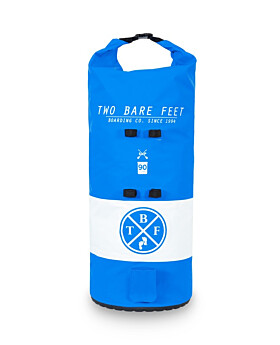
Two Bare Feet 90 Litre Waterproof Dry Bag / SUP Carry Bag (Blue)
£29.99 -
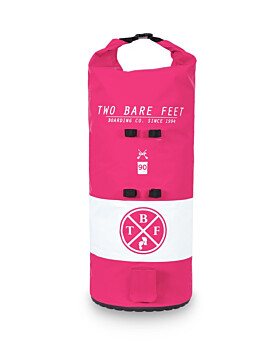
Two Bare Feet 90 Litre Waterproof Dry Bag / SUP Carry Bag (Pink)
£29.99 -
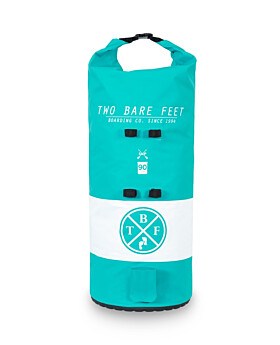
Two Bare Feet 90 Litre Waterproof Dry Bag / SUP Carry Bag (Teal)
£29.99 -
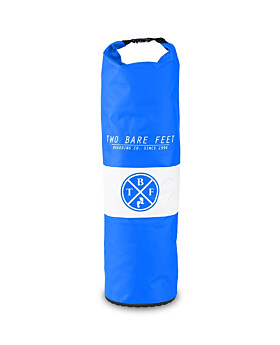
Two Bare Feet 30 Litre Waterproof Dry Bag / Inflatable Bodyboard Carry Bag (Blue)
Special Price £17.99 Regular Price £34.99 -
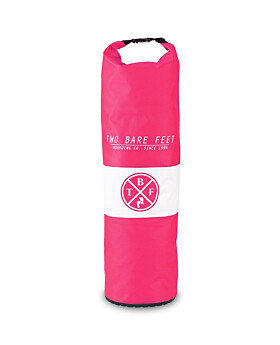
Two Bare Feet 30 Litre Waterproof Dry Bag / Inflatable Bodyboard Carry Bag (Pink)
Special Price £17.99 Regular Price £34.99 -
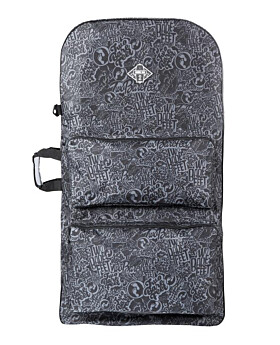
44" Double Bodyboard Bag (Grey Classic Pattern)
£27.99 -
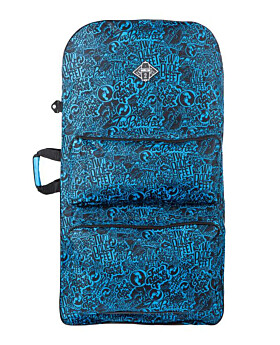
44" Double Bodyboard Bag (Blue Classic Pattern)
£27.99 -
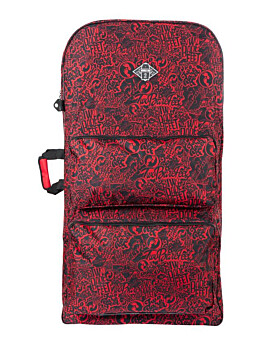
44" Double Bodyboard Bag (Red Classic Pattern)
£27.99 -
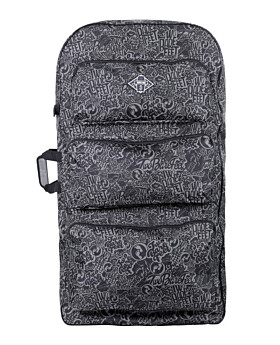
44" Triple Bodyboard Bag (Grey Classic Pattern)
£29.99 -
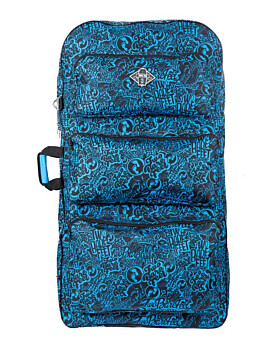
44" Triple Bodyboard Bag (Blue Classic Pattern)
£29.99 -
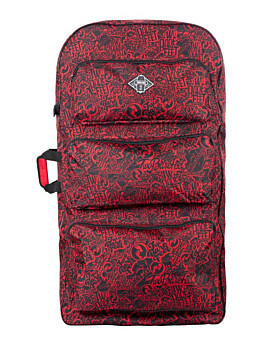
44" Triple Bodyboard Bag (Red Classic Pattern)
£29.99 -
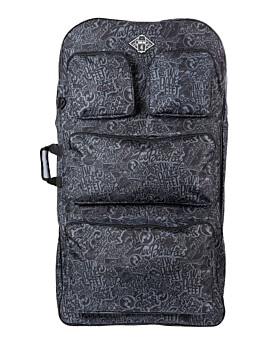
44" Quad Bodyboard Bag (Grey Classic Pattern)
£29.99 -
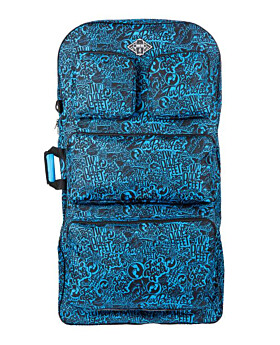
44" Quad Bodyboard Bag (Blue Classic Pattern)
£29.99 -
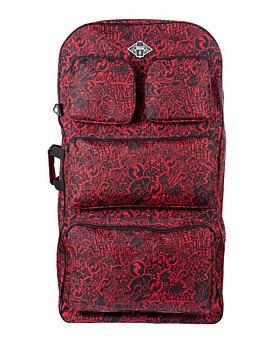
44" Quad Bodyboard Bag (Red Classic Pattern)
£29.99 -
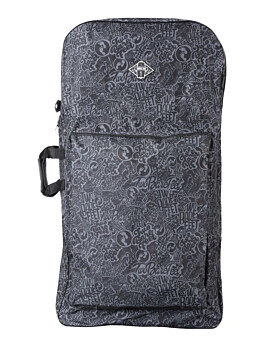
44" Single Bodyboard Bag (Grey Classic Pattern)
£27.99 -
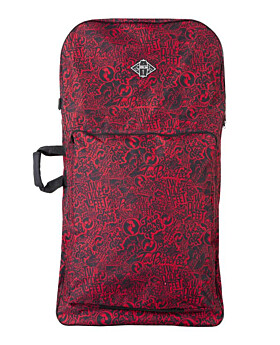
44" Single Bodyboard Bag (Red Classic Pattern)
£27.99 -
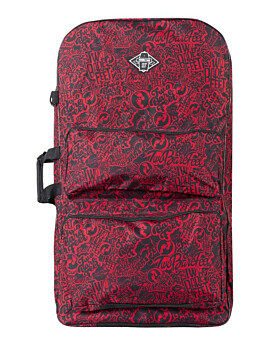
37" Double Bodyboard Bag (Red Classic Pattern)
£27.99 -
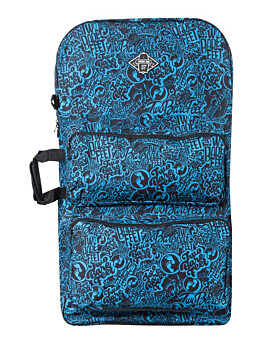
37" Double Bodyboard Bag (Blue Classic Pattern)
£27.99 -
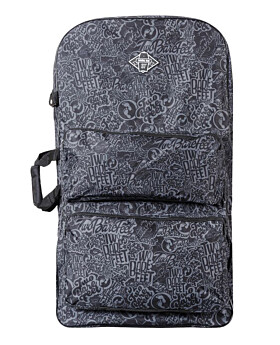
37" Double Bodyboard Bag (Grey Classic Pattern)
£27.99 -
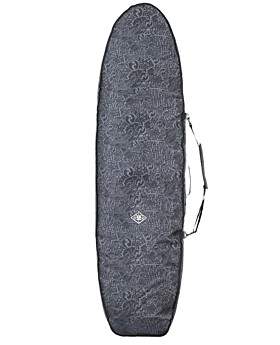
Classic Pattern 6'6" Surfboard Travel Bag (Black / Grey)
Special Price £39.99 Regular Price £59.99 -
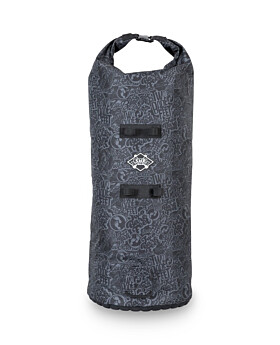
Two Bare Feet Classic Pattern 90 Litre Protective Paddleboard Travel Bag (Black / Grey)
£29.99
Secure and reliable Two Bare Feet coiled bodyboard leash
Our coiled bodyboard leash features a Velcro fastener, ensuring that the leash remains securely attached to either your ankle or wrist, as well as allowing for quick removal if you come into any difficulties on the water. Engineered with a high-strength density coil cord, the leash is incredibly durable and designed to withstand the demanding conditions of bodyboarding.
The coiled design offers distinct advantages over traditional straight leashes. When relaxed, the coil stays compact and out of your way, reducing drag through the water and preventing the frustrating tangles that can disrupt your flow. Yet when needed, it extends smoothly to keep your board within reach, even after the most spectacular wipeouts.
Whether you’re catching your first waves or pushing your limits in more challenging conditions, this connection between you and your board becomes essential safety equipment. The leash prevents your board from becoming a hazard to other water users while ensuring you’re never left swimming back to shore empty-handed.
Many of our bodyboard packages come with a coiled leash, but it is also available separately for those looking to upgrade, replace or simply use as an affordable backup.
By choosing our equipment, designed for durability and performance, you set yourself up for success from the very beginning. With a bodyboard and accessories built to last and the knowledge to care for them, you can push your limits and explore the thrill of the waves with complete confidence.