25 January 2022
Whether it’s your first time on the slopes or you’re a seasoned
snowboarder, having the right gear can make all the difference.
Differences in clothing between skiing and snowboarding
Traditionally, snowboarding clothes fit looser than ski gear, but there’s
little difference between what should be worn for either.
The two most important aspects when snowboarding are warmth and safety – your gear should keep
you warm, dry, and comfortable.
Snowboarding gear to keep you warm
Depending on weather conditions, you will likely need a sweat-wicking base
layer, an insulating mid-layer and a protective top layer.
Base layers for snowboarding
Thermal tops
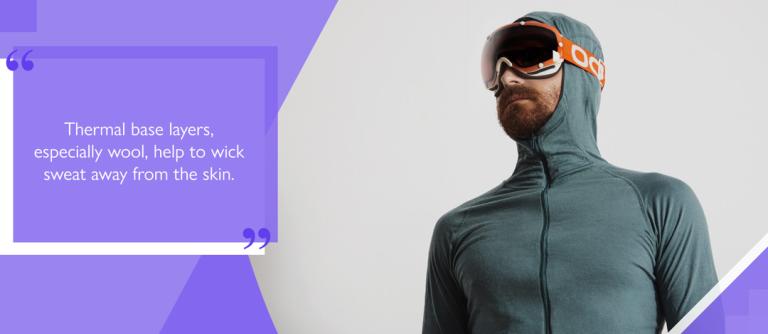
Thermal base layers
, especially wool, help to wick sweat away from the skin and insulate body
heat. This stops moisture cooling the skin, leading to clamminess and a
lower body temperature .
Avoid cotton base layers. Cotton absorbs moisture, which can leave you in
damp clothing that quickly saps body heat.
Above the base layer, a fleece or wool layer will provide further
insulation. On colder days, more or thicker layers may be needed.
Layering allows you to add or remove clothing, should temperatures change.
A down jacket as a mid-layer is the warmest option.
Keeping feet warm
A warm pair of socks that keep your feet dry are an essential piece of
snowboarding kit. They should be longer than the boots to prevent rubbing.
Keeping your feet warm conserves body heat. This also makes deft movements
and balance easier, as your feet won’t become numb.
Wearable snowboarding accessories
A snood or neck gaiter, or full balaclava for extra cold
locations, can make you much more comfortable. Head and neck protection
will keep cold mountain winds off your face and help avoid wind burn.
Layering with a hat adds extra warmth.
A good pair of waterproof gloves is also indispensable. Aside from keeping
your hands warm and dry, gloves can provide protection during a fall. Fresh
powder may seem like a soft landing, but high speeds and icy patches can
cause painful scrapes.
Snow jackets and trousers
An effective
ski jacket
is designed to keep wind and water out. Each jacket will have a different
level of insulation, waterproofing and breathability. Many come with snow
skirts to fasten around the waist and prevent snow getting underneath.
Besides the insulation and warmth offered by high-quality
snow trousers
, layering and padding helps soften impacts and protect from abrasions.
Trousers go over the outside of boots to keep snow out. Some come with
inner snow gaiters for further protection.
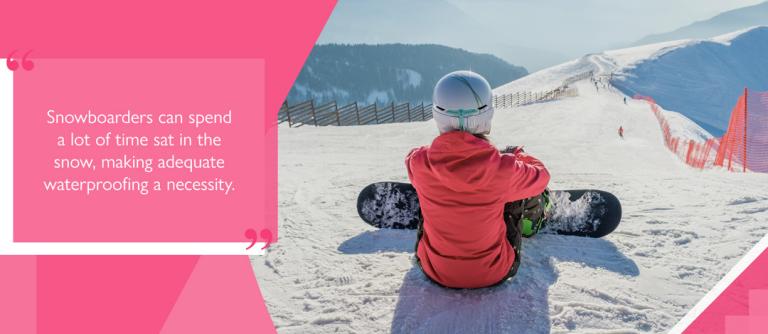
Snowboarders can spend a lot of time sat in the snow, between waiting for a
run to clear, having a rest, or falling over. This makes adequate
waterproofing a necessity. Layering long johns under trousers can offer
more freedom of movement than bulkier snow pants.
Snowboarding boots
A solid pair of boots that keep feet and ankles warm, dry, and protected
are necessary. It can ruin your day if your feet are uncomfortable. You
don’t want to be nursing blisters instead of enjoying après ski.
Snowboarding safety equipment
Before strapping onto your board, it’s important to apply sunscreen on any
exposed skin. The thin atmosphere at high altitudes and reflected sunlight
on clear days can lead to painful sun damage, which may go unnoticed while
out on the slopes.
Head and eye protection
A vital piece of kit on a snowboarding checklist is a robust protective helmet. These can often be hired to save
luggage space.
Even experienced snowboarders can lose balance or control or be victim to
other wayward slope users. In these situations, a helmet can literally be a
lifesaver.
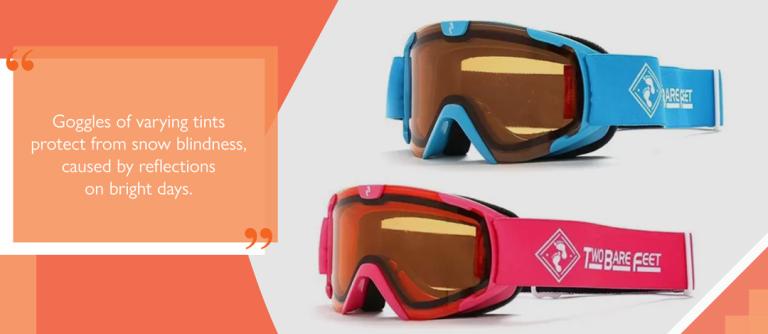
Another essential item is a sturdy pair of
snow goggles
. Goggles of varying tints protect from snow blindness, caused by reflections on bright days. They also shield against
cold winds as you race downhill and prevent glare from impairing vision.
Knee pads and wrist guards
One of the most common injuries sustained by snowboarders are damaged
wrists. Throwing your arms out to break a fall at high speeds can easily
lead to sprains, strains, or breaks. A wrist guard can
support your wrists against the worst of a hard impact, so you break your
fall but nothing else.
If you’re new to snowboarding or just want a little more confidence than
padded snow trousers allow, knee pads provide that extra
protection. External padding will also protect fabric trousers from damage
in particularly tough scrapes.
While it’s fun to look fresh on the slopes, it’s more important to stay
warm, dry, and safe. But who says you can’t do both? At Two Bare Feet our
range of high-quality
snow gear
is stylish and colourful, while providing the protection you expect from
high-quality, well manufactured clothing and accessories.