13 November 2025
Navigating the world of outdoor jackets can feel as unpredictable as the British weather itself. With a bewildering array of technical terms, fabric technologies, and specialist designs, choosing the right jacket is often a challenge.
Here at Two Bare Feet, our passion for the outdoors is embedded in everything we do. We understand that a reliable jacket is fundamental to enjoying the wild landscapes we love, whether that’s a windswept coastline, a rain-swept mountain trail, or a frosty morning in the park. It’s an essential piece of gear that stands between you and the elements, enabling you to explore with confidence and comfort.
This guide draws upon our extensive experience to help you understand the key considerations, from technical specifications to activity-specific features, ensuring you invest in a jacket that not only performs but becomes a trusted companion for years to come.
Table of contents
1. Understanding outdoor jacket categories
2. Essential features to consider
3. Matching jacket style to your activities
4. Weather conditions and seasonal selection
5. Fit, sizing, and comfort considerations
6. Practical features that make a difference
7. The changing robe alternative: When a coat becomes more
8. Care, maintenance, and longevity
9. Building your outdoor jacket collection
10. Making your final decision: a step-by-step guide
11. Find your perfect outdoor protection
1. Understanding outdoor jacket categories
The first step in selecting an outdoor jacket is to understand the main categories available. Each type is engineered to address a fundamental challenge of outdoor activity:
- the constant balancing act between protection from external weather, and
- the management of internal body heat and moisture.
A jacket that completely seals you off from a downpour might also trap perspiration, leaving you damp from the inside. Conversely, a highly breathable jacket may not offer sufficient protection in a storm.
The existence of different jacket categories reflects a range of specialised solutions to this issue, each prioritising different aspects of performance, from absolute weatherproofing to athletic freedom of movement or insulated comfort.
Traditional outdoor jackets
This category encompasses the classic performance shells and insulated layers designed for active pursuits. They are typically divided into several families:
- hardshells
- softshells
- fleeces.
The choice between them hinges on the expected weather conditions and the intensity of your activity.
A hardshell jacket is your fortress against the elements. As the name suggests, these jackets are constructed with a stiffer outer fabric and are designed to provide the highest level of weather protection. Their construction typically involves multiple layers laminated together, including a waterproof and windproof membrane that acts as an impenetrable barrier to rain and wind. With features like taped seams and waterproof zips, hardshells are engineered for the most severe conditions, making them the primary choice for activities in which staying dry is paramount.
In contrast, a softshell jacket is the athlete’s choice, prioritising breathability and flexibility above all else. Made from pliable, stretch-woven fabrics, softshells are exceptionally comfortable and allow for a full range of motion. While they are treated to be wind and water-resistant, they lack a fully waterproof membrane, meaning they will eventually let water in during a sustained downpour. Their strength lies in their ability to manage moisture from the inside out, making them ideal for high-exertion activities.
The Two Bare Feet Softshell Waterproof Jacket is a versatile example, offering an excellent 8K waterproof and breathability rating with a micro-fibre fleece lining for warmth, making it a superb all-rounder.
Fleece jackets are a cornerstone of outdoor layering. Made from soft, synthetic materials, they provide excellent insulation without excessive weight. Our Two Bare Feet Unisex Fleeces, available in full-zip, quarter-zip, and gilet styles, are crafted from premium 300gsm thermal fleece. They serve as a perfect mid-layer under a shell in cold, wet weather or as a comfortable outer layer on cool, dry days.
-
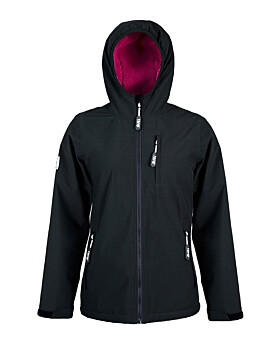
Womens Sherpa Lined Waterproof Jacket (Black/Raspberry)
As low as £24.99 Regular Price £79.99 -
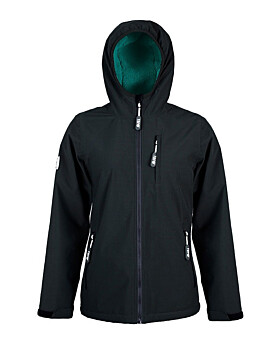
Womens Sherpa Lined Waterproof Jacket (Black/Sea Green)
As low as £24.99 Regular Price £79.99 -
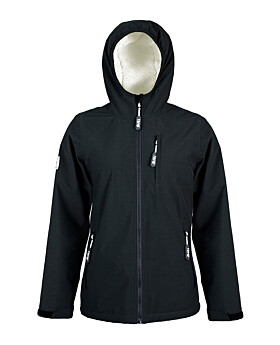
Womens Sherpa Lined Waterproof Jacket (Black/Cream)
As low as £24.99 Regular Price £79.99 -
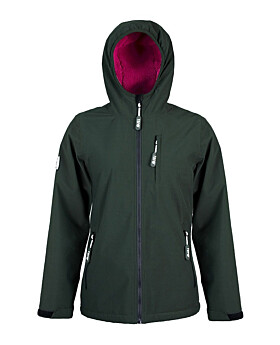
Womens Sherpa Lined Waterproof Jacket (Khaki/Raspberry)
As low as £24.99 Regular Price £79.99 -
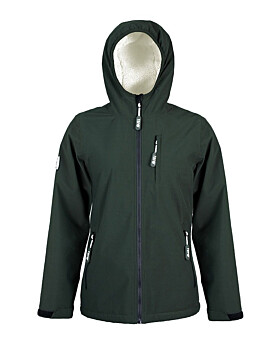
Womens Sherpa Lined Waterproof Jacket (Khaki/Cream)
As low as £24.99 Regular Price £79.99 -
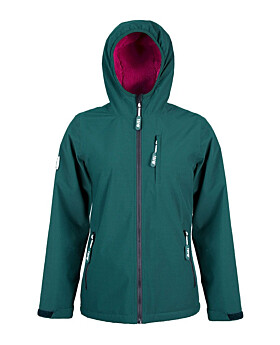
Womens Sherpa Lined Waterproof Jacket (Sea Green/Raspberry)
As low as £24.99 Regular Price £79.99 -
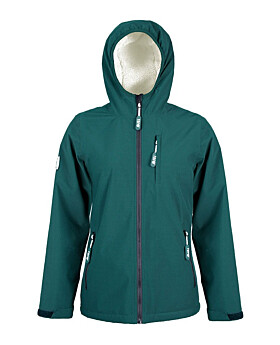
Womens Sherpa Lined Waterproof Jacket (Sea Green/Cream)
As low as £24.99 Regular Price £79.99 -
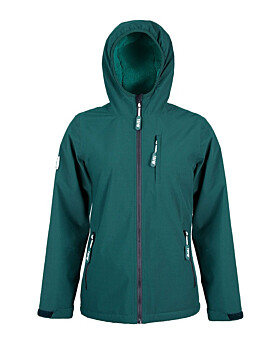
Womens Sherpa Lined Waterproof Jacket (Sea Green/Sea Green)
As low as £24.99 Regular Price £79.99 -
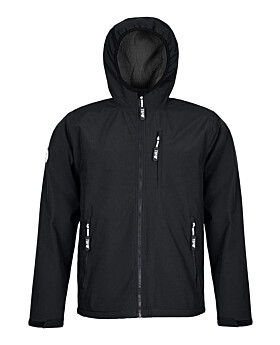
Mens Sherpa Lined Waterproof Jacket (Black/Charcoal)
As low as £24.99 Regular Price £79.99 -
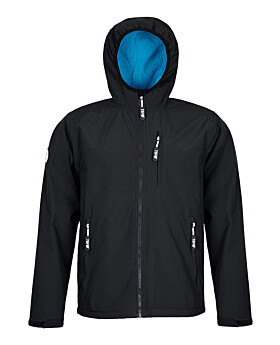
Mens Sherpa Lined Waterproof Jacket (Black/Blue)
As low as £24.99 Regular Price £79.99 -
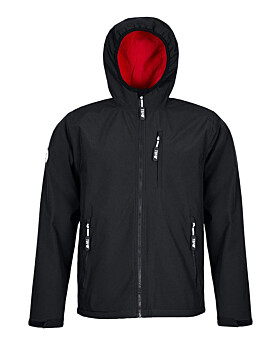
Mens Sherpa Lined Waterproof Jacket (Black/Red)
As low as £24.99 Regular Price £79.99 -
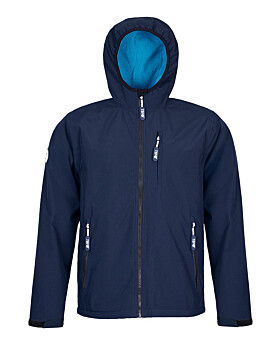
Mens Sherpa Lined Waterproof Jacket (Marine Blue/Blue)
As low as £24.99 Regular Price £79.99 -
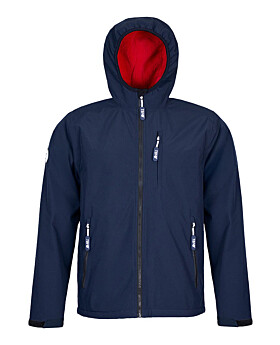
Mens Sherpa Lined Waterproof Jacket (Marine Blue/Red)
As low as £24.99 Regular Price £79.99 -
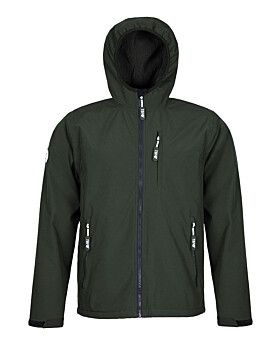
Mens Sherpa Lined Waterproof Jacket (Khaki/Black)
As low as £24.99 Regular Price £79.99 -
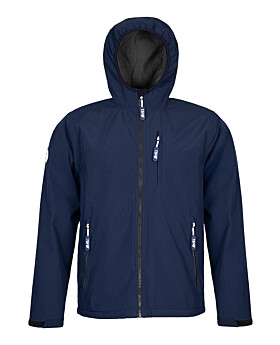
Mens Sherpa Lined Waterproof Jacket (Marine Blue/Charcoal)
As low as £24.99 Regular Price £79.99 -
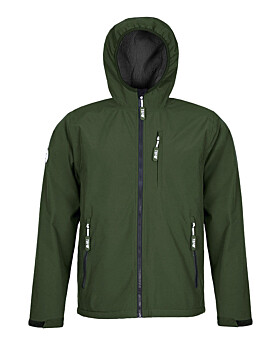
Mens Sherpa Lined Waterproof Jacket (Forest/Charcoal)
As low as £24.99 Regular Price £79.99 -
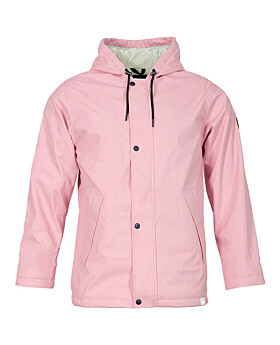
Elemental Waterproof Lightweight Jacket (Dusk/Cream)
As low as £44.99 Regular Price £79.99 -
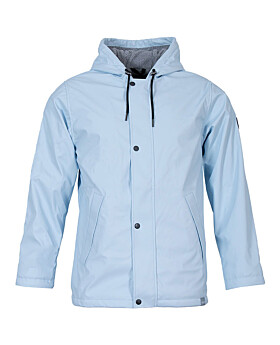
Elemental Waterproof Lightweight Jacket (Ice Blue/Grey)
As low as £44.99 Regular Price £79.99 -
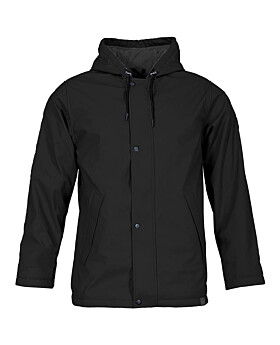
Elemental Waterproof Lightweight Jacket (Black/Charcoal)
As low as £44.99 Regular Price £79.99 -
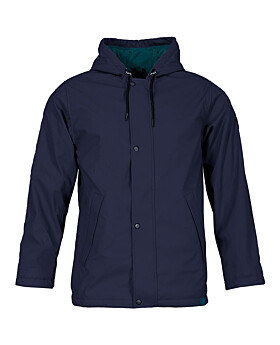
Elemental Waterproof Lightweight Jacket (Navy/Sea Green)
As low as £44.99 Regular Price £79.99 -
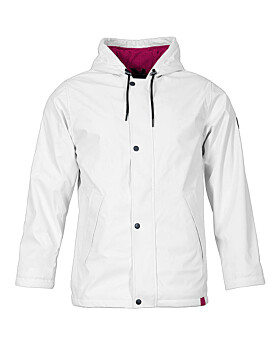
Elemental Waterproof Lightweight Jacket (White/Raspberry)
As low as £44.99 Regular Price £79.99 -
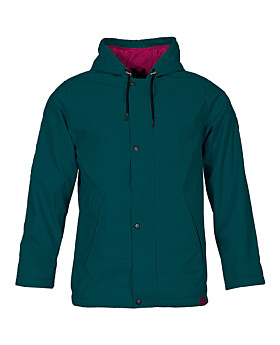
Elemental Waterproof Lightweight Jacket (Sea Green/Raspberry)
As low as £44.99 Regular Price £79.99 -
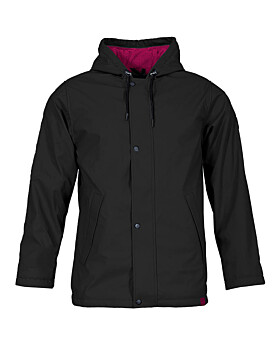
Elemental Waterproof Lightweight Jacket (Black/Raspberry)
As low as £44.99 Regular Price £79.99 -
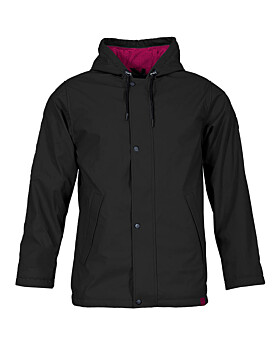
Elemental Waterproof Lightweight Jacket (Black/Raspberry)-Small
Special Price £44.99 Regular Price £79.99 -

Elemental Waterproof Lightweight Jacket (Black/Raspberry)-Medium
Special Price £44.99 Regular Price £79.99 -

Elemental Waterproof Lightweight Jacket (Black/Raspberry)-Large
Special Price £44.99 Regular Price £79.99 -

Elemental Waterproof Lightweight Jacket (Black/Raspberry)-XL
Special Price £44.99 Regular Price £79.99 -

Elemental Waterproof Lightweight Jacket (Black/Raspberry)-2XL
Special Price £44.99 Regular Price £79.99 -

Elemental Waterproof Lightweight Jacket (Navy/Grey)
As low as £44.99 Regular Price £79.99 -

Elemental Waterproof Lightweight Jacket (Navy/Grey)-Small
Special Price £44.99 Regular Price £79.99 -
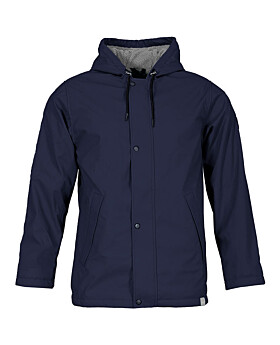
Elemental Waterproof Lightweight Jacket (Navy/Grey)-Medium
Special Price £44.99 Regular Price £79.99 -
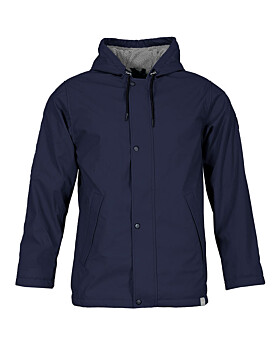
Elemental Waterproof Lightweight Jacket (Navy/Grey)-Large
Special Price £44.99 Regular Price £79.99 -
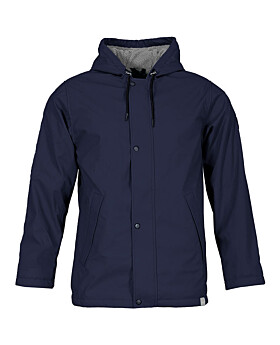
Elemental Waterproof Lightweight Jacket (Navy/Grey)-XL
Special Price £44.99 Regular Price £79.99 -
Elemental Waterproof Lightweight Jacket (Navy/Grey)-2XL
Special Price £44.99 Regular Price £79.99
Sherpa-lined jackets
Sherpa-lined jackets represent a solution that prioritises exceptional warmth and comfort, making them ideal for lower-intensity activities or for everyday use in cold weather. The term ‘sherpa’ refers to a type of fleece made from polyester, designed to mimic the texture and insulating properties of sheep’s wool. Its high-pile construction is incredibly effective at trapping air, creating a substantial thermal layer that provides warmth without excessive weight.
When considering a sherpa or softshell jacket, the primary difference lies in their intended function. A softshell is designed for active use, where managing the heat and sweat you generate is as important as fending off a light shower. A sherpa-lined jacket, on the other hand, is built for static warmth. It provides a far greater level of insulation, making it the superior choice for situations where you are less active but still exposed to the cold. The Two Bare Feet Sherpa Lined Waterproof Jacket exemplifies a modern, hybrid approach. It combines a robust, 8K waterproof outer shell with a dense 300GSM sherpa fleece lining, offering both the cosiness of a fleece and the reliable weather protection of a shell jacket.
Weatherproof changing robes as overcoats
In recent years, the weatherproof changing robe has undergone a remarkable evolution. Originally a niche item for surfers and open-water swimmers, it has emerged as a highly functional and increasingly popular form of mainstream outerwear. This shift has led many to consider using a changing robe instead of a jacket, and for good reason. In many scenarios, a robe’s unique design offers superior benefits over a traditional coat.
The core advantages of a changing robe are its exceptional warmth, complete coverage, and unparalleled convenience. The oversized, long-length design provides a personal shelter, protecting from wind and rain from head to knee. Inside, a deep-pile sherpa fleece lining offers immediate warmth and comfort. This combination of a weatherproof outer and a thick insulating inner makes it an incredibly effective garment for a wide range of activities beyond the beach. The Two Bare Feet Weatherproof Changing Robe range, with its water-resistant outer shell and premium sherpa fleece lining, is a prime example of this versatile and practical outerwear solution.
Specialist options: snow and ski jackets
For winter sports like skiing and snowboarding, a specialist jacket is a necessity. These garments are equipped with a range of technical features designed specifically for the snow, ensuring both safety and comfort on the slopes.
Key features to look for include a powder skirt (an internal elasticated gaiter that stops snow from entering from below during a fall), a helmet-compatible hood, a dedicated lift pass pocket, and inner thumbhole cuffs or wrist gaiters that create a seamless seal with your gloves. These jackets are typically insulated and possess strong waterproof and windproof ratings. The Two Bare Feet Rift Snow Jacket is a purpose-built example, incorporating soft polyfill insulation, a 5K waterproof and 5K breathable TPU outer shell, a snap-on powder skirt, and extended Lycra cuffs to provide the comprehensive protection needed for a day on the mountain.
2. Essential features to consider
The performance of an outdoor jacket is determined by its technical specifications. These are often represented by numbers and acronyms on the label that can be confusing to the uninitiated. Understanding these key features will empower you to look beyond the marketing and make an informed decision.
Waterproof ratings explained
A jacket’s ability to resist water is measured using a Hydrostatic Head (HH) test, which quantifies how much water pressure a fabric can withstand before it begins to leak. The result is expressed in millimetres (mm). A higher number indicates a greater level of waterproofness.
When comparing waterproof jackets, it’s helpful to understand the real-world difference in ratings. An 8,000 mm (8K) rating, as found on Two Bare Feet’s Weatherproof Robes, Sherpa Jackets, and Softshell Jackets, provides excellent, reliable protection for the vast majority of British weather. A 10,000 mm (10K) rating, featured on the Two Bare Feet Elemental Robe and Elemental Lightweight Jacket, offers a higher level of protection for prolonged exposure to very wet conditions. A 5,000 mm (5K) rating, like that on the Rift Snow Jacket, is ideal for handling snow, which is less penetrating than rain.
Table 1: Waterproof and breathability ratings guide
|
Rating (mm / g/m²/24h) |
Waterproof level |
Breathability level |
Real-world suitability |
Two Bare Feet example |
|
5,000 (5K) |
Rain-resistant |
Good for low-intensity activity |
Light to moderate showers, dry snow, ideal for resort skiing or short walks. |
Rift Snow Jacket |
|
8,000 (8K) |
Waterproof |
Very good for all-round use |
Moderate to heavy rain, windy coastal conditions, all-day wear. |
Sherpa Jackets, Softshell Jackets |
|
10,000 (10K) |
Highly Waterproof |
Excellent for active use |
Sustained heavy downpours, very wet conditions, active pursuits. |
Elemental Robe, Elemental Jacket |
|
15,000+ |
Stormproof |
High-performance |
Extreme weather, mountaineering, prolonged exposure to severe conditions. |
N/A (Specialist gear) |
Breathability and ventilation
While keeping rain out is crucial, a jacket must also allow perspiration to escape. This ability is known as breathability and is measured by the Moisture Vapour Transmission Rate (MVTR), which is expressed in grams of water vapour per square metre of fabric over a 24-hour period (g/m²/24h). This may sound complex, but essentially a higher number signifies better breathability.
The required level of breathability is directly linked to your activity level. For a gentle walk, a rating of 5k (5,000 g/m²/24h) is sufficient. For more strenuous activities, a rating above 8k (8,000 g/m²/24h) is preferable. The Two Bare Feet Sherpa Jacket and Softshell Jacket, both with an 8K breathability rating, offer strong all-round performance.
For moments of very high exertion, many technical jackets incorporate physical ventilation features, such as underarm “pit zips” or mesh-lined pockets, which can be opened to rapidly release heat and moisture.
Insulation types and warmth levels
Insulation is what keeps you warm by trapping air heated by your body. The most common types in outdoor jackets are synthetic fills and fleece.
Synthetic Polyfill is a popular choice for insulated jackets. It is made from polyester fibres that mimic the structure of down clusters. Its key advantage is its performance in damp conditions; it retains much of its insulating ability when wet and dries quickly. The Two Bare Feet Rift Snow Jacket utilises soft polyfill insulation.
Sherpa Fleece is a type of high-pile synthetic fleece that offers incredible warmth and comfort. Its dense, soft fibres are excellent at trapping air. The quality and density of fleece can be measured in grams per square metre (GSM); the 300GSM sherpa used in Two Bare Feet’s robes and jackets indicates a thick, high-quality fleece that provides substantial insulation.
Microfibre Fleece is a lighter fleece used as a lining to provide warmth without bulk. It is featured in the Two Bare Feet Softshell Jacket, adding a layer of comfort and insulation to this versatile shell.
Shell materials and durability
The outer layer of a jacket, known as the shell, is its first line of defence. Most modern technical jackets use durable synthetic fabrics like polyester or nylon for their outer shell.
To make these fabrics waterproof and windproof, they are either coated or laminated with a membrane. A common technology is TPU (Thermoplastic Polyurethane), a polymer layer bonded to the inside of the shell fabric that provides both waterproof and breathable properties.
Our Rift Snow Jacket features a tough TPU outer shell. Other jackets, like the Elemental Lightweight Jacket, use a PU (Polyurethane) outer shell, which is premium, wipe-clean, and highly waterproof.
In line with a growing commitment to sustainability, many Two Bare Feet products, including the Softshell Jackets and all Sherpa fleece used in our coats and jackets, are made from 100% recycled polyester.
-
Womens Sherpa Lined Waterproof Jacket (Black/Raspberry)
As low as £24.99 Regular Price £79.99 -
Womens Sherpa Lined Waterproof Jacket (Black/Sea Green)
As low as £24.99 Regular Price £79.99 -
Womens Sherpa Lined Waterproof Jacket (Black/Cream)
As low as £24.99 Regular Price £79.99 -
Womens Sherpa Lined Waterproof Jacket (Khaki/Raspberry)
As low as £24.99 Regular Price £79.99 -
Womens Sherpa Lined Waterproof Jacket (Khaki/Cream)
As low as £24.99 Regular Price £79.99 -
Womens Sherpa Lined Waterproof Jacket (Sea Green/Raspberry)
As low as £24.99 Regular Price £79.99 -
Womens Sherpa Lined Waterproof Jacket (Sea Green/Cream)
As low as £24.99 Regular Price £79.99 -
Womens Sherpa Lined Waterproof Jacket (Sea Green/Sea Green)
As low as £24.99 Regular Price £79.99 -
Mens Sherpa Lined Waterproof Jacket (Black/Charcoal)
As low as £24.99 Regular Price £79.99 -
Mens Sherpa Lined Waterproof Jacket (Black/Blue)
As low as £24.99 Regular Price £79.99 -
Mens Sherpa Lined Waterproof Jacket (Black/Red)
As low as £24.99 Regular Price £79.99 -
Mens Sherpa Lined Waterproof Jacket (Marine Blue/Blue)
As low as £24.99 Regular Price £79.99 -
Mens Sherpa Lined Waterproof Jacket (Marine Blue/Red)
As low as £24.99 Regular Price £79.99 -
Mens Sherpa Lined Waterproof Jacket (Khaki/Black)
As low as £24.99 Regular Price £79.99 -
Mens Sherpa Lined Waterproof Jacket (Marine Blue/Charcoal)
As low as £24.99 Regular Price £79.99 -
Mens Sherpa Lined Waterproof Jacket (Forest/Charcoal)
As low as £24.99 Regular Price £79.99 -
Elemental Waterproof Lightweight Jacket (Dusk/Cream)
As low as £44.99 Regular Price £79.99 -
Elemental Waterproof Lightweight Jacket (Ice Blue/Grey)
As low as £44.99 Regular Price £79.99 -
Elemental Waterproof Lightweight Jacket (Black/Charcoal)
As low as £44.99 Regular Price £79.99 -
Elemental Waterproof Lightweight Jacket (Navy/Sea Green)
As low as £44.99 Regular Price £79.99 -
Elemental Waterproof Lightweight Jacket (White/Raspberry)
As low as £44.99 Regular Price £79.99 -
Elemental Waterproof Lightweight Jacket (Sea Green/Raspberry)
As low as £44.99 Regular Price £79.99 -
Elemental Waterproof Lightweight Jacket (Black/Raspberry)
As low as £44.99 Regular Price £79.99 -
Elemental Waterproof Lightweight Jacket (Black/Raspberry)-Small
Special Price £44.99 Regular Price £79.99 -
Elemental Waterproof Lightweight Jacket (Black/Raspberry)-Medium
Special Price £44.99 Regular Price £79.99 -
Elemental Waterproof Lightweight Jacket (Black/Raspberry)-Large
Special Price £44.99 Regular Price £79.99 -
Elemental Waterproof Lightweight Jacket (Black/Raspberry)-XL
Special Price £44.99 Regular Price £79.99 -
Elemental Waterproof Lightweight Jacket (Black/Raspberry)-2XL
Special Price £44.99 Regular Price £79.99 -
Elemental Waterproof Lightweight Jacket (Navy/Grey)
As low as £44.99 Regular Price £79.99 -
Elemental Waterproof Lightweight Jacket (Navy/Grey)-Small
Special Price £44.99 Regular Price £79.99 -
Elemental Waterproof Lightweight Jacket (Navy/Grey)-Medium
Special Price £44.99 Regular Price £79.99 -
Elemental Waterproof Lightweight Jacket (Navy/Grey)-Large
Special Price £44.99 Regular Price £79.99 -
Elemental Waterproof Lightweight Jacket (Navy/Grey)-XL
Special Price £44.99 Regular Price £79.99 -
Elemental Waterproof Lightweight Jacket (Navy/Grey)-2XL
Special Price £44.99 Regular Price £79.99
3. Matching jacket style to your activities
The “best” jacket is entirely dependent on when and how it is being used. This section provides practical, scenario-based guidance to help you connect your personal hobbies and lifestyle with the most appropriate jacket styles.
Water sports and beach activities
Coastal environments present a unique set of challenges, including biting winds, salt spray, and sudden drops in temperature. For anyone spending time in or on the water, the post-activity chill is the biggest challenge. This is where the Two Bare Feet Weatherproof Changing Robe truly excels. It is the perfect jacket for beach walking wind and spray, but its primary function is to provide an immediate, all-encompassing shelter of warmth. For a lighter but still cosy option, a Unisex Fleece is great for pulling on to warm up after getting out of the water.
Hiking and trail walking
Hikers face a classic dilemma: choosing between a lightweight, packable jacket and a more robust, protective one. For shorter walks in stable weather, a breathable softshell like the Two Bare Feet Softshell Jacket is often the ideal companion. For longer treks in unpredictable regions, a fully waterproof hardshell is required. The best outdoor jacket for hiking and walking in these conditions will have a reliable waterproof rating and good breathability. For a stylish option that performs on the trail and looks great in the pub afterwards, the Elemental Waterproof Lightweight Jacket offers 10K waterproofing with a smart, slimline design.
Winter sports and snow activities
Skiing and snowboarding demand jackets with a specific set of features tailored to the alpine environment. A dedicated snow jacket like the Two Bare Feet Rift Snow Jacket is engineered for this purpose. Its polyfill insulation provides essential warmth, while its 5K waterproof rating is more than sufficient to handle snow. Features such as the integrated powder skirt, adjustable helmet-compatible hood, and inner wrist gaiters work together as a system to seal out snow and cold drafts.
Everyday versatility
For many, the ideal outdoor jacket is one that performs on a weekend adventure but does not look out of place on the weekday commute. This requires a blend of technical performance with a more refined, everyday aesthetic.
The Two Bare Feet Sherpa Jacket is a perfect example of this versatile approach, with its 8K waterproof rating and contemporary look. The Elemental Waterproof Lightweight Jacket also excels here, offering 10K waterproofing in a sophisticated, coat-like design. Additionally, our Unisex Fleeces are a timeless choice, perfect as a standalone jacket for a walk in the park or layered under a coat for the commute.
4. Weather conditions and seasonal selection
The British climate is infamously variable. A successful outerwear strategy is not about owning one perfect jacket, but about having the right options and knowing how to layer them effectively.
Spring and autumn layering
The transitional seasons of spring and autumn are characterised by unpredictability. Mid-weight options are ideal. The Two Bare Feet Softshell Jacket provides an excellent balance of warmth, wind resistance, and breathability for active days. The Unisex Fleeces, available as a full-zip, quarter-zip, or gilet, are perfect mid-layers or standalone pieces for dry, cool days. The Unisex Gilet Full Zip Fleece also fits well here, offering core warmth that can be easily layered without adding bulk to the arms.
Summer wind and rain protection
Summer in the UK does not guarantee sunshine. A minimalist waterproof shell jacket, often referred to as a windbreaker or rain jacket, is the perfect companion. It should be light enough to be carried unnoticed in a small pack or even a pocket, offering instant protection from wind and rain without adding significant insulation, which could lead to overheating in warmer temperatures.
Winter cold and wet weather
Winter demands jackets that prioritise insulation and robust weatherproofing. For the cold, wet, and windy conditions, an insulated and fully waterproof jacket is the most effective choice. The Rift Snow Jacket is an excellent option for very cold and snowy conditions. The Two Bare Feet Sherpa Jacket and Weatherproof Changing Robes are also outstanding winter garments, combining a waterproof outer with a deep-pile fleece lining for exceptional warmth.
Year-round British weather solutions
Given the climate’s changeable nature, the most effective solution is to adopt a layering system, which typically consists of a base layer, a mid-layer, and an outer shell. This approach allows you to adapt to any weather. A versatile waterproof shell like the Men’s Softshell Jacket can be used on its own in summer rain, worn over a Unisex Fleece mid-layer in spring and autumn, and combined with a thicker insulated mid-layer for deep winter conditions.
-

Two Bare Feet Rift Snow Jacket (Black)
£59.99 -
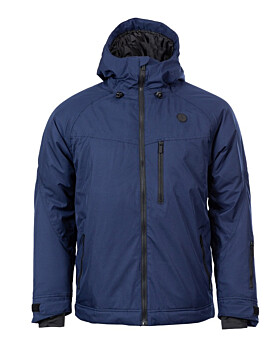
Two Bare Feet Rift Snow Jacket (Navy)
£59.99 -
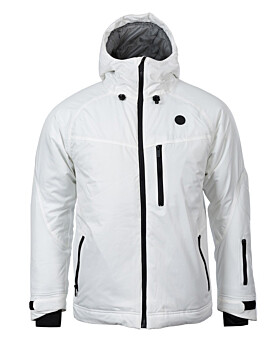
Two Bare Feet Rift Snow Jacket (White)
£59.99 -
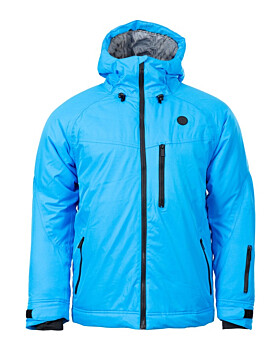
Two Bare Feet Rift Snow Jacket (Blue)
£59.99
5. Fit, sizing, and comfort considerations
Even the most technologically advanced jacket will fail to do its job if it does not fit correctly. A proper fit is therefore a critical aspect of a jacket’s performance.
Understanding jacket fit types
Jacket manufacturers typically design their garments in one of three main fit categories, each tailored for a specific purpose.
- Athletic or Slim Fit: This is a close-to-the-body cut designed for high-output activities. The focus is on fitting to your form for better mobility. Our softshell jackets are made with this design sensibility, which means ‘sizing up’ if you want to wear thicker layers underneath.
- Regular or Standard Fit: This is a versatile, true-to-size fit that offers a comfortable range of motion without being overly baggy. It provides enough room to accommodate a mid-weight layer underneath. The Two Bare Feet Elemental Waterproof Lightweight Jacket features a regular, straight fit.
- Relaxed or Oversized Fit: This is a loose, generous cut designed for maximum comfort and to accommodate multiple, heavy layers. The Two Bare Feet Weatherproof Changing Robes are a prime example of a purpose-driven oversized fit.
Layering allowances
When trying on a shell jacket, you must test it with the layers you intend to wear underneath. A shell should have adequate space across the shoulders and chest for a base layer and a midlayer (like a fleece or a light insulated jacket) without becoming restrictive. If a jacket is too tight, it can compress your insulation, reducing its effectiveness. This is why some people actively seek an oversized outdoor coat for layering, as it provides ultimate flexibility.
Our shell jackets are generally cut to a ‘regular’ fit to accommodate layers, but for maximum layering capacity, our Weatherproof Changing Robes serve as the ultimate oversized, protective outer layer.
Gender-specific design differences
While many outdoor garments are unisex, there are often significant and functional differences between men’s and women’s specific designs. These are not merely about colour or style but are based on general anatomical differences to improve fit and performance.
Women’s jackets are typically designed with a narrower cut in the shoulders, more volume in the chest area, and a taper at the waist with more room at the hips. Men’s jackets generally have a straighter cut with broader shoulders.
Adjustability features
Designing a jacket with adjustable elements turns a good fit into a perfect, weather-sealed one. They enable you to fine-tune the jacket to your body and the prevailing conditions.
- Adjustable hoods: A well-designed hood should have drawcords to cinch it around your face and a volume adjuster at the back.
- Adjustable hemlines: A drawcord at the hem allows you to pull the bottom of the jacket tight, sealing out cold updraughts.
- Adjustable cuffs: Velcro tabs or elasticated cuffs allow you to create a tight seal around your wrists, which is crucial for stopping rain and fitting snugly with gloves.
6. Practical features that make a difference
In addition to the core concerns of fabric and fit, it is often the small, practical details that elevate a jacket from good to great. These functional elements are designed to enhance a jacket’s usability, convenience, and safety.
Pocket systems and storage
The configuration of pockets can significantly impact a jacket’s utility. For example, our Women’s softshell Jacket is well-equipped with zipped hand pockets, a small zipped pocket on the left arm, and two large interior pockets.
Hood designs and protection
The hood is a critical defence against wind and rain. A stiffened or wired peak is an invaluable feature, helping the hood maintain its shape and directing rain away from your eyes. For versatility, some jackets offer different hood solutions. The Softshell Jacket has a removable, fully adjustable hood, while the Elemental Lightweight Jacket boasts a large, sherpa-lined adjustable hood for maximum warmth and protection.
Zip quality and storm flaps
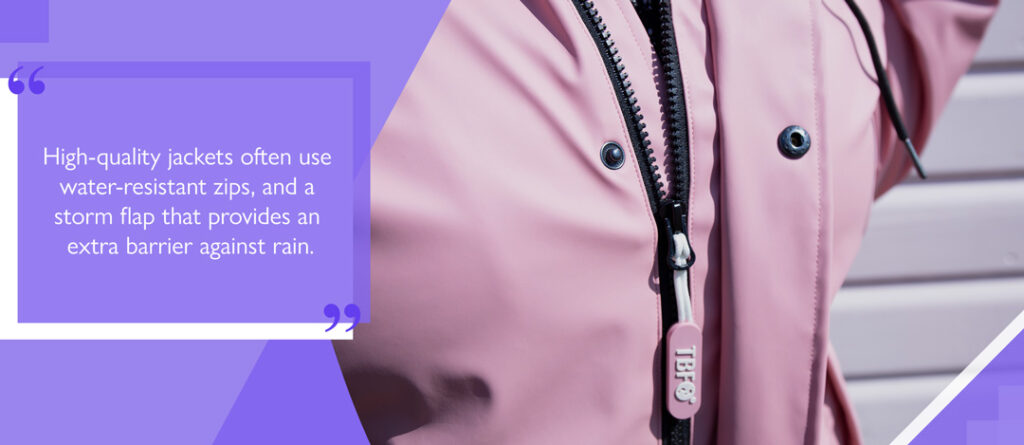
The main zip is a potential weak point for water ingress. High-quality jackets often use water-resistant zips from reputable manufacturers like YKK. A two-way zip, which can be opened from the bottom as well as the top, is particularly useful for improving ventilation. For maximum protection, many jackets also feature a storm flap, which is a strip of fabric that covers the zip to provide an extra barrier against wind-driven rain. Both the Elemental Lightweight Jacket and the Sherpa Jacket include a storm flap for extra defence.
Reflective elements for safety
For activities that take place in low-light conditions, reflective elements are an important feature. These small patches or logos are made from retroreflective material that bounces light directly back to its source, such as a car’s headlights, making the wearer highly visible. This simple feature can significantly enhance your safety.
7. The changing robe alternative: When a coat becomes more
The rise of the weatherproof changing robe as a versatile piece of outerwear deserves special attention. It offers a unique combination of benefits that are perfectly suited to a wide range of activities. Two Bare Feet offers a carefully curated collection of robes, with distinct lines designed to meet different needs.
A guide to our weatherproof robe collections
Understanding the differences between the key lines in the Two Bare Feet collection is crucial to selecting the right robe. While they share the core DNA of a weatherproof outer and a warm sherpa lining, each is tailored for a specific user.
- The Original Robe: This is the flagship, all-encompassing model for the dedicated outdoor enthusiast. It features a classic, oversized fit for maximum room when changing, a reliable 8K waterproof rating, and is constructed from recycled materials. Its key distinguishing feature is the inclusion of a complimentary matching changing mat.
- The Core Robe: This is the high-value entry point into the world of weatherproof robes. It delivers the essential experience of a protective outer shell and a cosy sherpa lining at a more accessible price point.
- The Elemental Robe: This represents the evolution of the robe into a stylish, technical coat. It features a more tailored, slimline fit that is less bulky, making it more suitable for everyday wear. It also boasts an upgraded 10K waterproof rating and a premium wipe-clean shell.
- The Riding Robe: This is a specialist evolution of the changing robe, specifically adapted for equestrian use. It includes unique features such as zipped side vents and internal leg straps, allowing it to be worn comfortably and securely while riding a horse. The hood is also designed to be large enough to fit over a riding helmet. The range includes a standard lightweight version with an 8K waterproof rating and a Hi-Vis model with a 10K rating and reflective details for enhanced safety in low-light conditions.
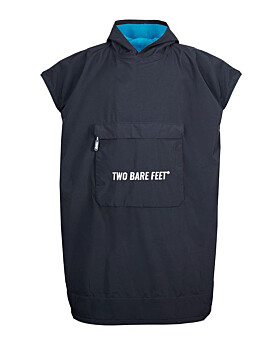
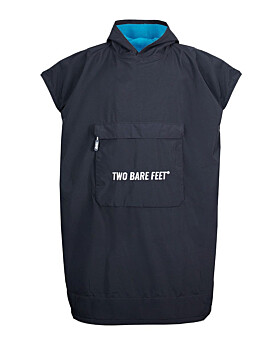
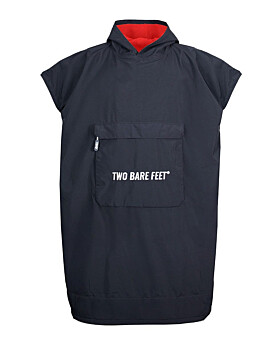
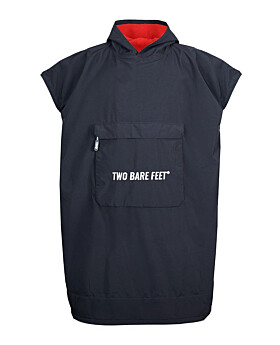
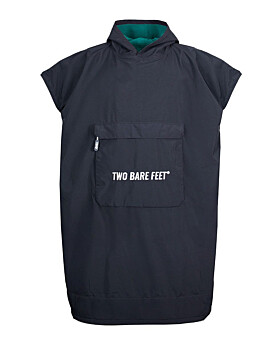
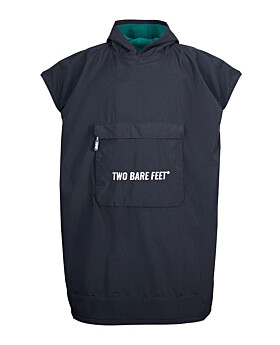
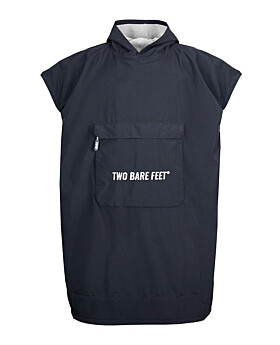
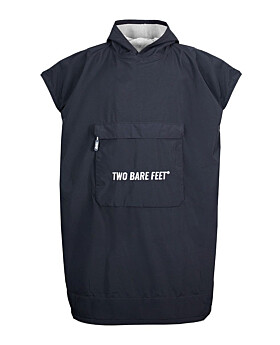
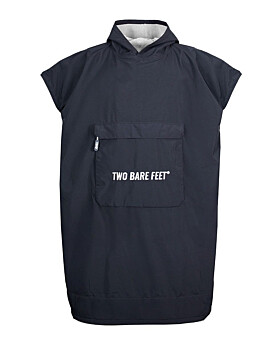
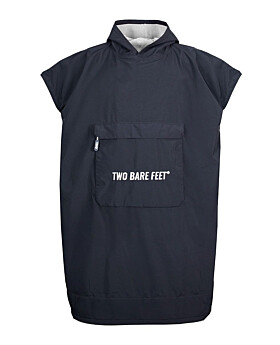
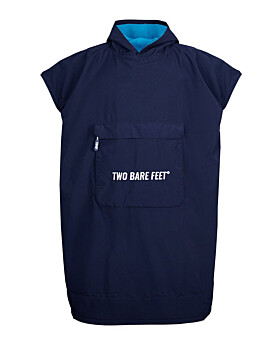
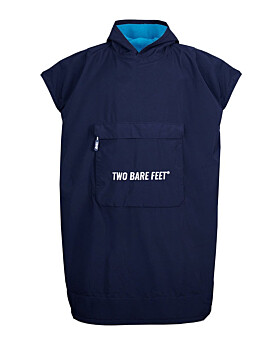
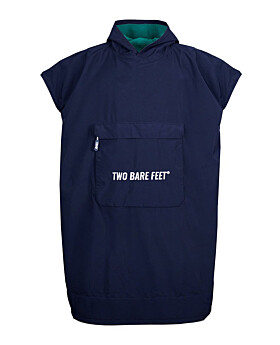
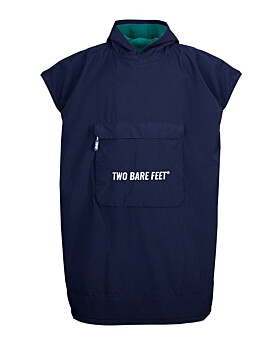
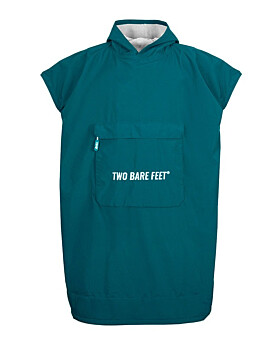
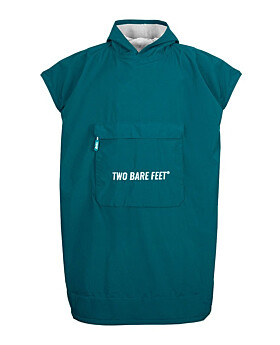
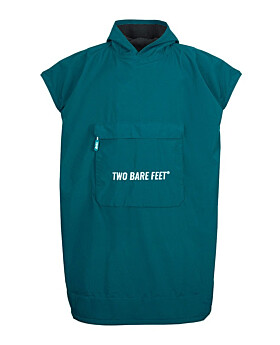
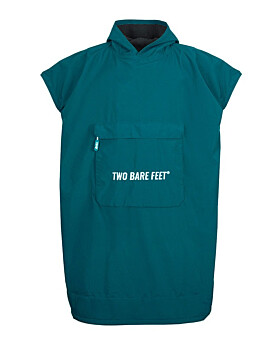
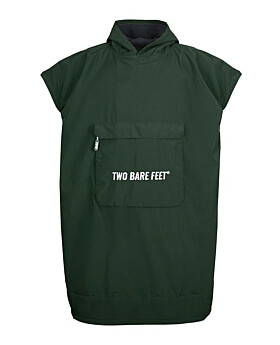
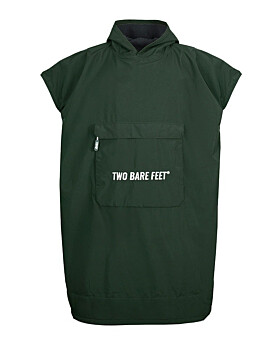
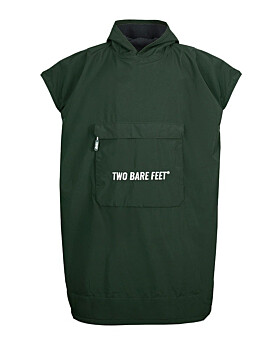
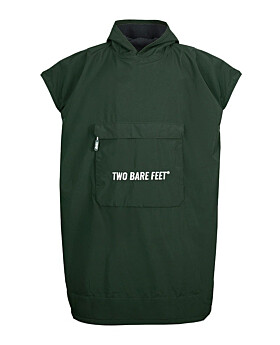
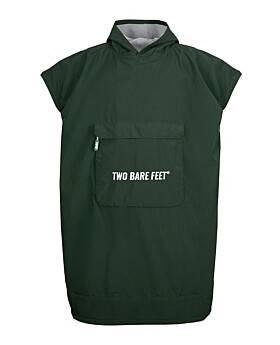
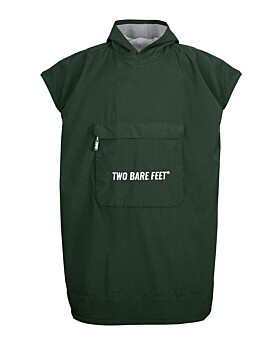
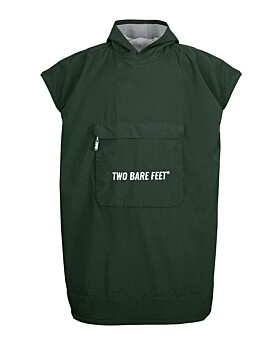
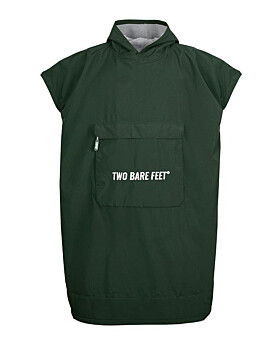
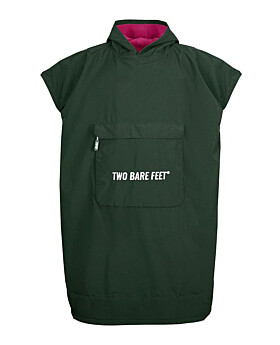
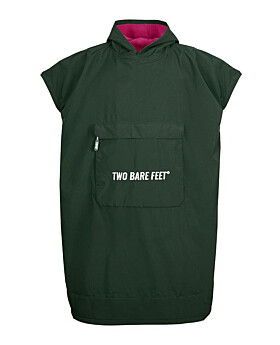
- The Poncho Robe: This is a lightweight, sleeveless, pull-over version of the weatherproof robe. Designed for warmer days or for those who prioritise maximum ease of changing, it features a lighter 150GSM sherpa fleece lining and wide, elasticated arm openings. While still offering 8K waterproof protection, its primary advantage is its breathability and simplicity, making it the perfect choice for sunny beach days or quick changes when full insulation is not required.
Table 2: Comparing the Two Bare Feet Weatherproof Robe collection
|
Feature |
Original Robe |
Core Robe |
Elemental Robe |
Riding Robe |
Poncho Robe |
|
Primary user |
The dedicated enthusiast wanting the full experience. |
The budget-conscious user or newcomer to robes. |
The style-conscious user wanting a versatile coat. |
Equestrians and horse riders. |
Users in warmer weather or prioritising ease of changing. |
|
Fit & style |
Classic oversized, baggy fit for maximum changing room. |
Classic oversized, baggy fit. |
Slimline, longline, coat-like fit. Less bulky. |
Oversized fit with equestrian features. |
Sleeveless, pull-over poncho design. |
|
Waterproof rating |
8K Water-Resistant |
8K Water-Resistant |
10K Waterproof |
8K (Standard) or 10K (Hi-Vis) |
8K Water-Resistant |
|
Key features |
300GSM Sherpa, YKK zip, multiple pockets, recycled materials. |
Essential weatherproof outer and sherpa lining. |
Premium wipe-clean shell, adjustable hood, storm flap. |
Sherpa lining, YKK zip, zipped side vents, leg straps, helmet-compatible hood. |
150GSM Sherpa, sleeveless, pull-over, large front pouch pocket. |
|
Added value |
Includes complimentary matching changing mat. |
Delivers core functionality at the best price. |
Doubles as a stylish, lightweight everyday waterproof coat. |
Specialist design for riding; enhanced safety on Hi-Vis model. |
Lightweight and breathable for warmer days; maximum ease of changing. |
Benefits of oversized design
The oversized, long-length cut is the robe’s superpower. This deliberate design provides three unique benefits:
- Discreet changing: It is the robe’s primary function. You can pull your arms inside and get a full wetsuit or swimming gear off underneath with complete privacy and protection from the elements.
- Ultimate layering: The roomy fit means it can be thrown over everything—bulky knitwear, a wetsuit, or even another jacket—making it the ultimate “just throw it on” layer.
- Immense warmth: The large volume of air trapped inside the robe heats up quickly from your body, creating a personal cocoon of warmth that a close-fitting jacket cannot replicate.
From beach to street: versatility benefits
This is why the robe has transcended the beach. It is now the unofficial uniform for touchline-pacing parents, dog walkers on miserable mornings, post-gym warmth, and anyone who prioritises comfort and total weather protection over a technical, athletic fit. It is the perfect coat for a static, cold, and wet environment.
When to choose a robe over a traditional jacket
The choice is simple and based on activity.
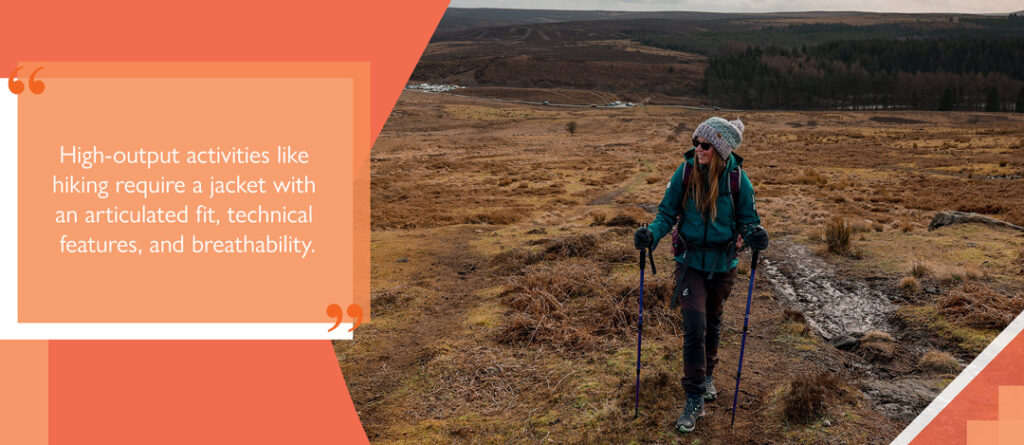
Choose a traditional jacket for: High-output activities like hiking, running, climbing, or skiing. You need the articulated fit, technical features (like pit zips), and breathability.
Choose a changing robe for: Static or low-output activities like watching sports, fishing, beach walks, or post-activity warmth (swimming, surfing, running). You need maximum coverage, “throw-on” convenience, and a warm, private space.
-
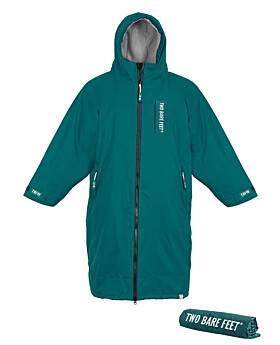
Two Bare Feet Weatherproof Changing Robe with Changing Mat (Sea Green/Grey)
As low as £69.99 Regular Price £139.99 -
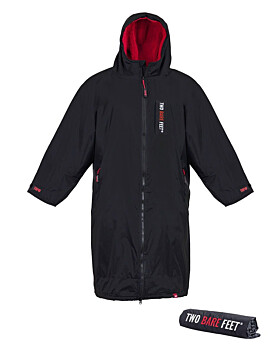
Two Bare Feet Weatherproof Changing Robe with Changing Mat (Black/Red)
As low as £69.99 Regular Price £139.99 -
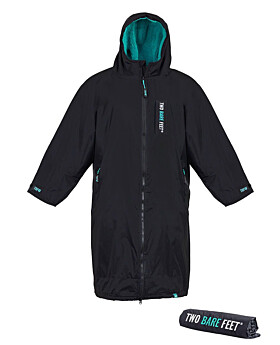
Two Bare Feet Weatherproof Changing Robe with Changing Mat (Black/Teal)
As low as £69.99 Regular Price £139.99 -
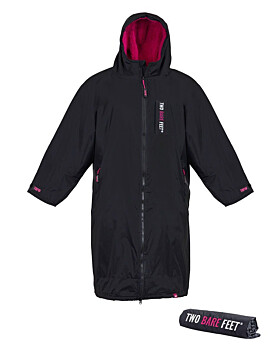
Two Bare Feet Weatherproof Changing Robe with Changing Mat (Black/Raspberry)
As low as £69.99 Regular Price £139.99 -
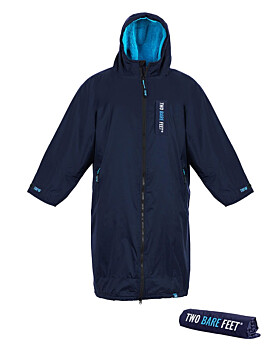
Two Bare Feet Weatherproof Changing Robe with Changing Mat (Marine Blue/Blue)
As low as £69.99 Regular Price £139.99 -
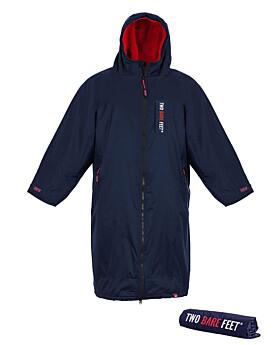
Two Bare Feet Weatherproof Changing Robe with Changing Mat (Marine Blue/Red)
As low as £69.99 Regular Price £139.99 -
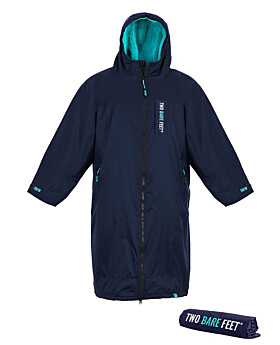
Two Bare Feet Weatherproof Changing Robe with Changing Mat (Marine Blue/Teal)
As low as £69.99 Regular Price £139.99 -
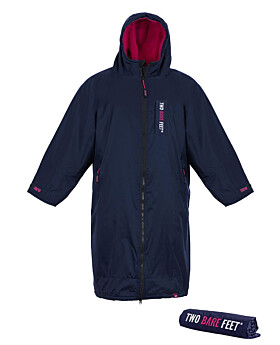
Two Bare Feet Weatherproof Changing Robe with Changing Mat (Marine Blue/Raspberry)
As low as £69.99 Regular Price £139.99 -
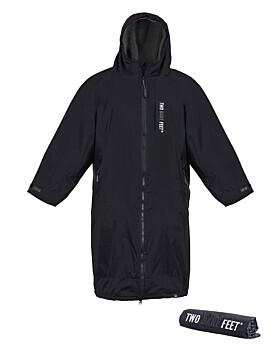
Two Bare Feet Weatherproof Changing Robe with Changing Mat (Black/Charcoal)-Small
Special Price £69.99 Regular Price £139.99 -
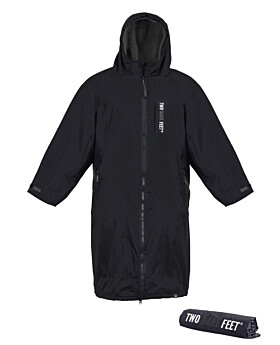
Two Bare Feet Weatherproof Changing Robe with Changing Mat (Black/Charcoal)-Medium
Special Price £69.99 Regular Price £139.99 -
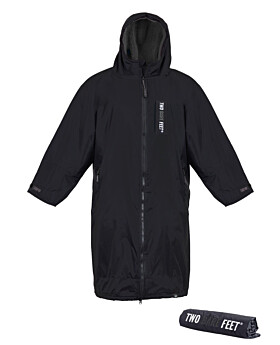
Two Bare Feet Weatherproof Changing Robe with Changing Mat (Black/Charcoal)-Large
Special Price £69.99 Regular Price £139.99 -
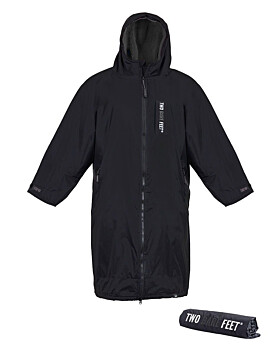
Two Bare Feet Weatherproof Changing Robe with Changing Mat (Black/Charcoal)
As low as £69.99 Regular Price £139.99 -
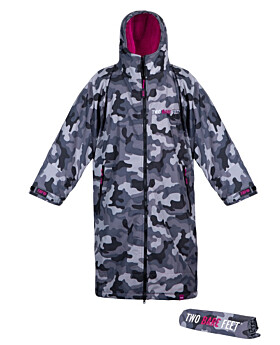
Two Bare Feet Weatherproof Changing Robe with Changing Mat (Camo/Raspberry)-XL
Special Price £89.99 Regular Price £149.99 -
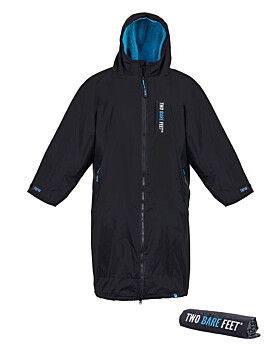
Two Bare Feet Weatherproof Changing Robe with Changing Mat (Black/Blue)
As low as £69.99 Regular Price £139.99 -
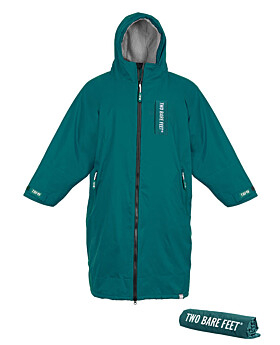
Two Bare Feet Weatherproof Changing Robe with Changing Mat (Sea Green/Grey)-Small
Special Price £69.99 Regular Price £139.99 -
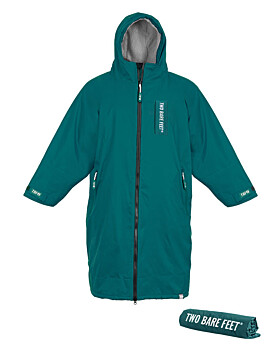
Two Bare Feet Weatherproof Changing Robe with Changing Mat (Sea Green/Grey)-Medium
Special Price £69.99 Regular Price £139.99 -
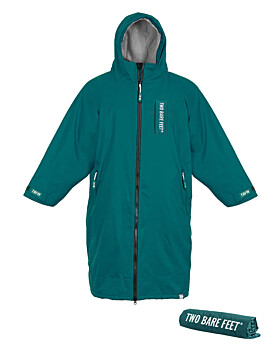
Two Bare Feet Weatherproof Changing Robe with Changing Mat (Sea Green/Grey)-Large
Special Price £69.99 Regular Price £139.99 -
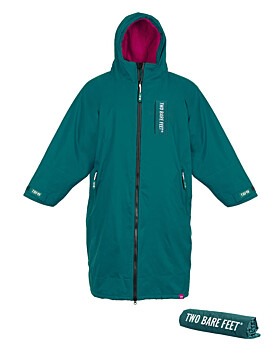
Two Bare Feet Weatherproof Changing Robe with Changing Mat (Sea Green/Raspberry)
As low as £69.99 Regular Price £139.99 -
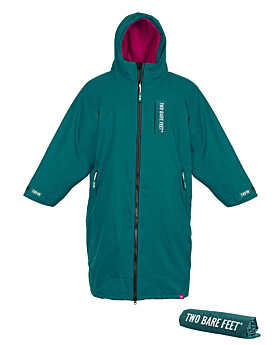
Two Bare Feet Weatherproof Changing Robe with Changing Mat (Sea Green/Raspberry)-Small
Special Price £69.99 Regular Price £139.99 -
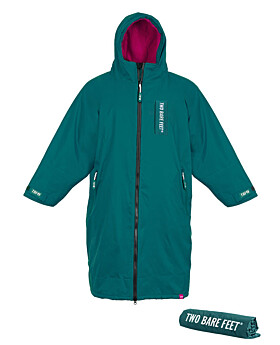
Two Bare Feet Weatherproof Changing Robe with Changing Mat (Sea Green/Raspberry)-Medium
Special Price £69.99 Regular Price £139.99 -
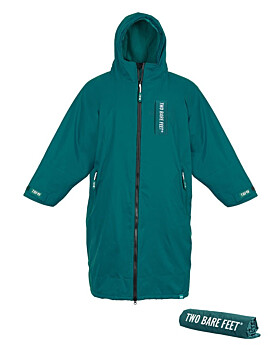
Two Bare Feet Weatherproof Changing Robe with Changing Mat (Sea Green/Sea Green)
As low as £69.99 Regular Price £139.99 -
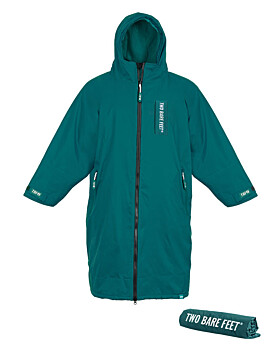
Two Bare Feet Weatherproof Changing Robe with Changing Mat (Sea Green/Sea Green)-Small
Special Price £69.99 Regular Price £139.99 -
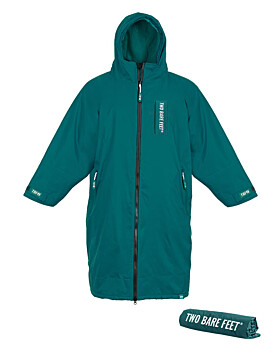
Two Bare Feet Weatherproof Changing Robe with Changing Mat (Sea Green/Sea Green)-Medium
Special Price £69.99 Regular Price £139.99 -
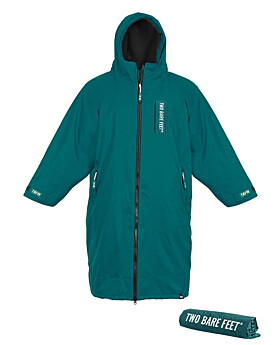
Two Bare Feet Weatherproof Changing Robe with Changing Mat (Sea Green/Black)
As low as £69.99 Regular Price £139.99 -

Two Bare Feet Weatherproof Changing Robe with Changing Mat (Sea Green/Black)-Small
Special Price £69.99 Regular Price £139.99 -
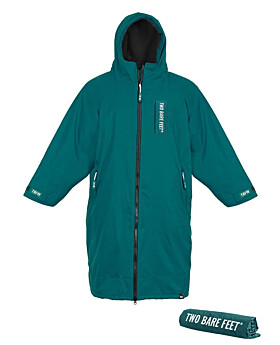
Two Bare Feet Weatherproof Changing Robe with Changing Mat (Sea Green/Black)-Medium
Special Price £69.99 Regular Price £139.99 -
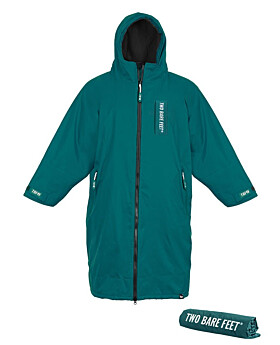
Two Bare Feet Weatherproof Changing Robe with Changing Mat (Sea Green/Black)-Large
Special Price £69.99 Regular Price £139.99 -
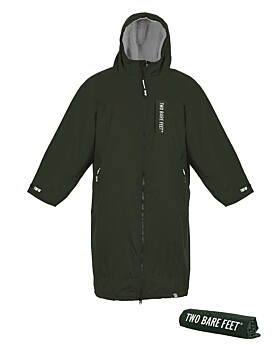
Two Bare Feet Weatherproof Changing Robe with Changing Mat (Khaki/Grey)
As low as £69.99 Regular Price £139.99 -
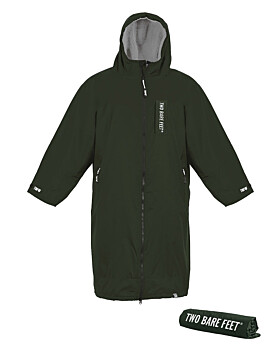
Two Bare Feet Weatherproof Changing Robe with Changing Mat (Khaki/Grey)-Small
Special Price £69.99 Regular Price £139.99 -
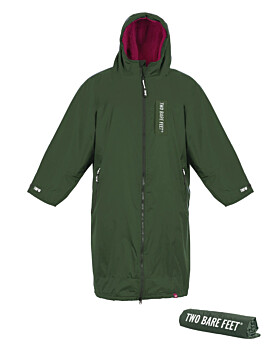
Two Bare Feet Weatherproof Changing Robe with Changing Mat (Forest/Raspberry)
As low as £69.99 Regular Price £139.99 -

Two Bare Feet Weatherproof Changing Robe with Changing Mat (Forest/Raspberry)-Small
Special Price £69.99 Regular Price £139.99 -

Two Bare Feet Weatherproof Changing Robe with Changing Mat (Forest/Raspberry)-Medium
Special Price £69.99 Regular Price £139.99 -

Two Bare Feet Weatherproof Changing Robe with Changing Mat (Forest/Raspberry)-Large
Special Price £69.99 Regular Price £139.99 -
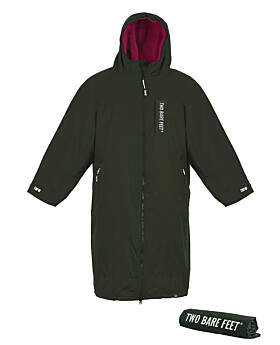
Two Bare Feet Weatherproof Changing Robe with Changing Mat (Khaki/Raspberry)
As low as £69.99 Regular Price £139.99 -

Two Bare Feet Weatherproof Changing Robe with Changing Mat (Khaki/Raspberry)-Small
Special Price £69.99 Regular Price £139.99 -
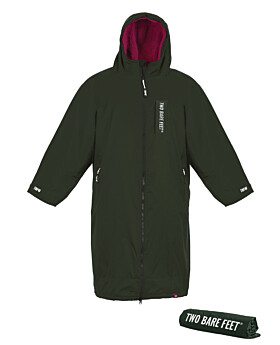
Two Bare Feet Weatherproof Changing Robe with Changing Mat (Khaki/Raspberry)-Medium
Special Price £69.99 Regular Price £139.99 -

Two Bare Feet Weatherproof Changing Robe with Changing Mat (Khaki/Raspberry)-Large
Special Price £69.99 Regular Price £139.99 -
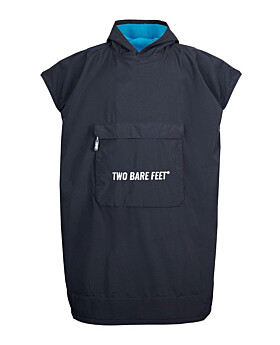
Waterproof Hooded Sleeveless Poncho Changing Robe (Black/Blue)
As low as £34.99 Regular Price £59.99 -
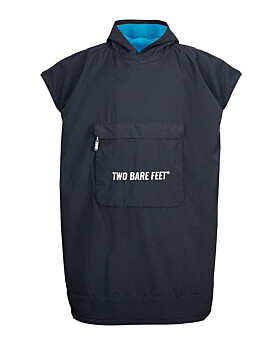
Waterproof Hooded Sleeveless Poncho Changing Robe (Black/Blue)-Small
Special Price £34.99 Regular Price £59.99 -
Waterproof Hooded Sleeveless Poncho Changing Robe (Black/Blue)-Medium
Special Price £34.99 Regular Price £59.99 -
Waterproof Hooded Sleeveless Poncho Changing Robe (Black/Blue)-Large
Special Price £34.99 Regular Price £59.99 -
Waterproof Hooded Sleeveless Poncho Changing Robe (Black/Red)
As low as £34.99 Regular Price £59.99 -
Waterproof Hooded Sleeveless Poncho Changing Robe (Black/Red)-Small
Special Price £34.99 Regular Price £59.99 -
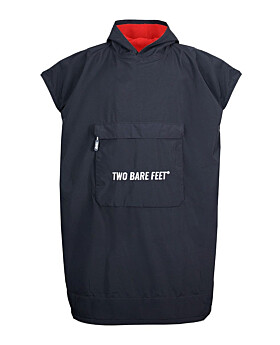
Waterproof Hooded Sleeveless Poncho Changing Robe (Black/Red)-Medium
Special Price £34.99 Regular Price £59.99 -
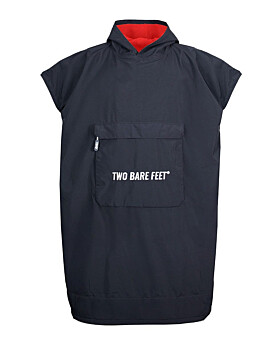
Waterproof Hooded Sleeveless Poncho Changing Robe (Black/Red)-Large
Special Price £34.99 Regular Price £59.99 -
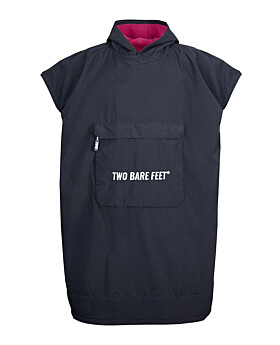
Waterproof Hooded Sleeveless Poncho Changing Robe (Black/Raspberry)
As low as £34.99 Regular Price £59.99 -
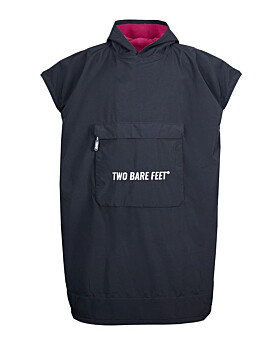
Waterproof Hooded Sleeveless Poncho Changing Robe (Black/Raspberry)-Small
Special Price £34.99 Regular Price £59.99 -
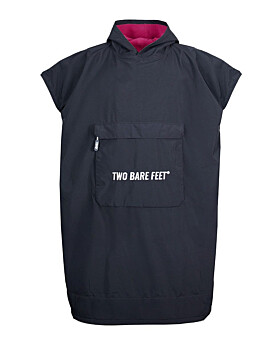
Waterproof Hooded Sleeveless Poncho Changing Robe (Black/Raspberry)-Medium
Special Price £34.99 Regular Price £59.99 -
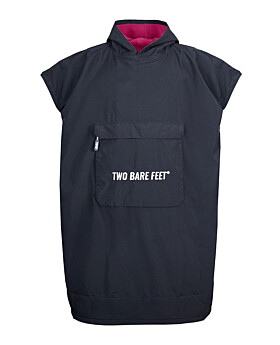
Waterproof Hooded Sleeveless Poncho Changing Robe (Black/Raspberry)-Large
Special Price £34.99 Regular Price £59.99 -
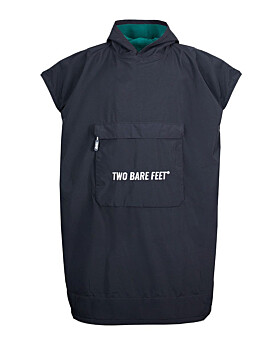
Waterproof Hooded Sleeveless Poncho Changing Robe (Black/Sea Green)
As low as £34.99 Regular Price £59.99 -
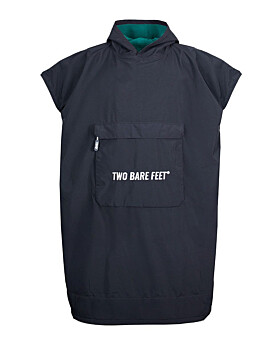
Waterproof Hooded Sleeveless Poncho Changing Robe (Black/Sea Green)-Small
Special Price £34.99 Regular Price £59.99 -
Waterproof Hooded Sleeveless Poncho Changing Robe (Black/Sea Green)-Medium
Special Price £34.99 Regular Price £59.99 -
Waterproof Hooded Sleeveless Poncho Changing Robe (Black/Sea Green)-Large
Special Price £34.99 Regular Price £59.99 -
Waterproof Hooded Sleeveless Poncho Changing Robe (Black/Grey)
As low as £34.99 Regular Price £59.99 -
Waterproof Hooded Sleeveless Poncho Changing Robe (Black/Grey)-Small
Special Price £34.99 Regular Price £59.99 -
Waterproof Hooded Sleeveless Poncho Changing Robe (Black/Grey)-Medium
Special Price £34.99 Regular Price £59.99 -
Waterproof Hooded Sleeveless Poncho Changing Robe (Black/Grey)-Large
Special Price £34.99 Regular Price £59.99 -
Waterproof Hooded Sleeveless Poncho Changing Robe (Marine Blue/Blue)
As low as £34.99 Regular Price £59.99 -
Waterproof Hooded Sleeveless Poncho Changing Robe (Marine Blue/Blue)-Small
Special Price £34.99 Regular Price £59.99 -
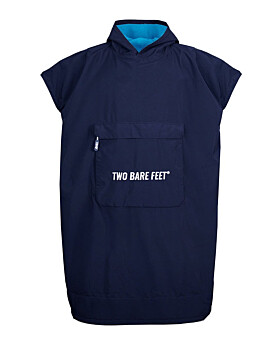
Waterproof Hooded Sleeveless Poncho Changing Robe (Marine Blue/Blue)-Medium
Special Price £34.99 Regular Price £59.99 -
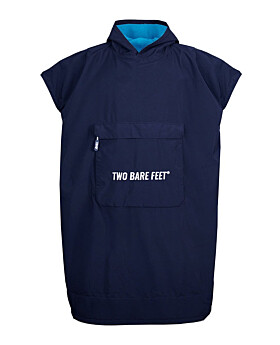
Waterproof Hooded Sleeveless Poncho Changing Robe (Marine Blue/Blue)-Large
Special Price £34.99 Regular Price £59.99 -
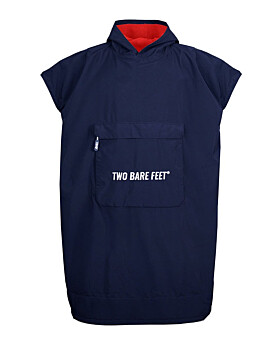
Waterproof Hooded Sleeveless Poncho Changing Robe (Marine Blue/Red)
As low as £34.99 Regular Price £59.99 -
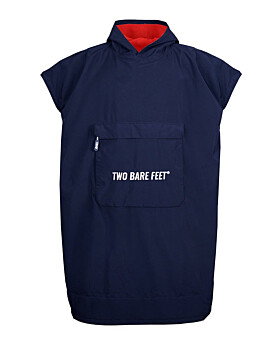
Waterproof Hooded Sleeveless Poncho Changing Robe (Marine Blue/Red)-Small
Special Price £34.99 Regular Price £59.99 -
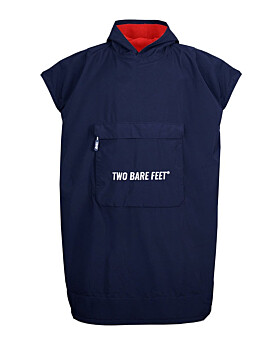
Waterproof Hooded Sleeveless Poncho Changing Robe (Marine Blue/Red)-Medium
Special Price £34.99 Regular Price £59.99 -
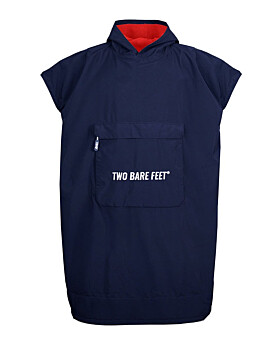
Waterproof Hooded Sleeveless Poncho Changing Robe (Marine Blue/Red)-Large
Special Price £34.99 Regular Price £59.99 -
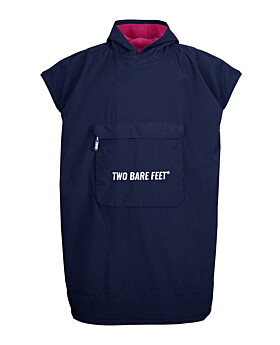
Waterproof Hooded Sleeveless Poncho Changing Robe (Marine Blue/Raspberry)
As low as £34.99 Regular Price £59.99 -
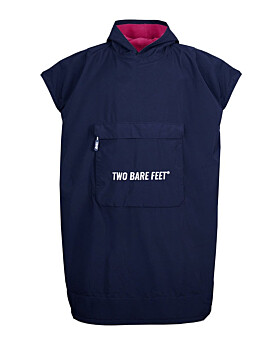
Waterproof Hooded Sleeveless Poncho Changing Robe (Marine Blue/Raspberry)-Small
Special Price £34.99 Regular Price £59.99 -
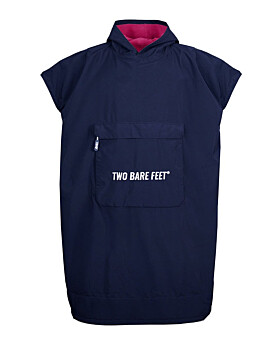
Waterproof Hooded Sleeveless Poncho Changing Robe (Marine Blue/Raspberry)-Medium
Special Price £34.99 Regular Price £59.99 -
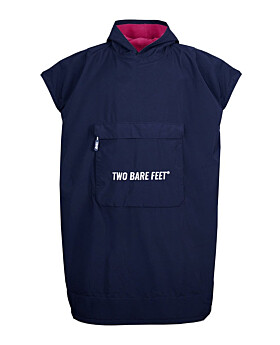
Waterproof Hooded Sleeveless Poncho Changing Robe (Marine Blue/Raspberry)-Large
Special Price £34.99 Regular Price £59.99 -
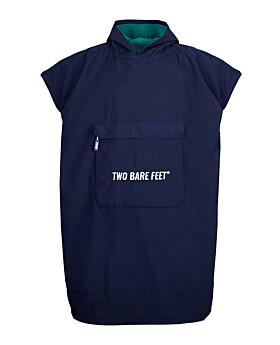
Waterproof Hooded Sleeveless Poncho Changing Robe (Marine Blue/Sea Green)
As low as £34.99 Regular Price £59.99 -
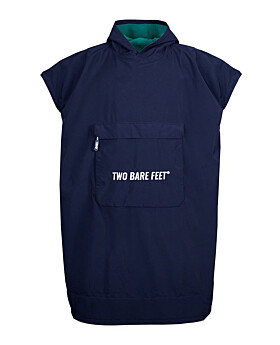
Waterproof Hooded Sleeveless Poncho Changing Robe (Marine Blue/Sea Green)-Small
Special Price £34.99 Regular Price £59.99 -
Waterproof Hooded Sleeveless Poncho Changing Robe (Marine Blue/Sea Green)-Medium
Special Price £34.99 Regular Price £59.99 -
Waterproof Hooded Sleeveless Poncho Changing Robe (Marine Blue/Sea Green)-Large
Special Price £34.99 Regular Price £59.99 -
Waterproof Hooded Sleeveless Poncho Changing Robe (Sea Green/Grey)
As low as £34.99 Regular Price £59.99 -
Waterproof Hooded Sleeveless Poncho Changing Robe (Sea Green/Grey)-Small
Special Price £34.99 Regular Price £59.99 -
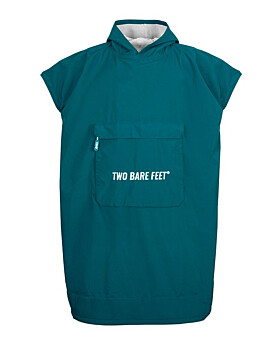
Waterproof Hooded Sleeveless Poncho Changing Robe (Sea Green/Grey)-Medium
Special Price £34.99 Regular Price £59.99 -
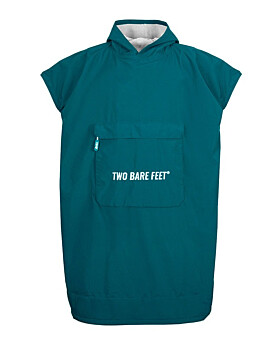
Waterproof Hooded Sleeveless Poncho Changing Robe (Sea Green/Grey)-Large
Special Price £34.99 Regular Price £59.99 -
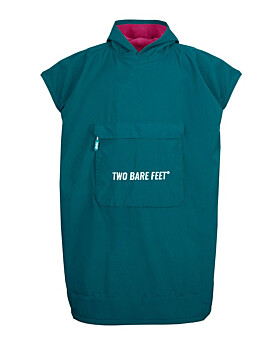
Waterproof Hooded Sleeveless Poncho Changing Robe (Sea Green/Raspberry)
As low as £34.99 Regular Price £59.99 -
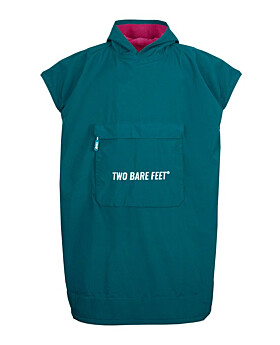
Waterproof Hooded Sleeveless Poncho Changing Robe (Sea Green/Raspberry)-Small
Special Price £34.99 Regular Price £59.99 -
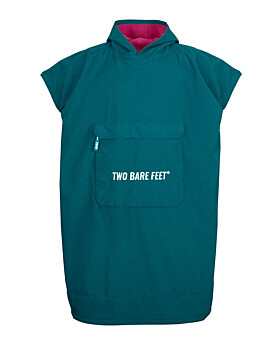
Waterproof Hooded Sleeveless Poncho Changing Robe (Sea Green/Raspberry)-Medium
Special Price £34.99 Regular Price £59.99 -
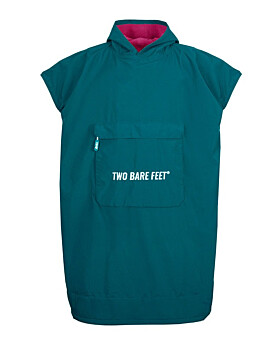
Waterproof Hooded Sleeveless Poncho Changing Robe (Sea Green/Raspberry)-Large
Special Price £34.99 Regular Price £59.99 -
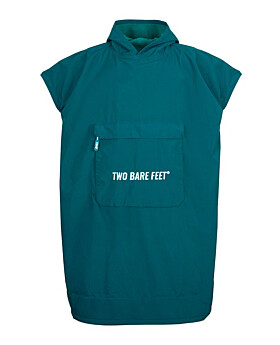
Waterproof Hooded Sleeveless Poncho Changing Robe (Sea Green/Sea Green)
As low as £34.99 Regular Price £59.99 -
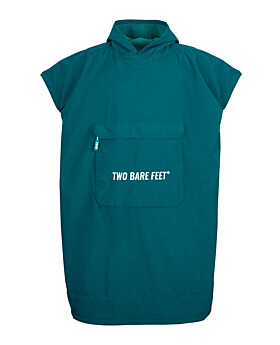
Waterproof Hooded Sleeveless Poncho Changing Robe (Sea Green/Sea Green)-Small
Special Price £34.99 Regular Price £59.99 -
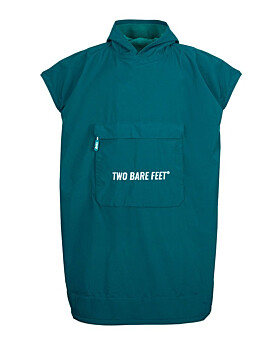
Waterproof Hooded Sleeveless Poncho Changing Robe (Sea Green/Sea Green)-Medium
Special Price £34.99 Regular Price £59.99 -
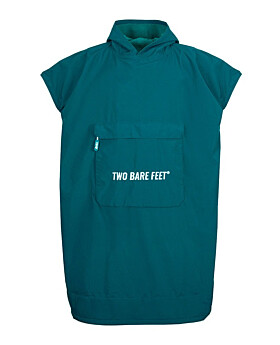
Waterproof Hooded Sleeveless Poncho Changing Robe (Sea Green/Sea Green)-Large
Special Price £34.99 Regular Price £59.99 -
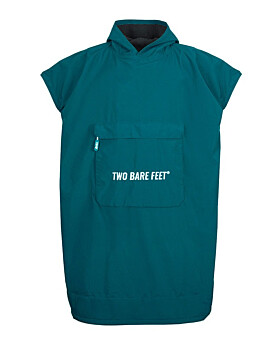
Waterproof Hooded Sleeveless Poncho Changing Robe (Sea Green/Black)
As low as £34.99 Regular Price £59.99 -
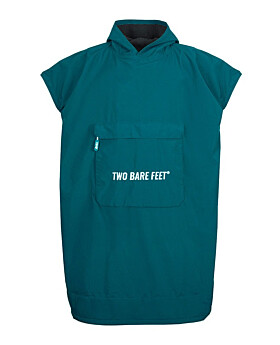
Waterproof Hooded Sleeveless Poncho Changing Robe (Sea Green/Black)-Small
Special Price £34.99 Regular Price £59.99 -
Waterproof Hooded Sleeveless Poncho Changing Robe (Sea Green/Black)-Medium
Special Price £34.99 Regular Price £59.99 -
Waterproof Hooded Sleeveless Poncho Changing Robe (Sea Green/Black)-Large
Special Price £34.99 Regular Price £59.99 -
Waterproof Hooded Sleeveless Poncho Changing Robe (Khaki/Black)
As low as £34.99 Regular Price £59.99 -
Waterproof Hooded Sleeveless Poncho Changing Robe (Khaki/Black)-Small
Special Price £34.99 Regular Price £59.99 -
Waterproof Hooded Sleeveless Poncho Changing Robe (Khaki/Black)-Medium
Special Price £34.99 Regular Price £59.99 -
Waterproof Hooded Sleeveless Poncho Changing Robe (Khaki/Black)-Large
Special Price £34.99 Regular Price £59.99 -
Waterproof Hooded Sleeveless Poncho Changing Robe (Khaki/Grey)
As low as £34.99 Regular Price £59.99 -
Waterproof Hooded Sleeveless Poncho Changing Robe (Khaki/Grey)-Small
Special Price £34.99 Regular Price £59.99 -
Waterproof Hooded Sleeveless Poncho Changing Robe (Khaki/Grey)-Medium
Special Price £34.99 Regular Price £59.99 -
Waterproof Hooded Sleeveless Poncho Changing Robe (Khaki/Grey)-Large
Special Price £34.99 Regular Price £59.99 -
Waterproof Hooded Sleeveless Poncho Changing Robe (Khaki/Raspberry)
As low as £34.99 Regular Price £59.99 -
Waterproof Hooded Sleeveless Poncho Changing Robe (Khaki/Raspberry)-Small
Special Price £34.99 Regular Price £59.99 -
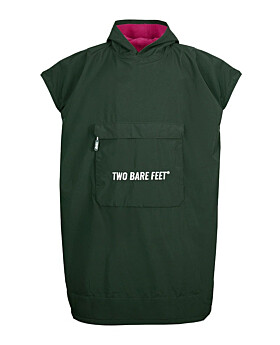
Waterproof Hooded Sleeveless Poncho Changing Robe (Khaki/Raspberry)-Medium
Special Price £34.99 Regular Price £59.99 -
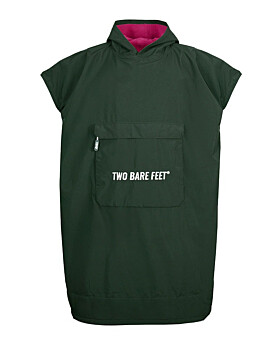
Waterproof Hooded Sleeveless Poncho Changing Robe (Khaki/Raspberry)-Large
Special Price £34.99 Regular Price £59.99 -
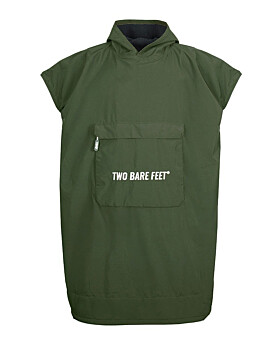
Waterproof Hooded Sleeveless Poncho Changing Robe (Forest/Black)
As low as £34.99 Regular Price £59.99 -
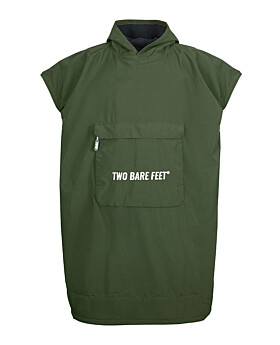
Waterproof Hooded Sleeveless Poncho Changing Robe (Forest/Black)-Small
Special Price £34.99 Regular Price £59.99 -
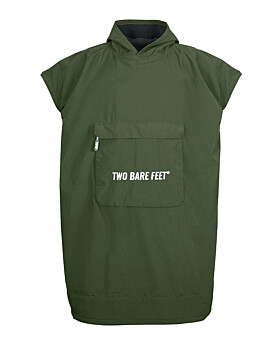
Waterproof Hooded Sleeveless Poncho Changing Robe (Forest/Black)-Medium
Special Price £34.99 Regular Price £59.99 -
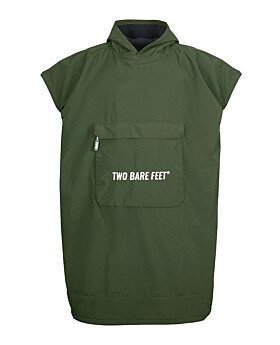
Waterproof Hooded Sleeveless Poncho Changing Robe (Forest/Black)-Large
Special Price £34.99 Regular Price £59.99 -
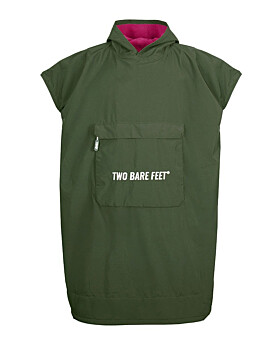
Waterproof Hooded Sleeveless Poncho Changing Robe (Forest/Raspberry)
As low as £34.99 Regular Price £59.99 -

Waterproof Hooded Sleeveless Poncho Changing Robe (Forest/Raspberry)-Small
Special Price £34.99 Regular Price £59.99 -

Waterproof Hooded Sleeveless Poncho Changing Robe (Forest/Raspberry)-Medium
Special Price £34.99 Regular Price £59.99 -

Waterproof Hooded Sleeveless Poncho Changing Robe (Forest/Raspberry)-Large
Special Price £34.99 Regular Price £59.99 -
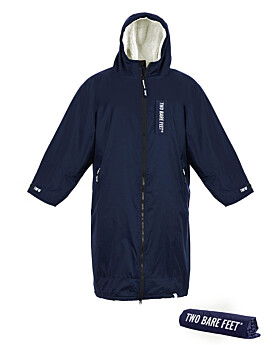
Two Bare Feet Weatherproof Changing Robe with Changing Mat (Marine Blue/Cream)
As low as £69.99 Regular Price £139.99 -
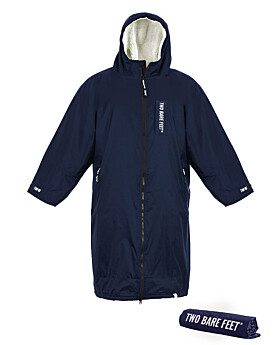
Two Bare Feet Weatherproof Changing Robe with Changing Mat (Marine Blue/Cream)-Small
Special Price £69.99 Regular Price £139.99 -
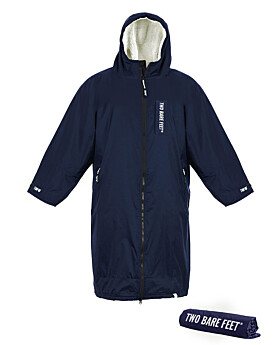
Two Bare Feet Weatherproof Changing Robe with Changing Mat (Marine Blue/Cream)-Medium
Special Price £69.99 Regular Price £139.99 -
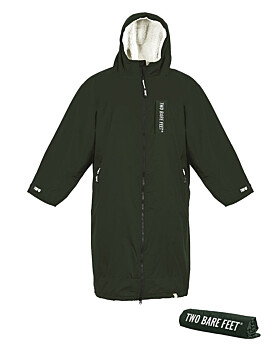
Two Bare Feet Weatherproof Changing Robe with Changing Mat (Khaki/Cream)
As low as £69.99 Regular Price £139.99 -
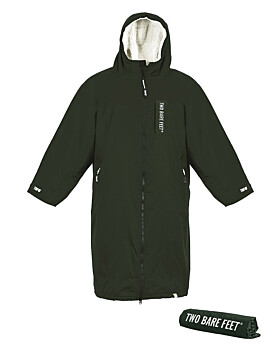
Two Bare Feet Weatherproof Changing Robe with Changing Mat (Khaki/Cream)-Medium
Special Price £69.99 Regular Price £139.99 -
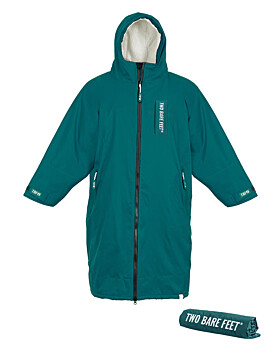
Two Bare Feet Weatherproof Changing Robe with Changing Mat (Sea Green/Cream)
As low as £69.99 Regular Price £139.99 -
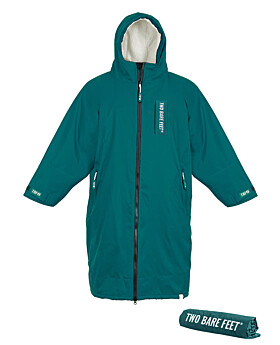
Two Bare Feet Weatherproof Changing Robe with Changing Mat (Sea Green/Cream)-Small
Special Price £69.99 Regular Price £139.99 -
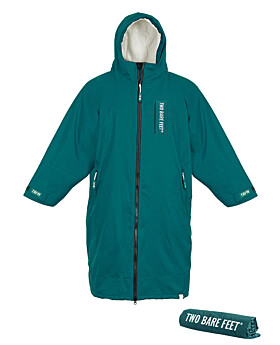
Two Bare Feet Weatherproof Changing Robe with Changing Mat (Sea Green/Cream)-Medium
Special Price £69.99 Regular Price £139.99 -
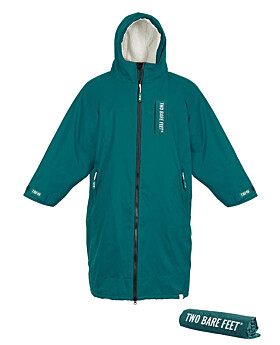
Two Bare Feet Weatherproof Changing Robe with Changing Mat (Sea Green/Cream)-Large
Special Price £69.99 Regular Price £139.99 -
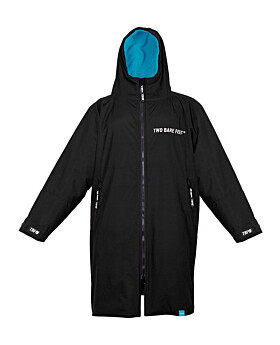
Core Waterproof Changing Robe (Black/Blue)
As low as £59.99 Regular Price £99.99 -
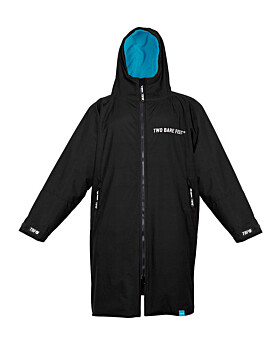
Core Waterproof Changing Robe (Black/Blue)-Small
Special Price £59.99 Regular Price £99.99 -
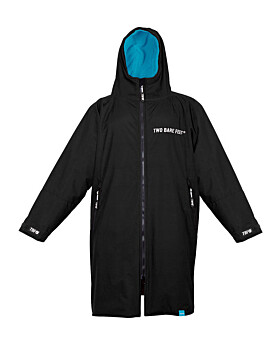
Core Waterproof Changing Robe (Black/Blue)-Medium
Special Price £59.99 Regular Price £99.99 -
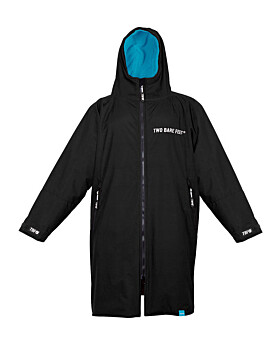
Core Waterproof Changing Robe (Black/Blue)-Large
Special Price £59.99 Regular Price £99.99 -
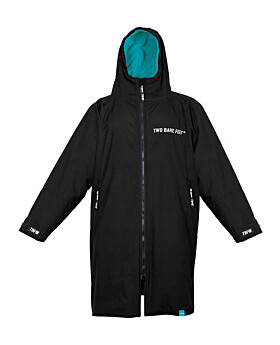
Core Waterproof Changing Robe (Black/Teal)
As low as £59.99 Regular Price £99.99 -
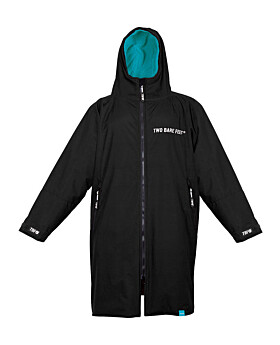
Core Waterproof Changing Robe (Black/Teal)-Small
Special Price £59.99 Regular Price £99.99 -
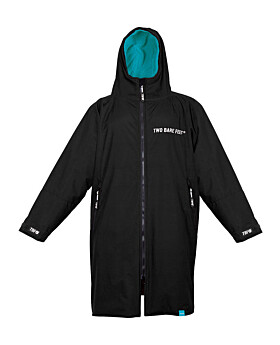
Core Waterproof Changing Robe (Black/Teal)-Medium
Special Price £59.99 Regular Price £99.99 -
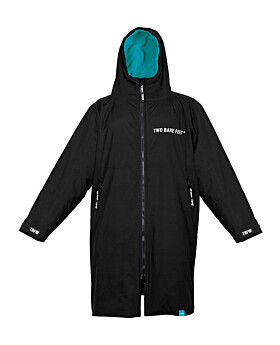
Core Waterproof Changing Robe (Black/Teal)-Large
Special Price £59.99 Regular Price £99.99 -
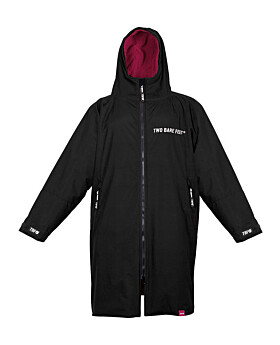
Core Waterproof Changing Robe (Black/Raspberry)
As low as £59.99 Regular Price £99.99 -
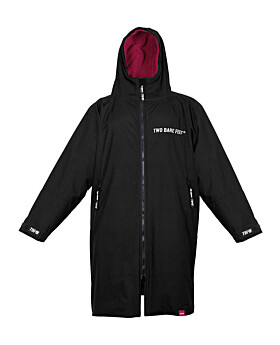
Core Waterproof Changing Robe (Black/Raspberry)-Small
Special Price £59.99 Regular Price £99.99 -
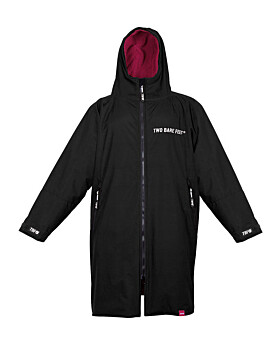
Core Waterproof Changing Robe (Black/Raspberry)-Medium
Special Price £59.99 Regular Price £99.99 -
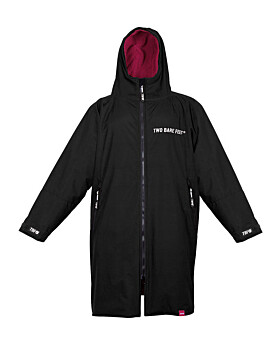
Core Waterproof Changing Robe (Black/Raspberry)-Large
Special Price £59.99 Regular Price £99.99 -
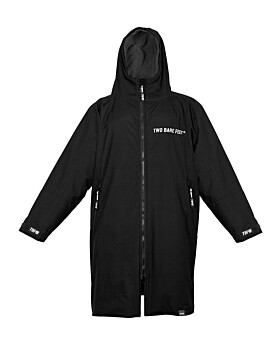
Core Waterproof Changing Robe (Black/Charcoal)
As low as £59.99 Regular Price £99.99 -
Core Waterproof Changing Robe (Black/Charcoal)-Small
Special Price £59.99 Regular Price £99.99 -
Core Waterproof Changing Robe (Black/Charcoal)-Medium
Special Price £59.99 Regular Price £99.99 -
Core Waterproof Changing Robe (Black/Charcoal)-Large
Special Price £59.99 Regular Price £99.99 -
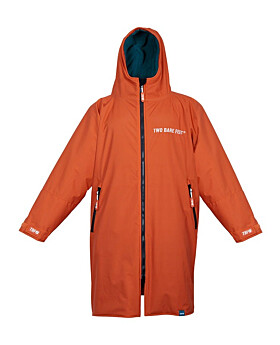
Core Waterproof Changing Robe (Burnt Orange/Sea Green)
As low as £59.99 Regular Price £99.99 -
Core Waterproof Changing Robe (Burnt Orange/Sea Green)-Small
Special Price £59.99 Regular Price £99.99 -
Core Waterproof Changing Robe (Burnt Orange/Sea Green)-Medium
Special Price £59.99 Regular Price £99.99 -
Core Waterproof Changing Robe (Burnt Orange/Sea Green)-Large
Special Price £59.99 Regular Price £99.99 -
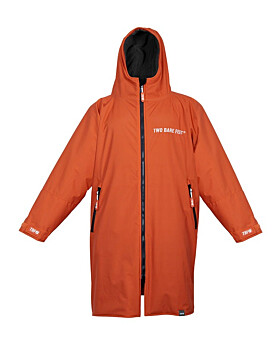
Core Waterproof Changing Robe (Burnt Orange/Charcoal)
As low as £59.99 Regular Price £99.99 -
Core Waterproof Changing Robe (Burnt Orange/Charcoal)-Small
Special Price £59.99 Regular Price £99.99 -
Core Waterproof Changing Robe (Burnt Orange/Charcoal)-Medium
Special Price £59.99 Regular Price £99.99 -
Core Waterproof Changing Robe (Burnt Orange/Charcoal)-Large
Special Price £59.99 Regular Price £99.99 -
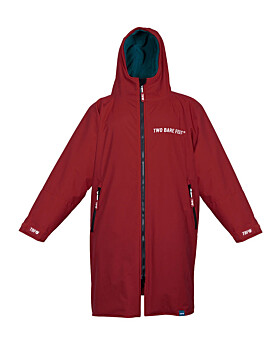
Core Waterproof Changing Robe (Deep Red/Sea Green)
As low as £59.99 Regular Price £99.99 -
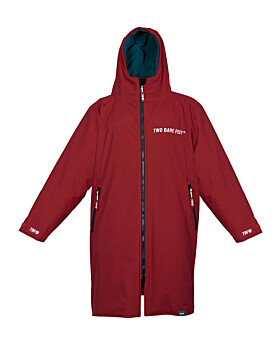
Core Waterproof Changing Robe (Deep Red/Sea Green)-Small
Special Price £59.99 Regular Price £99.99 -
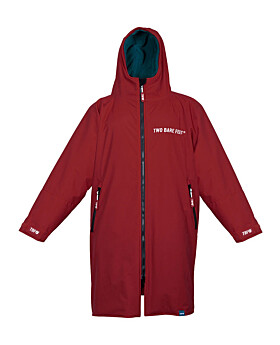
Core Waterproof Changing Robe (Deep Red/Sea Green)-Medium
Special Price £59.99 Regular Price £99.99 -
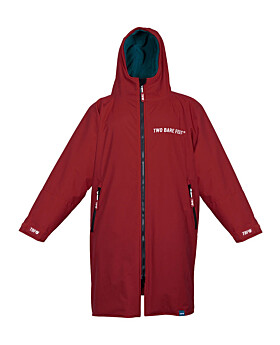
Core Waterproof Changing Robe (Deep Red/Sea Green)-Large
Special Price £59.99 Regular Price £99.99 -
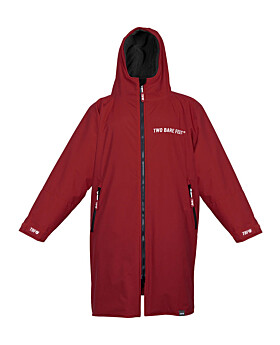
Core Waterproof Changing Robe (Deep Red/Charcoal)
As low as £59.99 Regular Price £99.99 -
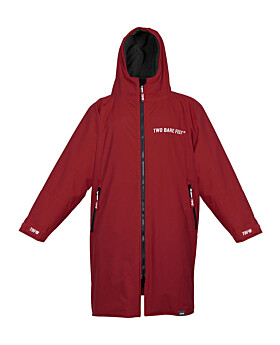
Core Waterproof Changing Robe (Deep Red/Charcoal)-Small
Special Price £59.99 Regular Price £99.99 -
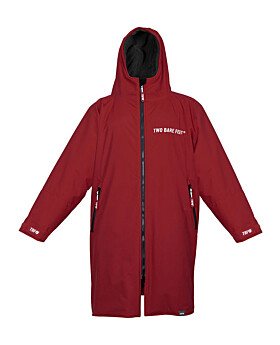
Core Waterproof Changing Robe (Deep Red/Charcoal)-Medium
Special Price £59.99 Regular Price £99.99 -
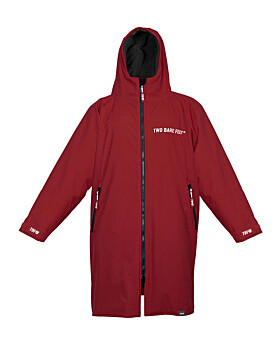
Core Waterproof Changing Robe (Deep Red/Charcoal)-Large
Special Price £59.99 Regular Price £99.99 -
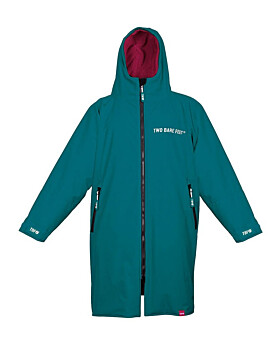
Core Waterproof Changing Robe (Sea Green/Raspberry)
As low as £59.99 Regular Price £99.99 -
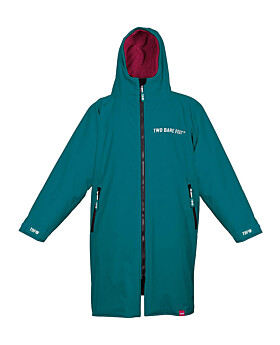
Core Waterproof Changing Robe (Sea Green/Raspberry)-Medium
Special Price £59.99 Regular Price £99.99 -

Elemental Waterproof Lightweight Slimline Changing Robe (Ice Blue/Grey)-Adults S / M
Special Price £69.99 Regular Price £139.99 -

Elemental Waterproof Lightweight Slimline Changing Robe (Ice Blue/Grey)-Adults L / XL
Special Price £69.99 Regular Price £139.99 -
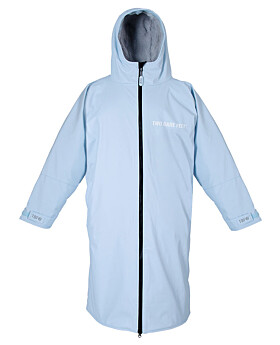
Elemental Waterproof Lightweight Slimline Changing Robe (Ice Blue/Grey)
As low as £69.99 Regular Price £139.99 -

Elemental Waterproof Lightweight Slimline Changing Robe (Dusk/Cream)-Adults S / M
Special Price £69.99 Regular Price £139.99 -

Elemental Waterproof Lightweight Slimline Changing Robe (Dusk/Cream)-Adults L / XL
Special Price £69.99 Regular Price £139.99 -
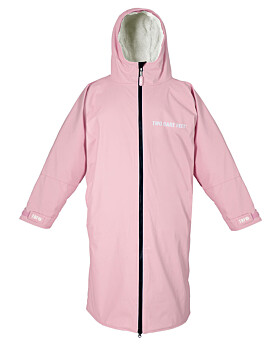
Elemental Waterproof Lightweight Slimline Changing Robe (Dusk/Cream)
As low as £69.99 Regular Price £139.99 -
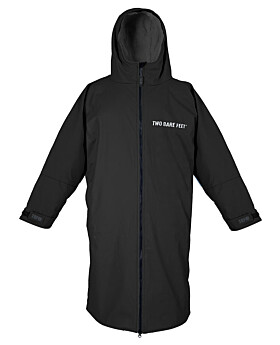
Elemental Waterproof Lightweight Slimline Changing Robe (Black/Charcoal)
As low as £69.99 Regular Price £139.99 -
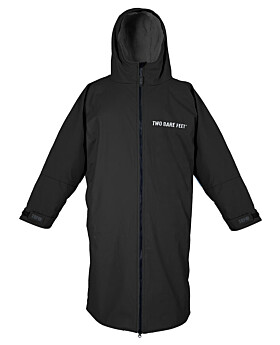
Elemental Waterproof Lightweight Slimline Changing Robe (Black/Charcoal)-Adults S / M
Special Price £69.99 Regular Price £139.99 -
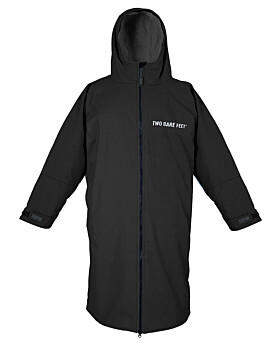
Elemental Waterproof Lightweight Slimline Changing Robe (Black/Charcoal)-Adults L / XL
Special Price £69.99 Regular Price £139.99 -
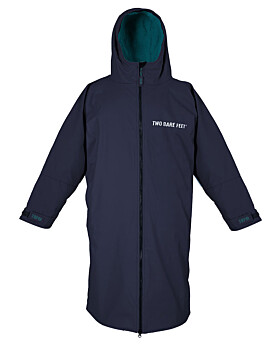
Elemental Waterproof Lightweight Slimline Changing Robe (Navy/Sea Green)
As low as £69.99 Regular Price £139.99 -
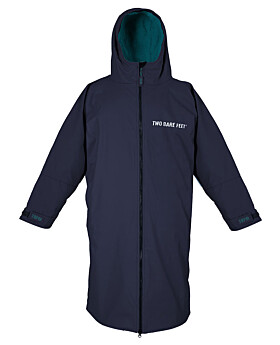
Elemental Waterproof Lightweight Slimline Changing Robe (Navy/Sea Green)-Adults S / M
Special Price £69.99 Regular Price £139.99 -
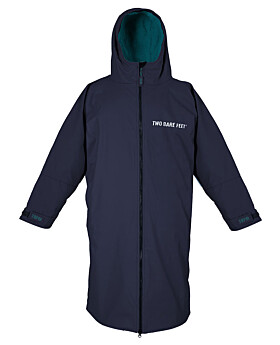
Elemental Waterproof Lightweight Slimline Changing Robe (Navy/Sea Green)-Adults L / XL
Special Price £69.99 Regular Price £139.99 -
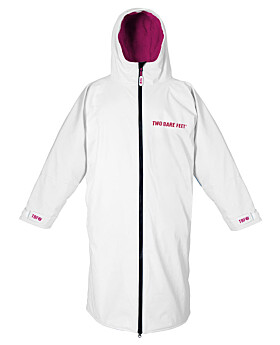
Elemental Waterproof Lightweight Slimline Changing Robe (White/Raspberry)
As low as £69.99 Regular Price £139.99 -
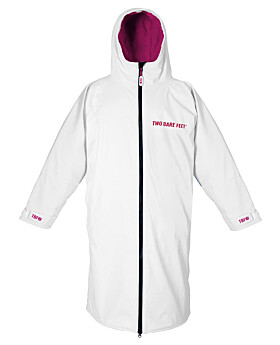
Elemental Waterproof Lightweight Slimline Changing Robe (White/Raspberry)-Adults S / M
Special Price £69.99 Regular Price £139.99 -
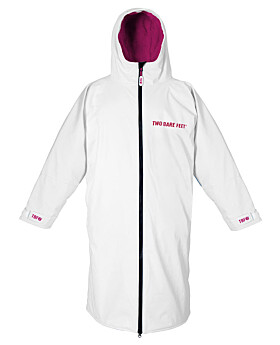
Elemental Waterproof Lightweight Slimline Changing Robe (White/Raspberry)-Adults L / XL
Special Price £69.99 Regular Price £139.99 -
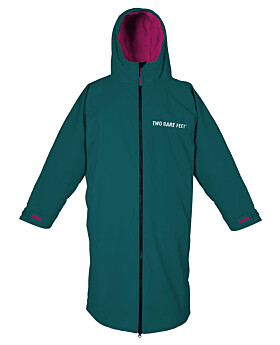
Elemental Waterproof Lightweight Slimline Changing Robe (Sea Green/Raspberry)
As low as £69.99 Regular Price £139.99 -
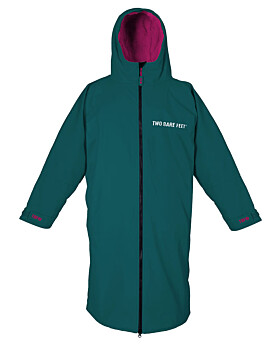
Elemental Waterproof Lightweight Slimline Changing Robe (Sea Green/Raspberry)-Adults S / M
Special Price £69.99 Regular Price £139.99 -
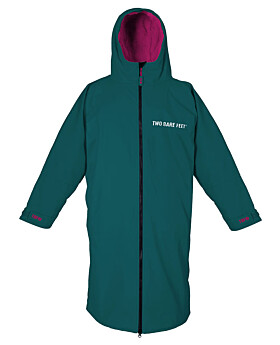
Elemental Waterproof Lightweight Slimline Changing Robe (Sea Green/Raspberry)-Adults L / XL
Special Price £69.99 Regular Price £139.99 -
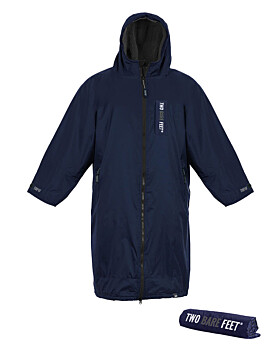
Two Bare Feet Weatherproof Changing Robe with Changing Mat (Marine Blue/Charcoal)-Small
Special Price £69.99 Regular Price £139.99 -
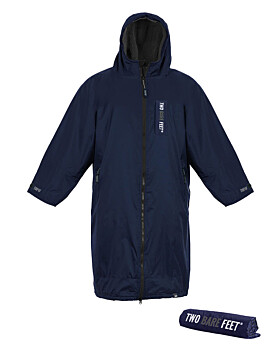
Two Bare Feet Weatherproof Changing Robe with Changing Mat (Marine Blue/Charcoal)-Medium
Special Price £69.99 Regular Price £139.99 -
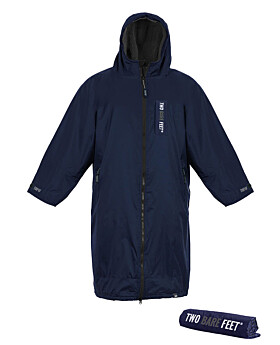
Two Bare Feet Weatherproof Changing Robe with Changing Mat (Marine Blue/Charcoal)-Large
Special Price £69.99 Regular Price £139.99 -
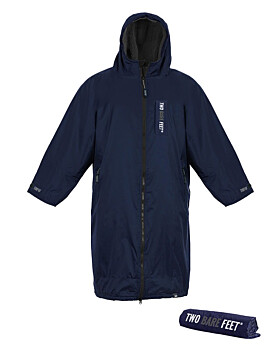
Two Bare Feet Weatherproof Changing Robe with Changing Mat (Marine Blue/Charcoal)
As low as £69.99 Regular Price £139.99
8. Care, maintenance, and longevity
Investing in a high-quality outdoor jacket is a significant commitment, and proper care is essential to protect that investment. Regular maintenance will not only keep your jacket looking its best but will also ensure its technical features continue to perform as intended.
Washing and reproofing waterproof jackets
Over time, dirt and oils can clog the microscopic pores of a waterproof membrane, reducing its breathability and degrading the Durable Water Repellent (DWR) coating on the outer fabric. To restore performance, jackets need to be cleaned and periodically reproofed.
Always follow the manufacturer’s care label. For most technical jackets, this involves washing with a specialist technical cleaner, not standard laundry detergent. After washing, the DWR can often be reactivated with gentle heat, such as a low-temperature tumble dry. When the DWR can no longer be reactivated, it needs to be reapplied using a wash-in or spray-on reproofing product. It is important to note that some garments, like weatherproof changing robes, have specific care instructions; they should only be rinsed with fresh water and air-dried, never machine washed or tumble dried.
Storing jackets properly
Proper storage is crucial for maintaining a jacket’s shape and the loft of its insulation. Before storing any jacket, ensure it is completely clean and dry. Jackets should be stored in a cool, dry place away from direct sunlight. Avoid compressing insulated jackets for long periods; the best practice is to hang them loosely in a wardrobe.
When to repair vs replace
With proper care, a quality jacket can last for many years. Small issues like tears in the fabric, failing seams, or broken zips can often be repaired, significantly extending the life of the garment. A jacket should generally only be replaced when the waterproof membrane itself has degraded beyond repair, or when the fabric has become so worn that it is no longer effective.
9. Building your outdoor jacket collection
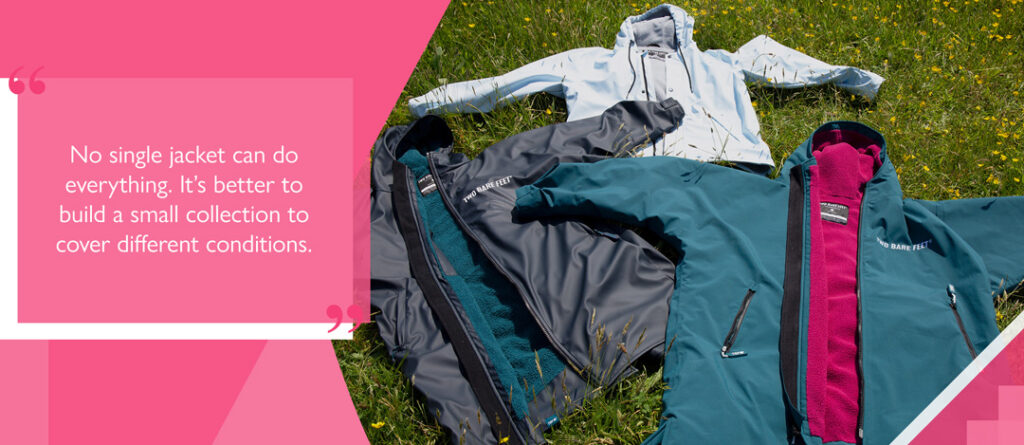
For those who regularly participate in a variety of outdoor activities, it becomes clear that no single jacket can do everything perfectly. The most effective approach is to build a small, curated collection of jackets that work as a system.
The essential three-jacket system
The “three-jacket system” is a concept widely adopted by experienced outdoor enthusiasts for all-weather versatility. It consists of three distinct types of jacket that can be worn alone or in combination.
- The waterproof shell: A waterproof and windproof jacket. The Two Bare Feet Softshell Jacket, with its 8K waterproof rating and breathable fabric, is an excellent choice for a versatile outer layer.
- The insulated jacket: This is your primary warmth layer for cold, dry conditions. A Two Bare Feet Sherpa Jacket would be perfect for this role.
- The versatile mid-layer: This is an active layer, and the Two Bare Feet Unisex Fleeces are the ideal example, providing breathable warmth during physical exertion.
These three pieces can be combined to face any weather: the shell over the mid-layer for a cool, wet day of hiking; the insulated jacket on its own for a frosty winter morning; and the shell over the insulated jacket for extreme cold and wet conditions.
Complementary layering pieces
The performance of your jacket system is significantly enhanced by what you wear underneath. A good layering system starts with a moisture-wicking base layer. Our Thermal Rash Vests, with their added fleece layer, are a great option for providing extra warmth next to the skin. Accessories such as a warm hat, gloves, and a scarf are also crucial for preventing heat loss.
Upgrade priorities
Building a full three-jacket system can be a gradual process. The piece you should invest in first depends entirely on your primary needs. If your main activity is hiking in the British hills, a high-quality waterproof shell like the Softshell Jacket should be your first priority. If your main requirement is warmth for everyday activities, an insulated jacket like the Sherpa Jacket would be the most logical starting point.
10. Making your final decision: a step-by-step guide
You are now equipped with the knowledge to navigate the complexities of buying an outdoor jacket. To bring everything together, here is a final step-by-step guide in the form of key questions to ask yourself. Answering these will help you clarify your needs and confidently select the perfect jacket from the Two Bare Feet collection.
- What is my primary activity? Are you a hiker, a cold-water swimmer, a dog walker, or a skier? Your main pursuit will dictate whether you should prioritise breathability, insulation, or absolute waterproofness.
- What are the most common weather conditions I will face? Consider your local climate and the seasons in which you will be most active. This will determine the required waterproof rating and level of insulation.
- What is my budget and what represents the best value? Think beyond the initial price tag and consider the jacket’s versatility and durability. A multi-purpose garment might offer better long-term value by serving multiple roles.
- What features are non-negotiable? Do you need a removable hood, specific pocket configurations, or a certain level of packability? Make a short list of your essential features.
- How should it fit? Finally, consider the fit. Do you need a slim fit for active movement, or a more relaxed fit to accommodate warm layers underneath?
11. Find your perfect outdoor protection
Choosing the right outdoor jacket is a significant step in preparing for your adventures. The journey is a personal one, based on where you go, what you do, and the conditions you are willing to face.
With the right knowledge and the support of high-quality, reliable gear from Two Bare Feet, anyone can explore the outdoors with comfort and confidence. Remember to consider your primary activity and your local climate first, and then build your layering system from there.
With the right preparation, you will find that ‘bad weather’ is often just an opportunity for a different, and equally rewarding, kind of adventure.
We invite you to explore our full range of technical jackets, warm sherpa coats, and versatile weatherproof changing robes. Find the perfect layer for your next adventure today.