
20 June 2025
A trip to the coast, whether for a gentle paddle, an energetic surf session, or a family day of exploration, is one of life’s simple pleasures. Yet, the success of any waterside adventure often hinges on small details we can sometimes overlook. While we might pack sunscreen, towels, and a wetsuit, the choice of what to put on our feet is frequently an afterthought. For many, it’s a simple decision between going barefoot or grabbing the nearest pair of flip-flops. However, the right footwear can be the difference between a day of comfortable enjoyment, and one cut short by discomfort or injury.
Thankfully, modern water footwear has evolved far beyond simple protection, offering sophisticated solutions that enhance performance, safety, and comfort across a vast range of activities. Whether you’re seeking the best shoes for shingle beaches, comfortable water shoes for rock pooling, or neoprene footwear for paddleboarding warmth, understanding your options can elevate every aspect of your waterside pursuits.
Navigation guide
- Preventing blisters, rubbing, and discomfort
- Protecting your feet from hidden hazards
- How the right footwear enhances your activity
- Hygiene on the shoreline
- What will you be doing most?
- Analysing the environment
- Water temperature and climate
- Getting the fit right
- The post-activity rinse
- Proper drying techniques
- Storing footwear correctly between uses
- Spot cleaning for stubborn marks
- Checking for wear and tear
1. Why your choice of footwear matters
The temptation to embrace the natural feeling of bare feet on sand and in water is understandable.Many experienced water sports enthusiasts prefer this connection with their environment. However, the decision to protect your feet extends far beyond simple comfort—it encompasses safety, performance, and long-term enjoyment of aquatic activities.
Preventing blisters, rubbing, and discomfort
Comfort is paramount for any enjoyable day out, and your feet bear the brunt of your activities. Extended periods of walking on uneven surfaces, the constant friction of wet skin against abrasive materials, and the pressure points created by ill-fitting shoes can quickly lead to painful blisters and chafing. Standard shoes become waterlogged, heavy, and uncomfortable, while basic flip-flops often cause rubbing between the toes.
Specialist water footwear is engineered with comfort in mind for wet environments. Materials are chosen to be soft, non-chafing, and quick-drying, preventing the prolonged dampness that leads to skin irritation.
A good fit is crucial; the right pair will feel snug enough to stay securely on your feet during active movement, without being so tight that they cause pressure points.
For those spending all day transitioning between the water and harder surfaces, features like cushioning and arch support become invaluable, providing the kind of support you wouldn’t find in a basic water shoe or flip-flop.
Protecting your feet from hidden hazards
The shoreline and waterbed can conceal a multitude of hazards that are often invisible to the naked eye. Water shoes are fundamentally about protection, acting as a vital barrier between your soles and whatever lies beneath. This protection extends from sharp objects and slippery surfaces to extreme temperatures, making them an essential piece of safety equipment.
Sharp stones, shells, and weever fish
For anyone who has spent a day on the stony beaches common in Britain, the discomfort of walking barefoot is all too familiar. Sharp stones, fragmented shells, and discarded litter like glass can cause painful cuts and injuries.
Beneath the water, the risks can be even greater. Sharp rocks, coral reefs, or even spiny marine life such as sea urchins can cause significant harm. A particular concern in UK waters is the Weever fish, which buries itself in the sand in shallow water and has venomous spines on its dorsal fin that can inflict excruciating pain if stepped on.
A durable, thick rubber outsole, a key feature of quality aqua shoes and wetsuit boots, provides a reliable shield against these dangers, offering peace of mind as you walk or wade.
Slippery rocks and uneven surfaces
Slips and falls are a common cause of injury in coastal environments. Wet rocks, algae-covered jetties, slippery boat decks, and uneven riverbeds all present a significant traction challenge. Flip-flops offer notoriously poor grip on wet surfaces, and even bare feet can struggle to find purchase.
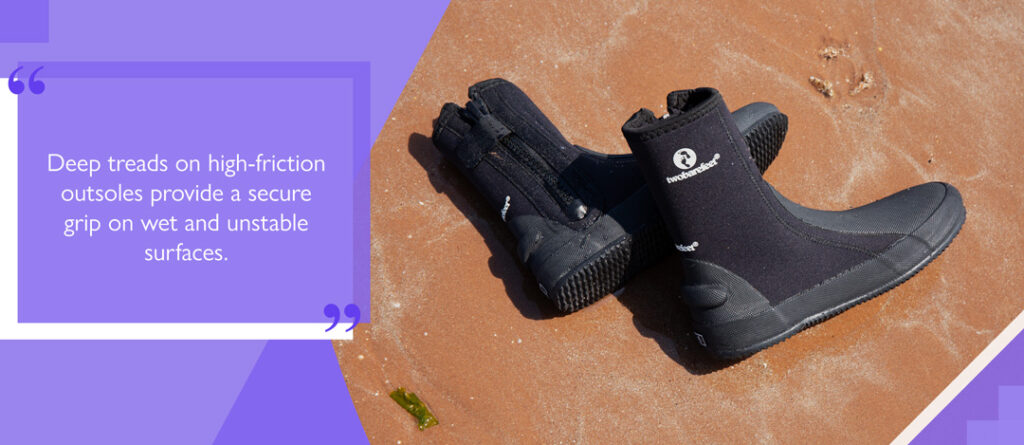
Specialist water footwear is designed with superior traction as a primary feature. Technical outsoles made from high-friction rubber compounds, often with deep lugs or specialised tread patterns, provide a secure grip on a wide variety of wet and unstable surfaces. This is especially critical for watersports like kayaking or paddleboarding, where stability is key to both performance and safety.
Hot sand and cold-water temperatures
Footwear also plays a crucial role in temperature regulation. On a hot day, sand can reach temperatures high enough to cause painful burns to the soles of your feet. A shoe with a thicker, insulating sole provides an effective thermal barrier, allowing you to walk across hot sand in comfort.
Conversely, in the cooler waters around the UK, losing heat through your extremities can quickly become uncomfortable and even dangerous. Cold feet can affect your balance and control, which is particularly important for board sports. Footwear made from neoprene, the same insulating material used in wetsuits, is essential for keeping your feet warm in cold water. By trapping a thin layer of water that is warmed by your body, neoprene boots and socks significantly reduce heat loss, allowing you to stay in the water for longer.
How the right footwear enhances your activity
When you are confident that your feet are protected, warm, and secure, you can focus your full attention on the activity itself, leading to a more enjoyable and fulfilling experience.
For activities that require a high degree of control and a tactile connection with a board, such as surfing or paddleboarding, the choice of footwear is critical. While some experienced paddlers and surfers prefer to go barefoot for a better feel of the board, this can be a compromise. Modern, flexible-soled water shoes and boots are designed to offer a high level of tactility while still providing essential grip and protection.
For activities like kayaking, shoes with reinforced toe caps protect against impacts, while non-marking soles prevent damage to the craft. For wild swimming, a lightweight, streamlined design minimises drag, ensuring your footwear doesn’t impede your stroke.
Hygiene on the shoreline
Shorelines, particularly in popular areas, can harbour bacteria and other microbes in the sand and water. Damp, unwashed footwear can also become a breeding ground for bacteria and fungi, leading to unpleasant odours and potential skin infections.
Wearing protective footwear can reduce your direct contact with potentially contaminated surfaces. Choosing shoes made from quick-drying, antimicrobial materials and practising good after-care by rinsing and drying them properly, helps to maintain a hygienic environment for your feet, preventing the growth of odour-causing microbes.
2. A guide to specialist beach and water footwear
The evolution of footwear used in and by water has produced a sophisticated range of options, each designed to excel in specific conditions and activities. Understanding the characteristics and applications of each type enables informed decision-making that enhances both safety and enjoyment.
Neoprene aqua shoes
Slip-on aqua shoes are perhaps the most versatile and popular form of water footwear, acting as the perfect all-rounder for a wide range of beach and water-based activities. They represent a significant step up from basic beach shoes, offering a carefully engineered balance of comfort, protection, and convenience that makes them suitable for everything from casual beach days to light watersports.
Their lightweight and fast-draining design means you can seamlessly transition from strolling on the sand to wading in the shallows without a second thought.
What is neoprene?
Many aqua shoes incorporate neoprene, a synthetic rubber that is the cornerstone of modern watersports apparel. Its unique cellular structure, which contains thousands of tiny, trapped air pockets, makes it an excellent insulator. When you enter the water, a thin layer is trapped between the shoe and your skin, which is then warmed by your body heat, helping to keep your feet warm even in cooler temperatures.
Neoprene is also prized for its flexibility and durability. It allows for a full range of movement in the foot, which is crucial for maintaining balance, while also being resilient to the effects of salt water and sunlight. This combination of warmth, flexibility, and toughness makes it the ideal material for high-performance water footwear.
Common features of aqua shoes
A defining feature of a quality aqua shoe is its protective rubber outsole. These soles are designed to be tough enough to shield your feet from sharp rocks, shells, and other underwater hazards, yet flexible enough not to impede movement. The tread patterns are specifically engineered to provide excellent traction on wet, slippery surfaces.
To prevent the shoes from becoming waterlogged and heavy, they also incorporate efficient drainage systems. This can take the form of perforations in the sole or upper, or the use of quick-drying mesh panels that allow water to escape rapidly. Many styles also feature an adjustable toggle or fastening system to ensure a snug and secure fit, preventing the shoe from slipping off during more active pursuits.
Typical uses for aqua shoes
The versatility of the aqua shoe makes it a fantastic choice for a multitude of coastal activities. They are ideal for family beach days, especially on the pebbly or shingle beaches common across the UK, providing constant protection whether you’re building sandcastles or exploring the shoreline.
Their excellent grip and robust soles also make them the perfect comfortable water shoes for rock pooling, allowing you to confidently navigate slippery, uneven terrain while protecting your feet from sharp edges.
They are also a great entry-level option for light watersports such as kayaking, paddleboarding, or just having fun on an inflatable, offering a level of protection and security that flip-flops simply cannot match.
-
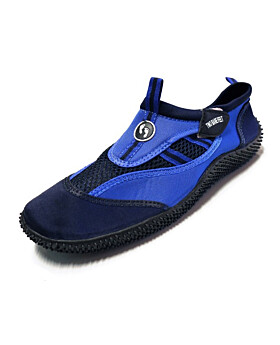
Adults Aqua Shoes (Royal Blue)
As low as £7.99 Regular Price £12.99 -
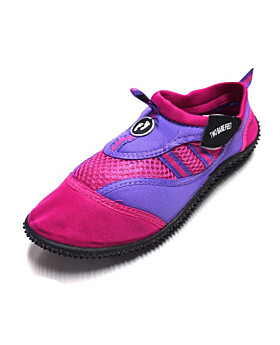
Adults Aqua Shoes (Raspberry/Lilac)
As low as £7.99 Regular Price £12.99 -
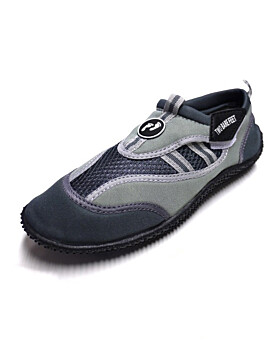
Junior Aqua Shoes (Black/Grey)
As low as £5.99 Regular Price £9.99 -
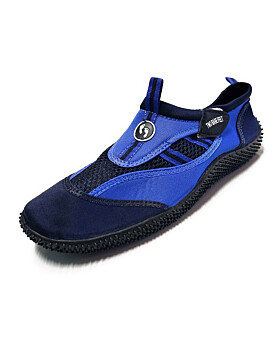
Junior Aqua Shoes (Royal Blue)
As low as £5.99 Regular Price £9.99 -
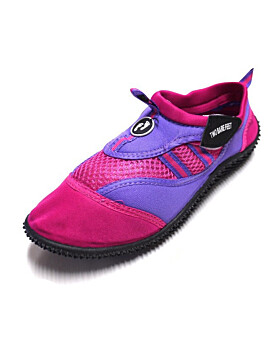
Junior Aqua Shoes (Raspberry/Lilac)
As low as £5.99 Regular Price £9.99 -
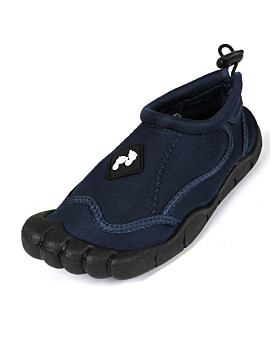
Rubber Toes Junior Aqua Shoes (Navy)
As low as £4.99 Regular Price £9.99 -
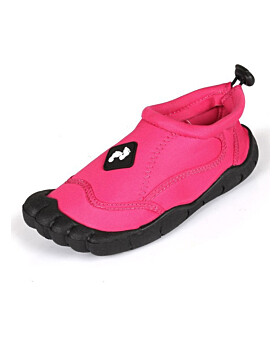
Rubber Toes Junior Aqua Shoes (Raspberry)
As low as £4.99 Regular Price £9.99 -

Two Bare Feet Cliff Jump Adults Aqua Shoes (Blue / Yellow)
As low as £7.99 Regular Price £12.99 -
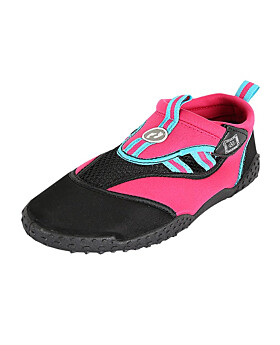
Two Bare Feet Cliff Jump Adults Aqua Shoes (Pink / Aqua)
As low as £7.99 Regular Price £12.99 -
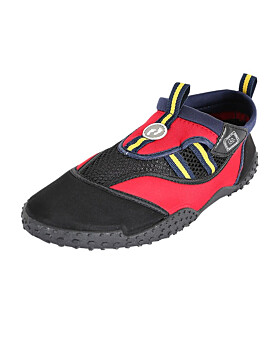
Two Bare Feet Cliff Jump Adults Aqua Shoes (Red / Yellow)
As low as £7.99 Regular Price £12.99 -
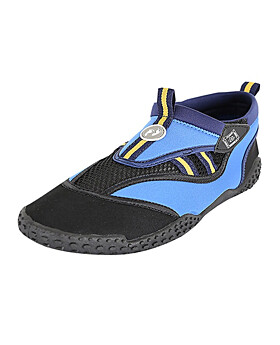
Two Bare Feet Cliff Jump Junior Aqua Shoes (Blue / Yellow)
£5.99 -

Two Bare Feet Cliff Jump Junior Aqua Shoes (Pink / Aqua)
£5.99 -
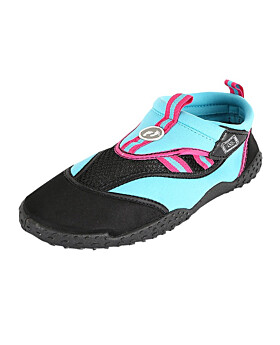
Two Bare Feet Cliff Jump Junior Aqua Shoes (Aqua / Pink)
£5.99 -

Two Bare Feet Cliff Jump Junior Aqua Shoes (Red / Yellow)
£5.99 -
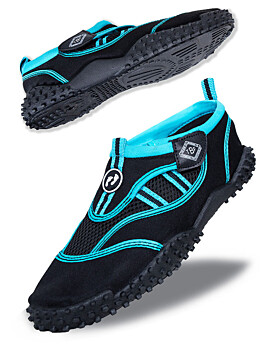
Two Bare Feet Rockpool Junior Aqua Shoes (Aqua)
£5.99 -
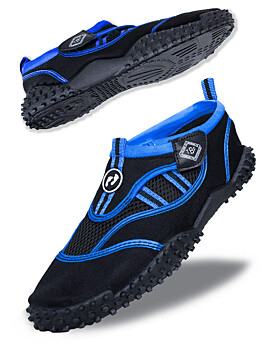
Two Bare Feet Rockpool Junior Aqua Shoes (Blue)
£5.99 -
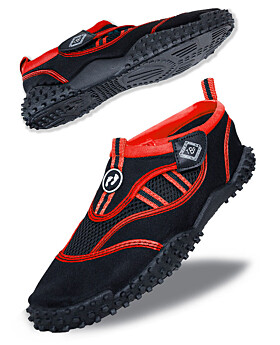
Two Bare Feet Rockpool Junior Aqua Shoes (Red)
£5.99 -
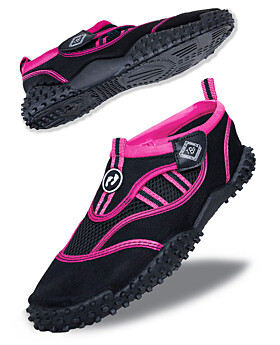
Two Bare Feet Rockpool Junior Aqua Shoes (Pink)
£5.99 -
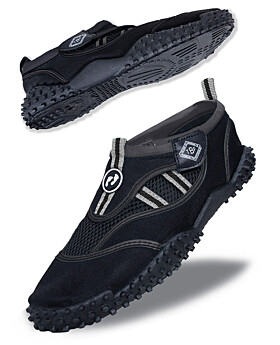
Two Bare Feet Rockpool Junior Aqua Shoes (Black)
£5.99 -
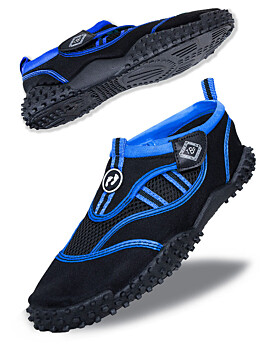
Two Bare Feet Rockpool Adults Aqua Shoes (Blue)
£7.99 -
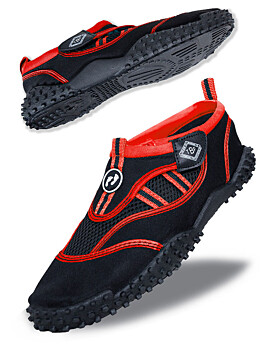
Two Bare Feet Rockpool Adults Aqua Shoes (Red)
£7.99 -
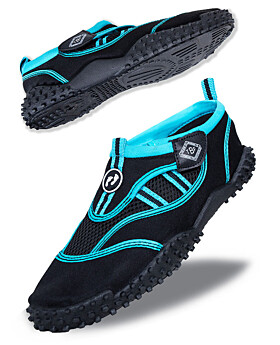
Two Bare Feet Rockpool Adults Aqua Shoes (Aqua)
£7.99 -
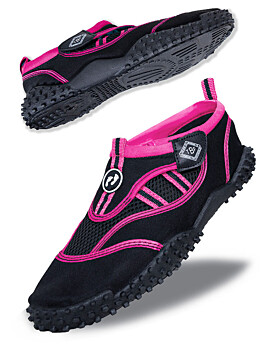
Two Bare Feet Rockpool Adults Aqua Shoes (Pink)
£7.99 -
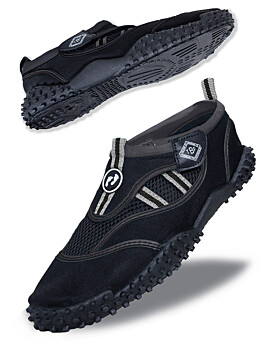
Two Bare Feet Rockpool Adults Aqua Shoes (Black)
£7.99
Our aqua shoe collection
At Two Bare Feet, we have anaqua shoe range designed to meet the diverse needs of water enthusiasts across all age groups. Our collection spans from children’s sizes all the way up to adult UK12, ensuring every family member can enjoy the protection and comfort that quality aqua shoes provide.
For those who prioritise rock pooling and exploring rugged coastlines, our Rockpool range offers enhanced durability and protection. The Two Bare Feet Rockpool Adults Aqua Shoes feature a particularly robust moulded outsole design that excels on uneven, slippery terrain while maintaining the comfort needed for extended wear. Available in practical colour ways including Aqua, Blue, and Red, they are specifically designed for the demanding conditions encountered when navigating rocky shorelines and tidal pools.
Understanding that young adventurers need the same level of protection as adults, we have developed dedicated junior versions of our most popular models. The Two Bare Feet Rockpool Junior Aqua Shoes offer identical construction quality and protective features as their adult counterparts, scaled appropriately for smaller feet while maintaining the durability needed to withstand the enthusiastic play that characterises children’s beach activities. Junior versions feature the same robust moulded outsole technology and comprehensive foot protection, ensuring young explorers can safely navigate challenging coastal environments with confidence.
What sets our aqua shoes apart is the thoughtful integration of practical features that address real-world scenarios. The adjustable Velcro side panel fastening system ensures a secure fit that won’t slip off during active pursuits, while the lightweight construction means they pack away easily in beach bags without adding unnecessary bulk. The slip-on design with stretch properties allows for quick transitions between different activities, whether you’re moving from building sandcastles to exploring rock pools or preparing for a kayaking session.
Wetsuit boots
When your adventures take you into colder water or more demanding conditions, it’s time to consider the extra protection and insulation offered by wetsuit boots. While they share some characteristics with aqua shoes, wetsuit boots are a more specialised and robust piece of equipment, specifically designed for watersports enthusiasts who need maximum performance and thermal protection.
They are the go-to choice for surfers, paddleboarders, kayakers, and coasteering adventurers who regularly face the chill of the British coast and require footwear that won’t let them down.
Key differences from aqua shoes
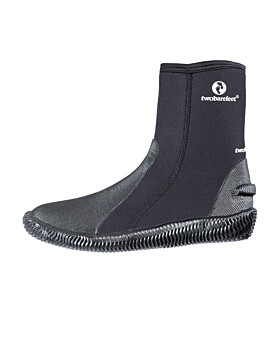
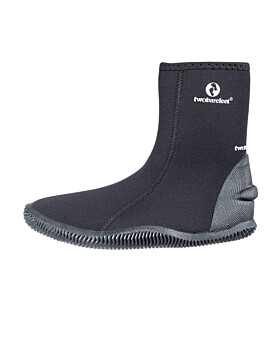
The most significant difference between aqua shoes and wetsuit boots lies in their construction, particularly the thickness of the neoprene and the level of coverage they provide. Wetsuit boots are typically made from thicker neoprene, often ranging from 3mm to 5mm or more, which provides substantially more insulation against the cold. They also feature a higher cut, extending up over the ankle, which helps to create a better seal with a wetsuit, preventing cold water from flushing in and providing additional support and protection for the ankle joint.
Wetsuit boot construction
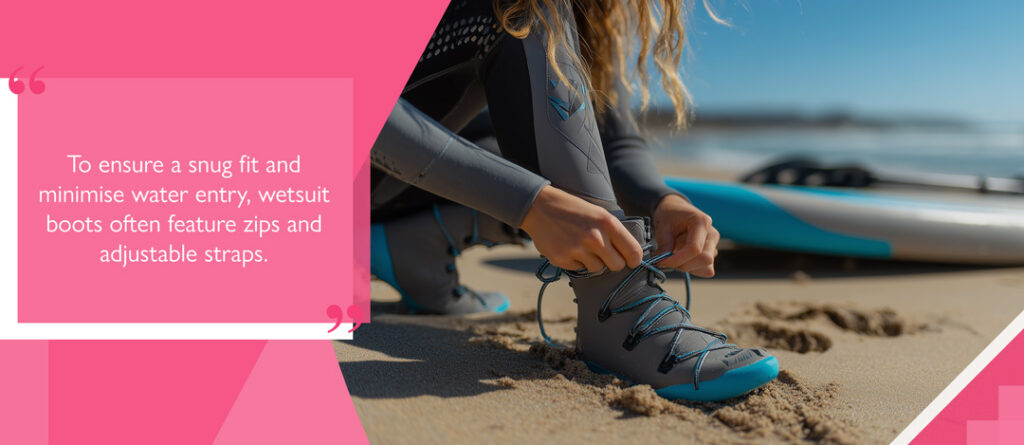
To ensure a snug fit and minimise water ingress, wetsuit boots often incorporate features like zips and adjustable straps. A zipped entry makes the boots easier to get on and off, while straps across the instep and around the top of the ankle allow you to secure the boot tightly against your foot and leg. The soles of wetsuit boots also vary depending on their intended use. For sports like surfing or paddleboarding where a feel for the board is important, boots with a more flexible, tactile sole are preferred.
For activities like diving, coasteering, or walking over rugged terrain to a launch spot, a stiffer, more protective sole is more appropriate, offering greater support and defence against sharp objects.
Typical uses for wetsuit boots
Wetsuit boots are the footwear of choice for a wide array of demanding watersports.
For surfers, they provide the grip needed to stay planted on the board and the warmth to endure long sessions waiting for the perfect wave.
Similarly, the specific demands of neoprene footwear for paddleboarding warmth are best met by a quality boot, which keeps feet warm and functional, aiding balance on chilly days.
Kayakers benefit from the enhanced protection and warmth, especially when paddling sit-on-top kayaks where feet are more exposed.
For the high-octane sport of coasteering in the UK, the robust construction, superior grip, and thermal protection for coasteering provided by wetsuit boots are not just recommended—they are essential for safety.
-
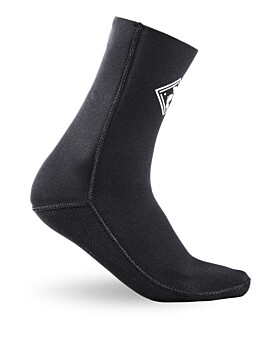 £14.99
 -
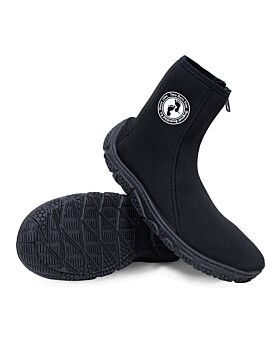
Neoprene Zipped Adults Wetsuit Boots (Black)
£14.99 -
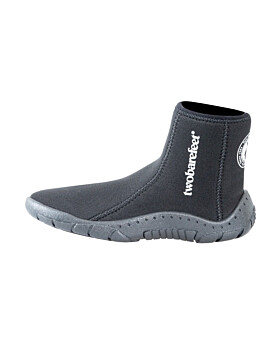
Neoprene Zipped Junior Wetsuit Aqua Boots (Black)
£12.99 -
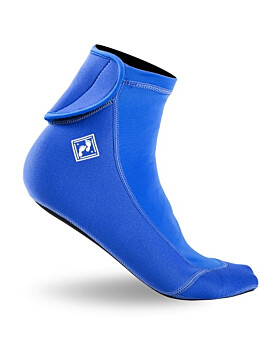
Watersports Comfort Flex Socks (Blue)
£9.99 -
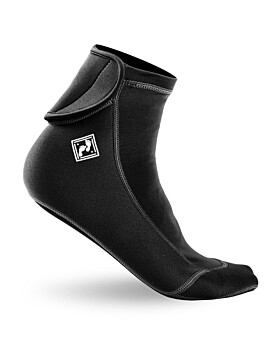
Watersports Comfort Flex Socks (Black)
£9.99 -
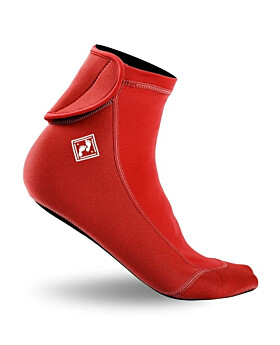
Watersports Comfort Flex Socks (Red)
£9.99 -
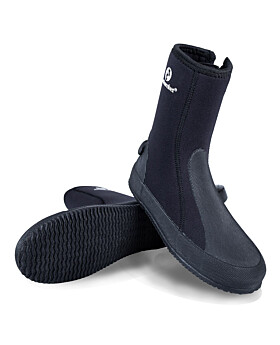
Two Bare Feet 5mm Neoprene Diving Boots (6015)
£29.99 -
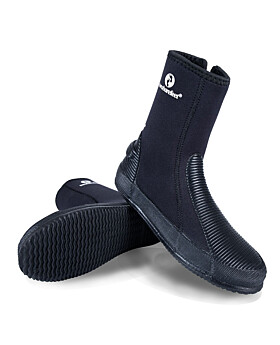
Two Bare Feet 5mm Neoprene Diving Boots (6024)
£29.99 -
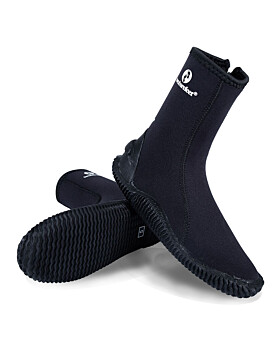
Two Bare Feet 5mm Neoprene Diving / Surf Boots (6025)
As low as £29.99 Regular Price £39.99 -

Two Bare Feet 5mm Neoprene Diving / Surf Boots (001)
£29.99 -
 £15.99
 -
 £15.99
 -
Two Bare Feet 5mm Neoprene Diving Boots (6015)-UK 6
£29.99 -
Two Bare Feet 5mm Neoprene Diving Boots (6024)-UK 6
£29.99 -
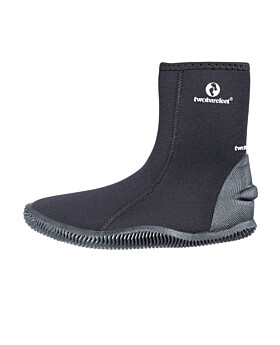
Two Bare Feet 5mm Neoprene Diving / Surf Boots (6025)-UK 6
Special Price £29.99 Regular Price £39.99 -
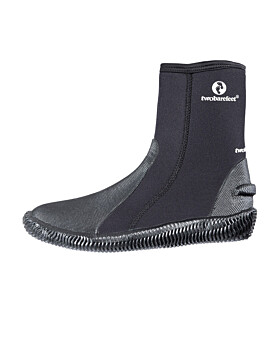
Two Bare Feet 5mm Neoprene Diving / Surf Boots (001)-UK 6
£29.99 -
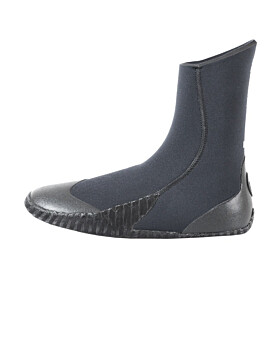
Two Bare Feet 5mm Surf Boots-UK 2
£24.99 -
Two Bare Feet 5mm Surf Boots-UK 3
£24.99 -
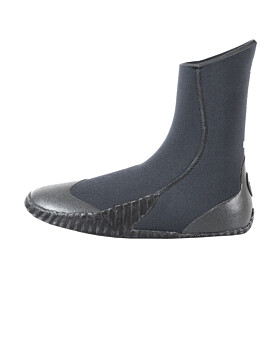
Two Bare Feet 5mm Surf Boots-UK 4
£24.99 -
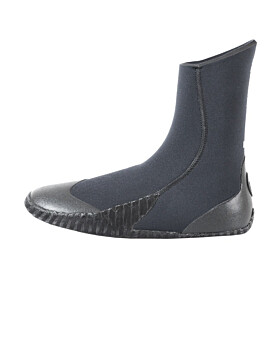
Two Bare Feet 5mm Surf Boots-UK 5
£24.99 -
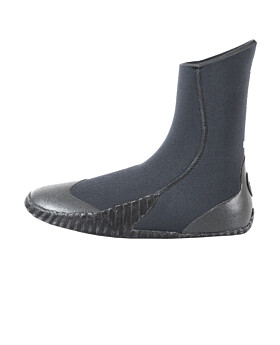
Two Bare Feet 5mm Surf Boots-UK 6
£24.99 -
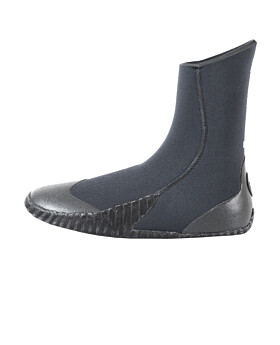
Two Bare Feet 5mm Surf Boots-UK 7
£24.99 -
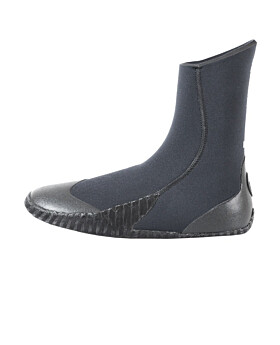
Two Bare Feet 5mm Surf Boots-UK 8
£24.99 -
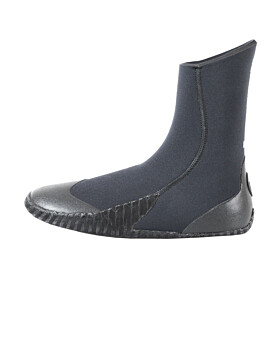
Two Bare Feet 5mm Surf Boots-UK 9
£24.99 -
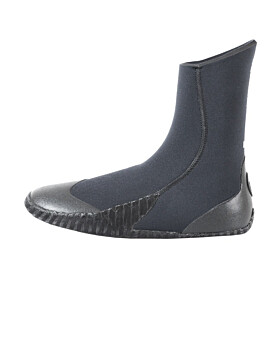
Two Bare Feet 5mm Surf Boots-UK 10
£24.99 -
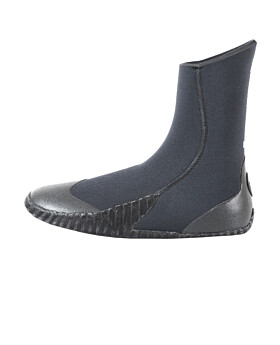
Two Bare Feet 5mm Surf Boots-UK 11
£24.99 -
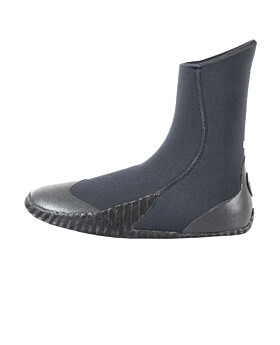
Two Bare Feet 5mm Surf Boots-UK 12
£24.99 -

Two Bare Feet 5mm Surf Boots (Black)
£24.99 -
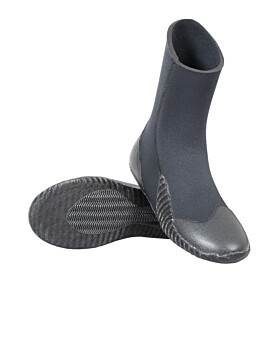
Two Bare Feet 7mm Surf Boots (Black)
£25.99 -
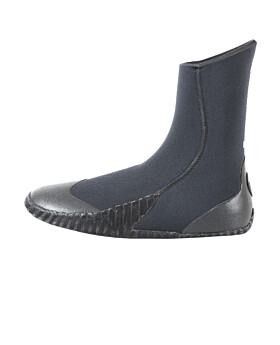
Two Bare Feet 7mm Surf Boots (Black)-UK 2
£25.99 -

Two Bare Feet 7mm Surf Boots (Black)-UK 3
£25.99 -

Two Bare Feet 7mm Surf Boots (Black)-UK 4
£25.99 -

Two Bare Feet 7mm Surf Boots (Black)-UK 5
£25.99 -

Two Bare Feet 7mm Surf Boots (Black)-UK 6
£25.99 -
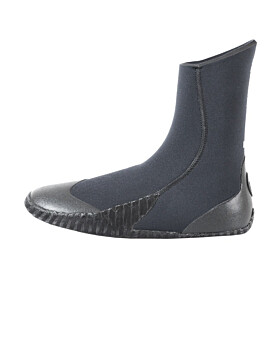
Two Bare Feet 7mm Surf Boots (Black)-UK 7
£25.99 -

Two Bare Feet 7mm Surf Boots (Black)-UK 8
£25.99 -

Two Bare Feet 7mm Surf Boots (Black)-UK 9
£25.99 -

Two Bare Feet 7mm Surf Boots (Black)-UK 10
£25.99 -

Two Bare Feet 7mm Surf Boots (Black)-UK 11
£25.99 -

Two Bare Feet 7mm Surf Boots (Black)-UK 12
£25.99 -

Neoprene Zipped Junior Wetsuit Aqua Boots (Black)-C7
£12.99 -

Neoprene Zipped Junior Wetsuit Aqua Boots (Black)-C8
£12.99 -

Neoprene Zipped Junior Wetsuit Aqua Boots (Black)-C9
£12.99 -

Neoprene Zipped Junior Wetsuit Aqua Boots (Black)-C10
£12.99 -

Neoprene Zipped Junior Wetsuit Aqua Boots (Black)-C13
£12.99 -

Neoprene Zipped Junior Wetsuit Aqua Boots (Black)-UK 1
£12.99 -

Neoprene Zipped Junior Wetsuit Aqua Boots (Black)-UK 2
£12.99 -
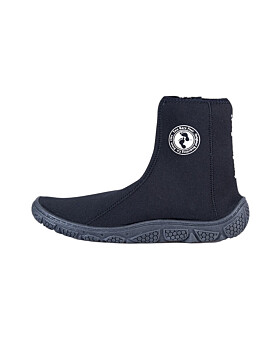
Neoprene Zipped Junior Wetsuit Aqua Boots (Black)-UK 3
£12.99 -
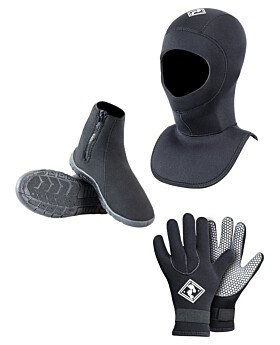
Neoprene Wetsuit Set - Gloves, Boots & Hood Set
From £40.47 Regular Price £55.97
To £42.27 Regular Price £56.97
-
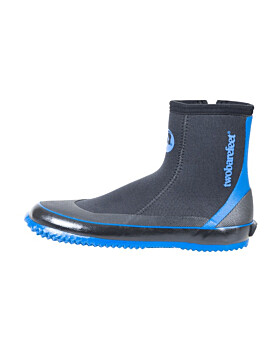
Two Bare Feet 5mm Neoprene Zipped Wetsuit Boots (Blue)
As low as £19.99 Regular Price £29.99 -
Two Bare Feet 5mm Neoprene Zipped Wetsuit Boots-UK 2
Special Price £19.99 Regular Price £29.99 -
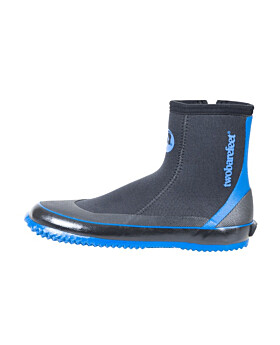
Two Bare Feet 5mm Neoprene Zipped Wetsuit Boots-UK 3
Special Price £19.99 Regular Price £29.99 -
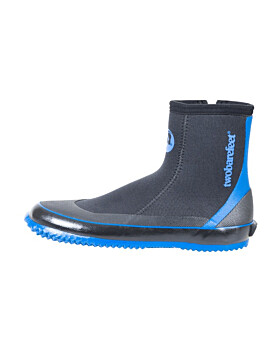
Two Bare Feet 5mm Neoprene Zipped Wetsuit Boots-UK 12
Special Price £19.99 Regular Price £29.99 -
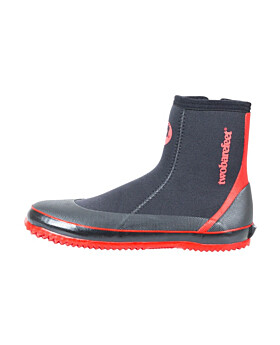
Two Bare Feet 5mm Neoprene Zipped Wetsuit Boots (Red)
As low as £19.99 Regular Price £29.99 -
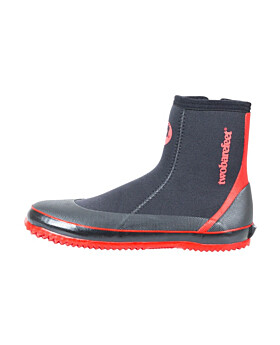
Two Bare Feet 5mm Neoprene Zipped Wetsuit Boots (Red)-UK 2
Special Price £19.99 Regular Price £29.99 -
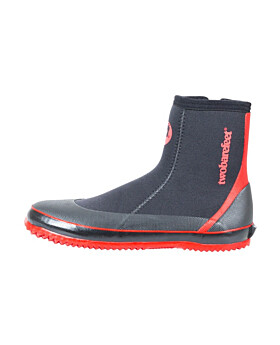
Two Bare Feet 5mm Neoprene Zipped Wetsuit Boots (Red)-UK 3
Special Price £19.99 Regular Price £29.99 -
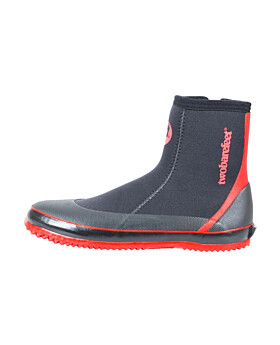
Two Bare Feet 5mm Neoprene Zipped Wetsuit Boots (Red)-UK 9
Special Price £19.99 Regular Price £29.99 -
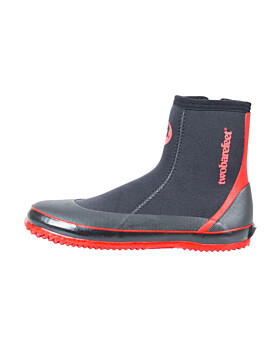
Two Bare Feet 5mm Neoprene Zipped Wetsuit Boots (Red)-UK 10
Special Price £19.99 Regular Price £29.99 -
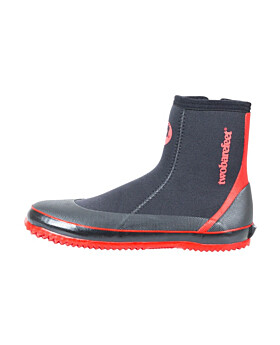
Two Bare Feet 5mm Neoprene Zipped Wetsuit Boots (Red)-UK 12
Special Price £19.99 Regular Price £29.99 -
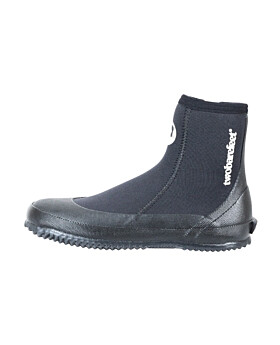
Two Bare Feet 5mm Neoprene Zipped Wetsuit Boots (Black)
As low as £19.99 Regular Price £29.99 -
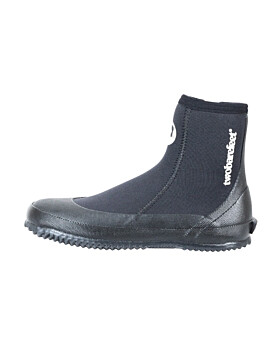
Two Bare Feet 5mm Neoprene Zipped Wetsuit Boots (Black)-UK 2
Special Price £19.99 Regular Price £29.99 -
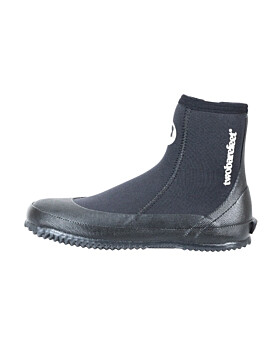
Two Bare Feet 5mm Neoprene Zipped Wetsuit Boots (Black)-UK 3
Special Price £19.99 Regular Price £29.99 -
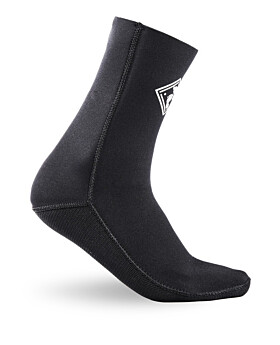
Neoprene 2.5mm Wetsuit Socks-Small
£14.99 -
Neoprene 2.5mm Wetsuit Socks-Medium
£14.99 -
Neoprene 2.5mm Wetsuit Socks-Large
£14.99 -
Neoprene 2.5mm Wetsuit Socks-XL
£14.99 -
Neoprene 2.5mm Wetsuit Socks-2XL
£14.99 -
Neoprene 2.5mm Wetsuit Socks-3XL
£14.99 -
Neoprene 5mm Wetsuit Socks-Small
£15.99 -

Neoprene 5mm Wetsuit Socks-Medium
£15.99 -
Neoprene 5mm Wetsuit Socks-Large
£15.99 -
 £15.99
 -
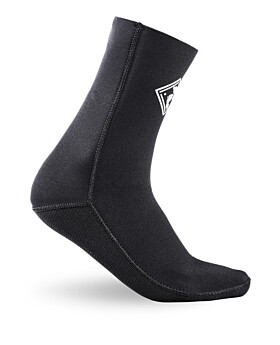
Neoprene 5mm Wetsuit Socks-2XL
£15.99 -
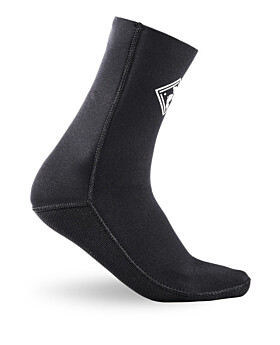
Neoprene 5mm Wetsuit Socks-3XL
£15.99 -
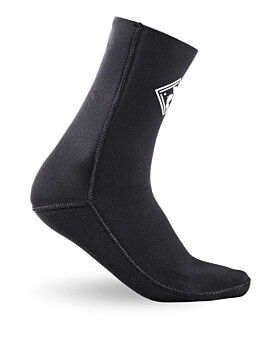
Neoprene 7mm Wetsuit Socks-Small
£15.99 -
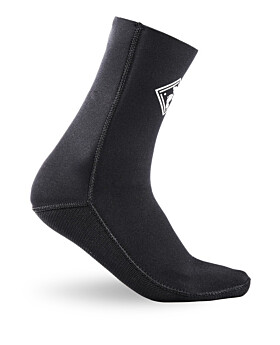
Neoprene 7mm Wetsuit Socks-Medium
£15.99 -
Neoprene 7mm Wetsuit Socks-Large
£15.99 -
 £15.99
 -
Neoprene 7mm Wetsuit Socks-2XL
£15.99 -
Neoprene 7mm Wetsuit Socks-3XL
£15.99 -
Watersports Comfort Flex Socks (Black)-Small
£9.99 -
Watersports Comfort Flex Socks (Black)-XL
£9.99 -
Watersports Comfort Flex Socks (Black)-2XL
£9.99 -
Watersports Comfort Flex Socks (Blue)-Small
£9.99 -

Watersports Comfort Flex Socks (Blue)-Medium
£9.99 -
Watersports Comfort Flex Socks (Blue)-Large
£9.99 -
Watersports Comfort Flex Socks (Blue)-XL
£9.99 -
Watersports Comfort Flex Socks (Blue)-2XL
£9.99 -
Watersports Comfort Flex Socks (Red)-Small
£9.99 -
Watersports Comfort Flex Socks (Red)-Large
£9.99 -
Watersports Comfort Flex Socks (Red)-XL
£9.99 -
Watersports Comfort Flex Socks (Red)-2XL
£9.99 -
Two Bare Feet 5mm Neoprene Diving / Surf Boots (001)-UK 4
£29.99 -

Two Bare Feet 5mm Neoprene Diving / Surf Boots (001)-UK 5
£29.99 -
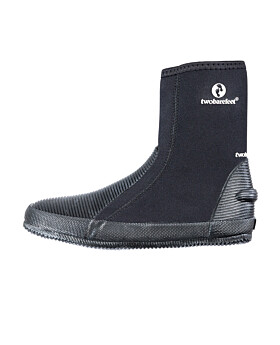
Two Bare Feet 5mm Neoprene Diving Boots (6024)-UK 4
£29.99 -

Two Bare Feet 5mm Neoprene Diving Boots (6024)-UK 5
£29.99 -
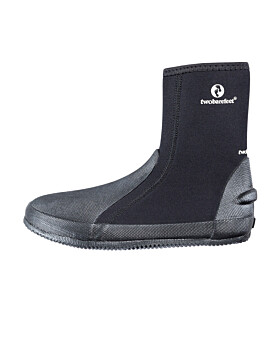
Two Bare Feet 5mm Neoprene Diving Boots (6015)-UK 4
£29.99 -
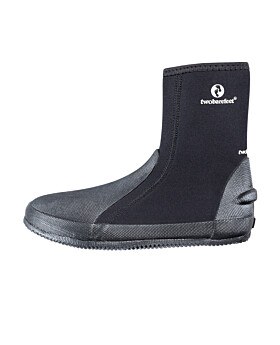
Two Bare Feet 5mm Neoprene Diving Boots (6015)-UK 5
£29.99 -
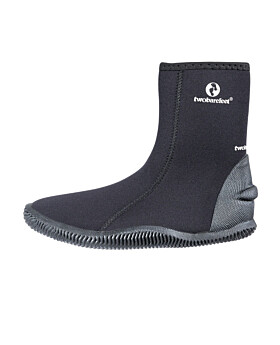
Two Bare Feet 5mm Neoprene Diving / Surf Boots (6025)-UK 5
Special Price £29.99 Regular Price £39.99 -
Two Bare Feet 5mm Neoprene Diving / Surf Boots (6025)-UK 4
Special Price £29.99 Regular Price £39.99
Our wetsuit boot range
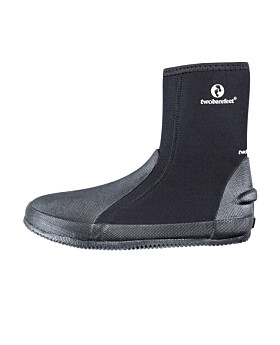
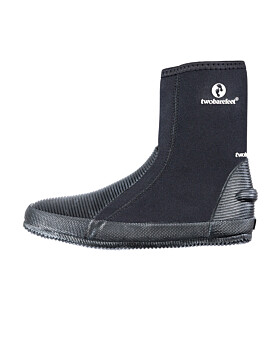
Our versatile wetsuit boot range offers targeted solutions for every water sports enthusiast, from casual beach explorers to serious diving adventurers. At the heart of our collection are our Two Bare Feet 5mm Neoprene Diving Boots (001), which represent the perfect fusion of diving protection and surfing performance. These exceptional boots feature premium 5mm neoprene construction for superior warmth retention, combined with an extra-thick heel and toe wrap that delivers maximum protection without compromising board feel. The flexible heel design ensures you maintain that crucial connection with your surfboard while providing the robust protection essential for diving and rocky coastline exploration.
For lighter protection without sacrificing performance, our Unisex Standard Zipped Wetsuit Boots offer a compelling 3mm thickness option. These lightweight boots maintain sufficient insulation to keep feet comfortable while providing enhanced flexibility and reduced bulk. The flexible rubber outsole delivers optimum grip across various surfaces, making them excellent for surfing, paddle boarding, or exploring challenging coastal terrain. Their streamlined design works perfectly with full-length wetsuits while offering the mobility needed for dynamic water sports.
Our size range accommodates the entire family, with boots available from junior sizes through to adult UK 12, ensuring that young adventurers can enjoy the same level of protection as their parents. We recognise that introducing children to water sports safely requires proper equipment, which is why our junior wetsuit boots maintain the same construction quality and protective features as our adult range.
Our commitment to quality construction means every boot in our range utilises high-grade neoprene with fast-drying properties, ensuring your boots are ready for multiple sessions throughout the day. The durable construction and materials mean these boots will withstand the rigours of regular use in salt water, sand, and challenging conditions, making them a long-term investment in your water sports adventures.
Aqua socks
Occupying a unique space between going barefoot and wearing a full boot, aqua socks (also known as neoprene socks or wetsuit socks) offer a minimalist solution focused on warmth, comfort, and flexibility. They are not designed for the same level of rugged protection as a boot or shoe, but in the right context, they provide the perfect blend of features for specific aquatic activities.
They are an excellent choice for swimmers, snorkelers, and watersports enthusiasts who prioritise a natural feel but still require a layer of insulation and light protection.
When are aqua socks the best choice?
Aqua socks are essentially form-fitting socks made from thin, flexible neoprene, typically 1.5mm to 3mm thick. They are designed to feel like a second skin, adding minimal bulk or weight. Their primary benefits are providing warmth without the structure of a boot and preventing chafing and blisters.
They are the best choice when your main concerns are combating moderate chill, protecting your skin from rubbing (for example, inside swimming fins or tight-fitting kayak footrests), and keeping sand out. They offer a more tactile connection with your board or the ground than a thicker-soled shoe, making them popular with some paddleboarders and surfers in milder conditions.
Key benefits of aqua socks
One of the standout benefits of aqua socks is their ability to form a snug barrier against sand and grit. For beach activities where fine sand can get inside more open footwear and cause irritation, the close fit of a neoprene sock is an ideal solution. For swimmers and divers who use fins, aqua socks are invaluable for preventing the blisters and raw spots that can be caused by the fin’s foot pocket rubbing against bare skin.
Their lightweight, low-profile design also makes them incredibly easy to pack and travel with, and when swimming, they add negligible weight or drag, ensuring your performance isn’t hampered.
Using aqua socks solo or layering with other footwear
Aqua socks are versatile in how they can be worn. For activities like beach yoga, light paddleboarding in calm water, or swimming from a sandy beach, they can be worn on their own to provide warmth and a layer of protection from hot sand or minor scrapes. However, their soles are not designed for walking over sharp or rough terrain.
They also serve as an excellent layering component. On particularly cold days, wearing a pair of neoprene socks inside your wetsuit boots can provide a significant boost in insulation, trapping an extra layer of warmth. This layering system allows for greater adaptability to changing temperatures and conditions.
Our aqua sock selection
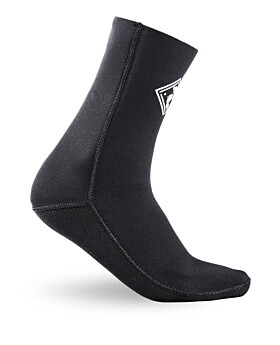
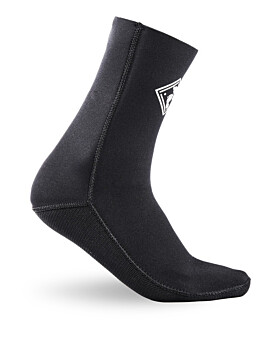
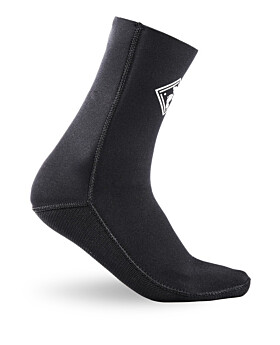
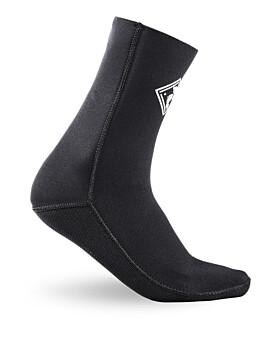
Our entry-level Neoprene 2.5mm Wetsuit Socks represent the ideal starting point for those seeking lightweight thermal protection without compromising natural movement. These ultra-thin socks exemplify the “second skin” concept discussed above, providing just enough insulation for cooler conditions while maintaining maximum tactile feedback.
The 2.5mm thickness makes them perfect for stand-up paddleboarding in mild conditions, beach yoga sessions where sand protection is paramount, or as a comfortable barrier inside diving fins during snorkelling adventures.
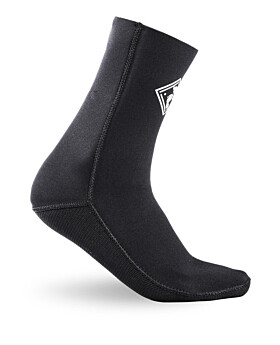
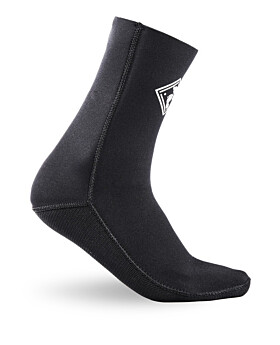
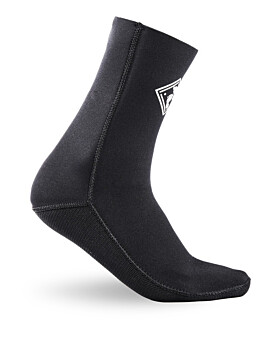
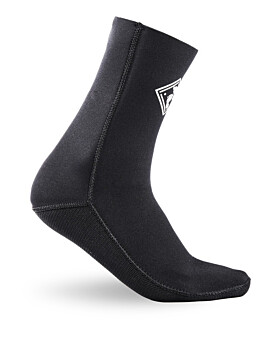
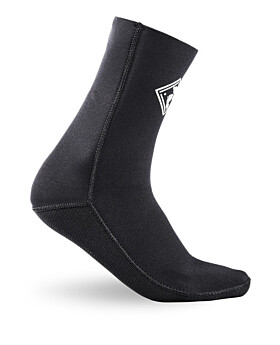
For more demanding thermal requirements, our Neoprene 5mm Wetsuit Socks offer the perfect balance between warmth and flexibility. These socks incorporate our premium neoprene construction with flatlock stitched seams that eliminate chafing and pressure points, even during extended wear.
The textured underfoot design provides essential grip when worn solo on wet surfaces, making them excellent for transitioning between water and land activities. Their moderate thickness also makes them ideal for layering inside wetsuit boots on particularly cold days, creating that additional insulation barrier that can extend your time in the water significantly.
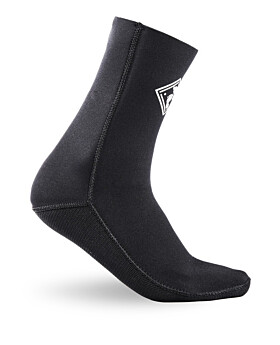
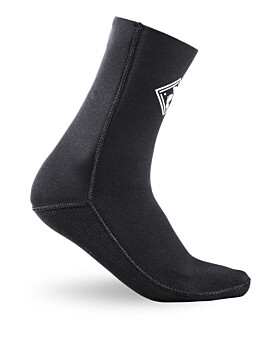
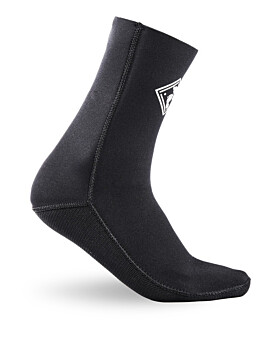
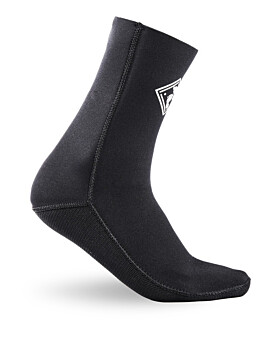
For extreme conditions or those particularly sensitive to cold, our Neoprene 7mm Wetsuit Socks deliver maximum thermal protection while maintaining the fundamental flexibility that defines aqua socks. Despite their substantial thickness, these socks retain the stretchy neoprene characteristics essential for natural foot movement. They excel in winter swimming, cold water diving preparation, or as serious thermal layers in multi-layered footwear systems for extended cold water exposure.
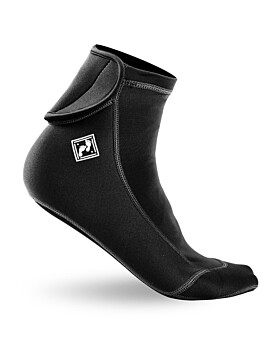
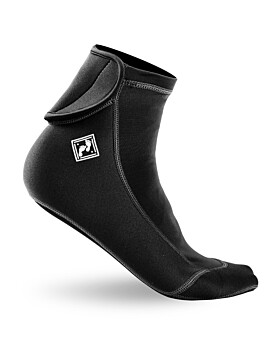
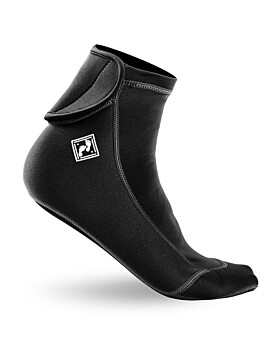
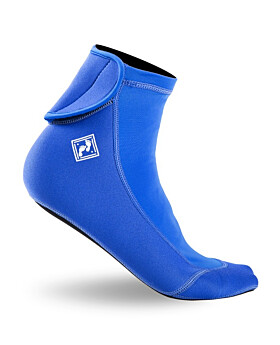
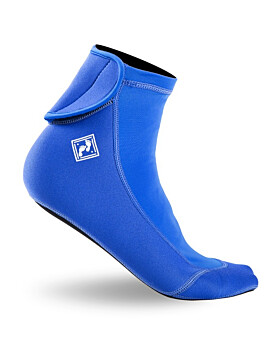
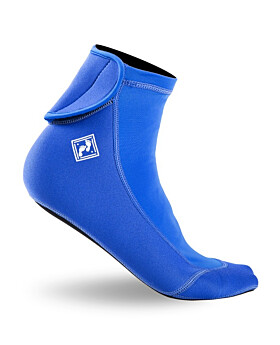
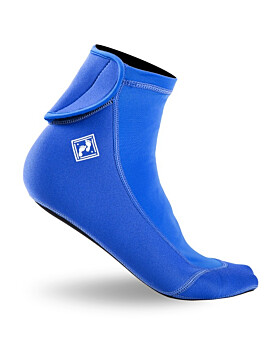
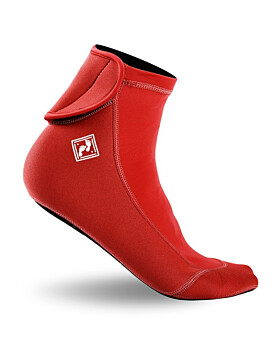
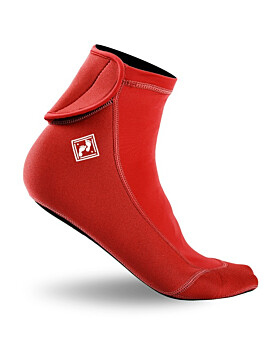
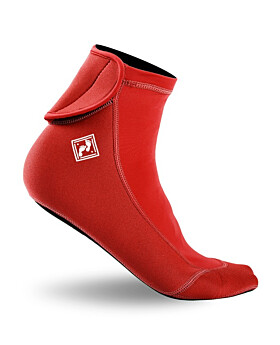
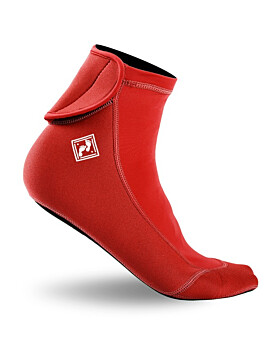
We’ve also developed advanced Watersports Comfort Flex Socks, available in black, red and blue colourways, which incorporate several innovative features that elevate them beyond basic neoprene socks. These feature a 3mm neoprene construction with flatlock stitching for durability, but their standout feature is the strategic use of Lycra stretch material across the metatarsals, providing enhanced flexibility exactly where your foot needs it most.
The Velcro ankle fastening system also ensures a secure fit that prevents the sock from slipping or rotating during active use, while the non-slip wear-resistant base offers superior grip and durability for those occasions when you need to walk on wet surfaces.
Flip-flops
The humble flip-flop is the undisputed king of casual beach footwear, prized for its simplicity, breathability, and ease of use. They are perfect for slipping on after a swim, walking across a dry pool deck, or making a quick trip from the car to the sand. However, not all flip-flops are created equal, and the cheap, flat, foam versions that many people are familiar with have significant limitations, particularly when it comes to protection, grip, and support.
When flip-flops make sense (and when they don’t)
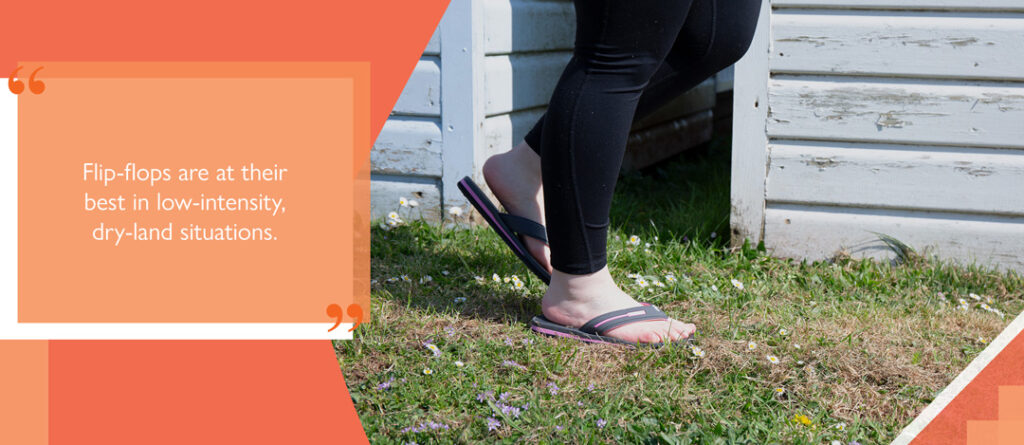
Flip-flops are at their best in low-intensity, dry-land situations. They are ideal for protecting your feet from the hot floor of a changing room or the hot sand on the upper part of the beach. Their open design allows feet to breathe and dry quickly, which is a definite advantage in warm weather.
However, their weaknesses become apparent as soon as conditions become more challenging. They offer minimal protection from sharp objects, have poor traction on wet surfaces, and provide no security, often floating away in the surf or causing trips and falls during more active movement. They are entirely unsuitable for rock pooling, walking on shingle, or any active water sport.
What to look for in a quality beach flip-flop
Recognising the limitations of basic flip-flops, many brands now offer more robust and thoughtfully designed models that bridge the gap between casual sandal and functional footwear.
When choosing a quality pair, look for a sole made from a more durable, non-slip material that provides better grip than simple foam. A contoured footbed that offers some degree of arch support can make a huge difference in comfort, especially for those who enjoy beach walking. The straps should be made from a soft, non-chafing material to prevent the rubbing and blisters common with plastic toe-posts.
Our flip flop catalogue
Rather than offering basic foam alternatives, our flip flops focus on durable construction and thoughtful design features that address the common shortcomings of traditional flip-flops.
Men’s collection: built for versatility
Our men’s flip flop range showcases how modern flip-flop design can deliver both style and substance. The Alpha Men’s Sandals exemplify this approach, featuring a dual-density midsole construction that provides firm supportive foam in the heel area while incorporating super-cushy rebound foam in the forefoot. This targeted support system addresses the arch support issue that plagues cheaper alternatives, making them suitable for extended beach walking or poolside lounging.
The Alpha series also incorporates a textured, non-slip EVA foam footbed that offers superior grip compared to smooth foam soles. This quick-drying material performs well in the transition zones between wet and dry areas – exactly where basic flip-flops tend to become treacherous. The water-friendly leather straps are complemented by soft webbed toe posts, eliminating the harsh plastic components that commonly cause chafing and blisters.
For those seeking even more robust construction, our Trail Men’s Flip Flops represent a step up in durability and traction. They bridge the gap between casual beach wear and more serious outdoor footwear, while our Drift series offers reliable everyday comfort at a mid-range price.
Women’s collection: elegance meets functionality
Our women’s flip flop range demonstrates that enhanced functionality doesn’t require sacrificing style. The Olivia Ladies Sandals collection, available in sophisticated colour combinations like Brown/Cork and White/Tan, showcases our commitment to both aesthetics and performance. These sandals incorporate cork-accented designs that particularly address the breathability advantage that makes flip-flops appealing in the first place, while the enhanced sole construction provides the protection and grip that basic versions lack.
Complementing the Olivia range, our Coast Ladies Flip Flops offer a more streamlined approach to premium comfort. Designed for everyday wear and adventure alike, the Coast model features premium comfort construction with enhanced durability and support systems. These flip flops excel whether you’re heading to the beach, lounging by the pool, or running daily errands, providing that perfect blend of reliability and style that makes them suitable for dressing up or down.
Both ranges incorporate the same attention to sole construction and strap comfort that characterises our men’s collection, making them ideal for the scenarios outlined earlier – confident navigation of changing room floors, comfortable extended wear on hot sand, and reliable performance during those inevitable transitions between pool deck and beach.
Kids’ collection: growing feet need quality too
Recognising that children’s feet require the same attention to comfort and protection, our kids’ flip flop range applies the same design principles in sizes appropriate for younger beachgoers. Children are often even more active around water than adults, making the enhanced grip and durability features particularly valuable for parents seeking reliable footwear that can keep up with energetic beach and poolside activities.
Our kids’ models maintain the easy slip-on convenience that makes flip-flops practical for families, while incorporating the non-slip soles and comfortable strap construction that ensure little feet stay secure and comfortable throughout long summer days.
Addressing the limitations
While we wouldn’t recommend any flip-flop for rock pooling or active water sports – these activities demand the security and protection of enclosed water shoes – our range excels in the situations where flip-flops naturally belong, but with far greater reliability and comfort than their basic counterparts.
The result is footwear that maintains the easy, breathable convenience that makes flip-flops appealing, while delivering the durability, grip, and support needed for confident use across the varied conditions of a typical beach day. Whether you’re making that quick trip from car to sand, or spending extended periods moving between poolside and beachfront, our range ensures your feet remain comfortable, secure, and protected.
3. How to choose the perfect footwear for your needs
With a clear understanding of the different types of water footwear available, the next step is to match these options to your personal requirements. The perfect pair of water shoes is not a one-size-fits-all solution. You’ll need to decide according to your activities, the environment you’ll be in, the prevailing conditions, and, crucially, the right fit.
By considering these factors, you can move beyond a generic choice and select footwear that feels custom-made for your waterside adventures.
What will you be doing most?
The single most important factor in your decision is what you plan to do while wearing the footwear. The demands of an intense water sport are vastly different from those of a relaxed day on the sand, and your choice should reflect this.
Active water sports: prioritise grip, warmth, and protection
Activities such as surfing, paddleboarding, and kayaking place specific demands on footwear that casual beach shoes cannot meet. They require:
- secure footing on potentially slippery surfaces
- thermal protection for extended water exposure
- the durability to withstand regular use in challenging conditions.
For surfing, the balance between board feel and protection is important. Experienced surfers often prefer thin-soled options that maximise sensory feedback; beginners may benefit from additional protection as they develop their skills and confidence. Aqua socks and wetsuit boots tend to be the popular choices that meet these separate needs.
The decision may often come down to:
- water temperature
- experience level
- personal preference.
Paddleboarding presents unique challenges, as paddlers need to maintain balance while potentially spending extended periods standing on a moving platform. However, the ability to quickly enter and exit the water is often important. Footwear needs to provide grip on wet deck surfaces while remaining comfortable for extended periods of standing.
Kayaking needs vary depending on the type of kayaking undertaken. Sea kayaking often requires robust protection for rocky launches and landings, whereas recreational lake paddling may prioritise comfort and quick-drying properties. The enclosed nature of many kayak cockpits also influences footwear choice, as bulky boots may interfere with foot placement and emergency exit procedures.
Beach exploration and rock pooling: focus on protection and comfort
When your primary activity involves exploring varied coastal terrain, such as clambering over rocks or navigating shingle beaches, the focus shifts towards underfoot protection and all-day comfort. You need a shoe with a thick, durable, and grippy sole that can withstand sharp stones and prevent slips on wet seaweed.
A slip-on aqua shoe with a robust rubber outsole is the perfect candidate here. It provides the necessary protection without the thermal bulk of a full wetsuit boot, making it comfortable for walking longer distances. The best water shoes for rock pooling will feature a secure fit to prevent them from being pulled off by water, and a non-slip sole to keep you sure-footed.
Snorkelling or light swimming: choose flexibility and sand resistance
For activities that are primarily water-based, such as snorkelling, wild swimming, or using bodyboards, the ideal footwear should feel as unobtrusive as possible. The main requirements are flexibility, minimal weight and drag, and the ability to keep out sand and grit which can cause chafing.
This is the ideal scenario for aqua socks. Their lightweight, streamlined design won’t interfere with your swimming stroke or finning action, and their snug fit provides an excellent barrier against sand. A very flexible, lightweight aqua shoe can also work well, but for dedicated swimmers, the minimalist profile of an aqua sock is often preferred.
Casual beach days and travel: look for ease and basic protection
If your beach trips are more about relaxation, sunbathing, and occasional paddles, then convenience and basic comfort are the main drivers. You need something easy to slip on and off that protects your feet from hot sand and the occasional sharp shell.
A quality pair of flip-flops with good support and grip can be sufficient for this purpose. Alternatively, a pair of lightweight, quick-dry beach shoes, such as our easy-slip-on aqua shoes, offers a step up in protection and security, ensuring they won’t get washed away by a wave while still being incredibly convenient.
Analysing the environment
The physical makeup of the beach you frequent is a critical factor. A shoe that is perfect for a soft, sandy bay in Cornwall might be completely inadequate for a rugged, shingle beach in Sussex.
Soft sand vs. sharp shingle
On soft sand, the main concerns are heat and keeping grit out. A thinner, more flexible sole is perfectly acceptable, and your choice might be guided more by comfort and breathability.
However, on shingle or pebble beaches, underfoot protection is paramount. The constant pressure of walking on sharp, uneven stones can be incredibly uncomfortable and even bruising. For this environment, you must choose footwear with a substantial, thick sole that can absorb the impact and shield your feet.
Aqua shoes with thicker, rubber soles are specifically designed to handle this kind of terrain, making them a good choice for shingle beaches in the UK.
The importance of good tread
If your chosen location involves rocks, a pier, a jetty, or a coasteering route, the quality of the tread on your footwear becomes a primary safety concern.
Look for deep, well-defined lugs and soles made from high-friction rubber compounds designed specifically for wet traction. This feature is non-negotiable for preventing slips and falls on algae-covered or slick wet rock, ensuring your exploration is safe and confident.
Water temperature and climate
The climate and water temperature will dictate the level of thermal insulation you require. Getting this wrong can lead to either dangerously cold feet or uncomfortably hot and sweaty ones.
When wetsuit boots or thicker neoprene is essential
For most of the year in the UK, water temperatures are low enough to warrant thermal protection. For any prolonged immersion, especially during spring, autumn, and winter, wetsuit boots with a neoprene thickness of 3mm to 5mm are essential. They trap body heat effectively, preventing your feet from becoming numb, which can severely impact your balance, dexterity, and overall enjoyment.
If you feel the cold easily or are engaging in sports where you are less active, opting for a thicker boot is always a wise decision.
Hot weather conditions
In the height of summer or when travelling to warmer climates, preventing your feet from overheating becomes the priority. In these conditions, heavy neoprene boots will be uncomfortably warm. Instead, look for lightweight beach shoes that are designed to be quick-drying and breathable.
Uppers made from mesh panels allow for excellent airflow and water drainage, keeping your feet cooler and helping them to dry off rapidly once you’re out of the water. This prevents the clammy, prune-like feeling that can come from wearing non-breathable shoes all day.
Getting the fit right
Even the most technically advanced water shoe will fail if it doesn’t fit correctly. A poor fit can lead to a host of problems, from chafing and blisters to a lack of stability and even the shoe coming off in the water.
How neoprene footwear should feel
Neoprene footwear, such as aqua shoes and wetsuit boots, should fit snugly, like a firm sock. There should be no loose areas or bagging, as this will allow water to slosh around, reducing warmth and causing friction. However, it should not be so tight that it constricts your foot, cuts off circulation, or causes your toes to curl.
Your foot should not have significant room to move around inside the shoe, as this can lead to instability and rubbing. Remember that neoprene has some give, especially when wet, so a snug fit in the shop is usually best.
If you experience issues with sizing for other types of footwear, e.g. if you need a wide fit,pay careful attention to manufacturer sizing guides and, where possible, try on different brands to find the best fit. Some manufacturers offer specific wide-fit options, while others may run larger or smaller than standard sizing suggests.
When buying online, it is always worth checking the retailer’s own sizing guidance, if available, before making a choice. If you’re unsure, you can always reach out to them first for assistance.
4. How to care for your beach and water footwear
Investing in a quality pair of water shoes, boots, or socks is the first step. The second, equally important step is proper care and maintenance. The combination of saltwater, sand, sunlight, and moisture creates a challenging environment for any material.
Taking a few simple steps after each use will dramatically extend the life of your footwear, keeping it hygienic, functional, and ready for your next adventure, ultimately protecting your investment. The principles of care are largely the same for all neoprene-based products.
The post-activity rinse
This is the single most important habit to develop in your after-care routine. A thorough rinse in fresh, cool water as soon as possible after use is crucial for the longevity of your footwear.
Removing salt, sand, and chlorine
Saltwater is corrosive. If left to dry on neoprene, salt crystals form which can abrade the material and cause it to deteriorate over time.
Sand and other debris can work their way into seams and zips, causing them to jam and wear out prematurely.
Chlorine from swimming pools is also a harsh chemical that will damage neoprene if not rinsed away promptly.
Rinsing removes these harmful elements, preserving the integrity of the materials.
Fresh water is your friend
Always use cool or lukewarm fresh water for rinsing. Hot water should be avoided at all costs, as it can damage the neoprene, breaking down the chemical bonds and reducing its flexibility and insulating properties. Be thorough; turn the footwear inside out if possible and rinse both the interior and exterior to ensure all contaminants are washed away.
Proper drying techniques
How you dry your footwear is just as important as how you wash it. Incorrect drying is one of the fastest ways to ruin neoprene and foster the growth of mould and mildew.
Avoiding direct sunlight and extreme heat
Never dry your water footwear in direct sunlight or near an artificial heat source like a radiator, tumble dryer, or fire. The UV rays from the sun and the intense heat will degrade the neoprene, making it brittle, cracked, and inelastic. This damage is irreversible and will destroy the footwear’s performance.
Air drying prevents odours and material damage
The best method for drying is to hang your footwear in a shaded, well-ventilated area where air can circulate freely. Hang boots and shoes upside down initially to allow any trapped water to drain out completely. You can hang them on specific boot hangers or balance them on something like a broom handle to keep them open. Propping them open can also help improve airflow inside.
It’s a good practice to dry the inside first, then turn them right-side-out to let the exterior dry. Ensure they are 100% dry before storing them, as any residual moisture will lead to foul-smelling bacteria and mildew, which can degrade the material and cause unpleasant odours that are very difficult to remove.
Storing footwear correctly between uses
When you’re not using your footwear, especially for longer periods between seasons, proper storage is key to maintaining its condition.
Cool, dry, well-ventilated areas
Store your clean, dry footwear in a cool, dry place away from direct sunlight and sources of fumes or chemicals. A garage or shed that experiences extreme temperature fluctuations is not ideal. Avoid folding or crumpling the footwear, as this can create permanent creases that weaken the neoprene.
Laying them flat or hanging them from a suitable, thick hanger is the best approach. Stuffing them with newspaper can help them maintain their shape and absorb any final traces of moisture.
Spot cleaning for stubborn marks
For stubborn dirt or odours that rinsing alone won’t shift, a deeper clean may be necessary. Use a specially formulated wetsuit shampoo, which is designed to be gentle on neoprene while effectively removing bacteria and grime.
Hand wash them gently in a bucket of cool water with the shampoo, and never be tempted to use harsh household detergents, bleach, or solvents, as these will destroy the material.
Checking for wear and tear
Before and after each use, give your footwear a quick inspection. Look for any small nicks, tears, or loose seams. Catching these issues early means you can often perform a simple repair with neoprene glue, preventing a small problem from becoming a major one that requires replacement.
In addition, pay particular attention to zips and straps to ensure they are functioning correctly.
5. Taking the plunge with Two Bare Feet
The journey from barefoot beach wandering to confident aquatic exploration requires the right equipment to match your ambitions. Quality water footwear represents one of the most fundamental investments in your aquatic adventures, providing the foundation for safe, comfortable, and enjoyable experiences across Britain’s diverse coastal and inland waterways, or wherever your travels may take you around the world.
Whether you’re taking your first tentative steps into wild swimming, planning family rock pooling expeditions, or preparing for serious water sports challenges, the right footwear choice can transform your relationship with aquatic environments. The confidence that comes from knowing your feet are properly protected and comfortable allows for more adventurous exploration and greater enjoyment of everything our waters have to offer.
With Two Bare Feet’s comprehensive range of aqua shoes, wetsuit boots, neoprene socks, and quality flip-flops, combined with our expert guidance and genuine commitment to customer success, you have access to everything needed to make informed decisions that enhance every aspect of your waterside pursuits. The investment in quality footwear pays dividends in comfort, safety, and enjoyment that will last for years to come.
Ready to step into your next aquatic adventure with confidence? Explore Two Bare Feet’s complete collection of wetsuit accessories and discover how the right choice can transform your beach and aqua sports experiences. Our expert team is standing by to help you find the perfect pair for your specific needs, ensuring that your feet are as prepared for adventure as your spirit.