15 December 2021
While the thickness of a ski jacket usually dictates how warm you will be,
some skiers and snowboarders prefer to use layers to preserve mobility.
Essential winter sports insulation
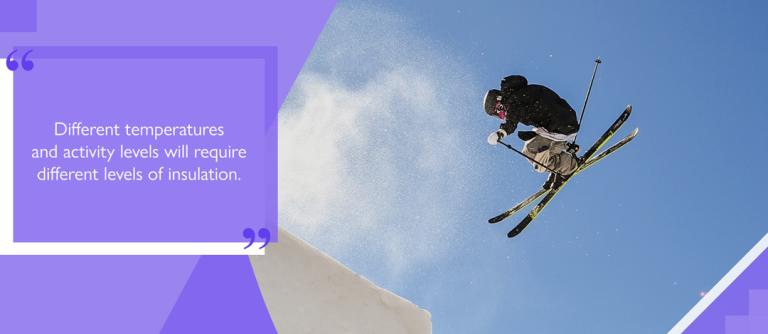
Different temperatures and activity levels will require different levels of
insulation. Sometimes a thermal layer and a thin, windproof ski jacket will
be enough to keep warm. Thin jackets can also be lined with fleece for
extra warmth.
Larger air pockets within thick jackets create an insulating barrier
between the body and cold outside conditions. Down jackets filled with
feathers are usually the warmest, but wind proofing also makes a big
difference.
Are ski jackets waterproof?
Waterproofed ski clothing must be treated with a durable
water-repellent coating
, have another membrane to repel water on the inside of the jacket, and
taped seams to avoid leakage.
Water-resistant jackets
are not required to meet such rigorous standards. They can vary from being
‘showerproof’ to keeping you dry in consistent rainfall.
On ski slopes, the most important aspect is that a jacket keeps you dry, whether from spray, weather, or
falling into snow. Getting wet on the slopes will drastically decrease the
insulating properties of your clothing and quickly reduce your body
temperature.
Snow jacket breathability
Even the warmest jacket will be uncomfortable if it isn’t breathable. No
matter how cold it is outside, undertaking any kind of physical activity
will likely make you sweat.
Breathable jackets allow moisture out, without letting any in
, preventing that unpleasant clammy and cold feeling from developing.
How should a ski jacket fit?
As with most warm coats, they should fit close enough to keep cold wind out
and body heat contained. No matter the thickness, coats shouldn’t affect
your range of motion. They should accommodate additional under-layering
without becoming too tight.
Snow skirts and fixtures
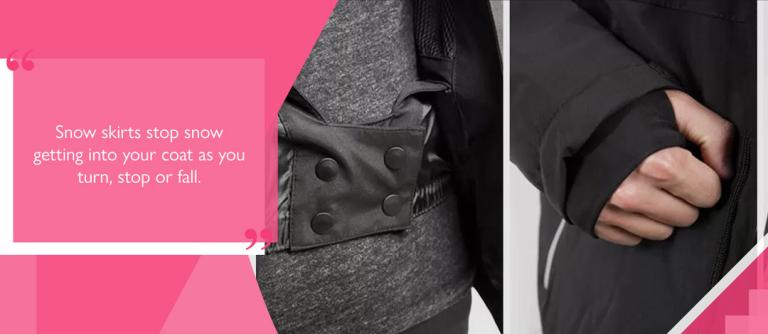
Detachable or adjustable snow skirts stop snow getting into your coat as
you turn, stop or fall. If snow makes it into your coat and melts,
non-waterproof underclothing can quickly become wet and sap your body heat.
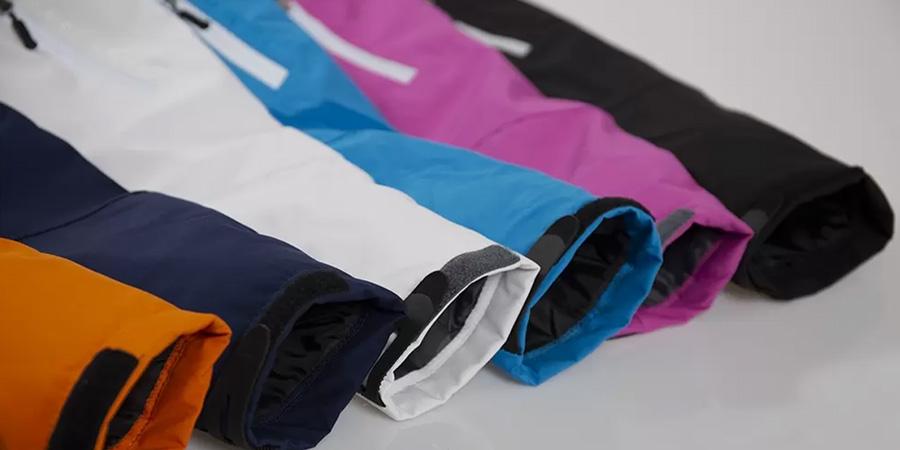
Adjustable cuffs and collars prevent cold air getting in when you’re
cruising down a slope or riding the ski lift, so you can adjust the fit on
the fly to suit your activity. Thermal linings on collars and other edges
also help bolster insulation, even without a hood.
Accessorise for different skiing conditions
Adjustable or removable hoods
Tearing down a run is more enjoyable if punishing cold winds are kept off
your ears and neck. This is where hoods can make a difference. Fasten a
hood around your face when experiencing wind chill and loosen for better
visibility in calmer weather.
Ski jacket pockets
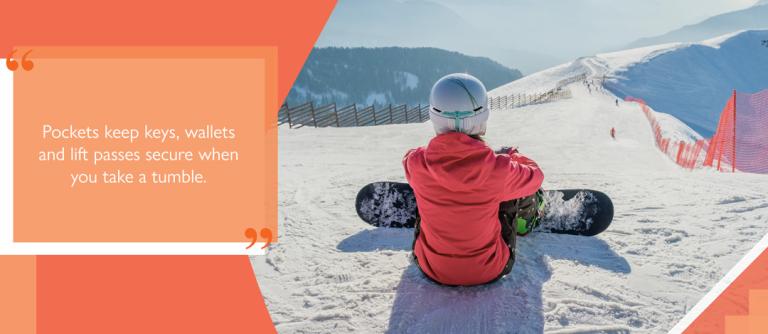
Pockets keep keys, wallets and lift passes secure when you take a tumble.
Some jackets have specialised pockets to protect your goggles when not in
use, or ‘audio pockets’ so you can listen to music on a portable device
while you’re out.
Thermal base layers
Proper layering allows you to stay warm in cold temperatures
, without sacrificing mobility in your limbs. Base layers also provide the
option to remove or adjust layers should you work up a sweat.
Be seen on the slopes
Jackets with additional reflective markings are particularly helpful in
assisting search and rescue operations in whiteout conditions or adverse
weather. They also help to avoid collisions on busy slopes or when walking
back to accommodation in low light.
Snow trousers
Snow trousers keep legs warm and dry. Some are padded for extra fall
protection. Often
fitted with elasticated bands to keep them in place as you move
, they are unlikely to slip and expose skin to the cold.
At Two Bare Feet
we have everything to keep you warm and comfortable on the slopes
. All our ski jackets are suited to a range of snow-based activities, and
are guaranteed to be comfortable and practical, as well as stylish.
For more information about our selection of high-quality skiwear, don’t
hesitate to get in touch with a member of our helpful team.