11 December 2025
There was a time when outdoor gear fell into two distinct categories. On one side: the functional and rugged technical equipment favoured by mountaineers and expedition teams, engineered to survive extreme conditions. On the other: the lightweight and affordable casual leisure items associated with summer picnics and beach holidays, designed primarily for aesthetics rather than performance.
For most outdoor enthusiasts, choosing between these two worlds meant a trade-off: either sacrificing comfort for durability or giving up weather protection for a softer feel against the skin.
The modern outdoor blanket has evolved into what might be called technical leisure: equipment that borrows waterproofing technology from serious outdoor apparel while delivering the kind of comfort you would expect from a luxury home throw. This category of gear has become relevant for anyone who spends time outdoors in the United Kingdom, where the weather can shift from warm sunshine to driving rain within the space of an afternoon.
Table of contents
1. The anatomy of a weatherproof sherpa blanket
2. The ultimate beach companion
3. The camping and vanlife essential
4. The all-weather picnic and general-purpose blanket
5. Comparing sherpa against “the competition”
6. Sherpa blanket care and maintenance
7. Emergency utility (when in a pinch)
10. Be ready for every outdoor moment
1. The anatomy of a weatherproof sherpa blanket
A sherpa blanket designed for outdoor use is an engineered textile, and appreciating its performance begins with understanding its construction. Unlike a simple home throw, which typically consists of a single layer of fabric, a technical outdoor blanket combines multiple layers, each serving a specific purpose. The result is a product that can deliver warmth, ground protection, and weather resistance simultaneously—functions that would require several separate items when using traditional outdoor equipment.
The outer shell
When examining waterproof outdoor gear, you will frequently encounter numbers like ‘8K’ or ‘8000mm’ in product specifications. These figures represent the hydrostatic head rating: a standardised measurement that indicates how much water pressure a fabric can withstand before moisture begins to penetrate.
The test involves placing fabric beneath a column of water and measuring how tall that column can grow before water seeps through to the other side. An 8K rating means the material can support the pressure equivalent to an eight-metre column of water without leaking.
To meet the basic UK standard for waterproof fabric, a material must achieve at least 1500mm. Most budget picnic blankets hover around this threshold, which explains why they often feel damp after sitting on wet grass for any length of time.
The crucial distinction lies in understanding that laboratory ratings assume static, evenly distributed pressure. In real-world use, the pressure applied to blanket fabric is far from uniform. When you sit on a blanket, kneel to pour a drink, or rest your elbow while reading, you create concentrated pressure points that exceed what the average test conditions measure.
This is precisely where a heavy-duty camping blanket designed for UK conditions earns its value. With an 8K waterproof rating and fully taped seams, a quality sherpa blanket creates an effective moisture barrier even under the localised pressure of body weight.
Taped seams deserve particular attention, as they address a common weakness in otherwise waterproof products. When fabric is stitched, the needle creates tiny holes along every seam line. Without proper sealing, these punctures become pathways for water to travel through, regardless of how waterproof the fabric itself might be. Heat-bonded tape applied over every seam eliminates this vulnerability, ensuring that the waterproof integrity extends across the entire blanket rather than just between the stitching.

The inner core
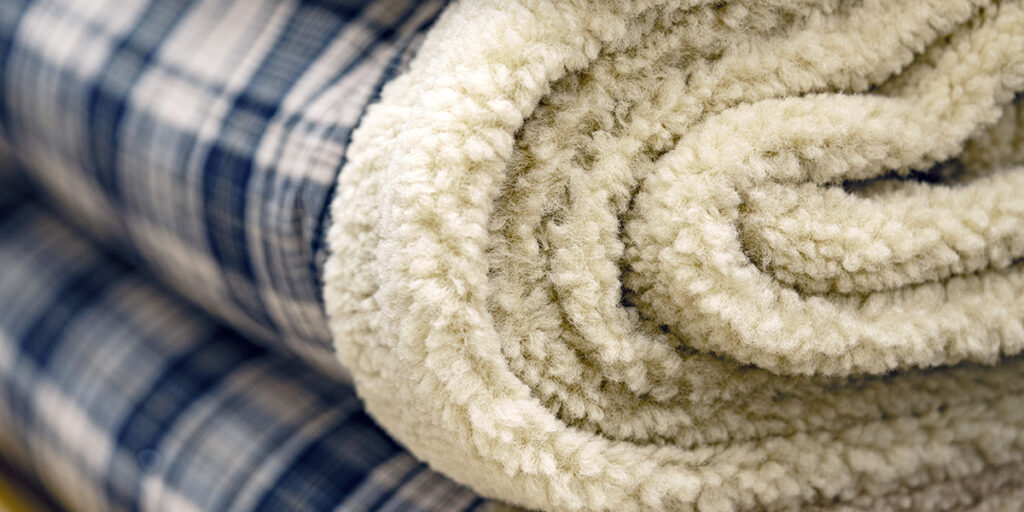
The sherpa fleece that lines the upper surface of these blankets (and other sherpa-lined garments in our range) takes its name from the Sherpa people of the Himalayas, whose traditional woollen garments provided warmth in some of the most demanding conditions on Earth. Modern sherpa fabric replicates the thermal properties of natural wool through synthetic means, creating a high-pile textile with a distinctive fluffy texture on one side. This construction is central to how the blanket keeps you warm.
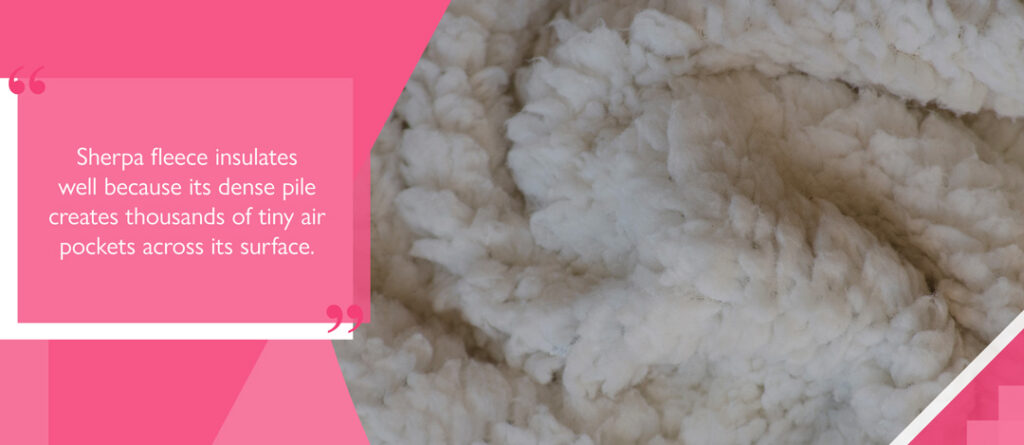
Insulation works by trapping air. The principle applies equally to double-glazed windows, down jackets, and fleece blankets—wherever you can create a layer of still air between a heat source and the cold environment, you slow the transfer of thermal energy. Sherpa fleece excels at this because its dense pile creates thousands of tiny air pockets across its surface. When you sit or lie on a fleece blanket with waterproof backing, these trapped air pockets form an insulating barrier that prevents your body heat from escaping into the cold ground beneath.
The use of recycled polyester in quality sherpa fleece adds another useful property: hydrophobicity. Unlike natural wool, which can absorb a significant percentage of its weight in moisture before feeling wet, synthetic fibres resist water absorption at a molecular level. This means sherpa fleece retains much of its insulating capacity even in humid coastal air, where natural fibres would begin to feel clammy. The warmest waterproof outdoor blanket options combine this moisture-resistant lining with a windproof backing to create a system that maintains warmth in conditions where simpler blankets would fail.
Bionic-Finish® Eco technology
Traditional durable water repellent (DWR) coatings have long relied on fluorocarbon compounds. These chemicals perform exceptionally well but persist in the environment for decades and have been linked to various health concerns. As awareness of these issues has grown, the textile industry has invested heavily in developing effective alternatives.
Bionic-Finish® Eco represents one of the most successful outcomes of this research. The technology relies on dendrimer molecules: structures that create a highly hydrophobic layer. In practical terms, this means water droplets bead up and roll off the treated surface rather than soaking in, while the fabric remains entirely free of fluorine, formaldehyde, and paraffin. The finish is also remarkably wash-resistant, maintaining its performance through repeated laundering.
For families using blankets around young children, or for anyone concerned about the environmental footprint of their gear, this distinction matters. Fluorine-free water repellency achieves comparable performance to older chemical treatments without the associated health and ecological risks.
-
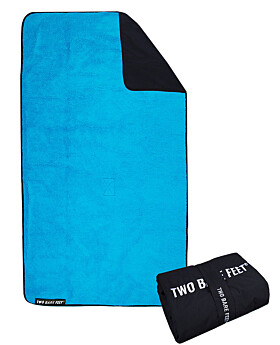
Sherpa Lined Waterproof Beach Travel Blanket (Black/Blue)
£24.99 -
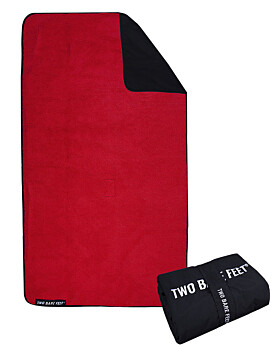
Sherpa Lined Waterproof Beach Travel Blanket (Black/Red)
£24.99 -
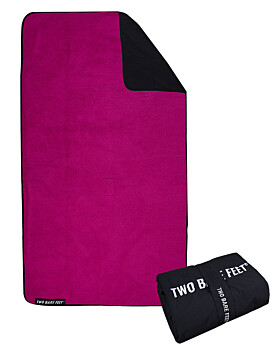
Sherpa Lined Waterproof Beach Travel Blanket (Black/Raspberry)
£24.99 -
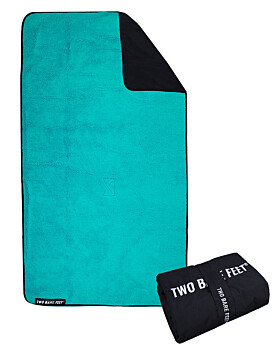
Sherpa Lined Waterproof Beach Travel Blanket (Black/Teal)
£24.99 -
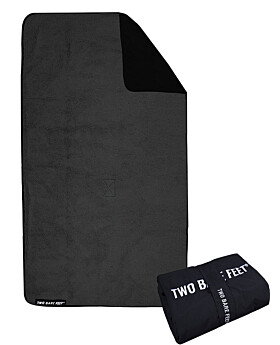
Sherpa Lined Waterproof Beach Travel Blanket (Black/Charcoal)
£24.99 -
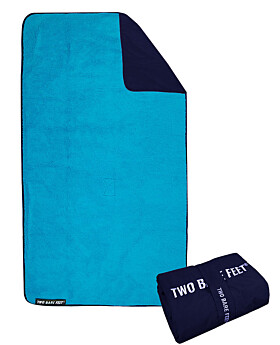
Sherpa Lined Waterproof Beach Travel Blanket (Marine Blue/Blue)
£24.99 -
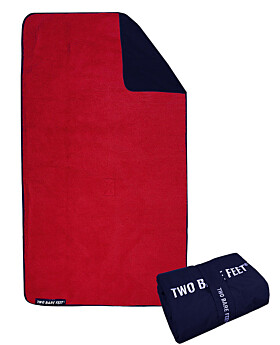
Sherpa Lined Waterproof Beach Travel Blanket (Marine Blue/Red)
£24.99 -
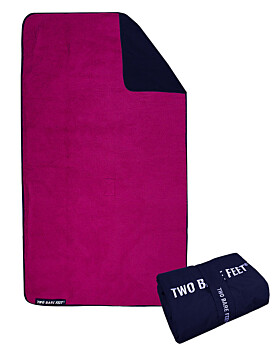
Sherpa Lined Waterproof Beach Travel Blanket (Marine Blue/Raspberry)
£24.99 -
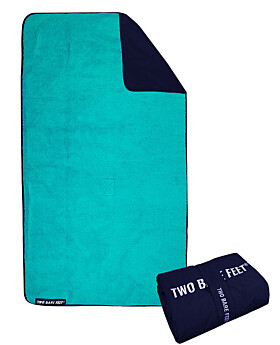
Sherpa Lined Waterproof Beach Travel Blanket (Marine Blue/Teal)
£24.99 -
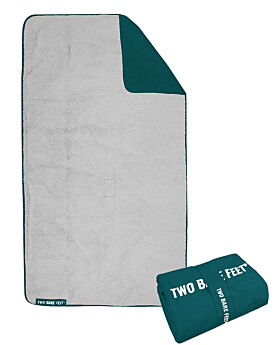
Sherpa Lined Waterproof Beach Travel Blanket (Sea Green/Grey)
£24.99 -
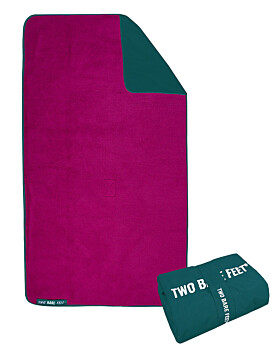
Sherpa Lined Waterproof Beach Travel Blanket (Sea Green/Raspberry)
£24.99 -
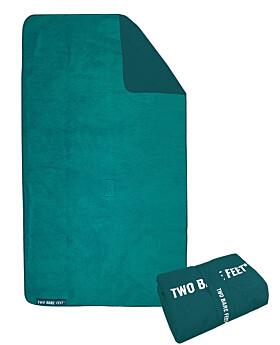
Sherpa Lined Waterproof Beach Travel Blanket (Sea Green/Sea Green)
£24.99 -
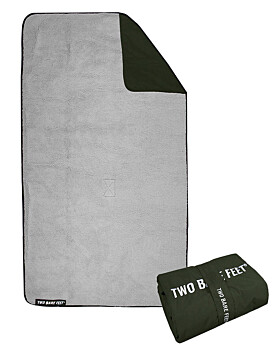
Sherpa Lined Waterproof Beach Travel Blanket (Khaki/Grey)
£24.99 -
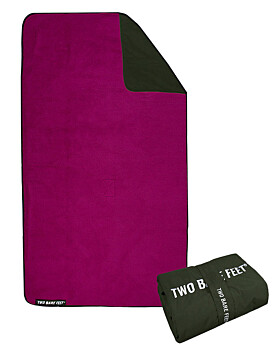
Sherpa Lined Waterproof Beach Travel Blanket (Khaki/Raspberry)
£24.99 -
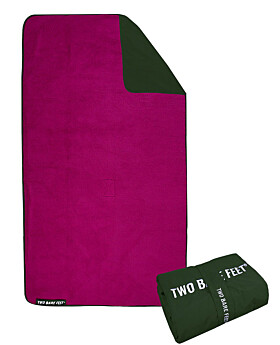
Sherpa Lined Waterproof Beach Travel Blanket (Forest/Raspberry)
£24.99 -
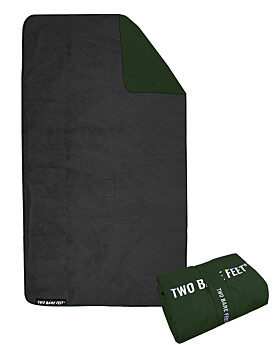
Sherpa Lined Waterproof Beach Travel Blanket (Forest/Charcoal)
£24.99 -
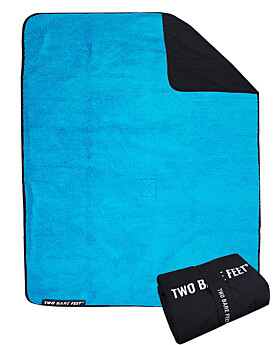
XL Sherpa Lined Waterproof Beach Travel Blanket (Black/Blue)
£34.99 -
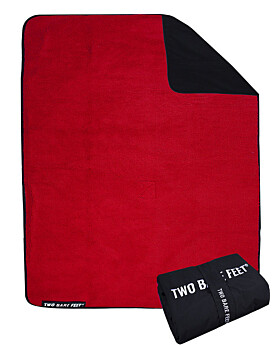
XL Sherpa Lined Waterproof Beach Travel Blanket (Black/Red)
£34.99 -
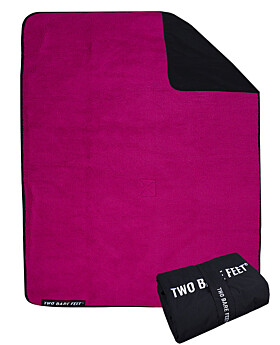
XL Sherpa Lined Waterproof Beach Travel Blanket (Black/Raspberry)
£34.99 -
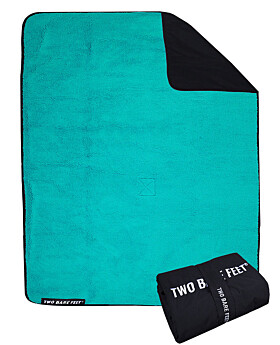
XL Sherpa Lined Waterproof Beach Travel Blanket (Black/Teal)
£34.99 -
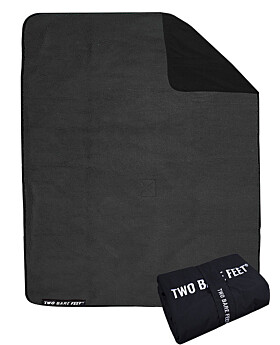
XL Sherpa Lined Waterproof Beach Travel Blanket (Black/Charcoal)
£34.99 -
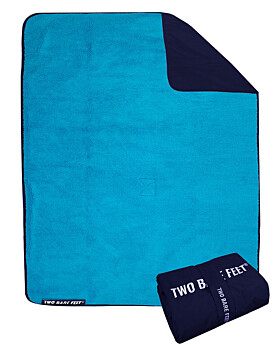
XL Sherpa Lined Waterproof Beach Travel Blanket (Marine Blue/Blue)
£34.99 -
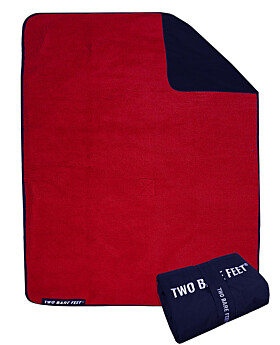
XL Sherpa Lined Waterproof Beach Travel Blanket (Marine Blue/Red)
£34.99 -
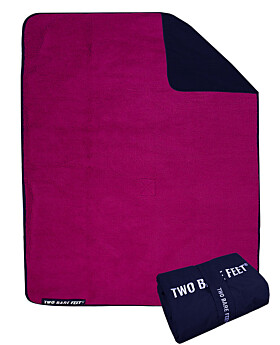
XL Sherpa Lined Waterproof Beach Travel Blanket (Marine Blue/Raspberry)
£34.99 -
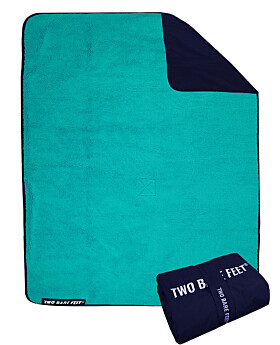
XL Sherpa Lined Waterproof Beach Travel Blanket (Marine Blue/Teal)
£34.99 -
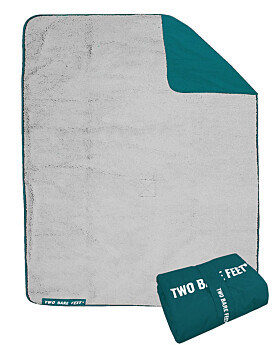
XL Sherpa Lined Waterproof Beach Travel Blanket (Sea Green/Grey)
£34.99 -
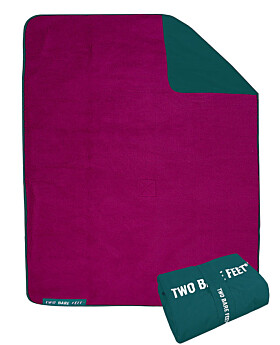
XL Sherpa Lined Waterproof Beach Travel Blanket (Sea Green/Raspberry)
£34.99 -
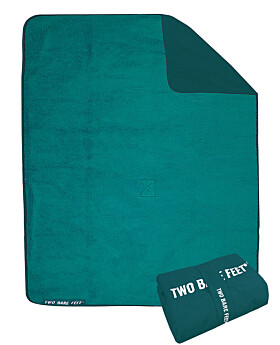
XL Sherpa Lined Waterproof Beach Travel Blanket (Sea Green/Sea Green)
£34.99 -
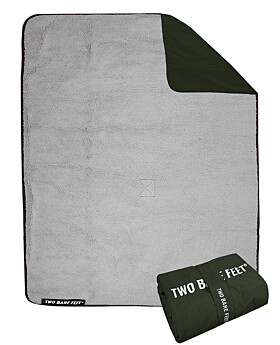
XL Sherpa Lined Waterproof Beach Travel Blanket (Khaki/Grey)
£34.99 -
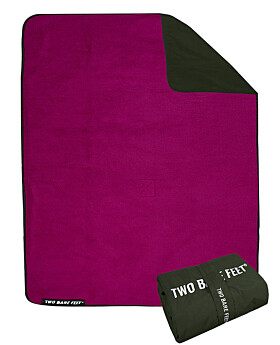
XL Sherpa Lined Waterproof Beach Travel Blanket (Khaki/Raspberry)
£34.99 -
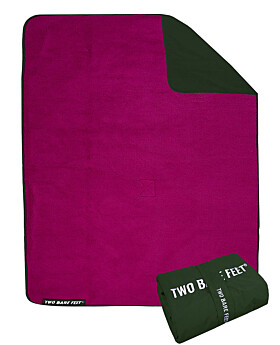
XL Sherpa Lined Waterproof Beach Travel Blanket (Forest/Raspberry)
£34.99 -
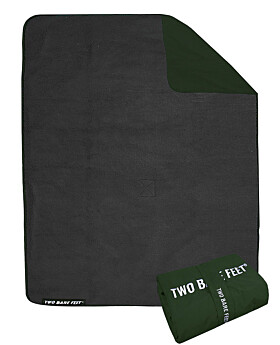
XL Sherpa Lined Waterproof Beach Travel Blanket (Forest/Charcoal)
£34.99
2. The ultimate beach companion
British beaches present a unique combination of challenges that many blankets struggle to address. The sand can be damp from recent tides or overnight condensation. Coastal winds carry salt spray and strip heat from wet skin with surprising efficiency. The temperature can also drop dramatically once the sun moves behind a cloud, leaving you reaching for layers you may not have packed. A sand resistant beach blanket designed to handle these conditions transforms the beach experience, extending the season for seaside activities beyond the traditional summer months.
The “capillary break” effect
Anyone who has spread a towel on wet sand will be familiar with the phenomenon of wicking: the process by which moisture travels up through fabric via capillary action, drawing dampness from the ground into the material above. Within minutes, what started as a dry seating area becomes progressively more uncomfortable as the towel absorbs moisture from below. Traditional woven blankets and cotton throws suffer from the same problem, and even some fleece-lined products allow moisture to travel through their construction.
A blanket with an 8K waterproof backing functions as a capillary break: a barrier that interrupts the pathway moisture would otherwise follow. The waterproof membrane prevents water from entering the fabric structure from below, regardless of how saturated the sand beneath might be. This transforms the utility of the blanket on British beaches, where truly dry sand is often a rarity outside high summer. You can confidently lay down your blanket after a rain shower or on sand still damp from the outgoing tide, knowing that the moisture will stay where it belongs rather than soaking through to your clothes.
Wind proofing and changing outdoors
Open water swimmers, surfers, and paddleboarders know that the most challenging part of a session often comes after leaving the water. Wind chill can make even a mild day feel bitterly cold when you are standing in wet clothing, and the time required to change out of a wetsuit or swimming costume can feel endless when exposed to a stiff coastal breeze. A windproof beach blanket offers a practical solution to this discomfort.
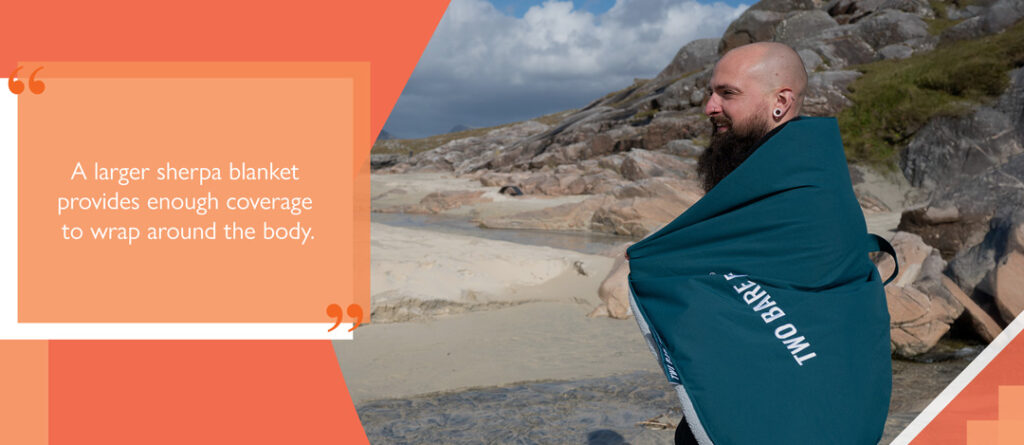
A larger XL blanket size, for example 145cm x 145cm, provides enough coverage to wrap around the body during changing. By positioning the waterproof side facing outwards, you create an impermeable barrier against the wind while the sherpa fleece interior traps warmth against your skin.
The effect is similar to stepping behind a windbreak or into a sheltered doorway. The temperature next to your body rises as soon as the wind can no longer reach you directly. This proves particularly valuable during the shoulder seasons, when air temperatures might be acceptable but the combination of wet skin and wind makes outdoor changing genuinely unpleasant without some form of protection.
Of course, if you want an effective and truly weatherproof solution, a sherpa-lined weatherproof changing robe is the ideal answer. However, if you’ve managed to forget your robe at home, or you don’t own one, this option will work in the moment, as an alternative.
-
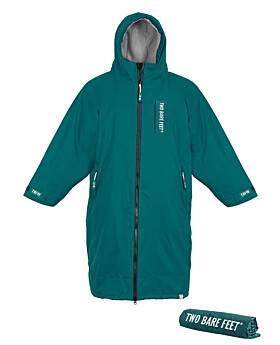
Two Bare Feet Weatherproof Changing Robe with Changing Mat (Sea Green/Grey)
As low as £69.99 Regular Price £139.99 -
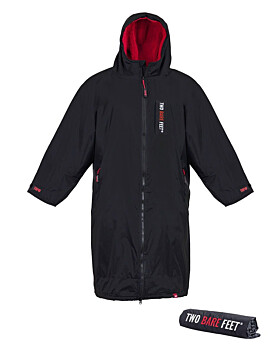
Two Bare Feet Weatherproof Changing Robe with Changing Mat (Black/Red)
As low as £69.99 Regular Price £139.99 -
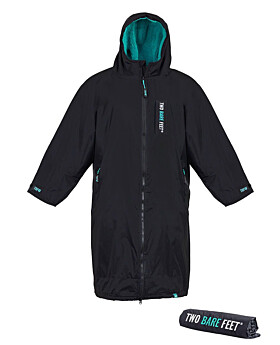
Two Bare Feet Weatherproof Changing Robe with Changing Mat (Black/Teal)
As low as £69.99 Regular Price £139.99 -
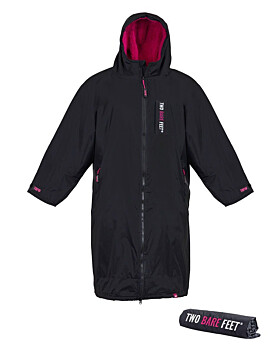
Two Bare Feet Weatherproof Changing Robe with Changing Mat (Black/Raspberry)
As low as £69.99 Regular Price £139.99 -
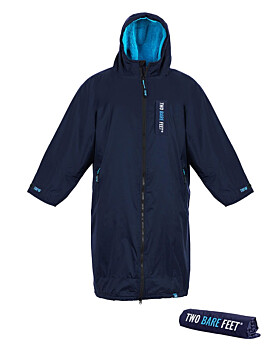
Two Bare Feet Weatherproof Changing Robe with Changing Mat (Marine Blue/Blue)
As low as £69.99 Regular Price £139.99 -
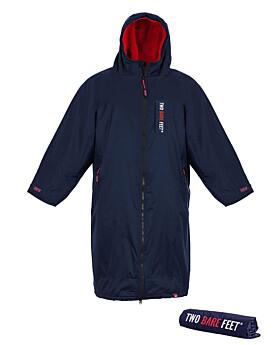
Two Bare Feet Weatherproof Changing Robe with Changing Mat (Marine Blue/Red)
As low as £69.99 Regular Price £139.99 -
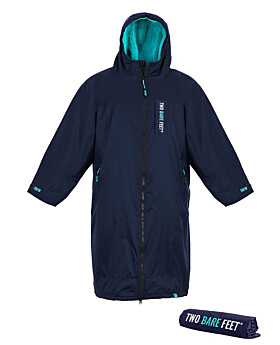
Two Bare Feet Weatherproof Changing Robe with Changing Mat (Marine Blue/Teal)
As low as £69.99 Regular Price £139.99 -
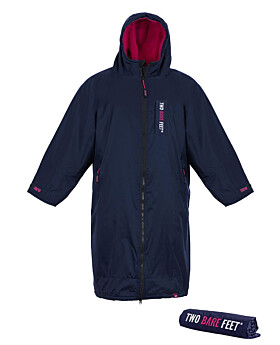
Two Bare Feet Weatherproof Changing Robe with Changing Mat (Marine Blue/Raspberry)
As low as £69.99 Regular Price £139.99 -
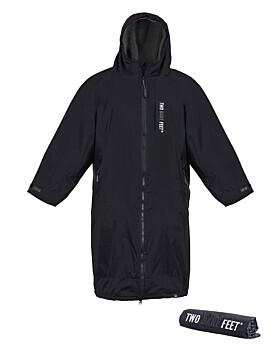
Two Bare Feet Weatherproof Changing Robe with Changing Mat (Black/Charcoal)-Small
Special Price £69.99 Regular Price £139.99 -
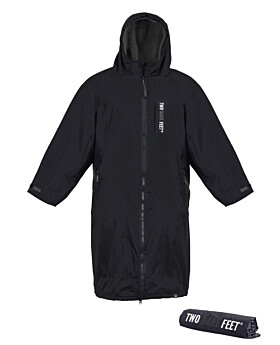
Two Bare Feet Weatherproof Changing Robe with Changing Mat (Black/Charcoal)-Medium
Special Price £69.99 Regular Price £139.99 -
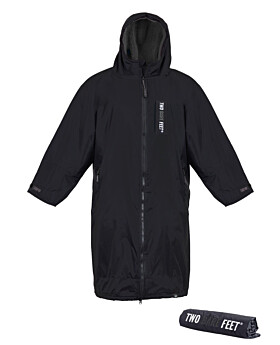
Two Bare Feet Weatherproof Changing Robe with Changing Mat (Black/Charcoal)-Large
Special Price £69.99 Regular Price £139.99 -
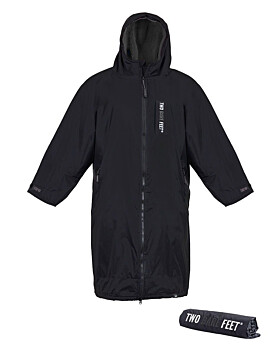
Two Bare Feet Weatherproof Changing Robe with Changing Mat (Black/Charcoal)
As low as £69.99 Regular Price £139.99 -
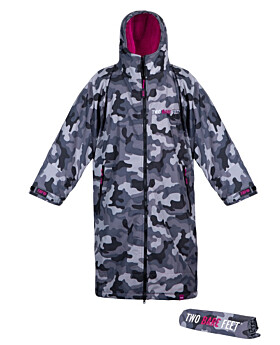
Two Bare Feet Weatherproof Changing Robe with Changing Mat (Camo/Raspberry)-XL
Special Price £89.99 Regular Price £149.99 -
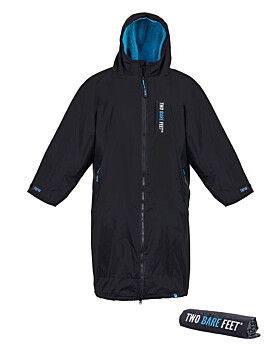
Two Bare Feet Weatherproof Changing Robe with Changing Mat (Black/Blue)
As low as £69.99 Regular Price £139.99 -
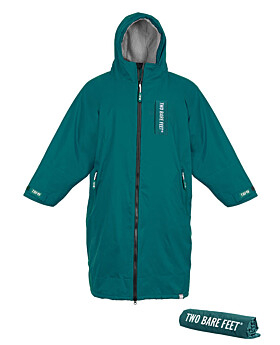
Two Bare Feet Weatherproof Changing Robe with Changing Mat (Sea Green/Grey)-Small
Special Price £69.99 Regular Price £139.99 -
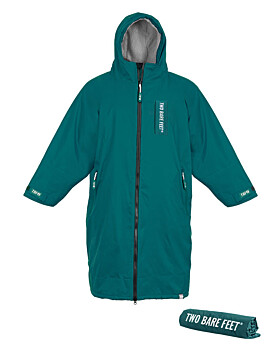
Two Bare Feet Weatherproof Changing Robe with Changing Mat (Sea Green/Grey)-Medium
Special Price £69.99 Regular Price £139.99 -
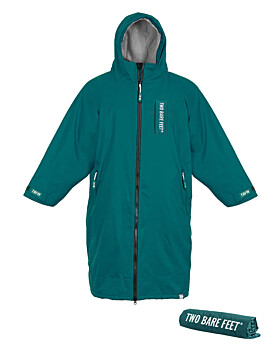
Two Bare Feet Weatherproof Changing Robe with Changing Mat (Sea Green/Grey)-Large
Special Price £69.99 Regular Price £139.99 -
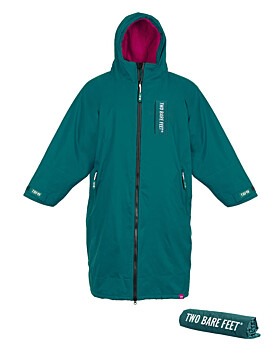
Two Bare Feet Weatherproof Changing Robe with Changing Mat (Sea Green/Raspberry)
As low as £69.99 Regular Price £139.99 -
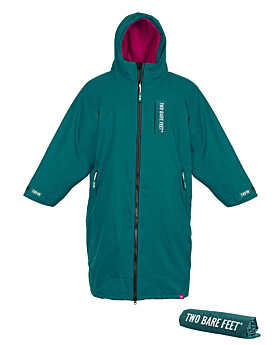
Two Bare Feet Weatherproof Changing Robe with Changing Mat (Sea Green/Raspberry)-Small
Special Price £69.99 Regular Price £139.99 -
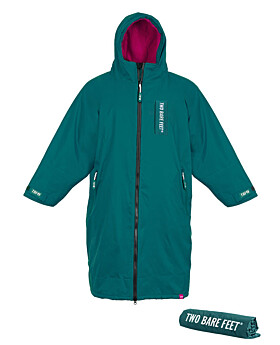
Two Bare Feet Weatherproof Changing Robe with Changing Mat (Sea Green/Raspberry)-Medium
Special Price £69.99 Regular Price £139.99 -
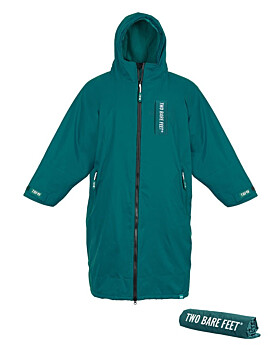
Two Bare Feet Weatherproof Changing Robe with Changing Mat (Sea Green/Sea Green)
As low as £69.99 Regular Price £139.99 -
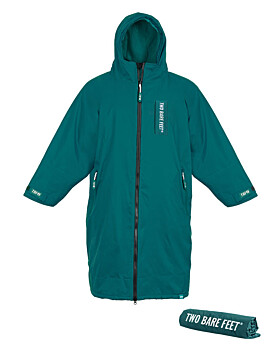
Two Bare Feet Weatherproof Changing Robe with Changing Mat (Sea Green/Sea Green)-Small
Special Price £69.99 Regular Price £139.99 -
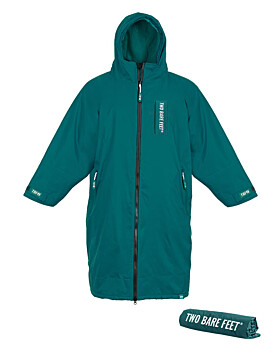
Two Bare Feet Weatherproof Changing Robe with Changing Mat (Sea Green/Sea Green)-Medium
Special Price £69.99 Regular Price £139.99 -
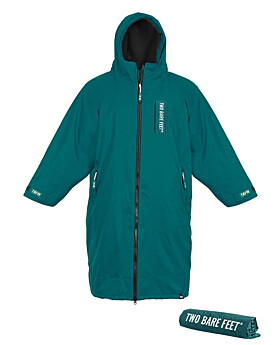
Two Bare Feet Weatherproof Changing Robe with Changing Mat (Sea Green/Black)
As low as £69.99 Regular Price £139.99 -

Two Bare Feet Weatherproof Changing Robe with Changing Mat (Sea Green/Black)-Small
Special Price £69.99 Regular Price £139.99 -
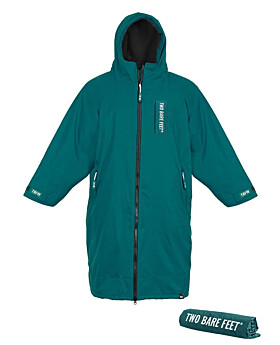
Two Bare Feet Weatherproof Changing Robe with Changing Mat (Sea Green/Black)-Medium
Special Price £69.99 Regular Price £139.99 -
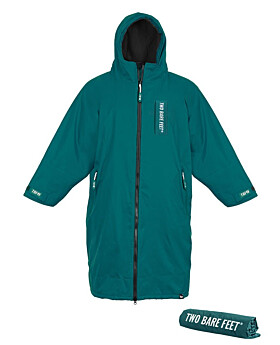
Two Bare Feet Weatherproof Changing Robe with Changing Mat (Sea Green/Black)-Large
Special Price £69.99 Regular Price £139.99 -
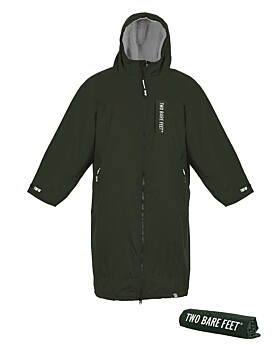
Two Bare Feet Weatherproof Changing Robe with Changing Mat (Khaki/Grey)
As low as £69.99 Regular Price £139.99 -
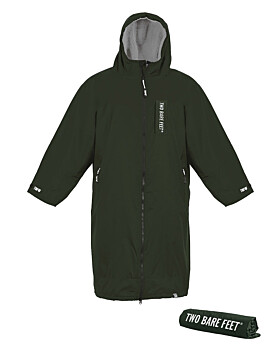
Two Bare Feet Weatherproof Changing Robe with Changing Mat (Khaki/Grey)-Small
Special Price £69.99 Regular Price £139.99 -
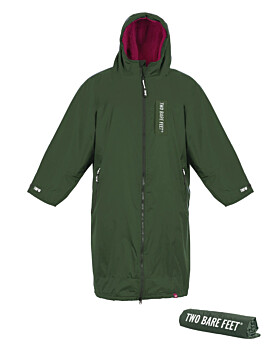
Two Bare Feet Weatherproof Changing Robe with Changing Mat (Forest/Raspberry)
As low as £69.99 Regular Price £139.99 -

Two Bare Feet Weatherproof Changing Robe with Changing Mat (Forest/Raspberry)-Small
Special Price £69.99 Regular Price £139.99 -

Two Bare Feet Weatherproof Changing Robe with Changing Mat (Forest/Raspberry)-Medium
Special Price £69.99 Regular Price £139.99 -

Two Bare Feet Weatherproof Changing Robe with Changing Mat (Forest/Raspberry)-Large
Special Price £69.99 Regular Price £139.99 -
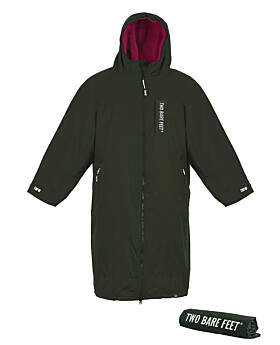
Two Bare Feet Weatherproof Changing Robe with Changing Mat (Khaki/Raspberry)
As low as £69.99 Regular Price £139.99 -

Two Bare Feet Weatherproof Changing Robe with Changing Mat (Khaki/Raspberry)-Small
Special Price £69.99 Regular Price £139.99 -
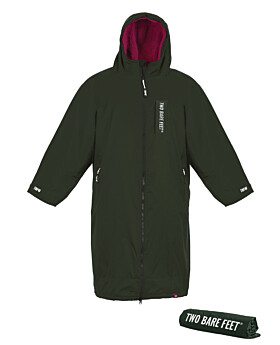
Two Bare Feet Weatherproof Changing Robe with Changing Mat (Khaki/Raspberry)-Medium
Special Price £69.99 Regular Price £139.99 -

Two Bare Feet Weatherproof Changing Robe with Changing Mat (Khaki/Raspberry)-Large
Special Price £69.99 Regular Price £139.99 -
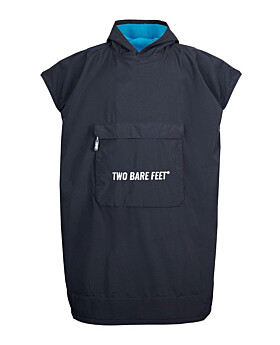
Waterproof Hooded Sleeveless Poncho Changing Robe (Black/Blue)
As low as £34.99 Regular Price £59.99 -
Waterproof Hooded Sleeveless Poncho Changing Robe (Black/Blue)-Small
Special Price £34.99 Regular Price £59.99 -
Waterproof Hooded Sleeveless Poncho Changing Robe (Black/Blue)-Medium
Special Price £34.99 Regular Price £59.99 -
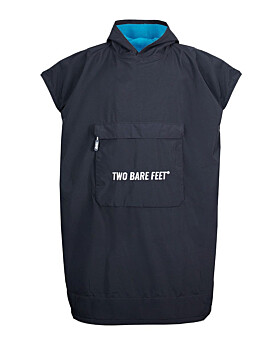
Waterproof Hooded Sleeveless Poncho Changing Robe (Black/Blue)-Large
Special Price £34.99 Regular Price £59.99 -
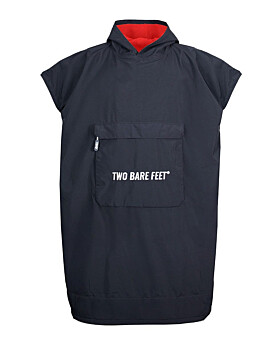
Waterproof Hooded Sleeveless Poncho Changing Robe (Black/Red)
As low as £34.99 Regular Price £59.99 -
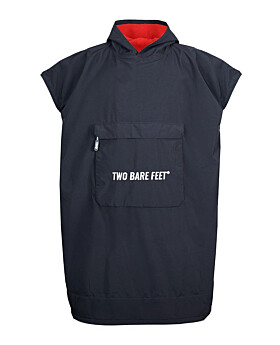
Waterproof Hooded Sleeveless Poncho Changing Robe (Black/Red)-Small
Special Price £34.99 Regular Price £59.99 -
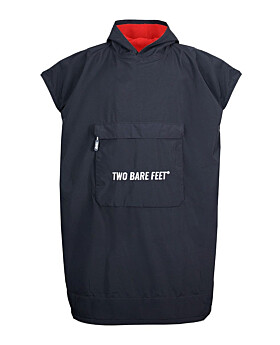
Waterproof Hooded Sleeveless Poncho Changing Robe (Black/Red)-Medium
Special Price £34.99 Regular Price £59.99 -
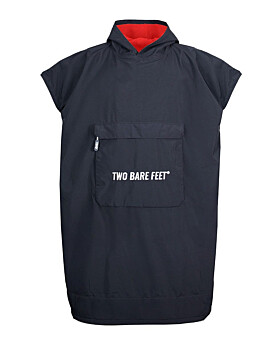
Waterproof Hooded Sleeveless Poncho Changing Robe (Black/Red)-Large
Special Price £34.99 Regular Price £59.99 -
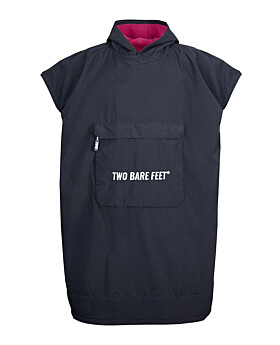
Waterproof Hooded Sleeveless Poncho Changing Robe (Black/Raspberry)
As low as £34.99 Regular Price £59.99 -
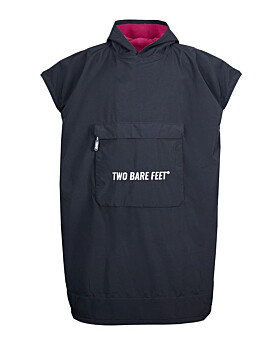
Waterproof Hooded Sleeveless Poncho Changing Robe (Black/Raspberry)-Small
Special Price £34.99 Regular Price £59.99 -
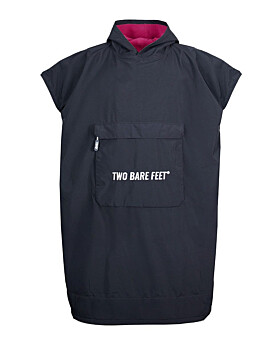
Waterproof Hooded Sleeveless Poncho Changing Robe (Black/Raspberry)-Medium
Special Price £34.99 Regular Price £59.99 -
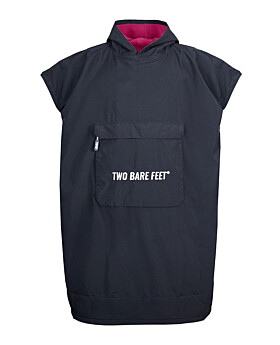
Waterproof Hooded Sleeveless Poncho Changing Robe (Black/Raspberry)-Large
Special Price £34.99 Regular Price £59.99 -
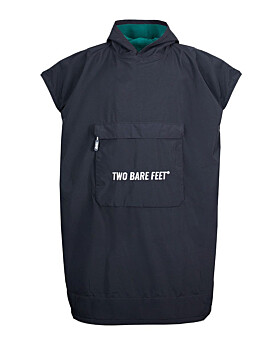
Waterproof Hooded Sleeveless Poncho Changing Robe (Black/Sea Green)
As low as £34.99 Regular Price £59.99 -
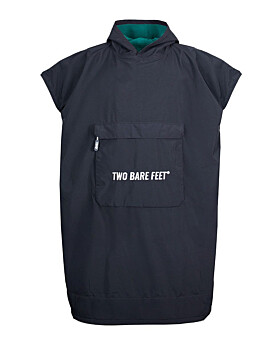
Waterproof Hooded Sleeveless Poncho Changing Robe (Black/Sea Green)-Small
Special Price £34.99 Regular Price £59.99 -
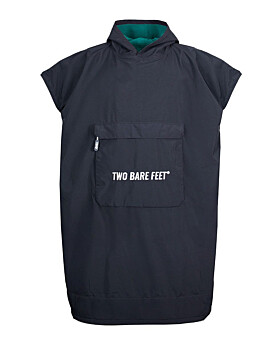
Waterproof Hooded Sleeveless Poncho Changing Robe (Black/Sea Green)-Medium
Special Price £34.99 Regular Price £59.99 -
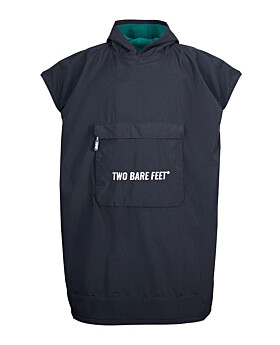
Waterproof Hooded Sleeveless Poncho Changing Robe (Black/Sea Green)-Large
Special Price £34.99 Regular Price £59.99 -
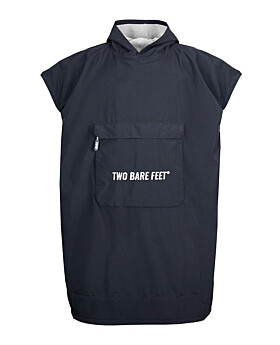
Waterproof Hooded Sleeveless Poncho Changing Robe (Black/Grey)
As low as £34.99 Regular Price £59.99 -
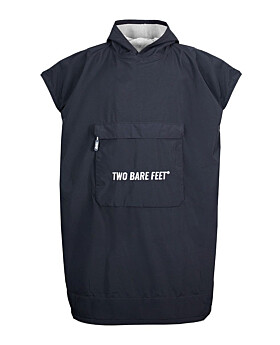
Waterproof Hooded Sleeveless Poncho Changing Robe (Black/Grey)-Small
Special Price £34.99 Regular Price £59.99 -
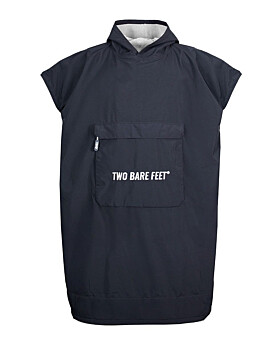
Waterproof Hooded Sleeveless Poncho Changing Robe (Black/Grey)-Medium
Special Price £34.99 Regular Price £59.99 -
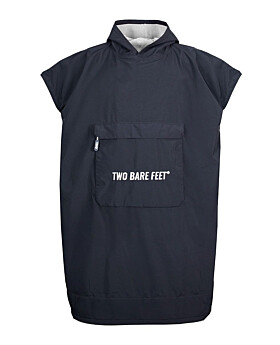
Waterproof Hooded Sleeveless Poncho Changing Robe (Black/Grey)-Large
Special Price £34.99 Regular Price £59.99 -
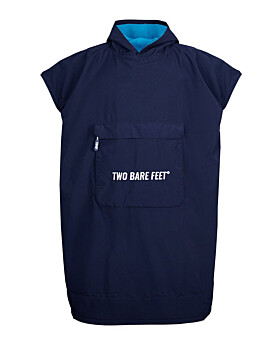
Waterproof Hooded Sleeveless Poncho Changing Robe (Marine Blue/Blue)
As low as £34.99 Regular Price £59.99 -
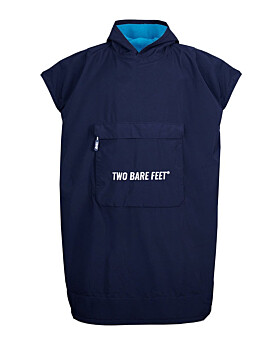
Waterproof Hooded Sleeveless Poncho Changing Robe (Marine Blue/Blue)-Small
Special Price £34.99 Regular Price £59.99 -
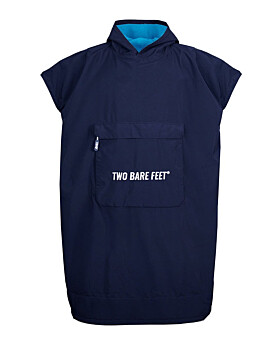
Waterproof Hooded Sleeveless Poncho Changing Robe (Marine Blue/Blue)-Medium
Special Price £34.99 Regular Price £59.99 -
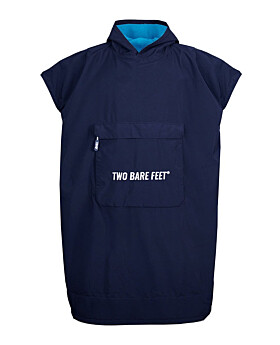
Waterproof Hooded Sleeveless Poncho Changing Robe (Marine Blue/Blue)-Large
Special Price £34.99 Regular Price £59.99 -
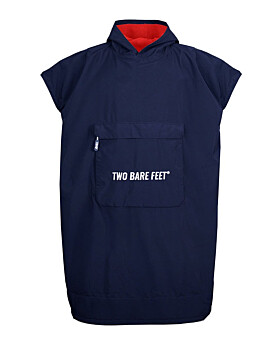
Waterproof Hooded Sleeveless Poncho Changing Robe (Marine Blue/Red)
As low as £34.99 Regular Price £59.99 -
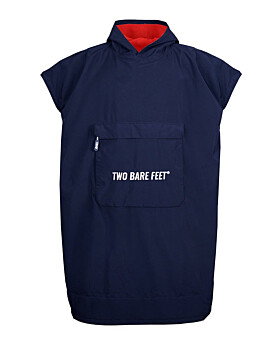
Waterproof Hooded Sleeveless Poncho Changing Robe (Marine Blue/Red)-Small
Special Price £34.99 Regular Price £59.99 -
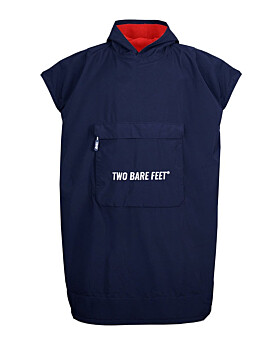
Waterproof Hooded Sleeveless Poncho Changing Robe (Marine Blue/Red)-Medium
Special Price £34.99 Regular Price £59.99 -
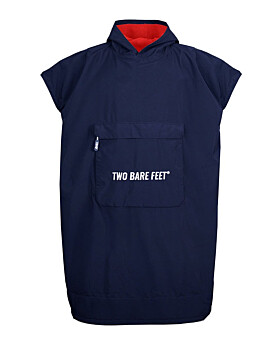
Waterproof Hooded Sleeveless Poncho Changing Robe (Marine Blue/Red)-Large
Special Price £34.99 Regular Price £59.99 -
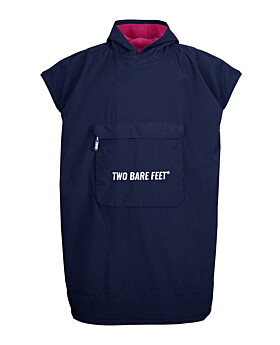
Waterproof Hooded Sleeveless Poncho Changing Robe (Marine Blue/Raspberry)
As low as £34.99 Regular Price £59.99 -
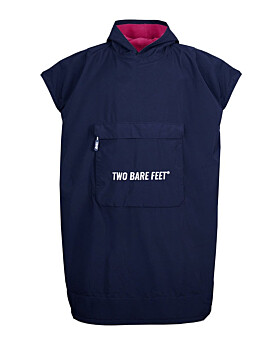
Waterproof Hooded Sleeveless Poncho Changing Robe (Marine Blue/Raspberry)-Small
Special Price £34.99 Regular Price £59.99 -
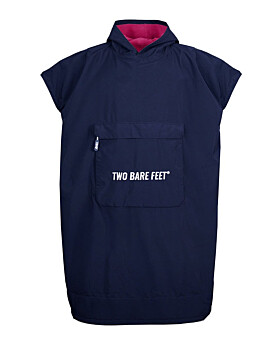
Waterproof Hooded Sleeveless Poncho Changing Robe (Marine Blue/Raspberry)-Medium
Special Price £34.99 Regular Price £59.99 -
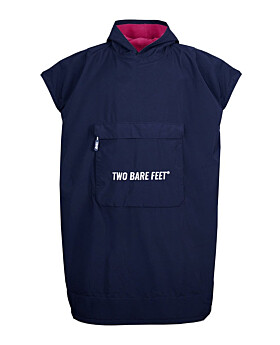
Waterproof Hooded Sleeveless Poncho Changing Robe (Marine Blue/Raspberry)-Large
Special Price £34.99 Regular Price £59.99 -
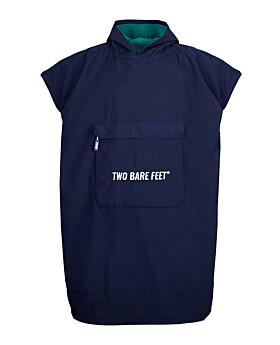
Waterproof Hooded Sleeveless Poncho Changing Robe (Marine Blue/Sea Green)
As low as £34.99 Regular Price £59.99 -
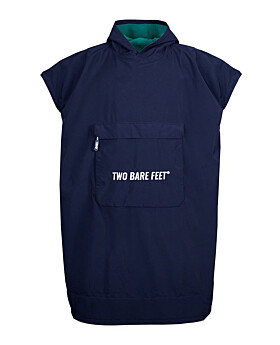
Waterproof Hooded Sleeveless Poncho Changing Robe (Marine Blue/Sea Green)-Small
Special Price £34.99 Regular Price £59.99 -
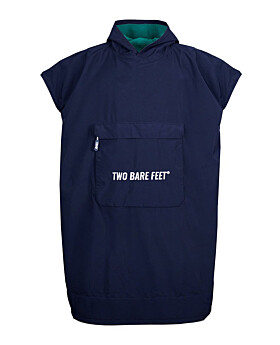
Waterproof Hooded Sleeveless Poncho Changing Robe (Marine Blue/Sea Green)-Medium
Special Price £34.99 Regular Price £59.99 -
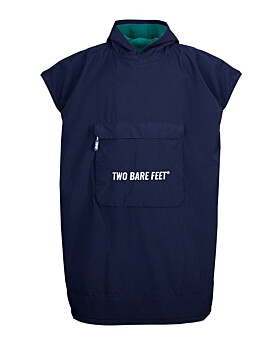
Waterproof Hooded Sleeveless Poncho Changing Robe (Marine Blue/Sea Green)-Large
Special Price £34.99 Regular Price £59.99 -
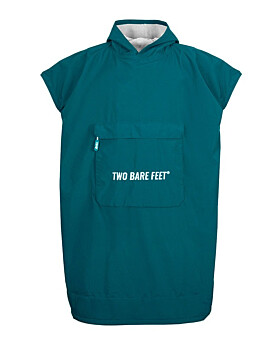
Waterproof Hooded Sleeveless Poncho Changing Robe (Sea Green/Grey)
As low as £34.99 Regular Price £59.99 -
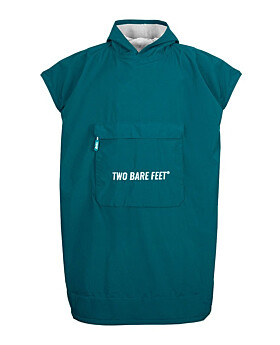
Waterproof Hooded Sleeveless Poncho Changing Robe (Sea Green/Grey)-Small
Special Price £34.99 Regular Price £59.99 -
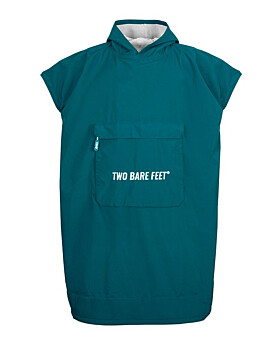
Waterproof Hooded Sleeveless Poncho Changing Robe (Sea Green/Grey)-Medium
Special Price £34.99 Regular Price £59.99 -
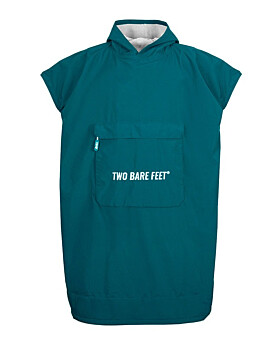
Waterproof Hooded Sleeveless Poncho Changing Robe (Sea Green/Grey)-Large
Special Price £34.99 Regular Price £59.99 -
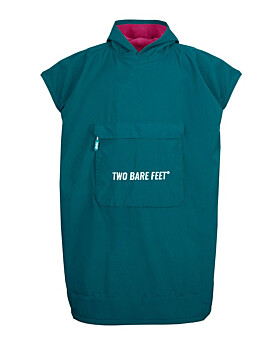
Waterproof Hooded Sleeveless Poncho Changing Robe (Sea Green/Raspberry)
As low as £34.99 Regular Price £59.99 -
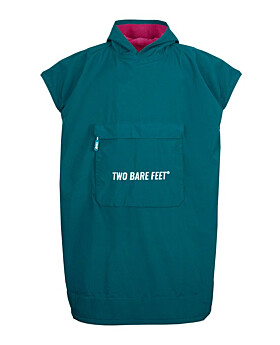
Waterproof Hooded Sleeveless Poncho Changing Robe (Sea Green/Raspberry)-Small
Special Price £34.99 Regular Price £59.99 -
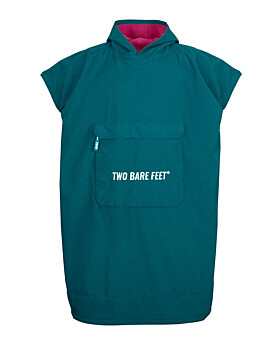
Waterproof Hooded Sleeveless Poncho Changing Robe (Sea Green/Raspberry)-Medium
Special Price £34.99 Regular Price £59.99 -
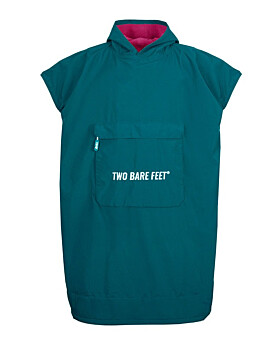
Waterproof Hooded Sleeveless Poncho Changing Robe (Sea Green/Raspberry)-Large
Special Price £34.99 Regular Price £59.99 -
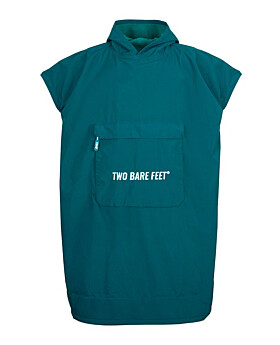
Waterproof Hooded Sleeveless Poncho Changing Robe (Sea Green/Sea Green)
As low as £34.99 Regular Price £59.99 -
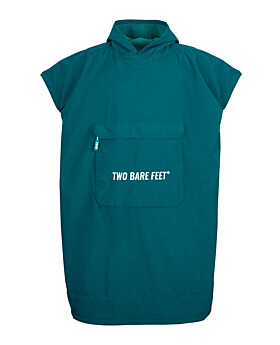
Waterproof Hooded Sleeveless Poncho Changing Robe (Sea Green/Sea Green)-Small
Special Price £34.99 Regular Price £59.99 -
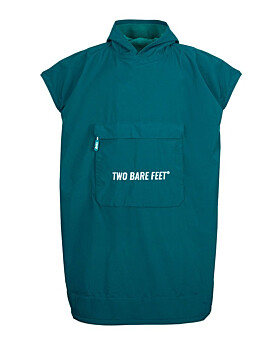
Waterproof Hooded Sleeveless Poncho Changing Robe (Sea Green/Sea Green)-Medium
Special Price £34.99 Regular Price £59.99 -
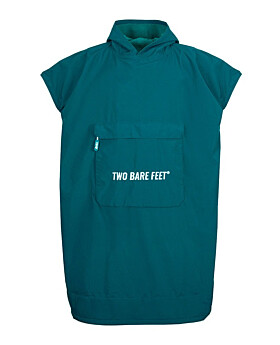
Waterproof Hooded Sleeveless Poncho Changing Robe (Sea Green/Sea Green)-Large
Special Price £34.99 Regular Price £59.99 -
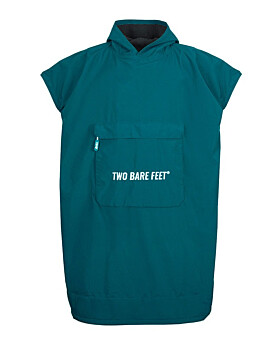
Waterproof Hooded Sleeveless Poncho Changing Robe (Sea Green/Black)
As low as £34.99 Regular Price £59.99 -
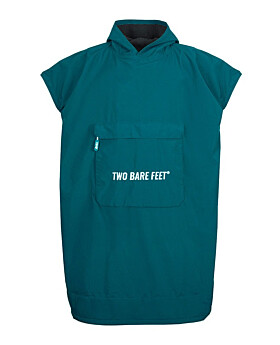
Waterproof Hooded Sleeveless Poncho Changing Robe (Sea Green/Black)-Small
Special Price £34.99 Regular Price £59.99 -
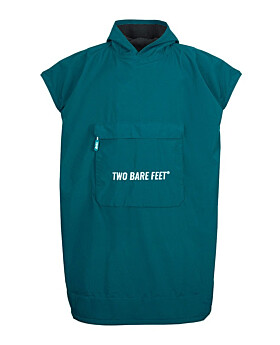
Waterproof Hooded Sleeveless Poncho Changing Robe (Sea Green/Black)-Medium
Special Price £34.99 Regular Price £59.99 -
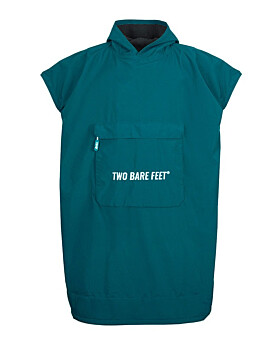
Waterproof Hooded Sleeveless Poncho Changing Robe (Sea Green/Black)-Large
Special Price £34.99 Regular Price £59.99 -
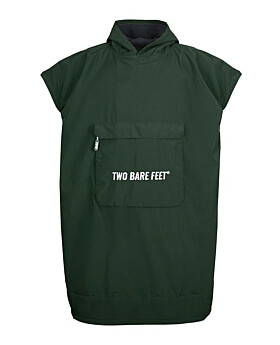
Waterproof Hooded Sleeveless Poncho Changing Robe (Khaki/Black)
As low as £34.99 Regular Price £59.99 -
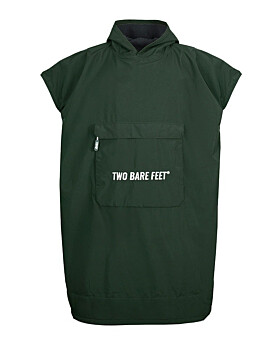
Waterproof Hooded Sleeveless Poncho Changing Robe (Khaki/Black)-Small
Special Price £34.99 Regular Price £59.99 -
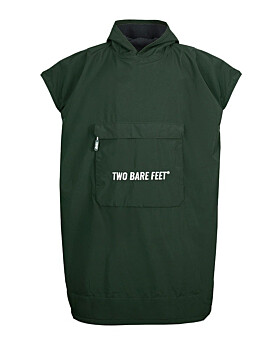
Waterproof Hooded Sleeveless Poncho Changing Robe (Khaki/Black)-Medium
Special Price £34.99 Regular Price £59.99 -
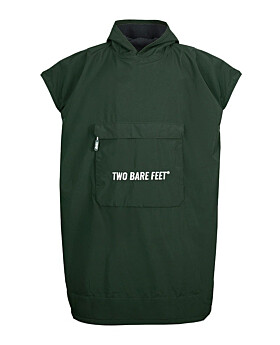
Waterproof Hooded Sleeveless Poncho Changing Robe (Khaki/Black)-Large
Special Price £34.99 Regular Price £59.99 -
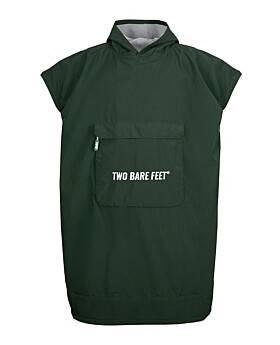
Waterproof Hooded Sleeveless Poncho Changing Robe (Khaki/Grey)
As low as £34.99 Regular Price £59.99 -
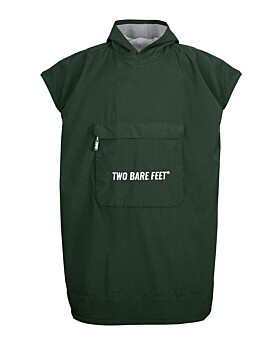
Waterproof Hooded Sleeveless Poncho Changing Robe (Khaki/Grey)-Small
Special Price £34.99 Regular Price £59.99 -
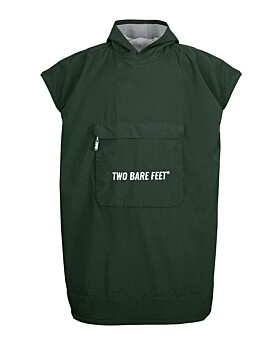
Waterproof Hooded Sleeveless Poncho Changing Robe (Khaki/Grey)-Medium
Special Price £34.99 Regular Price £59.99 -
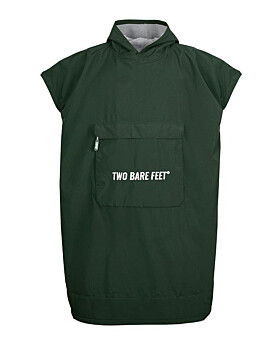
Waterproof Hooded Sleeveless Poncho Changing Robe (Khaki/Grey)-Large
Special Price £34.99 Regular Price £59.99 -
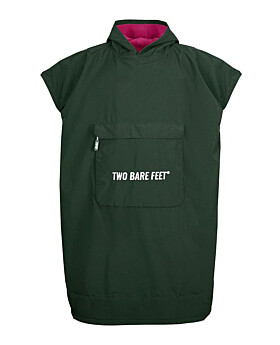
Waterproof Hooded Sleeveless Poncho Changing Robe (Khaki/Raspberry)
As low as £34.99 Regular Price £59.99 -
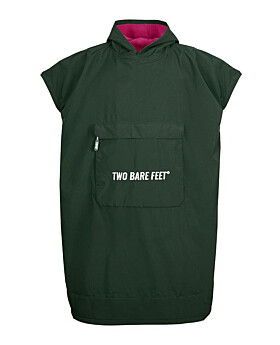
Waterproof Hooded Sleeveless Poncho Changing Robe (Khaki/Raspberry)-Small
Special Price £34.99 Regular Price £59.99 -
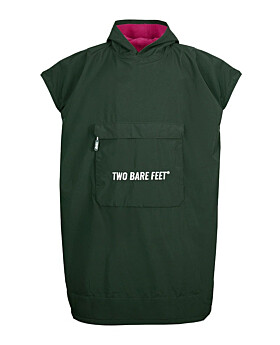
Waterproof Hooded Sleeveless Poncho Changing Robe (Khaki/Raspberry)-Medium
Special Price £34.99 Regular Price £59.99 -
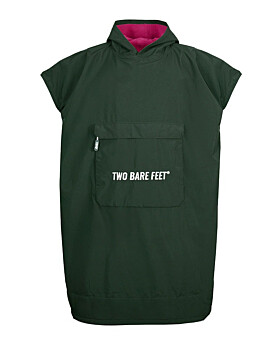
Waterproof Hooded Sleeveless Poncho Changing Robe (Khaki/Raspberry)-Large
Special Price £34.99 Regular Price £59.99 -
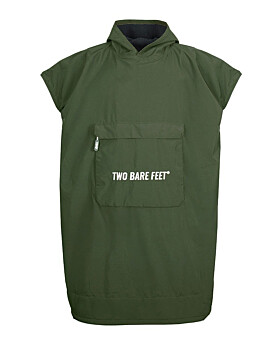
Waterproof Hooded Sleeveless Poncho Changing Robe (Forest/Black)
As low as £34.99 Regular Price £59.99 -
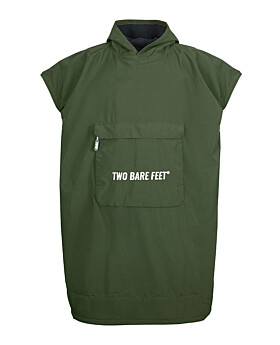
Waterproof Hooded Sleeveless Poncho Changing Robe (Forest/Black)-Small
Special Price £34.99 Regular Price £59.99 -
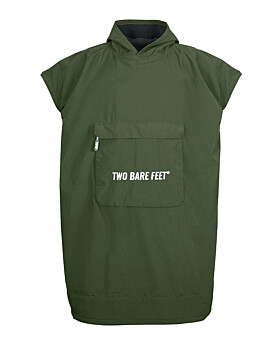
Waterproof Hooded Sleeveless Poncho Changing Robe (Forest/Black)-Medium
Special Price £34.99 Regular Price £59.99 -
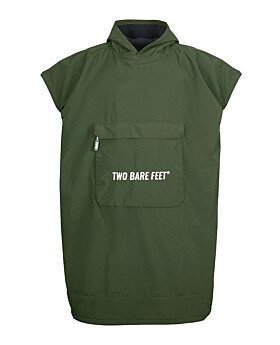
Waterproof Hooded Sleeveless Poncho Changing Robe (Forest/Black)-Large
Special Price £34.99 Regular Price £59.99 -
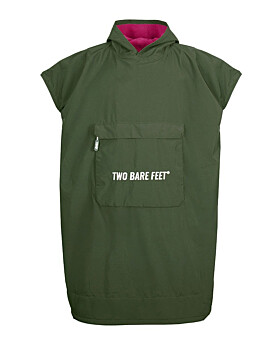
Waterproof Hooded Sleeveless Poncho Changing Robe (Forest/Raspberry)
As low as £34.99 Regular Price £59.99 -

Waterproof Hooded Sleeveless Poncho Changing Robe (Forest/Raspberry)-Small
Special Price £34.99 Regular Price £59.99 -

Waterproof Hooded Sleeveless Poncho Changing Robe (Forest/Raspberry)-Medium
Special Price £34.99 Regular Price £59.99 -

Waterproof Hooded Sleeveless Poncho Changing Robe (Forest/Raspberry)-Large
Special Price £34.99 Regular Price £59.99 -
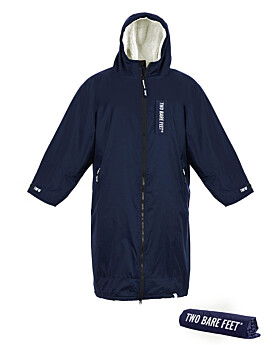
Two Bare Feet Weatherproof Changing Robe with Changing Mat (Marine Blue/Cream)
As low as £69.99 Regular Price £139.99 -
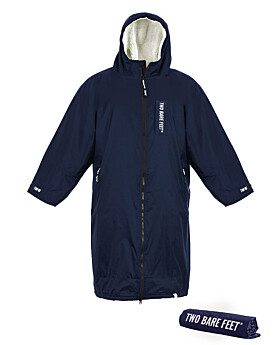
Two Bare Feet Weatherproof Changing Robe with Changing Mat (Marine Blue/Cream)-Small
Special Price £69.99 Regular Price £139.99 -
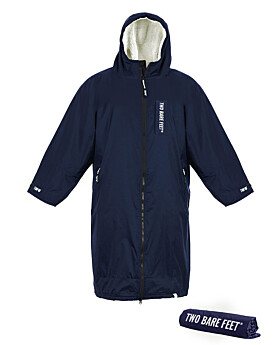
Two Bare Feet Weatherproof Changing Robe with Changing Mat (Marine Blue/Cream)-Medium
Special Price £69.99 Regular Price £139.99 -
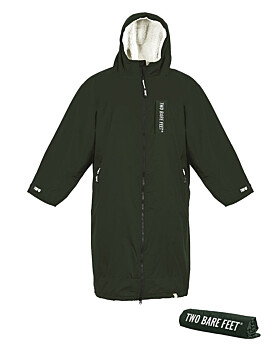
Two Bare Feet Weatherproof Changing Robe with Changing Mat (Khaki/Cream)
As low as £69.99 Regular Price £139.99 -
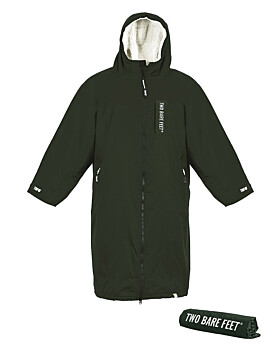
Two Bare Feet Weatherproof Changing Robe with Changing Mat (Khaki/Cream)-Medium
Special Price £69.99 Regular Price £139.99 -
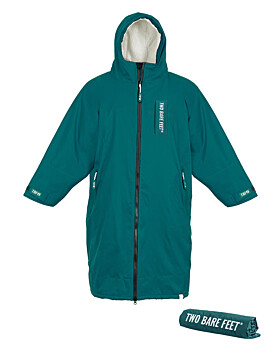
Two Bare Feet Weatherproof Changing Robe with Changing Mat (Sea Green/Cream)
As low as £69.99 Regular Price £139.99 -
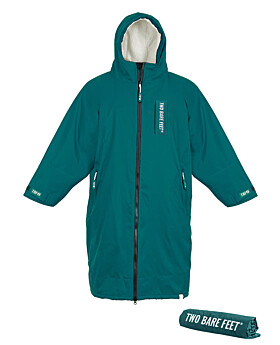
Two Bare Feet Weatherproof Changing Robe with Changing Mat (Sea Green/Cream)-Small
Special Price £69.99 Regular Price £139.99 -
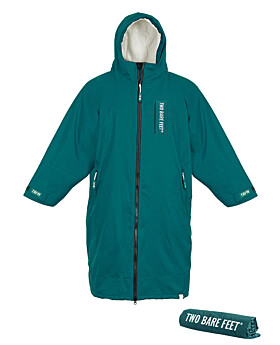
Two Bare Feet Weatherproof Changing Robe with Changing Mat (Sea Green/Cream)-Medium
Special Price £69.99 Regular Price £139.99 -
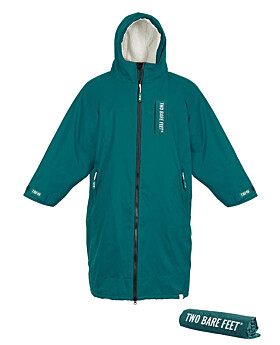
Two Bare Feet Weatherproof Changing Robe with Changing Mat (Sea Green/Cream)-Large
Special Price £69.99 Regular Price £139.99 -
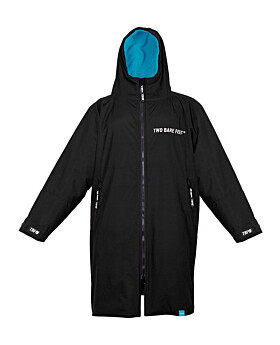
Core Waterproof Changing Robe (Black/Blue)
As low as £59.99 Regular Price £99.99 -
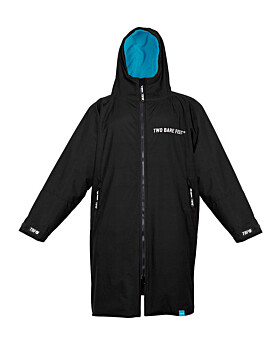
Core Waterproof Changing Robe (Black/Blue)-Small
Special Price £59.99 Regular Price £99.99 -
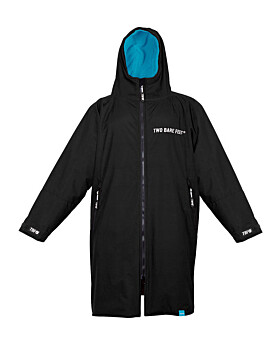
Core Waterproof Changing Robe (Black/Blue)-Medium
Special Price £59.99 Regular Price £99.99 -
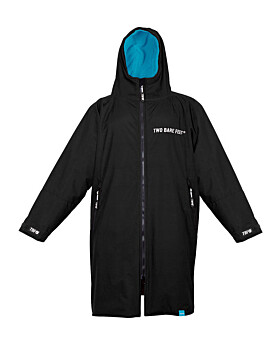
Core Waterproof Changing Robe (Black/Blue)-Large
Special Price £59.99 Regular Price £99.99 -
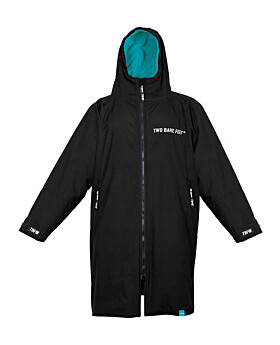
Core Waterproof Changing Robe (Black/Teal)
As low as £59.99 Regular Price £99.99 -
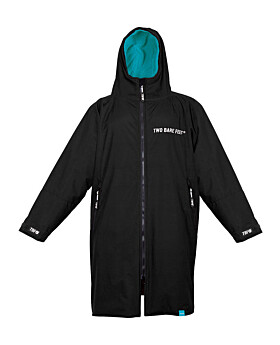
Core Waterproof Changing Robe (Black/Teal)-Small
Special Price £59.99 Regular Price £99.99 -
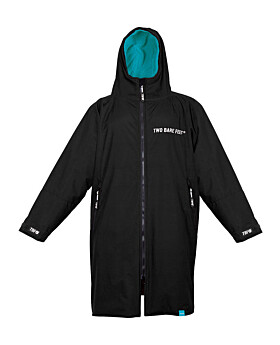
Core Waterproof Changing Robe (Black/Teal)-Medium
Special Price £59.99 Regular Price £99.99 -
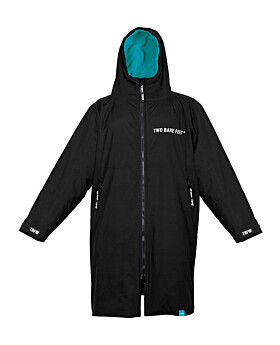
Core Waterproof Changing Robe (Black/Teal)-Large
Special Price £59.99 Regular Price £99.99 -
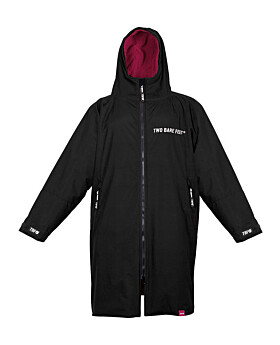
Core Waterproof Changing Robe (Black/Raspberry)
As low as £59.99 Regular Price £99.99 -
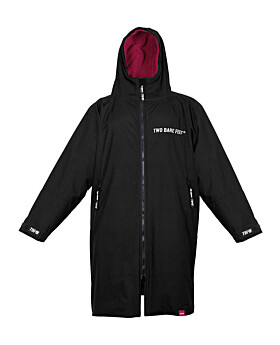
Core Waterproof Changing Robe (Black/Raspberry)-Small
Special Price £59.99 Regular Price £99.99 -
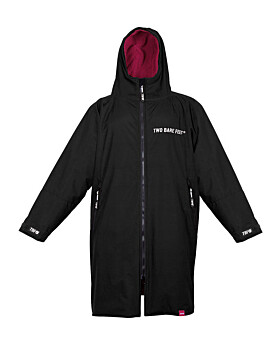
Core Waterproof Changing Robe (Black/Raspberry)-Medium
Special Price £59.99 Regular Price £99.99 -
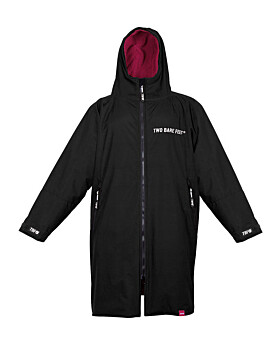
Core Waterproof Changing Robe (Black/Raspberry)-Large
Special Price £59.99 Regular Price £99.99 -
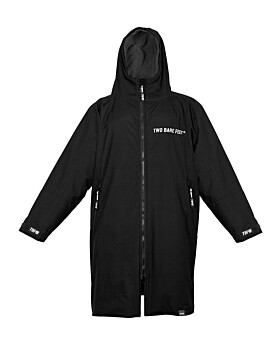
Core Waterproof Changing Robe (Black/Charcoal)
As low as £59.99 Regular Price £99.99 -
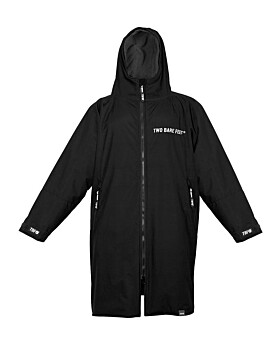
Core Waterproof Changing Robe (Black/Charcoal)-Small
Special Price £59.99 Regular Price £99.99 -
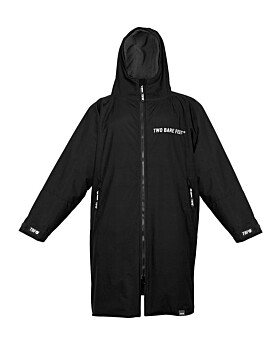
Core Waterproof Changing Robe (Black/Charcoal)-Medium
Special Price £59.99 Regular Price £99.99 -
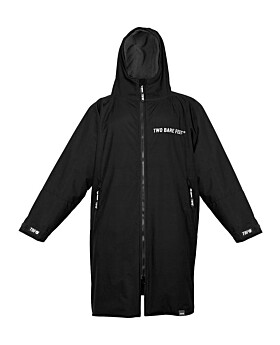
Core Waterproof Changing Robe (Black/Charcoal)-Large
Special Price £59.99 Regular Price £99.99 -
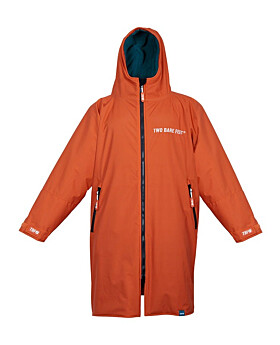
Core Waterproof Changing Robe (Burnt Orange/Sea Green)
As low as £59.99 Regular Price £99.99 -
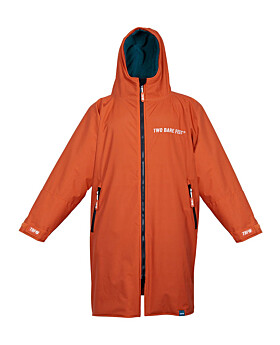
Core Waterproof Changing Robe (Burnt Orange/Sea Green)-Small
Special Price £59.99 Regular Price £99.99 -
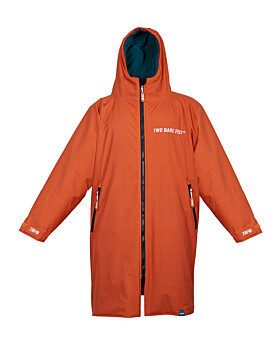
Core Waterproof Changing Robe (Burnt Orange/Sea Green)-Medium
Special Price £59.99 Regular Price £99.99 -
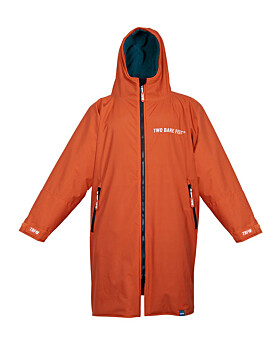
Core Waterproof Changing Robe (Burnt Orange/Sea Green)-Large
Special Price £59.99 Regular Price £99.99 -
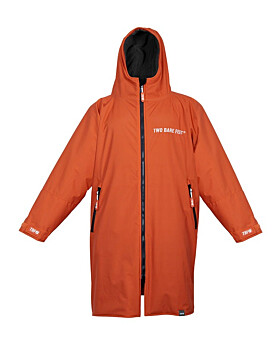
Core Waterproof Changing Robe (Burnt Orange/Charcoal)
As low as £59.99 Regular Price £99.99 -
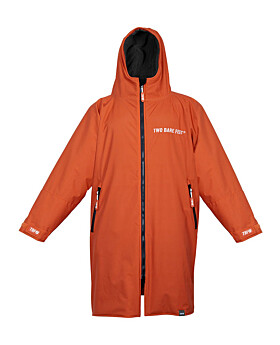
Core Waterproof Changing Robe (Burnt Orange/Charcoal)-Small
Special Price £59.99 Regular Price £99.99 -
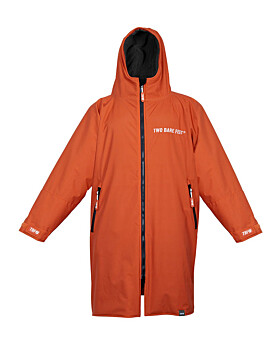
Core Waterproof Changing Robe (Burnt Orange/Charcoal)-Medium
Special Price £59.99 Regular Price £99.99 -
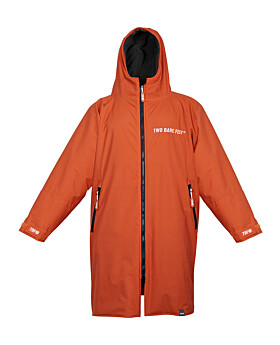
Core Waterproof Changing Robe (Burnt Orange/Charcoal)-Large
Special Price £59.99 Regular Price £99.99 -
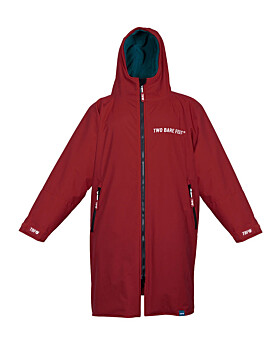
Core Waterproof Changing Robe (Deep Red/Sea Green)
As low as £59.99 Regular Price £99.99 -
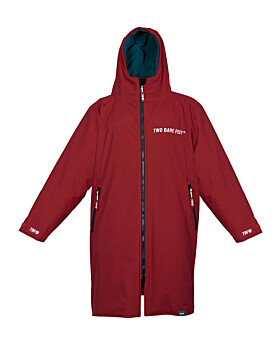
Core Waterproof Changing Robe (Deep Red/Sea Green)-Small
Special Price £59.99 Regular Price £99.99 -
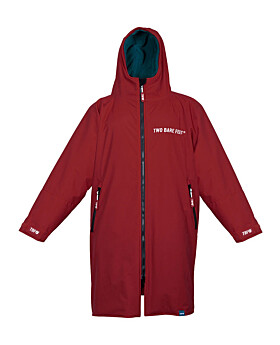
Core Waterproof Changing Robe (Deep Red/Sea Green)-Medium
Special Price £59.99 Regular Price £99.99 -
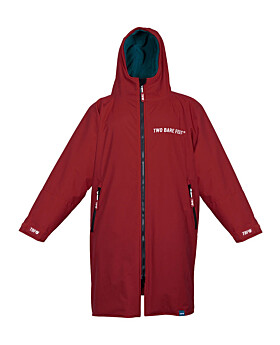
Core Waterproof Changing Robe (Deep Red/Sea Green)-Large
Special Price £59.99 Regular Price £99.99 -
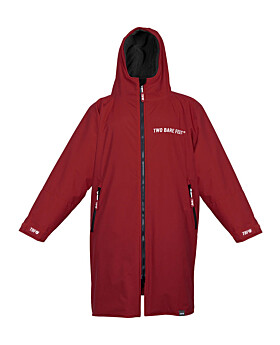
Core Waterproof Changing Robe (Deep Red/Charcoal)
As low as £59.99 Regular Price £99.99 -
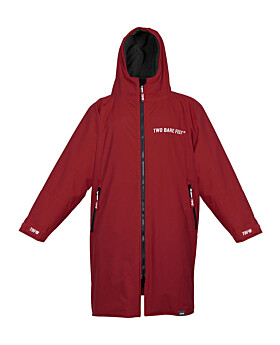
Core Waterproof Changing Robe (Deep Red/Charcoal)-Small
Special Price £59.99 Regular Price £99.99 -
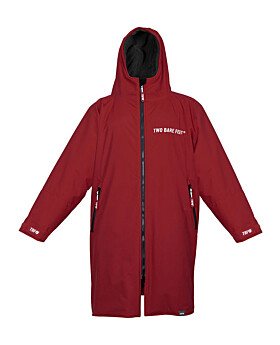
Core Waterproof Changing Robe (Deep Red/Charcoal)-Medium
Special Price £59.99 Regular Price £99.99 -
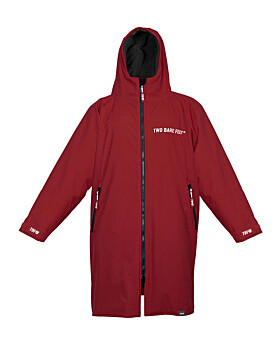
Core Waterproof Changing Robe (Deep Red/Charcoal)-Large
Special Price £59.99 Regular Price £99.99 -
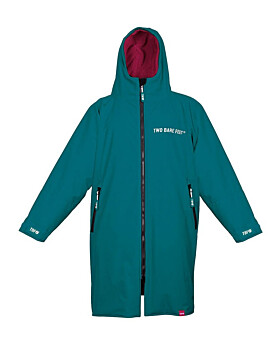
Core Waterproof Changing Robe (Sea Green/Raspberry)
As low as £59.99 Regular Price £99.99 -
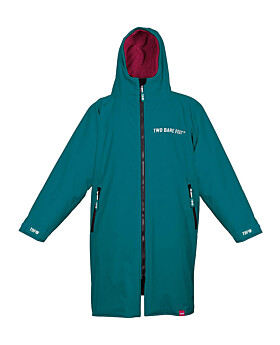
Core Waterproof Changing Robe (Sea Green/Raspberry)-Medium
Special Price £59.99 Regular Price £99.99 -

Elemental Waterproof Lightweight Slimline Changing Robe (Ice Blue/Grey)-Adults S / M
Special Price £69.99 Regular Price £139.99 -

Elemental Waterproof Lightweight Slimline Changing Robe (Ice Blue/Grey)-Adults L / XL
Special Price £69.99 Regular Price £139.99 -
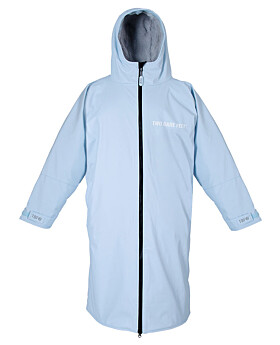
Elemental Waterproof Lightweight Slimline Changing Robe (Ice Blue/Grey)
As low as £69.99 Regular Price £139.99 -

Elemental Waterproof Lightweight Slimline Changing Robe (Dusk/Cream)-Adults S / M
Special Price £69.99 Regular Price £139.99 -

Elemental Waterproof Lightweight Slimline Changing Robe (Dusk/Cream)-Adults L / XL
Special Price £69.99 Regular Price £139.99 -
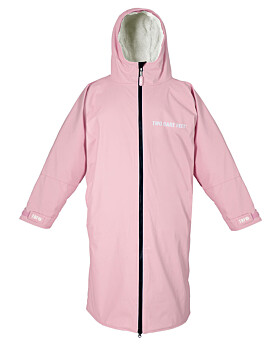
Elemental Waterproof Lightweight Slimline Changing Robe (Dusk/Cream)
As low as £69.99 Regular Price £139.99 -
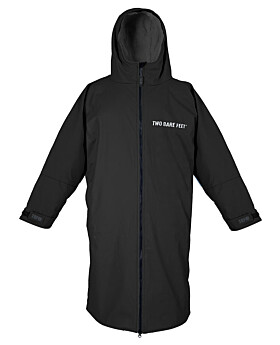
Elemental Waterproof Lightweight Slimline Changing Robe (Black/Charcoal)
As low as £69.99 Regular Price £139.99 -
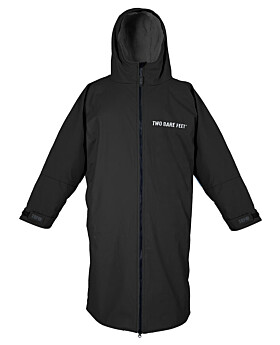
Elemental Waterproof Lightweight Slimline Changing Robe (Black/Charcoal)-Adults S / M
Special Price £69.99 Regular Price £139.99 -
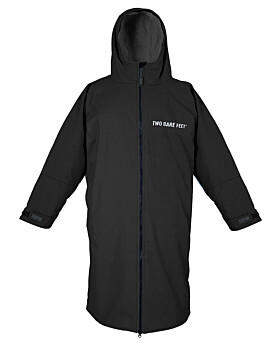
Elemental Waterproof Lightweight Slimline Changing Robe (Black/Charcoal)-Adults L / XL
Special Price £69.99 Regular Price £139.99 -
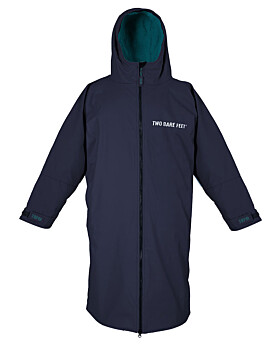
Elemental Waterproof Lightweight Slimline Changing Robe (Navy/Sea Green)
As low as £69.99 Regular Price £139.99 -
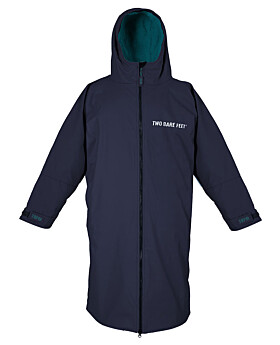
Elemental Waterproof Lightweight Slimline Changing Robe (Navy/Sea Green)-Adults S / M
Special Price £69.99 Regular Price £139.99 -
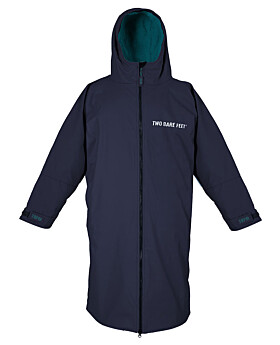
Elemental Waterproof Lightweight Slimline Changing Robe (Navy/Sea Green)-Adults L / XL
Special Price £69.99 Regular Price £139.99 -
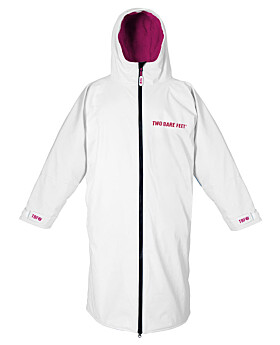
Elemental Waterproof Lightweight Slimline Changing Robe (White/Raspberry)
As low as £69.99 Regular Price £139.99 -
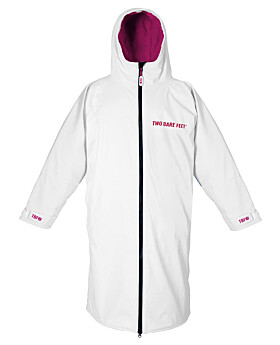
Elemental Waterproof Lightweight Slimline Changing Robe (White/Raspberry)-Adults S / M
Special Price £69.99 Regular Price £139.99 -
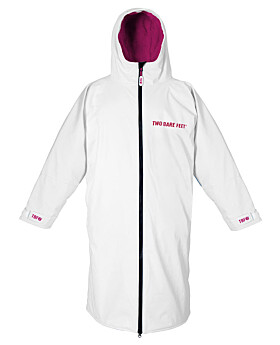
Elemental Waterproof Lightweight Slimline Changing Robe (White/Raspberry)-Adults L / XL
Special Price £69.99 Regular Price £139.99 -
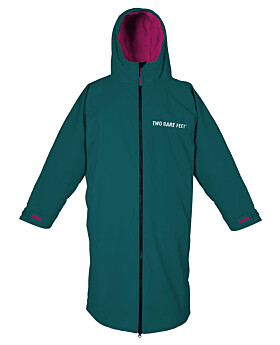
Elemental Waterproof Lightweight Slimline Changing Robe (Sea Green/Raspberry)
As low as £69.99 Regular Price £139.99 -
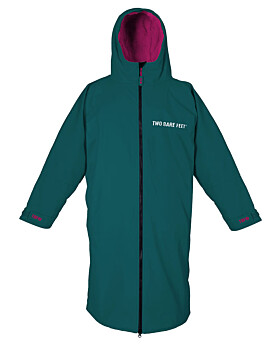
Elemental Waterproof Lightweight Slimline Changing Robe (Sea Green/Raspberry)-Adults S / M
Special Price £69.99 Regular Price £139.99 -
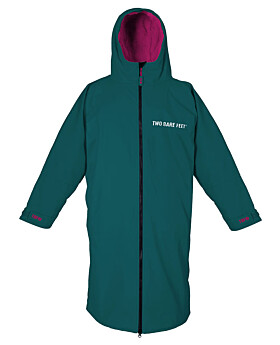
Elemental Waterproof Lightweight Slimline Changing Robe (Sea Green/Raspberry)-Adults L / XL
Special Price £69.99 Regular Price £139.99 -
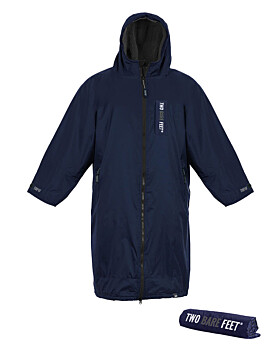
Two Bare Feet Weatherproof Changing Robe with Changing Mat (Marine Blue/Charcoal)-Small
Special Price £69.99 Regular Price £139.99 -
Two Bare Feet Weatherproof Changing Robe with Changing Mat (Marine Blue/Charcoal)-Medium
Special Price £69.99 Regular Price £139.99 -
Two Bare Feet Weatherproof Changing Robe with Changing Mat (Marine Blue/Charcoal)-Large
Special Price £69.99 Regular Price £139.99 -
Two Bare Feet Weatherproof Changing Robe with Changing Mat (Marine Blue/Charcoal)
As low as £69.99 Regular Price £139.99
Bonfire warmth and safety
Beach bonfires create some of the most memorable outdoor experiences—the combination of firelight, the sound of waves, and the warmth against the cool evening air has a particular magic to it. However, using synthetic blankets around open flames requires an understanding of material behaviour and appropriate safety practices.
Polyester and other synthetic fibres have relatively low melting points compared to natural materials like wool or cotton. Rather than charring when exposed to heat (as natural fibres do), synthetic materials can melt, potentially fusing to skin and causing serious burns. This does not mean sherpa blankets cannot be used at bonfire gatherings, but it does require maintaining a ‘spark safety zone’, i.e. keeping sufficient distance from the fire that stray embers cannot reach the blanket.
As a practical guideline, position your blanket at least two metres from the edge of the fire, further if the fire is large or the wind is gusting towards you. If you want to sit closer to the flames, consider sitting on the blanket rather than wrapping yourself in it, and keep the smoother waterproof side oriented towards the heat source. This positioning minimises the risk of embers becoming trapped in the high-pile fleece, where they could smoulder unnoticed. When in doubt, a traditional wool blanket remains the safest choice for immediate fireside use, while the sherpa blanket excels in its role as a comfortable base layer or wrap for the outer reaches of your gathering.
Brushing off sand
Sand is challenging for any fabric used at the beach, and sherpa fleece is no exception. The deep pile that makes sherpa so comfortable also provides plenty of space for fine sand particles to lodge, and once embedded, sand can be difficult to remove. Left untreated, accumulated sand will eventually find its way into your washing machine, where it can damage drum bearings and other mechanical components.
The solution lies in addressing sand contamination before washing rather than relying on the machine to handle it. Begin by shaking the blanket vigorously outdoors. This removes the loose surface sand but typically leaves embedded particles behind. Next, allow the blanket to dry completely if it is damp, as sand releases more easily from dry fabric. Finally, use a stiff-bristled brush (a dedicated clothes brush or even a clean dish brush works well) to work through the sherpa pile, brushing in the direction of the fibres. This dislodges sand that shaking alone cannot reach.
3. The camping and vanlife essential
The camping community has long understood that temperature management is one of the most critical factors for comfort during outdoor sleeping. A waterproof sherpa camping blanket serves multiple functions in camp, from boosting sleeping bag performance to protecting tent floors and managing condensation in confined spaces.
Layering for warmth
Sleeping bags carry temperature ratings that indicate the lowest temperature at which the bag will keep an average sleeper comfortable. These ratings assume ideal conditions: a well-insulated sleeping pad beneath, dry interior air, and a person whose metabolism and cold tolerance match the statistical average. Reality rarely cooperates so neatly. Shoulder-season camping often means temperatures that hover around your bag’s comfort limit, cold ground that saps heat through inadequate insulation, or humid conditions that compromise the loft of down insulation.
Adding a sherpa blanket to your set up provides flexibility for variable conditions. Placed over the sleeping bag, the blanket traps an additional layer of still air and prevents convective heat loss from the bag’s outer surface. The waterproof backing adds a minor but useful vapour barrier effect, reducing the rate at which body moisture migrates into the sleeping bag insulation.
The blanket can also be positioned inside a spacious sleeping bag to fill dead space around the sleeper’s body. Mummy-style bags leave gaps at the shoulders and around the feet where body heat can escape; a folded blanket addresses these openings and creates a noticeably warmer microclimate inside the bag.
Tent carpet and floor insulation
The ground beneath your tent represents one of the largest sources of heat loss during camping. Unlike convective cooling (where moving air carries heat away) or radiative cooling (where your body emits heat to cooler surroundings), conductive heat loss occurs through direct contact with cold surfaces. Ground temperatures in the UK remain relatively constant and cool year-round, typically sitting between 8 and 12 degrees Celsius even during summer. Without adequate insulation between your body and this cold mass, the ground will steadily draw heat from you throughout the night.
Using an XL sherpa blanket as a tent carpet breaks this conductive pathway while adding a layer of comfortable cushioning underfoot. The sherpa pile provides soft footing for moving around the tent, far more pleasant than the slippery, cold feel of most built-in groundsheets. The waterproof backing protects the tent’s original groundsheet from internal wear—boot heels, zipped-off jacket toggles, and pet claws all take their toll on tent floors over time. By accepting this wear on a replaceable blanket rather than the tent itself, you extend the useful life of more expensive equipment.
A micro-camper vapour barrier
The growing vanlife community faces a specific challenge that larger motorhomes and caravans largely avoid: condensation. In a small, uninsulated vehicle, the moisture exhaled during sleep and released from cooking has nowhere to go. It condenses on cold surfaces—typically the metal walls and ceiling of the van—and can drip back down onto bedding, leaving sleepers damp and uncomfortable by morning.
Placing a sherpa blanket between your bedding and the van’s interior surfaces helps manage this problem. The waterproof backing prevents condensation from soaking through into duvets or sleeping bags, while the sherpa surface provides a comfortable sleeping interface. This approach works particularly well along the walls of conversion vans, where the gap between interior panels and the cold metal shell often allows condensation to form. The blanket acts as a buffer layer, catching moisture before it reaches your primary bedding and buying time for ventilation to clear the excess humidity.
4. The all-weather picnic and general-purpose blanket
The large waterproof picnic rug has become a staple of outdoor family life, appearing at everything from park gatherings and sports days to outdoor concerts and festivals. The demands of these contexts differ from extreme outdoor use—mud, grass stains, and spilled drinks replace the specific challenges of beach sand and campsite condensation—but a well-designed blanket handles both environments with equal competence.
Stain resistance that holds up against kids
Parents quickly learn that outdoor activities with children involve a certain amount of chaos. Juice boxes tip, muddy boots leave prints on whatever surface lies nearby, and grass stains seem to materialise from nothing. Traditional woven picnic rugs absorb these incidents readily, developing stains that no amount of washing fully removes.
The Bionic-Finish® Eco treatment applied to quality sherpa blankets provides decent stain resistance in addition to its water-repellent properties. Liquids bead on the treated surface rather than soaking in immediately, allowing time to blot up spills before they set. Mud brushes off once dry, leaving minimal residue. In addition, being machine washable means that what does get through can be cleaned easily. This is an advantage over wool blankets, which require careful hand washing or professional cleaning to avoid damage.
Rolling vs. folding
One practical frustration with dual-layer blankets is their tendency to resist folding neatly. The different textures of the sherpa and waterproof layers cause the two surfaces to slide against each other, turning what should be a simple task into a minor wrestling match. A picnic blanket with carry strap makes transport convenient, but only if you can get the blanket into a shape that fits within the strap’s circumference.
Fortunately, Two Bare Feet has solved this by building the storage system right into the blanket itself.
Instead of crushing the soft sherpa pile to make it fit, the blanket uses a simple folding method and a built-in Velcro strap to keep everything tidy and compact.
How to pack it away in seconds:
- Lay it flat: Spread the blanket out on the ground.
- Fold into thirds: Imagine the blanket is divided into three vertical strips. Fold the left side into the middle, then fold the right side over that. This tucks the soft sherpa lining inside the waterproof shell, keeping it clean and protected.
- Fold the length: Bring the bottom edge up once. Then, bring the top edge down until you can see the Velcro strap.
- The final fold: Fold the bottom up one last time. You should now see the Two Bare Feet logo and the strap sitting right on top.
- Secure it: Just pull the Velcro strap tight to lock the bundle in place.
That’s it. No separate bags to lose, and no wrestling match required. You get a neat, flat rectangle that’s easy to stash in the boot of your car or clip onto your backpack, ready for the next adventure.
5. Comparing sherpa against “the competition”
Understanding how sherpa blankets compare to alternative outdoor blanket types helps clarify where each option excels and where it may fall short. No single product suits every situation, so a knowledgeable decision depends on matching the blanket’s properties to your specific needs.
Comparison table: sherpa vs. wool vs. puffy down
The following comparison examines three common outdoor blanket categories across the metrics that matter most for typical UK outdoor use:
|
Attribute |
Waterproof sherpa |
Wool blanket |
Puffy down |
|
Water resistance |
Excellent (8K rating) |
Poor (absorbs moisture) |
Good (DWR coating) |
|
Ground protection |
Excellent |
Poor |
Moderate |
|
Wind blocking |
Excellent (windproof) |
Moderate |
Good |
|
Tactility/comfort |
Excellent (plush) |
Good (natural) |
Good (smooth) |
|
Machine washable |
Yes |
Difficult |
Specialist care |
|
Fire resistance |
Poor (melts) |
Good (chars) |
Poor (melts) |
|
Packability |
Moderate |
Poor (heavy) |
Excellent |
The cost-benefit analysis
Each blanket type serves particular needs better than others. Puffy down blankets offer unmatched warmth-to-weight ratios, making them the clear choice for backpackers and hikers who count every gram. Wool blankets provide natural fire resistance and continue insulating even when wet, valuable properties for traditional camping around open fires. Waterproof sherpa blankets occupy the space between these specialists, offering the best balance of ground protection, weather resistance, comfort, and ease of care for typical UK leisure scenarios.
If your outdoor activities centre on wet-ground situations, e.g. British beaches, damp parkland, garden use in unpredictable weather, a fleece blanket with waterproof backing delivers the most relevant combination of features. The ability to machine wash the blanket at home adds convenience that natural-fibre alternatives cannot match, and the accessible price point means replacement after years of hard use remains economically sensible.
6. Sherpa blanket care and maintenance
Proper care significantly extends the service life of sherpa fleece while maintaining the performance characteristics that make it useful.
Cold and gentle wash
Despite being a machine washable outdoor blanket, sherpa fleece benefits from gentle laundering. The key is to wash at 30°C or below, using a delicate or wool cycle if your machine offers one. Hot water causes several problems with synthetic fleece. The heat can damage the waterproof membrane, potentially causing delamination where the backing separates from the fleece layer. It can also cause the polyester fibres themselves to contract slightly, resulting in a blanket that feels stiffer and less plush than before washing.
Detergent selection also matters. Biological detergents contain enzymes designed to break down organic matter, e.g. proteins, starches, and fats that comprise most clothing stains. These same enzymes can attack the binding agents that hold fleece fibres to the backing material, weakening the construction over time. Non-biological detergent or, better still, a detergent formulated specifically for technical outdoor wear, preserves the blanket’s structural integrity while still achieving effective cleaning.
No fabric softener
Fabric softener represents the single most damaging product you can use on sherpa fleece, yet many people reach for it instinctively when washing soft, fluffy items. The problem lies in how fabric softeners work: they deposit a waxy coating on fabric fibres that makes them feel slippery and reduces static cling. On sherpa fleece, this coating progressively mats the fibres together, collapsing the lofted pile that provides both softness and insulation. The blanket gradually loses its fluffy texture and begins to feel flat and somewhat crunchy.
The coating also compromises the DWR treatment on the waterproof side. Water repellency depends on maintaining a very specific surface structure; the softener’s waxy residue disrupts this structure and causes water to soak in rather than beading up. Recovering water repellency after fabric softener damage requires thorough washing to remove the residue, followed by reapplication of a spray-on DWR treatment. This could have been avoided entirely by simply leaving the softener in the cupboard.
Drying and DWR reactivation
Air drying remains the safest approach for sherpa blankets, preserving the pile and avoiding any risk of heat damage. Hang the blanket or lay it flat on a clean surface, allowing air to circulate around both sides. Depending on humidity and temperature, complete drying may take a full day.
If tumble drying is necessary, use the lowest heat setting your machine offers and remove the blanket while still slightly damp to finish air drying. High heat risks melting the fleece fibres, permanently damaging the pile structure. Low heat, applied briefly, can actually benefit the DWR finish by reactivating the water-repellent treatment—heat causes the DWR molecules to reorganise on the fabric surface, restoring water beading that may have diminished with use and washing.
For blankets showing reduced water repellency despite proper care, spray-on DWR reproofing products offer a straightforward solution. Apply to the clean, dry waterproof side according to the product directions, allow to dry completely, and the blanket should return to its original water-shedding performance.
7. Emergency utility (when in a pinch)
The technical properties that make sherpa blankets effective for leisure activities also create utility in unexpected situations.
The improvised storm poncho
British weather has a talent for arriving unexpectedly. A day that began clear and mild can deliver a sudden downpour without warning, leaving anyone caught outdoors searching for shelter. The waterproof backing of a sherpa blanket provides emergency rain protection when proper waterproofs are not available.
Drape the blanket over your head and shoulders with the waterproof side facing outward. The XL size provides enough coverage to protect your torso and upper legs, while the sherpa fleece interior prevents the clammy feel of wearing a plastic rain cover directly against clothing. This improvised poncho will not perform as well as dedicated rain gear—your head and hands remain exposed, and the blanket lacks the hood and closures of a proper jacket—but it provides meaningful protection for the duration of a shower or during a dash to proper shelter.
Treating chill and mild hypothermia
Cold water activities carry inherent risks, and even experienced swimmers, paddleboarders, and surfers occasionally find themselves colder than expected after a session. The early stages of hypothermia involve shivering, reduced coordination, and difficulty concentrating—symptoms that appear well before the situation becomes life-threatening but that warrant prompt attention.
A sherpa blanket provides rapid warming for someone experiencing cold stress. The combination of wind-blocking and insulating properties addresses the two primary routes of ongoing heat loss: convective cooling from wind across wet skin, and evaporative cooling as water evaporates from the body surface. Wrap the affected person in the blanket with the sherpa side against their body, then shelter from wind as much as circumstances allow. The windproof backing stops evaporative cooling almost immediately, while the trapped air layer begins retaining body heat.
This intervention buys valuable time while arranging transport to warmth, preparing hot drinks, or in more serious cases awaiting the arrival of the emergency services. The blanket’s portability means it can travel with you to remote beach locations or lakeside swimming spots where other warming options may not exist.
8. Selecting your size
The Two Bare Feet sherpa blanket range offers two size options, each suited to different primary uses. Understanding the practical implications of each size helps ensure you select the version that best matches your needs.
The Standard size measures 145cm by 80cm, which roughly matches the proportions of a large beach towel. This format excels for solo use: changing after water activities, personal ground cover during spectator events, or a warming wrap during breaks in outdoor exercise. The compact dimensions fold small enough to fit in a daypack or large handbag, making it a convenient carry for impromptu outdoor activities. Solo campers find this size sufficient for supplemental sleeping bag insulation without excess bulk.
The XL size measures 145cm by 145cm, creating a square format that serves group and family uses more effectively. Two adults can sit comfortably side by side with room for a picnic spread, or one person can wrap completely in the blanket for maximum warmth. The larger footprint works well as tent flooring, covering most two-person tent interiors fully. Families with young children typically find the XL format more practical, providing enough space for active toddlers to move around while staying on the protected surface.
Both sizes feature the same construction quality and material specifications, i.e. the same 8K waterproof backing, the same premium sherpa fleece, and the same Bionic-Finish® Eco water-repellent treatment. The choice between them is purely practical, driven by how many people typically share your outdoor activities and how much space you can dedicate to carrying your gear.
9. Sherpa blanket FAQs
Can I put the sherpa blanket in the washing machine?
These blankets are machine washable. Use cold water (30°C or below), a gentle cycle, and non-biological detergent. Avoid fabric softener and hot water, both of which can damage the fleece pile and waterproof coating.
Is the blanket fireproof?
Like all polyester products, sherpa fleece can melt when exposed to flames or hot embers. Keep the blanket at least two metres from open fires and avoid wrapping yourself in it while sitting immediately beside a fire. For direct fireside use, traditional wool blankets offer better heat resistance.
Will sand stick to the sherpa lining?
Sand can become embedded in the deep pile of sherpa fleece. The brush-out technique—allowing the blanket to dry completely, then using a stiff-bristled brush to work through the pile—removes most embedded sand before washing. This step protects your washing machine from sand accumulation.
How waterproof is 8K?
An 8K (8000mm) hydrostatic head rating indicates the blanket can withstand the pressure of an eight-metre column of water before moisture penetrates. In practical terms, this means the blanket will keep you dry when sitting on wet grass, damp sand, or muddy ground.
Can I use fabric softener?
Fabric softener damages both the sherpa pile and the waterproof coating. The waxy residue from softener mats fleece fibres together, reducing loft and softness, while also compromising the water-repellent treatment. Skip the softener entirely to preserve your blanket’s performance.
Is this the best waterproof sherpa camping blanket for winter?
The blanket performs well in cold conditions thanks to its windproof backing and insulating sherpa pile. It can boost sleeping bag warmth, serve as tent flooring, and provide emergency warmth. For extreme cold or high-altitude use, specialist expedition gear remains preferable, but for UK winter camping and general cold-weather outdoor activities, this blanket provides excellent utility.
What colours are available?
The Two Bare Feet range includes an extensive palette of colours including Black, Marine Blue, Sea Green, Khaki, and Forest options, each paired with contrasting accent colours on the sherpa lining. Many colourways coordinate with our changing robe collection, allowing you to build a matched outdoor kit if aesthetics matter to you.
10. Be ready for every outdoor moment
A quality sherpa blanket has a way of becoming indispensable once you have experienced what it offers. That first beach session where your seating stays dry despite the damp sand, the camping trip where your tent floor feels comfortable rather than cold and slippery, the autumn picnic where the family stays warm and clean despite the soggy ground: these moments reveal the value of gear designed with British conditions in mind.
With the right preparation and the right equipment, anyone can explore the rewards of outdoor living in comfort and confidence. The unpredictable weather that keeps so many people indoors becomes simply another element to manage rather than a barrier to enjoyment.
The Two Bare Feet sherpa blanket range brings together technical performance, thoughtful design, and sustainable materials at an accessible price point. Whether you are outfitting yourself for solo adventures or equipping the whole family for year-round outdoor activities, the combination of 8K waterproof protection, premium recycled sherpa fleece, and eco-friendly Bionic-Finish® Eco treatment delivers genuine functionality you can rely upon.
Explore the full collection—including matching changing robes, changing mats, and sherpa-lined jackets—and discover how the right outdoor essentials can transform your relationship with the British outdoors.