11 December 2025
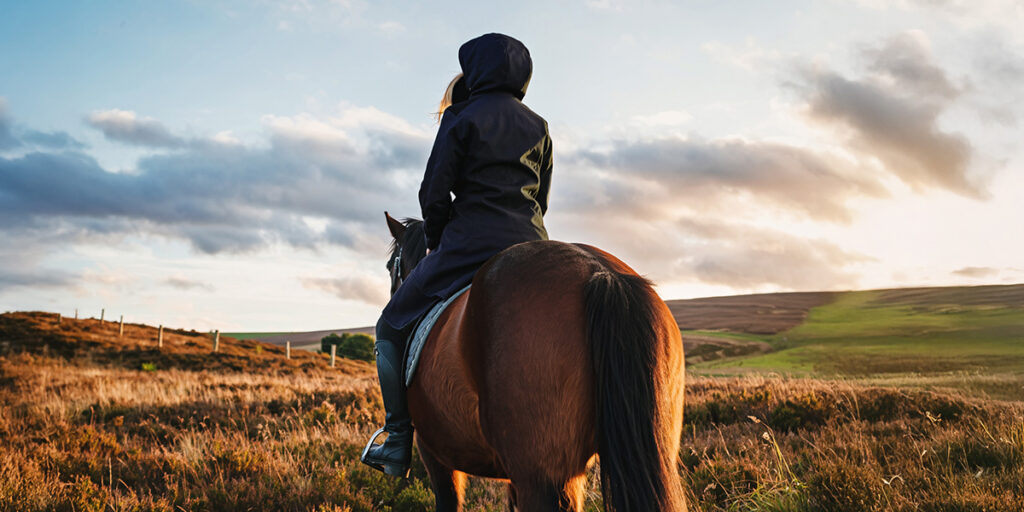
The equestrian world has witnessed a quiet but significant revolution in recent years. What started as a watersports accessory, designed for surfers and open-water swimmers to change out of wetsuits, has found a passionate following among horse riders. The equestrian changing robe has become a staple on stable yards across Britain, offering riders a practical solution to the perennial challenge of staying warm before, during, and after horse rides in unpredictable weather.
But as with any evolving market, the options have multiplied. Today’s rider faces a choice between standard changing robes and purpose-built riding robes, each designed with different priorities in mind.
This guide examines the essential differences between these garments, helping you understand which type serves your needs best—whether you spend most of your time in the saddle, on the ground doing yard work, or dividing your time between both.
Table of contents
1. The rise of the robe in the equestrian world
2. In the saddle: the critical structural differences
6. Can a riding robe double as a changing robe?
7. At-a-glance comparison of robe features
8. Making the right choice for your equestrian lifestyle
9. Riding and caring for horses with confidence
1. The rise of the robe in the equestrian world
The migration of changing robes from coastline to stable yard happened gradually, driven by riders who discovered that garments designed for one demanding outdoor environment translated remarkably well to another.
Early adopters recognised the value of changing robes for early morning feed rounds and long days at winter shows. The appeal was obvious: a single garment that provided warmth, weather protection, and enough room to throw on over riding clothes without restriction. Word spread through riding communities, and manufacturers began to take notice.
Today, it is common to see changing robes at every level of the equestrian world, from local riding schools to professional competition yards. Parents waiting in exposed arenas for their children’s lessons, instructors teaching back-to-back sessions in open-air schools, and leisure riders returning from wet hacks have all discovered the value of a warm, weatherproof outer layer that can be thrown on in seconds.
The problem with making do: Why standard robes fall short in the saddle
While standard changing robes excel at groundwork tasks, riders can encounter difficulties when attempting to wear them in the saddle. The very features that make these robes ideal for changing—their generous cut and roomy interior—create problems once a rider mounts up.
The primary issue is fabric bunching. Standard robes, designed to hang loosely around the body, tend to gather uncomfortably between rider and saddle when seated. This bunching can press against the pommel, creating an awkward riding position and potentially interfering with the rider’s communication with the horse. It’s also possible for excess fabric to pool at the rider’s knees, restricting leg movement and making it difficult to apply accurate aids.
Wind presents another challenge. The boxy cut that provides excellent changing space also catches the wind, causing the robe to flap unpredictably. This can unsettle horses, particularly those that are sensitive to sudden movements or unusual sounds.
Riders seeking an outdoor jacket that fits over the saddle without these complications need modifications. Purpose-built riding robes are designed to address the specific challenges of mounted use while retaining the warmth and weather protection that make changing robes popular in the first place.
Two Bare Feet Waterproof Riding Robe (Black/Sea Green)-XS
Two Bare Feet Waterproof Riding Robe (Black/Sea Green)-Small
Two Bare Feet Waterproof Riding Robe (Black/Sea Green)-Medium
Two Bare Feet Waterproof Riding Robe (Black/Sea Green)-Large
Two Bare Feet Waterproof Lightweight Riding Robe (Black/Sea Green)
Two Bare Feet Waterproof Riding Robe (Black/Raspberry)-XS
Two Bare Feet Waterproof Riding Robe (Black/Raspberry)-Small
Two Bare Feet Waterproof Riding Robe (Black/Raspberry)-Medium
Two Bare Feet Waterproof Riding Robe (Black/Raspberry)-Large
Two Bare Feet Waterproof Lightweight Riding Robe (Black/Raspberry)
Two Bare Feet Waterproof Riding Robe (Black/Cream)-XS
Two Bare Feet Waterproof Riding Robe (Black/Cream)-Small
Two Bare Feet Waterproof Riding Robe (Black/Cream)-Medium
Two Bare Feet Waterproof Riding Robe (Black/Cream)-Large
Two Bare Feet Waterproof Lightweight Riding Robe (Black/Cream)
Two Bare Feet Waterproof Lightweight Riding Robe (Marine Blue/Sea Green)
Two Bare Feet Waterproof Riding Robe (Marine Blue/Sea Green)-Small
Two Bare Feet Waterproof Riding Robe (Marine Blue/Sea Green)-Medium
Two Bare Feet Waterproof Riding Robe (Marine Blue/Sea Green)-XS
Two Bare Feet Waterproof Riding Robe (Marine Blue/Sea Green)-Large
Two Bare Feet Waterproof Riding Robe (Marine Blue/Raspberry)-Small
Two Bare Feet Waterproof Riding Robe (Marine Blue/Raspberry)-Medium
Two Bare Feet Waterproof Riding Robe (Marine Blue/Raspberry)-XS
Two Bare Feet Waterproof Riding Robe (Marine Blue/Raspberry)-Large
Two Bare Feet Waterproof Lightweight Riding Robe (Marine Blue/Raspberry)
Two Bare Feet Waterproof Riding Robe (Marine Blue/Cream)-XS
Two Bare Feet Waterproof Riding Robe (Marine Blue/Cream)-Small
Two Bare Feet Waterproof Riding Robe (Marine Blue/Cream)-Medium
Two Bare Feet Waterproof Riding Robe (Marine Blue/Cream)-Large
Two Bare Feet Waterproof Lightweight Riding Robe (Marine Blue/Cream)
Two Bare Feet Hi-Vis Waterproof Lightweight Riding Robe (Black/Raspberry)
Two Bare Feet Hi-Vis Waterproof Lightweight Riding Robe (Black/Raspberry)-XS
Two Bare Feet Hi-Vis Waterproof Lightweight Riding Robe (Black/Raspberry)-Small
Two Bare Feet Hi-Vis Waterproof Lightweight Riding Robe (Black/Raspberry)-Large
Two Bare Feet Hi-Vis Waterproof Lightweight Riding Robe (Black/Sea Green)-XS
Two Bare Feet Hi-Vis Waterproof Lightweight Riding Robe (Black/Sea Green)-Small
Two Bare Feet Hi-Vis Waterproof Lightweight Riding Robe (Black/Sea Green)-Medium
Two Bare Feet Hi-Vis Waterproof Lightweight Riding Robe (Black/Sea Green)-Large
Two Bare Feet Hi-Vis Waterproof Lightweight Riding Robe (Black/Sea Green)
Two Bare Feet Hi-Vis Waterproof Lightweight Riding Robe (Black/Cream)-XS
Two Bare Feet Hi-Vis Waterproof Lightweight Riding Robe (Black/Cream)-Small
Two Bare Feet Hi-Vis Waterproof Lightweight Riding Robe (Black/Cream)-Medium
Two Bare Feet Hi-Vis Waterproof Lightweight Riding Robe (Black/Cream)-Large
Two Bare Feet Hi-Vis Waterproof Lightweight Riding Robe (Black/Cream)
Two Bare Feet Hi-Vis Waterproof Lightweight Riding Robe (Marine Blue/Raspberry)
Two Bare Feet Hi-Vis Waterproof Lightweight Riding Robe (Marine Blue/Raspberry)-XS
Two Bare Feet Hi-Vis Waterproof Lightweight Riding Robe (Marine Blue/Raspberry)-Small
Two Bare Feet Hi-Vis Waterproof Lightweight Riding Robe (Marine Blue/Raspberry)-Medium
Two Bare Feet Hi-Vis Waterproof Lightweight Riding Robe (Marine Blue/Raspberry)-Large
Two Bare Feet Hi-Vis Waterproof Lightweight Riding Robe (Marine Blue/Sea Green)-XS
Two Bare Feet Hi-Vis Waterproof Lightweight Riding Robe (Marine Blue/Sea Green)-Small
Two Bare Feet Hi-Vis Waterproof Lightweight Riding Robe (Marine Blue/Sea Green)-Medium
Two Bare Feet Hi-Vis Waterproof Lightweight Riding Robe (Marine Blue/Sea Green)-Large
Two Bare Feet Hi-Vis Waterproof Lightweight Riding Robe (Marine Blue/Sea Green)
Two Bare Feet Hi-Vis Waterproof Lightweight Riding Robe (Marine Blue/Cream)-XS
Two Bare Feet Hi-Vis Waterproof Lightweight Riding Robe (Marine Blue/Cream)-Small
Two Bare Feet Hi-Vis Waterproof Lightweight Riding Robe (Marine Blue/Cream)-Medium
Two Bare Feet Hi-Vis Waterproof Lightweight Riding Robe (Marine Blue/Cream)-Large
Two Bare Feet Hi-Vis Waterproof Lightweight Riding Robe (Marine Blue/Cream)
Two Bare Feet Hi-Vis Waterproof Lightweight Riding Robe (Sea Green/Raspberry)-XS
Two Bare Feet Hi-Vis Waterproof Lightweight Riding Robe (Sea Green/Raspberry)-Small
Two Bare Feet Hi-Vis Waterproof Lightweight Riding Robe (Sea Green/Raspberry)-Medium
Two Bare Feet Hi-Vis Waterproof Lightweight Riding Robe (Sea Green/Raspberry)-Large
Two Bare Feet Hi-Vis Waterproof Lightweight Riding Robe (Sea Green/Raspberry)
Two Bare Feet Hi-Vis Waterproof Lightweight Riding Robe (Sea Green/Sea Green)-XS
Two Bare Feet Hi-Vis Waterproof Lightweight Riding Robe (Sea Green/Sea Green)-Small
Two Bare Feet Hi-Vis Waterproof Lightweight Riding Robe (Sea Green/Sea Green)-Medium
Two Bare Feet Hi-Vis Waterproof Lightweight Riding Robe (Sea Green/Sea Green)-Large
Two Bare Feet Hi-Vis Waterproof Lightweight Riding Robe (Sea Green/Sea Green)
Two Bare Feet Hi-Vis Waterproof Lightweight Riding Robe (Sea Green/Cream)-XS
Two Bare Feet Hi-Vis Waterproof Lightweight Riding Robe (Sea Green/Cream)-Small
Two Bare Feet Hi-Vis Waterproof Lightweight Riding Robe (Sea Green/Cream)-Medium
Two Bare Feet Hi-Vis Waterproof Lightweight Riding Robe (Sea Green/Cream)-Large
Two Bare Feet Hi-Vis Waterproof Lightweight Riding Robe (Sea Green/Cream)
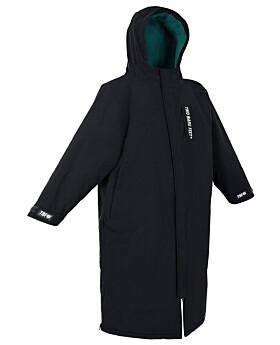
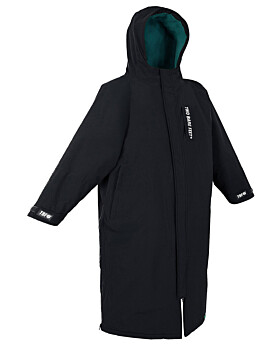
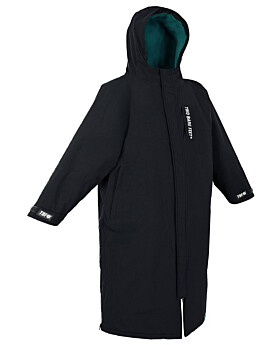
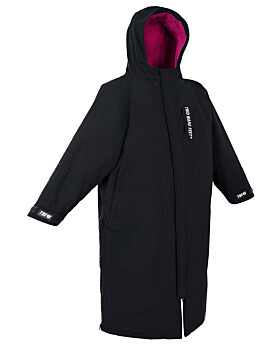
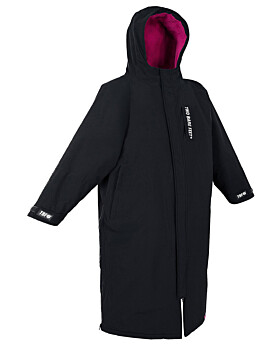
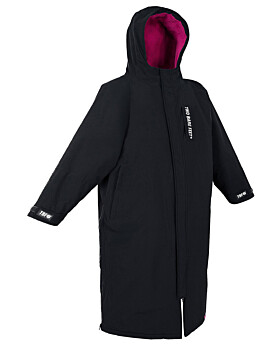
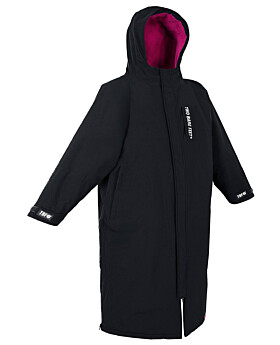
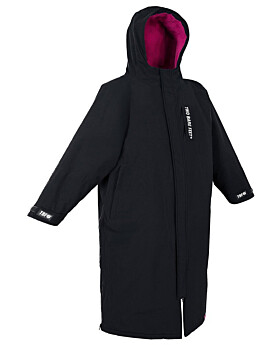
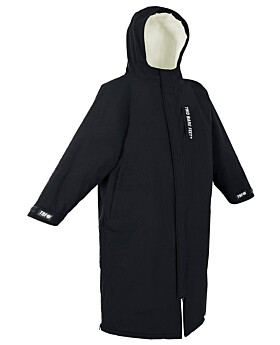
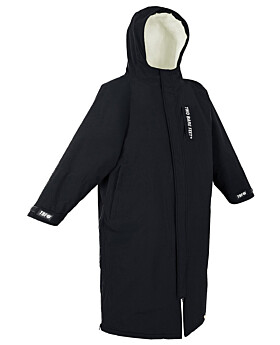
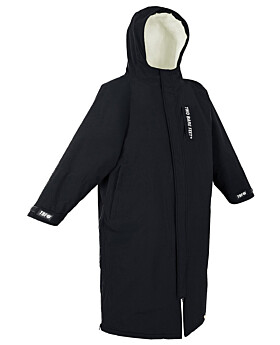
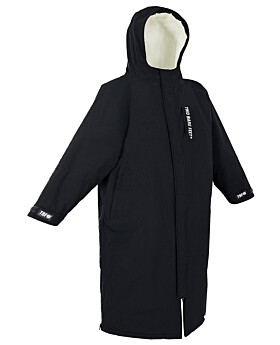
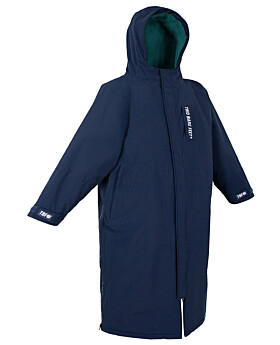
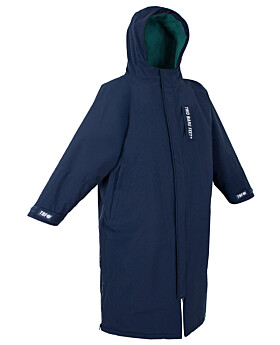
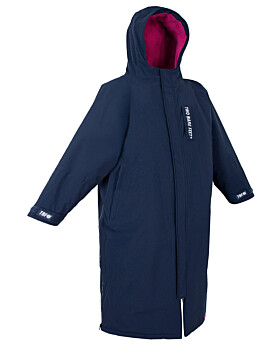
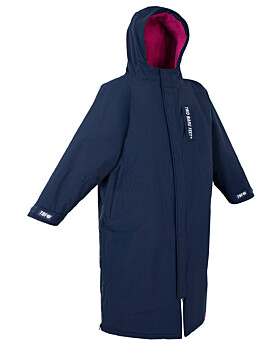
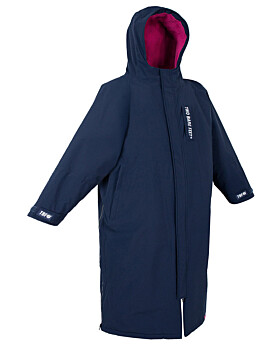
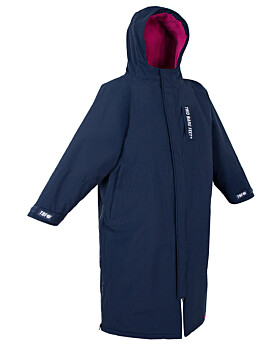
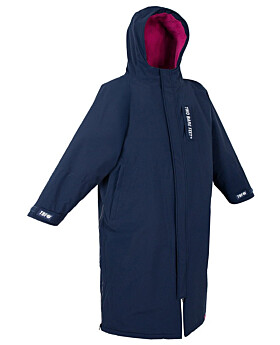
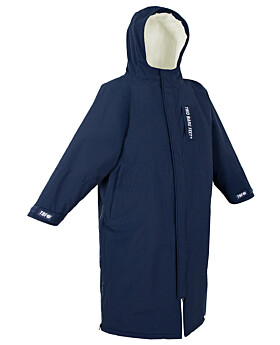
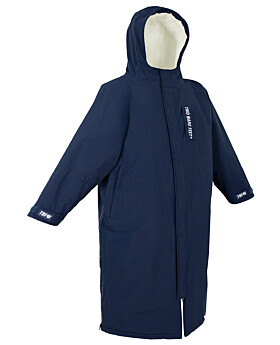
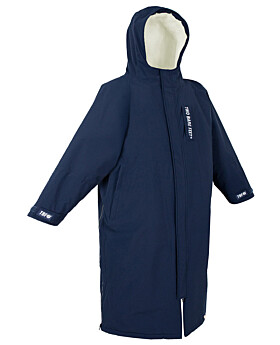
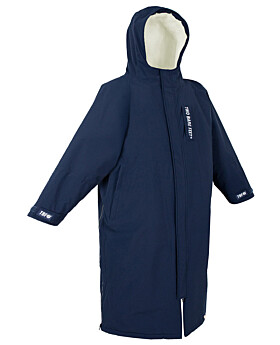
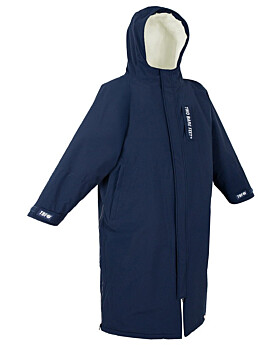
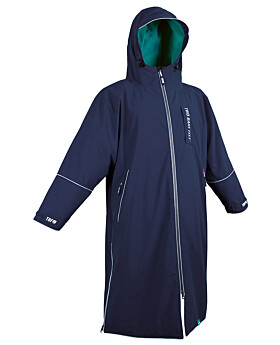
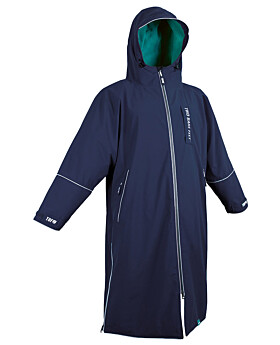
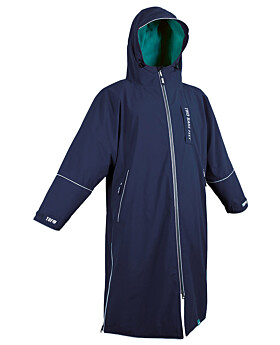
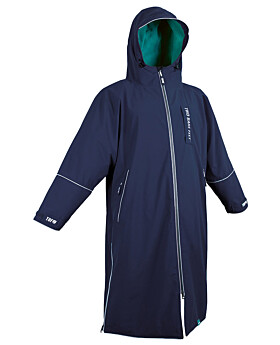
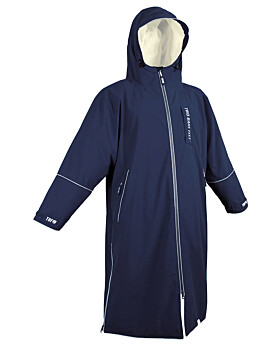
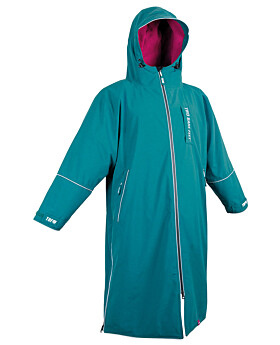
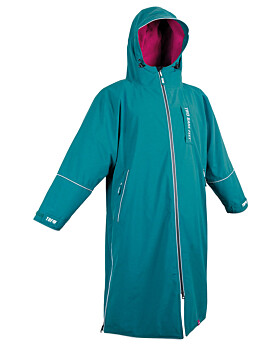
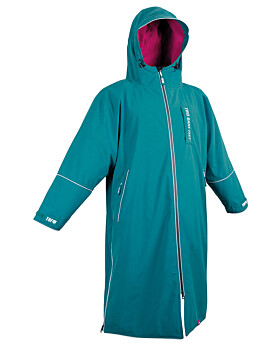
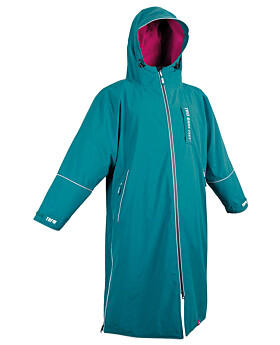
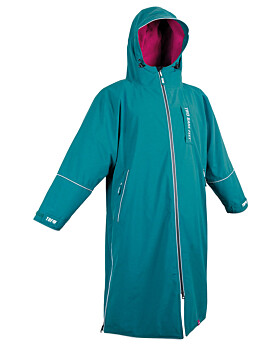
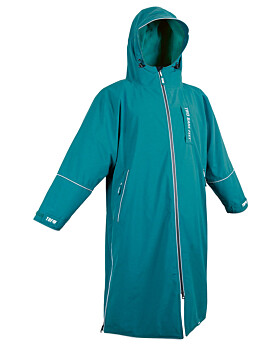
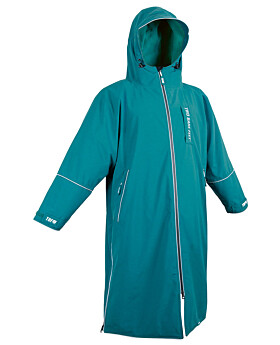
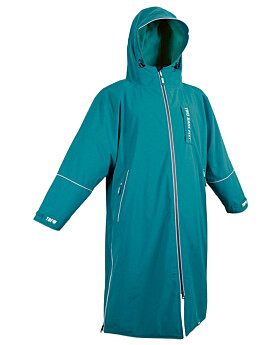
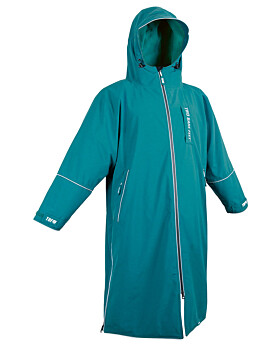
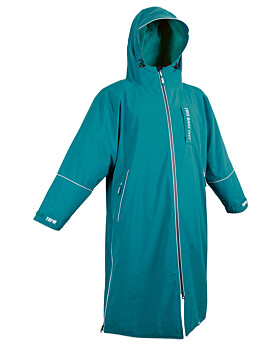
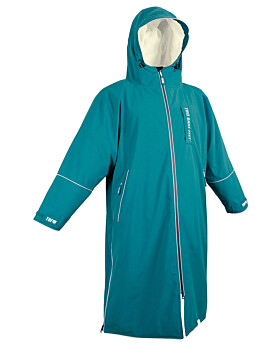
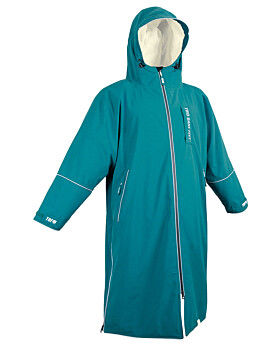
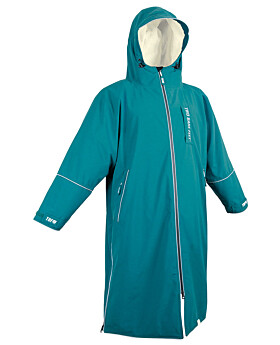
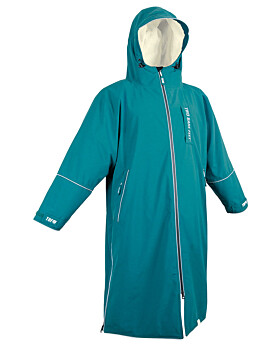
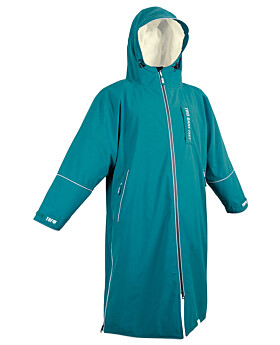
A look at the Two Bare Feet line-up
Two Bare Feet offers a comprehensive range of weatherproof robes, each designed for specific use cases. Understanding the distinctions between them helps clarify which garment best suits your needs.
The Original Weatherproof Changing Robe represents the flagship all-rounder. With its 8K waterproof rating, premium 300gsm sherpa fleece lining, and roomy oversized fit, this robe excels at keeping wearers warm and dry in challenging conditions. Each Original robe comes with a complimentary changing mat, making it a complete kit for outdoor changing. The 100% recycled polyester outer shell features BIONIC-FINISH ECO water-repellent technology, offering high performance while minimising environmental impact.
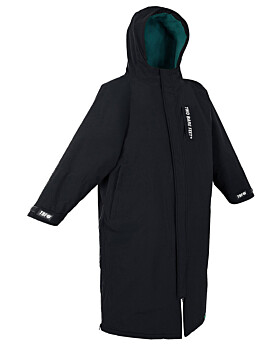
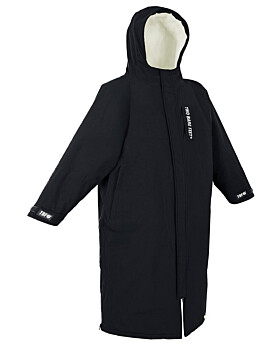
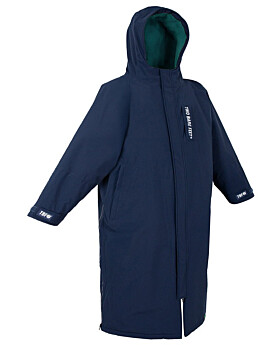
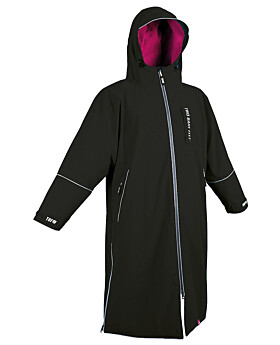
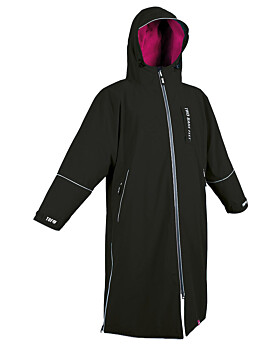
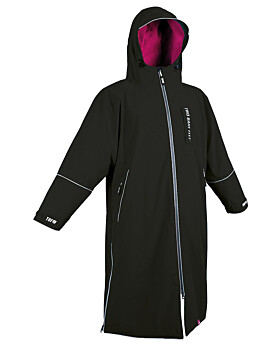
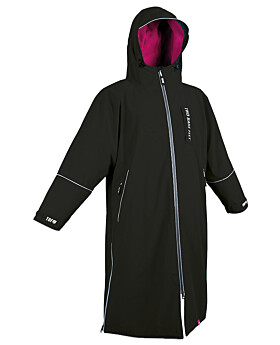
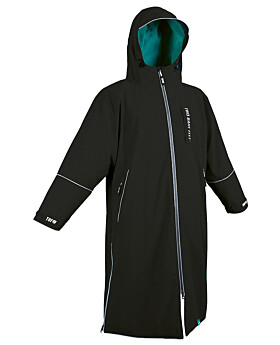
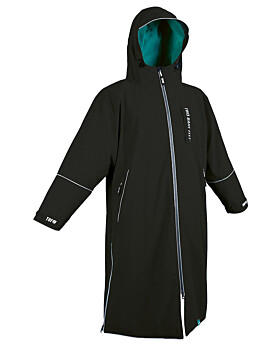
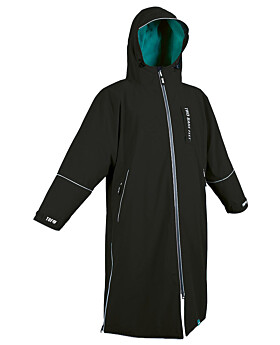
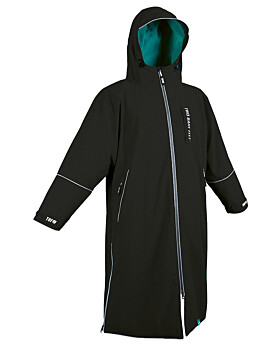
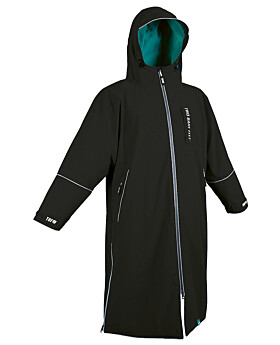
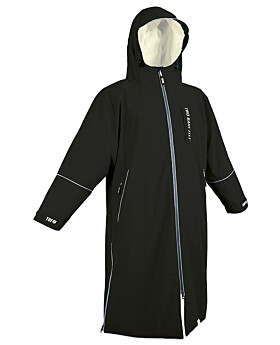
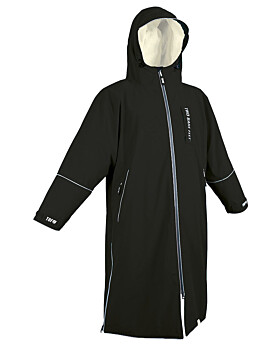
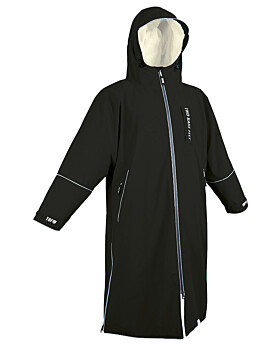
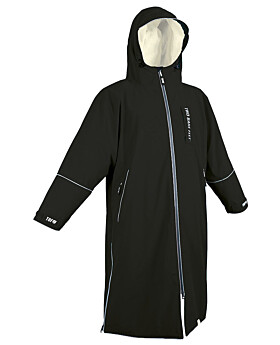
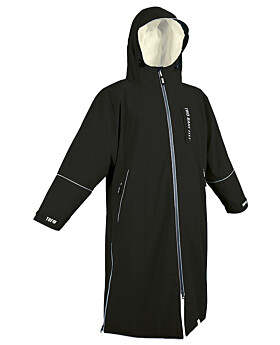
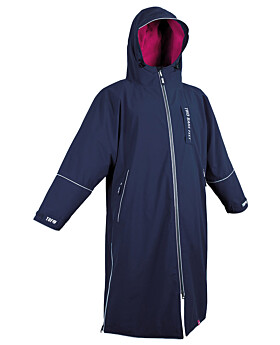
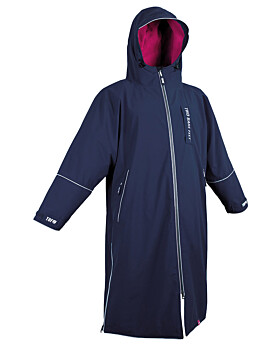
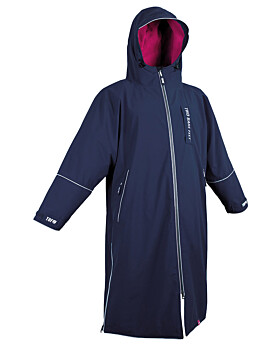
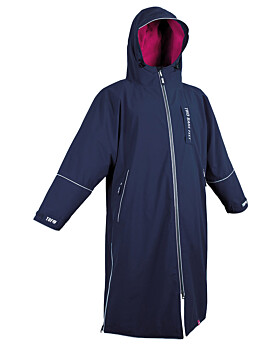
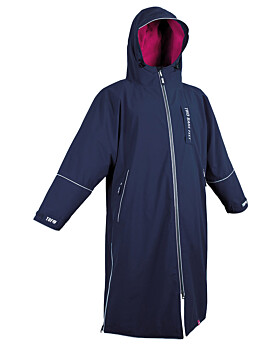
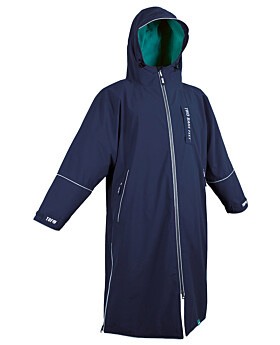
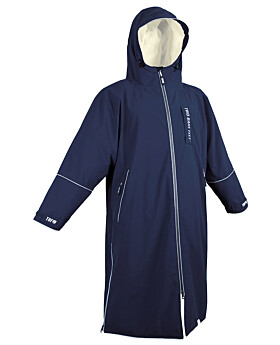
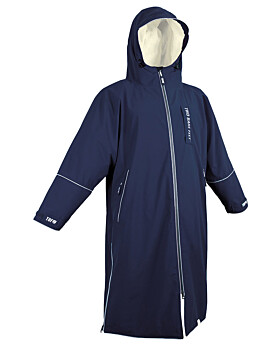
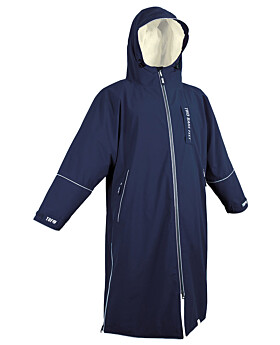
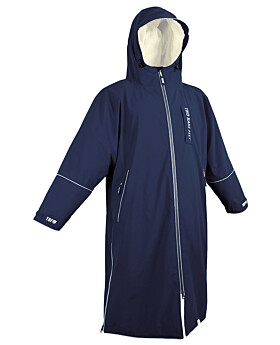
The Waterproof Lightweight Riding Robe has been engineered specifically for equestrian use. This specialist garment features critical structural modifications including side vents, leg straps, and a two-way front zip, all designed to address the challenges of mounted wear. The large sherpa-lined hood accommodates riding helmets, and the overall design prioritises comfort and saddle compatibility.
Two Bare Feet offers this riding robe in two variants: a standard version with an 8K waterproof and breathability rating, and a Hi-Vis version that steps up to a 10K rating while adding reflective binding throughout for low-light visibility. The hi-vis option includes reflective elements designed to catch headlights and improve recognition at distance, making it the preferred choice for riders who regularly hack on roads or in conditions where visibility is a concern.
Between these two poles sit several other options worth considering, including the Core range (offering excellent value with 10K waterproofing), the Elemental range (featuring a slimline fit with premium 10K protection), and the Poncho Changing Robe (a sleeveless, overhead-entry design suited to warm-weather changing). Each serves a distinct purpose within the equestrian context, as we shall explore throughout this guide.
2. In the saddle: the critical structural differences
The distinction between a changing robe and a riding robe becomes most apparent when the rider swings a leg over the saddle. What works brilliantly at the beach or in a cold car park can become awkward, uncomfortable, or even unsafe when mounted.
Why a two-way zip is essential
The zipper configuration plays an important role in saddle compatibility. Some changing robes on the market (excluding Two Bare Feet’s range) may feature a conventional single-direction zip that opens from the bottom hem upward. This creates problems for a horse rider when they sit in the saddle, as the closed lower portion will press against the saddle pommel.
This pressure can damage both the robe and the saddle over time, and more immediately, it forces the fabric to bunch and gather in ways that affect riding position. The rider may find themselves constantly adjusting the garment or, worse, adapting their seat to accommodate the obstruction.
A long waterproof riding coat with leg straps, such as the Two Bare Feet Riding Robe, addresses this problem through a two-way zip mechanism. This allows the bottom of the zip to open independently, letting the front panels of the robe separate and drape naturally over the rider’s thighs and the horse’s flanks. The result is a seated position that remains comfortable and unobstructed, with the robe’s protection extending down the legs without interfering with the saddle.
The two-way configuration also aids mounting and dismounting. A rider can open the lower portion while approaching the horse, swing up without hindrance, and then adjust as needed once settled. This practical advantage becomes particularly valuable when dealing with fresh horses or in situations where smooth, efficient mounting matters.
Strategic side vents for equestrian movement
Standard changing robes are designed as enclosed garments, providing maximum coverage and warmth but limiting the wearer’s range of motion. This works well when standing or walking, but creates restrictions when seated with legs spread across a horse’s back.
The riding robe design incorporates zipped side vents positioned to allow natural leg separation. These vents can be opened partially or fully depending on conditions and preference, enabling the rider’s legs to move freely for mounting, applying aids, and maintaining a correct riding position. When closed, they provide additional weather protection; when open, they offer ventilation and mobility.
This feature also proves valuable during groundwork. Mucking out, carrying hay bales, and grooming all require unrestricted movement, and the ability to open the side vents transforms the robe from a potentially cumbersome garment into one that moves with the wearer. The zipped construction means the vents can be adjusted throughout the day as activity levels and conditions change.
The role of internal leg straps
Perhaps the most distinctive feature of a dedicated riding robe is the inclusion of adjustable internal leg straps. They secure the lower portion of the robe to the rider’s legs, preventing the fabric from flapping in the wind or catching on equipment.
The importance of this feature cannot be overstated for anyone who hacks regularly. Horses are naturally alert to unusual movements in their peripheral vision. A robe that suddenly billows or snaps in a gust of wind can trigger this instinctive response, causing a horse to shy, spin, or bolt. On a quiet bridleway this might result in nothing more than a momentary flutter of adrenaline; on a road with passing traffic, the consequences can be serious.
By securing the robe’s lower panels against the rider’s legs, the straps eliminate this unpredictable movement. The garment becomes an extension of the rider rather than an independent element that might startle the horse. This is particularly valuable during winter riding coats for hacking, when wind is often at its strongest and horses may already be more reactive due to the cold.
The straps also prevent the robe from riding up while in the saddle, maintaining coverage over the rider’s thighs and the back of the saddle. This keeps warmth where it is needed and ensures the rider remains protected even during extended periods in the saddle.
Arm movement and cuff design
Sleeve design differs notably between changing robes and riding robes, reflecting the different demands of each use case. Standard changing robes feature wide, loose sleeves that allow the wearer to pull their arms inside the garment—essential for discreet changing in public spaces. This generous cut, while practical for its intended purpose, can interfere with the precise hand movements required for effective rein handling.
Riding robes typically maintain enough room for layering but feature a slightly more tailored sleeve that stays close to the arm during movement. The cuffs often include Velcro adjusters that allow the wearer to secure them against draughts while maintaining dexterity. This prevents the wind from funnelling up loose sleeves, while ensuring that the rider’s feel of the reins remains uncompromised.
Two Bare Feet’s riding robes retain enough internal space to allow arm retraction for changing when needed, though the fit is naturally more accommodating than in an oversized changing robe designed primarily for that purpose. This compromise means the garment can serve double duty, offering reasonable changing capability alongside its primary function as riding wear.
3. Safety and visibility
For riders who venture onto public roads or ride during low-light conditions, visibility is a primary safety concern. Wearing high-visibility clothing can reduce the odds of collision between horses and vehicles by giving other road users enough time to react appropriately and responsibly upon sighting the horse and rider from a distance.
360-degree reflectivity
Standard changing robes may include branded reflective elements or subtle reflective trim, but these are typically designed more for style than safety.
A dedicated reflective riding robe takes a fundamentally different approach. The Two Bare Feet Hi-Vis Riding Robe features reflective binding throughout the garment, designed to catch vehicle headlights from multiple angles. This means that whether a driver approaches from the front, side, or rear, the reflective elements will illuminate, giving earlier warning of the rider’s presence.
The reflective print logos add additional visibility without the garment appearing excessively bright during daylight hours. This matters to riders who prefer a more understated appearance for arena work or shows but still require safety features for roadwork.
Hood design: accommodating a riding helmet
The hood on your robe might seem a minor consideration, but for riders it presents a genuine challenge. Riding helmets, whether skull caps, velvet-covered hats, or ventilated schooling helmets, add significant bulk to the head. Standard changing robe hoods, sized for bare or swimming-capped heads, often cannot accommodate this bulk comfortably.
An undersized hood either refuses to fit over the helmet entirely, leaving the rider’s head exposed, or stretches awkwardly over the hat, restricting neck movement and peripheral vision. Neither situation is acceptable for safe riding, where the ability to turn and look behind is essential for road safety and general awareness.
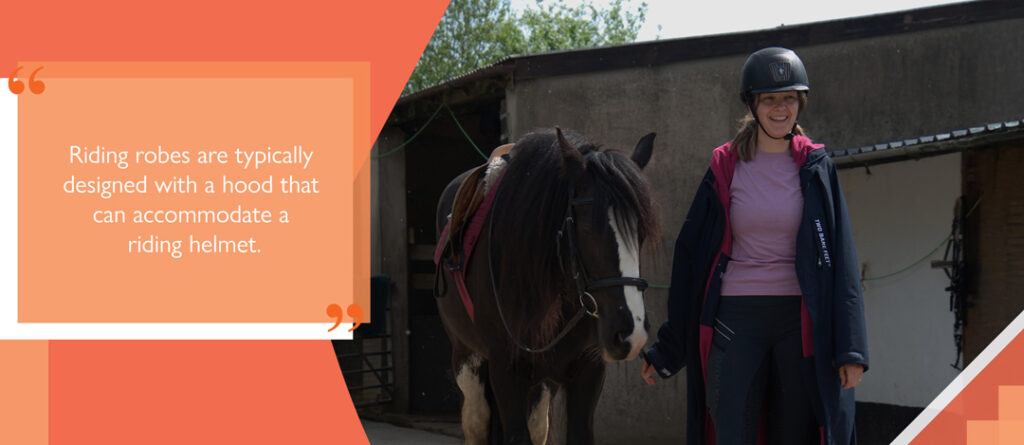
Two Bare Feet’s riding robes address this with a peaked hood featuring front and back toggle adjustments. The extra-large, sherpa-lined construction accommodates riding helmets of various styles, while the adjustments allow the rider to secure the hood against wind without sacrificing mobility. The peaked design also helps shed rain away from the face, improving visibility during wet rides.
For riders who never pull up a hood, this feature might seem unnecessary. But British weather has a habit of changing suddenly, and having the option of helmet-compatible head protection can make the difference between a miserable wet hack and a manageable one.
4. Waterproofing and warmth
All Two Bare Feet weatherproof robes offer genuine protection against British conditions, but the specifications vary between ranges.
The outer shell
Waterproof ratings measure how much water pressure a fabric can withstand before moisture penetrates. A rating of 8,000mm (8K) indicates the fabric can resist a column of water 8,000 millimetres high—sufficient for moderate to heavy rain and typical British conditions. The Original robe and weatherproof poncho are 8K waterproof, making them reliable choices for general outdoor use.
The Hi-Vis Riding Robe*, Core, and Elemental ranges step up to a 10K rating, offering enhanced protection for sustained exposure. For riders who spend extended periods in the saddle during adverse weather—instructors teaching all-day clinics, competitors warming up between classes, or dedicated hackers who ride regardless of conditions—this additional protection can make a meaningful difference.
*N.B. Our standard (i.e. non- hi-vis) riding robe is 8K waterproof.
All ranges utilise BIONIC-FINISH ECO water-repellent technology, an environmentally friendly DWR (Durable Water Repellent) treatment that causes water to bead and roll off the fabric surface. This treatment works in conjunction with the waterproof membrane to keep the wearer dry while minimising the garment’s environmental impact.
Durability of the outer shell also matters in equestrian environments. Stable yards present numerous opportunities for snagging: fence posts, stable bolts, baler twine, and tack hooks all pose threats to delicate fabrics. The polyester outer shells used across the Two Bare Feet range offer reasonable resistance to abrasion while remaining lightweight enough for comfortable wear. A fleece lined equestrian jacket might offer cosier warmth, but the weatherproof shell’s ability to withstand the demands of yard work adds practical value over standard fleece.
The lining: Sherpa fleece vs. lightweight laminates
The interior lining significantly affects both warmth and suitability for different activities. The Original Weatherproof Changing Robe features a high-quality 300gsm sherpa fleece lining, designed to provide maximum warmth for post-water activities when the body is wet and cooling rapidly. The thicker fleece excels at trapping air and retaining heat, making it ideal for standing still in cold conditions.
Riding, however, is an active pursuit. Even a quiet hack involves muscle engagement, and schooling work can raise the rider’s temperature considerably. A heavyweight fleece lining can become uncomfortable during active riding, particularly when temperatures are mild or the rider is working hard in the arena. Overheating leads to sweating, and trapped perspiration can cause the very chill the robe was intended to prevent.
Our riding robes address this with a lighter sherpa fleece lining that provides warmth without excessive bulk or heat retention. This lighter construction, combined with the zipped side vents for ventilation, allows active riders to regulate their temperature throughout a ride. The combination of weather protection on the outside and breathable warmth on the inside creates a comfortable microclimate for sustained activity.
For riders who primarily use their robes for groundwork, standing ringside, or post-ride warmth, the heavier lining of the Original robe may prove more suitable. The choice depends on whether the garment will primarily be worn during active riding or during the many hours spent around horses without actually being in the saddle.
5. Beyond the riding robe
While riding robes serve riders who spend significant time in the saddle, other robe designs from the Two Bare Feet range may suit equestrians whose needs differ. The stable yard encompasses far more than riding, and matching the garment to the activity ensures optimal comfort and value.
-
Waterproof Hooded Sleeveless Poncho Changing Robe (Black/Blue)
As low as £34.99 Regular Price £59.99 -
Waterproof Hooded Sleeveless Poncho Changing Robe (Black/Blue)-Small
Special Price £34.99 Regular Price £59.99 -
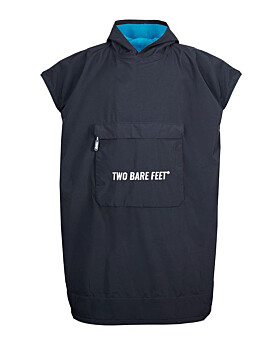
Waterproof Hooded Sleeveless Poncho Changing Robe (Black/Blue)-Medium
Special Price £34.99 Regular Price £59.99 -
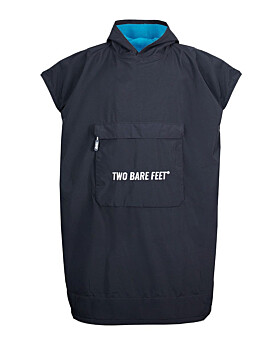
Waterproof Hooded Sleeveless Poncho Changing Robe (Black/Blue)-Large
Special Price £34.99 Regular Price £59.99 -
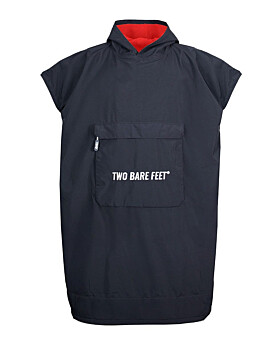
Waterproof Hooded Sleeveless Poncho Changing Robe (Black/Red)
As low as £34.99 Regular Price £59.99 -
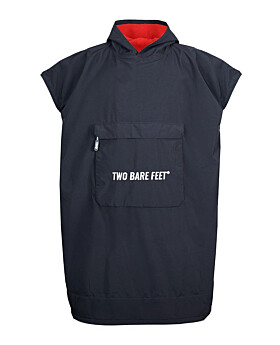
Waterproof Hooded Sleeveless Poncho Changing Robe (Black/Red)-Small
Special Price £34.99 Regular Price £59.99 -
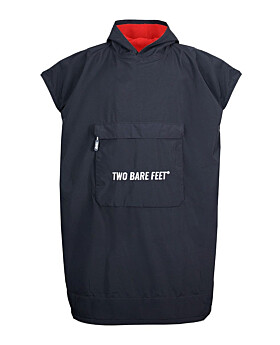
Waterproof Hooded Sleeveless Poncho Changing Robe (Black/Red)-Medium
Special Price £34.99 Regular Price £59.99 -
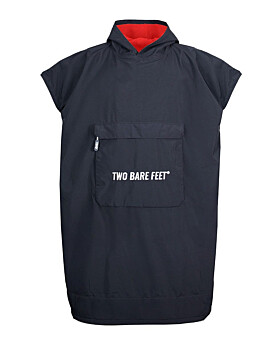
Waterproof Hooded Sleeveless Poncho Changing Robe (Black/Red)-Large
Special Price £34.99 Regular Price £59.99 -
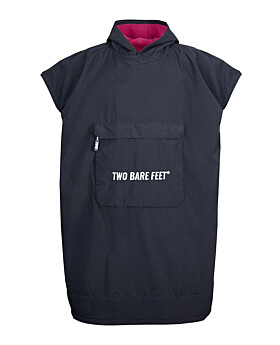
Waterproof Hooded Sleeveless Poncho Changing Robe (Black/Raspberry)
As low as £34.99 Regular Price £59.99 -
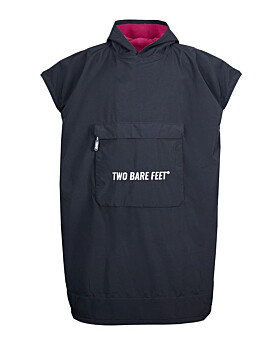
Waterproof Hooded Sleeveless Poncho Changing Robe (Black/Raspberry)-Small
Special Price £34.99 Regular Price £59.99 -
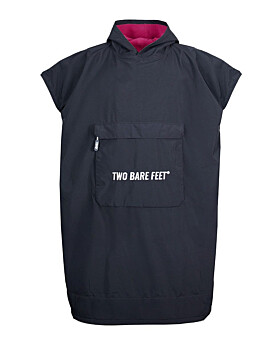
Waterproof Hooded Sleeveless Poncho Changing Robe (Black/Raspberry)-Medium
Special Price £34.99 Regular Price £59.99 -
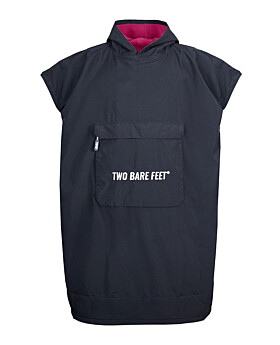
Waterproof Hooded Sleeveless Poncho Changing Robe (Black/Raspberry)-Large
Special Price £34.99 Regular Price £59.99 -
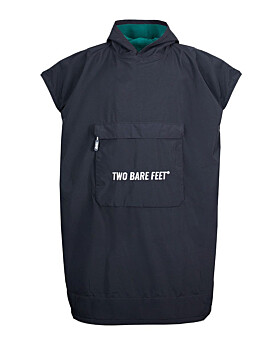
Waterproof Hooded Sleeveless Poncho Changing Robe (Black/Sea Green)
As low as £34.99 Regular Price £59.99 -
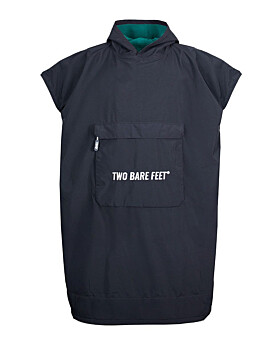
Waterproof Hooded Sleeveless Poncho Changing Robe (Black/Sea Green)-Small
Special Price £34.99 Regular Price £59.99 -
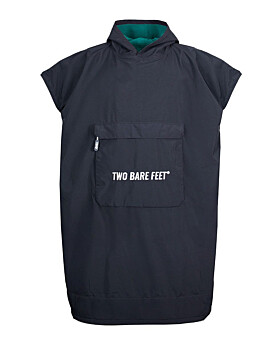
Waterproof Hooded Sleeveless Poncho Changing Robe (Black/Sea Green)-Medium
Special Price £34.99 Regular Price £59.99 -
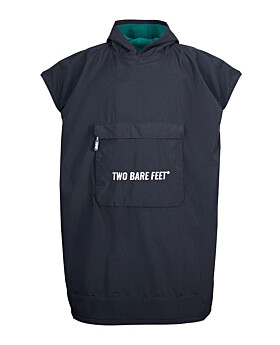
Waterproof Hooded Sleeveless Poncho Changing Robe (Black/Sea Green)-Large
Special Price £34.99 Regular Price £59.99 -
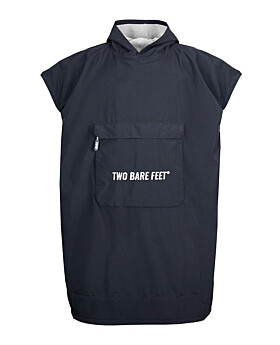
Waterproof Hooded Sleeveless Poncho Changing Robe (Black/Grey)
As low as £34.99 Regular Price £59.99 -
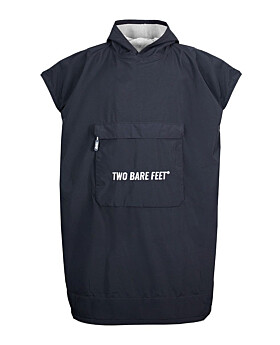
Waterproof Hooded Sleeveless Poncho Changing Robe (Black/Grey)-Small
Special Price £34.99 Regular Price £59.99 -
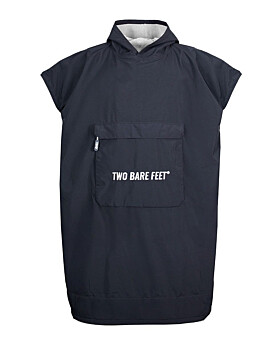
Waterproof Hooded Sleeveless Poncho Changing Robe (Black/Grey)-Medium
Special Price £34.99 Regular Price £59.99 -
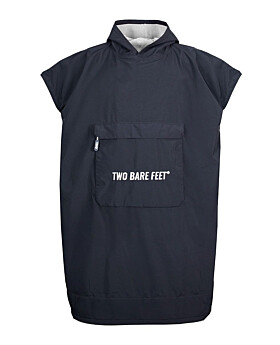
Waterproof Hooded Sleeveless Poncho Changing Robe (Black/Grey)-Large
Special Price £34.99 Regular Price £59.99 -
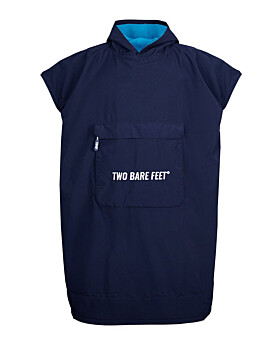
Waterproof Hooded Sleeveless Poncho Changing Robe (Marine Blue/Blue)
As low as £34.99 Regular Price £59.99 -
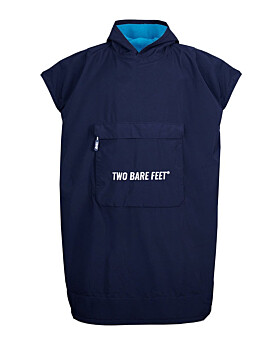
Waterproof Hooded Sleeveless Poncho Changing Robe (Marine Blue/Blue)-Small
Special Price £34.99 Regular Price £59.99 -
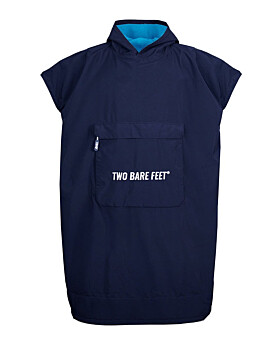
Waterproof Hooded Sleeveless Poncho Changing Robe (Marine Blue/Blue)-Medium
Special Price £34.99 Regular Price £59.99 -
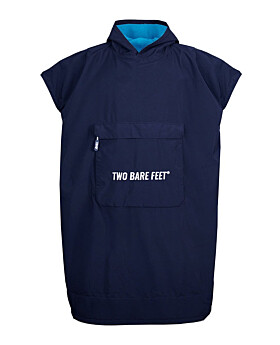
Waterproof Hooded Sleeveless Poncho Changing Robe (Marine Blue/Blue)-Large
Special Price £34.99 Regular Price £59.99 -
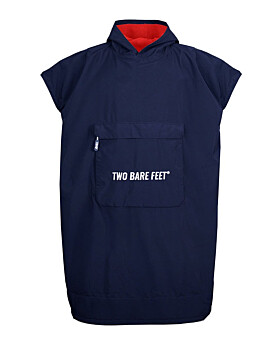
Waterproof Hooded Sleeveless Poncho Changing Robe (Marine Blue/Red)
As low as £34.99 Regular Price £59.99 -
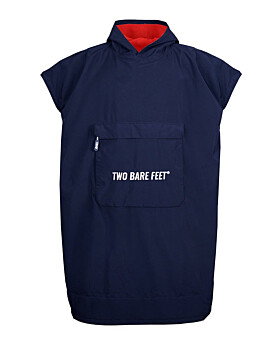
Waterproof Hooded Sleeveless Poncho Changing Robe (Marine Blue/Red)-Small
Special Price £34.99 Regular Price £59.99 -
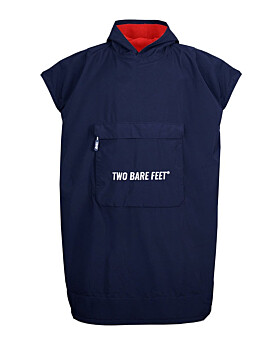
Waterproof Hooded Sleeveless Poncho Changing Robe (Marine Blue/Red)-Medium
Special Price £34.99 Regular Price £59.99 -
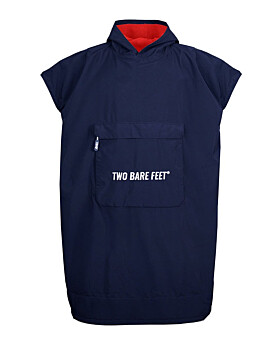
Waterproof Hooded Sleeveless Poncho Changing Robe (Marine Blue/Red)-Large
Special Price £34.99 Regular Price £59.99 -
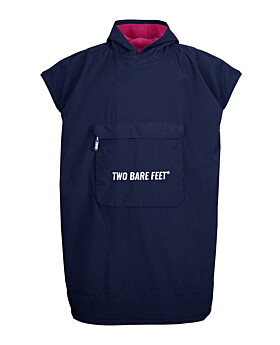
Waterproof Hooded Sleeveless Poncho Changing Robe (Marine Blue/Raspberry)
As low as £34.99 Regular Price £59.99 -
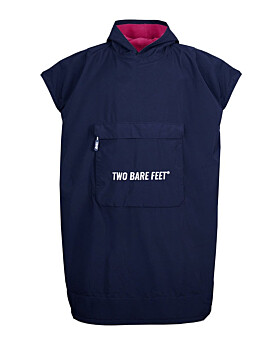
Waterproof Hooded Sleeveless Poncho Changing Robe (Marine Blue/Raspberry)-Small
Special Price £34.99 Regular Price £59.99 -
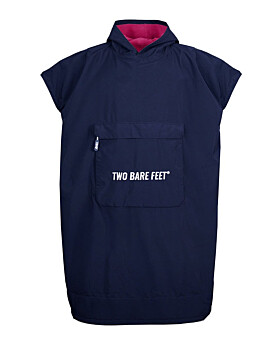
Waterproof Hooded Sleeveless Poncho Changing Robe (Marine Blue/Raspberry)-Medium
Special Price £34.99 Regular Price £59.99 -
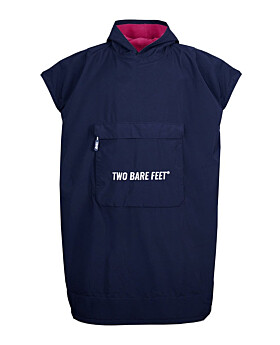
Waterproof Hooded Sleeveless Poncho Changing Robe (Marine Blue/Raspberry)-Large
Special Price £34.99 Regular Price £59.99 -
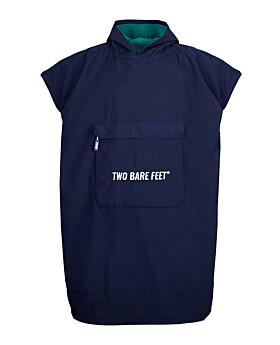
Waterproof Hooded Sleeveless Poncho Changing Robe (Marine Blue/Sea Green)
As low as £34.99 Regular Price £59.99 -
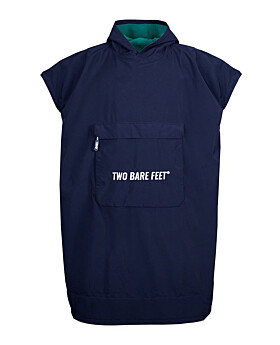
Waterproof Hooded Sleeveless Poncho Changing Robe (Marine Blue/Sea Green)-Small
Special Price £34.99 Regular Price £59.99 -
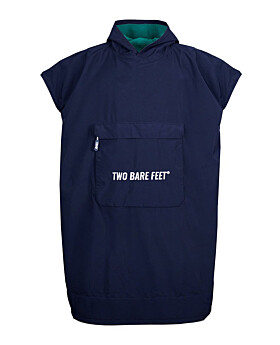
Waterproof Hooded Sleeveless Poncho Changing Robe (Marine Blue/Sea Green)-Medium
Special Price £34.99 Regular Price £59.99 -
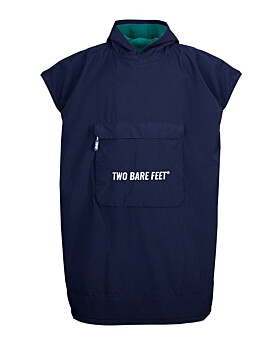
Waterproof Hooded Sleeveless Poncho Changing Robe (Marine Blue/Sea Green)-Large
Special Price £34.99 Regular Price £59.99 -
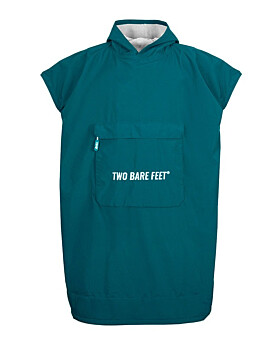
Waterproof Hooded Sleeveless Poncho Changing Robe (Sea Green/Grey)
As low as £34.99 Regular Price £59.99 -
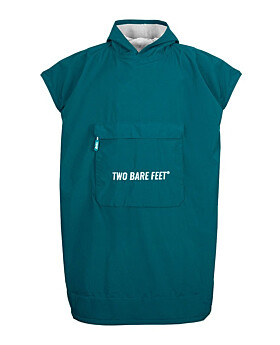
Waterproof Hooded Sleeveless Poncho Changing Robe (Sea Green/Grey)-Small
Special Price £34.99 Regular Price £59.99 -
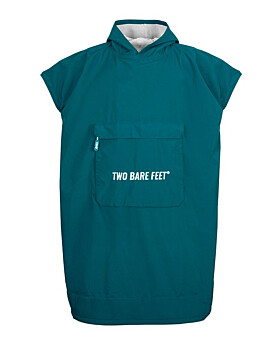
Waterproof Hooded Sleeveless Poncho Changing Robe (Sea Green/Grey)-Medium
Special Price £34.99 Regular Price £59.99 -
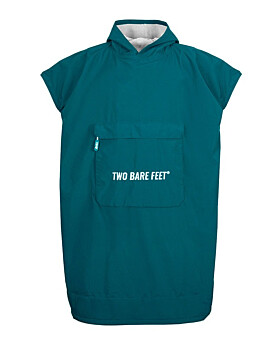
Waterproof Hooded Sleeveless Poncho Changing Robe (Sea Green/Grey)-Large
Special Price £34.99 Regular Price £59.99 -
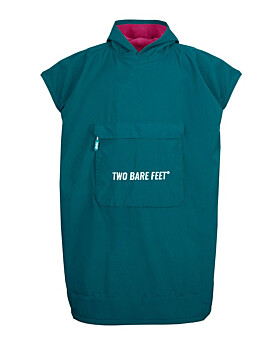
Waterproof Hooded Sleeveless Poncho Changing Robe (Sea Green/Raspberry)
As low as £34.99 Regular Price £59.99 -
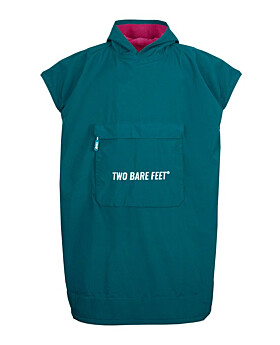
Waterproof Hooded Sleeveless Poncho Changing Robe (Sea Green/Raspberry)-Small
Special Price £34.99 Regular Price £59.99 -
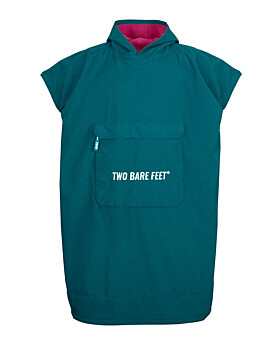
Waterproof Hooded Sleeveless Poncho Changing Robe (Sea Green/Raspberry)-Medium
Special Price £34.99 Regular Price £59.99 -
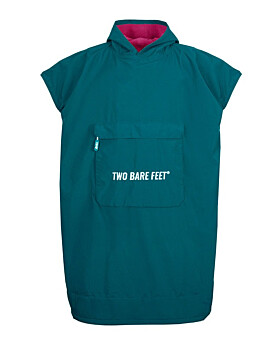
Waterproof Hooded Sleeveless Poncho Changing Robe (Sea Green/Raspberry)-Large
Special Price £34.99 Regular Price £59.99 -
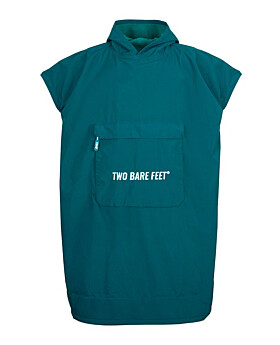
Waterproof Hooded Sleeveless Poncho Changing Robe (Sea Green/Sea Green)
As low as £34.99 Regular Price £59.99 -
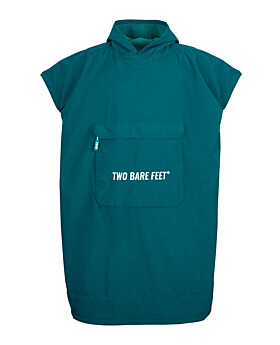
Waterproof Hooded Sleeveless Poncho Changing Robe (Sea Green/Sea Green)-Small
Special Price £34.99 Regular Price £59.99 -
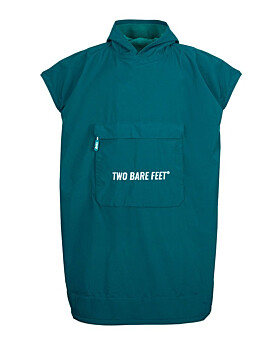
Waterproof Hooded Sleeveless Poncho Changing Robe (Sea Green/Sea Green)-Medium
Special Price £34.99 Regular Price £59.99 -
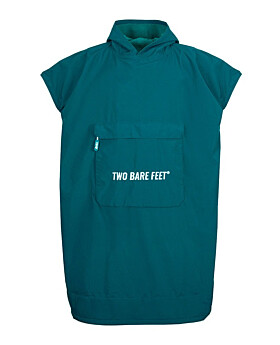
Waterproof Hooded Sleeveless Poncho Changing Robe (Sea Green/Sea Green)-Large
Special Price £34.99 Regular Price £59.99 -
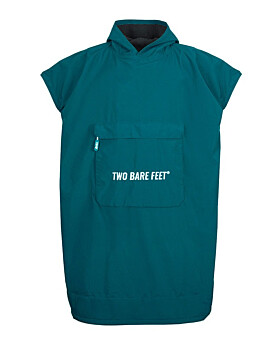
Waterproof Hooded Sleeveless Poncho Changing Robe (Sea Green/Black)
As low as £34.99 Regular Price £59.99 -
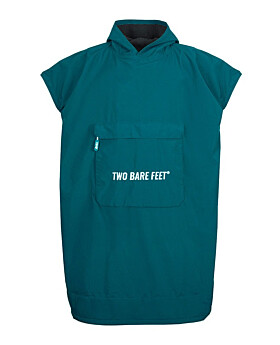
Waterproof Hooded Sleeveless Poncho Changing Robe (Sea Green/Black)-Small
Special Price £34.99 Regular Price £59.99 -
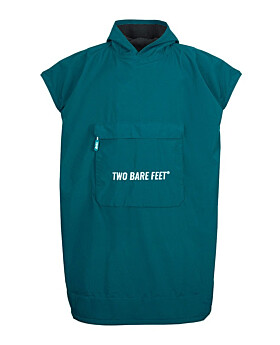
Waterproof Hooded Sleeveless Poncho Changing Robe (Sea Green/Black)-Medium
Special Price £34.99 Regular Price £59.99 -
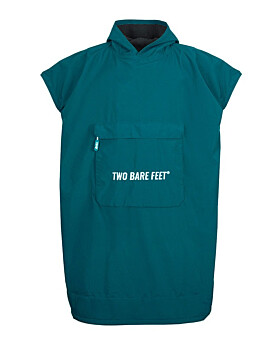
Waterproof Hooded Sleeveless Poncho Changing Robe (Sea Green/Black)-Large
Special Price £34.99 Regular Price £59.99 -
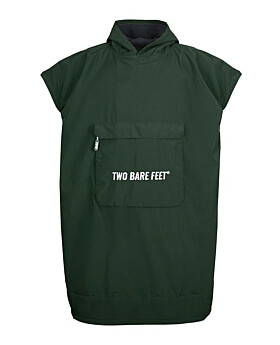
Waterproof Hooded Sleeveless Poncho Changing Robe (Khaki/Black)
As low as £34.99 Regular Price £59.99 -
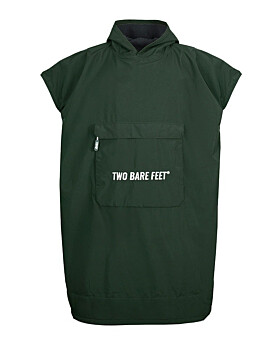
Waterproof Hooded Sleeveless Poncho Changing Robe (Khaki/Black)-Small
Special Price £34.99 Regular Price £59.99 -
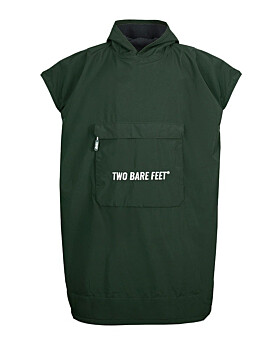
Waterproof Hooded Sleeveless Poncho Changing Robe (Khaki/Black)-Medium
Special Price £34.99 Regular Price £59.99 -
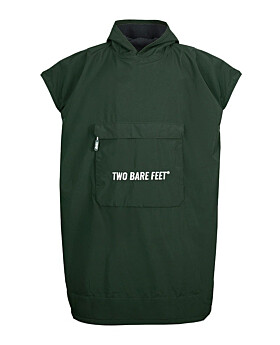
Waterproof Hooded Sleeveless Poncho Changing Robe (Khaki/Black)-Large
Special Price £34.99 Regular Price £59.99 -
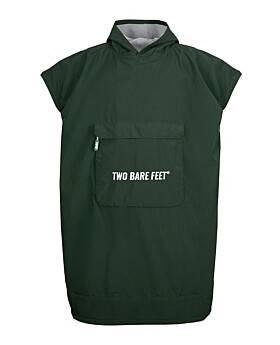
Waterproof Hooded Sleeveless Poncho Changing Robe (Khaki/Grey)
As low as £34.99 Regular Price £59.99 -
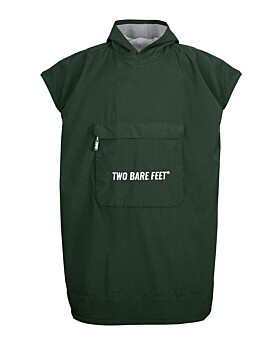
Waterproof Hooded Sleeveless Poncho Changing Robe (Khaki/Grey)-Small
Special Price £34.99 Regular Price £59.99 -
Waterproof Hooded Sleeveless Poncho Changing Robe (Khaki/Grey)-Medium
Special Price £34.99 Regular Price £59.99 -
Waterproof Hooded Sleeveless Poncho Changing Robe (Khaki/Grey)-Large
Special Price £34.99 Regular Price £59.99 -
Waterproof Hooded Sleeveless Poncho Changing Robe (Khaki/Raspberry)
As low as £34.99 Regular Price £59.99 -
Waterproof Hooded Sleeveless Poncho Changing Robe (Khaki/Raspberry)-Small
Special Price £34.99 Regular Price £59.99 -
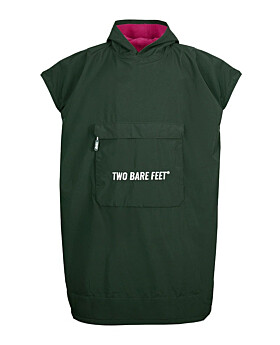
Waterproof Hooded Sleeveless Poncho Changing Robe (Khaki/Raspberry)-Medium
Special Price £34.99 Regular Price £59.99 -
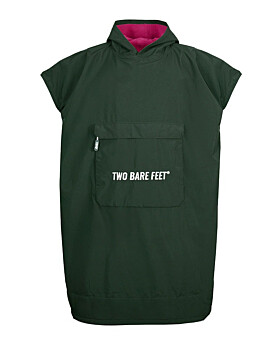
Waterproof Hooded Sleeveless Poncho Changing Robe (Khaki/Raspberry)-Large
Special Price £34.99 Regular Price £59.99 -
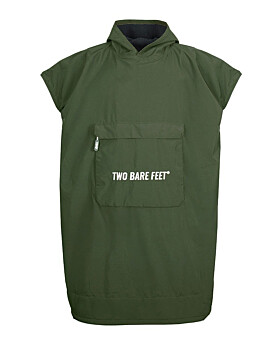
Waterproof Hooded Sleeveless Poncho Changing Robe (Forest/Black)
As low as £34.99 Regular Price £59.99 -
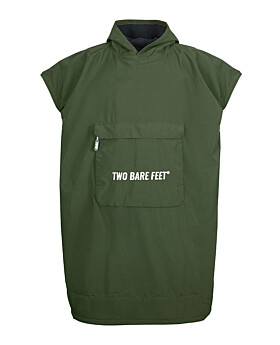
Waterproof Hooded Sleeveless Poncho Changing Robe (Forest/Black)-Small
Special Price £34.99 Regular Price £59.99 -
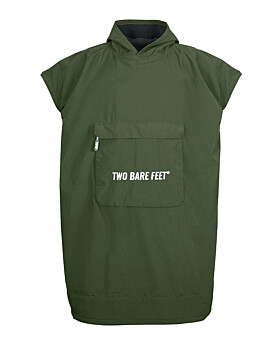
Waterproof Hooded Sleeveless Poncho Changing Robe (Forest/Black)-Medium
Special Price £34.99 Regular Price £59.99 -
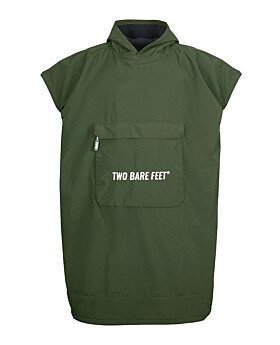
Waterproof Hooded Sleeveless Poncho Changing Robe (Forest/Black)-Large
Special Price £34.99 Regular Price £59.99 -
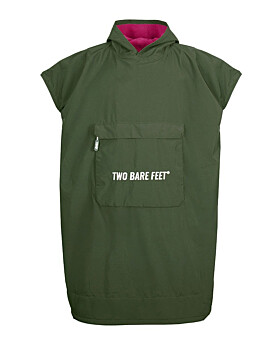
Waterproof Hooded Sleeveless Poncho Changing Robe (Forest/Raspberry)
As low as £34.99 Regular Price £59.99 -

Waterproof Hooded Sleeveless Poncho Changing Robe (Forest/Raspberry)-Small
Special Price £34.99 Regular Price £59.99 -

Waterproof Hooded Sleeveless Poncho Changing Robe (Forest/Raspberry)-Medium
Special Price £34.99 Regular Price £59.99 -

Waterproof Hooded Sleeveless Poncho Changing Robe (Forest/Raspberry)-Large
Special Price £34.99 Regular Price £59.99
The weatherproof poncho changing robe
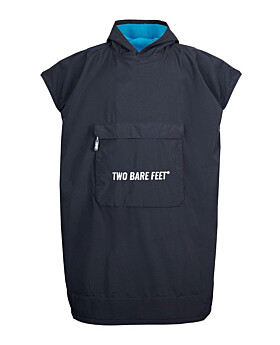
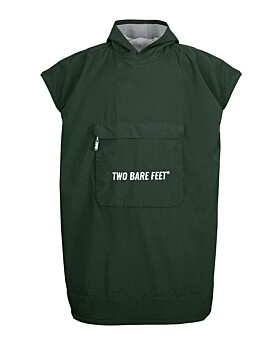
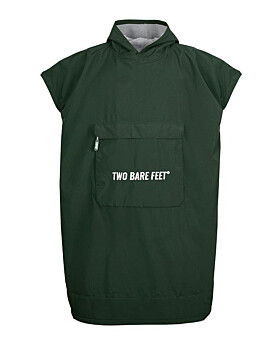
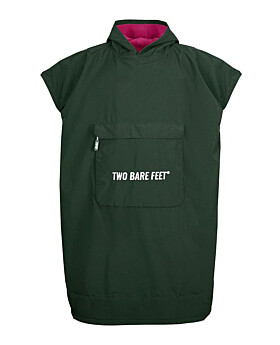
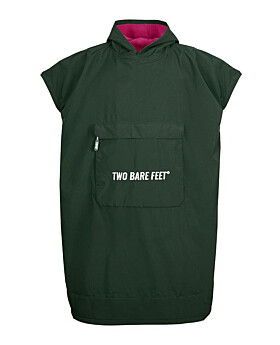
The Poncho Adult Weatherproof Changing Robe offers a sleeveless, pull-over design that works beautifully for its intended purpose: warm-weather beach changing and casual outdoor use. Its overhead-only entry and absence of a front zip make it easy to throw on after swimming, providing coverage and warmth with minimal fuss.
For mounted use, however, this design presents issues. The lack of a front opening means the entire garment must be pulled over the head, which is impractical while wearing a riding helmet and impossible to do while mounted. If conditions change during a ride, the rider cannot easily remove or adjust the poncho without dismounting and removing their helmet.
More importantly, the sleeveless design offers no arm protection against wind and rain. Riders’ arms are exposed to the elements, making the poncho unsuitable for typical British riding conditions where hands and arms are particularly vulnerable to cold.
This does not mean the Poncho has no place in equestrian use. For changing in the lorry or horsebox, it offers excellent privacy and warmth. For warm summer days when minimal coverage is acceptable, or for quick cover-ups during unexpected showers at shows, its simple pull-on design offers convenience. But for actual riding, the absence of sleeves and front opening makes it unsuitable.
-

Elemental Waterproof Lightweight Slimline Changing Robe (Ice Blue/Grey)-Adults S / M
Special Price £69.99 Regular Price £139.99 -

Elemental Waterproof Lightweight Slimline Changing Robe (Ice Blue/Grey)-Adults L / XL
Special Price £69.99 Regular Price £139.99 -
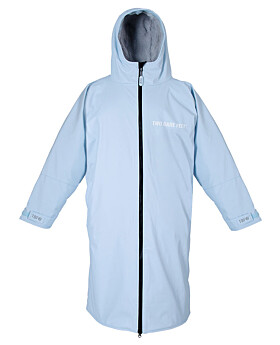
Elemental Waterproof Lightweight Slimline Changing Robe (Ice Blue/Grey)
As low as £69.99 Regular Price £139.99 -

Elemental Waterproof Lightweight Slimline Changing Robe (Dusk/Cream)-Adults S / M
Special Price £69.99 Regular Price £139.99 -

Elemental Waterproof Lightweight Slimline Changing Robe (Dusk/Cream)-Adults L / XL
Special Price £69.99 Regular Price £139.99 -
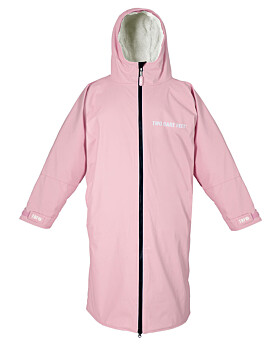
Elemental Waterproof Lightweight Slimline Changing Robe (Dusk/Cream)
As low as £69.99 Regular Price £139.99 -
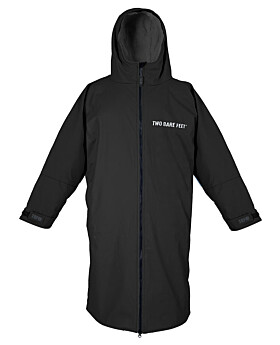
Elemental Waterproof Lightweight Slimline Changing Robe (Black/Charcoal)
As low as £69.99 Regular Price £139.99 -
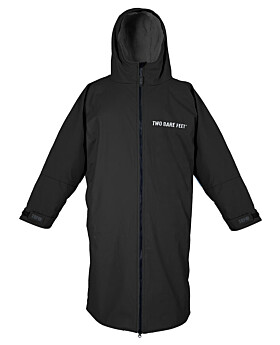
Elemental Waterproof Lightweight Slimline Changing Robe (Black/Charcoal)-Adults S / M
Special Price £69.99 Regular Price £139.99 -
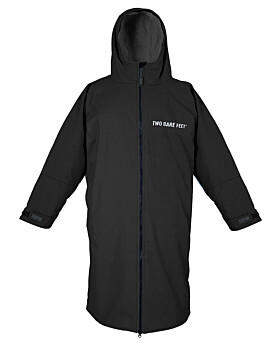
Elemental Waterproof Lightweight Slimline Changing Robe (Black/Charcoal)-Adults L / XL
Special Price £69.99 Regular Price £139.99 -
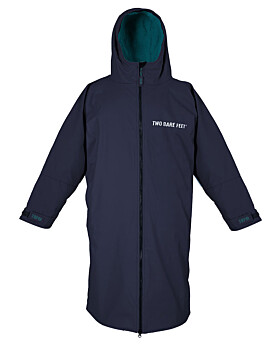
Elemental Waterproof Lightweight Slimline Changing Robe (Navy/Sea Green)
As low as £69.99 Regular Price £139.99 -
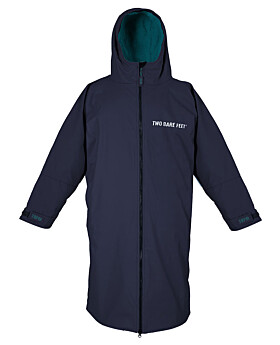
Elemental Waterproof Lightweight Slimline Changing Robe (Navy/Sea Green)-Adults S / M
Special Price £69.99 Regular Price £139.99 -
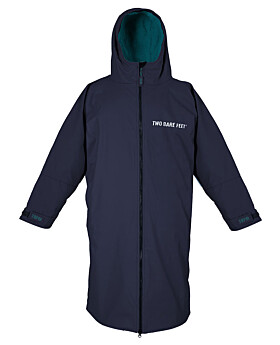
Elemental Waterproof Lightweight Slimline Changing Robe (Navy/Sea Green)-Adults L / XL
Special Price £69.99 Regular Price £139.99 -
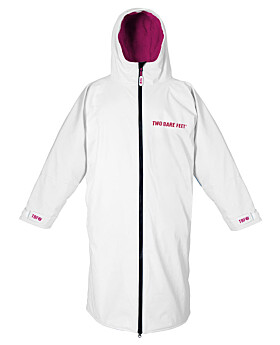
Elemental Waterproof Lightweight Slimline Changing Robe (White/Raspberry)
As low as £69.99 Regular Price £139.99 -
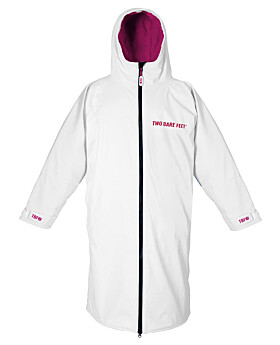
Elemental Waterproof Lightweight Slimline Changing Robe (White/Raspberry)-Adults S / M
Special Price £69.99 Regular Price £139.99 -
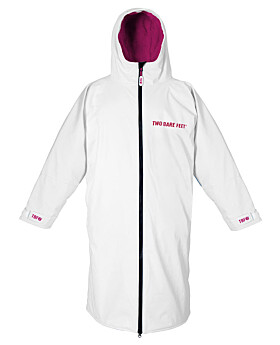
Elemental Waterproof Lightweight Slimline Changing Robe (White/Raspberry)-Adults L / XL
Special Price £69.99 Regular Price £139.99 -
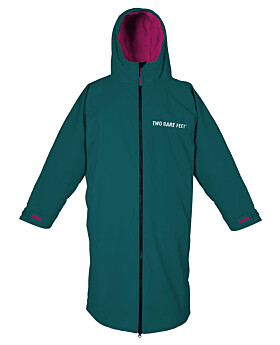
Elemental Waterproof Lightweight Slimline Changing Robe (Sea Green/Raspberry)
As low as £69.99 Regular Price £139.99 -
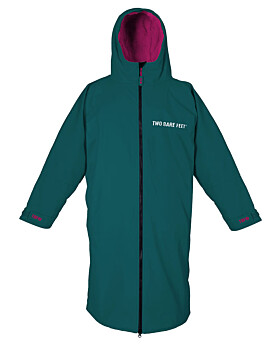
Elemental Waterproof Lightweight Slimline Changing Robe (Sea Green/Raspberry)-Adults S / M
Special Price £69.99 Regular Price £139.99 -
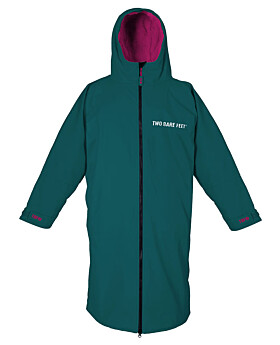
Elemental Waterproof Lightweight Slimline Changing Robe (Sea Green/Raspberry)-Adults L / XL
Special Price £69.99 Regular Price £139.99
The elemental range: for the instructor standing in the rain
The Elemental Adult Waterproof Changing Robe occupies a particular niche that suits certain equestrians perfectly. With its slimline fit and 10K waterproof rating, this range offers premium weather protection in a more tailored silhouette than the oversized changing robes.
Riding instructors often spend hours standing in arenas, exposed to whatever weather arrives. They need serious waterproofing that will withstand prolonged exposure, but they also need to maintain a professional appearance and freedom of movement for demonstrations. The Elemental’s slimline cut provides this combination, offering knee-length coverage without the bulk of an oversized robe.
The 150gsm sherpa fleece lining provides adequate warmth for standing activities without causing overheating if the instructor needs to hop on a horse briefly. This balance makes the Elemental particularly suitable for professional use where appearance, protection, and occasional active movement all matter.
For spectators and parents watching from the sidelines, the Elemental offers similar benefits. Its more structured look may appeal to those who find the oversized look of standard changing robes too casual, while still providing the warmth and weather protection that make standing in exposed positions bearable.
-
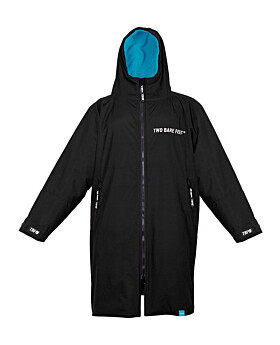
Core Waterproof Changing Robe (Black/Blue)
As low as £59.99 Regular Price £99.99 -
Core Waterproof Changing Robe (Black/Blue)-Small
Special Price £59.99 Regular Price £99.99 -
Core Waterproof Changing Robe (Black/Blue)-Medium
Special Price £59.99 Regular Price £99.99 -
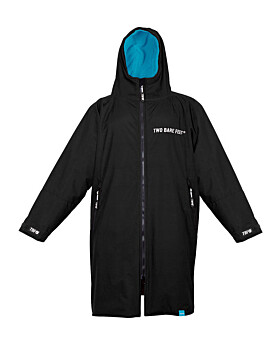
Core Waterproof Changing Robe (Black/Blue)-Large
Special Price £59.99 Regular Price £99.99 -
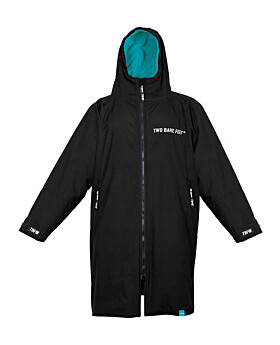
Core Waterproof Changing Robe (Black/Teal)
As low as £59.99 Regular Price £99.99 -
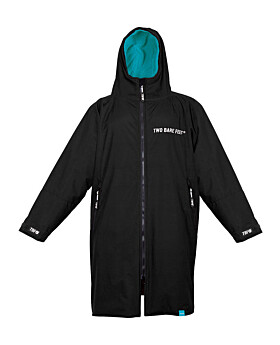
Core Waterproof Changing Robe (Black/Teal)-Small
Special Price £59.99 Regular Price £99.99 -
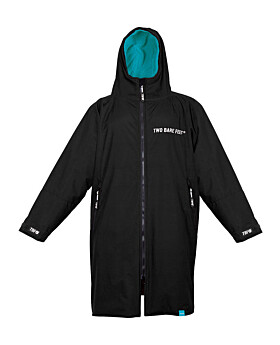
Core Waterproof Changing Robe (Black/Teal)-Medium
Special Price £59.99 Regular Price £99.99 -
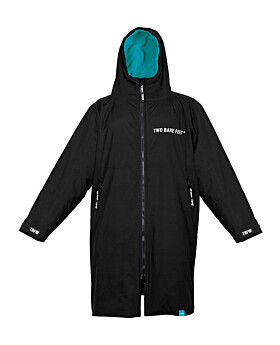
Core Waterproof Changing Robe (Black/Teal)-Large
Special Price £59.99 Regular Price £99.99 -
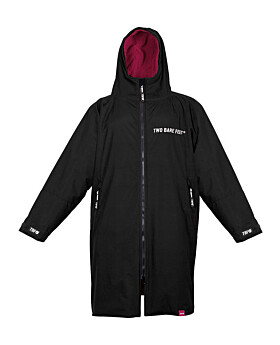
Core Waterproof Changing Robe (Black/Raspberry)
As low as £59.99 Regular Price £99.99 -
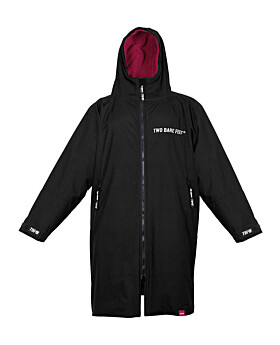
Core Waterproof Changing Robe (Black/Raspberry)-Small
Special Price £59.99 Regular Price £99.99 -
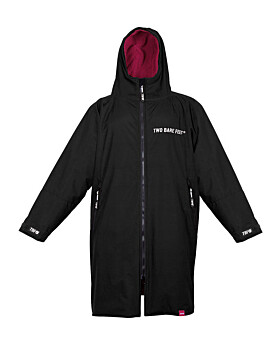
Core Waterproof Changing Robe (Black/Raspberry)-Medium
Special Price £59.99 Regular Price £99.99 -
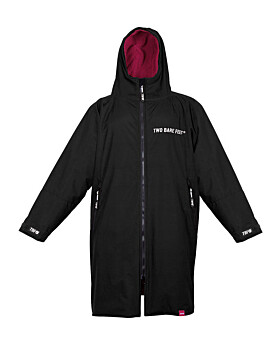
Core Waterproof Changing Robe (Black/Raspberry)-Large
Special Price £59.99 Regular Price £99.99 -
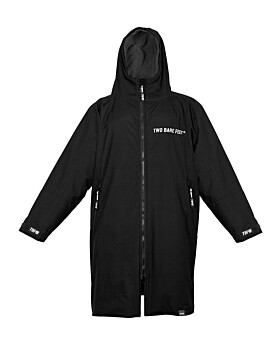
Core Waterproof Changing Robe (Black/Charcoal)
As low as £59.99 Regular Price £99.99 -
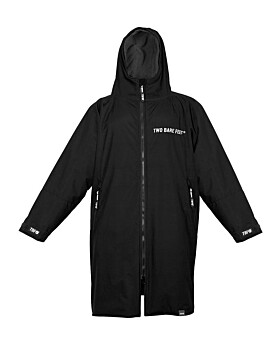
Core Waterproof Changing Robe (Black/Charcoal)-Small
Special Price £59.99 Regular Price £99.99 -
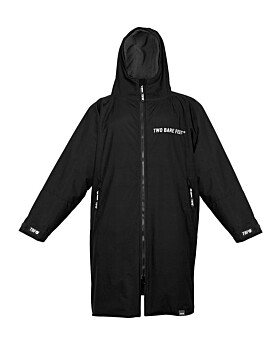
Core Waterproof Changing Robe (Black/Charcoal)-Medium
Special Price £59.99 Regular Price £99.99 -
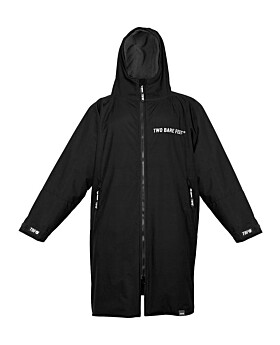
Core Waterproof Changing Robe (Black/Charcoal)-Large
Special Price £59.99 Regular Price £99.99 -
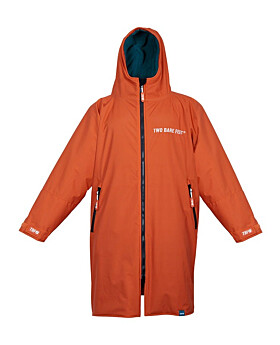
Core Waterproof Changing Robe (Burnt Orange/Sea Green)
As low as £59.99 Regular Price £99.99 -
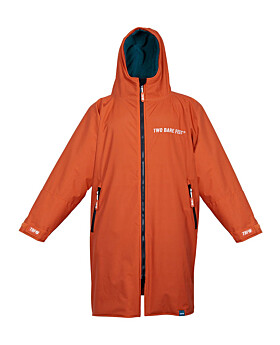
Core Waterproof Changing Robe (Burnt Orange/Sea Green)-Small
Special Price £59.99 Regular Price £99.99 -
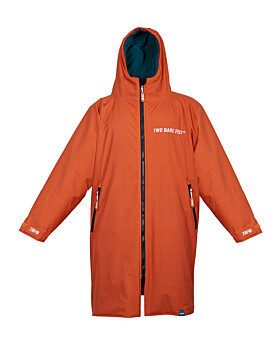
Core Waterproof Changing Robe (Burnt Orange/Sea Green)-Medium
Special Price £59.99 Regular Price £99.99 -
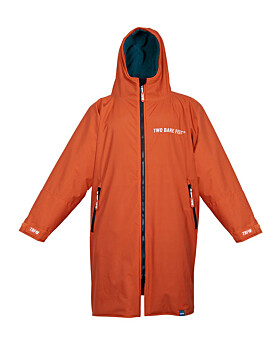
Core Waterproof Changing Robe (Burnt Orange/Sea Green)-Large
Special Price £59.99 Regular Price £99.99 -
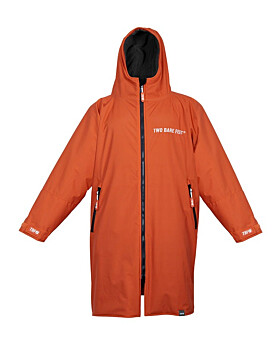
Core Waterproof Changing Robe (Burnt Orange/Charcoal)
As low as £59.99 Regular Price £99.99 -
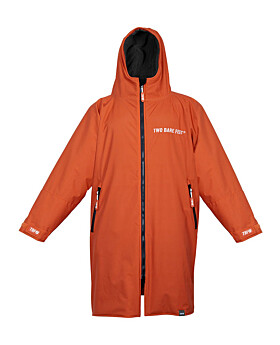
Core Waterproof Changing Robe (Burnt Orange/Charcoal)-Small
Special Price £59.99 Regular Price £99.99 -
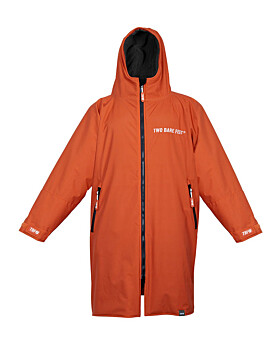
Core Waterproof Changing Robe (Burnt Orange/Charcoal)-Medium
Special Price £59.99 Regular Price £99.99 -
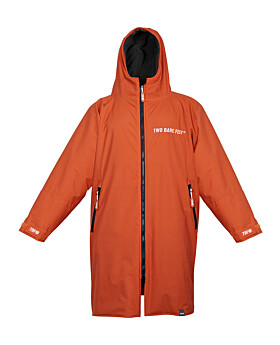
Core Waterproof Changing Robe (Burnt Orange/Charcoal)-Large
Special Price £59.99 Regular Price £99.99 -
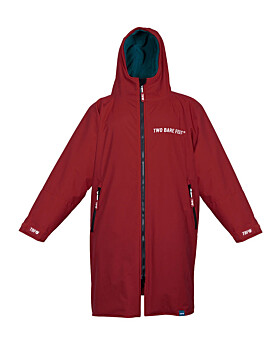
Core Waterproof Changing Robe (Deep Red/Sea Green)
As low as £59.99 Regular Price £99.99 -
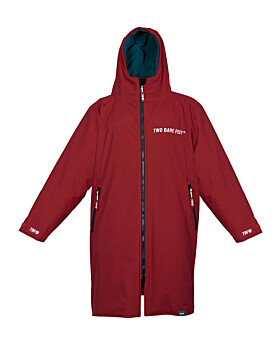
Core Waterproof Changing Robe (Deep Red/Sea Green)-Small
Special Price £59.99 Regular Price £99.99 -
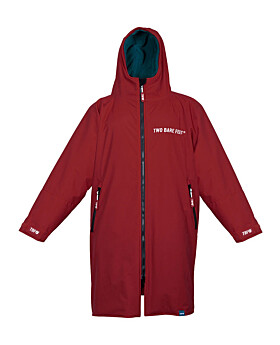
Core Waterproof Changing Robe (Deep Red/Sea Green)-Medium
Special Price £59.99 Regular Price £99.99 -
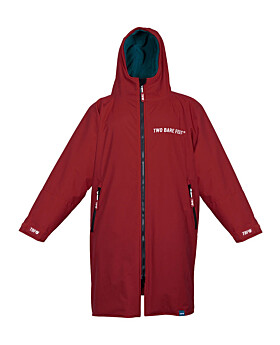
Core Waterproof Changing Robe (Deep Red/Sea Green)-Large
Special Price £59.99 Regular Price £99.99 -
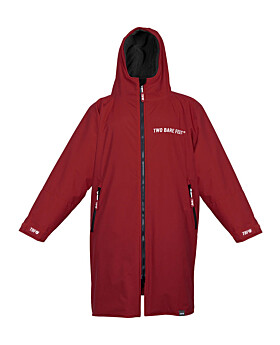
Core Waterproof Changing Robe (Deep Red/Charcoal)
As low as £59.99 Regular Price £99.99 -
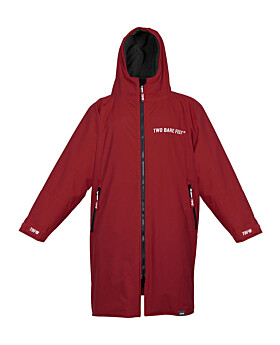
Core Waterproof Changing Robe (Deep Red/Charcoal)-Small
Special Price £59.99 Regular Price £99.99 -
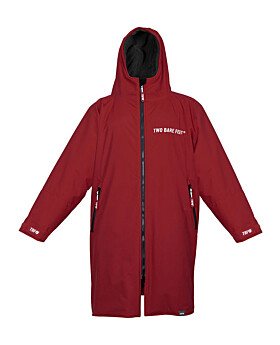
Core Waterproof Changing Robe (Deep Red/Charcoal)-Medium
Special Price £59.99 Regular Price £99.99 -
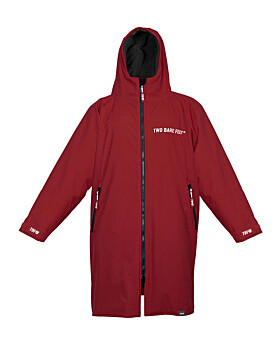
Core Waterproof Changing Robe (Deep Red/Charcoal)-Large
Special Price £59.99 Regular Price £99.99 -
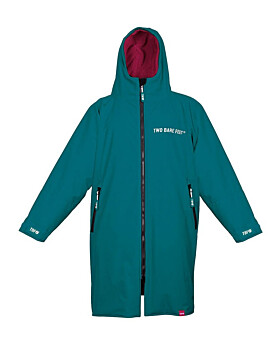
Core Waterproof Changing Robe (Sea Green/Raspberry)
As low as £59.99 Regular Price £99.99 -
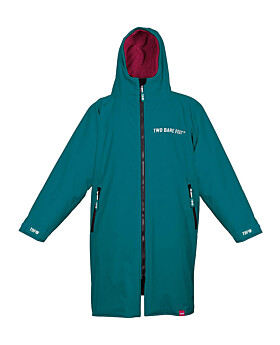
Core Waterproof Changing Robe (Sea Green/Raspberry)-Medium
Special Price £59.99 Regular Price £99.99
The core range: the grooming-friendly option
The Core Adult Waterproof Changing Robe represents excellent value for equestrians seeking reliable protection without specialist riding features. With its 10K waterproof rating and sherpa fleece lining, it offers serious weather protection at a lower price point.
For those seeking waterproof coats for mucking out, the Core range stands out as a practical choice. The oversized fit allows layering underneath for cold winter mornings, while the durable construction withstands the inevitable contact with hay, bedding, and horse-related grime. The wide sleeves permit full arm movement for grooming and handling, and the generous length protects the wearer’s legs from splashes and muck.
What the Core range lacks are the specific riding adaptations: the two-way zip, side vents, and leg straps that make the Riding Robe suitable for mounted use. For someone who rarely gets in the saddle but spends hours on the yard, this trade-off makes perfect sense. The Core delivers the essential protection without features that would go unused.
The range also offers excellent versatility for multi-activity households. A Core robe purchased primarily for stable use can serve equally well for dog walking, fishing, camping, or any other outdoor pursuit where warmth and weather protection matter more than saddle compatibility.
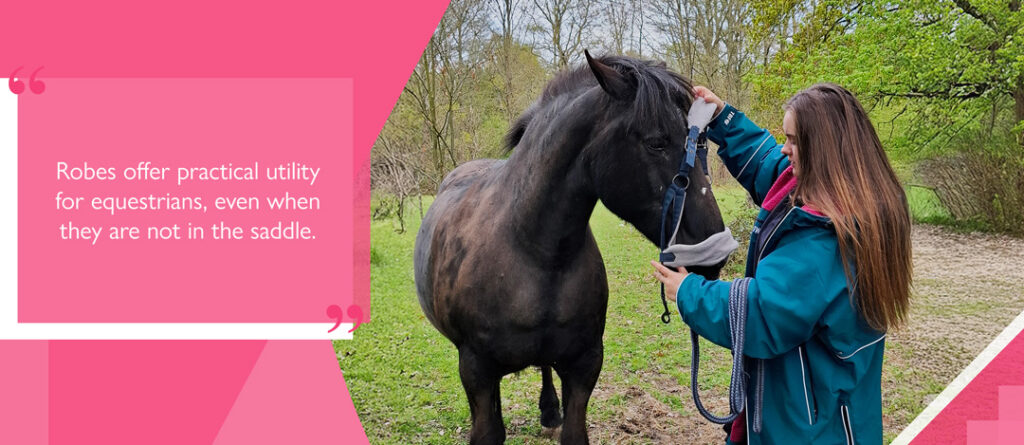
6. Can a riding robe double as a changing robe?
For equestrians who also enjoy watersports, camping, or other outdoor activities, the versatility of a riding robe will justify the investment.
Changing space and fit
Two Bare Feet’s riding robes maintain an oversized fit that provides reasonable internal space for changing. While the cut is somewhat more tailored than the dedicated changing robes, to prevent excess fabric bunching in the saddle, the generous sizing still allows wearers to pull their arms inside for modest outfit changes.
The reality is that most equestrian changing involves swapping layers rather than complete outfit changes. Pulling off a sweaty base layer and replacing it with a dry one, or adding a warm mid-layer before the drive home, rarely requires the full changing-room capabilities of an oversized robe. The riding robe’s interior provides sufficient space for these common scenarios while maintaining a fit that works better in the saddle.
For beach use or post-swimming changes, the riding robe remains functional though with slightly less room than dedicated changing robes. The ability to open both the top and bottom of the two-way zip provides additional access for changing, partially compensating for the more tailored overall fit.
The ‘one coat to rule them all’ argument
For riders who occasionally swim, surf, or participate in other outdoor activities, the riding robe offers a compelling proposition as a single versatile garment. The argument runs as follows: a standard changing robe cannot be safely or comfortably worn for riding, but a riding robe can be used for changing, albeit with slightly reduced capacity.
This logic makes the riding robe the more versatile investment for anyone whose primary outdoor activity involves horses. The rider gains a garment that excels at its main purpose while still functioning adequately for secondary uses. By contrast, an equestrian who purchases a standard changing robe may find it serves well for yard work and post-ride warmth but requires supplementary gear for actual riding.
The exception to this reasoning applies to riders for whom changing is the primary concern—perhaps those who rarely hack or school in cold weather but frequently need to change at events or clinics. For these riders, the greater internal space of a dedicated changing robe like the Original may justify accepting its limitations for occasional riding.
7. At-a-glance comparison of robe features
The following table highlights key features across the Two Bare Feet weatherproof robe range which may be most relevant to equestrians:
|
Feature |
Riding Robe |
Original |
Core |
Elemental |
Poncho |
|
Two-way zip |
Yes |
Yes |
Yes |
Yes |
No |
|
Leg straps |
Yes |
No |
No |
No |
No |
|
Side vents |
Yes |
No |
No |
No |
No |
|
Hi-vis option |
Yes |
No |
No |
No |
No |
|
Waterproof rating |
8K/10K |
8K |
10K |
10K |
8K |
|
Helmet-fit hood |
Yes |
Partial |
Partial |
Partial |
Partial |
|
Changing volume |
Good |
Excellent |
Excellent |
Moderate |
Excellent |
|
Suitable for riding |
Excellent |
Poor |
Poor |
Moderate |
Not recommended |
8. Making the right choice for your equestrian lifestyle
The choice between riding robes and changing robes ultimately depends on how you spend your time with horses. Both categories offer genuine value, but their strengths align with different patterns of use. The following summaries should help clarify which garment suits which rider.
Choose the Original or Core Robe if…
The Original or Core Weatherproof Changing Robes make the most sense for equestrians whose time around horses primarily involves groundwork rather than riding. If you spend most of your stable time grooming, mucking out, filling hay nets, and handling horses without actually getting in the saddle, these robes offer ideal protection without features you will not use.
Parents watching their children’s lessons, grooms working long hours in exposed yards, and owners whose horses are currently resting or retired all fit this profile. The same applies to riders who primarily school in indoor arenas, where the protection and visibility concerns of outdoor hacking do not apply.
The Original’s thicker sherpa lining suits those who will be standing or walking rather than actively riding. The complimentary changing mat adds value for anyone who regularly changes at the yard or show grounds. And for those seeking exceptional value, the Core range delivers premium weatherproofing at an accessible price point.
Choose the Elemental Robe if…
The Elemental Waterproof Changing Robe suits those who demand the highest technical specifications for weather protection while preferring a more tailored appearance. Riding instructors teaching in exposed outdoor arenas represent the archetypal users, standing for hours in conditions that would defeat lesser garments.
The slimline fit also appeals to spectators and professionals who want serious protection without the oversized appearance of traditional changing robes. For those who move between barn and arena without actually riding, or who need to maintain a polished appearance while still staying warm and dry, the Elemental’s balance of form and function is ideal.
Choose the Riding Robe if…
The Two Bare Feet Riding Robe makes the most sense for riders who regularly hack out, school in open weather, or otherwise spend significant time in the saddle during challenging conditions. If road work forms part of your regular routine, the Hi-Vis version’s reflective elements provide essential visibility. It is the ultimate riding coat for hacking, combining warmth, weather protection, and safety in a single garment.
The robe’s standout features—two-way zip, side vents, leg straps, and helmet-compatible hood—address the specific challenges of mounted use. Riders who have struggled with conventional coats bunching in the saddle, flapping in the wind, or failing to provide adequate coverage will appreciate how thoroughly the riding robe addresses these issues.
The riding robe also serves as the best choice for those seeking a single garment that covers both riding and yard work. While it may offer slightly less internal space for changing than dedicated changing robes, it remains functional for this purpose while excelling at the mounted use that standard robes cannot safely accommodate.
9. Riding and caring for horses with confidence
Whether you spend most of your time in the saddle or on the ground, keeping warm and dry makes everything about horse care more enjoyable. The right robe turns a dreaded early morning muck-out into a manageable task, transforms a winter hack from an ordeal into an adventure, and ensures the hours spent standing in arenas remain comfortable rather than miserable.
Two Bare Feet’s range of weatherproof robes offers options for every equestrian scenario, from the specialist riding robe engineered for safety in the saddle to the versatile changing robes that serve equally well on the yard, at the beach, or anywhere else the British weather threatens to make life uncomfortable.
Explore the full range to find the robe that matches your riding life. With free UK delivery on orders over £70 and the reassurance of quality-tested, sustainably produced gear, investing in proper protection has never been easier. Your horses depend on you to show up regardless of conditions, so make sure you have the kit that makes that possible.