13 November 2025
Embarking on a hike across the British landscape is to experience nature in its most authentic and often unpredictable state. From the sun-drenched coastal paths of Devon to the wind-scoured ridges of the Scottish Highlands, the environment is as varied as it is beautiful. Achieving comfort and safety in these is the result of a deliberate and intelligent approach to what you wear.
This guide is designed to serve both the novice hiker taking their first steps onto the trail and the seasoned walker looking to refine their outdoor wardrobe. We’ll explore the proven practice of layering, a system that allows you to adapt, stay comfortable, and remain safe, no matter what the famously fickle British weather has in store.
By understanding the principles behind each layer and each piece of equipment, you can assemble a versatile and reliable hiking gear checklist that will serve you well on countless adventures to come.
Table of contents
1. Understanding the hiking layering system
2. Base layers: Your foundation for comfort
3. Mid-layers: insulation without bulk
4. Outer layers: your weather shield
5. Lower body layering strategy
6. Footwear: the foundation of every hike
7. Essential accessories for comfort and protection
8. Weather-specific preparation
9. Embark on your adventure with confidence
1. Understanding the hiking layering system
The core principle of dressing for the outdoors is not to simply wear one thick, warm jacket, but to combine several thinner layers of clothing. This is known as the layering system. It is a dynamic and highly effective method for managing your body’s microclimate, allowing you to respond in real-time to changes in the weather and your own physical exertion level.
The three-layer foundation
The hiking layering system is built upon three distinct components, each with a specific and vital function. Each layer works in concert to keep you dry, warm, and protected from the elements.
The first is the base layer, which sits directly against your skin. Its primary job is not warmth, but moisture management. It is designed to wick sweat away from your body, moving it to the outer surface of the fabric where it can evaporate. This is critical for keeping you dry.
The second is the mid-layer, which is your main insulating layer. Its function is to trap the warm air your body generates, creating a protective buffer against the cold. The thickness and material of this layer can be varied depending on the temperature.
The third is the outer layer, often called the shell. This is your shield against the weather. It is designed to be windproof and waterproof, protecting your inner layers from rain and preventing the wind from stripping away the warm air trapped by your mid-layer.
By managing layers well, you can actively prevent serious issues, like the onset of hypothermia, before they arise; just make the appropriate adjustments before you get too hot during an ascent or dangerously chilled during a rest stop.
Why proper layering beats a single heavy jacket
A common mistake is to rely on a single, heavy, insulated jacket for warmth. This results in a crude choice: you either wear the jacket and potentially overheat, or take it off and rapidly cool down. This cycle of sweating heavily while walking uphill, then becoming chilled as that sweat evaporates during a break, is inefficient and uncomfortable.
The layering system offers a far more nuanced and effective solution through the “micro-adjustments”. Feeling a little warm? You can unzip your mid-layer fleece. Wind picking up on the ridge? You can zip up your outer shell. This ability to make small, frequent changes allows you to maintain a stable and comfortable body temperature throughout your hike.
Furthermore, the efficiency of layering comes from its ability to trap air. Still air is one of the best natural insulators. By wearing multiple layers—for instance, a base layer, a fleece, and a shell jacket—you create multiple pockets of air between the fabrics. These trapped air layers provide insulation that is often warmer and significantly less bulky than that offered by a single thick garment. The windproof outer layer is essential here, as its job is to protect these pockets of warm air from being disrupted and blown away by the wind, an effect known as convective heat loss.
Common layering mistakes to avoid
The most frequent and dangerous mistake is wearing cotton clothing. Cotton is highly absorbent; it soaks up sweat and rain and holds that moisture against your skin, losing all its insulating properties and actively drawing heat away from your body. This makes you feel cold, clammy, and can dramatically increase the risk of hypothermia. Always choose synthetic materials or wool instead.
Another common error is overdressing at the start of the hike. It is natural to want to feel warm at the car park, but this is a strategic error. Your body acts like a furnace when you are walking uphill, and if you start warm, you will be sweating profusely within minutes. This saturates your base layer and compromises the entire system for the rest of the day. A core principle followed by experienced hikers is to “be bold, start cold”. Begin your walk feeling slightly cool; your body will generate enough heat to bring you to a comfortable temperature within the first 10 to 15 minutes of exertion, without immediately overloading your clothing with sweat.
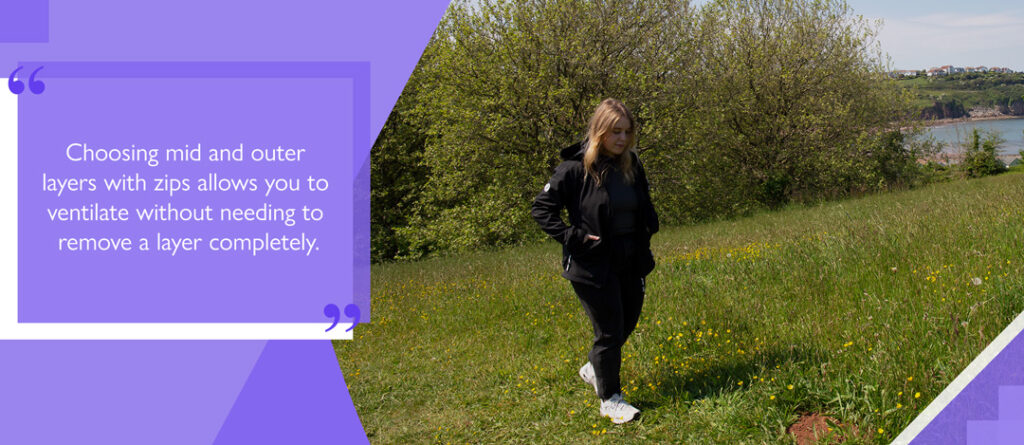
Finally, a failure to plan for ventilation can undermine your efforts. Choosing mid and outer layers with zips allows you to easily dump excess heat without needing to stop and remove a layer completely. Features like pit-zips (zippers under the armpits) on a waterproof jacket are specifically designed for this purpose, allowing you to regulate your temperature while staying protected from the rain.
2. Base layers: Your foundation for comfort
The base layer is arguably the most critical component of the entire system. As the layer worn directly against your skin, its performance dictates the effectiveness of everything you wear on top of it. Its function is to manage moisture and regulate your body temperature, forming the very foundation of your comfort and safety on the trail.
Choosing base layer materials
When it comes to selecting a base layer, the primary choice is between natural merino wool and synthetic fibres. Each has distinct advantages.
Merino wool, sourced from Merino sheep, is exceptionally soft and has a natural ability to regulate temperature, keeping you warm in the cold and surprisingly cool in the heat. It can absorb a significant amount of moisture before it feels wet to the touch and, crucially, it continues to insulate even when damp. One of its most prized qualities for multi-day trips is its natural resistance to odour-causing bacteria.
Synthetic fabrics, most commonly polyester or polypropylene, are the other main option. Their primary strength is in moisture-wicking; they are exceptionally good at pulling sweat away from the skin and drying very quickly. They are also typically more durable and more affordable than merino wool. Their main drawback is a tendency to retain odours over time, although many modern synthetic garments are treated with an anti-microbial finish to combat this. Blends that combine merino wool and synthetic fibres are also available, seeking to offer the best of both worlds: the comfort and odour-resistance of wool with the durability and fast-drying properties of synthetics.
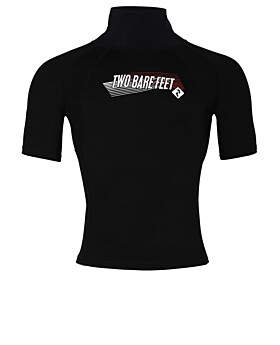
While originally designed for watersports, the technical properties of a thermal rash vest make it an excellent synthetic base layer for hiking. Our Two Bare Feet Thermal Rash Vests, made from a 95% Polyester and 5% Spandex blend with a soft inner fleece lining, are engineered to pull moisture away from the skin while providing a crucial layer of initial warmth. The use of flatlock seams minimises chafing, embodying the principles of a high-performance base layer designed for extended activity.
-
Two Bare Feet Adults Thermal Short Sleeve Rash Vest (Black)
As low as £17.99 Regular Price £21.99 -
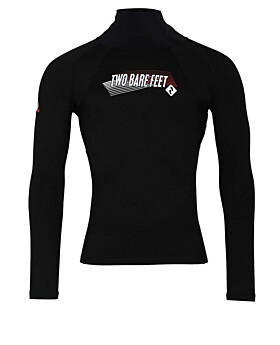
Two Bare Feet Adults Thermal Long Sleeve Rash Vest (Black)
£19.99 -
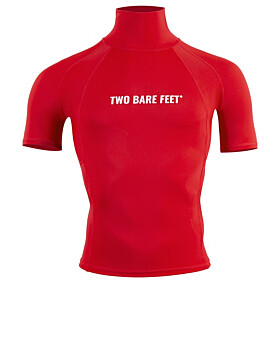
Two Bare Feet Adults Short Sleeve Rash Vest (Red)
As low as £15.99 Regular Price £19.99 -
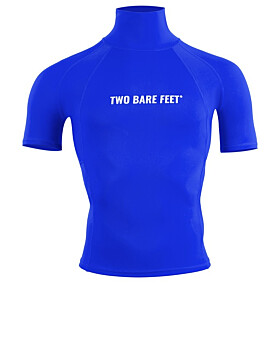
Two Bare Feet Adults Short Sleeve Rash Vest (Blue)
As low as £16.99 Regular Price £19.99 -

Two Bare Feet Adults Long Sleeve Rash Vest (Red)
As low as £17.99 Regular Price £21.99 -
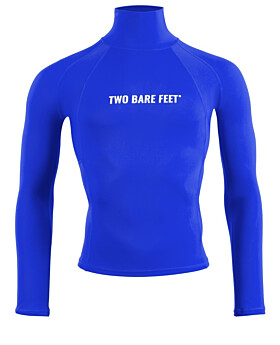
Two Bare Feet Adults Long Sleeve Rash Vest (Blue)
As low as £17.99 Regular Price £21.99 -
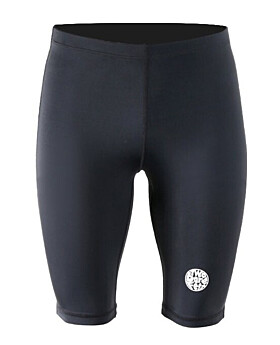
Two Bare Feet Mens Lycra Swimming Shorts (Black)
As low as £14.99 Regular Price £24.99 -

Two Bare Feet Adults Thermal Short Sleeve Rash Vest (Black)-3XL
Special Price £17.99 Regular Price £21.99 -
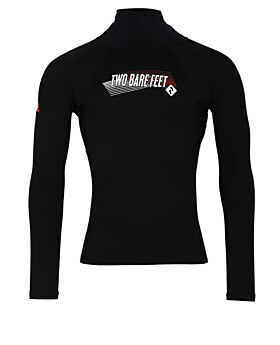
Two Bare Feet Adults Thermal Long Sleeve Rash Vest (Black)-3XL
£19.99 -
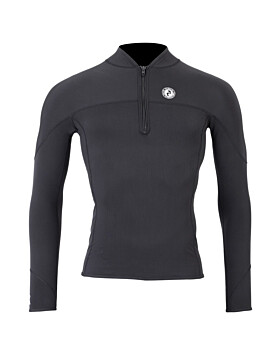
Two Bare Feet Mens Thermal Quarter Zip Watersports Fleece
As low as £24.99 Regular Price £29.99 -
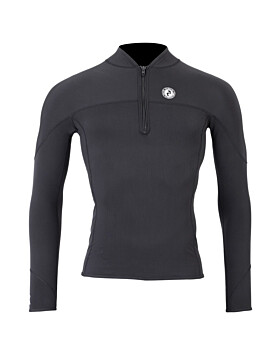
Two Bare Feet Adults Thermal Quarter Zip Watersports Fleece-Small
Special Price £24.99 Regular Price £29.99 -
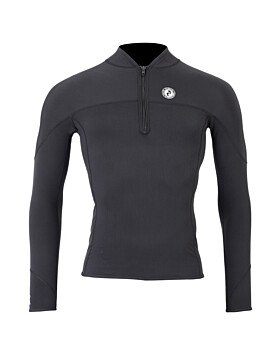
Two Bare Feet Adults Thermal Quarter Zip Watersports Fleece-2XL
Special Price £24.99 Regular Price £29.99 -
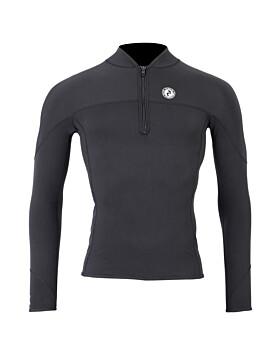
Two Bare Feet Adults Thermal Quarter Zip Watersports Fleece-XL
Special Price £24.99 Regular Price £29.99 -
Two Bare Feet Adults Thermal Long Sleeve Rash Vest (Black)-XS
£19.99 -
Two Bare Feet Mens Thermal Quarter Zip Watersports Fleece-Large
£24.99 -
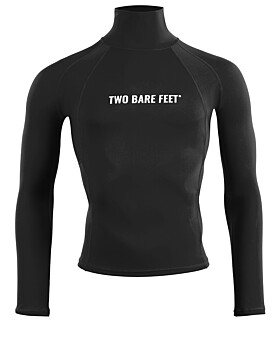
Two Bare Feet Adults Long Sleeve Rash Vest (Black)
As low as £17.99 Regular Price £21.99 -
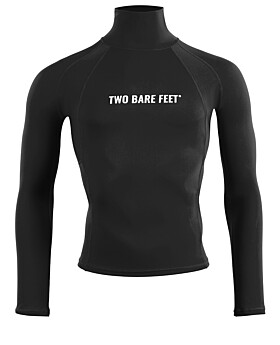
Two Bare Feet Adults Long Sleeve Rash Vest (Black)-Small
Special Price £17.99 Regular Price £21.99 -
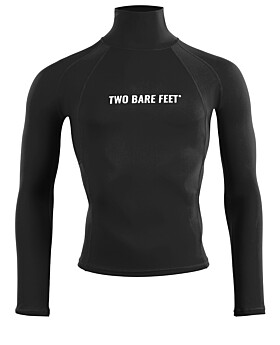
Two Bare Feet Adults Long Sleeve Rash Vest (Black)-Medium
Special Price £17.99 Regular Price £21.99 -
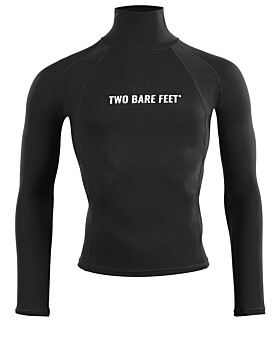
Two Bare Feet Adults Long Sleeve Rash Vest (Black)-Large
Special Price £17.99 Regular Price £21.99 -
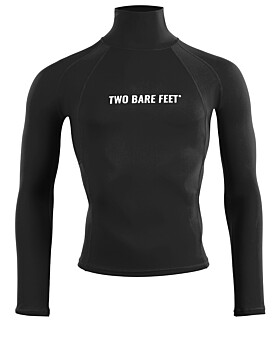
Two Bare Feet Adults Long Sleeve Rash Vest (Black)-XL
Special Price £17.99 Regular Price £21.99 -
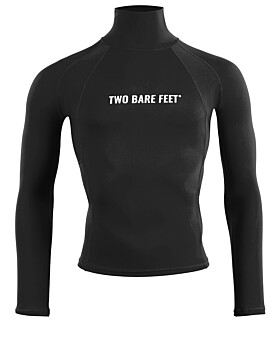
Two Bare Feet Adults Long Sleeve Rash Vest (Black)-2XL
Special Price £17.99 Regular Price £21.99 -
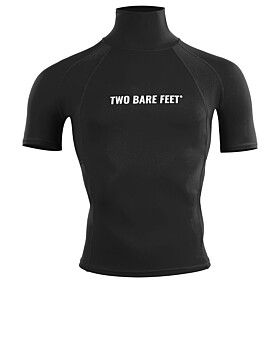
Two Bare Feet Adults Short Sleeve Rash Vest (Black)
As low as £15.99 Regular Price £19.99 -
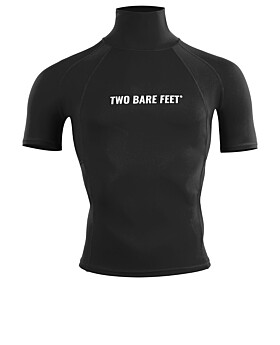
Two Bare Feet Adults Short Sleeve Rash Vest (Black)-Medium
Special Price £15.99 Regular Price £19.99 -
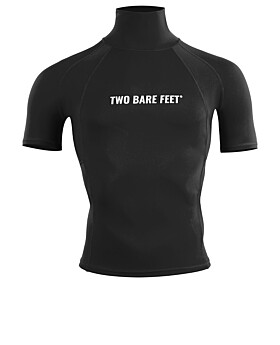
Two Bare Feet Adults Short Sleeve Rash Vest (Black)-Large
Special Price £15.99 Regular Price £19.99 -
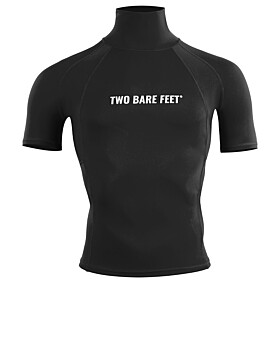
Two Bare Feet Adults Short Sleeve Rash Vest (Black)-XL
Special Price £15.99 Regular Price £19.99 -
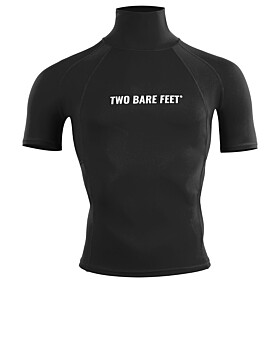
Two Bare Feet Adults Short Sleeve Rash Vest (Black)-2XL
Special Price £15.99 Regular Price £19.99 -
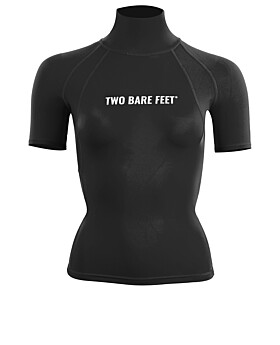
Two Bare Feet Unisex Short Sleeve Rash Vest (Black)-Medium
Special Price £15.99 Regular Price £19.99 -
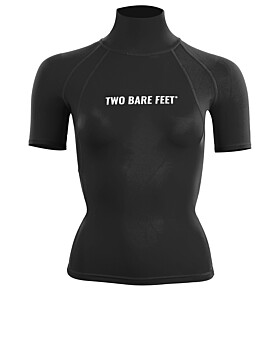
Two Bare Feet Unisex Short Sleeve Rash Vest (Black)-Large
Special Price £15.99 Regular Price £19.99 -
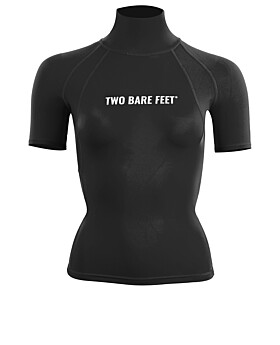
Two Bare Feet Unisex Short Sleeve Rash Vest (Black)-XL
Special Price £15.99 Regular Price £19.99 -
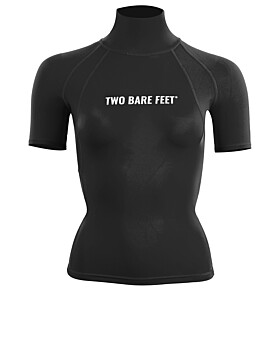
Two Bare Feet Unisex Short Sleeve Rash Vest (Black)-2XL
Special Price £15.99 Regular Price £19.99 -
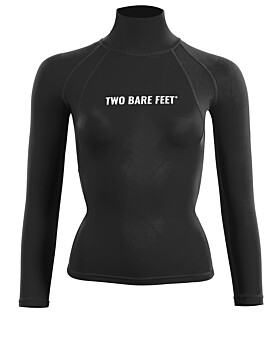
Two Bare Feet Unisex Long Sleeve Rash Vest (Black)-Small
Special Price £17.99 Regular Price £21.99 -
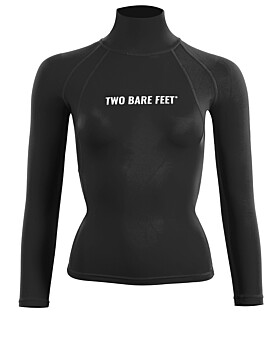
Two Bare Feet Unisex Long Sleeve Rash Vest (Black)-Medium
Special Price £17.99 Regular Price £21.99 -
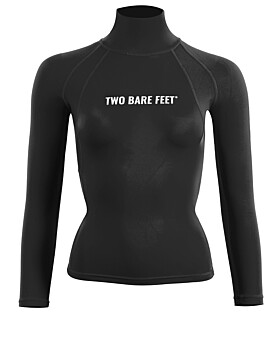
Two Bare Feet Unisex Long Sleeve Rash Vest (Black)-Large
Special Price £17.99 Regular Price £21.99 -
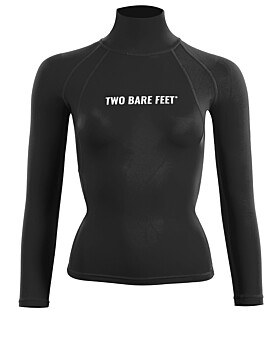
Two Bare Feet Unisex Long Sleeve Rash Vest (Black)-XL
Special Price £17.99 Regular Price £21.99 -
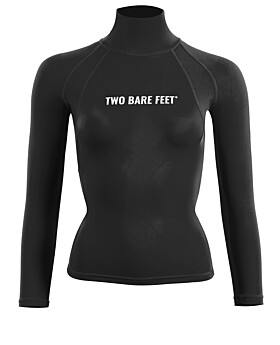
Two Bare Feet Unisex Long Sleeve Rash Vest (Black)-2XL
Special Price £17.99 Regular Price £21.99 -
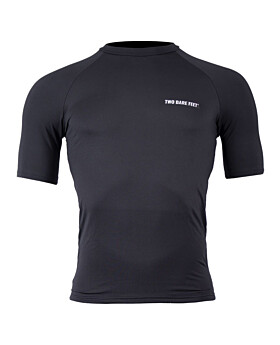
Two Bare Feet Adults Crew Neck Thermal Short Sleeve Rash Vest (Black)-XS
£17.99 -
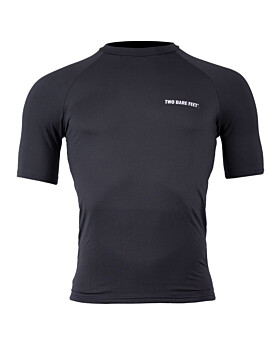
Two Bare Feet Adults Crew Neck Thermal Short Sleeve Rash Vest (Black)-Small
£17.99 -
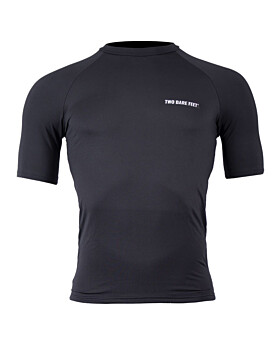
Two Bare Feet Adults Crew Neck Thermal Short Sleeve Rash Vest (Black)-Medium
£17.99 -
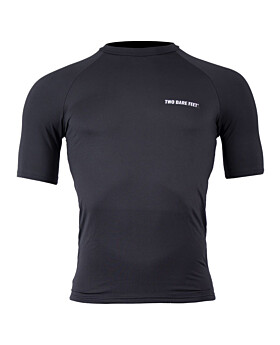
Two Bare Feet Adults Crew Neck Thermal Short Sleeve Rash Vest (Black)-Large
£17.99 -
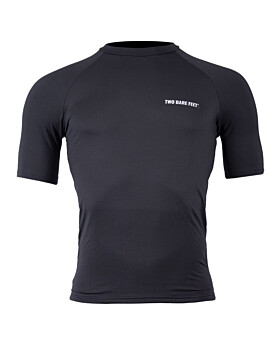
Two Bare Feet Adults Crew Neck Thermal Short Sleeve Rash Vest (Black)-XL
£17.99 -
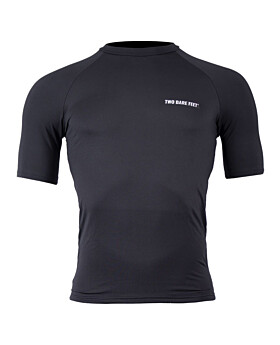
Two Bare Feet Adults Crew Neck Thermal Short Sleeve Rash Vest (Black)-2XL
£17.99 -
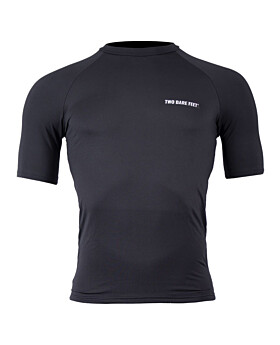
Two Bare Feet Adults Crew Neck Thermal Short Sleeve Rash Vest (Black)-3XL
£17.99 -
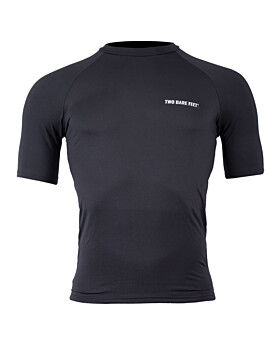
Two Bare Feet Adults Crew Neck Thermal Short Sleeve Rash Vest (Black)
£17.99 -
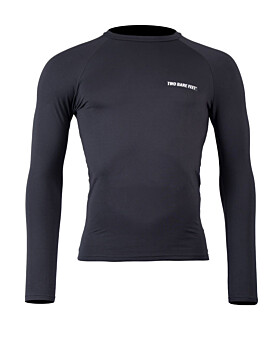
Two Bare Feet Adults Crew Neck Thermal Long Sleeve Rash Vest (Black)-XS
£19.99 -
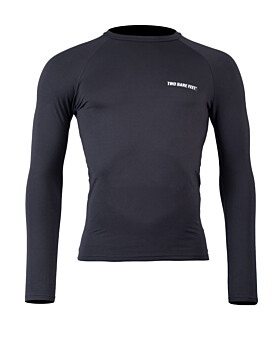
Two Bare Feet Adults Crew Neck Thermal Long Sleeve Rash Vest (Black)-Small
£19.99 -
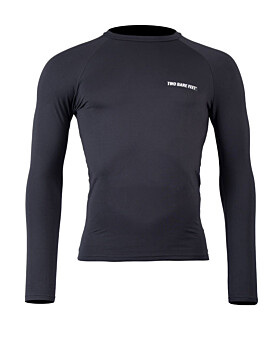
Two Bare Feet Adults Crew Neck Thermal Long Sleeve Rash Vest (Black)-Medium
£19.99 -
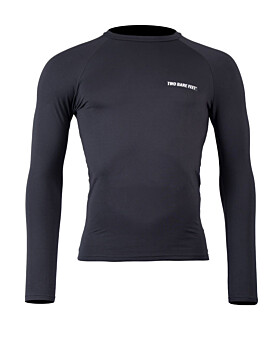
Two Bare Feet Adults Crew Neck Thermal Long Sleeve Rash Vest (Black)-Large
£19.99 -
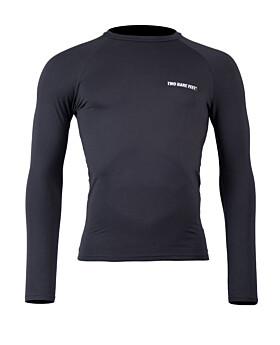
Two Bare Feet Adults Crew Neck Thermal Long Sleeve Rash Vest (Black)-XL
£19.99 -
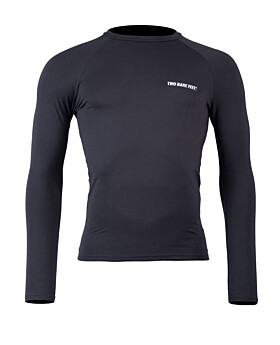
Two Bare Feet Adults Crew Neck Thermal Long Sleeve Rash Vest (Black)-2XL
£19.99 -
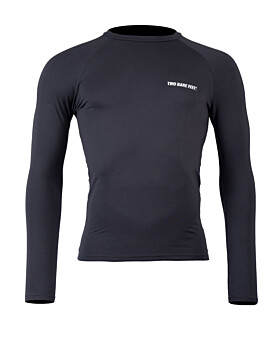
Two Bare Feet Adults Crew Neck Thermal Long Sleeve Rash Vest (Black)
£19.99 -
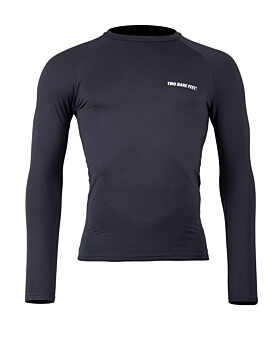
Two Bare Feet Adults Crew Neck Thermal Long Sleeve Rash Vest (Black)-3XL
£19.99
Summer vs winter base layers
Base layers are worn year-round, not just for cold weather. They are categorised by their fabric weight to suit different conditions: lightweight, midweight, and heavyweight (or expedition weight).
In summer, a lightweight base layer is essential for effective temperature regulation. Its primary role in warm weather is to wick sweat away from your skin efficiently. This allows for evaporative cooling to take place on the fabric’s surface, keeping you drier and therefore cooler than you would be in a sweat-soaked cotton t-shirt that clings to the skin and prevents this process.
For autumn and spring, or for high-intensity activities in winter, a midweight base layer provides a balance of warmth and moisture management. This is the most versatile weight and a good starting point for any hiker. For deep winter conditions, cold-weather mountaineering, or for those who feel the cold more acutely, a heavyweight base layer offers the maximum amount of insulation while still providing the necessary wicking properties.
Upper and lower body considerations
A complete layering system addresses the entire body. For cold weather, this means complementing your long-sleeved top with a pair of base layer bottoms, often called long johns or thermal leggings. These perform the same moisture-wicking and insulating function for your legs, ensuring your lower body remains dry and warm under your hiking trousers.
When considering a hiking outfit for women, the base layer system must also include a properly fitting sports bra made from synthetic or merino wool materials. A standard cotton bra will become saturated with sweat, leading to discomfort, chafing, and a cold spot on your chest and back, completely undermining the performance of the technical layers worn over it.
The underwear question
The ‘no cotton’ rule applies to every single item of clothing worn next to the skin, and that includes underwear. Chafing is a common and debilitating problem on long hikes, caused by a combination of friction and moisture. Choosing underwear made from merino wool or a synthetic blend will keep you much drier and more comfortable. Look for designs with flatlock seams, which are constructed to lie flat against the skin and minimise potential rubbing points over the course of a day’s walking.
3. Mid-layers: insulation without bulk
The mid-layer is your primary source of warmth, worn over the base layer to trap body heat and provide insulation. The versatility of the layering system truly shines here, as you can choose from a wide range of materials and styles to perfectly match the day’s conditions. Choosing the best mid layer involves weighing the pros and cons of different materials against our famously changeable weather.
Fleece vs down vs synthetic insulation
The three main categories of insulation for mid-layers are fleece, down, and synthetic insulation. Each has a unique profile of strengths and weaknesses that makes it suitable for different situations.
Fleece, typically made from polyester, is a workhorse insulator. It is highly breathable, durable, and retains a significant amount of its insulating ability even when it gets damp, drying relatively quickly. Its main drawbacks are a lower warmth-to-weight ratio compared to down and a bulkier packed size.
Down insulation, derived from the soft under-feathers of ducks or geese, offers an unbeatable warmth-to-weight ratio. It is incredibly lightweight and compresses down to a very small size, making it ideal for carrying in a pack. However, its major weakness is moisture. When down gets wet, the fine filaments clump together, losing their ability to trap air (their ‘loft’) and thus losing all insulating properties. It is also very slow to dry.
Synthetic insulation is designed to mimic the properties of down using polyester fibres. Its key advantage is its performance in wet conditions; it continues to insulate effectively even when damp and dries much faster than down. While modern synthetics are getting ever closer to the performance of down, they are still generally slightly heavier and less compressible for an equivalent amount of warmth.
|
Insulation type |
Warmth-to-weight ratio |
Wet weather performance |
Packability |
Breathability |
|
Fleece |
Good |
Excellent (insulates when damp, dries fast) |
Fair (can be bulky) |
Excellent |
|
Down |
Excellent (highest) |
Poor (loses all insulation when wet) |
Excellent (most compressible) |
Good |
|
Synthetic |
Very good |
Excellent (insulates when damp, dries fast) |
Very good |
Very good |
Active insulation for moving fast
A more recent innovation in mid-layer technology is ‘active insulation’. This refers to a category of synthetic insulation that is engineered to be exceptionally breathable. This allows it to be worn during periods of high physical exertion, such as a steep uphill climb, without causing the wearer to overheat and become soaked in sweat. It effectively bridges the gap between a traditional fleece and a standard synthetic ‘puffy’ jacket.
For high-energy days where breathability is paramount, a softshell jacket is an excellent choice. Our Two Bare Feet Softshell Waterproof Jackets, with an 8k breathability rating and a micro-fibre fleece lining, are designed to offer protection from wind and light showers while allowing excess heat and moisture to escape. This makes them a superb ‘put on and keep on’ layer for fast-paced hiking in cool, changeable conditions.
Adjustable warmth options
Versatility within the mid-layer category can be enhanced by choosing garments with features that allow for easy temperature regulation. A gilet, or vest, is an excellent option for providing essential warmth to your core while leaving your arms free and unrestricted, reducing the chance of overheating. It is a perfect layer for cool but not truly cold days.
A fleece gilet is one of the most adaptable pieces in a hiker’s wardrobe. Our Two Bare Feet Unisex Gilet Full Zip Fleece, made from premium 300gsm thermal fleece, provides that essential core insulation without the bulk of a full jacket. The full-zip design allows for instant temperature regulation as you move from shaded to exposed areas, making it a highly practical and comfortable choice for layering. Similarly, mid-layers with a quarter-zip design offer a quick and easy way to vent excess heat without having to stop and remove the garment entirely.
-
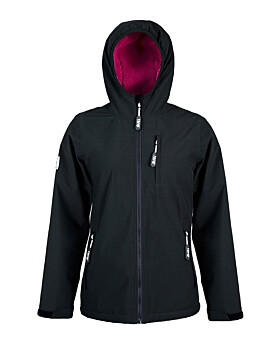
Womens Sherpa Lined Waterproof Jacket (Black/Raspberry)
As low as £24.99 Regular Price £79.99 -
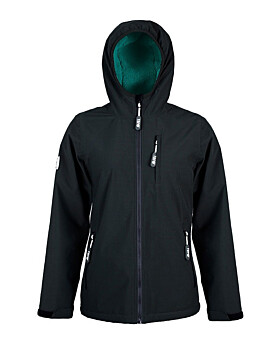
Womens Sherpa Lined Waterproof Jacket (Black/Sea Green)
As low as £24.99 Regular Price £79.99 -
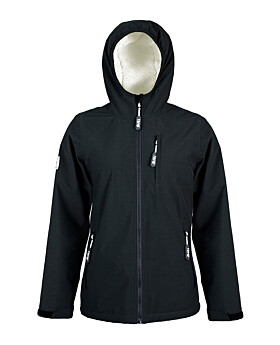
Womens Sherpa Lined Waterproof Jacket (Black/Cream)
As low as £24.99 Regular Price £79.99 -
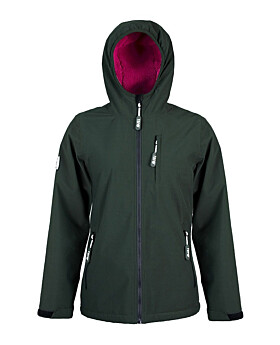
Womens Sherpa Lined Waterproof Jacket (Khaki/Raspberry)
As low as £24.99 Regular Price £79.99 -
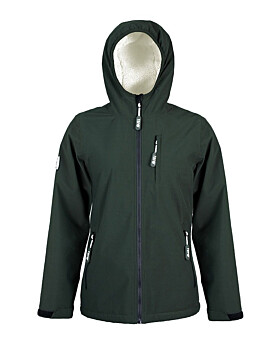
Womens Sherpa Lined Waterproof Jacket (Khaki/Cream)
As low as £24.99 Regular Price £79.99 -
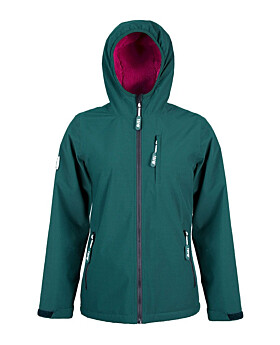
Womens Sherpa Lined Waterproof Jacket (Sea Green/Raspberry)
As low as £24.99 Regular Price £79.99 -
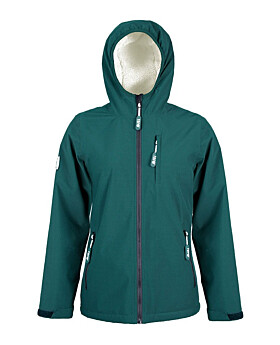
Womens Sherpa Lined Waterproof Jacket (Sea Green/Cream)
As low as £24.99 Regular Price £79.99 -
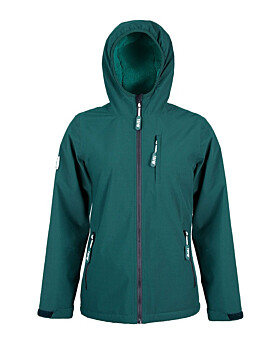
Womens Sherpa Lined Waterproof Jacket (Sea Green/Sea Green)
As low as £24.99 Regular Price £79.99 -
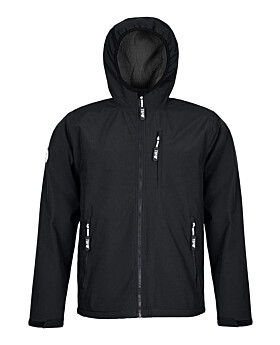
Mens Sherpa Lined Waterproof Jacket (Black/Charcoal)
As low as £24.99 Regular Price £79.99 -
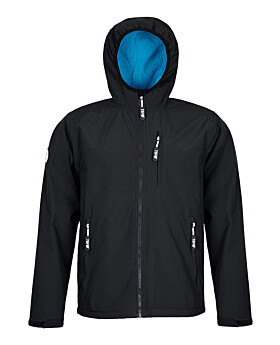
Mens Sherpa Lined Waterproof Jacket (Black/Blue)
As low as £24.99 Regular Price £79.99 -
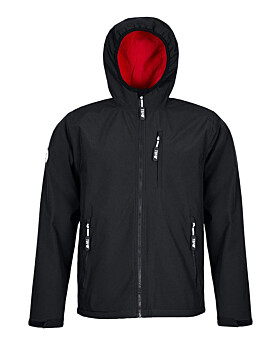
Mens Sherpa Lined Waterproof Jacket (Black/Red)
As low as £24.99 Regular Price £79.99 -
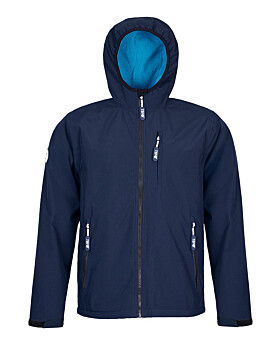
Mens Sherpa Lined Waterproof Jacket (Marine Blue/Blue)
As low as £24.99 Regular Price £79.99 -
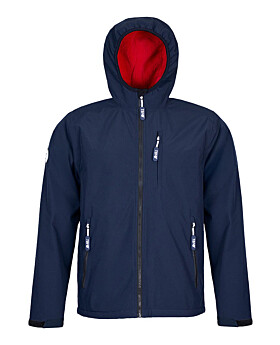
Mens Sherpa Lined Waterproof Jacket (Marine Blue/Red)
As low as £24.99 Regular Price £79.99 -
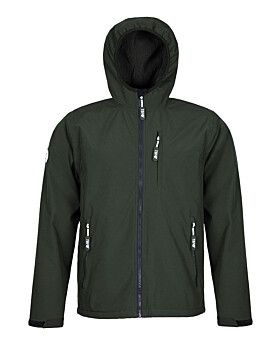
Mens Sherpa Lined Waterproof Jacket (Khaki/Black)
As low as £24.99 Regular Price £79.99 -
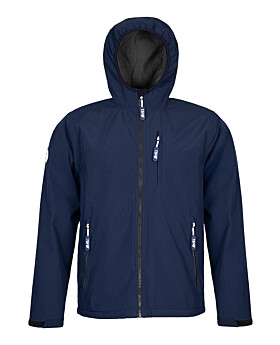
Mens Sherpa Lined Waterproof Jacket (Marine Blue/Charcoal)
As low as £24.99 Regular Price £79.99 -
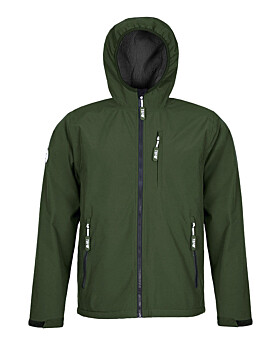
Mens Sherpa Lined Waterproof Jacket (Forest/Charcoal)
As low as £24.99 Regular Price £79.99 -
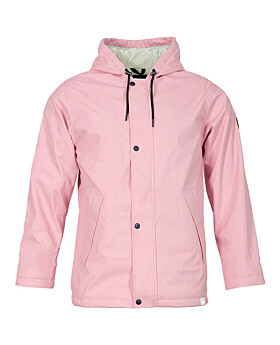
Elemental Waterproof Lightweight Jacket (Dusk/Cream)
As low as £44.99 Regular Price £79.99 -
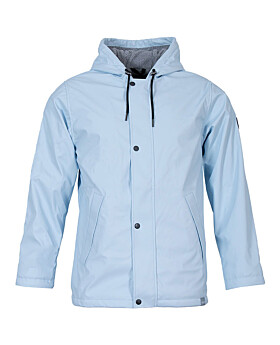
Elemental Waterproof Lightweight Jacket (Ice Blue/Grey)
As low as £44.99 Regular Price £79.99 -
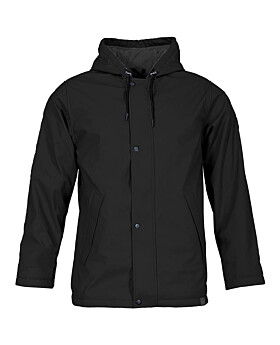
Elemental Waterproof Lightweight Jacket (Black/Charcoal)
As low as £44.99 Regular Price £79.99 -
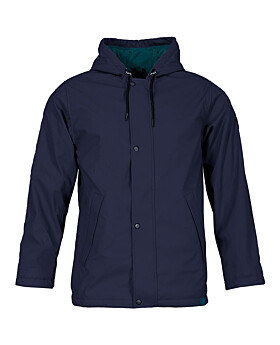
Elemental Waterproof Lightweight Jacket (Navy/Sea Green)
As low as £44.99 Regular Price £79.99 -
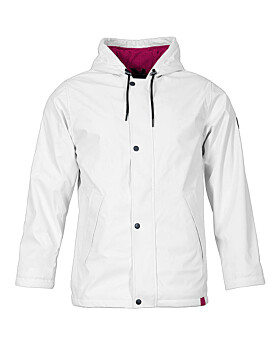
Elemental Waterproof Lightweight Jacket (White/Raspberry)
As low as £44.99 Regular Price £79.99 -
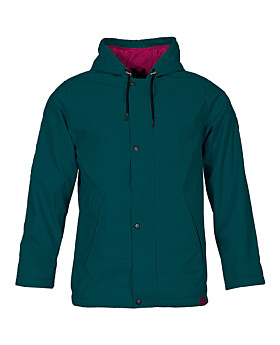
Elemental Waterproof Lightweight Jacket (Sea Green/Raspberry)
As low as £44.99 Regular Price £79.99 -
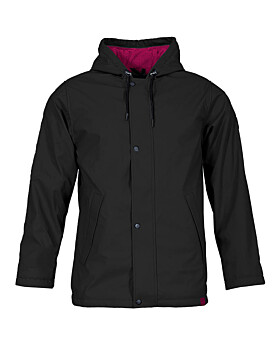
Elemental Waterproof Lightweight Jacket (Black/Raspberry)
As low as £44.99 Regular Price £79.99 -
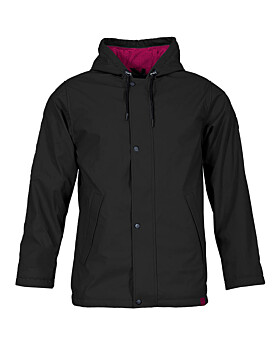
Elemental Waterproof Lightweight Jacket (Black/Raspberry)-Small
Special Price £44.99 Regular Price £79.99 -

Elemental Waterproof Lightweight Jacket (Black/Raspberry)-Medium
Special Price £44.99 Regular Price £79.99 -

Elemental Waterproof Lightweight Jacket (Black/Raspberry)-Large
Special Price £44.99 Regular Price £79.99 -

Elemental Waterproof Lightweight Jacket (Black/Raspberry)-XL
Special Price £44.99 Regular Price £79.99 -

Elemental Waterproof Lightweight Jacket (Black/Raspberry)-2XL
Special Price £44.99 Regular Price £79.99 -

Elemental Waterproof Lightweight Jacket (Navy/Grey)
As low as £44.99 Regular Price £79.99 -

Elemental Waterproof Lightweight Jacket (Navy/Grey)-Small
Special Price £44.99 Regular Price £79.99 -
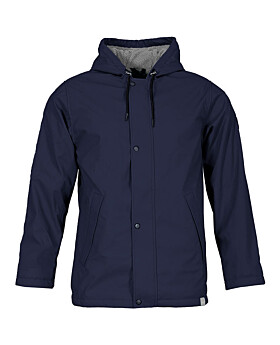
Elemental Waterproof Lightweight Jacket (Navy/Grey)-Medium
Special Price £44.99 Regular Price £79.99 -
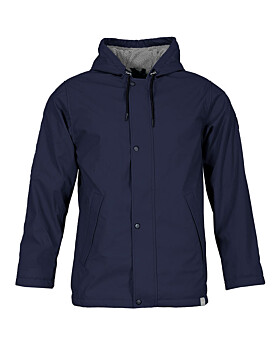
Elemental Waterproof Lightweight Jacket (Navy/Grey)-Large
Special Price £44.99 Regular Price £79.99 -
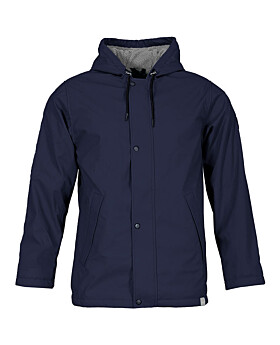
Elemental Waterproof Lightweight Jacket (Navy/Grey)-XL
Special Price £44.99 Regular Price £79.99 -
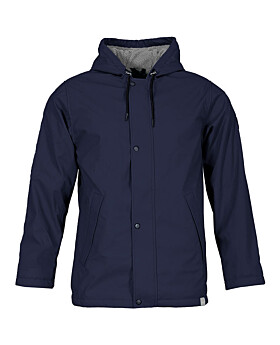
Elemental Waterproof Lightweight Jacket (Navy/Grey)-2XL
Special Price £44.99 Regular Price £79.99
4. Outer layers: your weather shield
The outer layer, or shell, is your primary defence against the elements. It serves as a protective barrier against wind and rain, allowing your insulating inner layers to function effectively. A reliable outer layer is a required part of any hiking kit in the UK, where conditions can change from sunshine to downpour with little warning.
Waterproof vs water-resistant
When selecting an outer layer, it is important to understand the distinction between ‘water-resistant’ and ‘waterproof’. A water-resistant jacket has a fabric that is either very tightly woven or has been treated with a Durable Water Repellent (DWR) coating, which causes water to bead up and roll off the surface. This type of jacket can handle light showers for a short period but will eventually let water through in persistent rain.
A truly waterproof jacket, by contrast, provides a complete barrier to rain. This is achieved by using a fabric that incorporates a waterproof membrane or coating, and by sealing all the stitched seams with waterproof tape to prevent water from leaking through the needle holes. This construction ensures you stay dry even in a prolonged downpour.
Waterproof performance is measured using a Hydrostatic Head (HH) test, which gives a rating in thousands of millimetres (mm). This number indicates how tall a column of water the fabric can withstand before it leaks. For UK hiking, these numbers translate to real-world performance. A rating of 5,000mm is adequate for brief, light showers. A 10,000mm rating is a solid standard for all-day hiking in typical British rain, such as you might encounter in Snowdonia or the Lake District. A rating of 20,000mm or more is designed for severe, persistent downpours and challenging mountain conditions.
Our Elemental Waterproof Jackets feature a 10k (10,000mm) waterproof rating, offering reliable, robust protection for full-day hikes, while our Sherpa Jackets and Softshell Jackets offer an 8k (8,000mm) rating, providing excellent protection against showers and changeable weather.
Shell jackets for serious weather
When the forecast is unforgiving, a dedicated ‘hardshell’ jacket with a full suite of protective features is essential. Fully taped seams are the baseline requirement, ensuring that no water can penetrate the stitching. A well-designed hood is also critical; look for one that is fully adjustable, allowing you to create a snug fit around your face, and features a stiffened peak to keep rain out of your eyes and off your glasses.
Waterproof zippers or, more traditionally, a storm flap covering the main zip, provide another crucial line of defence against driving rain. Finally, many hardshells designed for hiking include ‘pit zips’—zippers under the armpits that can be opened for ventilation. These allow you to release a large amount of heat and water vapour during strenuous ascents without compromising your protection from the rain. Our Two Bare Feet Elemental Waterproof Lightweight Jacket is designed for this purpose, featuring fully sealed seams, a large adjustable hood to shield your face, and a full-length storm flap for extra protection over the zip—key features for staying dry in a downpour.
Lightweight options for fair weather
On days that are forecast to be dry but windy, carrying a full waterproof jacket might be unnecessary. In these conditions, a lightweight windbreaker or windproof softshell jacket is an excellent choice. Wind is a major contributor to heat loss, an effect known as wind chill. Even on a mild day, a strong wind can make you feel significantly colder. A windproof layer protects the warm air trapped by your mid-layer from being stripped away, keeping you comfortable without the bulk or lower breathability of a full waterproof shell.
The changing robe alternative
An innovative solution for comfort at the end of your hike, particularly after a wet and challenging day, is to repurpose a weatherproof changing robe. This piece of kit, originally designed for watersports, serves a unique and valuable function for hikers. It acts as your own private, portable changing room at the car park or trailhead, allowing you to get out of damp, muddy hiking clothes with dignity.
Simultaneously, it functions as a huge, warm, and protective outer layer to combat the immediate post-activity chill that can set in as your body cools down. Our Two Bare Feet Original Adult Weatherproof Changing Robes are perfect examples of a post-hike changing solution. With their fully waterproof and windproof outer shell and a deep-pile sherpa fleece lining, they provide instant warmth and shelter, transforming the often-uncomfortable end of a hike into a comfortable transition back to your car and the journey home.
-

Elemental Waterproof Lightweight Slimline Changing Robe (Ice Blue/Grey)-Adults S / M
Special Price £69.99 Regular Price £139.99 -

Elemental Waterproof Lightweight Slimline Changing Robe (Ice Blue/Grey)-Adults L / XL
Special Price £69.99 Regular Price £139.99 -
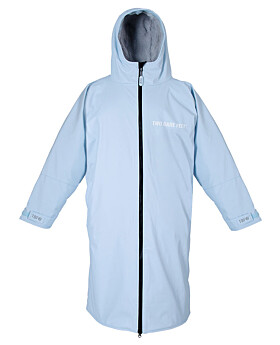
Elemental Waterproof Lightweight Slimline Changing Robe (Ice Blue/Grey)
As low as £69.99 Regular Price £139.99 -

Elemental Waterproof Lightweight Slimline Changing Robe (Dusk/Cream)-Adults S / M
Special Price £69.99 Regular Price £139.99 -

Elemental Waterproof Lightweight Slimline Changing Robe (Dusk/Cream)-Adults L / XL
Special Price £69.99 Regular Price £139.99 -
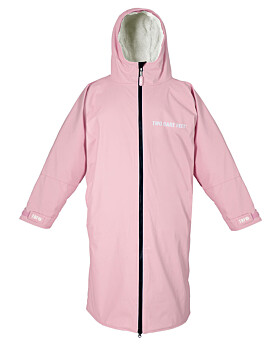
Elemental Waterproof Lightweight Slimline Changing Robe (Dusk/Cream)
As low as £69.99 Regular Price £139.99 -
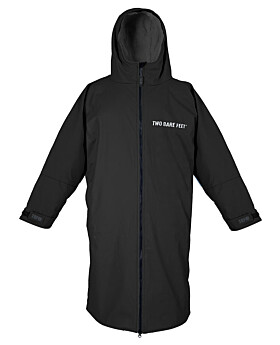
Elemental Waterproof Lightweight Slimline Changing Robe (Black/Charcoal)
As low as £69.99 Regular Price £139.99 -
Elemental Waterproof Lightweight Slimline Changing Robe (Black/Charcoal)-Adults S / M
Special Price £69.99 Regular Price £139.99 -
Elemental Waterproof Lightweight Slimline Changing Robe (Black/Charcoal)-Adults L / XL
Special Price £69.99 Regular Price £139.99 -
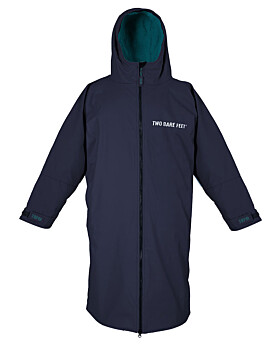
Elemental Waterproof Lightweight Slimline Changing Robe (Navy/Sea Green)
As low as £69.99 Regular Price £139.99 -
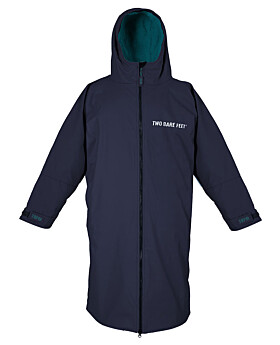
Elemental Waterproof Lightweight Slimline Changing Robe (Navy/Sea Green)-Adults S / M
Special Price £69.99 Regular Price £139.99 -
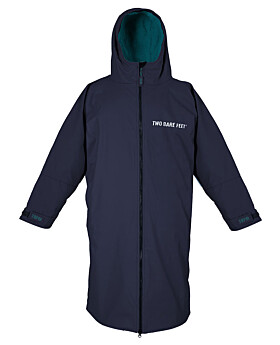
Elemental Waterproof Lightweight Slimline Changing Robe (Navy/Sea Green)-Adults L / XL
Special Price £69.99 Regular Price £139.99 -
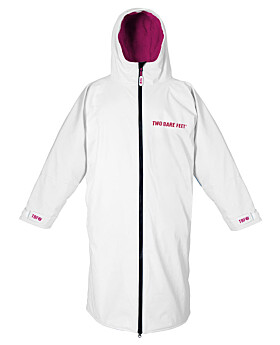
Elemental Waterproof Lightweight Slimline Changing Robe (White/Raspberry)
As low as £69.99 Regular Price £139.99 -
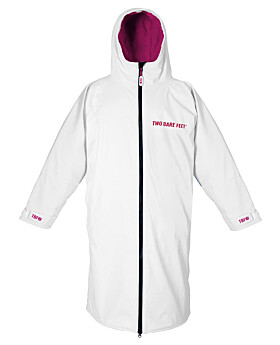
Elemental Waterproof Lightweight Slimline Changing Robe (White/Raspberry)-Adults S / M
Special Price £69.99 Regular Price £139.99 -
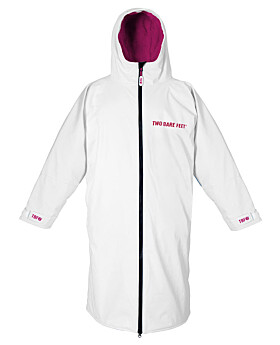
Elemental Waterproof Lightweight Slimline Changing Robe (White/Raspberry)-Adults L / XL
Special Price £69.99 Regular Price £139.99 -
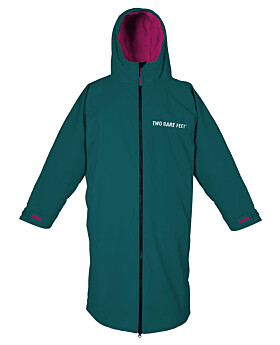
Elemental Waterproof Lightweight Slimline Changing Robe (Sea Green/Raspberry)
As low as £69.99 Regular Price £139.99 -
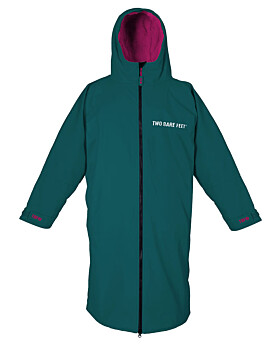
Elemental Waterproof Lightweight Slimline Changing Robe (Sea Green/Raspberry)-Adults S / M
Special Price £69.99 Regular Price £139.99 -
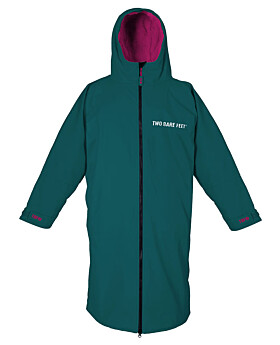
Elemental Waterproof Lightweight Slimline Changing Robe (Sea Green/Raspberry)-Adults L / XL
Special Price £69.99 Regular Price £139.99
5. Lower body layering strategy
While the upper body layering system receives the most attention, a strategic approach to clothing your lower half is just as important for overall comfort and protection. The principles of moisture management, insulation, and weather protection apply equally to your legs.
Hiking trousers vs shorts
The choice between wearing hiking trousers or shorts is largely dependent on the weather and personal preference. Shorts offer maximum freedom of movement and ventilation in warm, dry weather. However, trousers provide crucial protection from the sun, scratches from overgrown vegetation like brambles or gorse, and insect or tick bites.
A distinction can be made between traditional hiking trousers and more modern softshell trousers. Traditional walking trousers, often made from durable polycotton blends, are excellent for general-purpose hiking. Softshell trousers, however, are made from stretchier, more breathable, and more weather-resistant fabrics. This makes them particularly well-suited to more athletic mountain walking and scrambling, where a greater range of movement is required. For maximum versatility, some hikers opt for convertible trousers, which feature zips at the knee that allow the lower legs to be removed, turning them into shorts.
Waterproof overtrousers
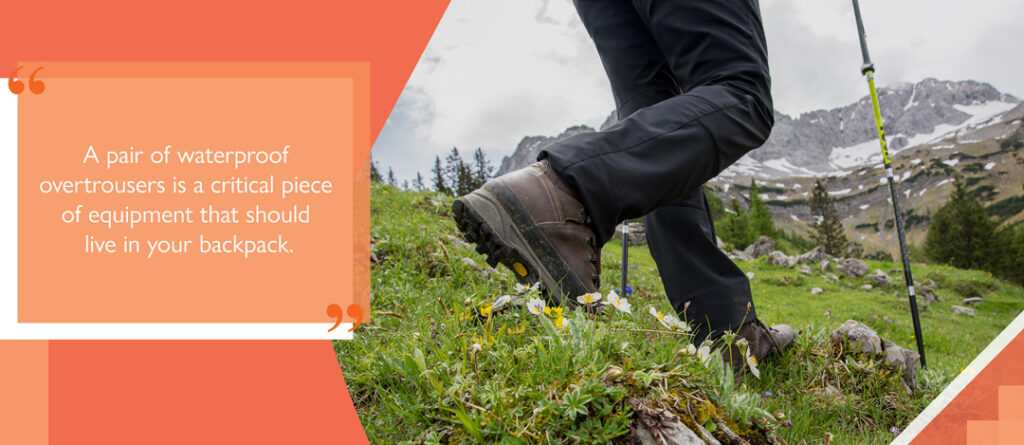
Just as a waterproof jacket is essential, a pair of waterproof overtrousers is a critical piece of safety equipment that should live in your backpack on almost every UK hike. It is a mistake to assume that your standard hiking trousers will keep you dry in anything more than a brief, light shower. Once your trousers are soaked, you will become cold very quickly, and the wet fabric can cause uncomfortable chafing.
When choosing overtrousers, a key feature to look for is long side zips, ideally full-length ones. These allow you to put the trousers on or take them off quickly and easily without having to remove your muddy hiking boots—a huge convenience when a sudden downpour begins.
Gaiters and leg protection
Gaiters are a simple yet incredibly effective piece of kit, especially for the often wet and boggy conditions found on UK trails. They are fabric sleeves that cover the top of your boots and extend up to your lower or mid-calf, bridging the gap between your boots and trousers.
Their primary function is to prevent water, mud, snow, grit, and other debris from getting into the top of your boots. While waterproof boots are effective at keeping water out from below, they are vulnerable to water pouring in from the top when you step into a deep puddle, a boggy patch of ground, or a snowdrift. In classic UK hiking conditions, such as crossing a marshy area in the Lake District, gaiters are the only reliable way to keep your socks and feet dry from the top down. They also protect your lower trousers from mud and abrasion, helping to prolong their life.
6. Footwear: the foundation of every hike
No piece of equipment is more critical to the success and enjoyment of a hike than your footwear. The entire system, from the boot itself to the socks you wear inside it, must work together to provide support, protection, and comfort. Problems with your feet will bring a day’s walking to a painful and premature end faster than any other gear failure.
Boots vs shoes vs trail runners
Hiking footwear falls into three main categories. Hiking boots are the traditional choice, offering the most support, durability, and protection. They typically have a mid or high-cut design that provides ankle support, which is invaluable on rough, rocky terrain or when carrying a heavy backpack. Their stiff soles protect your feet from sharp rocks underfoot.
Trail-running shoes are at the other end of the spectrum. They are lightweight, flexible, and highly breathable, requiring little to no break-in period. Many experienced long-distance hikers prefer them for their comfort and for the reduced fatigue that comes with less weight on your feet. The trade-offs are significantly less ankle support and lower durability, meaning they will need to be replaced more frequently.
Hiking shoes sit in the middle, offering a hybrid approach. They are built like a hiking boot but have a low-cut design like a trainer. They are stiffer and more durable than a trail runner but lighter and more flexible than a full boot, making them a popular choice for day hiking on well-maintained trails.
Understanding waterproofing technologies
Most hiking boots and many hiking shoes feature a waterproof, breathable membrane to keep your feet dry. Gore-Tex is the most well-known brand of this technology, but many footwear manufacturers have developed their own proprietary waterproof membranes that function in a similar way. These membranes are built into the lining of the footwear and contain microscopic pores that are large enough to let water vapour (sweat) out, but too small to let liquid water droplets in.
The main trade-off with any waterproof membrane is a reduction in breathability. A waterproof boot will always be warmer and less breathable than its non-waterproof equivalent. For hiking in the UK, where wet grass, puddles, and rain are common year-round, a waterproof membrane is generally considered a worthwhile feature.
The importance of a proper fit
An ill-fitting boot or shoe is a guarantee of discomfort and blisters. When trying on new footwear, it is essential to do so at the end of the day, as your feet naturally swell during the day and after exercise. Always wear the type of hiking socks you intend to hike in, as this will significantly affect the fit.
There should be a gap of about a thumb’s width between your longest toe and the end of the boot. This prevents your toes from hitting the front of the boot on steep descents. The fit should be snug around the midfoot and heel to prevent your foot from sliding around, but you should still be able to wiggle your toes freely. In addition, your heel should feel locked in place, with minimal or no lifting as you walk.
Most hiking boots, particularly leather ones, will require a break-in period. Wear them for short walks around the house and locally before committing to a long day on the hills.
Socks for blister prevention
Your socks are an active part of your footwear system. As with all layers, cotton socks must be avoided. They absorb sweat, lose their shape, and cause friction, which is the primary cause of blisters.
Instead, choose socks made from merino wool or a synthetic blend. These materials excel at wicking moisture away from your skin, helping to keep your feet dry and reducing friction. They also provide cushioning and temperature regulation. Hiking socks come in different cushioning levels: lightweight for warm weather, midweight for general three-season use, and heavyweight for cold winter conditions or for those who prefer maximum cushioning. Some hikers also use a two-sock system, wearing a very thin liner sock underneath their main hiking sock. This can further reduce friction, as any rubbing occurs between the two sock layers rather than between the sock and your skin.
7. Essential accessories for comfort and protection
Beyond the core clothing layers, a handful of essential accessories can significantly enhance your comfort, safety, and overall enjoyment on the trail. These are the items that often get overlooked by beginners but are rarely forgotten by experienced hikers.
Head and hand protection
A significant amount of body heat is lost through your head, so a warm hat or beanie is an essential piece of kit for cold weather. In summer, a wide-brimmed sun hat or a baseball cap is vital for protecting you from the sun’s rays. A neck gaiter or ‘buff’ is an incredibly versatile accessory. It can be worn as a scarf for warmth, pulled up over your face for protection from wind, or used as a headband or hat in warmer weather.
Gloves are another cold-weather essential. Your hands are often exposed to the elements and can get cold very quickly, especially when using trekking poles. It is wise to carry at least one pair of warm gloves, and in winter, a spare pair is a sensible precaution in case the first pair gets wet.
Eye protection and visibility
Sunglasses are important for protecting your eyes from UV radiation, which is stronger at higher altitudes and can be intensified by reflection from water or snow. Even on overcast days, UV levels can be high, so it is good practice to have a pair with you.
A headtorch is a critical piece of safety equipment that should be in your pack on every hike, even if you are only planning a short day walk. Unexpected delays, navigational errors, or an injury can mean you find yourself on the trail after dark. A headtorch keeps your hands free for navigating or using poles, and it is far more effective than the torch on a mobile phone. Always carry a spare set of batteries or a fully charged power bank.
-
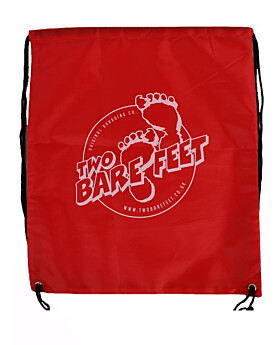
Two Bare Feet Swim Bag / Sports Gym Drawstring Bag (Red)
Special Price £2.99 Regular Price £5.99 -
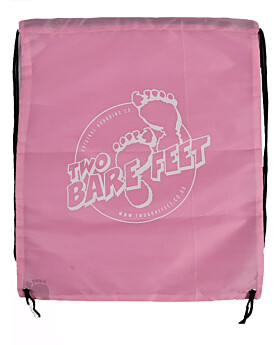
Two Bare Feet Swim Bag / Sports Gym Drawstring Bag (Pink)
Special Price £2.99 Regular Price £5.99 -
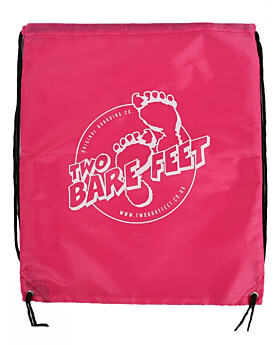
Two Bare Feet Swim Bag / Sports Gym Drawstring Bag (Raspberry)
Special Price £2.99 Regular Price £5.99 -
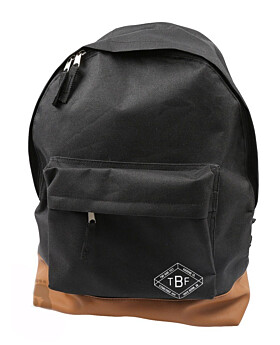
Two Bare Feet Classic Backpack Bag (Black)
£9.99 -
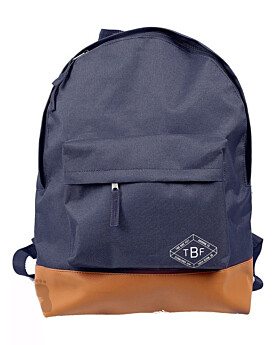
Two Bare Feet Classic Backpack Bag (Blue)
£9.99 -
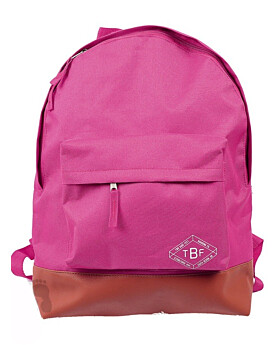
Two Bare Feet Classic Backpack Bag (Raspberry)
£9.99 -
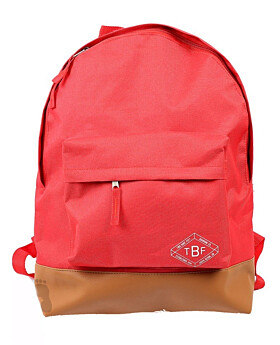
Two Bare Feet Classic Backpack Bag (Red)
£9.99 -
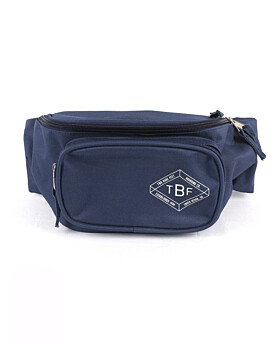
Two Bare Feet Boarding Co Waistbag Travel Bag (Navy)
£8.99 -
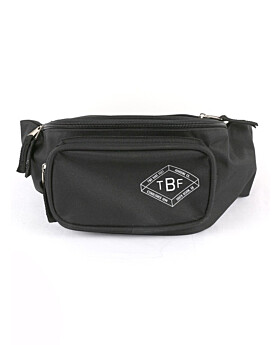
Two Bare Feet Boarding Co Waistbag Travel Bag (Black)
£8.99 -
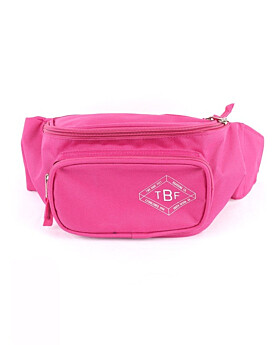
Two Bare Feet Boarding Co Waistbag Travel Bag (Raspberry)
£8.99 -
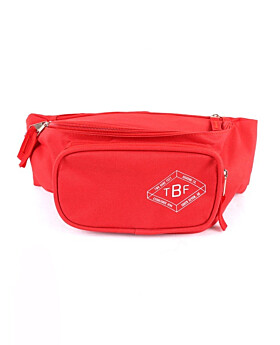
Two Bare Feet Boarding Co Waistbag Travel Bag (Red)
£8.99
Bags for carrying items
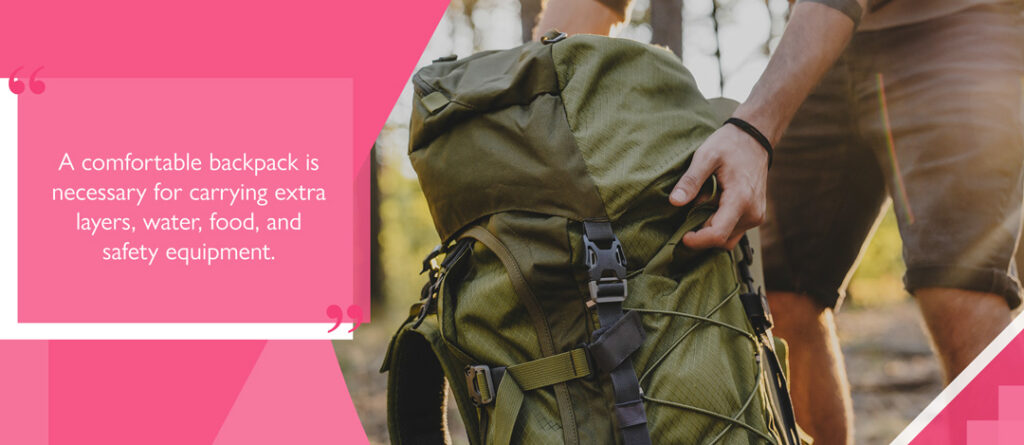
A comfortable backpack, or rucksack, is necessary for carrying your extra layers, water, food, and safety equipment. For a typical day hike, a pack with a capacity of 20 to 35 litres is usually sufficient. Look for a model with a supportive back system, a padded hip belt, and a sternum strap. These features help to distribute the weight of the pack from your shoulders onto your hips, making it much more comfortable to carry over a long day.
Choosing the right pack is crucial for a comfortable day. A simple, durable option like the Two Bare Feet Classic Backpack, with its approximate 17L capacity, is suitable for shorter, fair-weather walks where minimal extra gear is needed. For longer days requiring more layers and safety equipment, a dedicated hiking pack in the 20-35L range with the features mentioned above is recommended.
Stuff sacks and compression
The best way to keep your kit organised and protected from the elements is to use a system of stuff sacks or dry bags inside your main rucksack. Rucksacks themselves are rarely fully waterproof, so using waterproof liners is essential to keep your spare clothing and equipment dry.
To keep your layers organised and, crucially, dry, we recommend using waterproof dry bags inside your main rucksack. Our range of smaller capacity mini dry bags, available in sizes from 5L to 20L, are perfect for compartmentalising your kit. You can use a smaller one for your spare insulating layer and first aid kit, another for your waterproofs, and another for electronics and food. This not only keeps things tidy but ensures a sudden downpour does not leave you with a soaked fleece when you need it most.
Trekking poles
Trekking poles are used by many hikers to improve stability and reduce strain on the body. They provide two extra points of contact with the ground, which significantly improves balance on uneven, slippery, or rocky terrain. On descents, they are particularly valuable as they allow you to transfer some of the load from your knees to your arms, reducing the impact on your joints. On ascents, they can be used to help with propulsion and to establish a steady rhythm.
8. Weather-specific preparation
The beauty of the layering system is its adaptability. By selecting the right combination of layers from your wardrobe, you can create an optimal outfit for any weather condition the UK can throw at you.
Hot weather hiking
In hot and sunny weather, the focus shifts from insulation to sun protection and moisture management. A lightweight, loose-fitting, light-coloured base layer top will wick sweat away and help keep you cool. This should be paired with shorts or lightweight hiking trousers. A wide-brimmed sun hat is essential, along with sunglasses and high-SPF sun cream. Even on the hottest days, it is wise to carry a lightweight windproof jacket, as temperatures can still be cool on exposed summits.
Cold weather challenges
For cold, wintry conditions, your layering system needs to be robust. Start with a midweight or heavyweight thermal base layer for both your upper and lower body. Your mid-layer might consist of two garments: a thick fleece, supplemented by a synthetic insulated jacket for maximum warmth. Your outer layer should be a durable, fully waterproof and windproof hardshell. Protection for your extremities is critical, so a warm, insulated hat, a neck gaiter or balaclava, and a good pair of insulated, waterproof gloves are non-negotiable.
Wet weather strategies
When persistent rain is forecast, your entire system must be geared towards staying dry. Your primary defence is a high-quality waterproof hardshell jacket and waterproof overtrousers. Ensure your jacket’s hood is properly adjusted to protect your face. Gaiters are invaluable in these conditions to prevent water from entering the top of your waterproof boots. For your mid-layer, choose fleece or synthetic insulation, as these materials will continue to provide warmth even if they become damp. Down insulation should be avoided in consistently wet conditions.
Wind and exposed terrain
Wind is an often-underestimated hazard. It dramatically accelerates heat loss through wind chill, and a strong wind can make walking difficult and tiring. Your primary defence is a windproof outer layer. Even on a dry day, if it is windy, wearing a windbreaker or softshell jacket will make a huge difference to your warmth and comfort by protecting the insulating layers beneath. In exposed mountain environments, a jacket with a good, well-fitting hood is essential to protect your face and ears from the wind.
9. Embark on your adventure with confidence
Mastering the art of layering transforms hiking from a challenge against the elements into a comfortable and rewarding encounter with them. By understanding how each piece of your kit works as part of a system, you can step onto any trail, in any season, with the confidence that you are prepared.
With the right approach and the support of high-quality, thoughtfully designed gear, anyone can explore the stunning landscapes the UK has to offer.
Remember to always check the forecast, trust your preparations, and listen to your body—adding or removing layers before you feel too hot or too cold. With this knowledge, you can discover a new level of enjoyment and resilience in the great outdoors.
Ready to build your perfect layering system? Explore our range of technical jackets, versatile mid-layers, and performance base layers designed to keep you comfortable on every adventure.